Pelvic floor pain


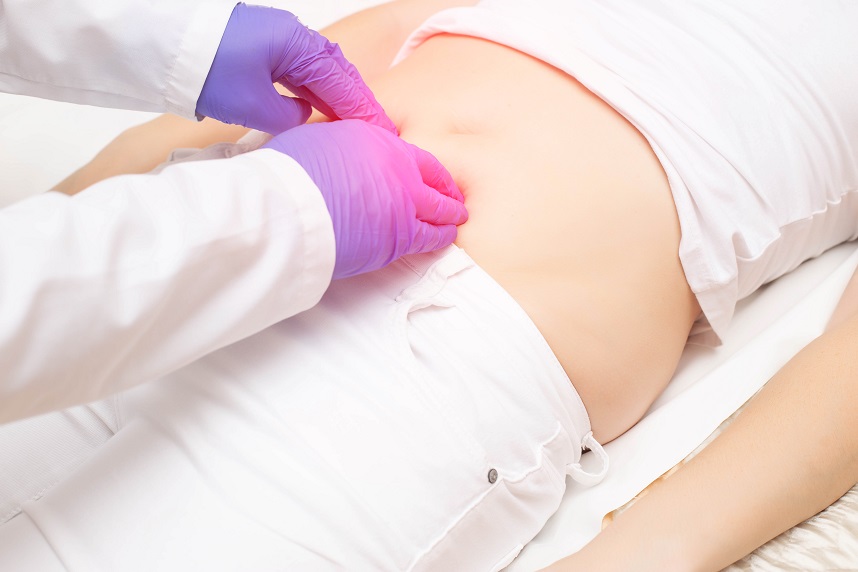
- What is pelvic organ prolapse?
- What are the causes of pelvic pain?
- Symptoms of pelvic floor muscle dysfunction
- Complications of pelvic floor muscle dysfunction
- Diagnosis
- Treatment for pelvic floor pain and pelvic organ prolapse
- Prevention of prolapse and pelvic floor pain
The pelvic floor muscles support the bladder, intestine, and uterus. They prevent bladder and bowel incontinence, as well as prolapse, and are also important for sexual function. Pelvic organ prolapse, a type of pelvic floor disorder, affects many women. Some women have multiple pelvic floor disorders, most often caused by childbirth. As women age, pelvic organ prolapse and other pelvic floor disorders become more common.

What is pelvic organ prolapse?
In some cases, the internal organs supported by the pelvic floor, including the bladder and uterus, can slip down into the vagina. This is called prolapse. A distinct bulge in the vagina and deep vaginal pain are common symptoms.
Pelvic organ prolapse refers to the dropping or sagging of any of the pelvic floor organs, including:
- Bladder
- Uterus
- vagina
- Small intestine
- Rectum
Prolapse happens when one or more organs descend into or outside the vaginal canal or anus. These can also be called:
- Cystocele: a prolapse of the bladder into the vagina, the most common condition
- Urethrocele: a prolapse of the urethra (the tube that carries urine)
- Uterine prolapse
- Vaginal vault prolapse: prolapse of the vagina
- Enterocele: small intestine prolapse
- Rectocele: rectal prolapse
What are the causes of pelvic pain?
Pelvic pain has many causes. One of the causes is pain arising from pelvic floor dysfunction. This is pain in the pelvic floor muscles, caused by weakness, spasm, or lack of coordination. It can be felt in the lower abdomen, pelvis, vagina, external vaginal area, rectum, or bladder. This pain can be present constantly, intermittently, or with certain activities, including during physical exercise, prolonged sitting, or sexual activity.
Possible causes of pelvic floor dysfunction include chronic overuse, poor posture, scar tissue, or trauma. Trauma can be small repetitive events or a single significant event, such as childbirth, surgery, or even a fall. Certainly, sexual trauma can lead to long-lasting pelvic pain and pelvic floor dysfunction.
The pelvic floor can be affected by both psychological and physical stress. We often subconsciously hold tension in our muscles, including those of the pelvis. Prolonged muscle contraction can lead to decreased blood flow and oxygen in the tissue. This, in turn, causes the release of substances that cause pain and can even change the way pain is perceived by the body. Continued pain in one area can make the central nervous system overly sensitive, increasing the perception of pain in another area.
The pain is often described as intense, a feeling of heaviness, or burning. In general, the pain comes and goes over time. Symptoms can occur in different areas and can manifest in different ways, such as a frequent or sudden need to urinate, burning during urination, or even vaginal or vulvar itching and burning.
The pelvic floor can be weakened by pregnancy, childbirth, prostate cancer surgery, obesity, and chronic constipation. Problems related to the bladder, bowel, or sexual function can occur because the pelvic floor muscles are too weak or too slow, meaning they lack the strength or speed to function properly.
Other causes related to pelvic floor disorders are:
- constant coughing
- some forms of surgery that require cutting muscles
- lower estrogen levels after menopause
- pelvic floor muscle tension caused by painful periods, endometriosis.
Other problems related to the pelvic floor, in both women and men, are pain during intercourse, pain during urination, or bowel pain. Pelvic floor pain is common, but not normal. However, it can be treated, and it is important to see a doctor at the first symptoms.
Symptoms of pelvic floor muscle dysfunction
Symptoms of pelvic floor dysfunction include:
- urine leakage when coughing, sneezing, laughing, or running
- urine leakage while trying to reach the bathroom
- reduced sensation in the vagina
- a distinct bulge at the vaginal opening
- a feeling of heaviness in the vagina
- recurrent urinary tract infections
- vulvar pain, pain during intercourse, inability to reach orgasm.
Complications of pelvic floor muscle dysfunction
Loss of bladder control is a common symptom of a pelvic floor problem. Some people suffer from anal incontinence, meaning they cannot always control gas or stool.
Weak pelvic floor muscles can also cause sexual difficulties, such as reduced vaginal sensation. If the muscles are weakened but overactive (or work too hard), this can cause pain during intercourse or vulvar pain, and can also cause reduced bladder control.
Any activity that increases tension or pain in the pelvic floor muscles can lead to a worsening of symptoms. For example, lifting weights or repetitive jumping can increase tension in the pelvic floor muscles and, in fact, can worsen symptoms.
Diagnosis
The doctor may request a variety of tests if pelvic organ prolapse is suspected. The doctor also needs to see whether certain organs have changed position, how severe the prolapse is, and whether you have other associated conditions. The tests requested by the doctor may include:
- bladder function tests, which measure how well the bladder and surrounding structures are working.
- an X-ray of the urinary tract (intravenous pyelography), which allows the doctor to see your kidneys, bladder, and ureters and see how well they are functioning.
- a voiding cystourethrogram, which involves X-rays of the bladder (before and after urination). This test can show whether something is wrong with the bladder or urethra.
- a CT scan of the pelvis, which can help the doctor rule out other conditions.
- an ultrasound of the pelvis, which creates an image of the pelvic organs so the doctor can see whether several organs have changed position or have descended.
- an MRI scan of the pelvis, which creates a 3D image of the pelvic organs and muscles and can help the doctor confirm pelvic organ prolapse.
The doctor may also discover pelvic organ prolapse during a routine pelvic exam, such as the one done when you go for a Pap smear.
Treatment for pelvic floor pain and pelvic organ prolapse
Fortunately, most pelvic floor dysfunctions are treatable, usually through biofeedback, physical therapy, and medication. If you begin to experience any of the symptoms of pelvic floor dysfunction, contact your doctor. Early treatment can help improve quality of life and can help you get rid of uncomfortable symptoms.
Treatment for pelvic organ prolapse depends on how severe the symptoms are. Treatment may include several types of therapy, including:
- Kinesiotherapy to strengthen the core muscles and Kegel exercises for the pelvic floor muscles.
- Mechanical treatments. Such a treatment involves inserting a small plastic device into the vagina to provide support for the fallen organs. This device is called a pessary.
- Surgical treatment, either to repair the affected tissue or organ, or to remove the organ (such as removal of the uterus through hysterectomy).
Treatment for pelvic floor dysfunction most often requires a combination of approaches. The most important treatment for pelvic muscle pain is kinesiotherapy. This involves strengthening the pelvic floor muscles, biofeedback, and sometimes electrical stimulation. It should be performed with a physiotherapist specially trained in pelvic floor therapy. It may take 3-4 months before improvements can be seen. In some cases, physical therapy can take up to 12 months.
Medication therapy will often be necessary. Medications used may include non-narcotic medications that affect how the body processes pain, anti-inflammatory drugs, muscle relaxants, and vaginal estrogen or anesthetic gel (narcotic medications are avoided due to the risk of dependency). Some antidepressants are used to affect how pain is processed by our nervous system. In addition, anxiety and depression can lead to muscle tension, therefore, reducing psychological stress will help relieve pelvic muscle tension. Occasionally, actual injections of medication into the muscles themselves can help establish the diagnosis or can relax the muscles to facilitate exercises during physical therapy.
Home exercise programs, yoga for pelvic pain relief, Pilates, Kegel, or stress-reduction techniques are often incorporated into the treatment of pelvic floor dysfunction.
Treatment of coexisting conditions, such as endometriosis, pelvic or abdominal scar tissue, or ovarian cysts, may be necessary.
It is especially important to recognize that pelvic pain of muscular origin is often a chronic condition that can recur. Occasionally, it may be necessary to repeat a full course of kinesiotherapy and other therapies to avoid recurring pain.
Prevention of prolapse and pelvic floor pain
Many risk factors for pelvic organ prolapse are beyond our control. These factors include:
- Family history
- Advanced age
- Difficult vaginal delivery
- Hysterectomy
However, there is a possibility of reducing the risks of pelvic floor problems occurring by trying the following:
- daily Kegel exercises to maintain good muscle strength in the pelvic area
- maintaining a healthy weight
- preventing constipation by including more fruits, vegetables, fiber, and water in your daily diet
- quitting smoking - smoking can affect the tissues, and the chronic coughing often found in smokers increases the risk of pelvic floor problems
- being careful when lifting weights - use your legs, not your back or abdomen
- seek medical attention for a chronic cough.
Centrokinetic is the place where you will find clear answers and effective solutions for musculoskeletal conditions. Our clinic, dedicated to musculoskeletal disorders, is organized into the following specialized departments:
- Orthopedics, a department composed of a highly experienced team of orthopedic surgeons specializing in sports traumatology.
- Pediatric Orthopedics, where sports injuries in children (ligament and meniscus injuries), spinal deformities (scoliosis, kyphosis, hyperlordosis), and foot deformities (hallux valgus, hallux rigidus, equinovarus foot, flatfoot, cavus foot) are treated.
- Neurology, featuring a state-of-the-art department where consultations, electroencephalograms (EEG), and electromyography (EMG) examinations are performed.
- Medical Rehabilitation for adults and children, a department specialized in the rehabilitation of professional athletes, spinal disorders, and children with neurological and traumatic conditions. Our extensive experience includes treating more than 5,000 professional athletes.
- Medical Imaging, with the clinic equipped with ultrasound and MRI systems dedicated to musculoskeletal conditions, complemented by an experienced radiologist, Dr. Cosmin Pantu, specialized in musculoskeletal imaging.
- Rheumatology, a comprehensive department dedicated to the diagnosis, treatment, and rehabilitation of patients with non-surgical musculoskeletal disorders.
- Vascular Surgery, a highly specialized department focused on the diagnosis and treatment of vascular diseases affecting arteries, veins, and lymphatic vessels.
- Psychology and Speech Therapy. Neurological and musculoskeletal conditions can have a psychological impact on patients, which is why we believe complete recovery requires addressing both the physical condition and its psychological consequences.
- Neurofeedback. This innovative method helps improve concentration, reduce anxiety, and achieve emotional balance through a simple and interactive process.
Stay up to date by following Centrokinetic on Facebook, Instagram, and YouTube.
MAKE AN APPOINTMENT
FOR AN EXAMINATION
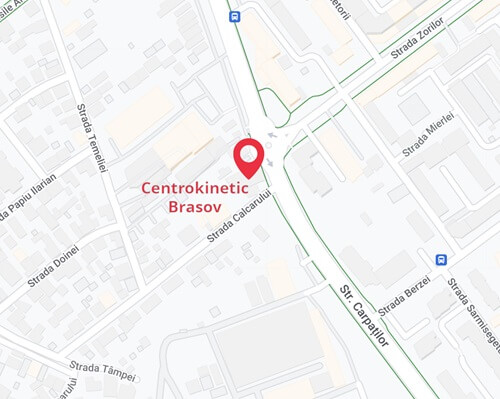
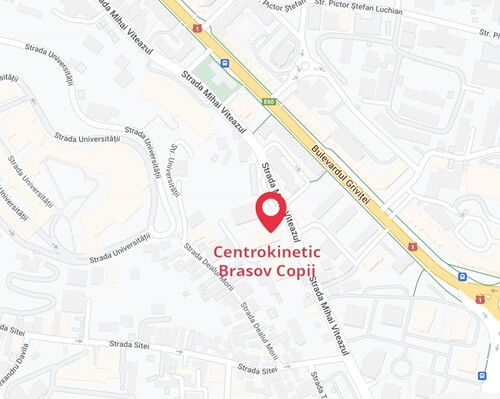
See here how you can make an appointment and the location of our clinics.
MAKE AN APPOINTMENT
BUCHAREST TEAM



























































CLUJ NAPOCA TEAM




























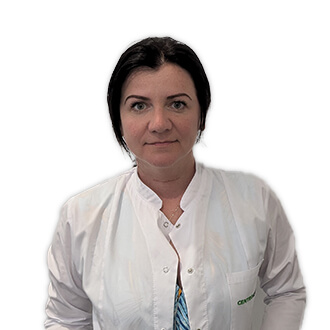





BRASOV TEAM



















Asiguratori privati





Parteneriate



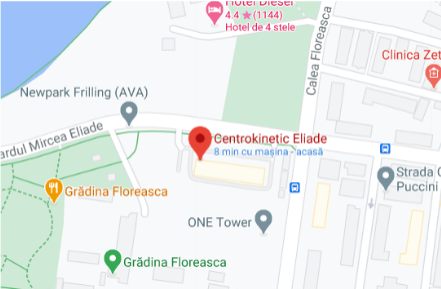
CENTROKINETIC FLOREASCA
Bucharest, 1st District,
Mircea Eliade Street, no. 18,
Eliade Tower, Entrance A, Floor 3
| Navigation | Explore 3D |
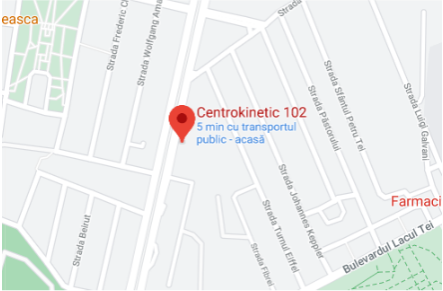
CENTROKINETIC Barbu Vacarescu
Bucharest, 2nd District,
Barbu Vacarescu Street, no. 102,
102 The Address, ground floor.
| Navigation | Explore 3D |
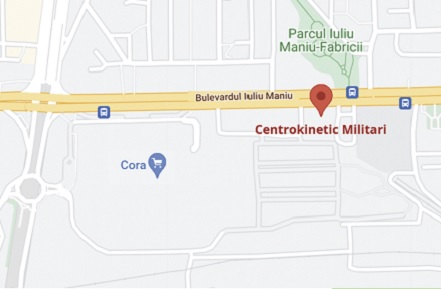
CENTROKINETIC MILITARI
Bucuresti, Sector 6,
Bld. Iuliu Maniu, nr. 15G,
Cladirea PBT, etaj 3.
| Navigation |
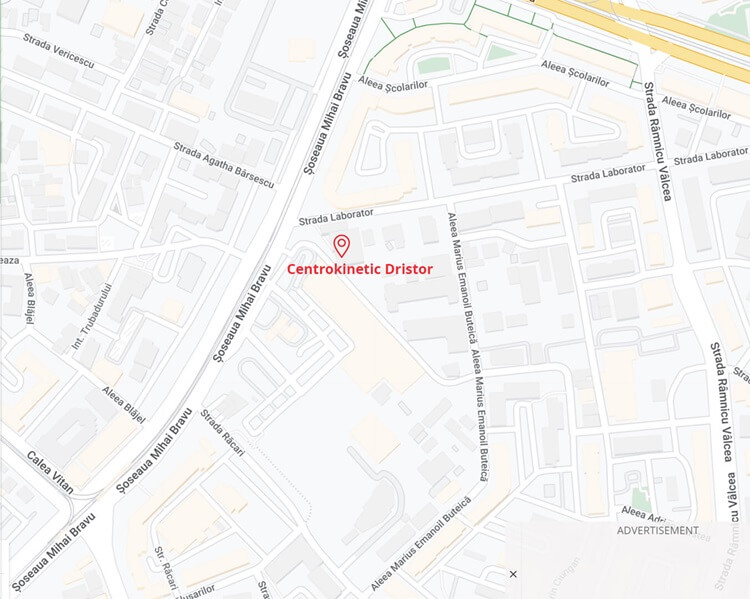
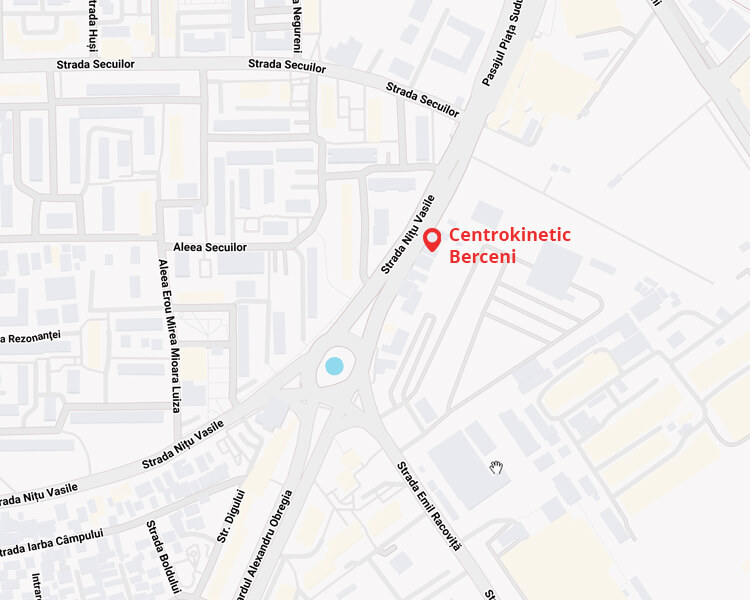
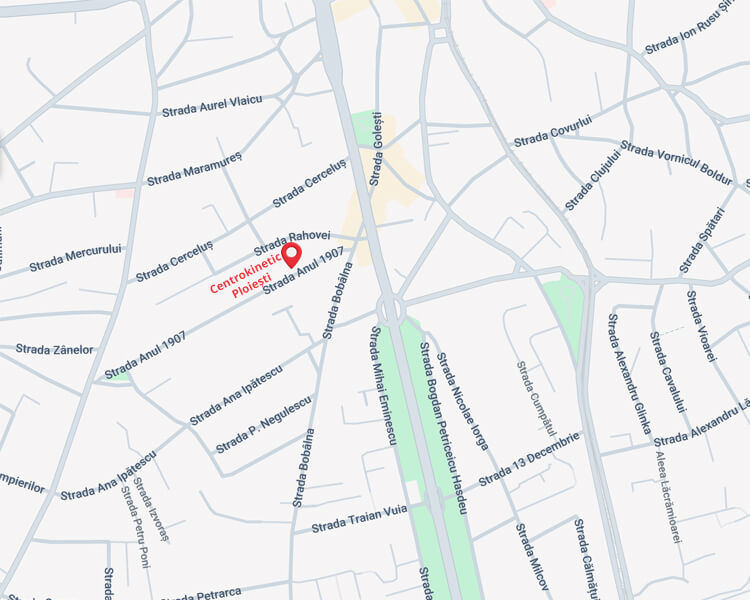
CENTROKINETIC CLUJ-NAPOCA
Cluj-Napoca,
Str. Intre Lacuri, nr.1
Intrarea este in spatele cladirii.
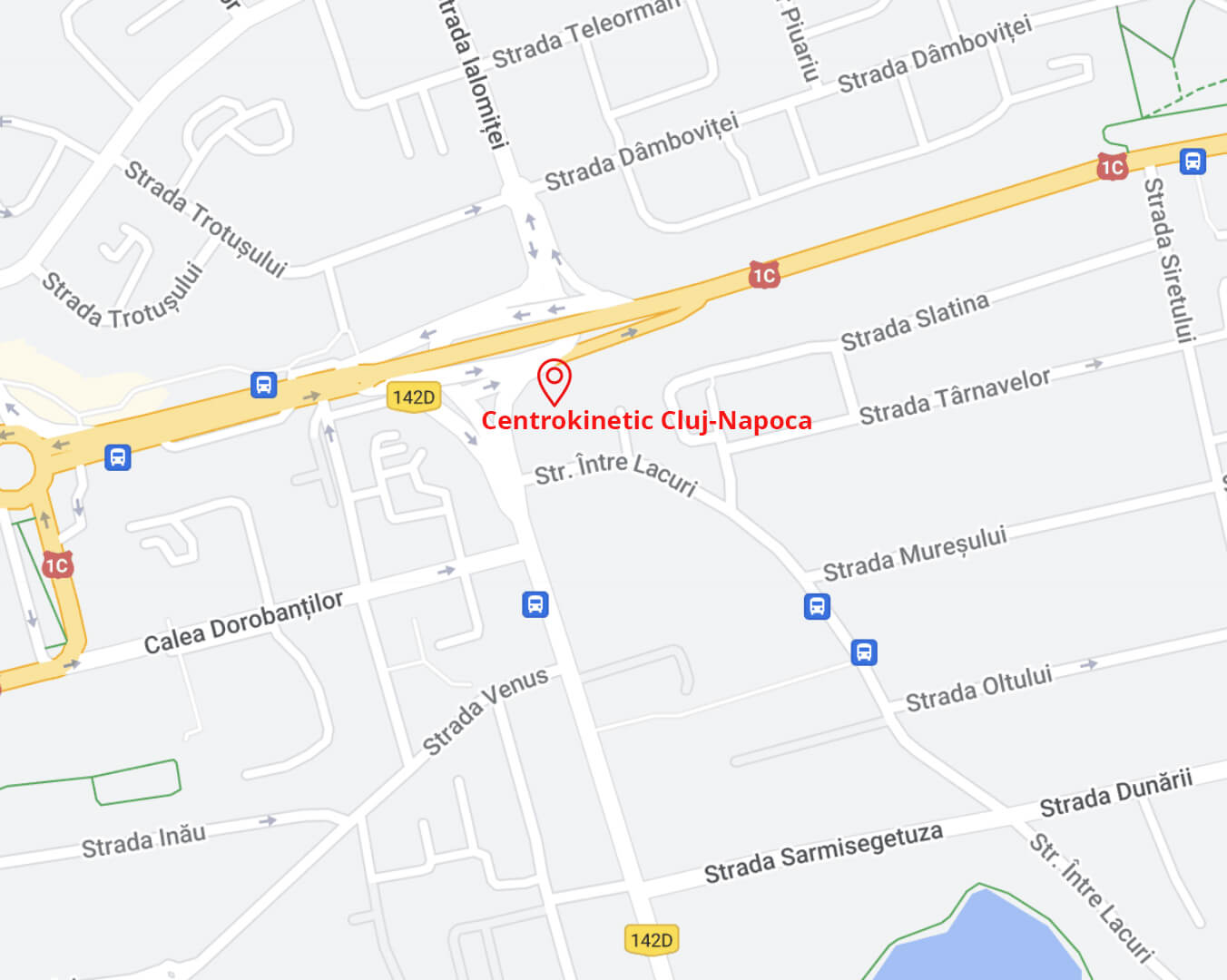
| Navigation |
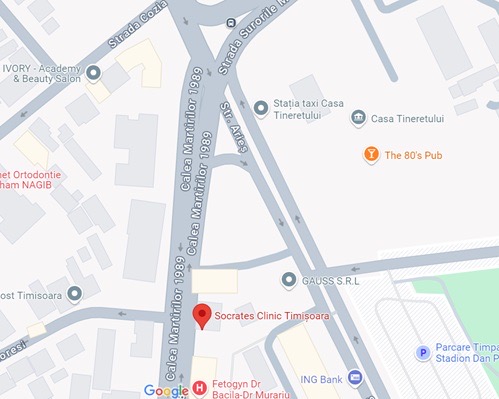
SOCRATES CLINIC TIMISOARA
Timisoara, Calea Martirilor 1989,
nr. 1.
Telefon: 0371 785 374.
| Navigation |
CONTACT
Phone: 0319693
E-mail: programari@centrokinetic.ro
Operating hours:
Monday – Friday: 07:00 – 21:00
Saturday: 09:00 – 14:00
Sunday: closed.
MAKE AN APPOINTMENT