Peripheral arterial disease: symptoms and the role of medical rehabilitation



Peripheral arterial disease (PAD) occurs when the arteries of the legs narrow and the muscles no longer receive enough blood during exertion. The typical symptom is calf pain that appears after a certain walking distance and eases with rest, called intermittent claudication. The diagnosis is established through a clinical examination and the ankle-brachial index, and supervised therapeutic walking, part of medical rehabilitation, can increase the distance covered before pain appears.
What you need to know now about peripheral arterial disease:
- pain appears when walking, after a relatively constant distance, and disappears after a few minutes of rest;
- supervised walking programmes usually take place 3 times a week, for at least 12 weeks;
- pain at rest, wounds that do not heal or a leg that suddenly becomes cold and pale require prompt medical evaluation.
What is peripheral arterial disease?
Peripheral arterial disease is the narrowing of the arteries of the lower limbs by atheroma plaques, formed from fats, calcium and other substances. During walking, the muscles need more oxygen, but the affected arteries do not provide sufficient flow, and this is how the pain appears.
Arterial disease differs from venous insufficiency. In PAD, blood reaches the leg with difficulty. In venous conditions, blood returns to the heart with difficulty, and the ankles may swell. Also read the article on the causes of swollen legs for more useful information.
Atherosclerosis can also affect the arteries of the heart or the brain. For this reason, a correct evaluation helps the doctor identify cardiovascular risks and recommend measures adapted to your condition.
What are the symptoms of peripheral arterial disease?
The typical symptom is intermittent claudication: you feel a cramp, a burning sensation or muscle fatigue after a relatively constant walking distance, and the discomfort eases within a few minutes of rest.
The pain may appear in:
- the calf, most commonly;
- the thigh or buttock;
- the hip;
- the sole and the foot.
Some people feel only weakness, heaviness or numbness during exertion. If you play sports, you may notice that you cover a shorter and shorter distance before the pain appears or that one of your legs tires faster.
Visible signs in the leg
Watch for possible changes, but do not try to establish the diagnosis yourself:
- one leg colder than the other;
- pale, thin or shiny skin;
- brittle nails that grow slowly;
- reduced hair growth;
- cracks or wounds that heal with difficulty;
- weak peripheral pulse, noted by the doctor.
Signs that require rapid evaluation
Seek medical help if you have pain at rest, especially at night, a wound that does not close, discharge or toes with darkened areas. A leg that suddenly becomes cold, pale and very painful requires immediate medical evaluation.
Chronic lesions may require dressings and specialised care. In these situations, the doctor may recommend treatment of pressure sores and chronic ulcers, adapted to the stage of the lesion.
How do you tell arterial pain from other leg pain?
Arterial pain usually appears on exertion and eases at rest, unlike pain of joint, nerve or venous origin. The table helps you describe your symptoms at the consultation.
| Type of pain | When it appears | What relieves it | Other clues |
|---|---|---|---|
| Arterial claudication | When walking, after a predictable distance | A few minutes of rest | Cold foot, weak pulse |
| Osteoarthritis | On weight-bearing or with certain movements | Rest and changing the movement | Joint stiffness |
| Sciatica | In certain positions | Changing position | Tingling along the path of the nerve |
| Diabetic neuropathy | Including at night | Does not clearly depend on effort | Burning, reduced sensitivity |
| Venous insufficiency | After standing for a long time | Raising the legs | Oedema, varicose veins |
Who is at increased risk of peripheral arterial disease?
The risk is higher in smokers and former smokers, in people with diabetes, hypertension, high cholesterol, obesity or chronic kidney disease. Age over 50-60, a sedentary lifestyle and a history of heart attack or stroke also require attention.
Diabetes can reduce sensitivity in the foot, so that a small wound sometimes goes unnoticed. Read about diabetes and its complications and check the sole, the heel and the spaces between your toes every day.
How does the doctor establish the diagnosis?
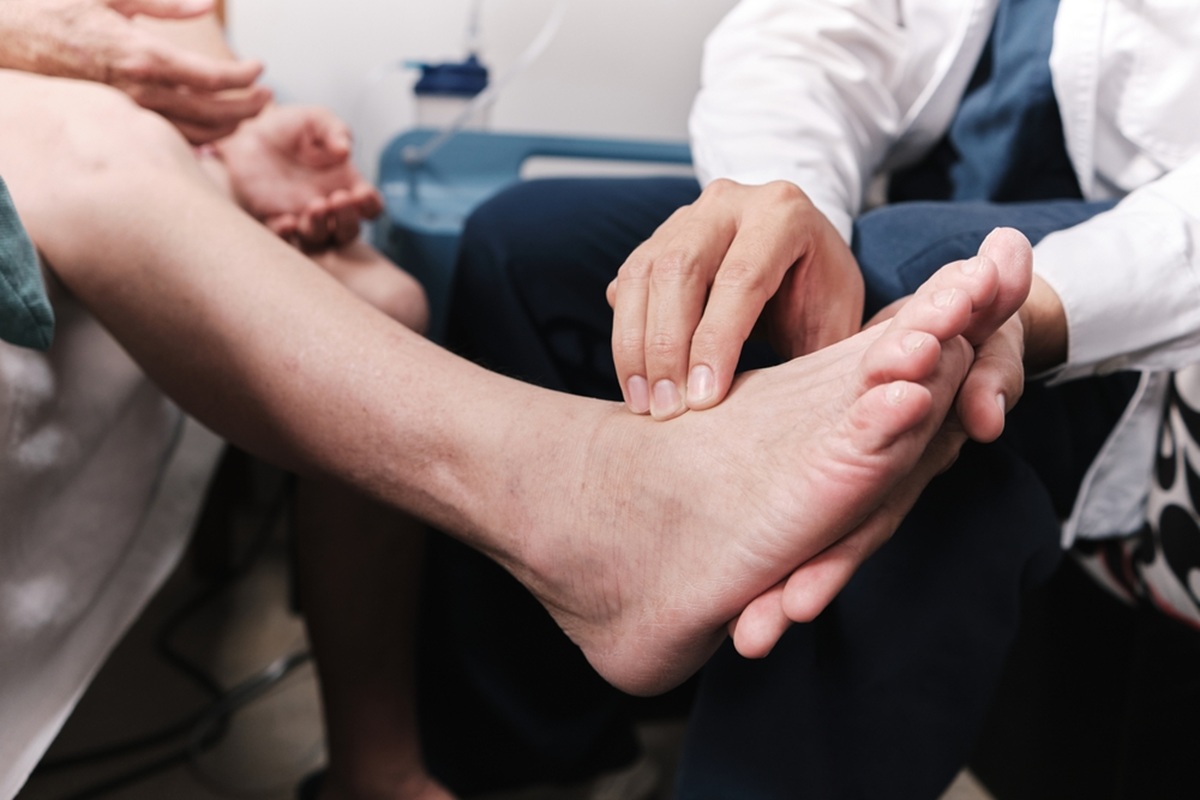
Depending on the result, the doctor may recommend:
- the ankle-brachial index, which compares the blood pressure at the ankle with that at the arm;
- arterial Doppler ultrasound, which evaluates circulation;
- a walking test combined with vascular measurements;
- CT angiography or MR angiography;
- angiography, if a vascular procedure is being considered.
The benefits of a correct assessment: a complete evaluation identifies the source of the pain and prevents the choice of unsuitable exercises. The medical team can adapt the effort to circulation, to joint conditions, to physical fitness and to surgical history.
Early intervention supports mobility and reduces the risk of wounds going unnoticed. Schedule a consultation if the pain returns when walking, even if it disappears quickly after you stop.
Why does medical rehabilitation help in peripheral arterial disease?
Medical rehabilitation increases walking tolerance, maintains muscle strength and reduces limitations in daily activities. It does not remove atheroma plaques and does not replace vascular treatment.
Exercise also supports the control of weight, blood sugar and blood pressure.
What does a rehabilitation programme look like?
The medical rehabilitation programme begins with the assessment made by the rehabilitation doctor, who analyses circulation, mobility, strength, balance and any associated conditions. The physiotherapist then applies the personalised plan and adjusts the intensity according to your response.
The expertise of the medical team allows rehabilitation to be coordinated with the recommendations of the vascular surgeon, the cardiologist or the diabetologist. Supervised walking programmes usually follow these guidelines:
| Programme element | Usual recommendation |
|---|---|
| Frequency | 3 times a week |
| Duration of a session | 30-60 minutes, with breaks |
| Duration of the programme | At least 12 weeks |
| Intensity | Up to mild or moderate discomfort, as directed |
Therapeutic walking
In most cases, the programme alternates walking intervals with breaks. You stop at mild or moderate discomfort, as instructed, then resume walking once the pain subsides. The specialist gradually increases the duration, speed or incline.
Strength, mobility and balance
Physiotherapy programmes for restoring mobility may include exercises for the calves, thighs and trunk, mobilisations of the ankle, knee and hip, as well as balance training.
If walking causes joint pain or you have had surgery, the specialist may use a medical exercise bike or low-impact exercises. The personalised approach also takes into account neuropathy, the risk of falling, ulcers or heart conditions.
When should you stop exercising?
Stop exercising and ask for an evaluation if chest pain, breathing difficulties, palpitations, dizziness or unusually intense leg pain appear.
Exercise can carry risks if the intensity does not match your cardiovascular condition or if there are open wounds. Do not start a new programme without your doctor's approval and do not change your medication yourself.
For wounds that heal with difficulty, the specialist may, in certain situations, also recommend hyperbaric oxygen therapy, after checking the benefits, contraindications and risks.
What can you do every day if you have peripheral arterial disease?
Daily measures that help you maintain circulation and mobility:
- quit smoking and ask for medical support;
- follow your treatment and attend regular check-ups;
- wear comfortable footwear;
- note the distance before pain appears;
- check the skin of your feet every day;
- follow the pace of effort set by the specialist.
At Centrokinetic, rehabilitation doctors and physiotherapists work with vascular surgery doctors on a plan adapted to your mobility goals. Book a specialist consultation now!
Frequently asked questions about peripheral arterial disease
Can peripheral arterial disease be cured?
Atherosclerosis is a chronic condition. The prescribed treatment, quitting smoking, control of risk factors and rehabilitation can slow its progression and improve walking tolerance.
Does walking help if I have peripheral arterial disease?
Yes, in most cases, if your doctor recommends it and the specialist sets the intensity. Pain at rest, wounds or sudden changes in the leg require an evaluation before starting exercises.
Can I exercise if I have diabetes and PAD?
Yes, the doctor may allow exercises after an evaluation. Neuropathy, ulcers and heart problems influence the choice of movements and the level of effort.
When should I start rehabilitation?
You can start after the vascular evaluation and your doctor's recommendation. Ask for help early if the pain reduces your walking distance or if you resume movement after a procedure.
Disclaimer: The information presented is for informational purposes only and does not replace a specialist medical consultation.
Sources
- Lane, Ruth, et al. "Exercise for Intermittent Claudication." Cochrane Database of Systematic Reviews, no. 12, 2017, CD000990, doi:10.1002/14651858.CD000990.pub4. Accessed 13 Nov. 2026.
- Naveh, Sivan, et al. "Exercise Therapy in Symptomatic Peripheral Artery Disease: Summary of Current Knowledge and Future Directions." American College of Cardiology, 2 Apr. 2025, www.acc.org/Latest-in-Cardiology/Articles/2025/04/02/13/44/Exercise-Therapy-in-Symptomatic-Peripheral-Artery-Disease. Accessed 13 Nov. 2026.
BUCHAREST TEAM






















































CLUJ NAPOCA TEAM



























BRASOV TEAM








MAKE AN APPOINTMENT
FOR AN EXAMINATION
See here how you can make an appointment and the location of our clinics.
MAKE AN APPOINTMENT
Asiguratori privati





Parteneriate



CENTROKINETIC FLOREASCA
Bucharest, 1st District,
Mircea Eliade Street, no. 18,
Eliade Tower, Entrance A, Floor 3
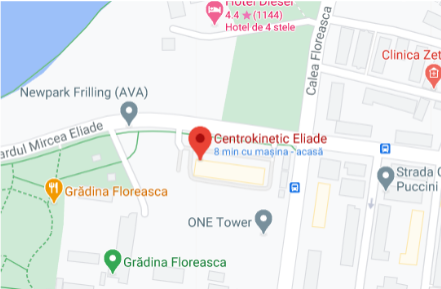
| Navigation | Explore 3D |
CENTROKINETIC Barbu Vacarescu
Bucharest, 2nd District,
Barbu Vacarescu Street, no. 102,
102 The Address, ground floor.
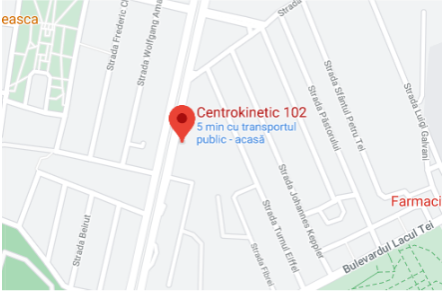
| Navigation | Explore 3D |
CENTROKINETIC MILITARI
Bucuresti, Sector 6,
Bld. Iuliu Maniu, nr. 15G,
Cladirea PBT, etaj 3.
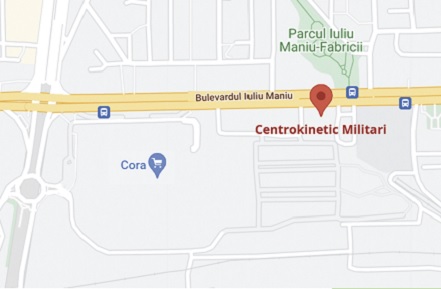
| Navigation |
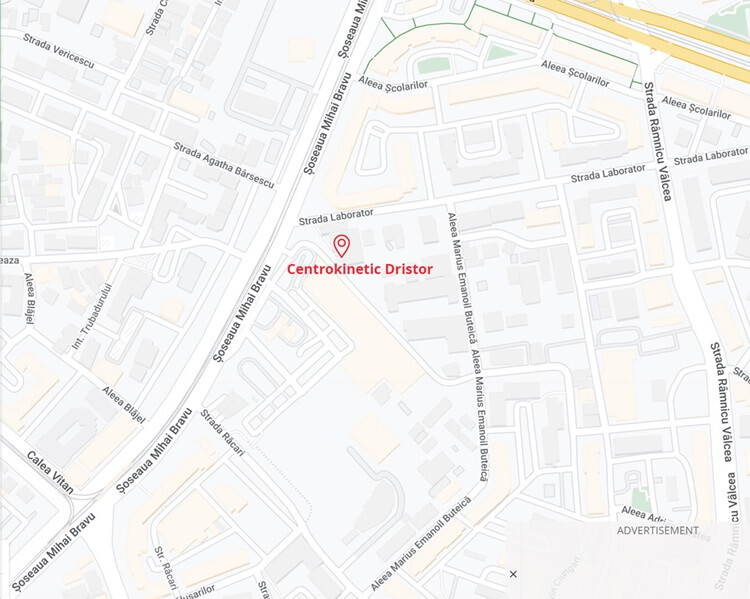
CENTROKINETIC CLUJ-NAPOCA
Cluj-Napoca,
Str. Intre Lacuri, nr.1
Intrarea este in spatele cladirii.
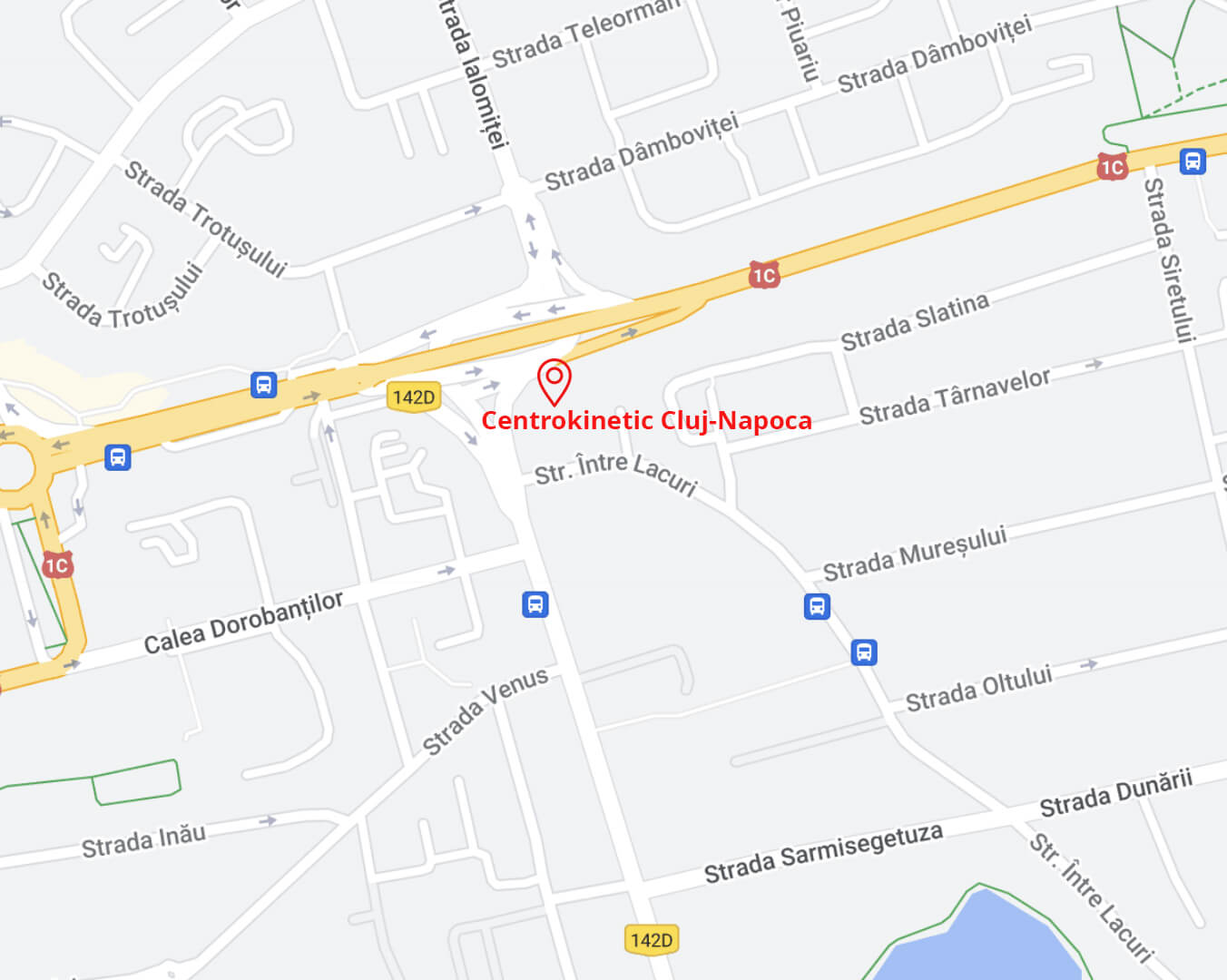
| Navigation |
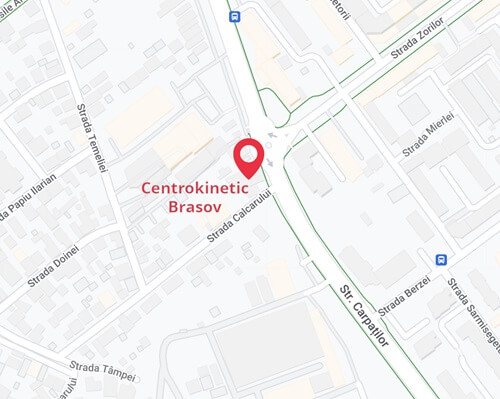
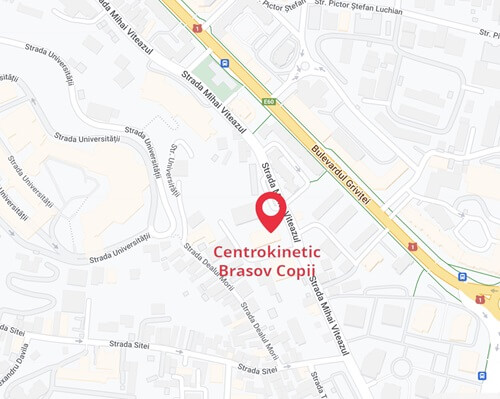
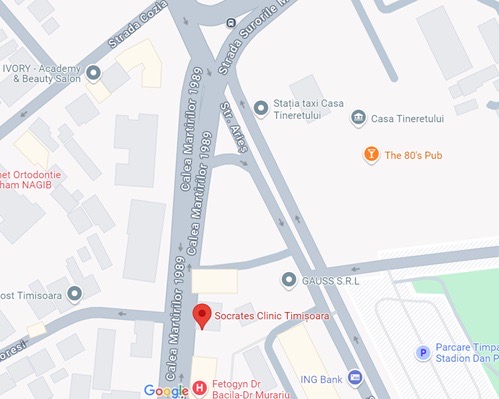
SOCRATES CLINIC TIMISOARA
Timisoara, Calea Martirilor 1989,
nr. 1.
Telefon: 0371 785 374.
| Navigation |
CONTACT
Phone: 0319693
E-mail: programari@centrokinetic.ro
Operating hours:
Monday – Friday: 07:00 – 21:00
Saturday: 09:00 – 14:00
Sunday: closed.
MAKE AN APPOINTMENT