Peripheral Facial Palsy: Main Causes, Symptoms and the Role of Neurological Rehabilitation


.jpg "e19b317ffd2bd9ec723e081fd6827c82f0")
Peripheral facial palsy is the weakening of the muscles on one side of the face, which occurs when the facial nerve (cranial nerve VII) no longer transmits impulses correctly. The most common form is Bell's palsy. A quick medical evaluation can rule out a stroke, and neurological rehabilitation supports the return of facial control.
In brief:
- Peripheral facial palsy usually affects the entire half of the face, including the forehead and eye closure.
- Sudden asymmetry accompanied by weakness in an arm or leg, confusion or slurred speech requires an immediate call to 112.
- In Bell's palsy, corticosteroids given within the first 72 hours can increase the chances of a favorable outcome.
- The first improvements often appear within a few weeks, and recovery can continue for several months.
- A personalized neurological rehabilitation program helps with controlled facial movements and the prevention of synkinesis.
What is peripheral facial palsy?
Peripheral facial palsy is damage to the facial nerve that leads to weakness of the facial muscles on one side of the face. It can be partial or complete and affects smiling, eye closure, speech and eating.
The facial nerve, also called cranial nerve VII, controls:
- the facial muscles and eyelid closure;
- tear and saliva production;
- part of the sense of taste.
The problem is not only about appearance. If the eyelid does not close, the surface of the eye remains exposed and can dry out. Weakness of the cheek and lips can affect pronunciation, chewing and drinking liquids.
Bell's palsy is the most common form. Doctors consider it idiopathic, because investigations do not always identify a precise cause. Diagnosis requires ruling out infections, trauma and other neurological conditions.
How does peripheral facial palsy differ from central facial palsy?
The main difference is seen in the forehead: in peripheral facial palsy, you cannot raise the eyebrow on the affected side, whereas in central facial palsy the forehead often remains functional. The central form can occur during a stroke, while the peripheral form directly affects the facial nerve.
| Criterion | Peripheral facial palsy | Central facial palsy |
|---|---|---|
| Affected area | The entire half of the face | Mostly the lower part |
| Forehead movement | You cannot raise the eyebrow | The forehead often remains functional |
| Eye closure | Becomes difficult or incomplete | Often preserved |
| Other manifestations | Symptoms in the limbs rarely appear | Weakness, confusion or speech disorders may appear |
| Common causes | Bell's palsy, infections, trauma | Stroke or other brain injury |
When to call 112: if facial asymmetry appears together with weakness in an arm or leg, slurred speech, confusion, double vision or loss of balance, urgent medical care is needed.
What are the causes of peripheral facial palsy?
The most common cause is Bell's palsy, meaning inflammation of the facial nerve without a precisely identified reason. Other causes include infections (Ramsay Hunt syndrome, Lyme disease, otitis media), autoimmune conditions, trauma and growths near the path of the nerve.
Bell's palsy
Inflammation and swelling of the facial nerve can block the transmission of impulses to the muscles. Specialists associate some cases with reactivation of the herpes simplex virus, but this link does not appear in every patient.
Infections and inflammation
Several conditions can affect the facial nerve:
- Ramsay Hunt syndrome, associated with ear pain and blisters;
- Lyme disease, transmitted by tick bites;
- otitis media or infections of the structures near the ear;
- autoimmune conditions, sarcoidosis and Guillain-Barre syndrome.
Trauma and local causes
Fractures of the temporal bone, craniofacial trauma and certain surgical procedures can affect the nerve. The doctor also checks for possible growths in the parotid gland, ear or skull base, especially if symptoms progress slowly.
Risk factors
Diabetes, hypertension, pregnancy and the postpartum period can increase the risk. Cold or exposure to drafts are not proven medical causes, even though symptoms sometimes appear after such episodes.
What are the symptoms of peripheral facial palsy?
Typical symptoms are a drooping corner of the mouth, inability to raise the eyebrow and incomplete eye closure on one side of the face. They often appear within a few hours or over 1-2 days, with variable intensity, from mild weakness to complete loss of movement.
You may notice:
- a drooping corner of the mouth and an asymmetrical smile;
- inability to wrinkle the forehead or raise the eyebrow;
- incomplete eye closure and infrequent blinking;
- dry eye or excessive tearing;
- drooling and difficulty drinking liquids;
- altered taste;
- sensitivity to sounds, called hyperacusis;
- pain behind the ear.
Seek medical advice even if the symptoms seem mild. Early intervention makes it easier to start treatment within the right time window.
How is peripheral facial palsy diagnosed?
Diagnosis is made through a clinical and neurological examination: the doctor evaluates facial movements, checks limb strength and the other cranial nerves, then decides whether tests, imaging or electromyography are needed. The goal is to identify the cause and rule out an emergency such as a stroke.
.jpg "e1089f910c12d9a98778724c6dac339f8f")
During the consultation, the doctor discusses the onset of symptoms, recent infections, trauma and associated conditions. They then evaluate the smile, eyebrow movement, eyelid closure and the ability to puff out the cheeks.
Depending on the results, the specialist may recommend:
- blood tests and tests for certain infections;
- a neurological consultation, ENT or ophthalmology consultation;
- magnetic resonance imaging or computed tomography;
- electromyography and electroneurography, which measure muscle activity and nerve conduction.
Benefits of a correct evaluation: it differentiates the type of palsy, rules out emergencies and supports the choice of a personalized plan. Investigations become more useful in recurrent, bilateral, progressive or unusual forms.
How is peripheral facial palsy treated?
Treatment depends on the cause: in Bell's palsy, corticosteroids given within the first 72 hours can increase the likelihood of a favorable outcome, and the doctor may add an antiviral in certain cases. Treatment is complemented by eye protection and, later, neurological rehabilitation.
Drug treatment
Bacterial infections require antibiotics only after confirmation. Medications can cause side effects and have contraindications: corticosteroids can affect blood sugar, blood pressure or the stomach.
Do not take leftover medication from other conditions and do not change doses without your doctor's approval.
Eye protection
If you cannot close your eyelid, the cornea can dry out or become irritated. Your doctor may recommend:
- artificial tears or ophthalmic gel;
- protective glasses;
- keeping the eyelid closed during sleep by an appropriate method.
See an ophthalmologist if pain, persistent redness, discharge or blurred vision appear. Do not apply drops or ointments without medical or pharmaceutical advice.
What is the role of neurological rehabilitation in peripheral facial palsy?
Neurological rehabilitation helps restore controlled, coordinated and as symmetrical as possible facial movements. The therapist evaluates the severity, the stage of nerve regeneration and the affected activities, then sets up a personalized program adapted to your needs.
What the rehabilitation program aims for:
- improving control of the facial muscles;
- supporting speech, chewing and swallowing;
- reducing tension and compensatory movements;
- preventing or managing synkinesis;
- restoring natural facial expressions.
Synkinesis refers to associated involuntary movements. For example, the eye may close while you smile. The House-Brackmann and Sunnybrook scales help the team measure facial function and track progress.
What can the program include?
Neuromuscular re-education uses slow, precise and repeated movements under supervision. A mirror or biofeedback helps you observe the contractions and limit compensations.
The plan may include physical therapy sessions, gentle manual techniques and physiotherapy procedures, if the doctor considers them suitable. If pronunciation remains affected, working with a speech therapist can support lip control and the articulation of words.
What exercises can you do at home and what should you avoid?
Home exercises are done only after evaluation by the specialist and consist of short, slow and controlled movements, without pain or forcing. One example is a gentle smile in front of the mirror, making sure the healthy side does not work excessively.
Avoid:
- aggressive massage and exaggerated grimaces;
- rapid repetitions until fatigue;
- electrostimulation used without indication;
- very hot or very cold compresses;
- exercises taken from forums without evaluation.
Excess can increase muscle tension and associated movements. Follow the recommended frequency and ask for a re-evaluation if you notice spasms or discomfort.
How long does it take to recover from peripheral facial palsy?
In most cases of Bell's palsy, the first improvements appear within a few weeks, and recovery can continue for several months. The pace differs depending on the cause, severity, age, associated conditions and when treatment is started.
Return to your doctor if:
- symptoms get worse;
- you do not see progress after a few weeks;
- hearing loss, dizziness or synkinesis appear.
Re-evaluation allows the program to be adjusted for stable results.
Why do early intervention and the medical team matter?
Early intervention allows the eye to be protected, a stroke to be ruled out and treatment to start within the window in which it is most useful. A team experienced in neurology, rehabilitation, ophthalmology and ENT can coordinate investigations and adapt exercises as facial function returns.
At Centrokinetic, neurologists, rehabilitation doctors and physical therapists work together. Functional evaluation supports building an individualized plan and regular monitoring of progress.
What are the next steps if you have peripheral facial palsy?
In short, the steps are: a quick consultation for diagnosis and to rule out emergencies, drug treatment started on time, eye protection and a neurological rehabilitation program adapted to your stage.
Book a specialist consultation now.
Frequently asked questions about peripheral facial palsy
Does peripheral facial palsy always mean Bell's palsy?
No. Bell's palsy is the most common form, but infections, trauma, surgical procedures and other conditions can cause similar symptoms.
Can facial palsy indicate a stroke?
Yes. If asymmetry appears suddenly together with limb weakness, confusion, speech disorders, or vision or balance problems, call 112.
When can I start facial exercises?
After a consultation and after evaluation by the rehabilitation specialist. They will show you the suitable movements and set the intensity, to avoid overexertion.
Do warm compresses treat facial palsy?
Compresses do not treat the cause. They may provide comfort in certain situations, but use them only if the specialist recommends them and avoid high temperatures.
When should I ask for a consultation?
From the moment asymmetry appears, especially if the eye does not close completely.
Disclaimer: This article is for informational purposes only and does not replace specialist medical consultation.
Sources:
- Baugh RF, Basura GJ, Ishii LE, Schwartz SR, Drumheller CM, Burkholder R, et al. Clinical Practice Guideline: Bell's Palsy. Otolaryngol Head Neck Surg. 2013;149(3 Suppl):S1-S27. doi: 10.1177/0194599813505967, accessed on 12.10.2026.
- Madhok VB, Gagyor I, Daly F, Somasundara D, Sullivan M, Gammie F, Sullivan F. Corticosteroids for Bell's palsy (idiopathic facial paralysis). Cochrane Database Syst Rev. 2016;7(7):CD001942. doi: 10.1002/14651858.CD001942.pub5, accessed on 12.10.2026.
- National Institute of Neurological Disorders and Stroke (NINDS). Bell's Palsy [Internet]. Bethesda (MD): National Institutes of Health. Available at: ninds.nih.gov, accessed on 12.10.2026.
BUCHAREST TEAM





























































CLUJ NAPOCA TEAM

































BRASOV TEAM


















MAKE AN APPOINTMENT
FOR AN EXAMINATION
See here how you can make an appointment and the location of our clinics.
MAKE AN APPOINTMENT
Asiguratori privati




Parteneriate



CENTROKINETIC FLOREASCA
Bucharest, 1st District,
Mircea Eliade Street, no. 18,
Eliade Tower, Entrance A, Floor 3
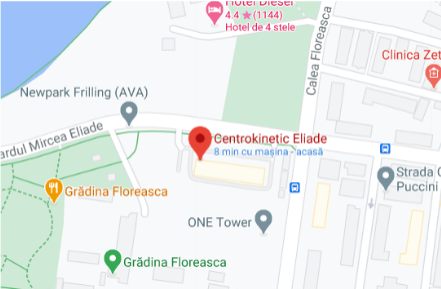
| Navigation | Explore 3D |
CENTROKINETIC Barbu Vacarescu
Bucharest, 2nd District,
Barbu Vacarescu Street, no. 102,
102 The Address, ground floor.
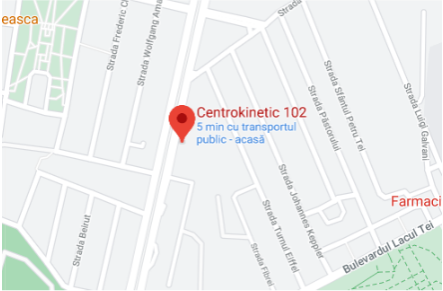
| Navigation | Explore 3D |
CENTROKINETIC MILITARI
Bucuresti, Sector 6,
Bld. Iuliu Maniu, nr. 15G,
Cladirea PBT, etaj 3.
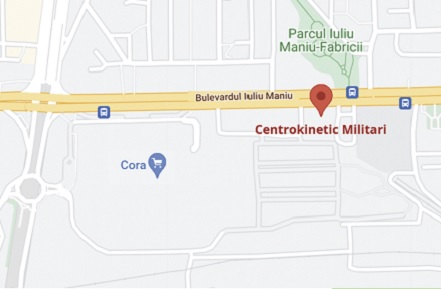
| Navigation |
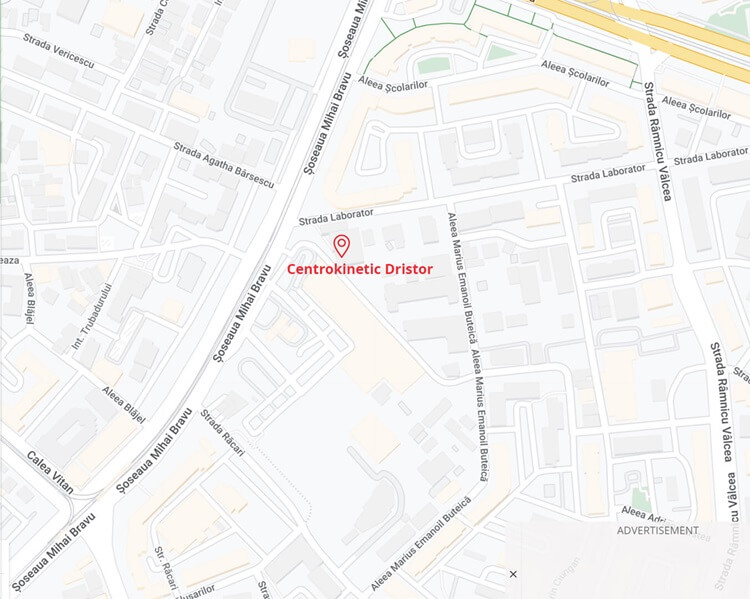
CENTROKINETIC CLUJ-NAPOCA
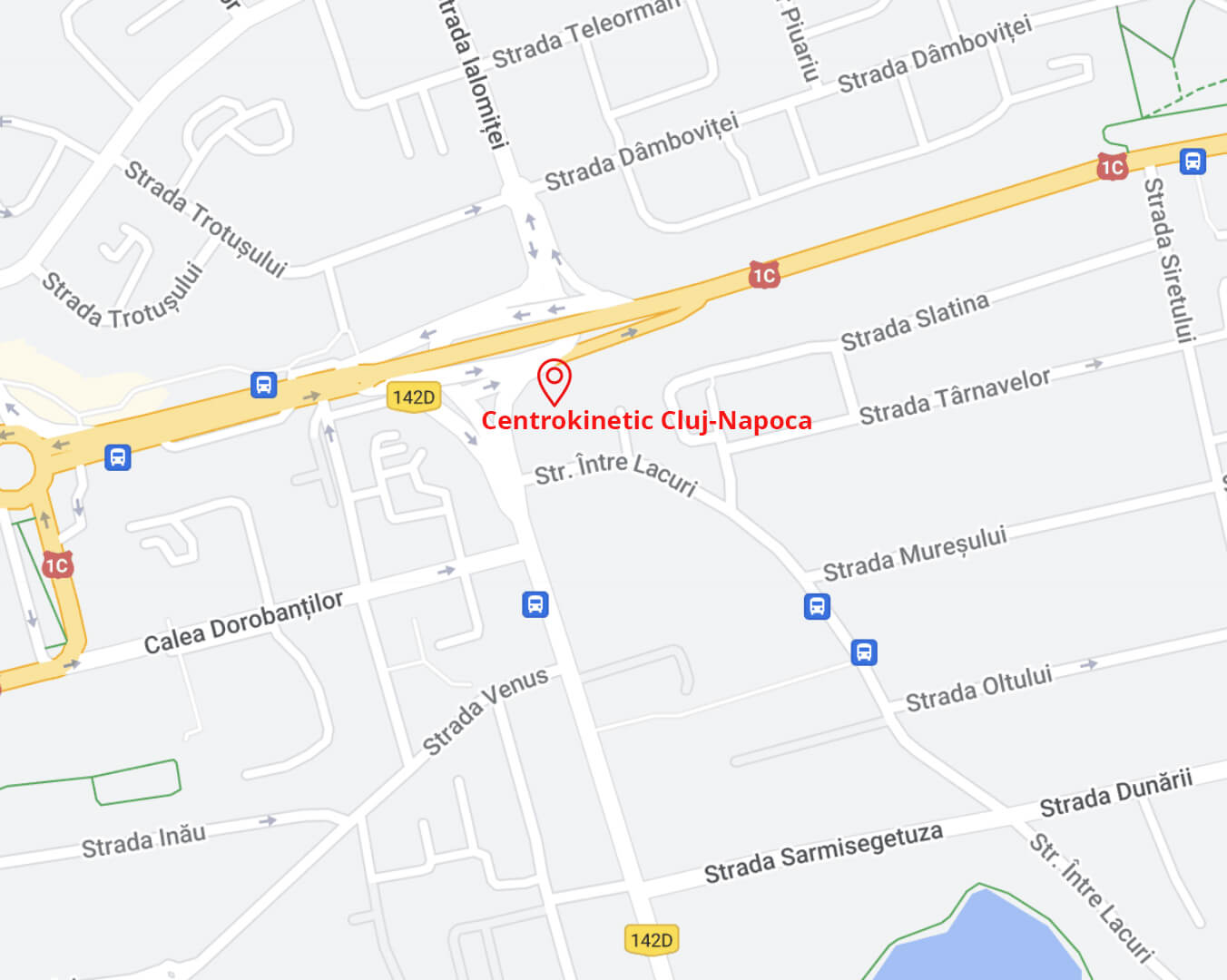
Cluj-Napoca,
Str. Intre Lacuri, nr.1
Intrarea este in spatele cladirii.
| Navigation |
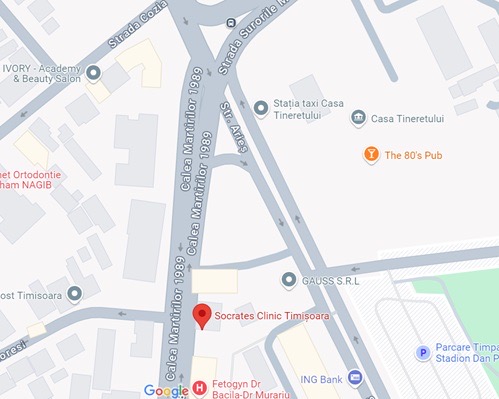
SOCRATES CLINIC TIMISOARA
Timisoara, Calea Martirilor 1989,
nr. 1.
Telefon: 0371 785 374.
| Navigation |
CONTACT
Phone: 0319693
E-mail: programari@centrokinetic.ro
Operating hours:
Monday – Friday: 07:00 – 21:00
Saturday: 09:00 – 14:00
Sunday: closed.
MAKE AN APPOINTMENT