Personalized medical recovery


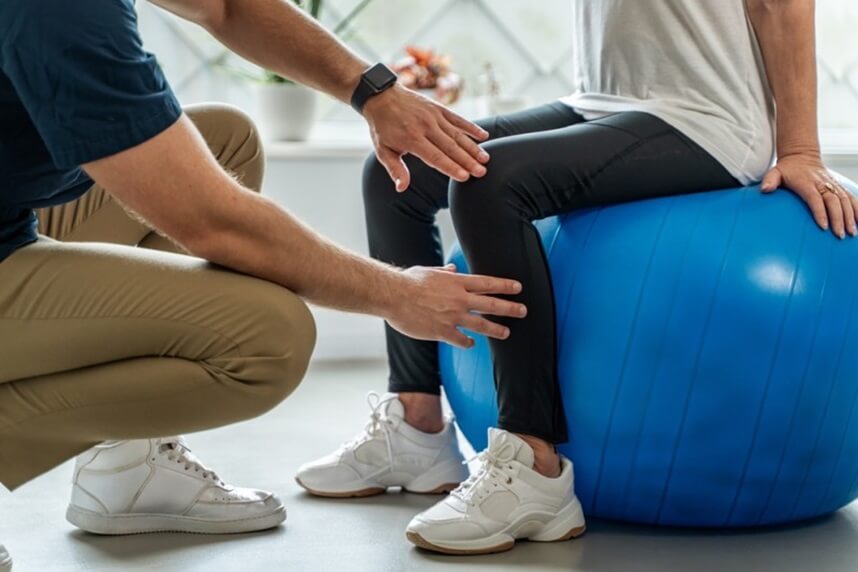
Are you dealing with persistent back pain, a sports injury, or recovering after surgery? You have probably heard that you need medical rehabilitation. But what does it actually mean for this rehabilitation to be personalized?
Many patients come to the consultation believing they will undergo a few standard physiotherapy sessions and the problem will be solved. In modern medical practice, things are more nuanced. Personalized rehabilitation means proper evaluation, clear objectives, therapies selected according to your diagnosis, and constant adjustments based on your actual progress.
Centrokinetic specialists work according to a simple principle: each patient has a different context, even if the diagnosis appears identical. In the following sections, we explain step by step what personalized medical rehabilitation involves, the benefits of proper evaluation, and how early intervention helps you avoid complications.
What does medical rehabilitation mean?
Medical rehabilitation is a branch of medicine that aims to restore impaired function after an illness, trauma, or surgical intervention. It is not limited to pain relief. The goal is to help you regain mobility, strength, coordination, and the ability to resume your daily or sports activities.
Effective rehabilitation programs combine therapeutic exercises, physical therapies, and patient education adapted to the type and severity of the condition. Individualized plans reduce the risk of recurrence and increase the chances of stable long-term recovery.
It is important to understand the difference between symptomatic treatment and active rehabilitation:
- Symptomatic treatment temporarily reduces pain (anti-inflammatory medication, rest);
- Active rehabilitation treats the cause: muscular imbalance, joint instability, neurological deficit, or biomechanical problem.
What does “personalized” mean in medical rehabilitation?
Personalization does not only mean adjusting exercise intensity. It means building a plan starting from you, not from a general protocol. Two patients with the same L5-S1 disc herniation may receive different plans. Why?
Because the doctor considers:
- age and activity level;
- profession and type of daily effort;
- the stage of the condition (acute, subacute, chronic);
- medical history and comorbidities;
- your objective (returning to sports, walking without pain, returning to work);
- response to the initial sessions.
A 30-year-old amateur athlete who wants to return to running has different needs than a 55-year-old adult who spends many hours at a desk and simply wants to live without pain. Their plans must reflect these differences.
At Centrokinetic, personalization begins from the first consultation and continues throughout the entire therapy process. The plan does not remain fixed but is adjusted according to actual progress.
The steps of personalized medical rehabilitation

Consultation and diagnosis establishment
The first step is the evaluation performed by the orthopedic doctor, neurologist, or rehabilitation physician. The specialist:
- discusses your medical history;
- analyzes your current symptoms;
- performs a detailed clinical examination;
- correlates the findings with imaging investigations (MRI, X-ray, ultrasound).
Lower back pain may originate from a herniated disc, a myofascial syndrome, or a hip problem. If you are dealing with back pain, also consult the guide about lower back pain, where common causes and therapeutic options are explained. The major benefit of this stage is clarity. After it, you find out the severity of the condition and what objectives are realistic.
Detailed functional evaluation
After diagnosis, the physical therapy team performs a functional evaluation. This measures:
- muscle strength;
- joint mobility;
- stability and balance;
- coordination;
- movement patterns.
Standardized tests are used, comparable over time. Thus, progress can be quantified, not just subjectively perceived. For example, in a patient operated on for anterior cruciate ligament reconstruction, knee flexion and extension and quadriceps strength are measured. If extension is initially limited by 10 degrees, the objective becomes complete recovery of extension within a realistic timeframe.
Building the therapeutic plan
Based on the obtained data, the team establishes a plan that may include:
- physical therapy sessions;
- physiotherapy procedures;
- manual therapy;
- recommendations for home exercises;
- postural and ergonomic education.
Combining active exercises with physical therapies increases treatment efficiency in musculoskeletal conditions compared to isolated interventions. In practice, combining methods accelerates pain reduction and improves function. The plan also includes session frequency. In the acute phase, you may have 3–4 sessions per week. Later, frequency decreases and the focus shifts toward independently performed exercises.
| Component | What it involves | Why it matters |
|---|---|---|
| Precise diagnosis | Medical consultation and correlation with imaging investigations | Avoids incorrectly applied treatments |
| Functional evaluation | Testing mobility, strength, and movement patterns | Establishes an objective starting point |
| Individual objectives | Clear goals adapted to your lifestyle | Increases efficiency and motivation |
| Adapted therapeutic plan | Combined selection of the appropriate techniques | Optimizes results |
| Continuous adjustment | Periodic reassessments and program modification | Reduces the risk of stagnation or recurrence |
The patient’s role in the recovery process
Personalized rehabilitation also involves your responsibility. The medical team builds the strategy, but you apply the recommendations daily. You have an active role through:
- consistent attendance at sessions;
- correct execution of recommended home exercises;
- communicating any new symptoms or changes;
- following recommendations regarding effort and posture.
In most cases, patients who follow the plan have better outcomes than those who frequently interrupt therapy. If new pain or worsening symptoms appear, request immediate reassessment. Recovery must be continuously monitored.
Tools and therapies used in personalized rehabilitation
Physical therapy
Physical therapy is the foundation of any rehabilitation program. Exercises are progressive and adapted to your current level. At first, you perform controlled movements with reduced amplitude. Later, functional exercises that mimic daily or sports activities are introduced. Consult the information about neck pain for more details about common mechanisms and therapeutic options.
Physiotherapy
Physiotherapy uses physical agents to reduce inflammation and pain:
- therapeutic laser;
- shockwave therapy;
- TECAR therapy;
- interferential currents.
These procedures complement exercises; they do not replace them.
Lymphatic drainage
After surgery or in the presence of edema, lymphatic drainage helps reduce swelling and improve local circulation. The technique is applied manually or with specialized equipment.
Neurological evaluation and electromyography
In neurological conditions or suspected nerve compression, the doctor may recommend electromyography (EMG). This investigation measures the electrical activity of muscles and helps precisely locate nerve injury. The results allow adjustment of exercises and therapy intensity.
Concrete examples of personalized programs
Recovery after anterior cruciate ligament injury
The program includes clear stages:
- pain and inflammation control;
- mobility recovery;
- muscle strength increase;
- balance and proprioception training;
- progressive return to sports.
The duration varies between 6 and 9 months depending on progress. There are no identical timelines for all patients.
Recovery in chronic lower back pain
The plan may include:
- core stabilization exercises;
- posture correction at the office;
- training for proper lifting techniques;
- increasing muscular endurance.
How do you choose the right rehabilitation center?
For stable results, check the following aspects:
- is there an initial medical consultation?
- do you receive a documented functional evaluation?
- is the plan adjusted periodically?
- does the team communicate and collaborate?
- are the objectives and stages explained to you?
Efficient rehabilitation starts with diagnosis and continues with constant monitoring.
Early intervention and safety
The earlier you begin rehabilitation, the greater the chances of preventing chronic pain and loss of function. Studies show that initiating therapy during the first weeks after symptom onset improves functional prognosis.
Frequently asked questions
How long does personalized medical rehabilitation last?
The duration varies depending on the diagnosis, severity, and your involvement. A mild acute condition may require a few weeks, while post-operative recovery or chronic conditions may last months. The doctor will provide an estimate after the initial evaluation.
Is physiotherapy alone sufficient without exercises?
In most cases, no. Physical procedures reduce pain, but without adapted exercises the biomechanical cause is not corrected. Combining methods provides more stable results.
Can I perform the exercises alone at home without evaluation?
It is not recommended. Without diagnosis and functional evaluation, you may choose inappropriate exercises. Schedule a consultation and receive a plan adapted to your situation.
Personalized medical rehabilitation means proper evaluation, clear objectives, and close collaboration between you and the medical team. Do not postpone investigations and do not ignore persistent symptoms. Schedule a specialist consultation now.
This article is for informational purposes only and does not replace medical consultation. If new symptoms, significant weakness, sensory disturbances, or persistent pain appear, request a specialized evaluation.
Sources of information:
[1] “Rehabilitation.” Who.int, World Health Organization: WHO, 22 Apr. 2024, www.who.int/news-room/fact-sheets/detail/rehabilitation.
[2] “Physical Therapy, Also Known as Physiotherapy, Helps You Improve Your Strength, Flexibility and Mobility. You May Need It Temporarily after an Injury or Surgery or to Manage a Chronic Condition.” Cleveland Clinic, 11 Mar. 2024, my.clevelandclinic.org/health/treatments/physical-therapy.
BUCHAREST TEAM






































CLUJ NAPOCA TEAM


















BRASOV TEAM









MAKE AN APPOINTMENT
FOR AN EXAMINATION
See here how you can make an appointment and the location of our clinics.
MAKE AN APPOINTMENT




Asiguratori privati




Parteneriate



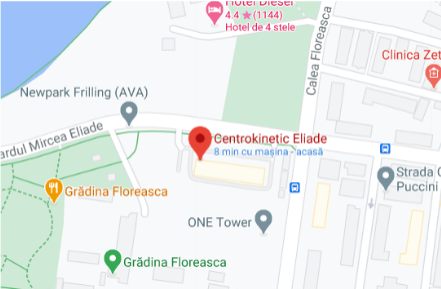
CENTROKINETIC FLOREASCA
Bucharest, 1st District,
Mircea Eliade Street, no. 18,
Eliade Tower, Entrance A, Floor 3
| Navigation | Explore 3D |
CENTROKINETIC Barbu Vacarescu
Bucharest, 2nd District,
Barbu Vacarescu Street, no. 102,
102 The Address, ground floor.
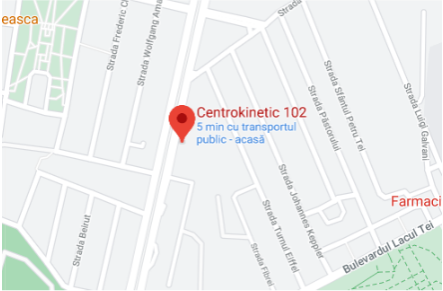
| Navigation | Explore 3D |
CENTROKINETIC MILITARI
Bucuresti, Sector 6,
Bld. Iuliu Maniu, nr. 15G,
Cladirea PBT, etaj 3.
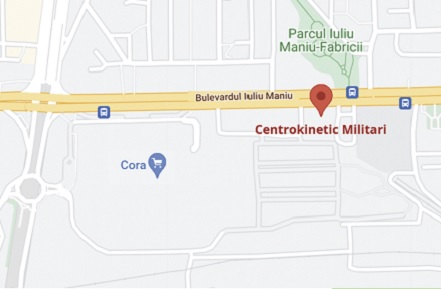
| Navigation |
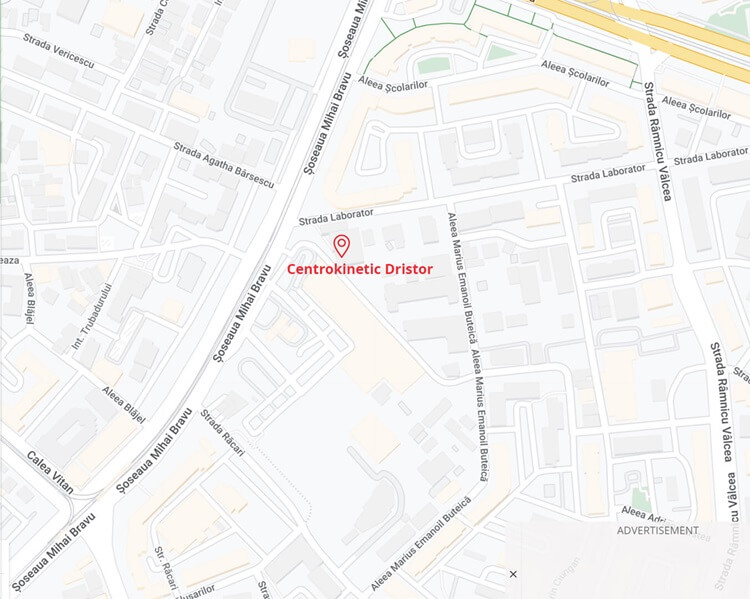
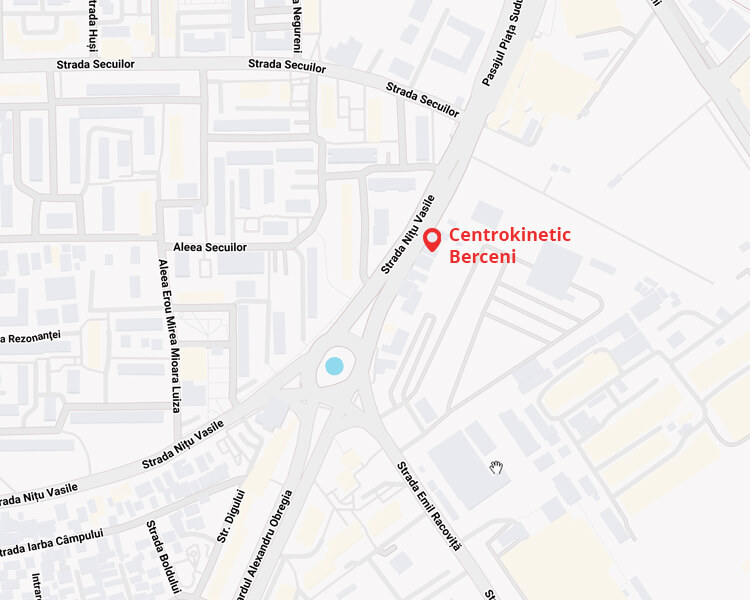
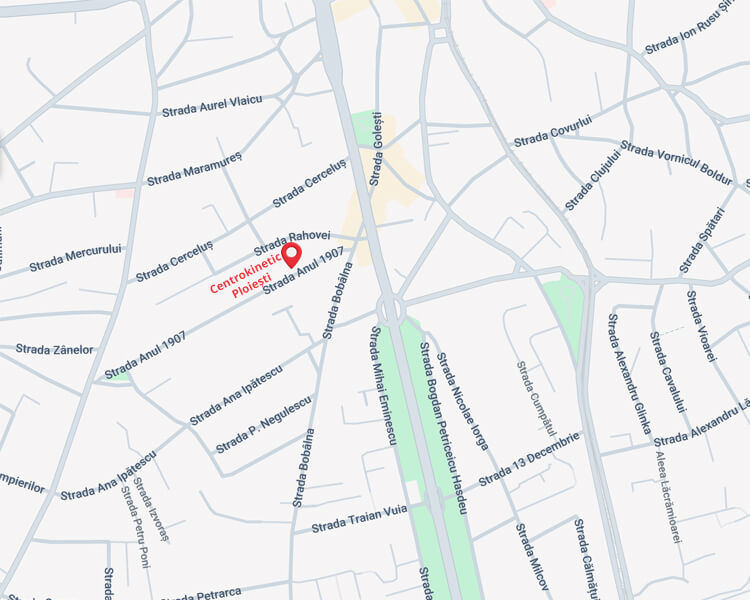
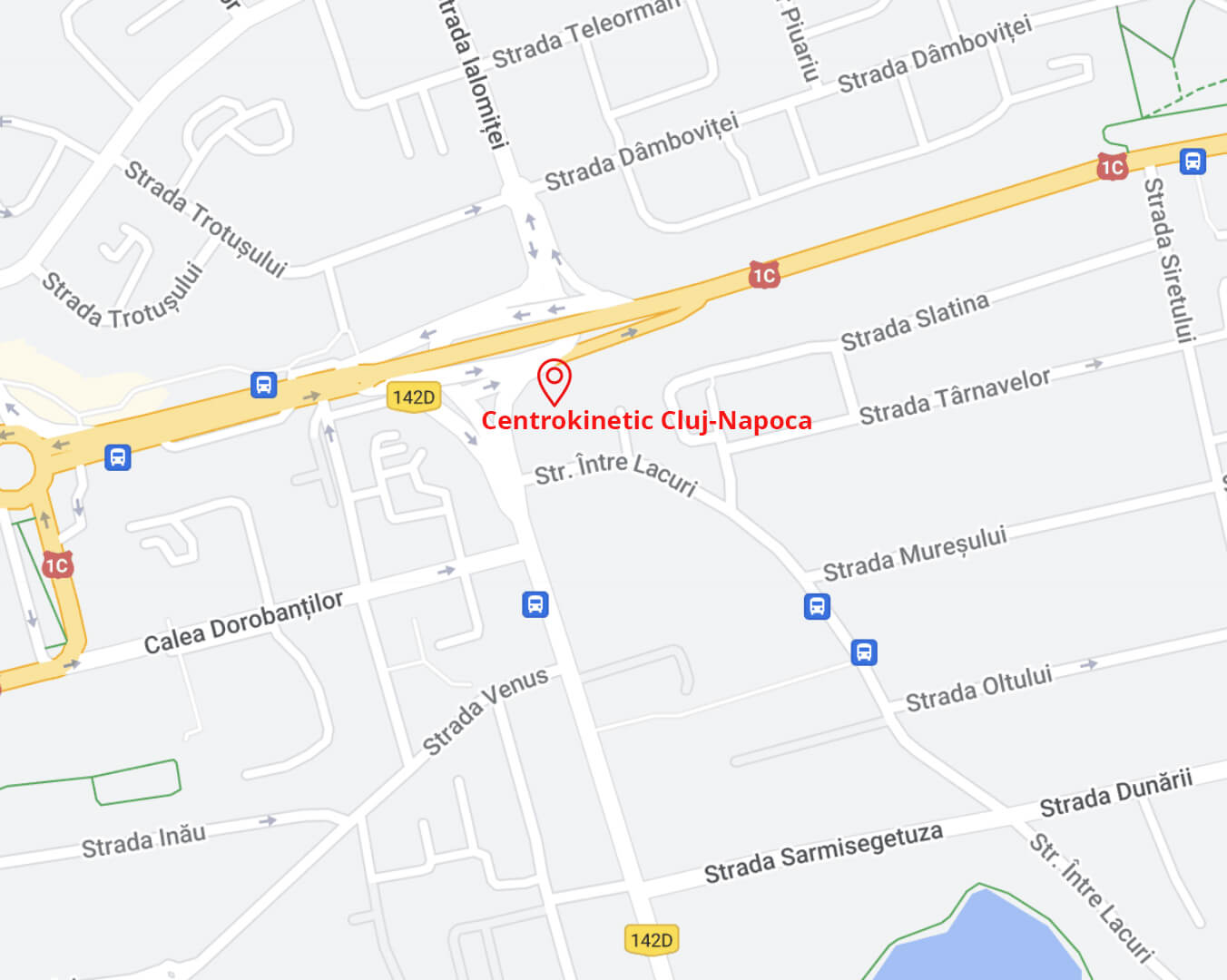
CENTROKINETIC CLUJ-NAPOCA
Cluj-Napoca,
Str. Intre Lacuri, nr.1
Intrarea este in spatele cladirii.
| Navigation |
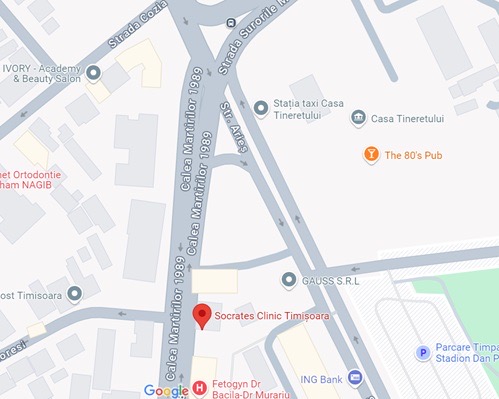
SOCRATES CLINIC TIMISOARA
Timisoara, Calea Martirilor 1989,
nr. 1.
Telefon: 0371 785 374.
| Navigation |
CONTACT
Phone: 0319693
E-mail: programari@centrokinetic.ro
Operating hours:
Monday – Friday: 07:00 – 21:00
Saturday: 09:00 – 14:00
Sunday: closed.
MAKE AN APPOINTMENT