The role of physical exercise and physical therapy procedures in pelvic-perineal re-education


The role of physical exercise and physical therapy procedures in pelvic-perineal re-education in uro-genital pathologies.
- Introduction. The importance of pelvic-perineal re-education
- Epidemiology and statistical data
- Risk factors and causes
- Anatomy and physiology – synthesis
- Uro-genital pathologies – brief definitions
- Diagnosis and functional assessment
- Therapeutic protocols – a modern approach
- Conservative re-education versus surgical treatment
- The role of physical exercise in pelvic-perineal re-education
- Limitations and the need to standardize protocols
- Current medical practice in Romania
- Future proposals
- Conclusions and practical messages
- Bibliography
1. Why is pelvic-perineal re-education important?
Uro-genital pathologies, such as urinary incontinence, pelvic organ prolapse, chronic pelvic pain, or sexual dysfunctions, affect millions of women globally. These conditions are directly related to pelvic floor function (the muscular and fascial structure that supports the pelvic organs) and contribute to the mechanisms of continence, sexuality, and lumbopelvic stability.
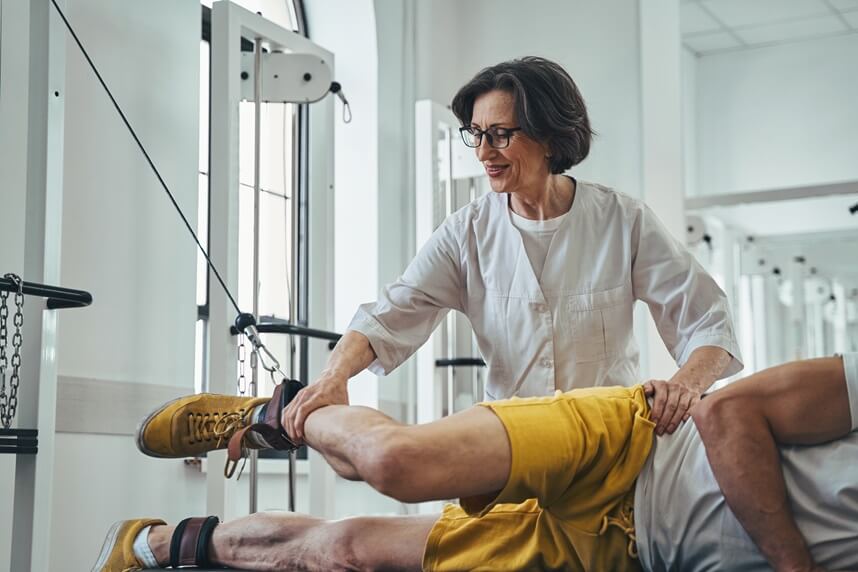
Pelvic-perineal re-education (PPR), especially through specific physical exercise, and the use of physical therapy procedures (electrostimulation, biofeedback, manual therapy, myofascial techniques) currently represent the first line of treatment recommended by most international guidelines (ICS, APTA Women’s Health).
A large study published by Wallace et al. (2019, Stanford University) shows that pelvic exercise is effective in all major types of pelvic floor dysfunctions, including incontinence, prolapse, pain, and sexual dysfunctions.
2. Epidemiology and statistical data. How often do these problems occur?
Pelvic-perineal dysfunctions are extremely common, reduce quality of life, and require special attention.
- It is estimated that 46% of women experience at least one pelvic dysfunction during their lifetime (Frawley et al., 2022).
- Urinary incontinence affects up to 45% of women (Hagen & Stark, 2020).
- Pelvic organ prolapse has a clinical prevalence of 5–10%, but on imaging it may be present in 50% of multiparous women (Barber, 2016).
- One in ten women will require surgery for incontinence or prolapse by the age of 80 (Wallace et al., 2019).
These data justify the need for early implementation of a functional rehabilitation program, with specific physical exercise as its central element.
3. Risk factors and causes. Is there a specific cause?
Uro-genital dysfunctions occur as a result of a combination of factors:
- Obstetric factors, such as: prolonged labor, use of forceps, severe perineal tears, fetal macrosomia (Sek & Dietz, 2020)
- Mechanical factors, such as: chronic cough, severe constipation, obesity, impact sports (gymnastics, running) (Frawley et al., 2022).
- Hormonal factors, such as menopause or hypoestrogenism
- Iatrogenic or traumatic factors, such as: pelvic surgeries, hysterectomy (Barber, 2016)
- Neuromuscular factors, such as: pudendal neuropathy, postural imbalances, chronic muscular hypertonicity.
4. Anatomy and physiology; a brief synthesis for better understanding.
The pelvic floor is made up of the levator ani muscle complex (puborectalis, pubococcygeus, iliococcygeus); coccygeus; the superficial perineal muscles; pelvic fasciae and ligaments; innervation is provided by the S2-S4 roots and the pudendal nerve.
The roles of the pelvic floor are: supporting the pelvic organs (bladder, uterus, rectum), controlling urinary and fecal continence, sexual function, stabilizing the pelvis and the lumbar spine. Any imbalance between abdominal pressures and the support capacity of these structures can generate dysfunctions (Bo et al., 2017).
5. Brief definition of uro-genital pathologies.
- Urinary incontinence. Involuntary loss of urine; stress (effort), urgency, mixed.
- Pelvic organ prolapse (POP). Downward migration of pelvic organs toward the vagina.
- Chronic pelvic pain. Persistent pain lasting more than 6 months, often associated with muscular hypertonicity.
- e. Sexual dysfunctions, such as dyspareunia, vaginismus, decreased sensitivity (Reissing et al., 2019)
6. Diagnosis and functional assessment. How can I find out more about the uro-genital condition? The assessment includes:
- Detailed medical history, using validated scores: ICIQ-SF, PFDI-20, PFIQ-7*
* CIQ-SF, PFDI-20 and PFIQ-7 are tools for evaluating patient-reported outcomes (PROM). They can be applied/discussed as such at the first consultation with the specialist physician, urologist or gynecologist. These evaluation tools are validated and widely used to assess symptoms and quality of life in women with pelvic floor disorders (PFD), covering aspects such as: urinary incontinence (ICIQ-SF), overall pelvic floor discomfort (PFDI-20) and impact on daily life (PFIQ-7). These tools help physicians understand how conditions such as urinary leakage, prolapse and fecal incontinence affect a patient’s life; the short forms (SF) being efficient to complete. ICIQ-SF, or the International Consultation on Incontinence Questionnaire (Short Form), focuses specifically on urinary incontinence symptoms (such as leakage), frequency and severity, helping to quantify urinary burden. PFDI-20, or the Pelvic Floor Distress Inventory (20 items or queried aspects), is a broader tool that evaluates distress caused by various pelvic floor symptoms (urinary, prolapse, colorectal) and the inconveniences they cause. PFIQ-7, or the Pelvic Floor Impact Questionnaire (7 items or queried aspects), measures how pelvic floor problems affect daily life, including physical, social and emotional aspects, offering a perspective on quality of life.
- Physical examination through: contraction testing (Oxford / PERFECT Scheme**), tone assessment (hypo- or hypertonicity), myofascial palpation, prolapse evaluation (POP-Q***).
** The Oxford/PERFECT Scheme is a standardized digital palpation technique used by healthcare professionals (such as in urology and gynecology) to assess the function and strength of the pelvic floor muscles (PFM). The physical examination also provides guidance for planning patient-specific exercise programs. The scheme incorporates the Modified Oxford Scale for muscle strength and extends it using the acronym PERFECT, which represents key components of PFM contractility assessment. P: Power assessed using the Modified Oxford Scale on a scale from 0 to 5 (0 = no contraction, 5 = strong contraction against resistance). E: Endurance assessed by the duration (in seconds, up to a maximum of 10) a maximal voluntary contraction (MVC) can be sustained. R: Repetitions or the number of times (up to 10) the endurance contraction can be repeated with a standard rest period (usually 4 seconds) between each effort. F: Fast, or the number of quick, maximal, one-second voluntary contractions performed before fatigue, up to a maximum of 10. ECT: Each timed contraction (used less frequently as an acronym component, but implicit in the protocol). The scheme may also include assessments of reflex contractions (tone/muscle texture) and position (perineal lift).
*** The POP-Q system (Pelvic Organ Prolapse Quantification) is the standard and objective method for evaluating pelvic organ prolapse (POP) during a pelvic exam, using measurements of six vaginal points relative to the hymen to determine the stage of descent (0-4) for the anterior, apical and posterior compartments, helping physicians track severity and compare findings, although some consider it less clinically useful than it could be for surgical planning. An evaluation involves measuring prolapse points with the patient in a straining position (Valsalva), providing precise and repeatable data for diagnosis and therapeutic management.
This comprehensive approach allows a detailed and reliable assessment of different aspects of muscular function, which is more thorough than simply measuring strength, and helps develop specific and progressive exercise regimens for conditions such as urinary incontinence.
- Complementary investigations, including: perineal ultrasound (Dietz, 2018), electromyographic biofeedback, urodynamics (NICE NG123, 2019).
7. Therapeutic protocols; a modern approach. What treatment is useful after you have learned the diagnosis?
According to ICS and APTA Women’s Health guidelines, treatment must be multimodal. It may include:
- Conservative re-education (first-line treatment). Includes pelvic floor muscle training (PFMT) exercises. These have proven effectiveness in numerous randomized studies (Dumoulin et al., 2018). EMG biofeedback, which can also be used, increases the accuracy of voluntary contractions (Hall et al., 2018). Electrostimulation is another procedure, useful in severe hypotonicity when voluntary contraction is absent (Glazener et al., 2019). Pelvic manual therapy is essential in hypertonicity dysfunctions, pelvic pain or vaginismus (Reissing et al., 2019). Myofascial techniques and trigger-point therapy can be effective methods in chronic pelvic pain (Fitzgerald et al., 2020).
- Behavioral re-education. Consists of regulating the voiding schedule, constipation management, and controlling abdominal pressure (NICE, 2019).
8. Conservative re-education versus surgical treatment.
Conservative pelvic re-education is the first-intention treatment.
The specialist physician in physical and rehabilitation medicine, together with the physiotherapists of the Centrokinetic team, is waiting for you. Studies show that a correctly performed PFMT program carried out for 12 weeks can significantly reduce incontinence symptoms (Dumoulin, 2018) and can even improve mild prolapse (Brækken et al., 2010).
Surgery is indicated in: severe prolapse, refractory incontinence, cases with significant structural defects. However, surgical success is higher when the patient performs PFMT pre- and postoperatively (Wiegersma et al., 2022).
9. The role of physical exercise. The central element in pelvic-perineal re-education!
- Pelvic contraction exercises (Kegel/PFMT). The program consists of: performing fast and slow contractions with individualized progression, carried out for at least 12 weeks. It is recommended to do 3 sets performed daily, approx. 8–12 contractions/set (Dumoulin, 2018).
- Lumbopelvic stabilization exercises. They are particularly useful because they ensure activation of the transversus abdominis muscle, effective control of diaphragmatic breathing; the recommended exercises being exactly those that ensure trunk stability (core exercises) (Stær-Jensen et al., 2015).
- Integrated functional exercises. These involve controlled lifting, correcting body posture, providing training for daily activities together with pelvic contraction.
- Intra-abdominal pressure re-education. It is essential for preventing prolapse and worsening incontinence.
10. Limitations and the need for standardization. The major problem is the lack of a unified protocol.
Studies vary in terms of: the type of exercises, their intensity and frequency, duration, and the use of biofeedback. Wallace et al. (2019) emphasize the need to standardize protocols in order to obtain reproducible and effective results.
11. Current medical practice in Romania.
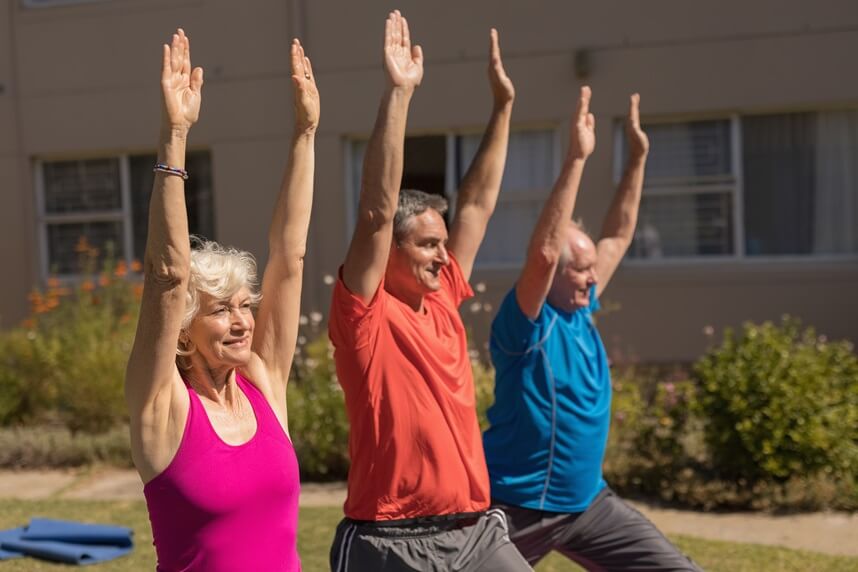
In Romania, access to pelvic physiotherapy is still uneven: few specialized clinics, lack of a national framework, early orientation toward surgery, lack of interdisciplinary collaboration.
However, in recent years, interest in pelvic physiotherapy has been growing.
Integrated clinics such as Centrokinetic offer complete assessment and treatment.
12. Future proposals
Creating a National Guide for Pelvic-Perineal Re-education, training specialized therapists (accredited courses), integrating PFMT into postpartum recovery programs, pelvic screening among multiparous and postmenopausal women, interdisciplinary collaboration between gynecology, urology, physiotherapy, Romanian clinical research on the effect of physical exercise.
13. Conclusions and practical messages
- Pelvic-perineal dysfunctions are very common and strongly influence quality of life.
- Specific pelvic floor physical exercise is the first and most effective step in treatment.
- Correct assessment is essential: hypotonicity versus hypertonicity.
- Physical therapy procedures (biofeedback, electrostimulation, manual therapy) increase the effectiveness of the program.
- Surgery is a final solution, NOT the first option.
- Re-education must be carried out under the supervision of a specialist in pelvic physiotherapy
Find out from specialists how physical exercise and physical therapy procedures help pelvic-perineal re-education in uro-genital pathologies! We look forward to seeing you at Centrokinetic. Schedule your consultation now!
Bibliography
- Wallace SL, Miller LD, Mishra K. Pelvic floor physical therapy in the treatment of pelvic floor dysfunction in women. Curr Opin Obstet Gynecol. 2019;31(6):485-493.
- Frawley HC, Haylen BT, Bø K, Abramov Y, Ferenczy A, et al. An International Urogynecological Association (IUGA) research and development committee report on pelvic floor muscle training. Int Urogynecol J. 2022;33(5):901-920.
- Hagen S, Stark D. Conservative prevention and management of pelvic organ prolapse in women. Cochrane Database Syst Rev. 2011;(12):CD003882.
- Dumoulin C, Cacciari LP, Hay-Smith EJC. Pelvic floor muscle training versus no treatment for urinary incontinence in women: a Cochrane systematic review. Eur J Phys Rehabil Med. 2018;54(2):223-230.
- Bø K, Frawley HC, Haylen BT, Abramov Y, Almeida FG, et al. An International Urogynecological Association (IUGA)/International Continence Society (ICS) joint report on the terminology for pelvic floor muscle function and dysfunction. Int Urogynecol J. 2017;28(3):391-413.
- Barber MD. Pelvic organ prolapse. BMJ. 2016;354:i3853.
- Shek KL, Dietz HP. Intrapartum risk factors for levator trauma. BJOG. 2010;117(12):1485-1492.
- Dietz HP. Pelvic floor trauma following vaginal delivery. Curr Opin Obstet Gynecol. 2018;30(6):452-459.
- Reissing ED, Brown C, Lord MJ, Binik YM, Khalifé S. Pelvic floor muscle functioning in women with and without provoked vestibulodynia. J Sex Med. 2019;16(9):1393-1404.
- National Institute for Health and Care Excellence (NICE). Urinary incontinence and pelvic organ prolapse in women: management (NG123). London: NICE; 2019.
- Hall AF, Bø K, Øderud T, Svartholm I, Mørkved S. Pelvic floor muscle training in prevention and treatment of urinary incontinence in women – what is the evidence? Acta Obstet Gynecol Scand. 2018;97(3):250-257.
- Glazener CMA, Evans JHC, Cheuk DKL. Complementary and miscellaneous interventions for urinary incontinence in women. Cochrane Database Syst Rev. 2019;(3):CD001232.
- Fitzgerald CM, Kotarinos R. Rehabilitation of the short pelvic floor. II: Treatment of the patient with the short pelvic floor. Int Urogynecol J. 2020;31(2):275-283.
- Stær-Jensen J, Siafarikas F, Hilde G, Bø K, Engh ME. Postpartum pelvic floor muscle training and pelvic organ prolapse: a randomized trial. Obstet Gynecol. 2015;125(6):1271-1279.
- Wiegersma M, Panman CMCR, Kollen BJ, Dekker JH, Berger MY, et al. Effect of pelvic floor muscle training on pelvic organ prolapse symptoms and severity: A randomized controlled trial. Int Urogynecol J. 2022;33(8):2135-2144.
- International Continence Society (ICS). ICS Standards on terminology and conservative management for pelvic floor dysfunction. Bristol: ICS; 2019.
- American Physical Therapy Association (APTA), Section on Women’s Health. Clinical guidelines for pelvic floor physical therapy. Alexandria, VA: APTA; 2021.
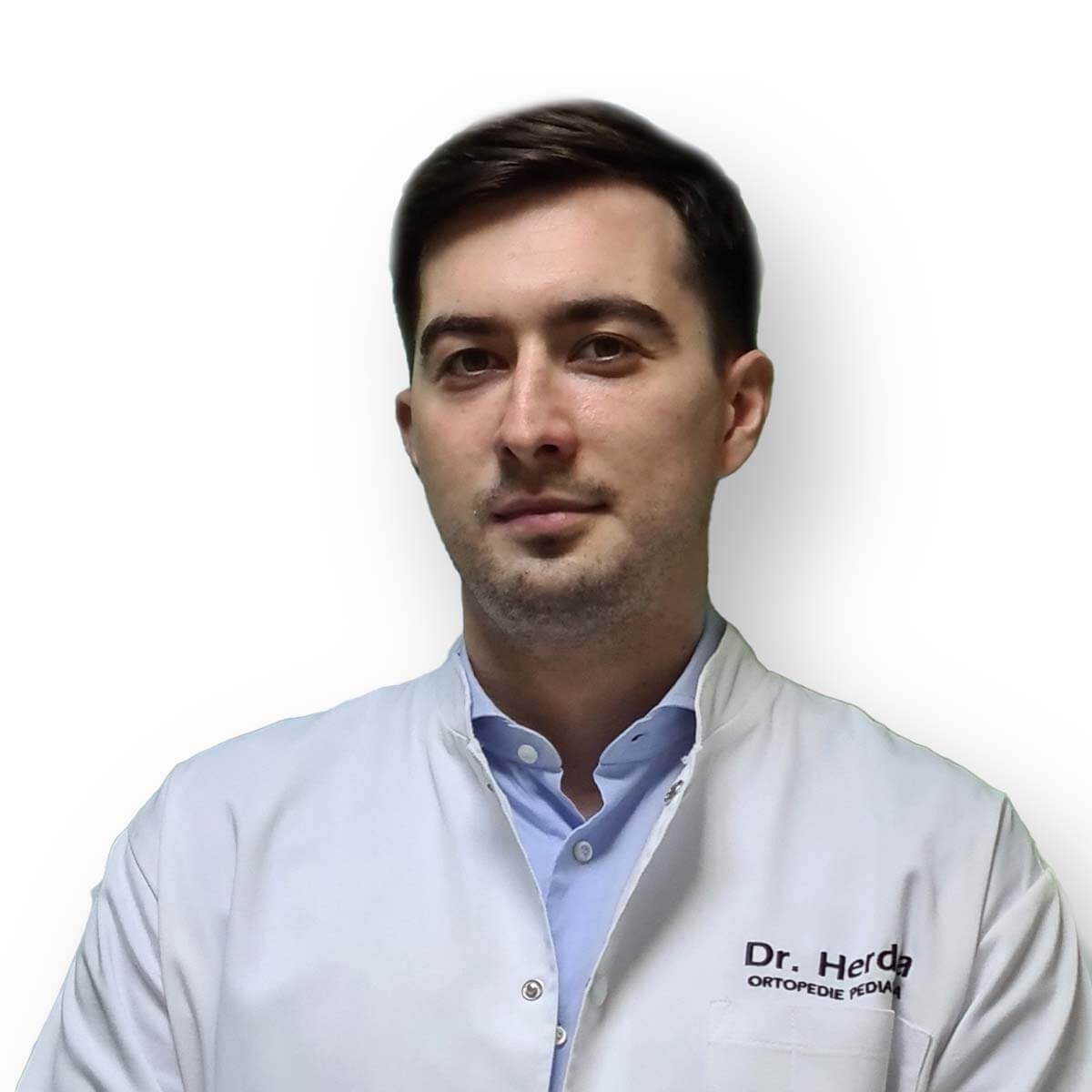
BUCHAREST TEAM




























































CLUJ NAPOCA TEAM


































BRASOV TEAM


















MAKE AN APPOINTMENT
FOR AN EXAMINATION
See here how you can make an appointment and the location of our clinics.
MAKE AN APPOINTMENT
Asiguratori privati




Parteneriate



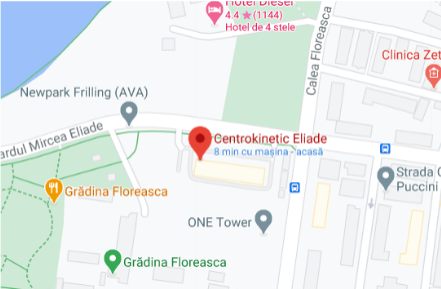
CENTROKINETIC FLOREASCA
Bucharest, 1st District,
Mircea Eliade Street, no. 18,
Eliade Tower, Entrance A, Floor 3
| Navigation | Explore 3D |
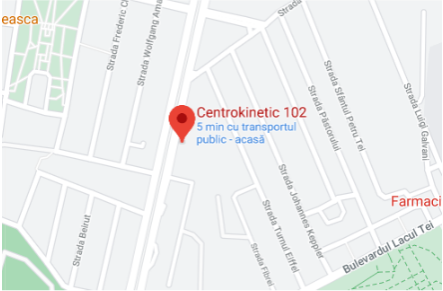
CENTROKINETIC Barbu Vacarescu
Bucharest, 2nd District,
Barbu Vacarescu Street, no. 102,
102 The Address, ground floor.
| Navigation | Explore 3D |
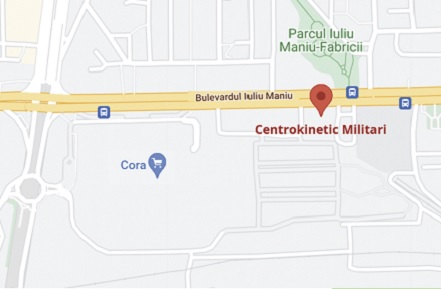
CENTROKINETIC MILITARI
Bucuresti, Sector 6,
Bld. Iuliu Maniu, nr. 15G,
Cladirea PBT, etaj 3.
| Navigation |
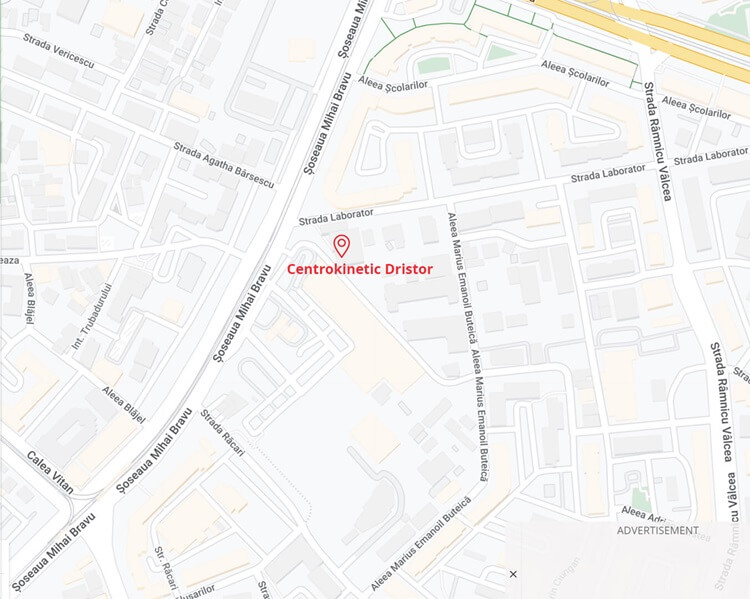
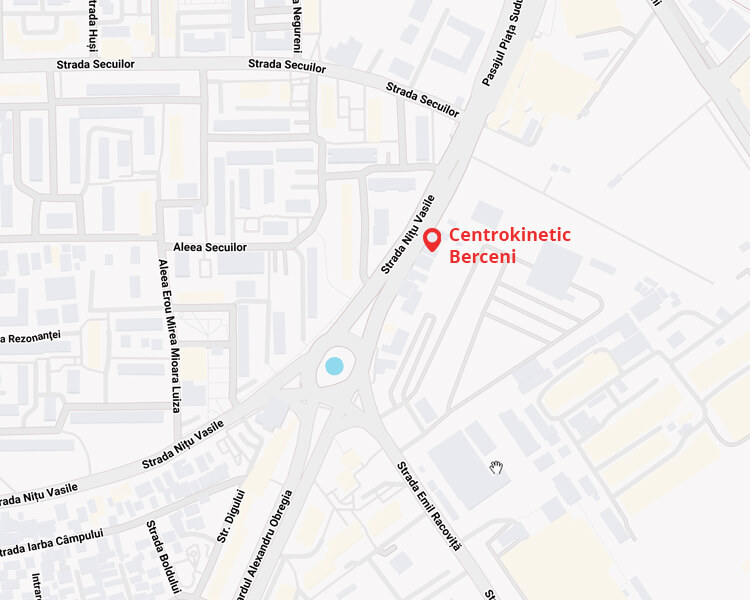
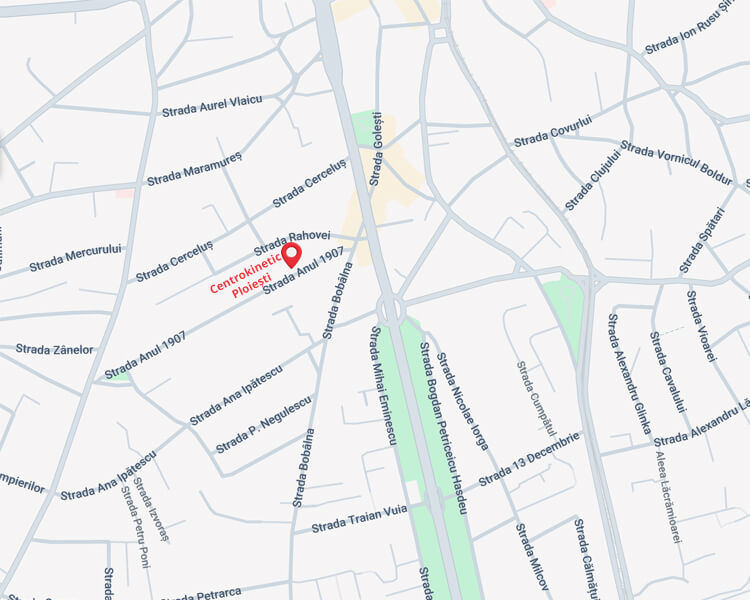
CENTROKINETIC CLUJ-NAPOCA
Cluj-Napoca,
Str. Intre Lacuri, nr.1
Intrarea este in spatele cladirii.
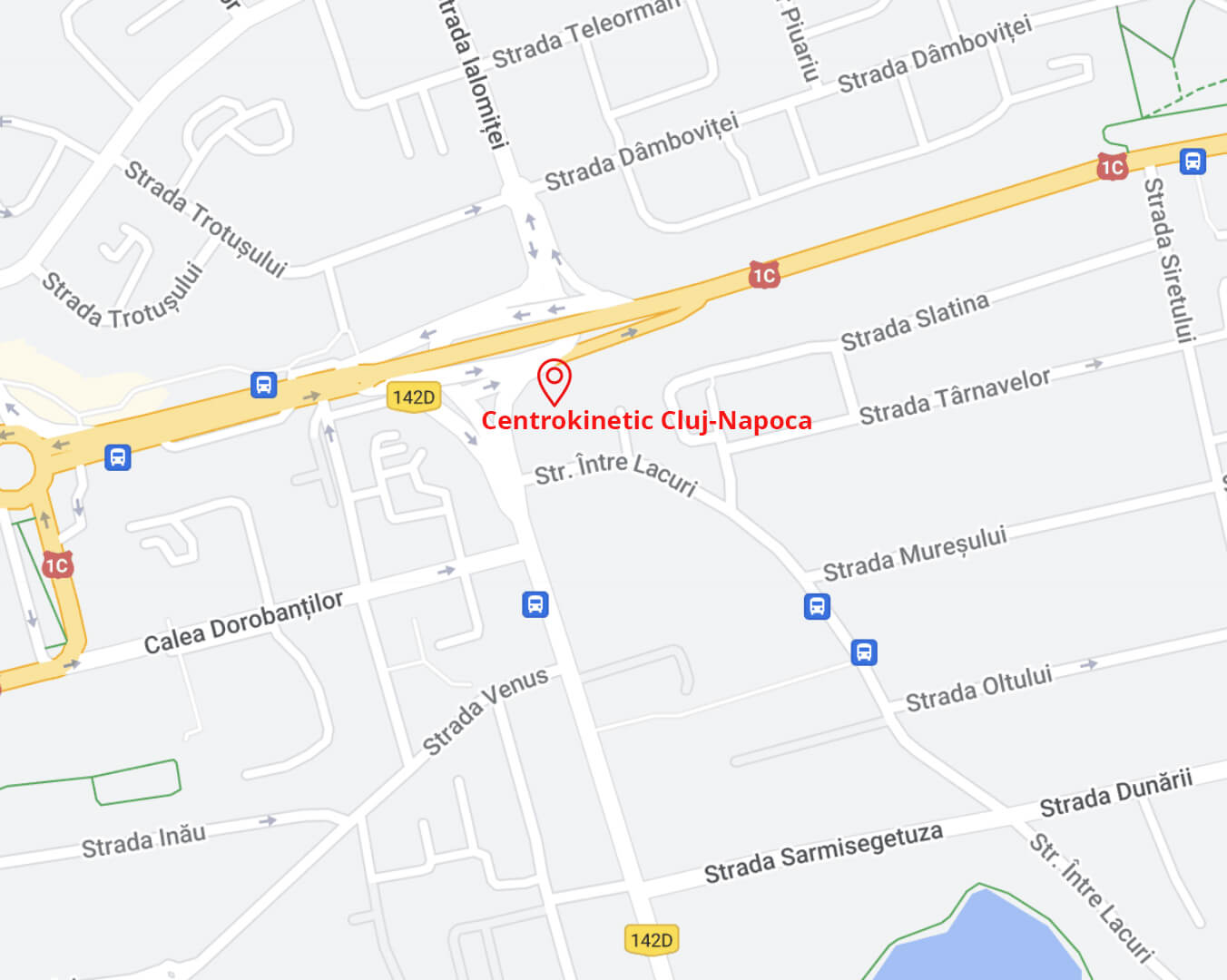
| Navigation |
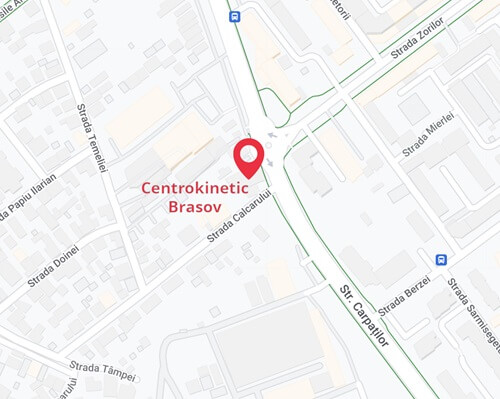
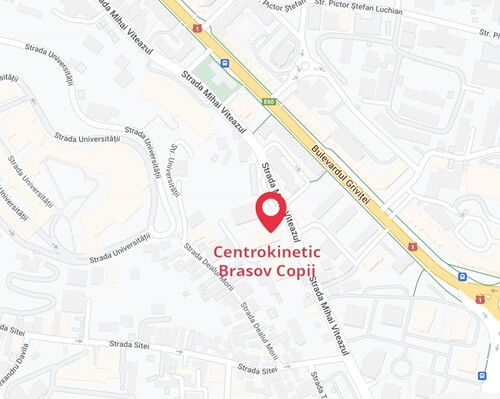
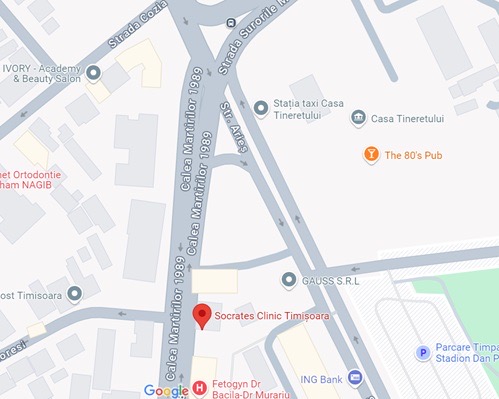
SOCRATES CLINIC TIMISOARA
Timisoara, Calea Martirilor 1989,
nr. 1.
Telefon: 0371 785 374.
| Navigation |
CONTACT
Phone: 0319693
E-mail: programari@centrokinetic.ro
Operating hours:
Monday – Friday: 07:00 – 21:00
Saturday: 09:00 – 14:00
Sunday: closed.
MAKE AN APPOINTMENT