How long after physiotherapy do the first results appear?


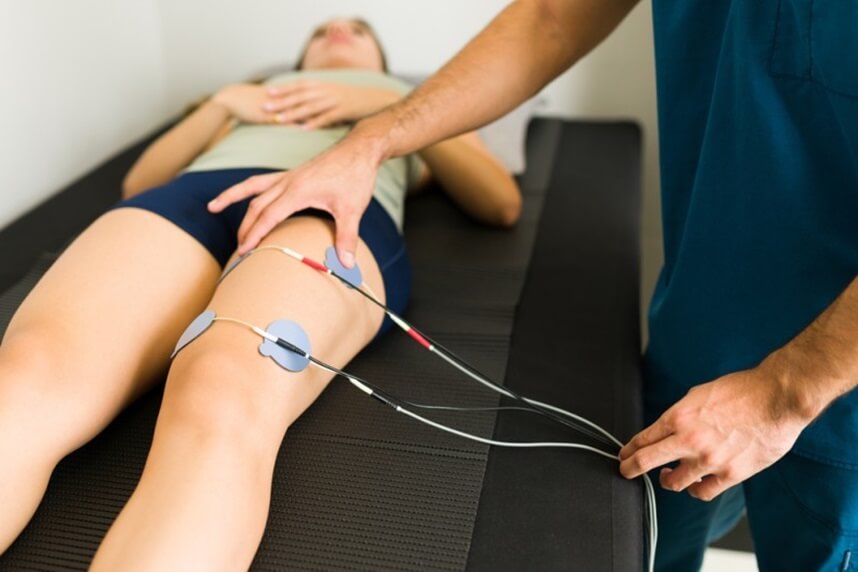
Medical recovery through physiotherapy is attracting increasing interest, especially among those who want to return to their usual daily activities without discomfort or limitations. Many patients wonder how quickly they can notice real changes after starting physiotherapy sessions and what factors influence their progress. In the following, we will present clear information about how recovery evolves and how you can achieve optimal results. Here’s what you need to know!
What does physiotherapy involve?
Physiotherapy is a branch of medicine focused on restoring mobility, reducing pain, and improving quality of life through physical methods such as procedures performed with specialized equipment. The goal of treatment is to help the patient regain the function of the affected area, whether it is a sports injury, a joint condition, or post-operative recovery.
Specialists use numerous techniques to achieve these objectives: electrotherapy, laser therapy, cryotherapy (the therapeutic application of cold), ultrasound, or TECAR therapy. These targeted therapies are individually adjusted after a careful assessment of each person’s needs. The recovery process can vary significantly from one person to another and requires active involvement, patience, and ongoing adjustment of the plan under medical supervision [1][2].
What factors influence the appearance of results?
Not all patients respond to physiotherapy in the same way. Several aspects influence how and how quickly the body responds to exercises and procedures:
- the type and severity of the condition: recovery after a minor muscle strain is generally faster than recovery in the case of a chronic condition such as osteoarthritis;
- age and general health: children and young adults recover faster due to the body’s regenerative potential. In older individuals, progress is usually slower;
- involvement and consistency: carefully following specialists’ recommendations, attending recovery sessions, and practicing at home contribute to recovery progress;
- frequency and duration of therapies: sessions scheduled at the right time support visible progress and reduce the risk of recurrence [1][3].
At Centrokinetic – a clinic specialized in medical recovery – treatment plans include both traditional methods and modern technologies such as TECAR therapy, ensuring optimal adaptation to each case.
How quickly do the first results appear?
Many patients report that pain decreases after the first 3–4 sessions, but the extent and speed of improvement vary depending on diagnosis, age, and other individual factors:
- for minor issues, such as a mild sprain or a traumatic episode, changes may become noticeable after approximately 6–10 sessions (usually 2–4 weeks);
- if you are recovering after surgery, significant results are typically achieved after several months of therapy and constant monitoring;
- in the case of chronic conditions, such as degenerative diseases, recovery may extend over a much longer period, sometimes up to a year. Patience and perseverance help you observe real progress.
It is important to continue physiotherapy exercises at home if they have been recommended, in order to consolidate results. If you notice that progress is delayed, discuss with your specialist to adjust the treatment plan [3][4].
Differences between types of physiotherapy and recovery pace
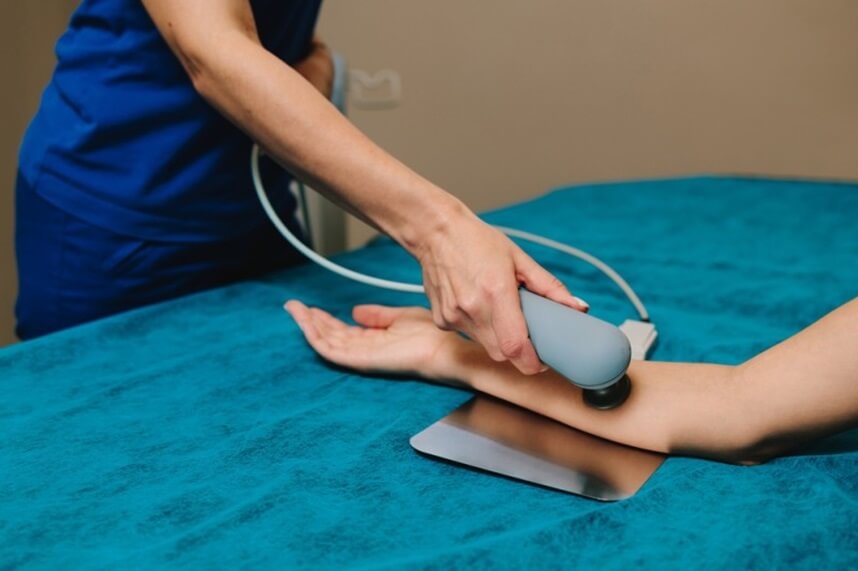
The pace of recovery differs depending on whether we are dealing with acute injuries, chronic conditions, or post-operative recovery. Generally, children respond faster to exercises, and in simple conditions, such as localized shoulder pain, results may appear in a shorter time (sometimes after 5–6 sessions). In contrast, recovery after a stroke or for complex conditions focuses on intermediate goals over several months.
Advanced technologies – such as laser therapy, TECAR therapy, or other procedures – can accelerate the process in certain injuries, as demonstrated by the experience of Centrokinetic specialists [1][2]. Always collaborate closely with your doctor or therapist, who will adjust the physiotherapy program based on your progress and treatment tolerance!
The importance of working with specialists
Physical recovery requires supervision and continuous adjustments depending on each patient’s progress. The specialists at Centrokinetic develop individualized plans, carefully monitor evolution, and make necessary adjustments to maintain the safety and effectiveness of the process. Consult your doctor for periodic evaluations and do not modify the treatment plan without their approval. Do not self-diagnose or attempt empirical therapies!
Recommendations for optimal results
Follow these simple rules to increase your chances of effective recovery:
- attend scheduled sessions and stay actively involved;
- perform the recommended exercises at home according to instructions;
- adopt a balanced diet and pay attention to sleep quality;
- inform your specialist if you notice unusual symptoms;
- if results are delayed after a reasonable period, request a reassessment and adjustment of the plan.
Active practice, cooperation with the medical team, and patience increase the chances of an optimal recovery journey.
Each recovery case evolves differently
Physiotherapy is a complex process whose pace may vary from one person to another. It is important to understand that progress depends on many factors and on your involvement in the therapeutic program. Periodic evaluations, communication with specialists, and treatment adjustments help achieve the goals set for each patient.
This article is intended for educational purposes and does not replace a specialized medical consultation. For personalized advice and monitoring, schedule a consultation with Centrokinetic specialists!
Sources:
[1] “Physiotherapy / Physical Therapy.” Physiopedia, 2022, www.physio-pedia.com/Physiotherapy_/_Physical_Therapy.
[2] Whittaker, Jackie L, et al. “Imaging with Ultrasound in Physical Therapy: What Is the PT’s Scope of Practice? A Competency-Based Educational Model and Training Recommendations.” British Journal of Sports Medicine, vol. 53, no. 23, 25 Apr. 2019, pp. 1447–1453, www.verywellhealth.com/physical-therapy-treatments-and-modalities-2696683, https://doi.org/10.1136/bjsports-2018-100193.
[3] “Responses to Therapeutic Interventions in Physiotherapy.” Physiopedia, 2015, www.physio-pedia.com/Responses_to_Therapeutic_Interventions_in_Physiotherapy.
[4] “How Long Does It Take for Physiotherapy to Show Results?” Physio Cottage, 5 Aug. 2024, physiocottage.ca/how-long-does-it-take-for-physiotherapy-to-show-results/.
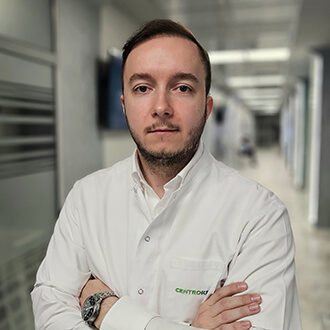
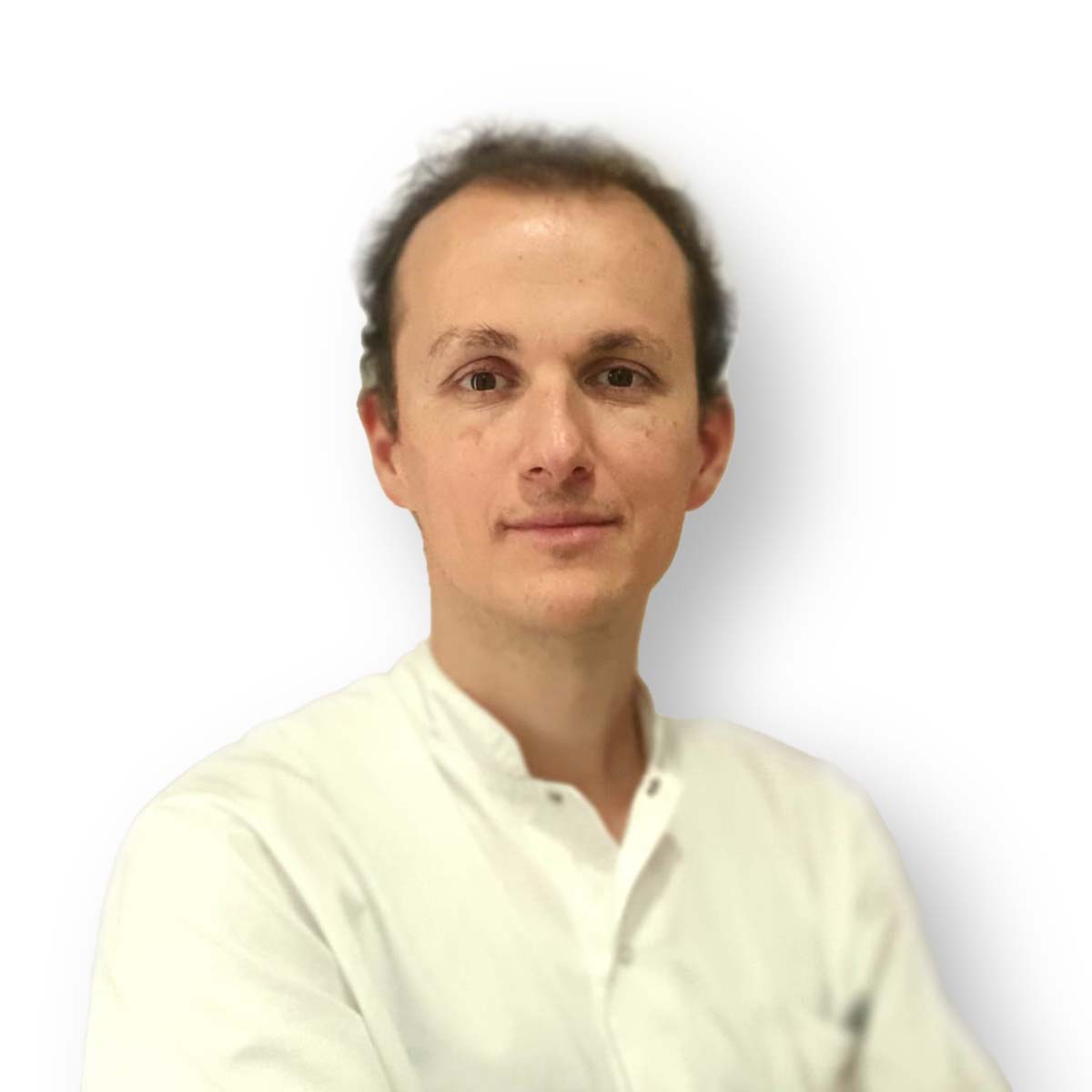
BUCHAREST TEAM
















































CLUJ NAPOCA TEAM



























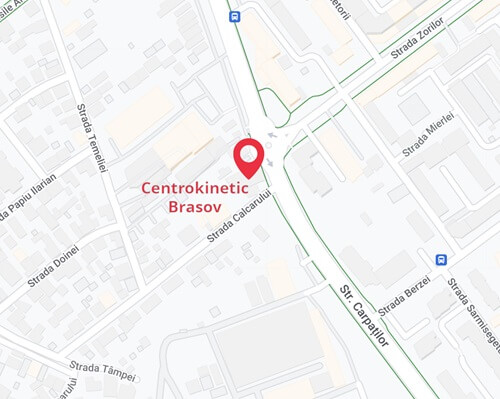
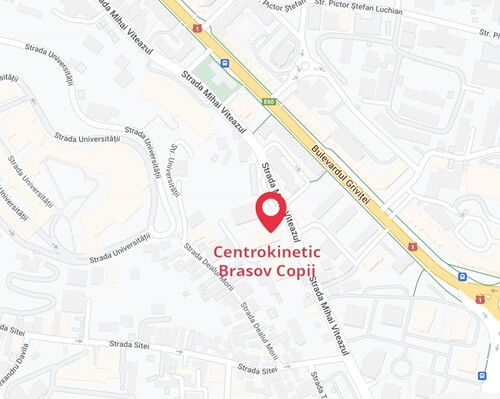
BRASOV TEAM











MAKE AN APPOINTMENT
FOR AN EXAMINATION
See here how you can make an appointment and the location of our clinics.
MAKE AN APPOINTMENT
Asiguratori privati





Parteneriate



CENTROKINETIC FLOREASCA
Bucharest, 1st District,
Mircea Eliade Street, no. 18,
Eliade Tower, Entrance A, Floor 3
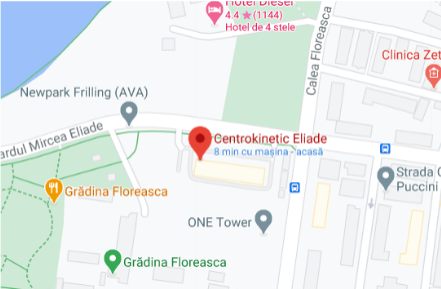
| Navigation | Explore 3D |
CENTROKINETIC Barbu Vacarescu
Bucharest, 2nd District,
Barbu Vacarescu Street, no. 102,
102 The Address, ground floor.
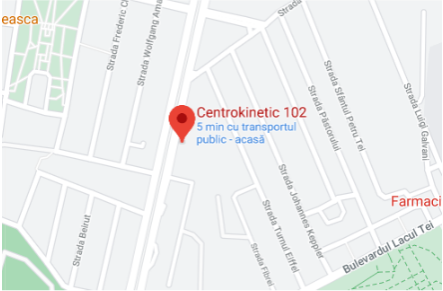
| Navigation | Explore 3D |
CENTROKINETIC MILITARI
Bucuresti, Sector 6,
Bld. Iuliu Maniu, nr. 15G,
Cladirea PBT, etaj 3.
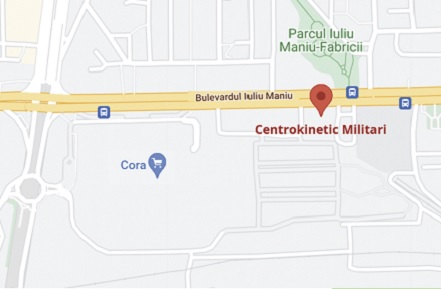
| Navigation |
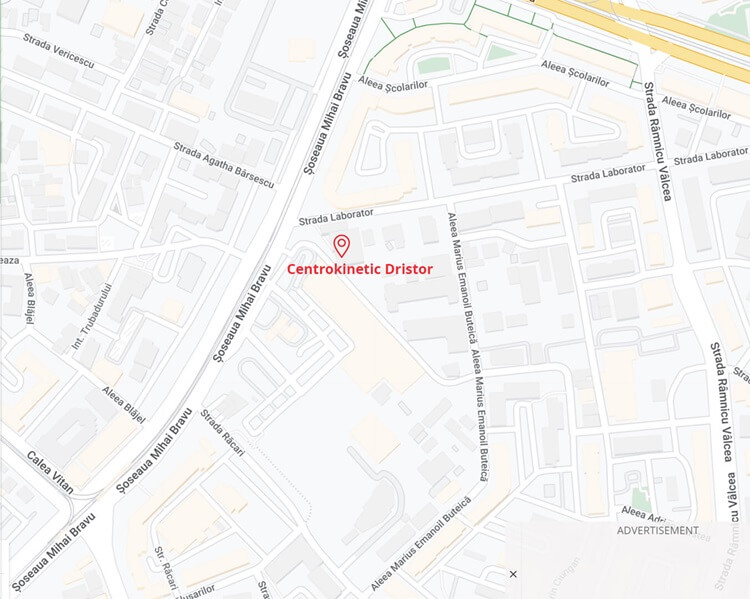
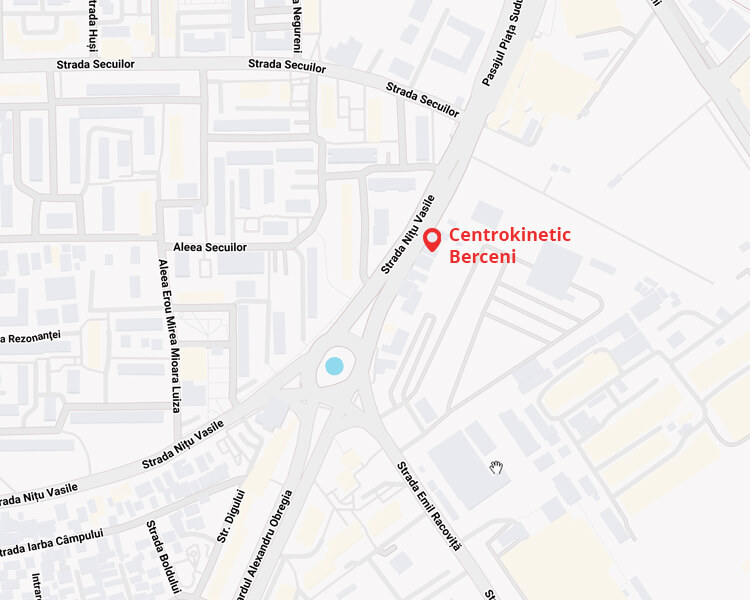
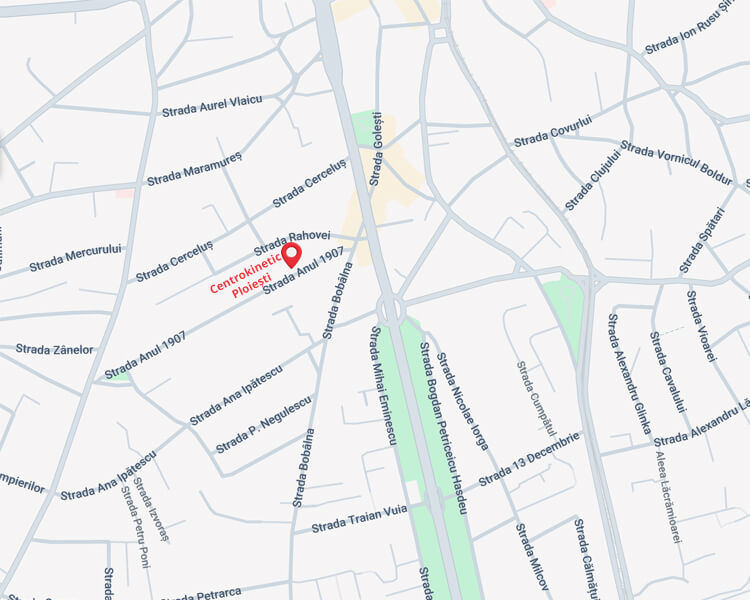
CENTROKINETIC CLUJ-NAPOCA
Cluj-Napoca,
Str. Intre Lacuri, nr.1
Intrarea este in spatele cladirii.
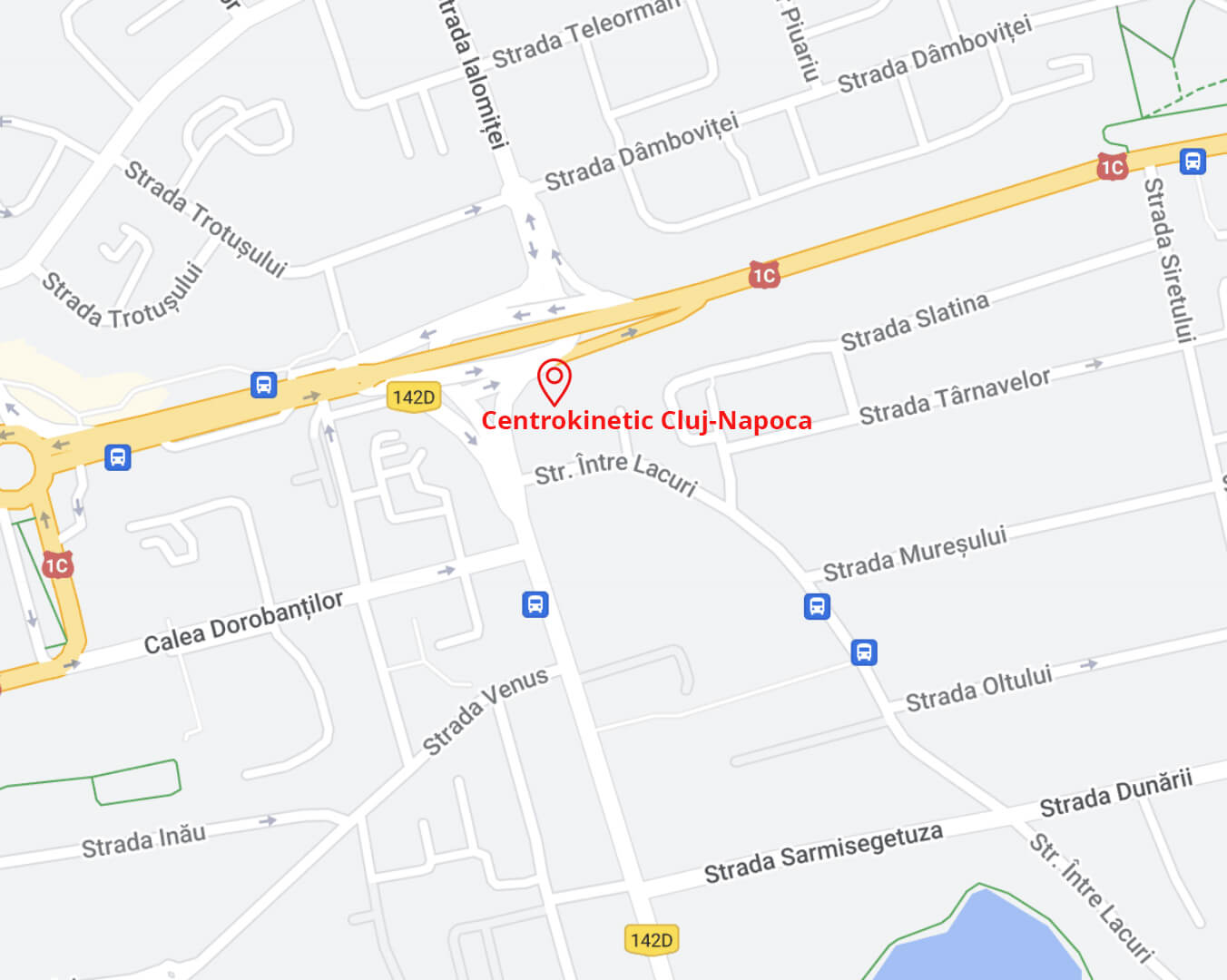
| Navigation |
SOCRATES CLINIC TIMISOARA
Timisoara, Calea Martirilor 1989,
nr. 1.
Telefon: 0371 785 374.
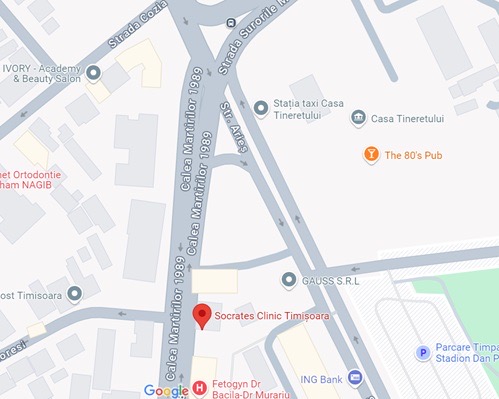
| Navigation |
CONTACT
Phone: 0319693
E-mail: programari@centrokinetic.ro
Operating hours:
Monday – Friday: 07:00 – 21:00
Saturday: 09:00 – 14:00
Sunday: closed.
MAKE AN APPOINTMENT