What does spine physiotherapy consist of?


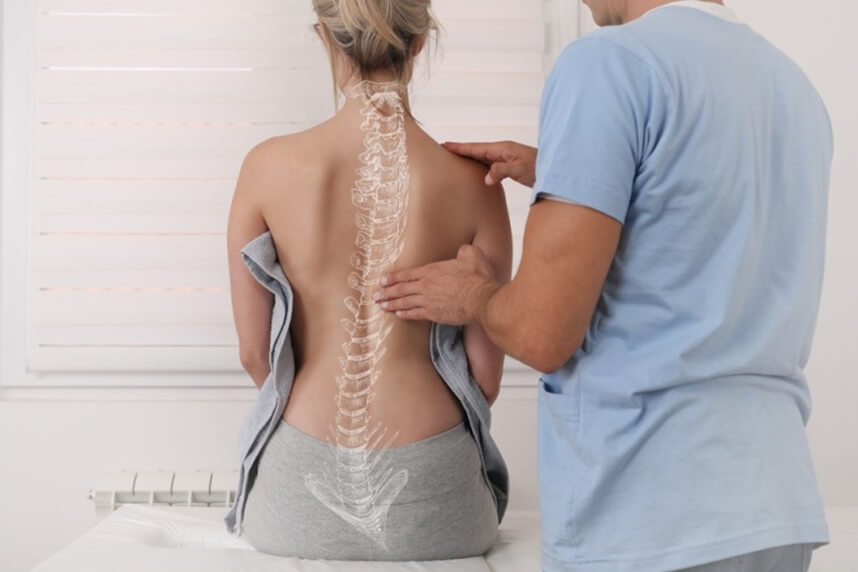
Back pain can affect many people, regardless of age or activity level. You may feel discomfort after a long day at the office, after lifting heavy objects, or due to poor posture maintained over an extended period. Physiotherapy offers effective and safe solutions to reduce discomfort, and treatment is tailored to each individual [1]. Below, you can discover what spinal physiotherapy involves, which techniques specialists use, and how you can achieve tangible results through a professionally guided treatment plan.
What is spinal physiotherapy?
Spinal physiotherapy includes a series of procedures, methods, and technologies through which specialists aim to reduce back pain, improve mobility, and correct muscular or postural imbalances. These approaches use physical factors such as massage, electrical currents, heat, and ultrasound, applied specifically to problematic areas.
You can notice the difference between physiotherapy and kinesiotherapy when practicing both therapies. Kinesiotherapy focuses on exercises for movement and muscle strength, performed with the assistance of a therapist. Physiotherapy complements kinesiotherapy by using physical methods (for example, electrotherapy or ultrasound) to reduce pain and stimulate healing. Specialists recommend physiotherapy both for relieving acute or chronic spinal pain and for prevention or recovery after trauma or surgery [1][2].
Procedures and techniques used in spinal physiotherapy
Specialists select appropriate techniques depending on the condition, and a personalized plan may include:
Manual therapy
This category includes techniques such as therapeutic massage, joint mobilizations, and manipulations aimed at reducing muscle tension and correcting vertebral alignment. For example, people with a herniated disc may benefit from gentle mobilizations to relieve local blockages [4].
Electrotherapy
Electrotherapy involves applying controlled electrical stimulation to reduce pain and inflammation. TENS therapy (Transcutaneous Electrical Nerve Stimulation) is recognized for its effectiveness in reducing lower back pain.
Muscle electrostimulation
This technique uses electrical currents to directly stimulate muscles and is indicated when muscle tone has decreased after a period of inactivity. A common example includes patients recovering from spinal surgery. You can find additional details on our dedicated electrostimulation page.
Ultrasound therapy
Ultrasound works at a deep tissue level, reducing inflammation and accelerating natural healing processes. The treatment is painless and is often used for conditions such as tendinitis, muscle contractures, or edema.
TECAR therapy
TECAR therapy uses high-frequency currents to stimulate local circulation and biological repair processes. It helps reduce inflammation, shorten recovery time, and improve cellular exchange.
Spinal traction
The physiotherapist may use traction to reduce pressure on intervertebral discs and relieve compressed nerve roots, especially in cases of herniated discs, sciatica, or lumbar stenosis.
Thermal therapy and modern technologies
Applying heat or ice regulates local inflammation and promotes muscle relaxation. For complex conditions, physiotherapy may also include modern therapies such as shockwave therapy or other advanced options [1][2][3].
Who is spinal physiotherapy recommended for?
Specialists recommend physiotherapy for individuals with:
- acute or chronic lower back pain;
- herniated disc, scoliosis, spondylosis;
- recurrent muscle contractures or tension;
- injuries resulting from accidents or surgical interventions.
The physiotherapy plan is adapted to each case. It is important to consult a physician before starting any therapy to determine the most appropriate method [1][2][3].
How is a personalized physiotherapy plan created?
The process begins with an initial evaluation performed by a specialist. They determine:
- the cause and severity of symptoms;
- the objectives you aim to achieve (pain relief, improved mobility, prevention of recurrence, etc.);
- which procedures are suitable and how they should be applied.
The plan often combines multiple methods. For example, a patient with disc disease may begin with manual therapy and electrotherapy, followed by personalized exercises for full recovery. The physiotherapist continuously monitors progress and adjusts the plan if changes occur [1][3].
What are the benefits of spinal physiotherapy?
If you follow specialist recommendations and actively participate in treatment, you may achieve:
- reduced pain intensity;
- improved spinal mobility and flexibility;
- strengthening of the muscles that stabilize the back;
- faster return to daily activities.
Physiotherapy can help reduce the need for pain medication, delay or avoid surgical interventions, and restore functional independence [1][5].
How long does physiotherapy last and how often should it be performed?
A typical session usually lasts between 60 and 90 minutes. The total number of sessions depends on the diagnosis and the specifics of the condition, ranging from 10 sessions to several dozen, distributed over a few weeks or months. For effectiveness, follow these recommendations:
- attend sessions regularly;
- continue exercises at home according to the therapist’s instructions;
- report any changes in symptoms.
Contraindications and possible risks
Not all procedures are suitable for every patient. For example, certain types of electrotherapy or ultrasound should be avoided in individuals with implanted devices (pacemakers), local infections, or during pregnancy. Other common contraindications include active oncological diseases, severe neurological conditions, or untreated cardiac disorders.
The specialist will inform you about the risks and precautions associated with each technique to ensure safe and effective therapy. Side effects such as local redness or mild discomfort are rare but should be reported immediately to the medical team [1].
The importance of evaluation and specialist supervision
Positive results occur when physiotherapy is based on accurate evaluation and correct application of procedures under the supervision of a specialized team. Any new symptom or unexpected reaction requires assessment by a physician or physiotherapist to adjust treatment accordingly.
This article is for informational purposes only and cannot replace medical consultation. For your safety, consult your physician or a physiotherapist before starting any physiotherapy program.
Sources:
[1] “How Physical Therapy Can Help Spine Pain – MS Physical Therapy.” Msphysicaltherapy.com, 2025, msphysicaltherapy.com/service/how-physical-therapy-can-help-spine-pain/.
[2] “Physical Therapy for Spine Conditions | Spine Center | OHSU.” Ohsu.edu, 2025, www.ohsu.edu/spine-center/physical-therapy-spine-conditions.
[3] “Physical Therapy.” National Spine Health Foundation, 22 Aug. 2024, spinehealth.org/article/physical-therapy/.
[4] “Manual Therapy Techniques for the Lumbar Spine.” Physiopedia, 2015, www.physio-pedia.com/Manual_Therapy_Techniques_For_The_Lumbar_Spine.
[5] “Spine Rehabilitation: Why Physical Therapy Matters | Hampton Roads.” Hampton Roads Orthopaedics Spine & Sports Medicine, 10 Oct. 2024, www.hrosm.com/the-role-of-physical-therapy-in-spine-rehabilitation/.
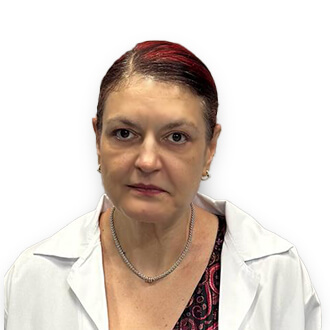
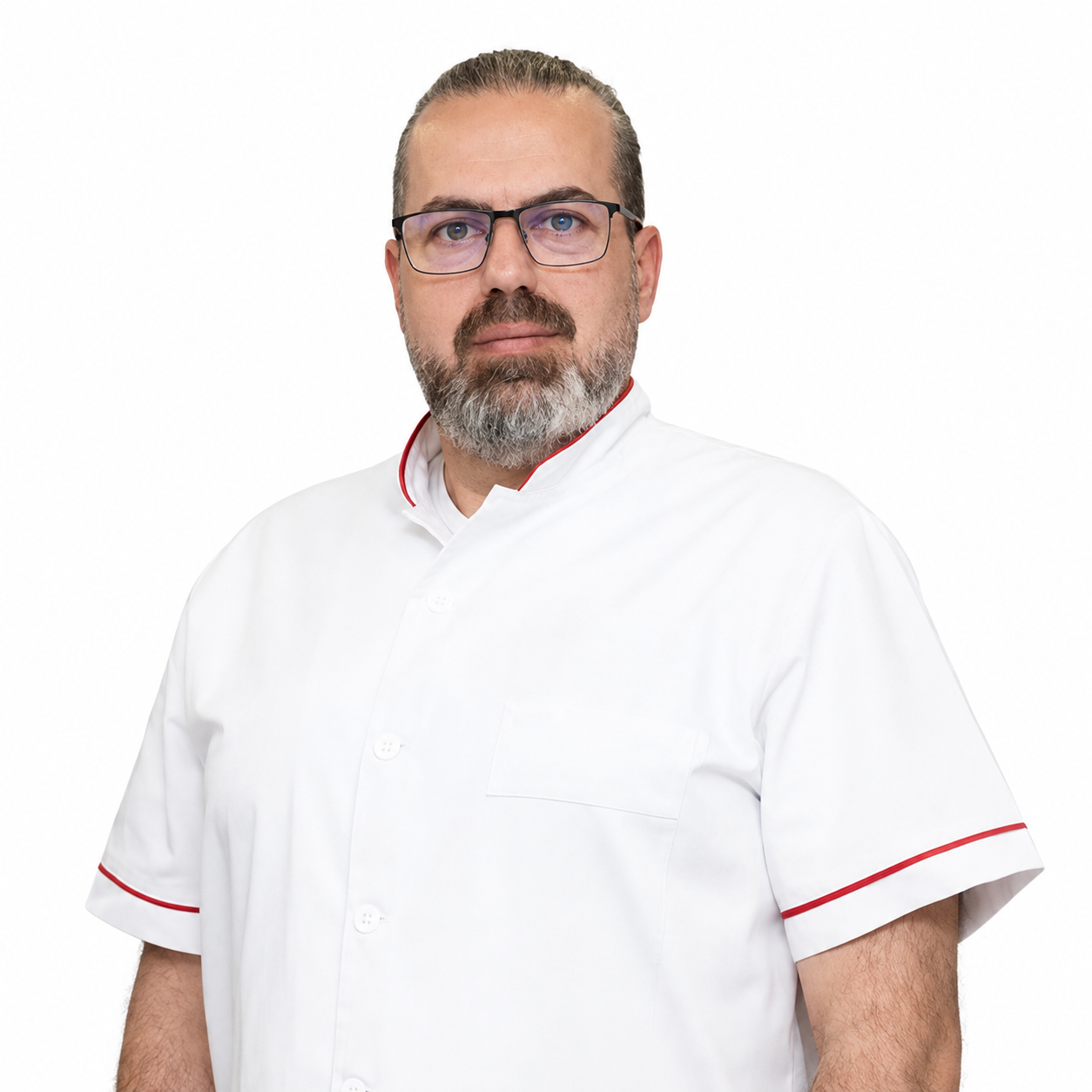
BUCHAREST TEAM






























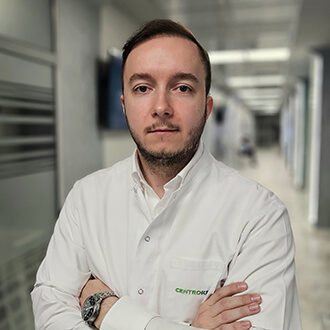


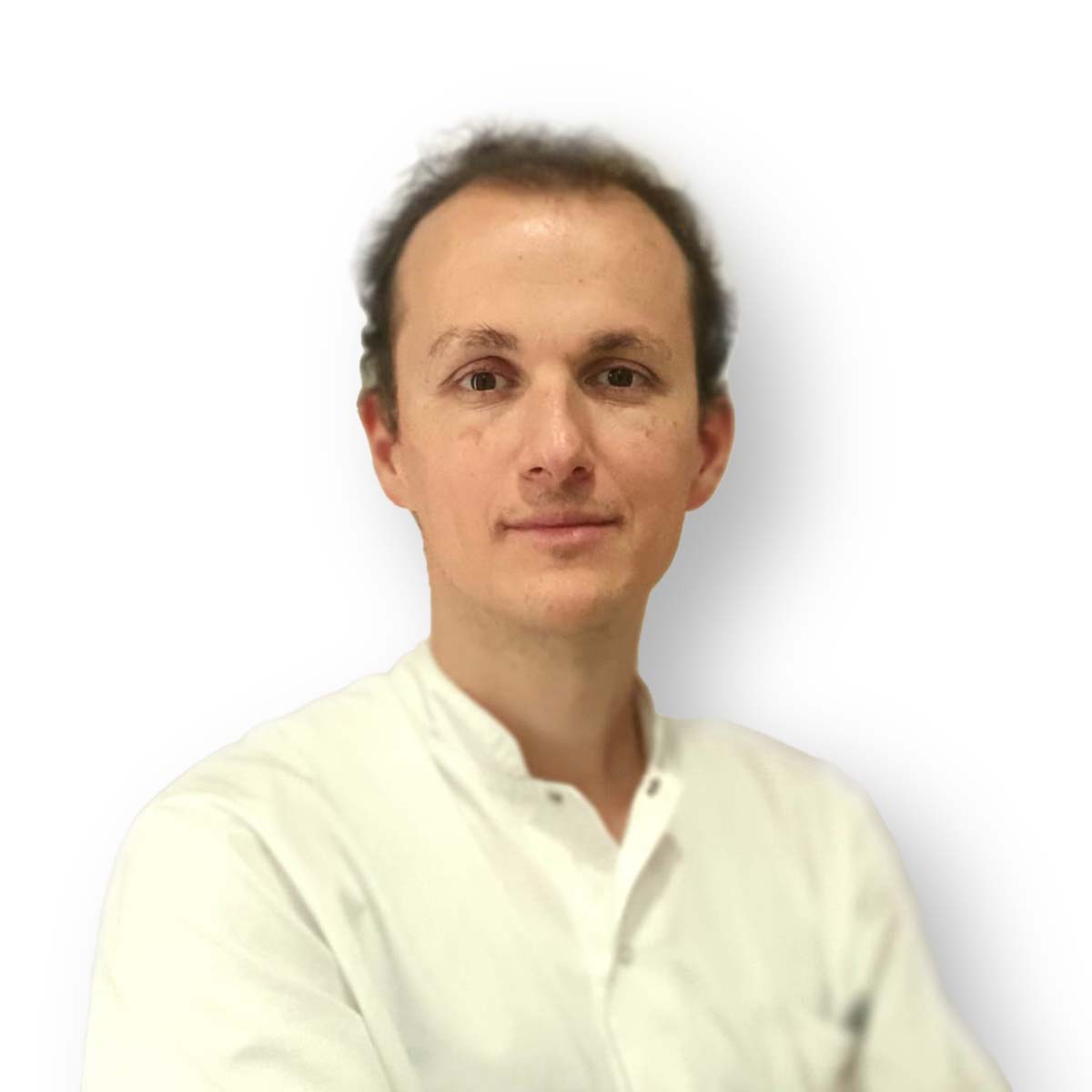


















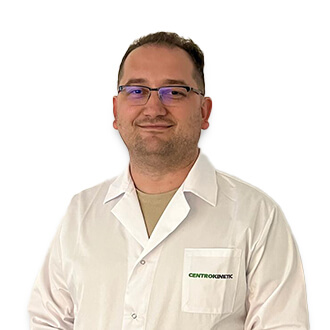
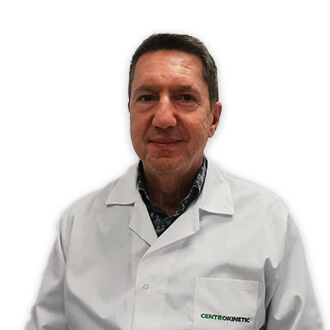
CLUJ NAPOCA TEAM






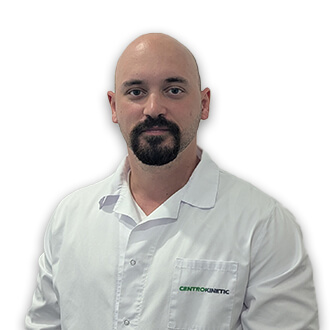











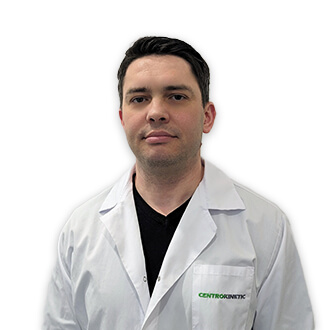








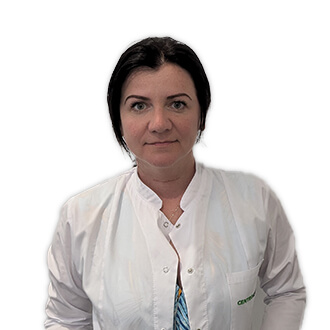


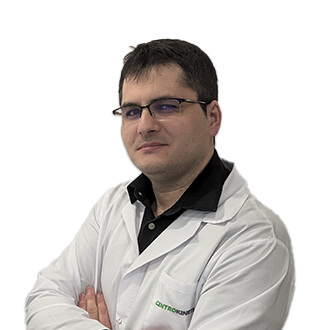


BRASOV TEAM


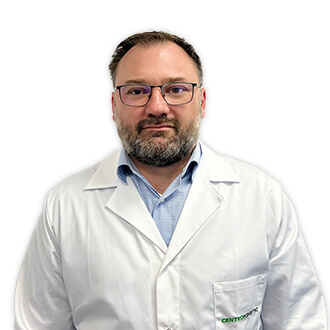

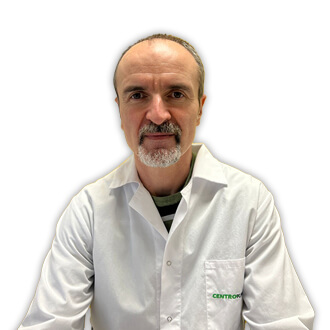











MAKE AN APPOINTMENT
FOR AN EXAMINATION
See here how you can make an appointment and the location of our clinics.
MAKE AN APPOINTMENT
Asiguratori privati




Parteneriate


CENTROKINETIC FLOREASCA
Bucharest, 1st District,
Mircea Eliade Street, no. 18,
Eliade Tower, Entrance A, Floor 3
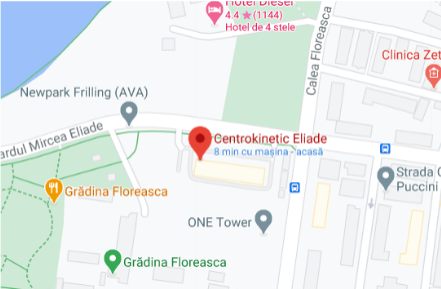
| Navigation | Explore 3D |
CENTROKINETIC Barbu Vacarescu
Bucharest, 2nd District,
Barbu Vacarescu Street, no. 102,
102 The Address, ground floor.
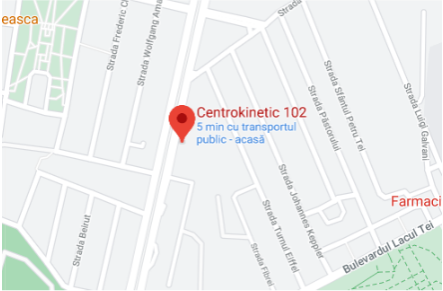
| Navigation | Explore 3D |
CENTROKINETIC MILITARI
Bucuresti, Sector 6,
Bld. Iuliu Maniu, nr. 15G,
Cladirea PBT, etaj 3.
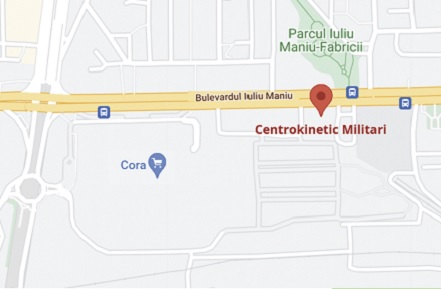
| Navigation |
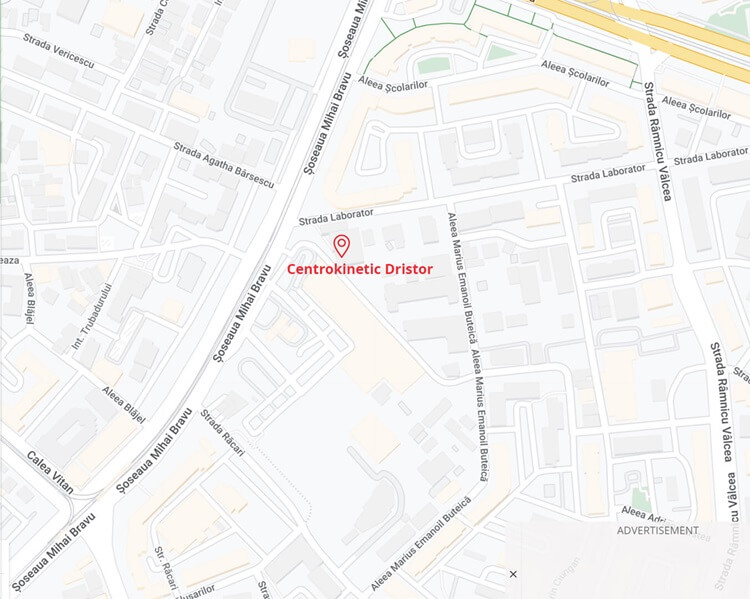
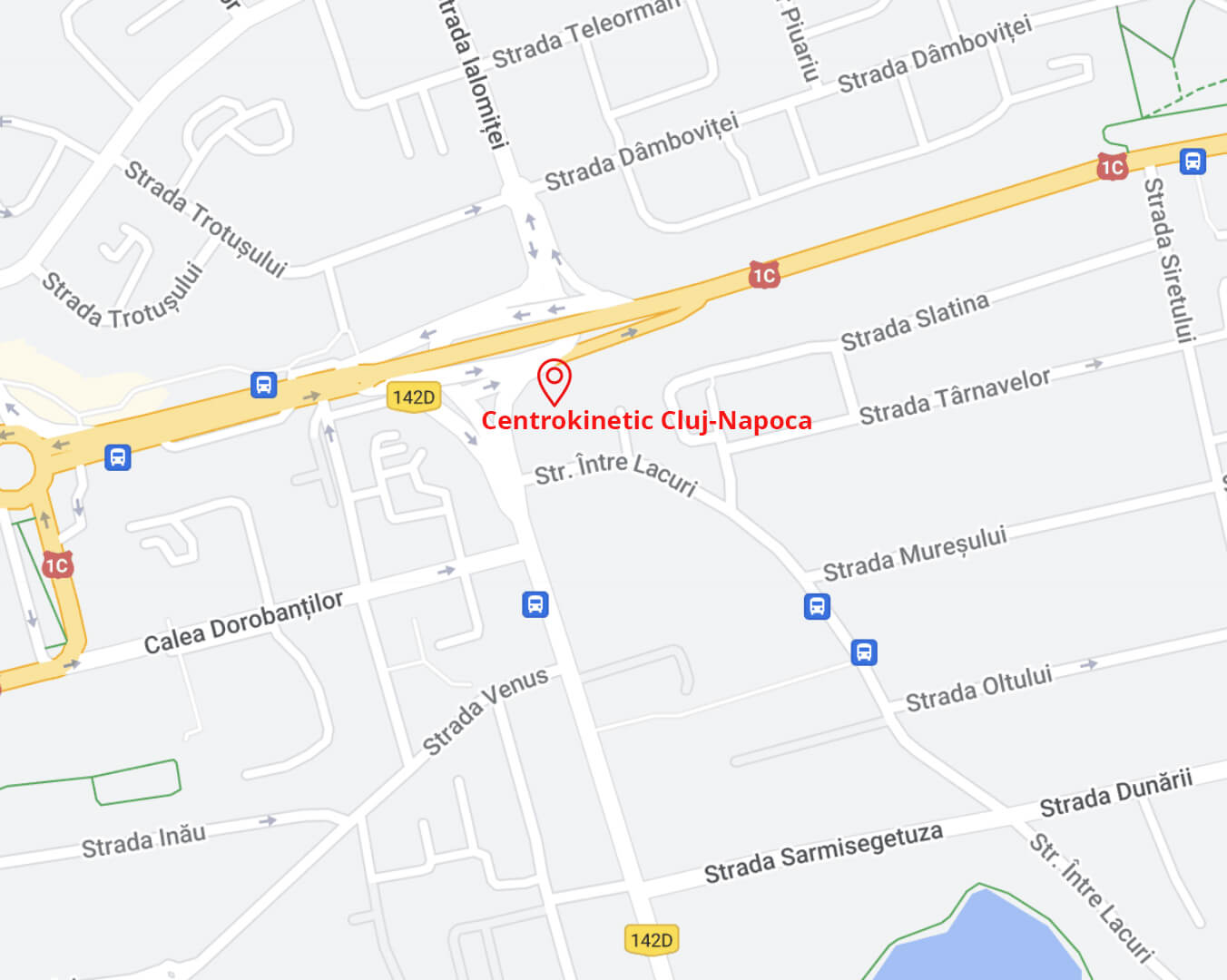
CENTROKINETIC CLUJ-NAPOCA
Cluj-Napoca,
Str. Intre Lacuri, nr.1
Intrarea este in spatele cladirii.
| Navigation |
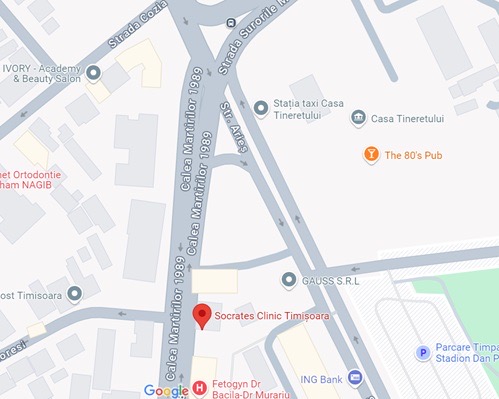
SOCRATES CLINIC TIMISOARA
Timisoara, Calea Martirilor 1989,
nr. 1.
Telefon: 0371 785 374.
| Navigation |
CONTACT
Phone: 0319693
E-mail: programari@centrokinetic.ro
Operating hours:
Monday – Friday: 07:00 – 21:00
Saturday: 09:00 – 14:00
Sunday: closed.
MAKE AN APPOINTMENT