Joint Pain: Physiotherapy, Exercise Therapy or Injections?



Joint pain can appear after intense effort, after an injury, or gradually, as a result of joint wear. Sometimes it limits walking, sleep, climbing stairs, or everyday activities. In such situations, many patients wonder which option is right for them: physiotherapy, kinesiotherapy, or injections.
The choice depends on the diagnosis, the intensity of the pain, the stage of the condition, and the patient's goals. That is why the first step remains the medical evaluation.
The Doctor Starts From the Cause of the Joint Pain
Before recommending a treatment, the doctor analyzes how the pain started, where it is located, and what makes it worse. Mechanical pain, common in osteoarthritis, usually increases with effort. Inflammatory pain can also occur at rest, sometimes accompanied by swelling or stiffness.
In the case of osteoarthritis, hyaluronic acid injections may be considered to improve joint lubrication and reduce discomfort, but the indication is established individually, after a consultation and, sometimes, after investigations.
The doctor may recommend:
- an X-ray, to assess bone structure;
- a musculoskeletal ultrasound, for tendons, joint fluid, or inflammation;
- an MRI, when details about ligaments, cartilage, or the meniscus are needed.
Physiotherapy Helps Control Pain and Inflammation
Physiotherapy uses equipment-based procedures, applied locally, to reduce pain, relax the muscles, and support tissue recovery. It can include analgesic currents, ultrasound, laser, TECAR, or other procedures recommended by a specialist.
Physiotherapy is especially useful when the patient is dealing with severe pain, inflammation, or low tolerance to exercise. In acute phases, physiotherapy can prepare the joint for an active recovery program.
It may be recommended for:
- recent joint pain;
- painful flare-ups in osteoarthritis;
- recovery after sprains;
- initial phases after surgical interventions;
- contractures and overuse.
However, physiotherapy alone does not correct muscle imbalances or faulty movement patterns. That is why it is often complemented by kinesiotherapy.
Kinesiotherapy Corrects Function and Stabilizes the Joint
Kinesiotherapy involves active therapeutic exercises, tailored to the patient. The goal is for the joint to be better supported by the muscles, so that daily movements become safer and more efficient. Through kinesiotherapy, the patient can work on:
- increasing muscle strength;
- improving mobility;
- correcting posture;
- increasing stability;
- relearning gait;
- preventing recurrences.
For example, in knee pain, strengthening the quadriceps and hip muscles can reduce pressure on the joint. In shoulder instability, exercises for the rotator cuff can help control movement and reduce the risk of symptoms recurring. Results appear progressively, usually through a program followed consistently over several weeks.
Injections Are a Targeted Intervention, Not a Standalone Solution
Injections involve injecting a substance into the joint or around the affected structures, for therapeutic purposes. The doctor may recommend corticosteroids, hyaluronic acid, or platelet-rich plasma, depending on the diagnosis and goal.
These can be useful when pain limits function or when conservative treatment does not provide sufficient relief. The procedure is performed under sterile conditions and, in some cases, under ultrasound guidance.
Injections do not replace active recovery. In many cases, they reduce pain enough for the patient to be able to start kinesiotherapy and gradually regain mobility and strength. After the procedure, the doctor may recommend relative rest for 24-48 hours and avoiding intense effort.
How Do Doctors Decide on the Right Combination?
The plan is built based on several factors. There is no identical scheme for all patients, even if the pain occurs in the same joint. The doctor takes into account:
- the severity of the pain;
- the results of the investigations;
- the stage of the condition;
- the patient's age and activity level;
- associated conditions;
- previously tried treatments;
- the patient's goals.
In the acute phase, the focus may be on controlling pain through physiotherapy or injection. When symptoms stabilize, kinesiotherapy becomes important for restoring function. In chronic pain, personalized exercises and regular monitoring play a major role in maintaining results.
What Can the Patient Do for Better Results?
Treatment for joint pain works better when the patient understands the plan and participates actively. It is useful to ask the doctor what diagnosis you have, what goals each procedure aims for, and when progress should be reassessed.
For a better outcome:
- stick to the frequency of the sessions;
- do not stop the exercises as soon as the pain decreases;
- avoid self-medication;
- report any unusual reaction;
- return for follow-up as recommended.
A well-chosen plan can reduce pain, improve mobility, and help the patient gradually return to daily activities. The difference is made by an accurate evaluation, followed by the right combination of passive therapies, active exercises, and, when indicated, injections.
Disclaimer: This article is for informational purposes only and does not replace a specialist medical consultation or the personalized recommendations of your doctor.
Sources
- "Joint Pain: Causes & Treatment." Cleveland Clinic, 30 Aug. 2023.
BUCHAREST TEAM


































































CLUJ NAPOCA TEAM


































BRASOV TEAM



















MAKE AN APPOINTMENT
FOR AN EXAMINATION
See here how you can make an appointment and the location of our clinics.
MAKE AN APPOINTMENT
Asiguratori privati




Parteneriate



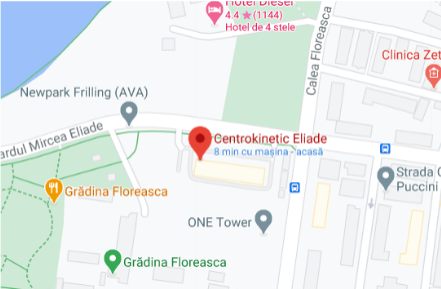
CENTROKINETIC FLOREASCA
Bucharest, 1st District,
Mircea Eliade Street, no. 18,
Eliade Tower, Entrance A, Floor 3
| Navigation | Explore 3D |
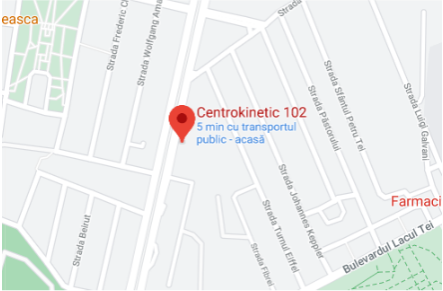
CENTROKINETIC Barbu Vacarescu
Bucharest, 2nd District,
Barbu Vacarescu Street, no. 102,
102 The Address, ground floor.
| Navigation | Explore 3D |
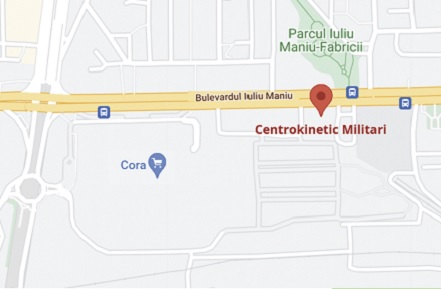
CENTROKINETIC MILITARI
Bucuresti, Sector 6,
Bld. Iuliu Maniu, nr. 15G,
Cladirea PBT, etaj 3.
| Navigation |
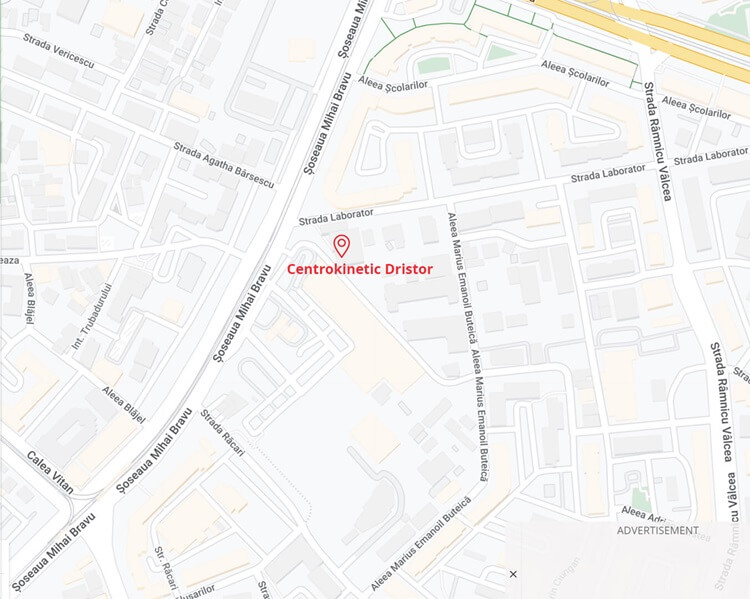
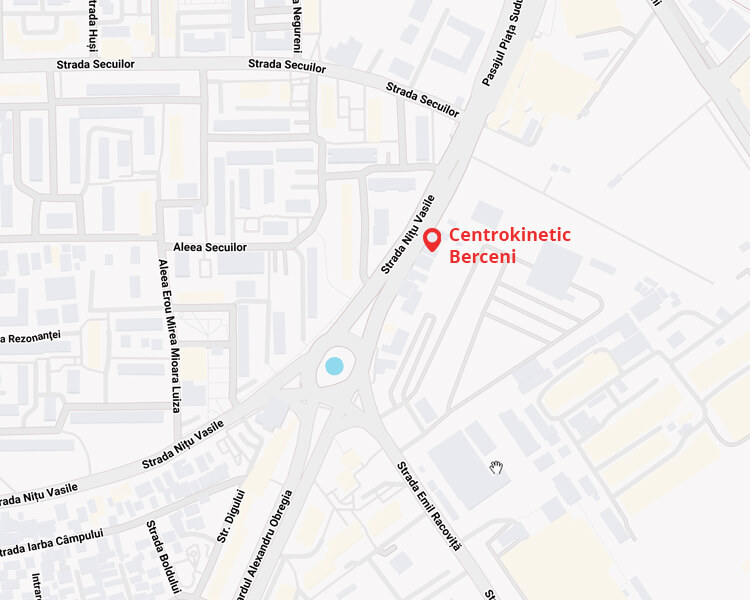
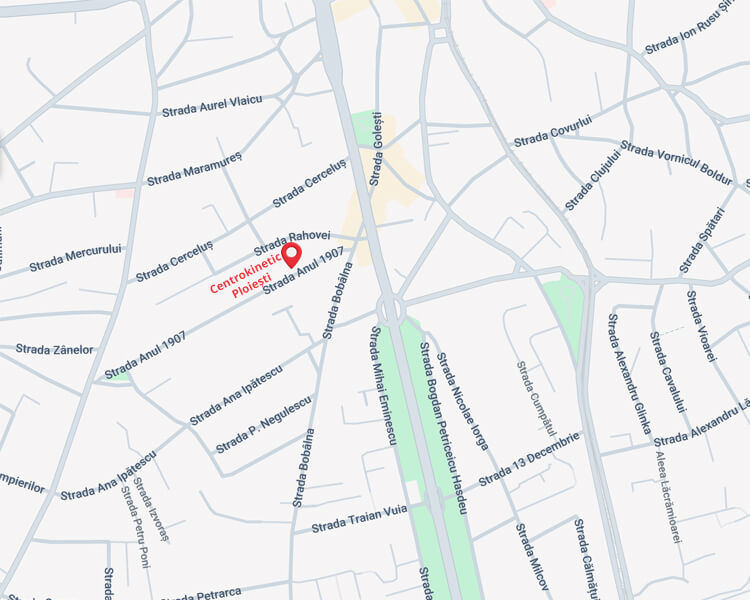
CENTROKINETIC CLUJ-NAPOCA
Cluj-Napoca,
Str. Intre Lacuri, nr.1
Intrarea este in spatele cladirii.
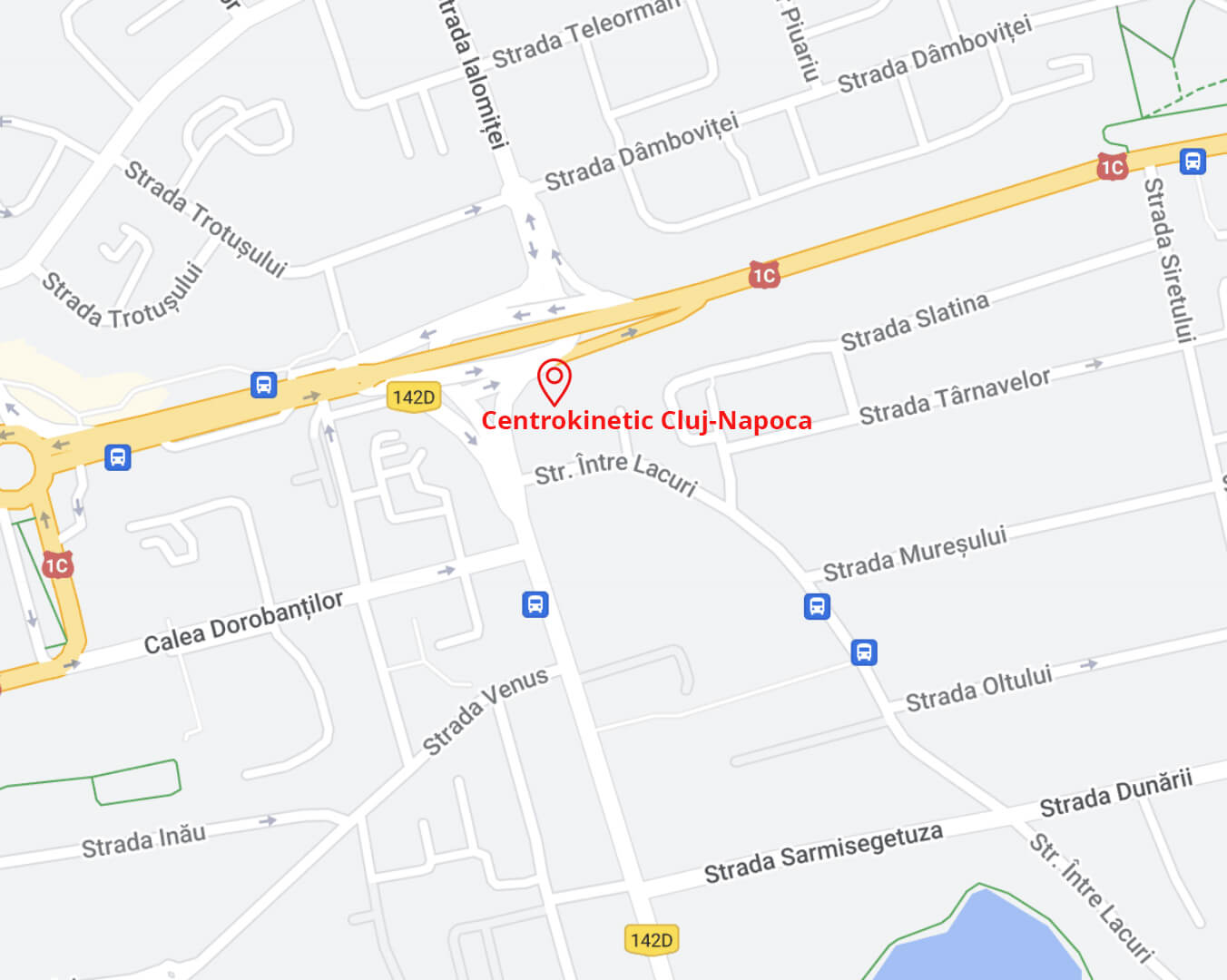
| Navigation |
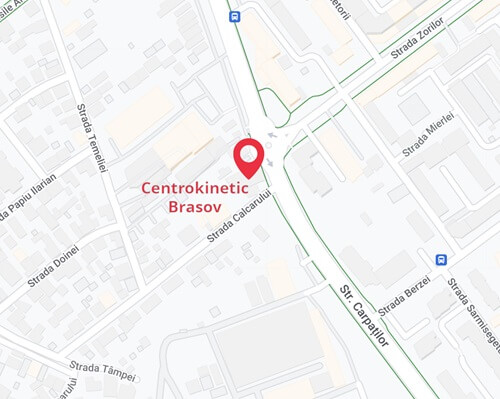
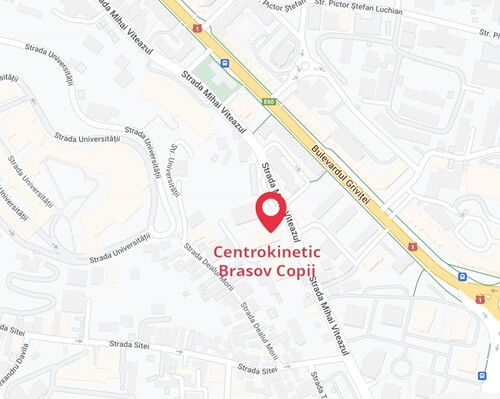
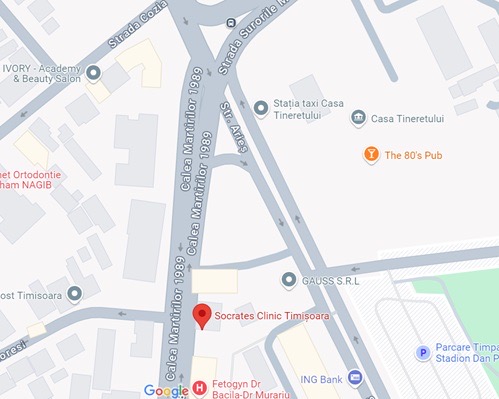
SOCRATES CLINIC TIMISOARA
Timisoara, Calea Martirilor 1989,
nr. 1.
Telefon: 0371 785 374.
| Navigation |
CONTACT
Phone: 0319693
E-mail: programari@centrokinetic.ro
Operating hours:
Monday – Friday: 07:00 – 21:00
Saturday: 09:00 – 14:00
Sunday: closed.
MAKE AN APPOINTMENT