Physiotherapy and back pain at the office



Back pain frequently occurs in people who work long hours at a desk. Prolonged sitting, infrequent breaks, and incorrect posture gradually lead to muscle tension, stiffness, and discomfort. At first, the symptoms seem mild: a sharp sensation in the lower back when standing up, heavy shoulders, or a stiff neck at the end of the day. In most cases, these signs indicate overload rather than a serious condition, but ignoring them maintains a vicious cycle.
Physiotherapy helps prevent these episodes through a structured plan that combines posture assessment, tailored exercises, and simple adjustments to the workspace. This guide explains step by step how you can reduce the risk of back pain if you work at a desk and how a personalized evaluation at Centrokinetic can support you.
Why does back pain occur during desk work?
Sitting for many hours increases pressure on the spine, especially in the lumbar area. The abdominal and gluteal muscles gradually lose their supportive capacity, while the back muscles remain tense. The body enters an imbalance that favors the onset of pain.
Poor posture worsens the problem. Rounded shoulders, an arched back, and a forward head position constantly stress the cervical and thoracic spine. Even if you do not lift weights, the spine is exposed daily to repetitive mechanical stress.
A sedentary lifestyle and high stress levels maintain muscle contractures. Lack of movement reduces local circulation, and tissues become stiffer. Over time, mobility limitations and discomfort appear during simple activities such as standing up from a chair.
The most commonly affected areas include:
- the lumbar region;
- the neck and shoulders;
- the muscles between the shoulder blades;
- morning stiffness or stiffness after prolonged sitting.
When back pain requires evaluation
Not all pain indicates a serious condition. Discomfort that appears after a long workday and improves with movement usually falls into the category of functional pain. However, some situations require prompt attention.
Schedule a medical or physiotherapy evaluation if the pain:
- persists for more than 7–10 days;
- radiates to the leg or arm;
- is associated with numbness, tingling, or weakness;
- appears together with fever or general malaise.
Early intervention reduces the risk of complications and limits periods of inactivity.
How does physiotherapy help prevent back pain?

Physiotherapy addresses the causes that lead to pain: muscle imbalances, reduced mobility, and incorrect postural habits. Through adapted procedures and exercises, it reduces muscle tension and improves movement control.
In practice, the physiotherapist helps you understand how you use your body at your desk and what adjustments you can make daily. The program includes exercises for trunk stability, joint mobility, and muscle relaxation, adapted to your activity level.
At Centrokinetic, physiotherapy plans are based on individual assessment and monitoring so that recommendations remain safe and effective.
Physiotherapy assessment
There is no universal program suitable for everyone. The initial assessment provides clear information about posture, spinal mobility, and muscle strength. The physiotherapist also analyzes your work habits: the type of chair you use, monitor position, break frequency, and level of physical activity.
Based on this information, the specialist builds a realistic plan that is easy to integrate into your daily routine. This approach reduces the risk of inappropriate exercises and increases the chances of maintaining results over time.
Plan for preventing back pain at the office
Correct your sitting posture
Adjust your chair so that your feet rest fully on the floor and your knees remain at hip level. The backrest should support the lumbar area; a lumbar cushion helps if the chair does not provide sufficient support. Keep your shoulders relaxed and your head aligned with your trunk. Check your posture every 30–60 minutes. Small adjustments repeated daily reduce overload.
Organize your workspace correctly
Position the monitor at eye level, approximately an arm’s length away. The keyboard should remain at elbow height, and the mouse close to your body. Avoid twisting your torso toward the screen or phone.
Useful tools include:
- a monitor stand;
- an adjustable chair;
- lumbar support.
Introduce regular active breaks
Stand up every 45–60 minutes. Walk for 2–3 minutes, mobilize your shoulders and hips, and breathe deeply. These breaks reactivate circulation and reduce stiffness. Treat breaks as part of your work schedule, not exceptions.
Practice exercises recommended by your physiotherapist
The exercises aim to activate the deep muscles that support the spine. Training commonly targets the abdominal muscles, gluteal muscles, and paravertebral muscles.
A simple example is seated abdominal activation: sit upright, gently tighten your abdomen, and hold for 8–10 seconds without holding your breath. Repeat 8–10 times. This exercise improves trunk control and can be performed daily.
Include therapeutic exercise sessions in your weekly routine
Therapeutic exercise uses controlled movement to improve stability and coordination. Exercise programs are adapted to your workload and activity level. In most cases, 1–2 sessions per week help maintain mobility and prevent recurrence.
Use manual therapy for persistent tension
Manual therapy helps relax tense muscles and increase joint mobility. This method complements exercise, especially during periods of increased stress.
Monitor symptoms and seek support
Note when pain appears, what worsens it, and what relieves it. If discomfort persists or intensifies, schedule an evaluation. Proper information about lower back pain helps you recognize limits and act responsibly.
Examples of simple office exercises
The exercises below should be performed slowly and without pain. Stop if significant discomfort appears and consult a specialist.
| Exercise | Execution method | Frequency |
|---|---|---|
| Gentle spinal extension | Stand up, place your hands on your hips, and gently arch your back | 5 repetitions, twice per day |
| Shoulder retraction | Pull your shoulders backward and hold for 5 seconds | 10 repetitions, daily |
| Neck rotations | Move your head slowly left and right | 5 repetitions per side |
| Abdominal activation | Tighten your abdomen for 10 seconds while seated | 10 repetitions |
These movements support daily prevention but do not replace a personalized program.
Why don’t quick solutions address the cause?
Medication may temporarily reduce pain but does not correct postural or muscular imbalances. Self-medication delays evaluation and may hide signs of a more serious condition.
A physiotherapy-based approach builds stability and promotes healthy movement habits. Over time, it reduces the risk of disc-related conditions, including disc herniation.
How can you reduce the risk of recurrence if you work at a desk?
Continue exercises even after pain disappears and adjust your posture daily. Return periodically for reassessment, especially if your schedule or workplace changes.
Why choose Centrokinetic for back pain prevention?
Centrokinetic offers programs based on individual assessment, monitoring, and collaboration between specialists. The approach is designed for people who work long hours at a desk and want clear solutions adapted to their lifestyle. The team’s experience and focus on postural education support long-term results.
Frequently asked questions about physiotherapy and desk-related back pain
Does physiotherapy cause pain?
Procedures and exercises are adapted to your comfort level. Intensity is continuously adjusted together with the therapist.
How soon do improvements appear?
Many patients notice changes after a few sessions, but the duration varies depending on consistency and lifestyle.
Can I follow a program if I work from home?
Yes. Recommendations are adapted both to office-based and remote work.
Are there age restrictions?
Exercises are adjusted to age and functional level, with a strong emphasis on safety.
Back pain associated with desk work can be prevented through controlled movement, correct posture, and personalized assessment. Do not start an exercise program without consultation, especially if pain persists or if fever or general discomfort appears. Schedule an evaluation at Centrokinetic and discuss a plan adapted to your needs with a specialist.
Disclaimer: This article is for informational purposes only and does not replace medical consultation.
Sources
[1] “Back Pain - Symptoms and Causes.” Mayo Clinic, 2025, www.mayoclinic.org/diseases-conditions/back-pain/symptoms-causes/syc-20369906.
[2] “Physical Therapy.” Cleveland Clinic, March 11, 2024, my.clevelandclinic.org/health/treatments/physical-therapy.
BUCHAREST TEAM































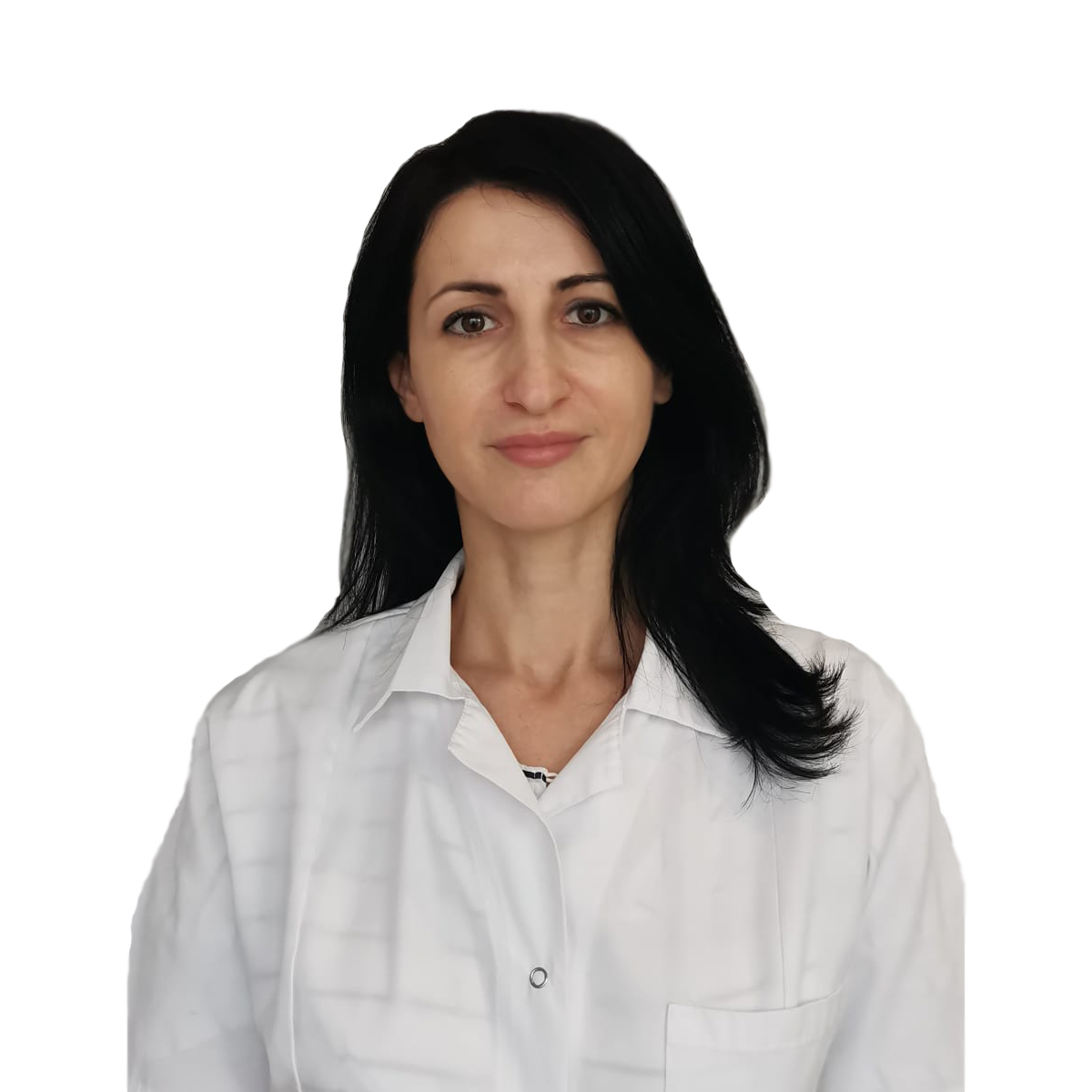


































CLUJ NAPOCA TEAM


































BRASOV TEAM


















MAKE AN APPOINTMENT
FOR AN EXAMINATION
See here how you can make an appointment and the location of our clinics.
MAKE AN APPOINTMENT
Asiguratori privati





Parteneriate



CENTROKINETIC FLOREASCA
Bucharest, 1st District,
Mircea Eliade Street, no. 18,
Eliade Tower, Entrance A, Floor 3
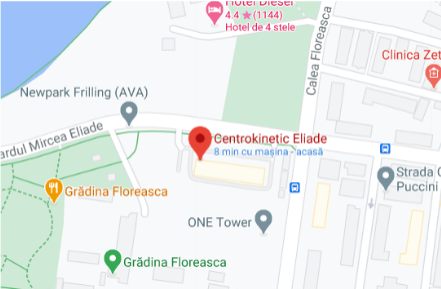
| Navigation | Explore 3D |
CENTROKINETIC Barbu Vacarescu
Bucharest, 2nd District,
Barbu Vacarescu Street, no. 102,
102 The Address, ground floor.
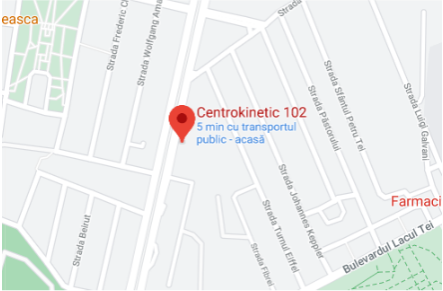
| Navigation | Explore 3D |
CENTROKINETIC MILITARI
Bucuresti, Sector 6,
Bld. Iuliu Maniu, nr. 15G,
Cladirea PBT, etaj 3.
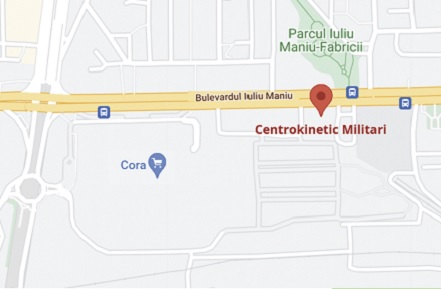
| Navigation |
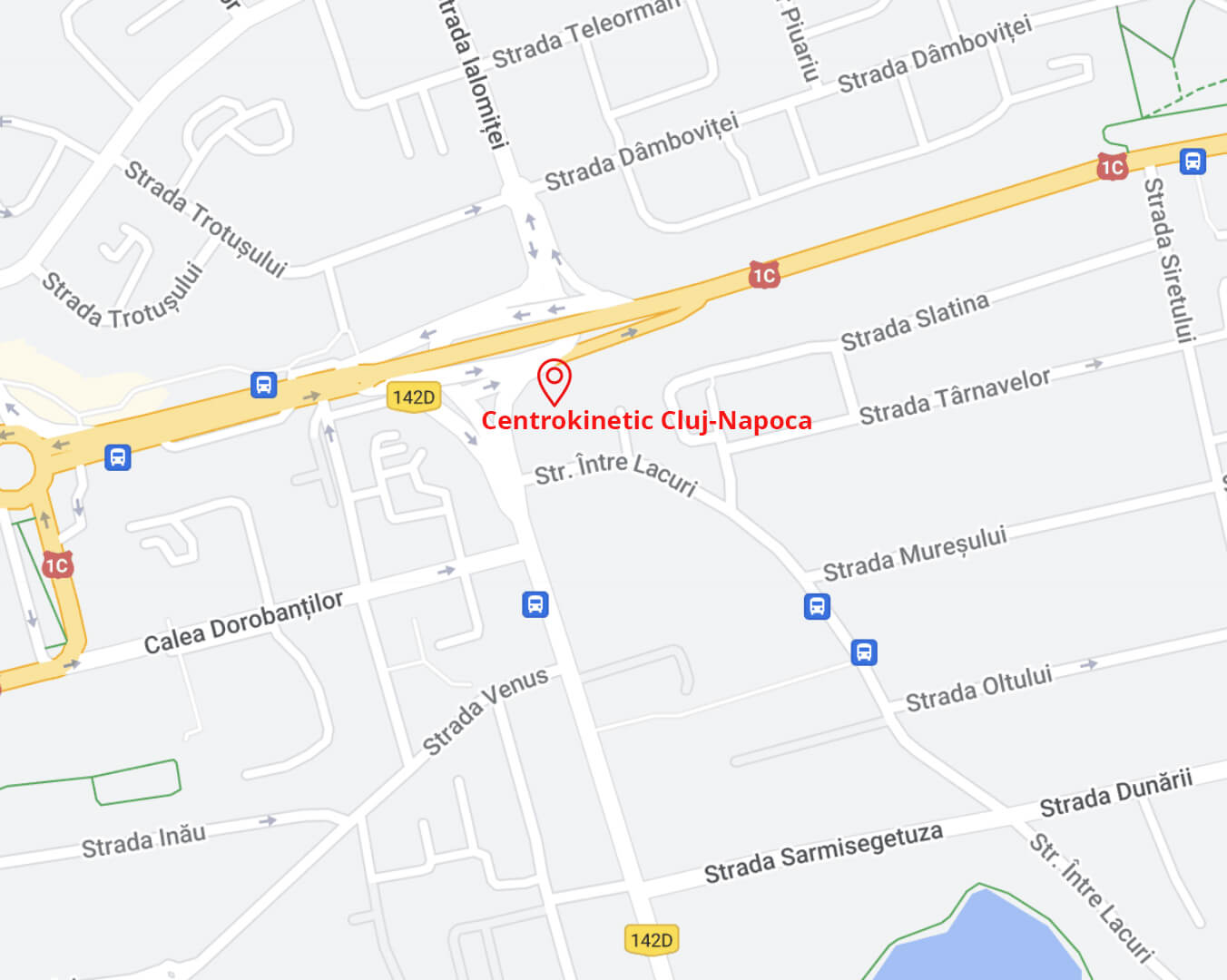
CENTROKINETIC CLUJ-NAPOCA
Cluj-Napoca,
Str. Intre Lacuri, nr.1
Intrarea este in spatele cladirii.
| Navigation |
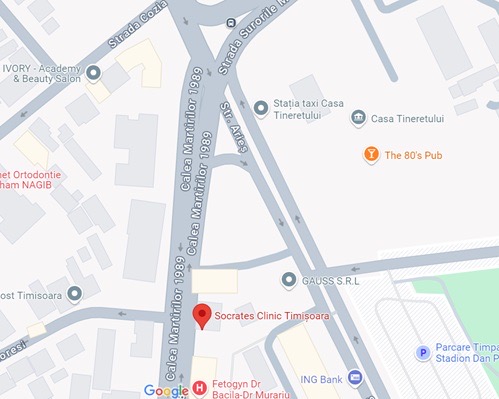
SOCRATES CLINIC TIMISOARA
Timisoara, Calea Martirilor 1989,
nr. 1.
Telefon: 0371 785 374.
| Navigation |
CONTACT
Phone: 0319693
E-mail: programari@centrokinetic.ro
Operating hours:
Monday – Friday: 07:00 – 21:00
Saturday: 09:00 – 14:00
Sunday: closed.
MAKE AN APPOINTMENT