What procedures are performed in physiotherapy and when are they recommended?


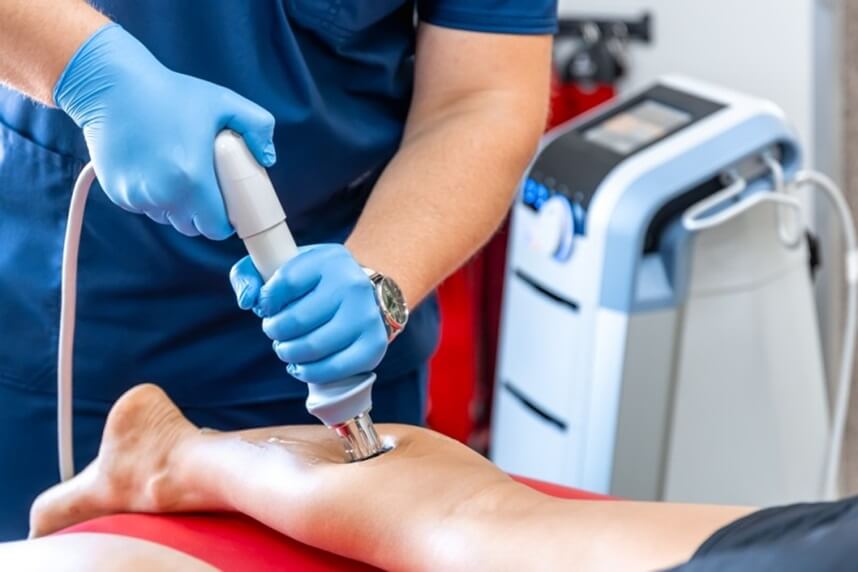
Persistent pain or difficulty moving after an injury can significantly affect daily activities. Physiotherapy can help reduce discomfort, accelerate recovery and restore mobility [1]. Below, we invite you to discover the main procedures used by physiotherapists, the situations in which they are recommended, as well as a few tips to maintain long-term results.
What is physiotherapy and what are the benefits for you?
Physiotherapy is part of modern medicine and is based on physical methods, such as electrical currents, heat or cold, to support the body’s natural healing processes. The main goal of physiotherapy is to reduce pain, improve mobility and help you safely return to daily activities. Anyone can benefit from physiotherapy treatments – adults, children, athletes or elderly individuals. Treatment is personalized for each patient after the initial evaluation performed by the physician [1][2].
Main procedures used in physiotherapy
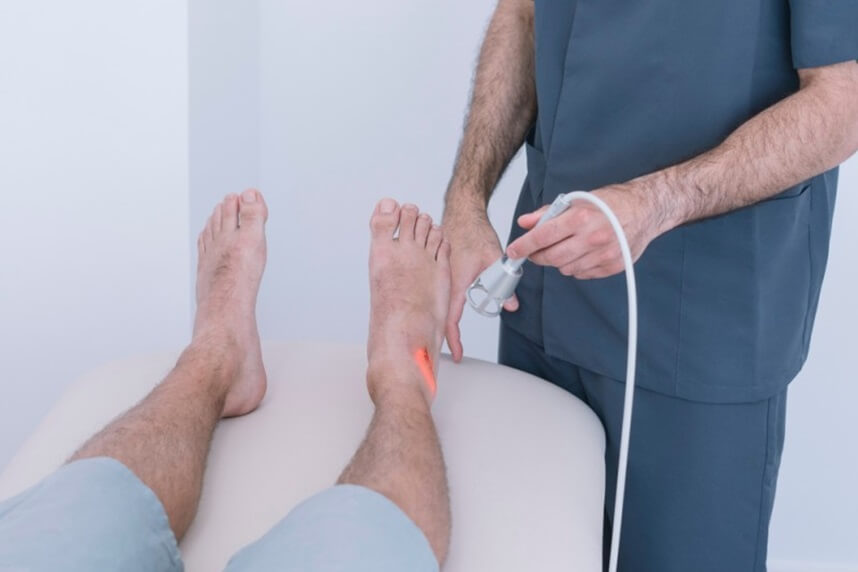
An effective treatment plan generally includes a combination of therapies selected according to diagnosis, age, activity level and patient tolerance. Here are the most common procedures and their advantages:
- extracorporeal shockwave therapy – uses acoustic impulses to treat tendinitis or calcium deposits, accelerating healing. Patients with heel pain (plantar fasciitis) generally respond well to this procedure;
- ultrasound therapy – ultrasound uses vibrations to reduce inflammation and pain and is recommended for tendon or muscle injuries;
- electrical current therapy – electrotherapy and electrostimulation deliver localized electrical impulses to relax tense muscles or increase weakened muscle strength;
- laser therapy – low-intensity laser supports tissue regeneration and reduces discomfort without generating heat. The procedure is recommended for minor burns, chronic wounds or musculoskeletal pain. High-power laser reaches deeper tissues and is mainly used for chronic pain or joint inflammation;
- thermal therapies – thermotherapy involves applying local heat to relax muscles and stimulate circulation. Patients with muscle spasms or contractures often experience rapid relief. Cryotherapy applies cold to the affected area, limiting inflammation and swelling. This procedure is especially useful immediately after acute injuries;
- therapeutic massage and lymphatic drainage – therapeutic massage stimulates circulation, reduces muscle tension and promotes faster recovery after overuse. Athletes with muscle pain after intense training frequently turn to massage. Lymphatic drainage helps people with edema (swelling), usually after surgery or in lymphatic conditions;
- use of modern technologies – modern devices provide combined cooling and compression, useful in athletes’ recovery. Other advanced equipment allows precise movement assessment and adjustment of exercises to each patient’s needs [3][4].
Conditions and situations in which doctors recommend physiotherapy
Physiotherapy can make a difference in many medical situations. The main recommendations include:
- musculoskeletal disorders – herniated disc, osteoarthritis, dislocations, fractures, spondylosis, scoliosis, tendinitis;
- neurological disorders – recovery after stroke, multiple sclerosis, Parkinson’s disease;
- pediatric recovery – delayed motor development, muscular dystrophies or incorrect spinal posture;
- physiotherapy during and after pregnancy – management of back pain, strengthening pelvic muscles;
- vascular or lymphatic conditions – lymphedema after surgery, venous insufficiency;
- athletes – rapid recovery after injuries or surgical interventions;
- post-operative recovery – any surgical intervention affecting mobility or muscle strength.
After the initial evaluation, the physician and physiotherapist decide which procedures are appropriate for your case and explain the reasons for this choice. Remember that each treatment is adapted to the medical diagnosis and personal history [1][3][4].
Treatment duration and session frequency
Physiotherapy sessions may last between 30 and 90 minutes. Therapists determine the number of sessions according to the severity of the condition. For minor problems, the plan often includes 10–20 sessions, 2–3 times per week. In more complex situations, the period may be extended and therapy can continue for several months under medical supervision.
Follow your physician’s instructions carefully and do not stop treatment even if symptoms improve quickly. Discuss any change or discomfort with your specialist.
Safety, limitations and risks in physiotherapy
Physiotherapy offers numerous benefits, such as pain reduction, increased strength and prevention of relapses after injuries. However, there are limitations or contraindications. Not all procedures are indicated for patients diagnosed with cancer, local infections or those with implanted pacemakers. Pregnant women and patients with heart conditions should discuss potential risks in detail with the specialist.
If you feel intense pain or discomfort during treatment, inform the therapists immediately – these are not normal reactions. Side effects are rare but may include local irritation, fatigue or temporary discomfort [1][3].
Final recommendations
Exercises performed without professional guidance may expose you to unnecessary risks. Only specialists can adapt procedures and exercise intensity to each patient’s needs. For example, lymphatic drainage or electrostimulation require supervision. Avoid self-diagnosis; establish a personalized plan together with your physician or physiotherapist.
Physiotherapy plays an essential role in medical recovery and helps you regain mobility, strength and everyday comfort. By combining modern procedures with personalized evaluations, specialists can tailor each treatment to achieve real, safe and lasting results.
At Centrokinetic, you benefit from advanced technologies and a multidisciplinary team of experienced physicians and physiotherapists who guide you step by step through the healing process. Whether you are dealing with an injury, chronic pain or following a post-operative program, here you will find complete support for efficient recovery.
Attention: This article is for informational purposes only and does not replace specialist medical consultation.
Sources:
[1] “Physiotherapy / Physical Therapy.” Physiopedia, 2022, www.physio-pedia.com/Physiotherapy_/_Physical_Therapy.
[2] “Physiotherapy.” Nhs.uk, Oct. 2017, www.nhs.uk/tests-and-treatments/physiotherapy/.
[3] Whittaker, Jackie L, et al. “Imaging with Ultrasound in Physical Therapy: What Is the PT’s Scope of Practice? A Competency-Based Educational Model and Training Recommendations.” British Journal of Sports Medicine, vol. 53, no. 23, 25 Apr. 2019, pp. 1447–1453, www.verywellhealth.com/physical-therapy-treatments-and-modalities-2696683, https://doi.org/10.1136/bjsports-2018-100193.
[4] “In Brief: Physical Therapy.” Nih.gov, Institute for Quality and Efficiency in Health Care (IQWiG), 19 Mar. 2024, www.ncbi.nlm.nih.gov/books/NBK561514/.
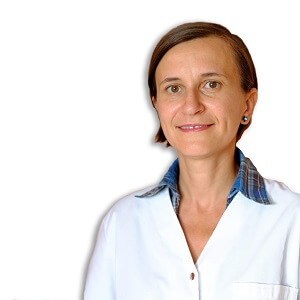
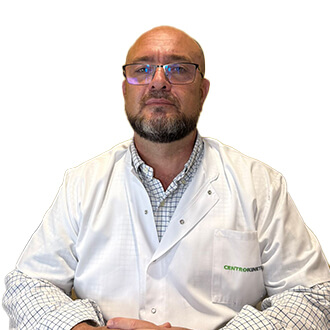
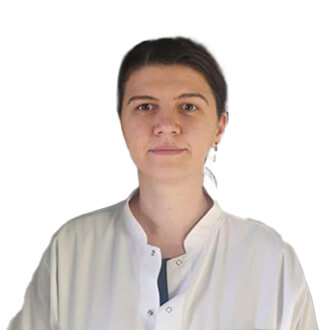
BUCHAREST TEAM





















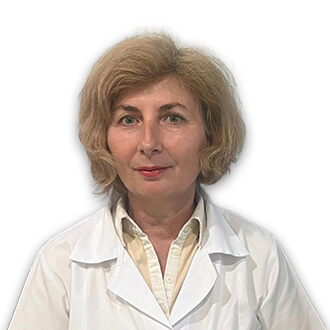





CLUJ NAPOCA TEAM















BRASOV TEAM








MAKE AN APPOINTMENT
FOR AN EXAMINATION
See here how you can make an appointment and the location of our clinics.
MAKE AN APPOINTMENT
Asiguratori privati




Parteneriate


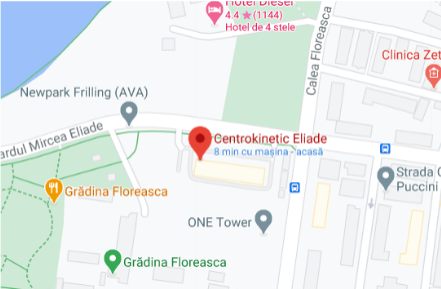
CENTROKINETIC FLOREASCA
Bucharest, 1st District,
Mircea Eliade Street, no. 18,
Eliade Tower, Entrance A, Floor 3
| Navigation | Explore 3D |
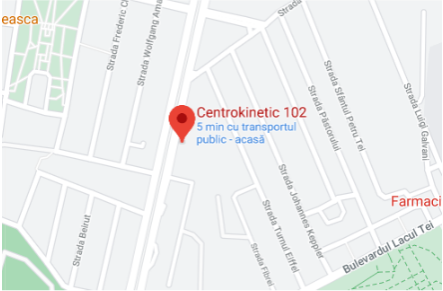
CENTROKINETIC Barbu Vacarescu
Bucharest, 2nd District,
Barbu Vacarescu Street, no. 102,
102 The Address, ground floor.
| Navigation | Explore 3D |
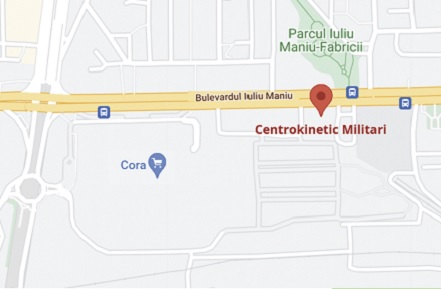
CENTROKINETIC MILITARI
Bucuresti, Sector 6,
Bld. Iuliu Maniu, nr. 15G,
Cladirea PBT, etaj 3.
| Navigation |
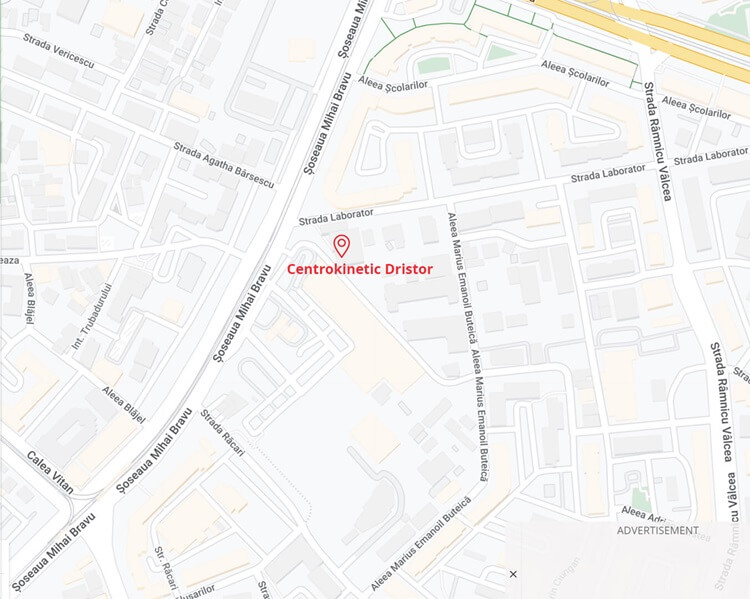
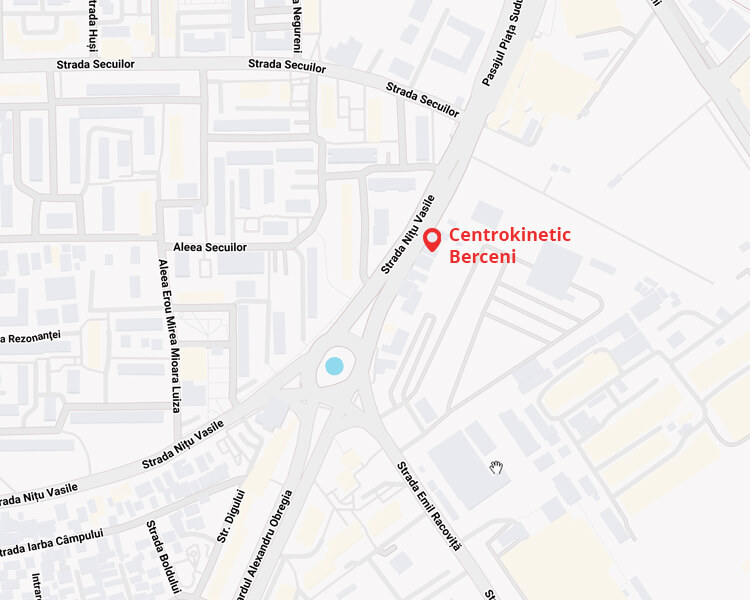
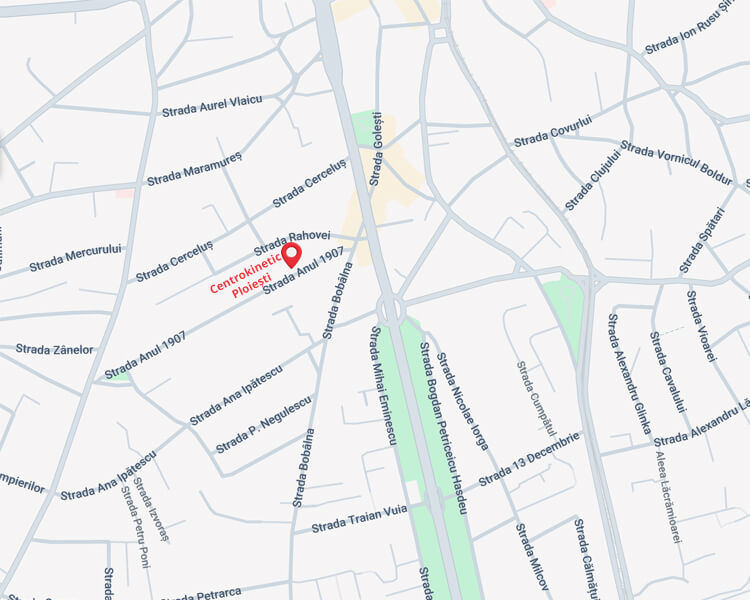
CENTROKINETIC CLUJ-NAPOCA
Cluj-Napoca,
Str. Intre Lacuri, nr.1
Intrarea este in spatele cladirii.
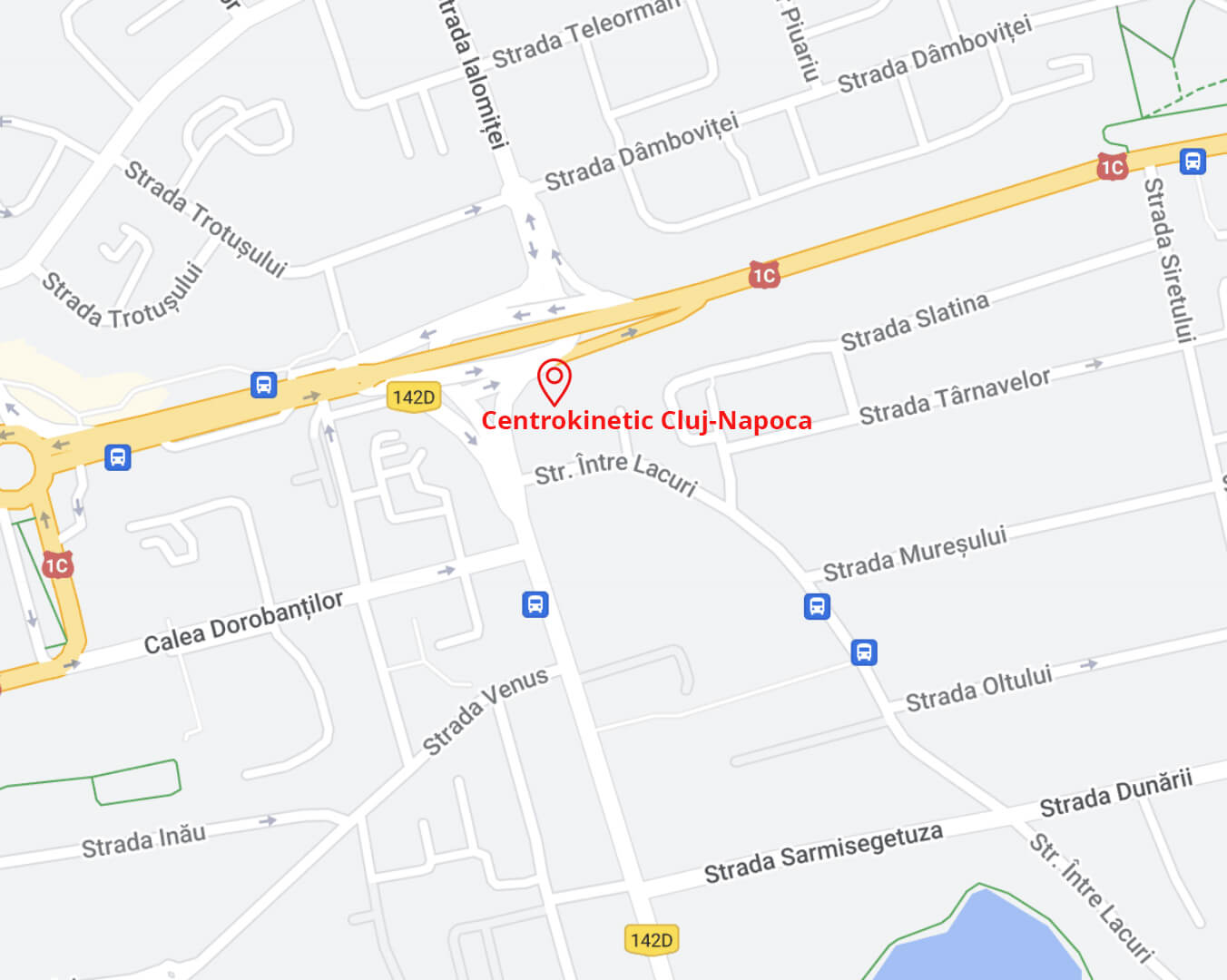
| Navigation |
SOCRATES CLINIC TIMISOARA
Timisoara, Calea Martirilor 1989,
nr. 1.
Telefon: 0371 785 374.
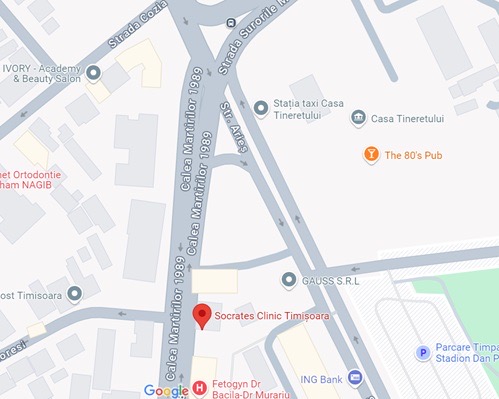
| Navigation |
CONTACT
Phone: 0319693
E-mail: programari@centrokinetic.ro
Operating hours:
Monday – Friday: 07:00 – 21:00
Saturday: 09:00 – 14:00
Sunday: closed.
MAKE AN APPOINTMENT