How often are physiotherapy sessions held?



The frequency of physiotherapy sessions directly influences the pace of recovery, but there is no identical plan for everyone. Depending on the diagnosis, goals, and the body’s response, the specialist may recommend more frequent sessions at the beginning and fewer as symptoms stabilize. In this guide created together with the therapists at Centrokinetic Bucharest, we explain the selection criteria, possible adjustments, and what you can do between sessions for lasting results. The information is for educational purposes and does not replace a specialist evaluation.
What is physiotherapy and why does session frequency matter?
Physiotherapy is a branch of medical rehabilitation that uses physical agents such as therapeutic currents, ultrasound, controlled heat, or radiofrequency to reduce pain, inflammation, and stiffness and to support tissue healing. The therapist applies these procedures within a treatment protocol, meaning a plan that precisely establishes the type of procedures, the duration of each session, and the required frequency [1].
How is the correct frequency of physiotherapy sessions determined?
Initial evaluation and goal setting
The process always begins with an initial evaluation. At this stage, it is important to describe the pain or discomfort, the duration of symptoms, when they occur, and the activities that create difficulties. The specialist tests mobility, muscle strength, sensitivity, and how your body responds to movement.
Based on the collected data, clear and measurable goals are established — reducing pain on a specific scale, increasing range of motion, or resuming daily activities without discomfort. These goals directly influence session frequency [2].
Determining the stage of the condition
After evaluation, the doctor classifies the issue into a specific stage of progression. The acute phase is characterized by recent pain, active inflammation, and significant movement limitations. The subacute phase appears as pain decreases and exercise tolerance increases. The maintenance or advanced recovery phase focuses on long-term stability [1][2].
Establishing the initial recovery plan
For predictable results in acute conditions, Centrokinetic specialists generally recommend an initial schedule of 2–3 sessions per week for the first 2–3 weeks. This interval allows the body to respond to stimuli without overloading tissues. After the first sessions, the therapist analyzes the response: how pain decreases, how mobility changes, and what reactions appear after treatment. Based on these observations, frequency is adjusted.
The type of procedure also influences the rhythm. For example, TECAR therapy, which uses radiofrequency to support circulation and tissue recovery, is often applied in concentrated series for rapid analgesic effect. Details about indications and limitations can be found on the TECAR physiotherapy page. In contrast, ultrasound physiotherapy acts deeply on tissues and is scheduled according to a strict protocol. You can read additional explanations on the ultrasound physiotherapy page [1][2].
Periodic re-evaluation and plan adjustment
After a standard series of 8–10 sessions, a re-evaluation is recommended. This includes measurements comparable to the initial ones and a discussion about the progress you perceive. Depending on the results, the plan continues or is modified.
For some patients, a few sessions bring clear improvements. For others, especially in chronic conditions, successive series separated by short breaks are necessary. The decision is based on objective data and initially established goals.
Maintenance and medium-term prevention
After achieving the main goals, transitioning to a maintenance plan helps stabilize results. At this stage, sessions become less frequent, and the focus shifts to home exercises and correcting daily habits.
Session frequency depending on the nature of the condition
Spinal conditions
Lower back pain, neck pain, and radicular irritations respond better to regular sessions. In the initial phase, therapists often recommend 2–3 sessions per week, followed by gradual reduction as pain decreases.
Postoperative or post-traumatic recovery
In the first weeks after surgery or trauma, more frequent sessions help control swelling and guide movement. As function improves, frequency gradually decreases.
Chronic conditions
Persistent pain requires patience and a consistent rhythm. In many situations, the therapist recommends cycles of 8–10 sessions, followed by breaks and re-evaluations for medium-term control [1][2][3].
How many sessions are usually necessary?
A standard physiotherapy series usually includes 10 sessions. This duration allows tissues to adapt to stimuli. Some procedures provide rapid effects and may require fewer sessions, while chronic conditions may require repeated series.
What can you do between sessions for better results?
Your involvement between sessions directly influences recovery progress. For stable results, it is useful to:
- follow the recommended home exercises 3–5 times per week;
- maintain adequate hydration and a regular sleep schedule;
- avoid intense effort immediately after the session;
- note your reactions and discuss them at the next visit.
What should you avoid after physiotherapy?
For safety and effectiveness, avoid:
- resuming intense sports on the same day;
- applying heat or ice without the therapist’s recommendation;
- abruptly stopping the protocol as soon as pain decreases;
- modifying frequency on your own.
Possible reactions and situations requiring attention
Common reactions include local fatigue or mild muscle soreness, which disappears within 24–48 hours. If severe pain, persistent dizziness, burning sensations, or other unusual manifestations occur, inform the therapist. The plan will be adjusted immediately.
Some procedures have contraindications, for example during pregnancy, when sensory disorders, active infections, or certain oncological conditions are present. These aspects are verified during evaluation.
Guideline table: physiotherapy session frequency
| Condition type | Initial phase | Consolidation | Maintenance |
|---|---|---|---|
| Acute spinal pain | 2–3/week | 1–2/week | 1 every 10–14 days |
| Postoperative / post-traumatic | 3/week | 1–2/week | 1 every 14 days |
| Chronic conditions | 2/week | 1/week | periodic cycles |
| Prevention / maintenance | — | — | 1 every 2–4 weeks |
Attention! The values are indicative. The final schedule is established after evaluation.
Frequently asked questions about physiotherapy frequency
Can I do physiotherapy daily?
In certain situations, for short periods and under supervision, daily sessions may be indicated. The specialist decides this after evaluation.
Why are sessions more frequent at the beginning?
In the first weeks, tissues respond better to consistent stimulation, and pain control requires a more intense rhythm.
Can I reduce frequency if I feel better?
It is recommended to discuss with the therapist before modifying the plan. Reducing too quickly may favor symptom recurrence.
What happens if I miss a session?
Inform the therapist and reschedule. Long breaks require plan adjustment.
Is physiotherapy sufficient without home exercises?
For stable results, home exercises complement in-clinic sessions.
Are there side effects?
Minor and temporary reactions may occur. Any unusual manifestation should be communicated to the therapist.
Therefore, the correct frequency of sessions supports progress and maintains treatment safety. There is no universal schedule. Centrokinetic specialists establish the appropriate rhythm, adjust it through re-evaluations, and guide you throughout recovery. Schedule an evaluation, ask questions, and follow the recommended plan for lasting results.
Disclaimer: The information in this article is for educational purposes and does not replace medical consultation or specialist evaluation. The frequency and type of physiotherapy procedures are determined individually, depending on diagnosis, contraindications, goals, and the body’s response to treatment. Do not modify the recommended schedule (frequency, duration, procedures) without the agreement of the physician or physiotherapist.
Sources:
[1] “Physical Therapy (Physiotherapy)” Cleveland Clinic, 11 Mar. 2024, my.clevelandclinic.org/health/treatments/physical-therapy.
[2] Smith, Lori. “How Does Physical Therapy Help?” Medicalnewstoday.com, Medical News Today, 8 Mar. 2017, www.medicalnewstoday.com/articles/160645#what-to-expect.
[3] “In Brief: Physical Therapy.” Nih.gov, Institute for Quality and Efficiency in Health Care (IQWiG), 19 Mar. 2024, www.ncbi.nlm.nih.gov/books/NBK561514/.
BUCHAREST TEAM


































































CLUJ NAPOCA TEAM


































BRASOV TEAM


















MAKE AN APPOINTMENT
FOR AN EXAMINATION
See here how you can make an appointment and the location of our clinics.
MAKE AN APPOINTMENT
Asiguratori privati





Parteneriate



CENTROKINETIC FLOREASCA
Bucharest, 1st District,
Mircea Eliade Street, no. 18,
Eliade Tower, Entrance A, Floor 3
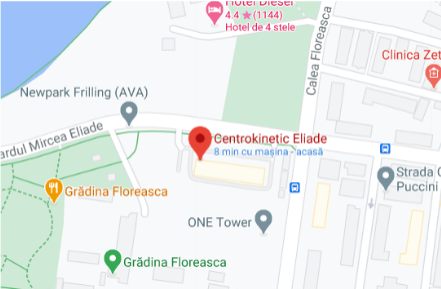
| Navigation | Explore 3D |
CENTROKINETIC Barbu Vacarescu
Bucharest, 2nd District,
Barbu Vacarescu Street, no. 102,
102 The Address, ground floor.
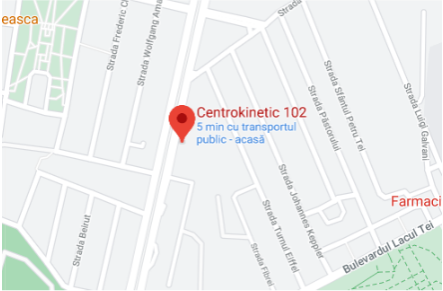
| Navigation | Explore 3D |
CENTROKINETIC MILITARI
Bucuresti, Sector 6,
Bld. Iuliu Maniu, nr. 15G,
Cladirea PBT, etaj 3.
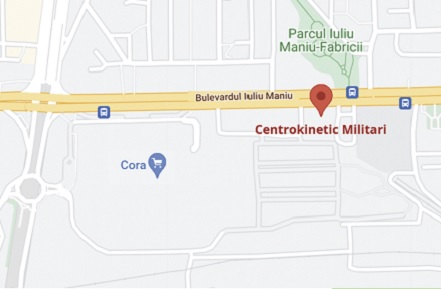
| Navigation |
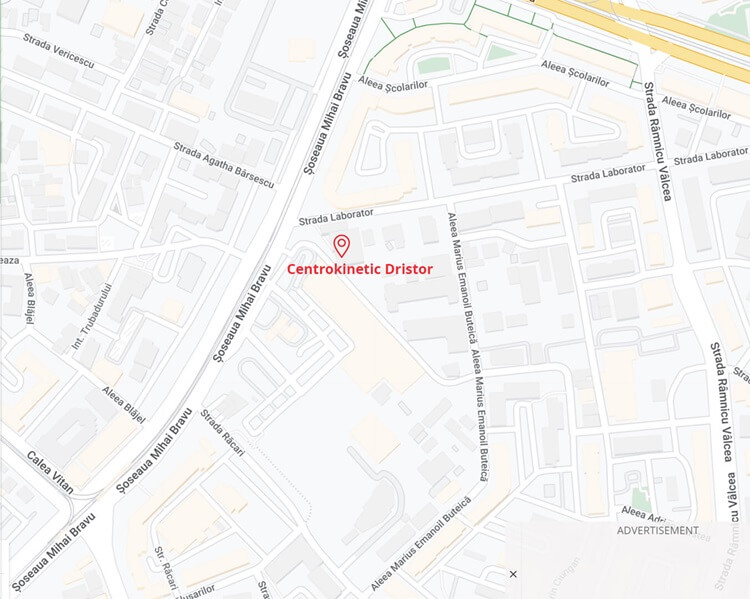
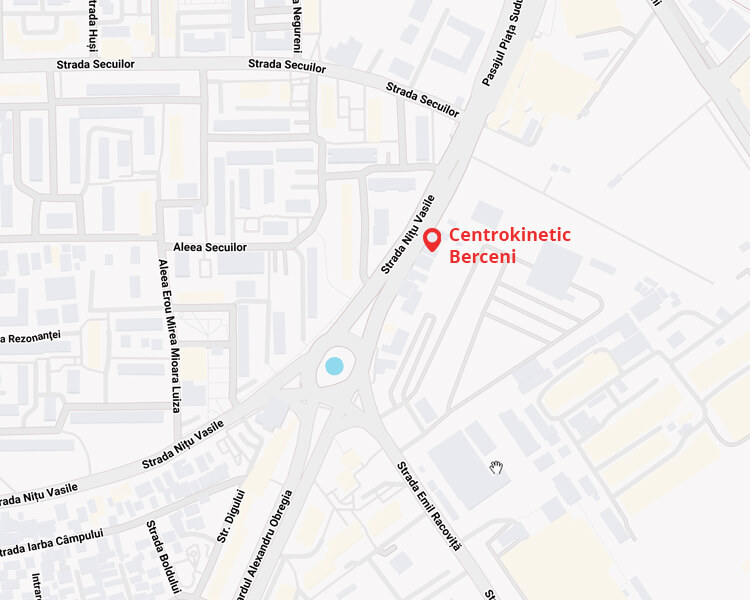
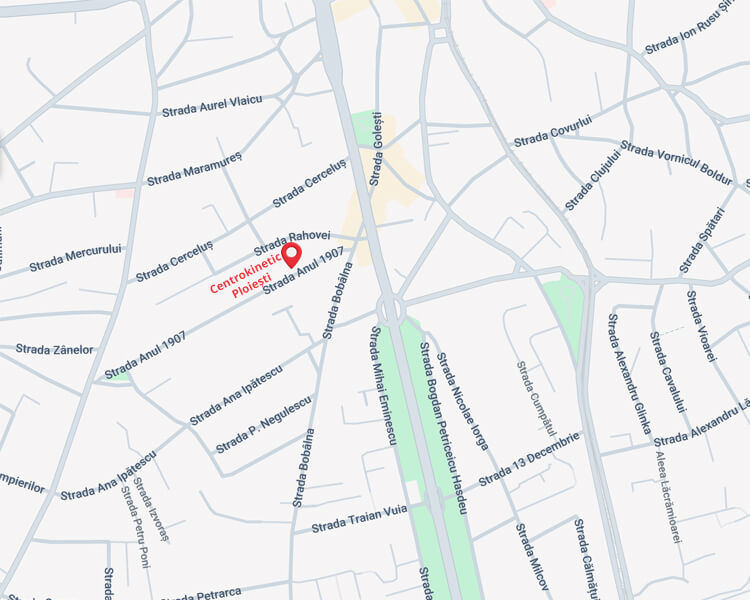
CENTROKINETIC CLUJ-NAPOCA
Cluj-Napoca,
Str. Intre Lacuri, nr.1
Intrarea este in spatele cladirii.
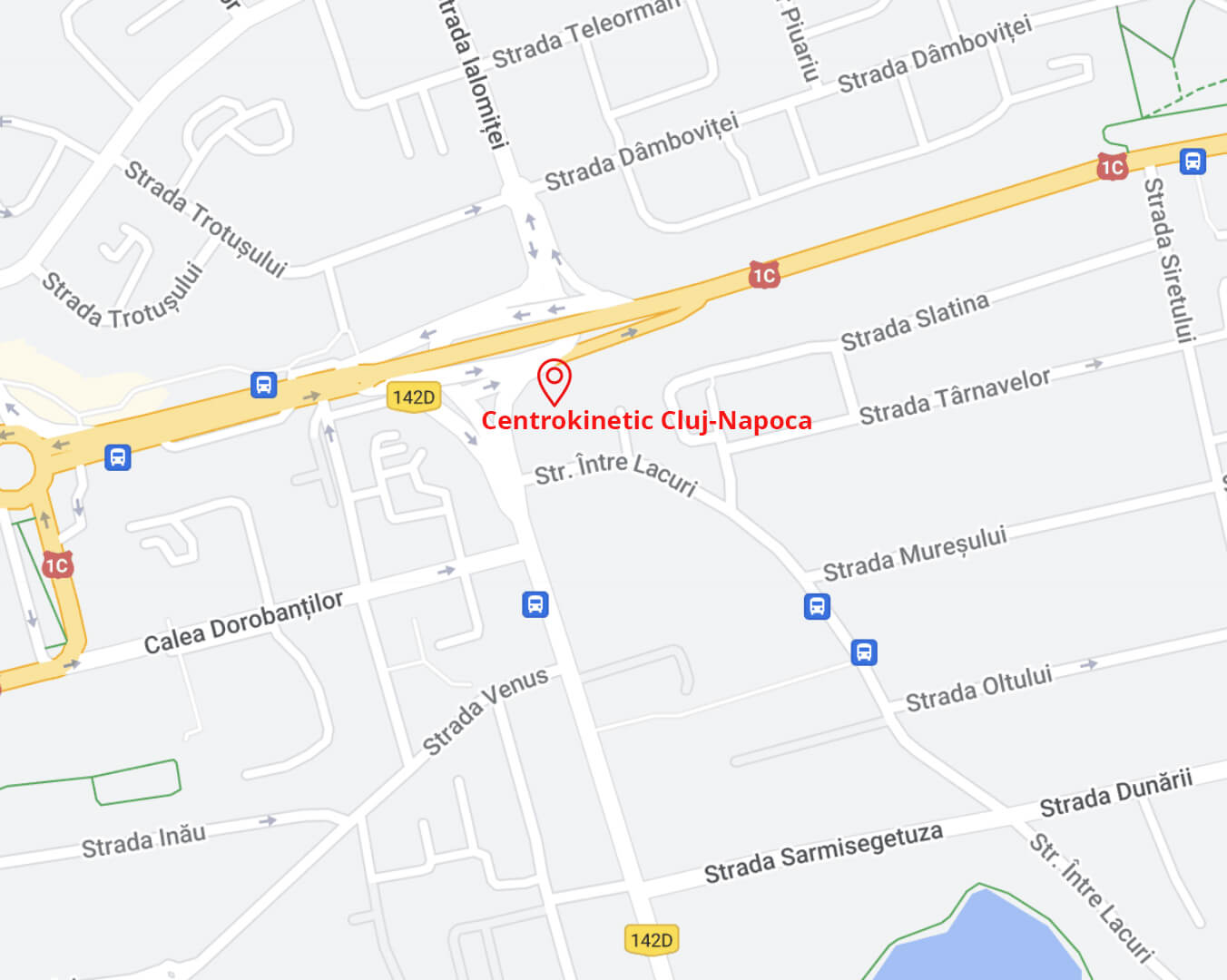
| Navigation |
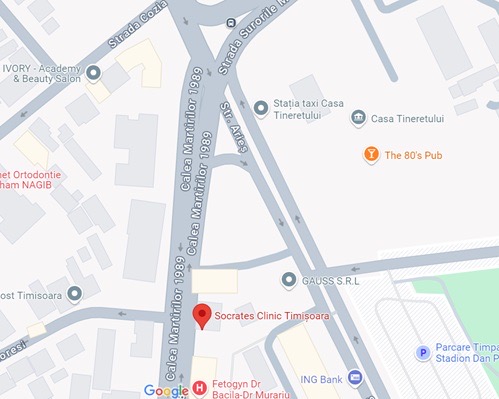
SOCRATES CLINIC TIMISOARA
Timisoara, Calea Martirilor 1989,
nr. 1.
Telefon: 0371 785 374.
| Navigation |
CONTACT
Phone: 0319693
E-mail: programari@centrokinetic.ro
Operating hours:
Monday – Friday: 07:00 – 21:00
Saturday: 09:00 – 14:00
Sunday: closed.
MAKE AN APPOINTMENT