Physical therapy for tendonitis


Physiotherapy for tendinitis: how many sessions are needed and when do the first results appear?
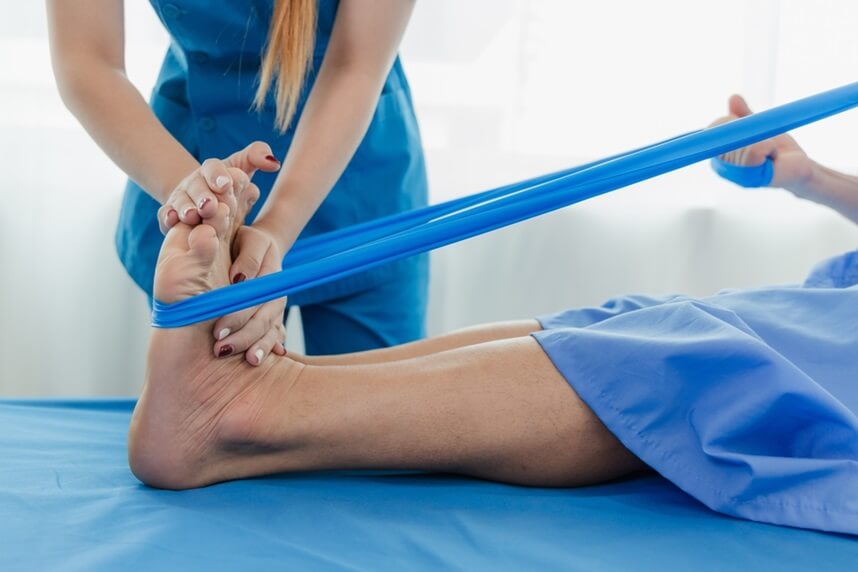
Tendinitis represents the inflammation of a tendon, the structure that connects the muscle to the bone and transmits the force necessary for movement. The condition frequently appears in the shoulder, elbow, knee, or Achilles tendon and causes pain on effort, limitation of mobility, and a decrease in physical performance. If you are active, do sports, or have gone through an orthopedic surgery, this condition can seriously slow down your pace.
Physiotherapy remains the main method of conservative treatment for tendinitis and tendinopathy (the general term, which also includes tendon degeneration). Through adapted exercises and progressive loading, the tendon can regain its capacity to withstand progressive loading. In what follows, we discuss how many sessions are needed, how long the recovery takes, and when you can observe the first results, based on clinical practice and current protocols.
When is physiotherapy indicated in tendinitis?
Not every tendon pain requires the same type of intervention. The stage of the condition and the severity of the lesion matter.
Acute phase vs. chronic phase
In the acute phase, the pain appears suddenly, usually after an unusual effort or a rapid increase in training intensity. The area is sensitive to touch, and movement becomes limited. In this stage, the main objective is the control of pain and the protection of the tendon.
In the chronic phase (tendinopathy), the symptoms persist for weeks or months. The tendon is no longer just inflamed, but undergoes structural changes at the level of the collagen fibers. Recovery takes longer and requires a well-structured program.
Signs that you need an assessment
Schedule a consultation if:
- the pain persists for more than 7–10 days;
- you feel discomfort on movement or on pressing the area;
- you notice a decrease in muscle strength;
- you can no longer perform usual activities or your regular workouts.
Early intervention can shorten the recovery period and reduce the risk of chronicity. Many patients opt for complete rest, but the lack of prolonged movement weakens the muscles and slows down the adaptation of the tendon to effort.
The benefits of a correct assessment
An assessment carried out by a doctor specialized in medical recovery offers clarity on:
- the type of tendinitis;
- the degree of impairment;
- the associated muscle imbalances;
- the need for additional investigations (ultrasound or MRI).
Based on this data, the specialist establishes a personalized plan. This approach increases the effectiveness of the treatment and reduces the risk of recurrence.
What do you actually do at physiotherapy for tendinitis?
Many patients ask what a session practically involves and whether the exercises hurt.
How does the first session go?
The first meeting includes a detailed functional assessment. The therapist tests your mobility, strength, and the movements that trigger the pain. Together you establish clear objectives: reducing pain, increasing the range of motion, returning to sport or to daily activities.
If you are an amateur athlete and feel pain in the Achilles tendon, for example, the therapist can also analyze your running technique. If you are a parent and your child has patellar tendinitis, the assessment can include the way they jump or land.
What does the recovery program include?
The physiotherapy program is always personalized depending on the stage of the condition, the area involved, and other particularities. In most cases, it comprises:
- isometric exercises for pain control;
- eccentric exercises for increasing the tendon's tolerance to loading and remodeling the collagen fibers;
- stabilization and neuromuscular control exercises;
- correcting posture and sports technique;
- joint mobilizations and manual techniques.
Eccentric exercises involve the controlled lengthening of the muscle while it is contracted. For the patellar tendon, for example, the patient can perform squats on an inclined plane, under supervision.
In many situations, physiotherapy is combined with physical therapy procedures, such as laser, ultrasound, or shockwave therapy. For certain cases, the doctor may also recommend TECAR physical therapy, a method that stimulates circulation and supports the tissue repair processes.
How many physiotherapy sessions are needed for tendinitis?
The number of sessions varies depending on the severity, the age of the symptoms, and your involvement in the exercise program.
Orientative estimate
| Type of tendinitis | Estimated number of sessions | Approximate duration |
|---|---|---|
| Mild, recent form | 6–8 sessions | 2–3 weeks |
| Moderate form | 10–15 sessions | 4–6 weeks |
| Chronic tendinopathy | 15–20+ sessions | 8–12 weeks |
These values are orientative. The plan is adjusted depending on your response to the treatment.
What influences the duration of recovery?
Several factors can modify the number of sessions:
- the age of the pain;
- the existence of partial tears;
- age and level of activity;
- associated conditions (for example, diabetes);
- compliance with the home exercises.
An active patient, who consistently follows the recommendations, progresses faster than one who interrupts the program after the first improvements.
How often should you go to the sessions?
In the initial phase, the doctor usually recommends 2–3 sessions per week. After the reduction of the pain, the frequency can decrease to 1–2 sessions weekly, completed by exercises performed at home.
Consult more information about the frequency of physical therapy sessions, also applicable in combined recovery programs. Do not interrupt the treatment as soon as the pain decreases. The tendon needs time to regain its resistance to effort.
When do the first results appear?
This is one of the most frequent questions in the office.
What do "the first results" mean?
In practice, the first results mean:
- reduced pain during daily activities;
- better tolerance to effort;
- increased mobility;
- a progressive increase in strength.
A realistic waiting interval
In most cases:
- after 3–5 sessions it is possible to notice a decrease in pain;
- after 2–4 weeks you can notice a clear improvement in function;
- after 6–12 weeks you can reach a stable functional recovery.
However, the pace varies from patient to patient. A young athlete with recent tendinitis may respond faster than a person with chronic tendinopathy. For a detailed perspective on the evolution, also read about when the first results after physical therapy appear.
Why doesn't the pain disappear immediately?
The tendon has a reduced vascularization, which means it receives less blood than the muscle. The remodeling of the collagen requires weeks. If you force the resumption of intense activity too early, you risk the reappearance of the symptoms.
Slight muscle soreness after the sessions is normal. Accentuated pain or pain persisting beyond 48 hours must be discussed with the therapist.
What should you not do during the treatment?
Effective recovery involves collaboration and discipline.
Avoid the following mistakes:
- prolonged complete rest;
- exercises found online and performed without supervision;
- a sudden return to intense workouts;
- ignoring persistent pain.
If you go to the gym, talk with the physiotherapist about the permitted exercises. Some movements can overload the tendon that is in recovery.
Are there risks or contraindications?
Physiotherapy is safe when the specialist adapts the exercises to the stage of the condition. However, in the case of a complete tendon rupture or severe inflammation, the doctor may recommend other initial interventions.
Do not start a recovery program without a medical assessment. Self-diagnosis can lead to the worsening of the lesion!
How do you prevent the reappearance of tendinitis after recovery?
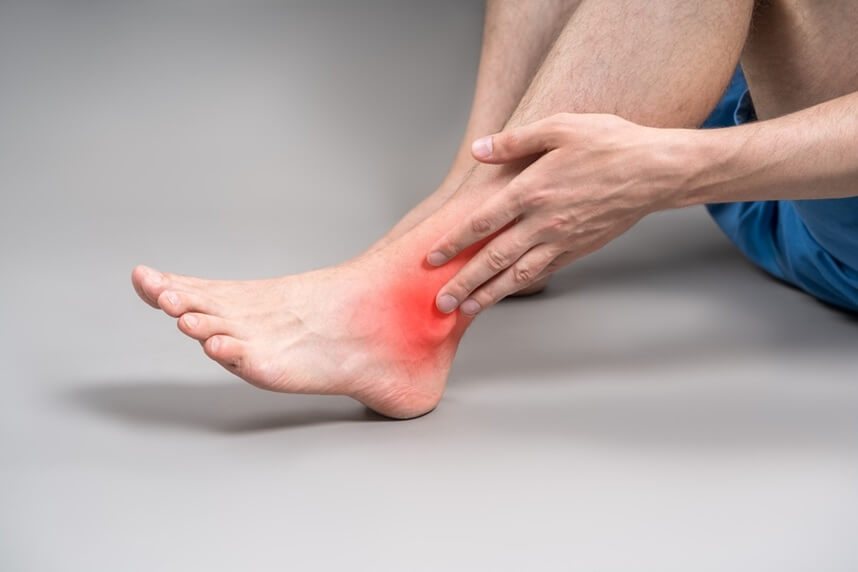
After the pain disappears, maintain the results through a maintenance program. Usual recommendations:
- continue the exercises 2–3 times per week;
- perform the warm-up correctly before sport;
- gradually increase the intensity of the workouts;
- correct the muscle imbalances;
- go for a check-up if the symptoms reappear.
Prevention reduces the risk of the appearance of new episodes and completes the results obtained through recovery. Periodic assessments help you identify any overloads in time.
Why do a personalized approach and the expertise of the Centrokinetic medical team matter?
Each tendon reacts differently to loading. A standard plan, applied to all patients, does not offer the same results.
Within a specialized clinic, such as Centrokinetic, the medical team analyzes:
- your medical history;
- your level of activity;
- your sports or professional objectives;
- any previous surgeries.
The collaboration between the doctor and the physiotherapist allows the optimization of the treatment duration and reduces the risk of complications. For the best possible results, follow the recommendations and communicate openly about any change in the symptoms.
Schedule now at Centrokinetic for a specialist consultation and start your recovery under the supervision of a team with experience in orthopedic conditions and sports medicine.
Frequently asked questions
How many physiotherapy sessions are needed for mild tendinitis?
In general, 6–8 sessions may be enough for recent and mild forms. The doctor adjusts the plan depending on the evolution and your response to the exercises.
Can I do physiotherapy if the tendon is inflamed?
Yes, but the program must be adapted to the acute phase. The therapist uses isometric exercises and techniques that control the pain, without overloading the tendon.
Is it normal to feel pain after the session?
Slight muscle soreness is frequent, especially at the beginning. Intense or persistent pain must be reported so that the treatment plan can be adjusted.
Can I continue sport during recovery?
It depends on the severity of the condition. In many cases, you can continue physical activity at a reduced and controlled intensity. Talk with the doctor and follow the recommendations received.
Disclaimer: The information in this article is for informational purposes and does not replace specialist medical consultation. For a correct diagnosis and a personalized plan, consult a doctor specialized in medical recovery.
Sources of information:
- "Tendinitis - Symptoms and Causes." Mayo Clinic, 2026, https://www.mayoclinic.org/diseases-conditions/tendinitis/symptoms-causes/syc-20378243. Accessed on 25 June 2026.
- Trybulski, Robert, et al. "Effectiveness of Kinesiotherapy in the Treatment of Achilles Tendinopathy—A Narrative Review." Sports, vol. 12, no. 8, 25 July 2024, p. 202, https://www.mdpi.com/2075-4663/12/8/202, 10.3390/sports12080202. Accessed on 25 June 2026.
- Dimitrios, Stasinopoulos. "Exercise for Tendinopathy." World Journal of Methodology, vol. 5, no. 2, 2015, p. 51, https://pmc.ncbi.nlm.nih.gov/articles/PMC4482821/, 10.5662/wjm.v5.i2.51. Accessed on 25 June 2026.
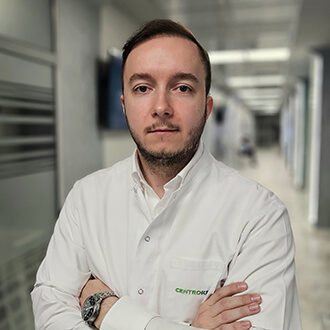
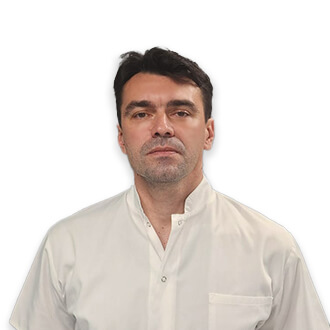
BUCHAREST TEAM


























































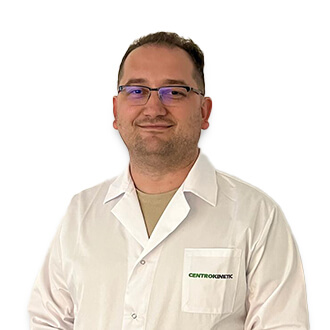
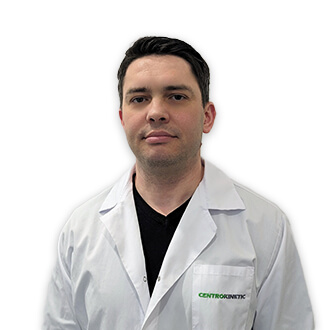
CLUJ NAPOCA TEAM































BRASOV TEAM
















MAKE AN APPOINTMENT
FOR AN EXAMINATION
See here how you can make an appointment and the location of our clinics.
MAKE AN APPOINTMENT
Asiguratori privati





Parteneriate



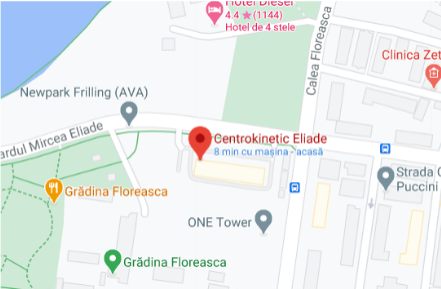
CENTROKINETIC FLOREASCA
Bucharest, 1st District,
Mircea Eliade Street, no. 18,
Eliade Tower, Entrance A, Floor 3
| Navigation | Explore 3D |
CENTROKINETIC Barbu Vacarescu
Bucharest, 2nd District,
Barbu Vacarescu Street, no. 102,
102 The Address, ground floor.
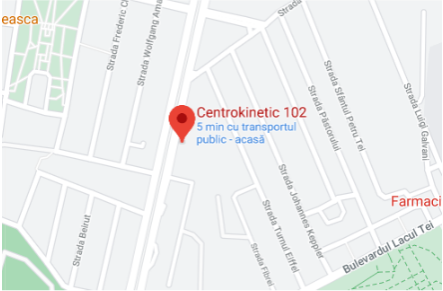
| Navigation | Explore 3D |
CENTROKINETIC MILITARI
Bucuresti, Sector 6,
Bld. Iuliu Maniu, nr. 15G,
Cladirea PBT, etaj 3.
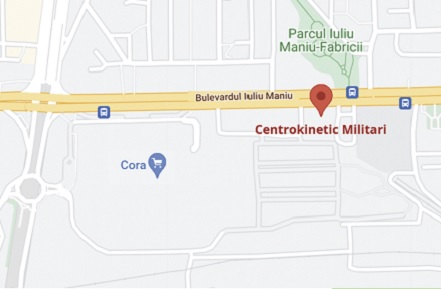
| Navigation |
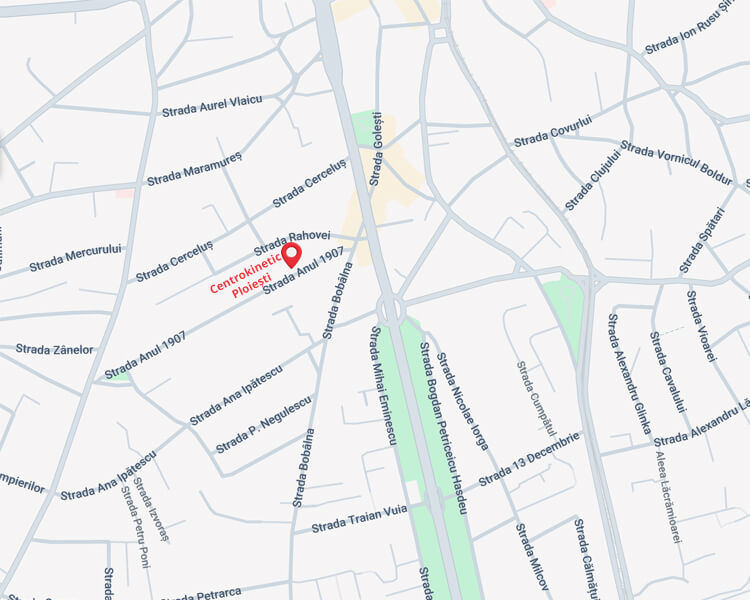
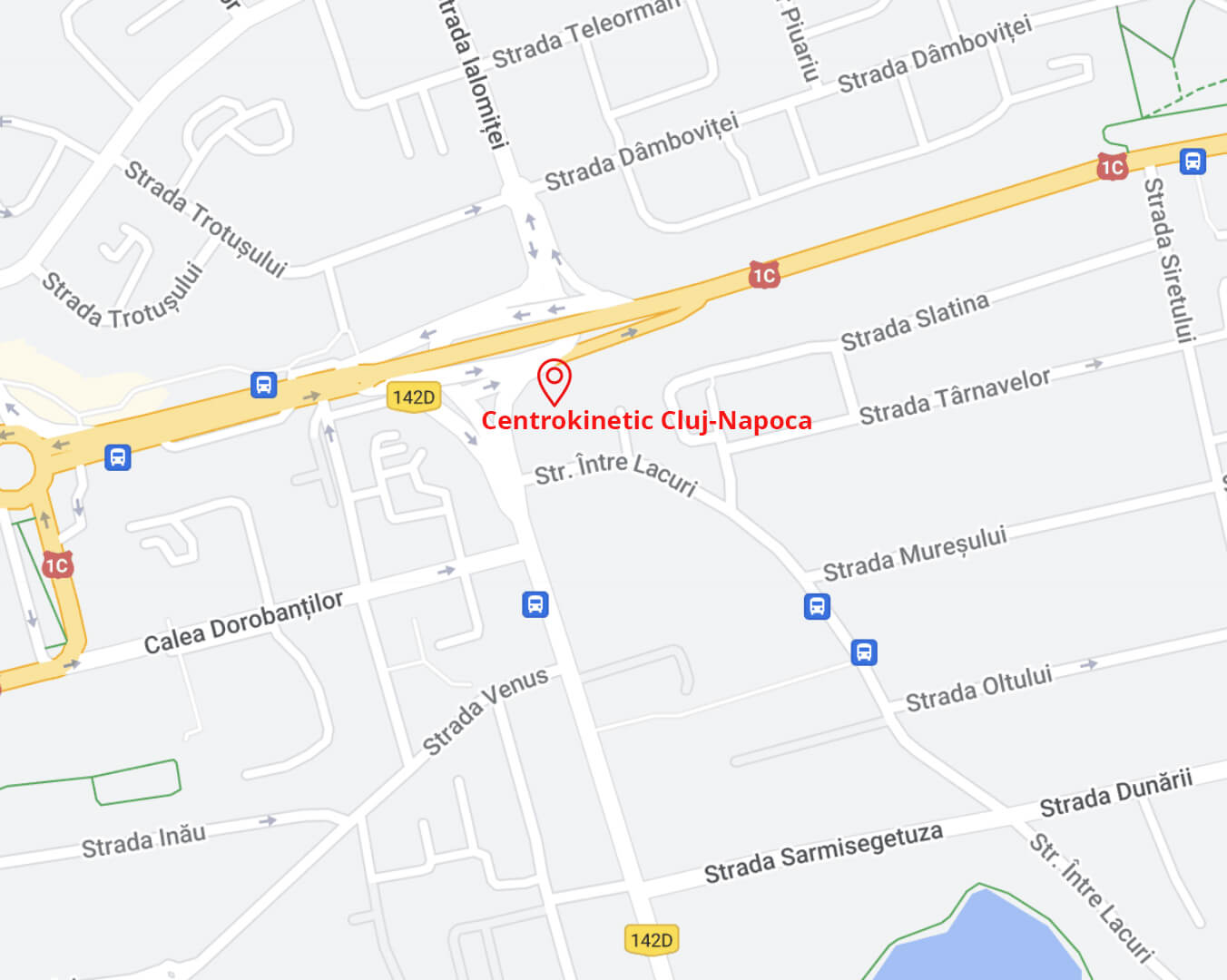
CENTROKINETIC CLUJ-NAPOCA
Cluj-Napoca,
Str. Intre Lacuri, nr.1
Intrarea este in spatele cladirii.
| Navigation |
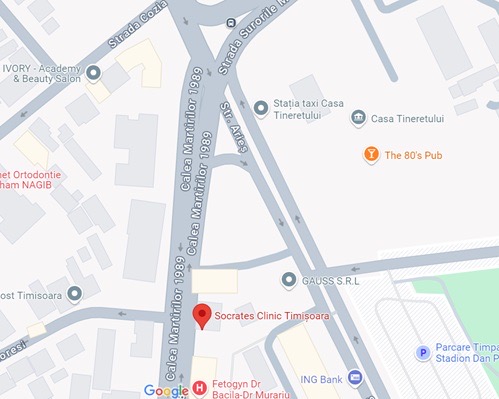
SOCRATES CLINIC TIMISOARA
Timisoara, Calea Martirilor 1989,
nr. 1.
Telefon: 0371 785 374.
| Navigation |
CONTACT
Phone: 0319693
E-mail: programari@centrokinetic.ro
Operating hours:
Monday – Friday: 07:00 – 21:00
Saturday: 09:00 – 14:00
Sunday: closed.
MAKE AN APPOINTMENT