PLANT FASCE


- General information about plantar fasciitis
- Causes of plantar fasciitis
- Symptoms
- People at risk
- Diagnosis and investigations
- Treatment methods
- Prevention
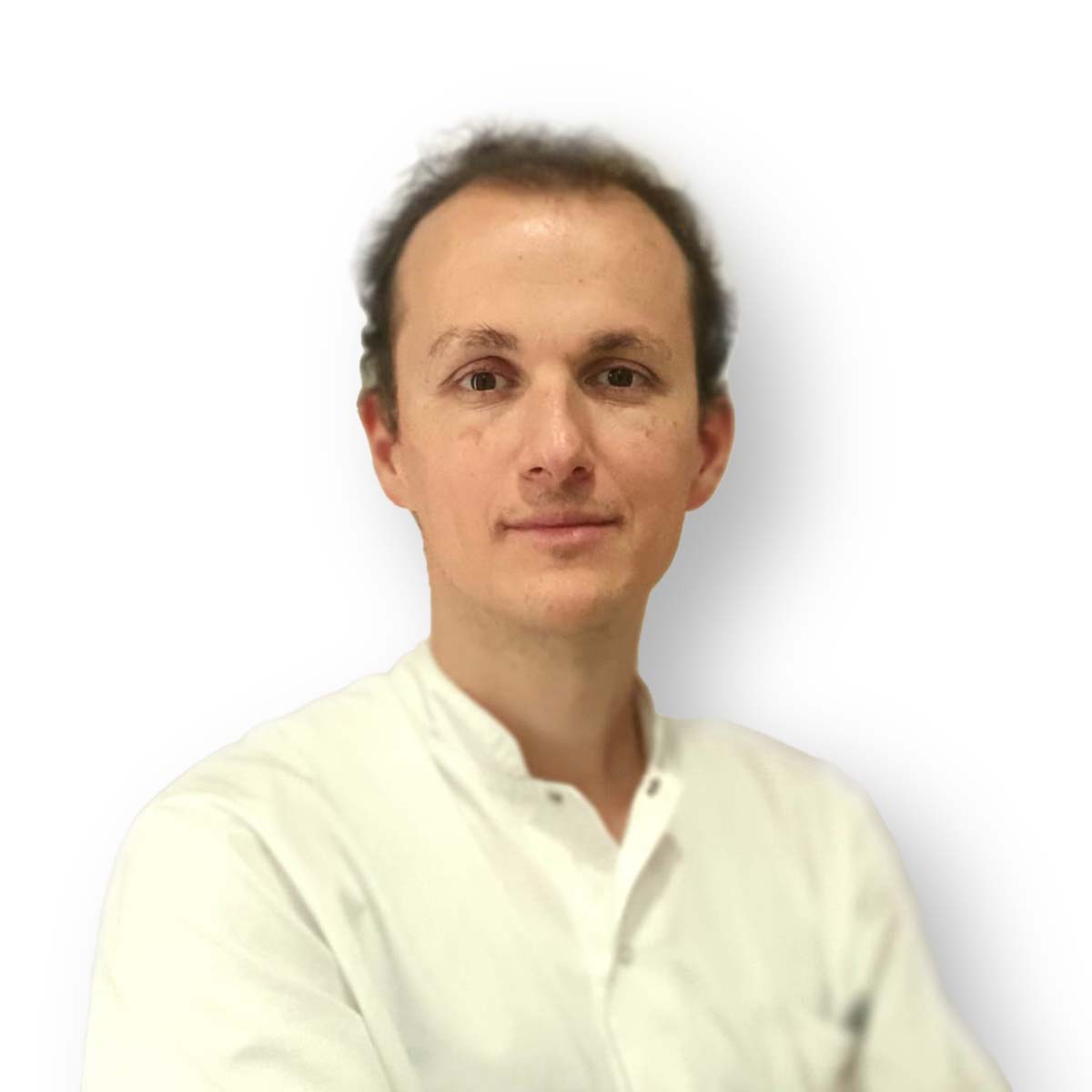
This article was written by Dr. Alexandru Crintea, an orthopedic specialist with over 10 years of experience and advanced training through numerous national and international courses.
General information about plantar fasciitis
Plantar fasciitis is one of the most common causes of heel pain. It involves inflammation of a thick band of tissue that runs along the bottom of the foot and connects the heel bone to the toes (the plantar fascia).Plantar fasciitis usually causes intense pain with the first steps taken in the morning. As you get up and move around, the pain normally decreases, but it may return after long periods of standing or when you get up from a chair.
Plantar fasciitis is more common among runners. In addition, people who are overweight and those who wear shoes with inadequate support have a higher risk of developing plantar fasciitis.
Plantar fasciitis is one of the most common orthopedic complaints. The plantar fascia ligaments undergo considerable wear and tear in everyday life. Normally, these ligaments act as shock absorbers and support the arch of the foot. Excessive pressure on the feet can damage or tear the ligaments; the plantar fascia becomes inflamed, and the inflammation causes heel pain and stiffness.
Causes
Plantar fasciitis occurs due to irritation of the thick tissue that forms the arch of the foot. The plantar fascia is one of the main structures that transfers weight through the foot while you walk or run. Therefore, the stress placed on this tissue is considerable.You have a higher risk of developing plantar fasciitis if you are overweight or obese. This is due to increased pressure on the plantar fascia ligaments, especially if you experience sudden weight gain. Pregnant women often develop plantar fasciitis, particularly during the later stages of pregnancy.
Athletes who run long distances are more likely to develop plantar fascia problems. People with very active jobs that require prolonged standing, such as factory workers or restaurant servers, are also at risk. Active men and women between the ages of 40 and 70 have the highest risk of developing plantar fasciitis. It is also slightly more common in women than in men.
If you have structural foot problems, such as very high arches or very flat feet, you may develop plantar fasciitis. A tight Achilles tendon can also lead to plantar fascia pain. Simply wearing shoes with soft soles and inadequate arch support may also cause plantar fasciitis.
Plantar fasciitis is not usually caused by heel spurs. A spur is a hook-like bony growth that may form on the heel bone, or calcaneus. One in 10 people has a heel spur, but only one in 20 people with this condition experiences pain.

Symptoms
The main complaint among people with plantar fasciitis is pain in the sole of the foot around the heel. However, some people experience pain in the lower middle area of the sole. It develops gradually over time. It usually affects only one foot, but it can affect both feet. Some people describe the pain as tolerable, while others experience sharp pain. Some people feel a burning sensation or pain in the sole that extends beyond the heel.The pain is usually more intense in the morning when you take your first steps, or after lying down or sitting for a long time. Climbing stairs can be very difficult because of heel stiffness.
After prolonged activity, pain may occur because of increased inflammation. The pain is usually not felt during the activity itself, but rather after stopping.
People at risk
Although plantar fasciitis can occur without an obvious cause, factors that may increase the risk of developing it include:- AgePlantar fasciitis is most common between the ages of 40 and 60.
- Certain types of exercise Activities that place considerable stress on the heel and attached tissues - such as long-distance running, jumping, ballet dancing and aerobic dance - can contribute to the earlier onset of plantar fasciitis.
- Foot mechanics Flat feet, high arches or even an abnormal walking pattern can affect how weight is distributed while standing, placing additional stress on the plantar fascia.
- Obesity Excess body weight places additional stress on the plantar fascia.
- Occupations that require prolonged standing. Factory workers, teachers and people who spend most of their working hours walking are at increased risk.
Diagnosis and investigations
Specialist consultation
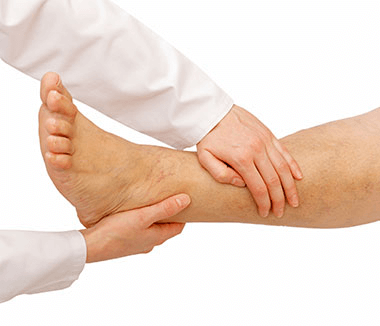
The doctor will perform a physical examination to check foot tenderness and the exact location of the pain, in order to ensure that it is not caused by another foot problem. Your doctor may ask you to flex your foot while pressing on the plantar fascia to see whether the pain worsens when you flex and improves when you straighten your foot. The doctor will also check for redness or mild swelling.The doctor will assess muscle strength and nerve health by checking:
- reflexes
- muscle tone
- the sense of touch and vision
- coordination
- balance
Investigations
Your doctor may recommend imaging tests to make sure that the heel pain is caused by plantar fasciitis and not another problem.X-rays - X-rays provide clear images of the bones. They are useful for ruling out other causes of heel pain, such as fractures or arthritis. Heel spurs can be seen on X-rays.
Other imaging tests, such as magnetic resonance imaging (MRI) and ultrasound, are not routinely used to diagnose plantar fasciitis. They are rarely requested by a doctor. An MRI scan may be used if heel pain is not relieved by initial treatment methods.
Treatment methods
Treatment for heel pain caused by plantar fasciitis begins with simple measures. There are several treatment options for plantar fasciitis, and in most cases non-surgical treatments can provide pain relief. In rare cases, simple measures are not sufficient and more invasive treatments may be recommended. Patients usually progress gradually from simple measures to more invasive treatments, and surgery is rarely necessary. Effective relief of plantar fasciitis symptoms may take several months or even longer. Persistent symptoms are not uncommon, and most patients need to try several different treatments before finding one that is effective for them.People who develop plantar fasciitis often report recurring symptoms. For this reason, it is important to develop strategies to prevent symptoms from returning. These strategies may include changing footwear, using shoe inserts, modifying activities or taking other preventive measures. More than 90% of patients with plantar fasciitis improve within 10 months of starting simple treatment methods.
Rest. Reducing or stopping activities that worsen the pain is the first step toward relief. You may need to stop athletic activities in which your feet repeatedly strike hard surfaces, such as aerobics or running.
Ice. Rolling your foot over a bottle of cold or frozen water for 20 minutes is effective. This can be done three to four times a day.
Nonsteroidal anti-inflammatory drugs. Medicines such as ibuprofen or naproxen reduce pain and inflammation. Use for more than one month should be reviewed with your doctor.
Exercise. Plantar fasciitis is worsened by tight muscles in the feet and calves. Stretching the calf muscles and plantar fascia is the most effective way to relieve the pain associated with this condition.
Therapeutic treatment
Physical therapy is an important part of plantar fasciitis treatment. It can help stretch the plantar fascia and Achilles tendons. A physical therapist can also show you exercises to strengthen the lower leg muscles, helping to stabilize your gait and reduce the workload placed on the plantar fascia.Shockwave therapy has emerged as a possible treatment option for patients with plantar fasciitis. The procedure uses either compressed air or electromagnetic pulses to deliver shockwaves to the body and help treat a variety of chronic conditions. Both high-energy and low-energy forms of shockwave treatment are available, and both may be used to treat plantar fasciitis. Low-energy shockwave treatments are administered as a series of three or more sessions. Low-energy shockwaves are not painful.
Massage of the foot arch is often helpful in relieving plantar fasciitis symptoms. Self-massage is frequently beneficial, and a professional massage therapist can also provide significant help.
Shoe inserts are often a key part of successful plantar fasciitis treatment. They frequently allow patients to continue their routine activities without pain. Helpful inserts may include gel inserts, arch supports and custom orthotics.
Night splints are worn to keep the heel stretched while you sleep. This prevents the arch of the foot from tightening overnight, making it less painful in the morning.
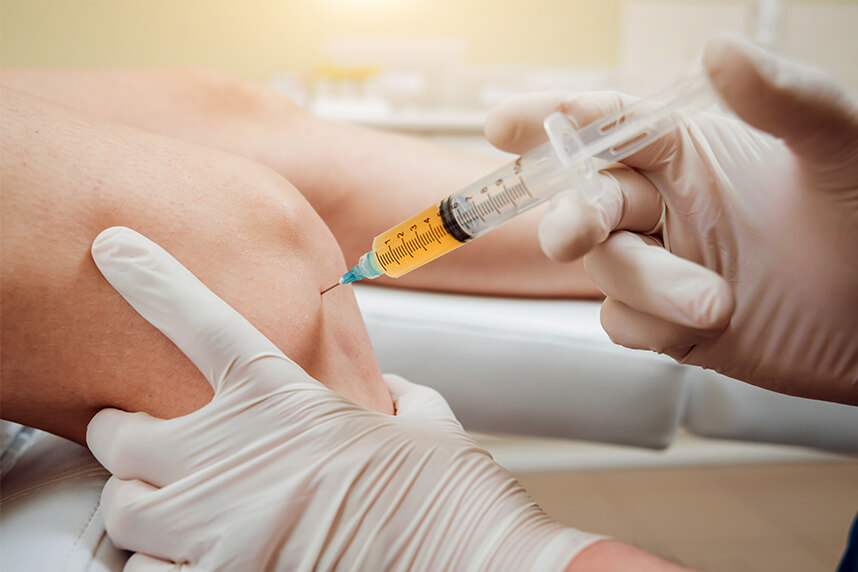
Cortisone injections - If the pain does not improve with the measures above, a cortisone injection may reduce inflammation of the plantar fascia. However, many doctors avoid injecting cortisone because of the potential for serious problems associated with injections in the heel area.
Exercises and stretches are designed to loosen the tissues surrounding the heel bone. Some simple exercises performed in the morning and evening often help patients feel better sooner. Therapeutic exercise for plantar fasciitis includes stretching the calf and plantar fascia. For example, while sitting with the legs extended, place a rolled towel around the sole and pull both ends while keeping the knee straight. Hold the position for 15 to 30 seconds.
All these therapies and massages that reduce the symptoms of plantar fasciitis are included among the services offered by Centrokinetic.
Medication treatment
Medicines are mainly used to reduce pain and inflammation. The most commonly used treatments are oral nonsteroidal anti-inflammatory drugs and corticosteroid injections, which may be used together with physical therapy. Nonsteroidal anti-inflammatory drugs (NSAIDs) have analgesic, anti-inflammatory and antipyretic effects. Their mechanism of action is not fully known, but they may inhibit cyclooxygenase (COX) activity and prostaglandin synthesis. Other mechanisms may include inhibition of leukotriene synthesis, lysosomal enzyme release, lipoxygenase activity, neutrophil aggregation and various cell membrane functions.NSAIDs may help reduce pain and inflammation in patients with plantar fasciitis. Various oral NSAIDs may be used; there is no single specific medicine. The choice is largely a matter of convenience, such as how often doses must be taken to achieve adequate analgesic and anti-inflammatory effects, as well as cost.
Ibuprofen (Motrin, I-Prin, Advil, Caldolor) - Ibuprofen belongs to the propionic acid group of nonsteroidal anti-inflammatory drugs. It is available in low doses as an over-the-counter medicine. Ibuprofen is metabolized in the liver and eliminated mainly in the urine. It is used for analgesia and anti-inflammatory effects and is often chosen by patients with mild to moderate pain. It inhibits inflammatory reactions and pain by reducing prostaglandin synthesis. It may reversibly inhibit platelet function.
Naproxen (Aleve, Anaprox, Naprosyn, Naprelan) - It is available in low doses as an over-the-counter medicine. It is metabolized in the liver and eliminated mainly in the urine. Naproxen may reversibly inhibit platelet function.
Ketoprofen is used to relieve mild to moderate pain and inflammation. Low doses are initially recommended for younger patients, older patients and patients with kidney or liver conditions. Doses above 75 mg do not increase the therapeutic effect. High doses should be administered with caution and the patient's response should be monitored closely.
Corticosteroids - Unlike the widespread systemic distribution produced by an oral anti-inflammatory medicine, local corticosteroid injection can place a powerful anti-inflammatory agent directly at the site of maximum tenderness or inflammation. The corticosteroid is usually mixed with a local anesthetic before injection.
Triamcinolone and betamethasone - These are injectable corticosteroid anti-inflammatory agents used to treat localized areas of inflammation. They have an intermediate duration of action.
Methylprednisolone - Methylprednisolone reduces inflammation by suppressing the migration of polymorphonuclear leukocytes and reducing capillary permeability. It is usually administered by local injection into bursae or joints to provide a local anti-inflammatory effect while reducing some of the risks associated with systemic medicines.
All these medicines may be administered only following consultation with a specialist doctor.
Surgical treatment
In 5-10% of plantar fasciitis cases, surgery may be necessary. Surgical treatment is reserved for patients who have not responded to conservative therapy for 6-12 months. Plantar fascia release - performed by cutting part or all of the fascia through an open or endoscopic procedure - is the main surgical option. However, partial and especially complete release of the plantar fascia can lead to instability of the medial column of the foot, together with overloading and lateral column pain. In general, surgical release has a success rate of 70-90% in treating patients with this condition.New surgical techniques allow the plantar fascia to be released through small incisions, using a small camera to locate and cut the fascia. This procedure is called endoscopic plantar fascia release. Some surgeons are concerned that endoscopic plantar fascia release increases the risk of damaging the small nerves in the foot. Although there is no definitive answer as to whether endoscopic release is better or worse than traditional plantar fascia release, most surgeons prefer the traditional approach.
Cryosurgery is a relatively new technique in which a small cryoprobe is inserted percutaneously and used to destroy abnormal tissue or cells at temperatures reaching -70 C. Studies suggest that this method is an effective treatment for plantar fasciitis when conservative treatment is unsuccessful.
The Tenex procedure requires only a small incision and is completed within a few minutes. Ultrasound is used to target and remove scar tissue. This procedure may allow you to return to your normal routine in as little as 10 days.
Exercises you can do at home
Stretching and strengthening exercises will help reduce pain caused by plantar fasciitis. It is best to perform each exercise two or three times a day, but you do not need to do them all at once.Use a bottle or a tennis ball. While sitting, roll the bottle or ball under the arch of your foot. If you are able, progress to performing this exercise while standing.
Towel scrunches: While sitting or standing, place your foot on a towel lying on the floor and gather the towel with your toes. Then use your toes to push the towel away from you. Make the exercise more difficult by placing a slightly heavy object, such as a can, at the other end of the towel.
Towel stretch: Place a rolled towel under the sole of your foot, holding one end in each hand. Gently pull the towel toward you while keeping your knee straight. Hold this position for 15 to 30 seconds.
Plantar fascia and calf stretching - Stretching the plantar fascia and calf muscles can increase flexibility and reduce heel pain. You can perform this exercise several times a day, both before and after activity. Stand with the balls of your feet on a step. Make sure you hold on to the handrail.
Slowly lower your heels over the edge of the step while relaxing your calf muscles. You should feel a gentle stretch along the bottom of the foot and up the back of the leg toward the knee. Hold the stretch for about 15 to 30 seconds, then tighten the calf muscle slightly to bring the heel back level with the toes.
Prevention
After the pain caused by plantar fasciitis has resolved, you can make several lifestyle changes to help prevent it from returning. These include:Pay attention to your body weight. If you are overweight or obese, you may place greater pressure on the soles of your feet. This pressure can lead to plantar fasciitis.
Choose supportive shoes. Replace athletic shoes regularly. Avoid high heels.
Do not walk barefoot on hard surfaces. This includes your first steps when you wake up in the morning. It is advisable to keep appropriate footwear next to the bed. You can also ask your doctor whether shoe inserts may help with prevention.
Choose low-impact exercise. Activities such as swimming or cycling will not cause plantar fasciitis or make it worse. After finishing the activity, stretch your calves and feet. For example, curl and relax your toes and make circles with your feet and ankles.
Relax. Learn to relax the lower parts of your legs, especially your ankles and calves, whenever you walk, run, sit or stand. Tension held anywhere in the legs will pull on the plantar tendon when you move.
Land on the center of your foot. When jumping, try to land evenly on the middle of the foot instead of striking the surface with the heel. This will keep the plantar tendon relaxed and reduce impact on the heel.
Centrokinetic is the place where you will find clear answers and effective solutions for musculoskeletal conditions. Our clinic, dedicated to musculoskeletal disorders, is organized into the following specialized departments:
- Orthopedics, a department composed of a highly experienced team of orthopedic surgeons specializing in sports traumatology.
- Pediatric Orthopedics, where sports injuries in children (ligament and meniscus injuries), spinal deformities (scoliosis, kyphosis, hyperlordosis), and foot deformities (hallux valgus, hallux rigidus, equinovarus foot, flatfoot, cavus foot) are treated.
- Neurology, featuring a state-of-the-art department where consultations, electroencephalograms (EEG), and electromyography (EMG) examinations are performed.
- Medical Rehabilitation for adults and children, a department specialized in the rehabilitation of professional athletes, spinal disorders, and children with neurological and traumatic conditions. Our extensive experience includes treating more than 5,000 professional athletes.
- Medical Imaging, with the clinic equipped with ultrasound and MRI systems dedicated to musculoskeletal conditions, complemented by an experienced radiologist, Dr. Cosmin Pantu, specialized in musculoskeletal imaging.
- Rheumatology, a comprehensive department dedicated to the diagnosis, treatment, and rehabilitation of patients with non-surgical musculoskeletal disorders.
- Vascular Surgery, a highly specialized department focused on the diagnosis and treatment of vascular diseases affecting arteries, veins, and lymphatic vessels.
- Psychology and Speech Therapy. Neurological and musculoskeletal conditions can have a psychological impact on patients, which is why we believe complete recovery requires addressing both the physical condition and its psychological consequences.
- Neurofeedback. This innovative method helps improve concentration, reduce anxiety, and achieve emotional balance through a simple and interactive process.
Stay up to date by following Centrokinetic on Facebook, Instagram, and YouTube.

MAKE AN APPOINTMENT
CONTACT US
MAKE AN APPOINTMENT
FOR AN EXAMINATION
See here how you can make an appointment and the location of our clinics.
MAKE AN APPOINTMENT
BUCHAREST TEAM







































CLUJ NAPOCA TEAM

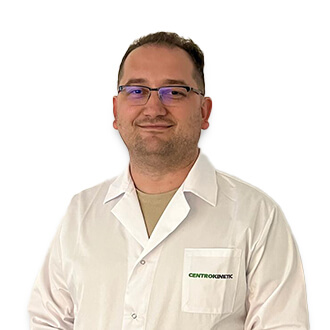
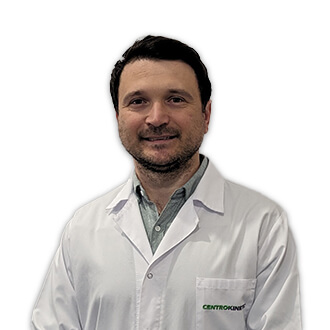

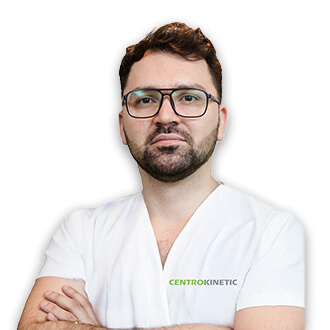
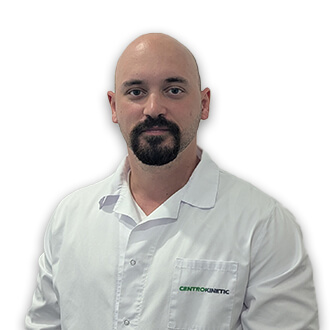





















BRASOV TEAM











Asiguratori privati





Parteneriate



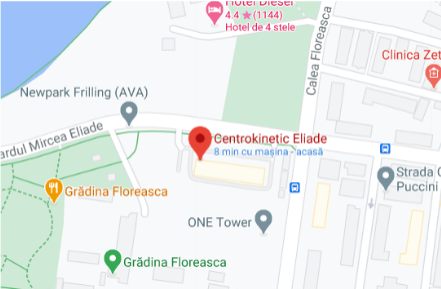
CENTROKINETIC FLOREASCA
Bucharest, 1st District,
Mircea Eliade Street, no. 18,
Eliade Tower, Entrance A, Floor 3
| Navigation | Explore 3D |
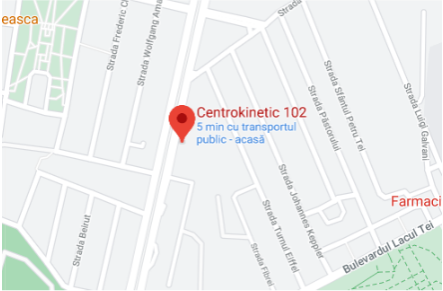
CENTROKINETIC Barbu Vacarescu
Bucharest, 2nd District,
Barbu Vacarescu Street, no. 102,
102 The Address, ground floor.
| Navigation | Explore 3D |
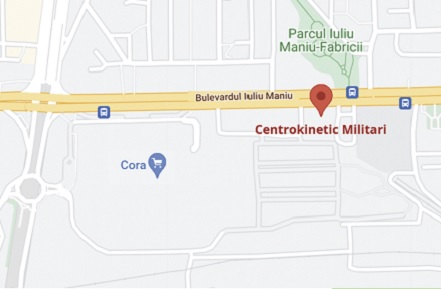
CENTROKINETIC MILITARI
Bucuresti, Sector 6,
Bld. Iuliu Maniu, nr. 15G,
Cladirea PBT, etaj 3.
| Navigation |
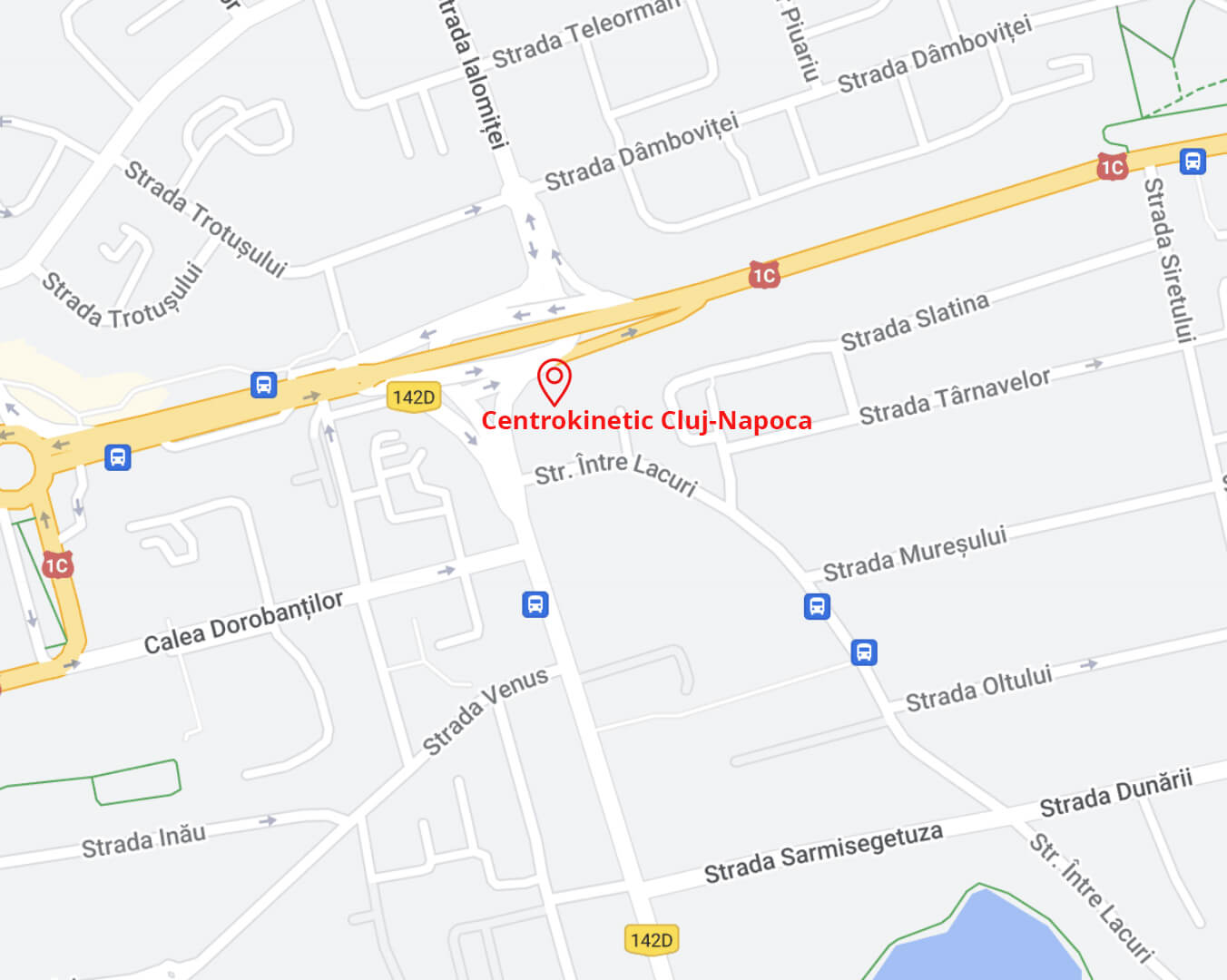
CENTROKINETIC CLUJ-NAPOCA
Cluj-Napoca,
Str. Intre Lacuri, nr.1
Intrarea este in spatele cladirii.
| Navigation |
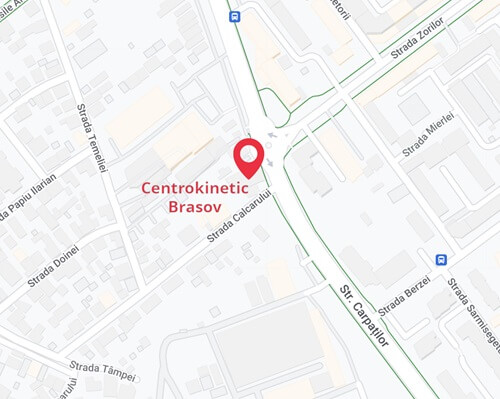
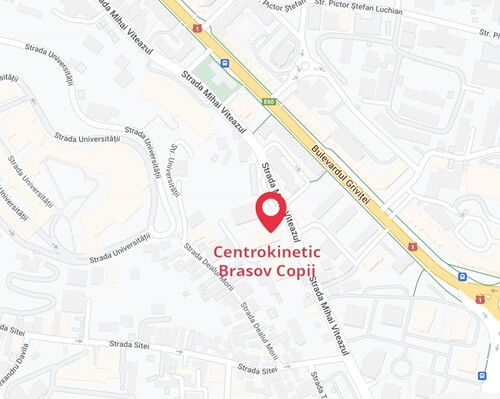
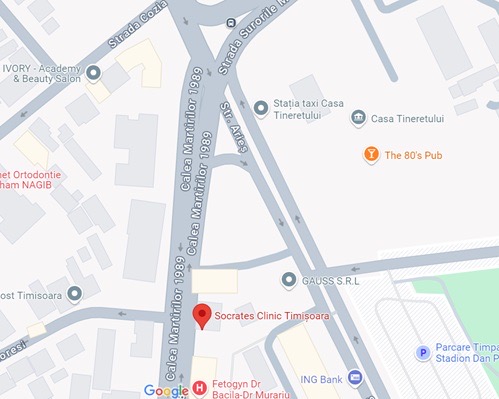
SOCRATES CLINIC TIMISOARA
Timisoara, Calea Martirilor 1989,
nr. 1.
Telefon: 0371 785 374.
| Navigation |
CONTACT
Phone: 0319693
E-mail: programari@centrokinetic.ro
Operating hours:
Monday – Friday: 07:00 – 21:00
Saturday: 09:00 – 14:00
Sunday: closed.
MAKE AN APPOINTMENT