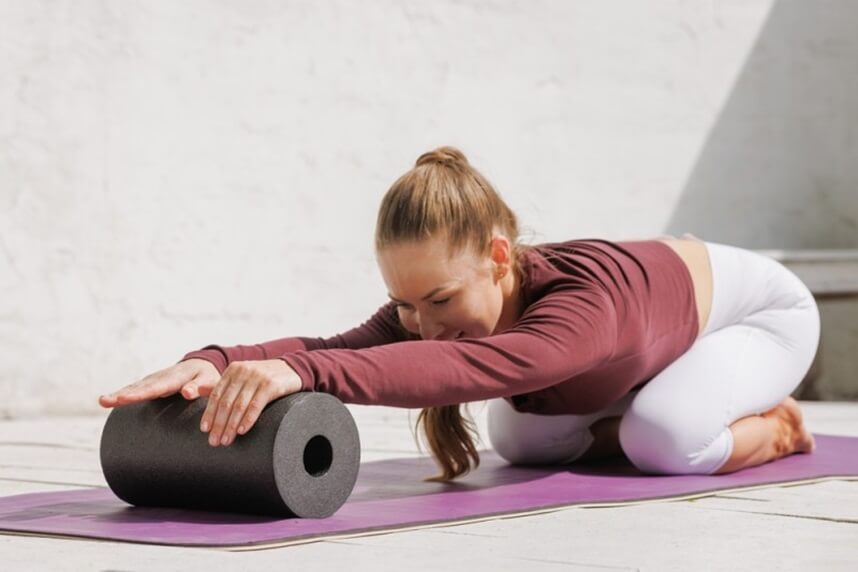
Post-workout stretching means the controlled elongation of the muscles used during exercise, immediately after you finish your workout. It is a short but important stage that marks the transition between intense activity and returning to a resting state. Many active adults, amateur athletes, or patients undergoing recovery stop after the last repetition and head straight to the shower or their car. The body, however, continues to process the effort. If you ignore this period, you may contribute to muscle stiffness, reduced mobility, and the development of recurring pain.
At Centrokinetic, we frequently see patients who train consistently but do not pay attention to the recovery phase. In most cases, integrating a simple stretching protocol, correctly adapted, improves muscle comfort and maintains joint function over the long term. Here are more details!
After strength training, running, or team sports, the muscles remain in a state of increased tension. Muscle fibers have gone through repeated contractions, and controlled micro-injuries occur inside them, part of the normal adaptation process to physical effort. Heart rate begins to decrease, breathing becomes regulated, but tissues do not instantly return to resting levels. The sympathetic nervous system, responsible for activation and alertness, remains stimulated for a short period.
According to studies, gradual recovery after exercise supports circulation regulation and reduces the sensation of dizziness or discomfort. Static stretching, integrated during this phase, helps gradually relax the muscles and maintain range of motion.
If you consistently skip this phase, you may notice:

For people who frequently experience back pain, a personalized program adapted to the diagnosis makes a difference.
There is a common idea that stretching eliminates muscle soreness. Studies show that its effect on delayed onset muscle soreness is limited. The intensity of muscle soreness does not decrease dramatically through stretching alone. However, research indicates clear benefits for flexibility and joint mobility, especially if the routine is maintained long term. Regular stretching can support tissue elasticity and reduce the sensation of muscle tension.
Another frequent myth: static stretching after exercise affects muscle mass growth. Current data do not support this idea in the case of moderate stretches held for 20–60 seconds. Temporary strength reduction occurs mainly if intense stretching is performed before exercise, not after. For optimal results, specialists recommend integrating stretching into a coherent recovery and prevention plan.
When performed correctly, stretching brings concrete benefits for active adults, athletes, and patients in recovery.
Joints need movement to maintain their normal range of motion. If you work at a desk for long hours and go to the gym in the evening, the hip flexors and thoracic muscles may progressively shorten. Regular stretching counterbalances these adaptations. For optimal results, hold each position for 30 seconds and repeat twice.
After intense leg workouts, many patients describe the sensation of “tight muscles.” Static stretching, performed without bouncing, reduces this tension and improves comfort in the following hours. It is important to feel a tolerable stretch, not sharp pain.
Muscle imbalances frequently occur between the anterior and posterior muscle chains. For example, shortened pectoral muscles and weakened interscapular muscles promote forward shoulder positioning. A corrective protocol, recommended during physiotherapy sessions, may include both strengthening exercises and specific stretching.
The combination of slow breathing and sustained stretching promotes the transition toward parasympathetic nervous system dominance, associated with relaxation. Many patients notice a general sense of calm after 5–10 minutes of controlled stretching. Benefits appear through consistency, not after a single session.
Dynamic stretching involves controlled, repeated movements that prepare the muscles for effort. You can use it during warm-up in various forms, such as walking lunges or wide arm rotations. After training, choose static stretching. Hold each position for 20–60 seconds, without bouncing or sudden movements. Focus on breathing and gradual relaxation.
Avoid forcing your maximum flexibility limit. If you have recently suffered a muscle strain, the doctor determines the right time to resume stretching. Passive stretching, performed with the help of a therapist or devices, requires supervision. Exceeding the safe threshold may worsen existing injuries.
An effective protocol lasts 5–10 minutes and is adapted to the muscle group trained.
Include:
For example, after squats and leg press exercises, stretch the quadriceps from a standing position and hold for 30 seconds on each side.
Focus on:
Use a step to stretch the calf, keep the heel supported, and avoid bouncing.
Include:
Performance athletes benefit from personalized protocols, such as those included in physiotherapy programs for athletes. These include functional assessments and periodic adjustments.
For patients undergoing post-operative recovery, the team may combine stretching with physiotherapy procedures such as electrotherapy or ultrasound therapy, according to medical indication. Proper evaluation determines which exercises are appropriate and what should be avoided.
| Type of workout | Main stretching focus | Recommended duration |
| Strength training (gym) | Muscles intensely used during the session | 5–8 minutes total |
| Running | Posterior chain and calves | 6–10 minutes total |
| Team sports | Thighs, adductors, hips | 8–10 minutes total |
| HIIT training | Major muscle groups + controlled breathing | 5–7 minutes total |
| Light recovery | Areas with tension sensation | 5 minutes focused |
Stretching is not appropriate in every situation. There are contexts in which it may worsen symptoms:
If you feel sharp pain, numbness, or muscle weakness, stop the exercises and seek medical consultation. Early intervention prevents complications and shortens the recovery period.
Parents who notice mobility limitations in active children or adolescents should request pediatric orthopedic evaluation before introducing unsupervised stretching exercises.
Many active adults repeat the same mistakes without realizing it. Abruptly stopping effort is one of them. If you stop immediately after sprints or intense exercises, the body does not have time to gradually return to balance.
Another mistake is forced stretching with strong pain. Pain indicates exceeding the tissue’s capacity, not progress. Some people ignore stabilizing muscles, such as the deep lumbar area or hip rotators. Imbalances appear precisely in these regions.
Finally, many follow programs found online. It is important to note, however, that each person has individual characteristics: age, injury history, type of sport, surgical interventions. A personalized approach reduces the risk of overload.
Stretching becomes truly effective when integrated into a plan adapted to your needs. The medical team evaluates joint mobility, muscle strength, and possible imbalances. Based on this data, it builds a clear protocol. For active adults, the goal may be preventing recurrence. For athletes, optimizing performance and reducing injury risk. For surgical patients, regaining mobility safely.
Early intervention matters. If you act at the first signs of persistent stiffness or pain, you avoid compensatory adaptations that are harder to correct later.
For most active adults, 20–60 seconds are sufficient. Hold for approximately 30 seconds and repeat twice. Do not push beyond the discomfort threshold.
Yes, but use low intensity. Gentle stretches may reduce the sensation of stiffness. If pain persists for several days or worsens, request medical evaluation to rule out an injury.
Yes, to maintain mobility and muscular balance. Hypermobile individuals should also focus on stabilization exercises, not just stretching.
This article is for informational purposes only and does not replace medical consultation. We do not encourage self-diagnosis. Request an evaluation and discuss with a specialist before modifying your training program. Schedule your appointment now at Centrokinetic for a specialist consultation!
Sources of information:
See here how you can make an appointment and the location of our clinics.








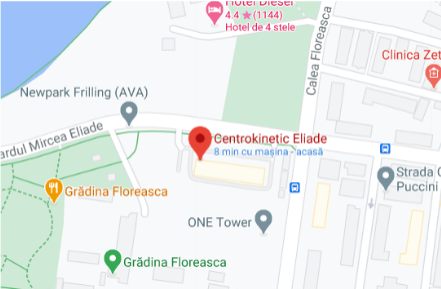
CENTROKINETIC FLOREASCA
Bucharest, 1st District,
Mircea Eliade Street, no. 18,
Eliade Tower, Entrance A, Floor 3
| Navigation | Explore 3D |
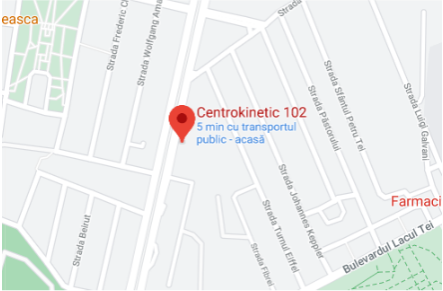
CENTROKINETIC Barbu Vacarescu
Bucharest, 2nd District,
Barbu Vacarescu Street, no. 102,
102 The Address, ground floor.
| Navigation | Explore 3D |
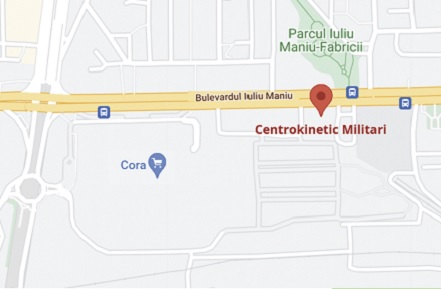
CENTROKINETIC MILITARI
Bucuresti, Sector 6,
Bld. Iuliu Maniu, nr. 15G,
Cladirea PBT, etaj 3.
| Navigation |
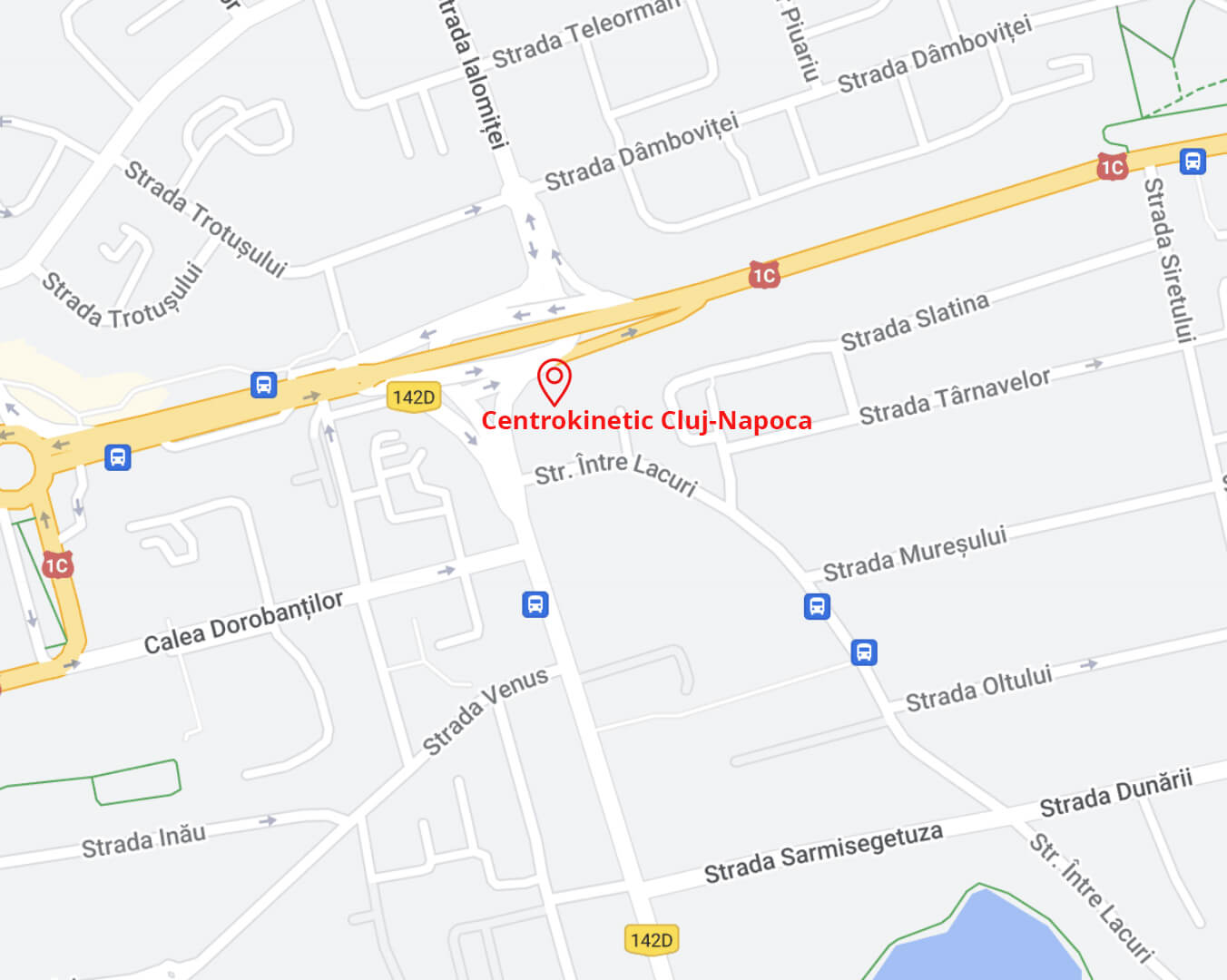
CENTROKINETIC CLUJ-NAPOCA
Cluj-Napoca,
Str. Intre Lacuri, nr.1
Intrarea este in spatele cladirii.
| Navigation |
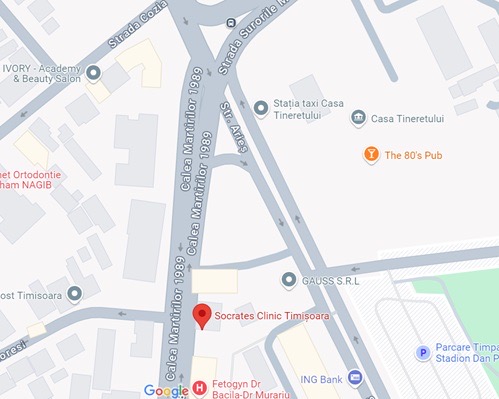
SOCRATES CLINIC TIMISOARA
Timisoara, Calea Martirilor 1989,
nr. 1.
Telefon: 0371 785 374.
| Navigation |
Phone: 0319693
E-mail: programari@centrokinetic.ro
Operating hours:
Monday – Friday: 07:00 – 21:00
Saturday: 09:00 – 14:00
Sunday: closed.
MAKE AN APPOINTMENT