Postoperative recovery: how long does it take?


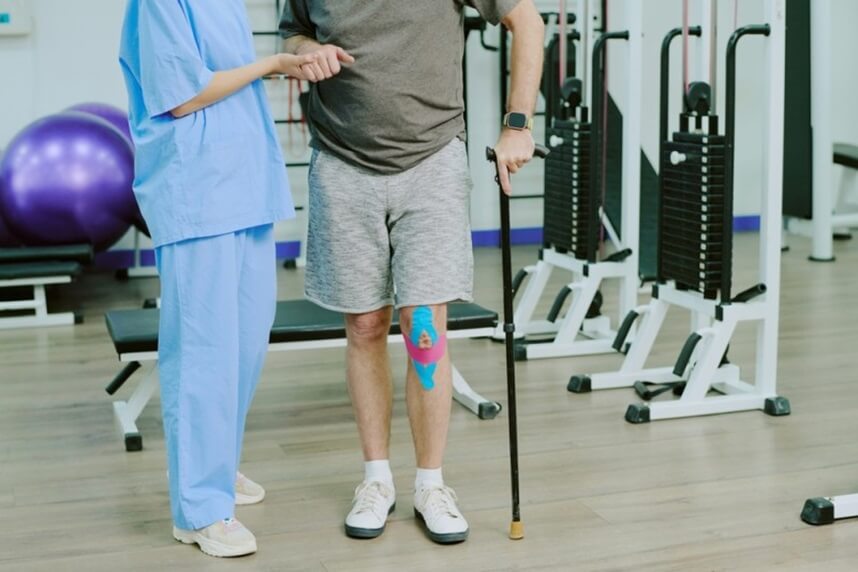
After any surgical procedure, many questions arise regarding when you can begin moving, which exercises are safe in your case, and how long recovery will take. The answers depend on the type of intervention and how postoperative rehabilitation is organized. In the following sections, the Centrokinetic team provides useful information about the optimal time to start recovery, the role of therapy, and the estimated duration of the process. Here is what you need to know!
What is postoperative rehabilitation and why is it necessary?
Postoperative rehabilitation refers to regaining movement capacity, strength, and control after surgery. Healing of the skin or internal tissues does not guarantee a return to daily activities without difficulty. Frequently, after surgery, problems such as stiffness, muscle weakness, or fear of movement may occur.
You need postoperative rehabilitation when the surgery affects your mobility or your ability to perform usual movements. For example, after shoulder surgery, a patient may only lift the arm to a certain level, even though the wound has healed. Without guided exercises, this limitation may persist for months.
In most cases, rehabilitation is recommended after:
- orthopedic procedures (knee, hip, shoulder, ankle);
- spinal surgeries;
- abdominal or thoracic interventions;
- surgical procedures involving prolonged immobilization.
The goal is not only to reduce pain but to regain function safely, with a reduced risk of complications [1].
When is the right time to start rehabilitation at Centrokinetic?
The timing of recovery depends on the type of intervention and the surgeon’s recommendations. In many situations, movement begins earlier than patients expect, sometimes even in the first days.
For example, after hip surgery, assisted walking may be indicated shortly afterward, under supervision. This approach helps prevent joint stiffness and circulatory problems. In other cases, such as certain spinal interventions, the initial period focuses more on postural control and gentle exercises. It is important not to make decisions on your own. The start of rehabilitation is always established together with the doctor and therapist, based on postoperative evolution [1][2].
Main steps of postoperative rehabilitation
The recovery process usually follows a clear sequence of stages. Each step has different objectives and requires patience and consistency.
1. Stabilization and control of initial symptoms
In the first days or weeks after surgery, attention focuses on reducing pain, inflammation, and swelling. The specialist will explain proper positions, permitted movements, and those that must be temporarily avoided. These details directly influence comfort and safety.
2. Resuming controlled movement
After stabilization of the operated area, work on mobility begins. Exercises are carefully dosed and adapted to your real capacity. The goal is to resume basic movements without significant pain.
3. Increasing strength and endurance
As movement becomes safer, the rehabilitation protocol may include exercises to strengthen muscles and improve control. This stage lasts longer and requires consistent involvement.
4. Returning to daily and professional activities
The final step focuses on adapting to the real demands of daily life. For a sedentary patient, the goal may be walking without pain and full independence. For someone active, objectives may include returning to sports or physical work. This stage requires increased attention. Premature overload can lead to strain, while delaying effort may maintain functional limitations [1][2][3].
How long does postoperative rehabilitation take: general guidelines
Recovery duration varies from one person to another. Factors such as the type of intervention, age, overall health status, and adherence to recommendations influence progress.
| Type of intervention | Estimated recovery duration |
|---|---|
| Knee ligament reconstruction | 4–6 months |
| Lumbar spine surgery | 3–6 months |
| Fracture with plate or rod fixation | 3–4 months |
| Abdominal surgery | 6–12 weeks |
These timeframes are indicative. In practice, patients who follow the daily program and the medical team’s instructions observe faster and more stable progress.
Common mistakes that can slow recovery
One of the most common errors is prolonged rest without recommendation. Lack of movement leads to stiffness and muscle weakness. Another mistake is resuming intense effort without the specialist’s approval. Avoid exercises that are not adapted to your needs. Self-medication and ignoring pain can worsen the situation.
Contact a specialist if symptoms such as the following appear:
- progressively worsening pain;
- significant swelling or local redness;
- fever;
- sudden loss of mobility.
How does physiokinesiotherapy help in postoperative recovery?
Effective recovery combines active exercises with physical procedures adapted to the postoperative stage. Kinesiotherapy aims to restore movement and strength through personalized programs, constantly adjusted.
Physiotherapy supports pain and inflammation reduction using clinically validated methods. In cases of significant swelling, lymphatic drainage may support the recovery process [4][5].
What does collaboration with the medical team involve?
An effective recovery plan is built through collaboration. The doctor establishes medical limits, and the therapist adapts exercises according to the body’s response. Regular monitoring allows adjustment of the program and prevents overload.
It is helpful to note any questions and difficulties that arise between sessions. Open communication helps clarify next steps and maintain motivation in the medium and long term.
Frequently asked questions about postoperative rehabilitation
How long does recovery take after surgery?
The duration varies depending on the intervention and patient involvement. In general, recovery may last from a few weeks to several months.
Is it normal to feel pain during recovery?
Mild discomfort may occur during exercises. Intense or persistent pain requires medical evaluation.
Does recovery differ depending on age?
Age influences the healing pace, but an adapted program supports progress at any age.
Can I start rehabilitation at Centrokinetic if the surgery was performed a long time ago?
Yes. Even months or years after surgery, guided exercises can improve mobility and reduce pain.
Postoperative rehabilitation is an essential stage in returning to an active and functional life. Even if the surgical intervention was successful, the long-term outcome depends on how the recovery process is organized and followed. A tailored program, started at the right time and constantly adjusted, reduces the risk of complications and helps regain mobility and confidence in movement.
At Centrokinetic, postoperative rehabilitation is approached in an integrated manner through medical evaluation, kinesiotherapy, physiotherapy, and other procedures adapted to each patient. Our multidisciplinary team monitors progress step by step and adjusts the program according to evolution, ensuring a safe return to daily activities. Schedule an evaluation at Centrokinetic and find out which recovery plan suits you best, regardless of the type of intervention or when you begin rehabilitation.
Disclaimer: This article is for informational purposes only and does not replace specialist medical consultation. The information presented does not constitute personalized diagnostic or treatment recommendations. To establish a correct postoperative rehabilitation plan, evaluation by a specialist physician or an authorized medical rehabilitation professional is necessary.
Sources:
[1] “Regaining Mobility: Recommendations for Movement and Exercise After Surgery” Dr. Brian Harkins, 2024, www.drbrianharkins.com/articles/regaining-mobility-recommendations-for-movement-and-exercise-after-surgery/.
[2] “Regaining Range of Motion after Surgery - Expert Physio Plus.” Expert Physio Plus, 10 Oct. 2025, expertphysioplus.com/regaining-range-of-motion-after-surgery/.
[3] Tazreean, Reeana, et al. “Early Mobilization in Enhanced Recovery after Surgery Pathways: Current Evidence and Recent Advancements.” Journal of Comparative Effectiveness Research, vol. 11, no. 2, Feb. 2022, pp. 121–129, pubmed.ncbi.nlm.nih.gov/35045757/, https://doi.org/10.2217/cer-2021-0258.
[4] “Physical Therapy (Physiotherapy)” Cleveland Clinic, 11 Mar. 2024, my.clevelandclinic.org/health/treatments/physical-therapy.
[5] “Rehabilitation and Prosthetic Services” Va.gov, 2020, www.rehab.va.gov/KT/.
BUCHAREST TEAM











































CLUJ NAPOCA TEAM























BRASOV TEAM










MAKE AN APPOINTMENT
FOR AN EXAMINATION
See here how you can make an appointment and the location of our clinics.
MAKE AN APPOINTMENT
Asiguratori privati




Parteneriate


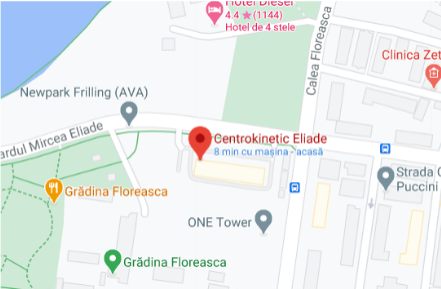
CENTROKINETIC FLOREASCA
Bucharest, 1st District,
Mircea Eliade Street, no. 18,
Eliade Tower, Entrance A, Floor 3
| Navigation | Explore 3D |
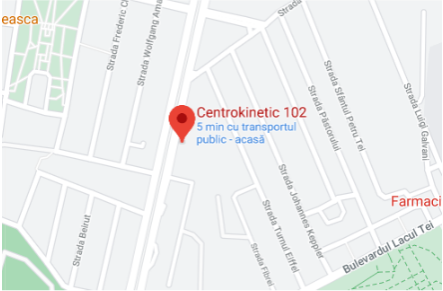
CENTROKINETIC Barbu Vacarescu
Bucharest, 2nd District,
Barbu Vacarescu Street, no. 102,
102 The Address, ground floor.
| Navigation | Explore 3D |
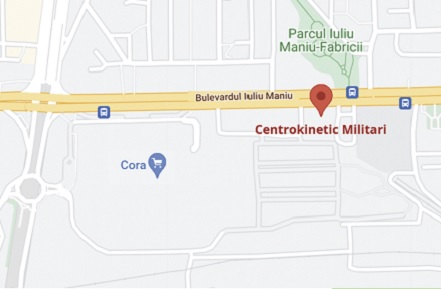
CENTROKINETIC MILITARI
Bucuresti, Sector 6,
Bld. Iuliu Maniu, nr. 15G,
Cladirea PBT, etaj 3.
| Navigation |
CENTROKINETIC CLUJ-NAPOCA
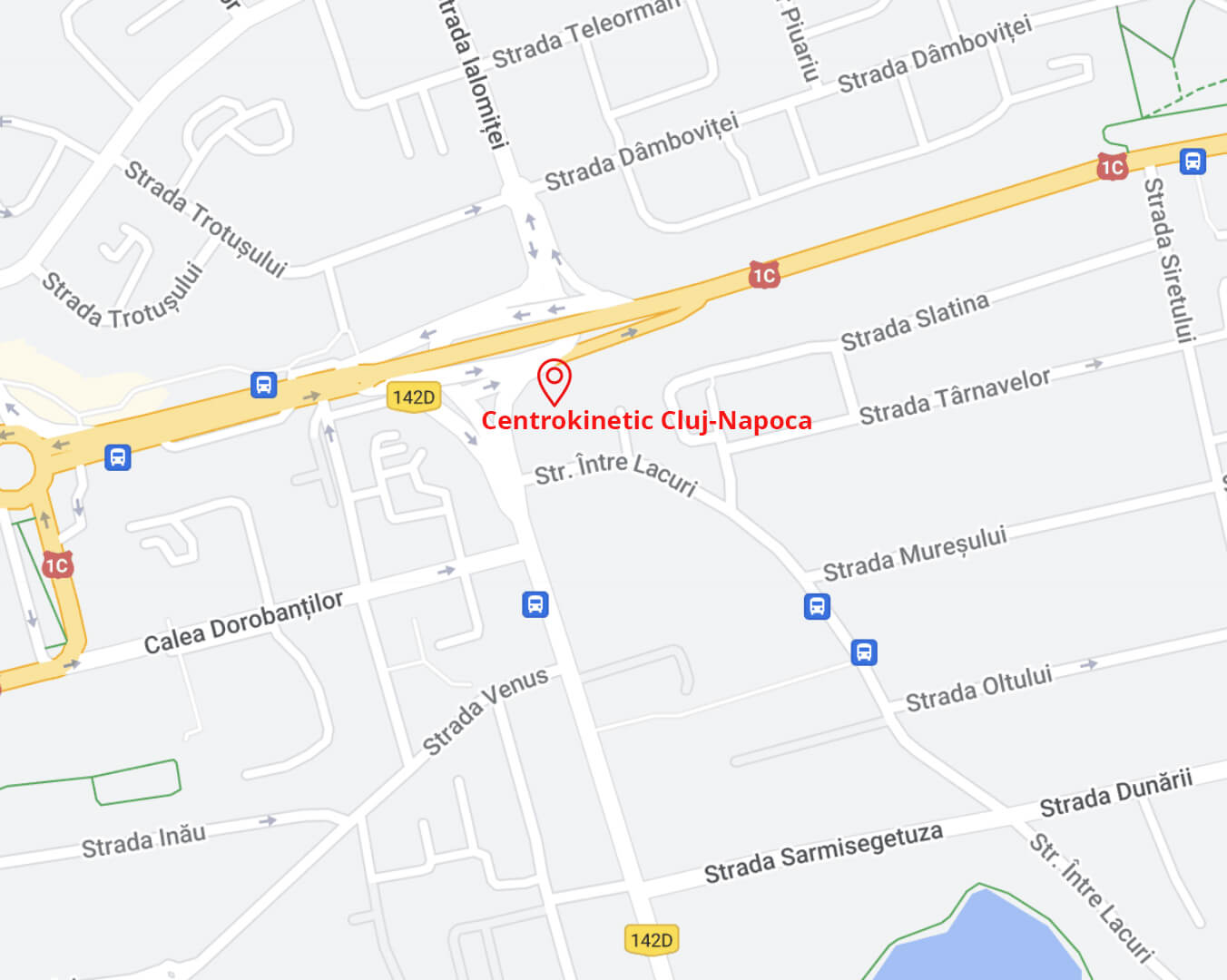
Cluj-Napoca,
Str. Intre Lacuri, nr.1
Intrarea este in spatele cladirii.
| Navigation |
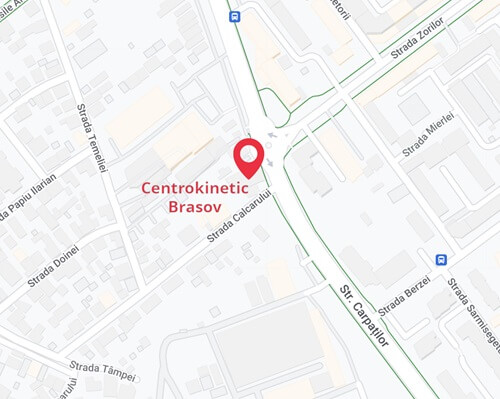
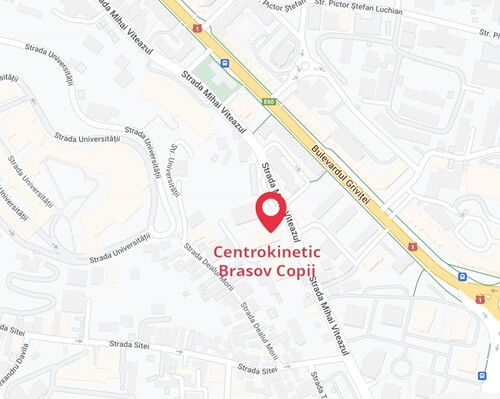
SOCRATES CLINIC TIMISOARA
Timisoara, Calea Martirilor 1989,
nr. 1.
Telefon: 0371 785 374.
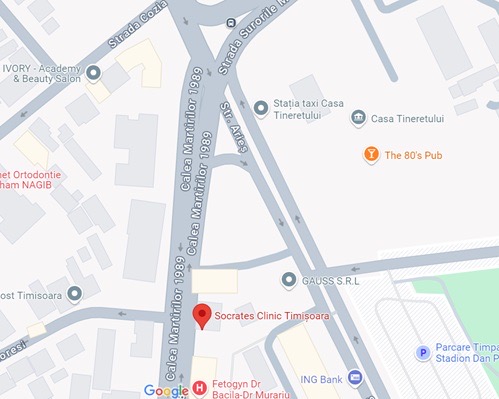
| Navigation |
CONTACT
Phone: 0319693
E-mail: programari@centrokinetic.ro
Operating hours:
Monday – Friday: 07:00 – 21:00
Saturday: 09:00 – 14:00
Sunday: closed.
MAKE AN APPOINTMENT