Psoriatic arthritis



- General information about psoriatic arthritis
- Causes of psoriatic arthritis
- Types of psoriatic arthritis
- Symptoms of arthritis
- Investigations and diagnosis
- Treatment methods
This article was written by dr. Georgiana Tache, senior recovery physician with over 30 years of experience, vice president of the Romanian Society of Medical Rehabilitation.
General information about psoriatic arthritis
Psoriatic arthritis is a form of arthritis that affects some people who suffer from psoriasis - a condition that presents red patches of skin, with a silvery or whitish tinge. Up to 30% of people with psoriasis will develop psoriatic arthritis, an autoimmune disease that can lead to pain, swelling, and stiffness in the joints.Most people first develop psoriasis, and are later diagnosed with psoriatic arthritis, but joint problems can sometimes begin before the skin lesions appear.
Joint pain, stiffness, and swelling are the main symptoms of psoriatic arthritis. These can affect any part of the body, including the fingers and spine, and can range from relatively mild to severe. In both psoriasis and psoriatic arthritis, skin rashes can alternate with periods of remission.
There is no cure for psoriatic arthritis, so the focus is on controlling symptoms and preventing joint damage. Without treatment, psoriatic arthritis can immobilize patients. However, with early diagnosis and appropriate treatment, it is possible to slow the progression of the condition and minimize or prevent permanent joint damage.
Statistics
Psoriasis usually appears before the onset of psoriatic arthritis in 60-80% of patients (it can occasionally develop 20 years after the onset of psoriasis, but usually manifests in less than 10 years). In 15-20% of patients, arthritis appears before psoriasis. Occasionally, arthritis and psoriasis appear simultaneously.According to statistics, over 2% of the population suffers from psoriasis, of whom 15% develop psoriatic arthritis.
Psoriasis often appears between the ages of 15 and 25, but can develop at any age. Psoriatic arthritis usually develops between the ages of 30 and 50, but can develop at any age.
Almost one in three people with psoriasis reports a relative with psoriasis. If one parent has psoriasis, a child has about a 10% chance of having psoriasis. If both parents have psoriasis, a child has about a 50% chance of developing the disease.
Nail lesions occur in about 87% of people diagnosed with psoriatic arthritis.
Psoriatic arthritis is a progressive disease, and 55% of those living with the disease will develop five or more deformed joints, within 10 years or more.
Inflammation that causes deformity and swelling of the fingers (dactylitis) occurs in up to 50% of patients with psoriatic arthritis, and is a sign of disease progression.
Psoriatic arthritis affecting the neck and back (cervical spondylitis) occurs in 35%-75% of people with this disease.
Psoriatic arthritis is severe in at least 20% of people living with the disease. Cases with severe disease are defined by the number of joints affected, usually four or more.
Causes of psoriatic arthritis
Psoriatic arthritis occurs when the body's immune system starts attacking healthy cells and tissues.The abnormal immune response causes joint inflammation, as well as overproduction of skin cells. It is not clear why the immune system attacks healthy tissues, but it appears that both genetic and environmental factors play a role.
Many people with psoriatic arthritis have a family history of psoriasis or psoriatic arthritis. Researchers have discovered certain genetic markers that appear to be associated with psoriatic arthritis.
Physical trauma or an environmental factor - such as a viral or bacterial infection - can trigger psoriatic arthritis in people with an inherited tendency.
Risk factors
Several factors can increase the risk of psoriatic arthritis, including: Psoriasis - Having psoriasis is the greatest risk factor for developing psoriatic arthritis. People who have psoriasis lesions on their nails are particularly likely to develop psoriatic arthritis. Family history - Many people with psoriatic arthritis have a parent or sibling with this disease. Age - Although anyone can develop psoriatic arthritis, it occurs most often in adults between the ages of 30 and 50. Environmental factors - Many correlations have been observed between environmental conditions and psoriatic arthritis, but the exact mechanisms are not known. Below are some of the reported correlations. Note that, although these factors have been observed in research studies of people with psoriatic arthritis, they may not be causal: streptococcal infections HIV drug use emotional stress joint trauma, especially in children steroid use pregnancy skin trauma (Koebner phenomenon) Association with other diseases - Psoriasis is linked to other conditions that are present simultaneously in the same person, such as cardiovascular disease. The exact mechanism of the connections is not fully understood, but is being widely researched. There are more studies of psoriasis cofactors than there are for psoriatic arthritis. A 2012 study of women with psoriasis and other conditions found a high prevalence of these cofactors: obesity diabetes hypertension abnormal lipidsObesity - People with psoriatic arthritis have an increased prevalence of obesity compared to the general population. Ongoing studies are investigating the metabolic mechanisms involved. A 2012 review showed that overweight young people have a three times higher risk of developing psoriatic arthritis.
For each increase in body mass index (BMI), the risk of psoriatic arthritis increased by 5.3%. The same review reported studies indicating that obesity had a negative effect on treatment for psoriatic arthritis.
Genetic variations - Genetic variation in psoriasis and psoriatic arthritis is a subject of ongoing research. It has been found that psoriasis and psoriatic arthritis have different genes. This may explain why only some people with psoriasis develop psoriatic arthritis.
Immunology - The role of immunology in psoriatic arthritis and psoriasis is becoming better understood. Psoriatic arthritis is believed to result when your body's immune system is triggered to mistakenly attack healthy joints. The mechanism for this is not fully known.
Types of psoriatic arthritis
Psoriatic arthritis is generally divided into five types, depending on which joints are affected and how many. But the system is not perfect. For example, the five types do not take into account symptoms such as dactylitis and enthesitis (inflammation of areas near tendons and ligaments). You may also have one type of psoriatic arthritis initially, but may develop a different type later. It is important to know what type of psoriatic arthritis you have, and to understand its characteristics so that it is treated appropriately.Asymmetric arthritis
Asymmetric oligoarticular psoriatic polyarthritis (sometimes referred to as asymmetric psoriatic arthritis) affects about a third of people with psoriatic arthritis. Asymmetric arthritis usually involves one to three joints in the body - large or small - such as the knee, hip, or one or more fingers. Asymmetric psoriatic arthritis does not affect matching pairs of joints on opposite sides of the body. Although this type can affect any part of the body, the impact usually does not involve more than four or five joints.Symmetric arthritis
Symmetric arthritis affects the same joints - usually in several pairs - on opposite sides of the body. Symmetric psoriatic arthritis can lead to disability, causing varying degrees of progressive, destructive disease, and loss of function in 50% of people with this type of arthritis.Symmetric psoriatic arthritis resembles rheumatoid arthritis. It usually affects five or more joints, which can be in any area of the body.
Distal interphalangeal arthritis
Distal interphalangeal psoriatic arthritis primarily involves the small joints of the fingers and toes closest to the nails. Distal interphalangeal arthritis is sometimes confused with osteoarthritis, a chronic disease that causes deterioration of cartilage and joint bone, as well as bone spurs at the joints. About 20% of cases of psoriatic arthritis involve the body's distal interphalangeal joints. Because these joints are closest to the nails, symptoms can include nail changes, such as the appearance of pitting, crumbling, or separation from the nail bed.
Arthritis with spondylitis
Spondylitis affects the spine and can cause inflammation and stiffness in the neck, lower back, spinal vertebrae, or sacroiliac region (pelvic area), making it difficult to move. Spondylitis can also attack connective tissue, such as ligaments, or cause arthritic diseases in the joints of the arms, hips, or legs.
Arthritis mutilans
Arthritis mutilans is a severe, deforming, and destructive form of psoriatic arthritis, which primarily affects the small joints of the fingers and toes closest to the nails. This leads to loss of function of the joints involved. It is also frequently associated with lower back and neck pain. Fortunately, this type of psoriatic arthritis is rare.Symptoms of arthritis
The pain, swelling, and stiffness associated with psoriatic arthritis can affect any joint in the body, but often affect the hands, feet, knees, neck, spine, and elbows. The severity of the condition can vary considerably from person to person. Some people may have severe problems affecting many joints, while others may notice only mild symptoms in one or two joints.There may be times when symptoms improve (known as remission) and periods when they worsen (known as flares or relapses). Relapses can be very difficult to predict, but can often be relieved with medication when they occur.
Psoriatic arthritis can affect joints on one side or on both sides of the body. The signs and symptoms of psoriatic arthritis often resemble those of rheumatoid arthritis. Both diseases cause pain and swelling in the joints.
However, psoriatic arthritis is more likely to cause: Swelling of the fingers and toes. You may also develop swelling and deformities in the hands and feet before having significant joint symptoms. Foot pain. Psoriatic arthritis can also cause pain at the points where tendons and ligaments attach to bones - especially behind the heel (Achilles tendinitis) or in the sole of the foot (plantar fasciitis). Lower back pain. Some people develop a condition called spondylitis as a result of psoriatic arthritis. Spondylitis mainly causes inflammation of the joints between the vertebrae of the spine, and in the joints between the spine and the pelvis (sacroiliitis).
Some general symptoms include: fatigue stiffness, swelling, or tenderness in the joints inflammation or tenderness of the tendon (enthesitis) swelling of the fingers (dactylitis) foot pain in the heel or sole pitted or separated nails (nail dystrophy) redness and inflammation of the eyes (uveitis) reduced range of motion painful inflammation of the neck inflammation of the vertebrae (spondylitis) inflammation of the sacroiliac joints
Investigations and diagnosis
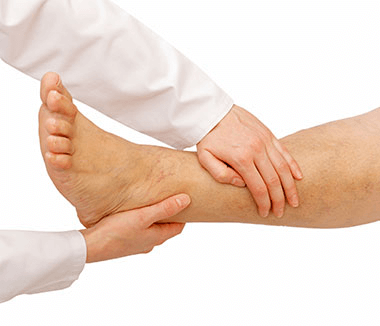
Contact the specialists at our clinic if you have persistent pain, swelling, or stiffness in the joints - even if you have not been diagnosed with psoriasis. If you have been diagnosed with psoriasis, you should have checkups at least once a year to monitor your condition. Make sure you inform the doctor if you have problems with your joints.During the clinical examination, your doctor may: Carefully check the joints for signs of swelling or tenderness. Check the nails for pitting, separation, and other abnormalities. Press on the soles of the feet and around the heels to find tender areas.
No single test can confirm a diagnosis of psoriatic arthritis. But some types of tests can rule out other causes of joint pain, such as rheumatoid arthritis or gout.
Imaging tests X-rays. X-rays can help identify changes in the joints that occur in psoriatic arthritis, but not in other arthritic conditions. Magnetic resonance imaging (MRI). MRI uses radio waves and a strong magnetic field to produce very detailed images of the hard and soft tissues in your body. This type of imaging test can be used to check whether there are problems with the tendons and ligaments in the feet and lower back.
Laboratory tests Rheumatoid factor. Rheumatoid factor is an antibody that is often present in the blood of people with rheumatoid polyarthritis, but is not usually present in the blood of people with psoriatic arthritis. For this reason, this test can help the doctor distinguish between the two conditions. Joint fluid test. Using a needle, the doctor can draw a small sample of fluid from one of the affected joints - often the knee. Uric acid crystals in the joint fluid may indicate that you have gout rather than psoriatic arthritis.
Treatment methods for psoriatic arthritis
The main goals of treatment will be to relieve symptoms, slow the progression of the condition, and improve quality of life. For most people, this involves trying a number of different medications, some of which can also treat psoriasis. Ideally, you should take a medication to treat both psoriasis and psoriatic arthritis whenever possible.Medications can often help with psoriatic arthritis, but when they do not produce results, surgery may be an option.
Treatment will depend on how severe your condition is. You may need to try several types of treatment before you and your doctor find out what works.
Medication Treatment
Nonsteroidal anti-inflammatory drugs. If arthritis is mild, the doctor may recommend a nonsteroidal anti-inflammatory drug. This prevents the body from creating chemicals that cause inflammation. You can get anti-inflammatory medications with or without a prescription. The most common are aspirin, ibuprofen, and naproxen.What is good for your joints may be harmful to other parts of your body. Adverse reactions of nonsteroidal anti-inflammatory drugs can include heart attacks, strokes, stomach pain, ulcers, or bleeding - especially if you take high doses over a long period of time. To help you, your doctor may prescribe a medication that can protect the stomach lining, or something that reduces acid and prevents ulcers.
Corticosteroids. Like nonsteroidal anti-inflammatory drugs, corticosteroids can help reduce pain and swelling. If you have a single inflamed or swollen joint, your doctor can inject the medication directly into the joint. This can provide quick relief, with minimal side effects, and the effect can last from a few weeks to a few months. Corticosteroids can also be taken in tablet form or injected into the muscle, to help multiple joints. However, doctors are generally cautious about this, since the medication can cause significant adverse reactions if used long-term, and psoriasis can worsen when you stop treatment.
Disease-modifying antirheumatic drugs. These medications can slow the progression of psoriatic arthritis, and can save the joints and other tissues from permanent damage. Side effects vary but can include liver damage, bone marrow suppression, and severe lung infections.
Immunosuppressants. These medications act to tame the immune system, which is out of control in psoriatic arthritis. These medications can increase your susceptibility to infections.
TNF-alpha inhibitors. Tumor necrosis factor-alpha (TNF-alpha) is an inflammatory substance produced by your body. TNF-alpha inhibitors can help reduce joint pain, stiffness, and swelling. Potential adverse reactions include nausea, diarrhea, hair loss, and an increased risk of serious infections.
New medications. Some recently developed medications for psoriasis can also reduce the signs and symptoms of psoriatic arthritis. What is very important to mention is the importance of a specialist consultation before starting any type of treatment. Self-medication can be associated with serious risks, such as misdiagnosing a disease, administering too high a dose of medication, a much too long duration of administration, or various interactions between medications.
Surgical Treatment
Joint replacement surgery. Joints that have been severely affected by psoriatic arthritis can be replaced with artificial prostheses made of metal and plastic. For arthritis mutilans, surgery is usually aimed at saving the hand; combinations of arthrodesis, arthroplasty, and bone grafts may be used to lengthen the fingers.Recovery after surgery
The patient who has undergone joint replacement surgery will feel the most pain in the first 2-4 days, and painkillers will be recommended to relieve it. The patient will be completely immobilized for 2 to 4 days, with the operated limb in an elevated position. Treatment with antibiotics, anti-inflammatory drugs, painkillers, and anticoagulants is indicated.
One week after the operation, a checkup and a dressing change are necessary. You can exercise a little more than before. Two weeks after the operation, the sutures will be removed if the state of the operation is favorable. After 8 weeks from the operation, the state of the operation continues to improve. At 6 months after the intervention, a thorough check of the operation's progress is necessary.
At 12 months after the operation, healing should be complete. If a complication occurs during the healing process, recovery may be delayed.
Alternative treatments for arthritis
Massage therapy can help relieve joint pain and ease the discomfort associated with arthritis.There are a number of alternative therapies available to complement the treatment for psoriatic arthritis. These therapies should not replace traditional treatments, but can offer additional benefits and can improve quality of life.
Alternative therapies include the following:
Massage therapy. A massage therapist trained in treating psoriatic arthritis can help relieve joint discomfort and release tight muscles and joints.
Diet. Changing the way you perform daily tasks can make a huge difference in how you feel. Maintaining a healthy weight puts less pressure on the joints, leading to reduced pain and increased energy and mobility. The optimal way to increase your nutrient intake while limiting calories is to eat more plant-based foods - fruits, vegetables, and whole grains. A healthy diet will not cure psoriatic arthritis, but eating well promotes health and well-being. People with psoriatic arthritis should strive to maintain a healthy weight and pay attention to their diet.
What can help: eat plenty of fruits and vegetables get protein from lean meat, beans, and legumes choose low-fat dairy products avoid refined sugar and bad carbohydrates, such as processed white bread and pasta choose whole grains whenever possible drink plenty of water
IF YOU DON'T ALREADY KNOW ABOUT US
Centrokinetic is the most high-performing medical clinic dedicated to osteoarticular conditions, organized into several dedicated departments:
- Orthopedics: made up of a highly experienced team of orthopedic doctors, led by Dr. Andrei Ioan Bogdan, senior physician in orthopedics-traumatology with surgical activity at Floreasca Emergency Clinical Hospital and at Medlife Orthopedic Hospital, specialized in sports traumatology and in ankle and foot surgery.
- Pediatric orthopedics, where we treat children's sports conditions (ligament and meniscus injuries), spinal deformities (scoliosis, kyphosis, hyperlordosis), and foot deformities (hallux valgus, hallux rigidus, clubfoot, flat valgus foot, cavus foot).
- Neurology, performing consultations and EMG within the department. The medical team is completed with dr. Mardare, super-specialized at Oxford University in spinal surgery.
- Medical recovery, for children and adults, the department being led by one of the most experienced doctors in the field, senior lecturer dr. Tache Georgiana. The department specializes in the recovery of performance athletes, in spinal conditions, in the recovery of children with neurological and traumatic conditions.
- Medical imaging, the clinic being equipped with ultrasound and MRI, dedicated to musculoskeletal conditions. We are proud of our medical team of radiologists, made up of dr. Ghiea Sorin, dr. Pantu Cosmin, dr. Florescu Nicoleta, specialized in musculoskeletal imaging.
Find out the latest about us by following Centrokinetic clinic's Facebook and YouTube accounts.

MAKE AN APPOINTMENT
CONTACT US
MAKE AN APPOINTMENT
FOR AN EXAMINATION
See here how you can make an appointment and the location of our clinics.
MAKE AN APPOINTMENT


BUCHAREST TEAM


































































CLUJ NAPOCA TEAM


































BRASOV TEAM



























Asiguratori privati





Parteneriate



CENTROKINETIC FLOREASCA
Bucharest, 1st District,
Mircea Eliade Street, no. 18,
Eliade Tower, Entrance A, Floor 3

| Navigation | Explore 3D |
CENTROKINETIC Barbu Vacarescu
Bucharest, 2nd District,
Barbu Vacarescu Street, no. 102,
102 The Address, ground floor.

| Navigation | Explore 3D |
CENTROKINETIC MILITARI
Bucuresti, Sector 6,
Bld. Iuliu Maniu, nr. 15G,
Cladirea PBT, etaj 3.

| Navigation |



CENTROKINETIC CLUJ-NAPOCA
Cluj-Napoca,
Str. Intre Lacuri, nr.1
Intrarea este in spatele cladirii.

| Navigation |

SOCRATES CLINIC TIMISOARA
Timisoara, Calea Martirilor 1989,
nr. 1.
Telefon: 0371 785 374.

| Navigation |
CONTACT
Phone: 0319693
E-mail: programari@centrokinetic.ro
Operating hours:
Monday – Friday: 07:00 – 21:00
Saturday: 09:00 – 14:00
Sunday: closed.
MAKE AN APPOINTMENT