Pubalgia


- What is pubalgia?
- Symptoms of pubalgia
- Causes of pubalgia
- Diagnosis of pubalgia
- Treatment for pubalgia
- How can pubalgia be prevented?
What is pubalgia?
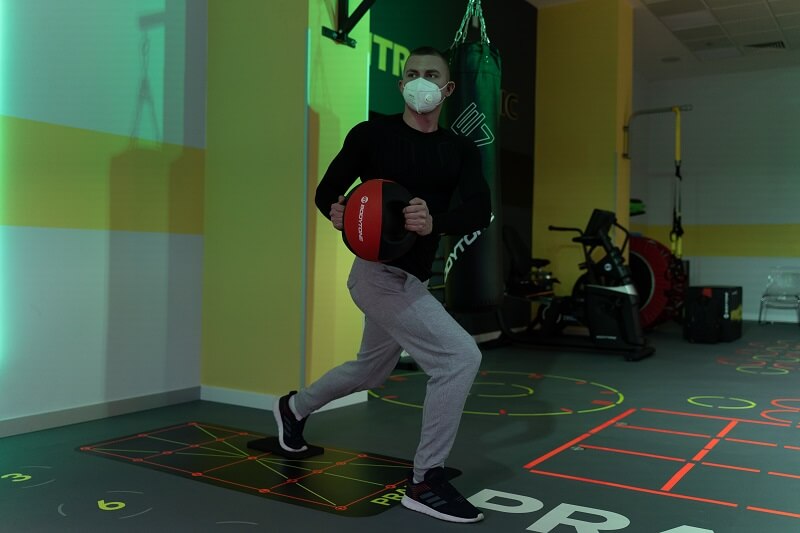
Pubalgia, also called sports hernia, is an injury in the groin area that causes pain of inflammatory origin at the pubic symphysis. Most often, pubalgia results from sports or activities that involve sudden changes of direction or twisting movements.
Athletic pubalgia is a common injury among athletes. This condition starts with pain in the groin region and often affects different muscles in the groin area. It most often affects the soft tissues that attach either the oblique muscles or the thigh muscles to the pubic bone. If these tissues are strained due to intense contractions or sudden twisting when a person plays sports, this force can lead to damage of these tissues, which can lead to pubalgia.
Symptoms of pubalgia
The rectus abdominis muscles and the oblique abdominal muscles are the most affected by pubalgia. Symptoms of pubalgia include pain and tenderness to the touch in the affected areas. The onset of pain is usually insidious, without a specific cause, increasing over time and appearing on one side of the body, in the lower abdomen, groin, and in the upper region of the adductor muscles.
Pubalgia pain can also radiate into the inner thigh, testicles, and rectum, and generally improves with rest and worsens during activity, especially if twisting or kicking movements are performed. Coughing and sneezing can also worsen symptoms due to increased abdominal pressure.
Unlike an abdominal hernia, in which the muscles in the middle portion of the abdomen tear and produce a visible bulge of tissue, pubalgia usually does not produce any tissue protrusion in the strained area. Over time, however, pubalgia can lead to an inguinal hernia.
Symptoms of pubalgia can vary and tend to worsen after a few days, often radiating toward the muscles:
- The pain first begins after training or at the end of an intense workout.
- Then the pain also appears during training.
- The pain often becomes constant, even at rest, and interferes with simple movements.
- Pain associated with movements involving the abdominal muscles.
- Tenderness or bruising in the upper thigh and/or lower abdomen.
- Pain in the groin area that gradually increases from intermittent to constant and/or pain that develops to the point where playing sports becomes impossible.
Causes of pubalgia
Pubalgia usually occurs in athletes, however there are cases in which pubalgia was caused by pregnancy or childbirth.
Sports hernia is usually caused by high-impact twisting activities. This can include any actions in which there is a sudden change of direction, such as kickboxing, gymnastics, or planting the feet and twisting, such as in hockey or tennis.
Athletic pubalgia is usually not caused by a specific injury. It usually starts gradually and worsens over time. It is often seen in athletes, but it can also occur in people who do not engage in high-impact activities. It can be caused by misalignment and poor body mechanics over time.
Sports hernias usually affect younger men who participate in intense activities. Sports hernias also occur in women, but less frequently, and are relatively rare in children and elderly adults. Although these injuries are more widespread among those who actively engage in sports, even those with less intense activities can suffer from pubalgia.
There are many causes of pubalgia and, in general, they can be classified into two categories:
- Causes related to individual characteristics - shortening of the lower limbs, hip dysplasia, weakness of the abdominal wall, hyperlordosis
- External factors: these can include, among others, repeated microtrauma, muscle overload, and poor-quality sports facilities.

Athletic pubalgia and the pelvic floor
If athletic pubalgia occurs gradually, this could be caused by misalignments that are often associated with pelvic floor dysfunction. Tension in the pelvic floor is also associated with overloading of the abdominal muscles. If the abdominal muscles work excessively, this can strain the oblique and adductor muscles and make them susceptible to injury, due to twisting actions. Also, tension in the pelvic floor can be caused by pelvic asymmetry.
Diagnosis
Usually, the doctor begins by asking about the symptoms and how the suspected injury occurred. They will also perform a physical examination, during which they may palpate the groin area to check for any tenderness. The doctor will also ask the patient to perform certain movements to see if they cause any pain.
At least three out of five clinical signs should be present to confirm the diagnosis of pubalgia. These include:
- Tenderness at the pubic tubercle
- Tenderness upon touching the deep inguinal ring
- Pain at the external inguinal ring, with no sign of hernia
- Pain at the origin of the long adductor muscle tendon
- Diffuse pain in the groin area that can radiate toward the perineum and the inner thigh
The doctor may request imaging tests to confirm the diagnosis of pubalgia and to rule out other possible conditions. Imaging tests may include:
- X-rays
- MRI scans
- CT scans
- Bone scans
Treatment for pubalgia
In order to achieve an early recovery, it is important for the condition to be detected as early as possible. Conventional medicine can delay diagnosis and may recommend that treatment consist only of rest and painkillers, which could be harmful in the long term.
Treatment tends to be:
- Rest
- Anti-inflammatory drugs to reduce pain and swelling
- Electrotherapy techniques
- Abdominal massage therapy
- Specific warm-ups to avoid worsening the condition
- Some cases may require surgical intervention to reduce pressure on the abdominal pubis and adductors.
Painful pubalgia can limit a person's ability to function and to continue sports activities. Prompt treatment ensures that patients can return to their usual routine and reduces the risk of recurrent sports hernias or subsequent complications, such as the development of an inguinal hernia.
Other treatment options may include:
- Cortisone injection: if the pain persists and does not improve with rest, the doctor may suggest this treatment option.
- Physiotherapy: strength training and flexibility exercises strengthen weakened muscles and can help prevent another sports hernia.
Doctors will usually recommend a combination of these therapies. Most people can expect to return to their normal levels of physical activity within 4-6 weeks. However, some people who see no improvement with these treatments may benefit from surgical intervention to repair the torn tissues. It can take up to 3 months for patients to return to normal activities after surgery for pubalgia.
Rest is crucial to allow the injured area in the groin to heal properly, followed by gradual strengthening and conditioning exercises to return to physical activity.
How can pubalgia be prevented?
The best way to prevent injury is to warm up before exercising. This way, movements that can trigger injuries can be avoided. The following tips are highly recommended:
- Exercises that strengthen the hip stabilizer muscles.
- Stopping training as soon as any discomfort is noticed.
- Adequate rest.
- Isometric work on the adductor, abductor, and oblique muscles.
- Strengthening exercises for the abdominal, abductor, and adductor muscles.
- Improving flexibility.
Centrokinetic is the place where you will find clear answers and effective solutions for musculoskeletal conditions. Our clinic, dedicated to musculoskeletal disorders, is organized into the following specialized departments:
- Orthopedics, a department composed of a highly experienced team of orthopedic surgeons specializing in sports traumatology.
- Pediatric Orthopedics, where sports injuries in children (ligament and meniscus injuries), spinal deformities (scoliosis, kyphosis, hyperlordosis), and foot deformities (hallux valgus, hallux rigidus, equinovarus foot, flatfoot, cavus foot) are treated.
- Neurology, featuring a state-of-the-art department where consultations, electroencephalograms (EEG), and electromyography (EMG) examinations are performed.
- Medical Rehabilitation for adults and children, a department specialized in the rehabilitation of professional athletes, spinal disorders, and children with neurological and traumatic conditions. Our extensive experience includes treating more than 5,000 professional athletes.
- Medical Imaging, with the clinic equipped with ultrasound and MRI systems dedicated to musculoskeletal conditions, complemented by an experienced radiologist, Dr. Cosmin Pantu, specialized in musculoskeletal imaging.
- Rheumatology, a comprehensive department dedicated to the diagnosis, treatment, and rehabilitation of patients with non-surgical musculoskeletal disorders.
- Vascular Surgery, a highly specialized department focused on the diagnosis and treatment of vascular diseases affecting arteries, veins, and lymphatic vessels.
- Psychology and Speech Therapy. Neurological and musculoskeletal conditions can have a psychological impact on patients, which is why we believe complete recovery requires addressing both the physical condition and its psychological consequences.
- Neurofeedback. This innovative method helps improve concentration, reduce anxiety, and achieve emotional balance through a simple and interactive process.
Stay up to date by following Centrokinetic on Facebook, Instagram, and YouTube.
MAKE AN APPOINTMENT
FOR AN EXAMINATION
See here how you can make an appointment and the location of our clinics.
MAKE AN APPOINTMENT
BUCHAREST TEAM












































CLUJ NAPOCA TEAM





















BRASOV TEAM










Asiguratori privati





Parteneriate


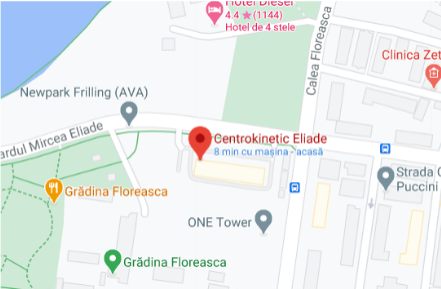
CENTROKINETIC FLOREASCA
Bucharest, 1st District,
Mircea Eliade Street, no. 18,
Eliade Tower, Entrance A, Floor 3
| Navigation | Explore 3D |
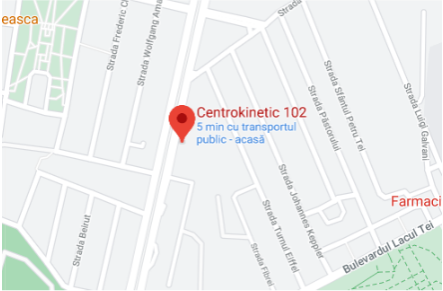
CENTROKINETIC Barbu Vacarescu
Bucharest, 2nd District,
Barbu Vacarescu Street, no. 102,
102 The Address, ground floor.
| Navigation | Explore 3D |
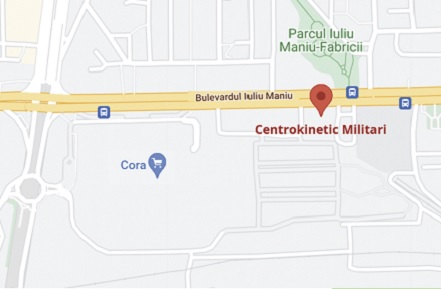
CENTROKINETIC MILITARI
Bucuresti, Sector 6,
Bld. Iuliu Maniu, nr. 15G,
Cladirea PBT, etaj 3.
| Navigation |
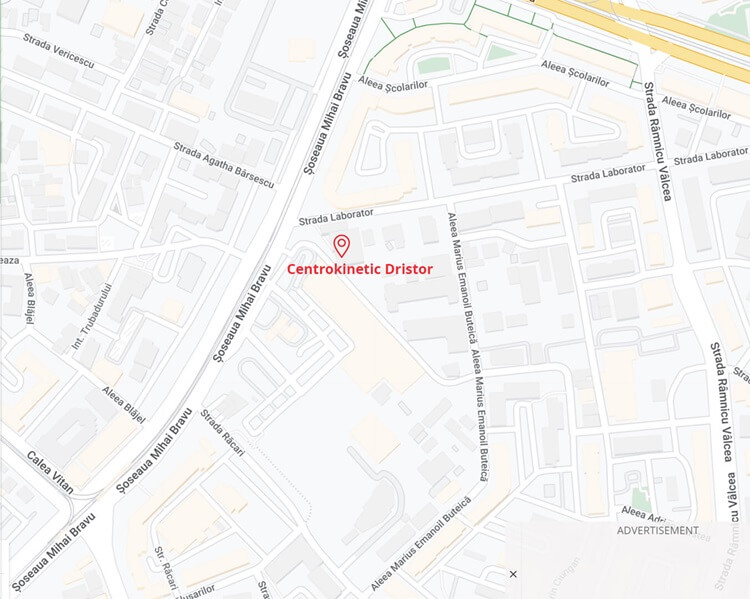
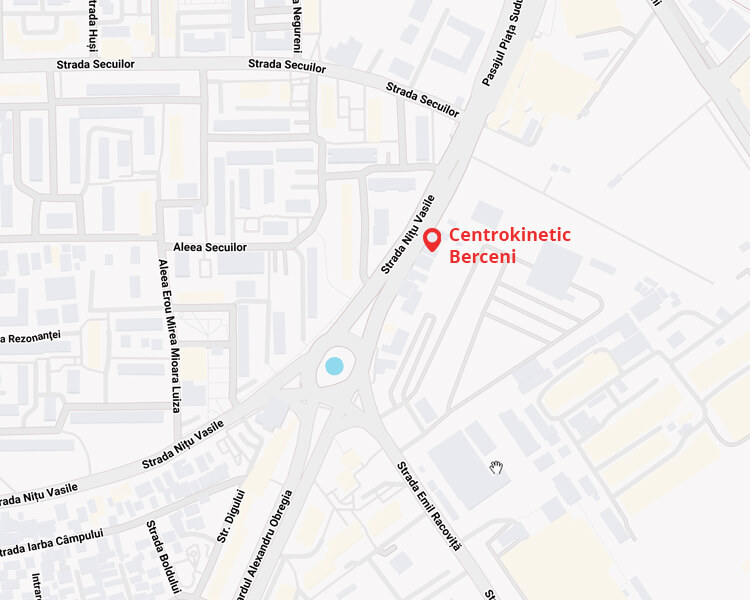
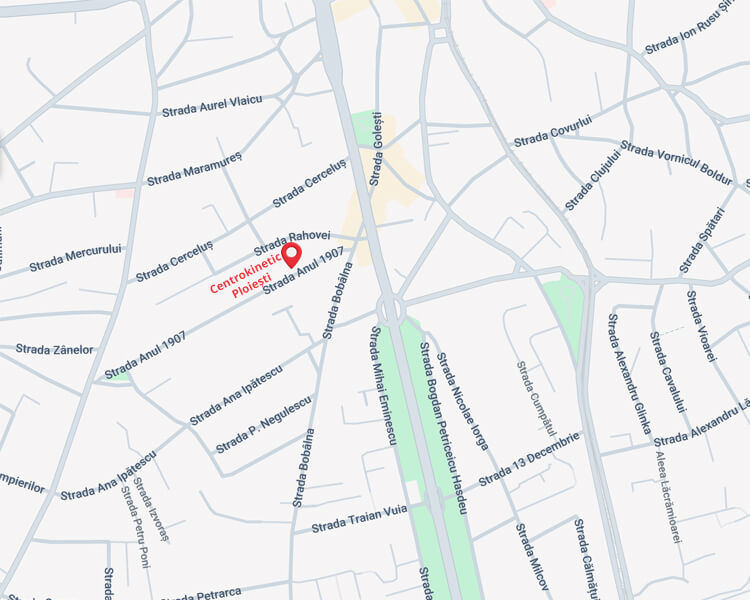
CENTROKINETIC CLUJ-NAPOCA
Cluj-Napoca,
Str. Intre Lacuri, nr.1
Intrarea este in spatele cladirii.
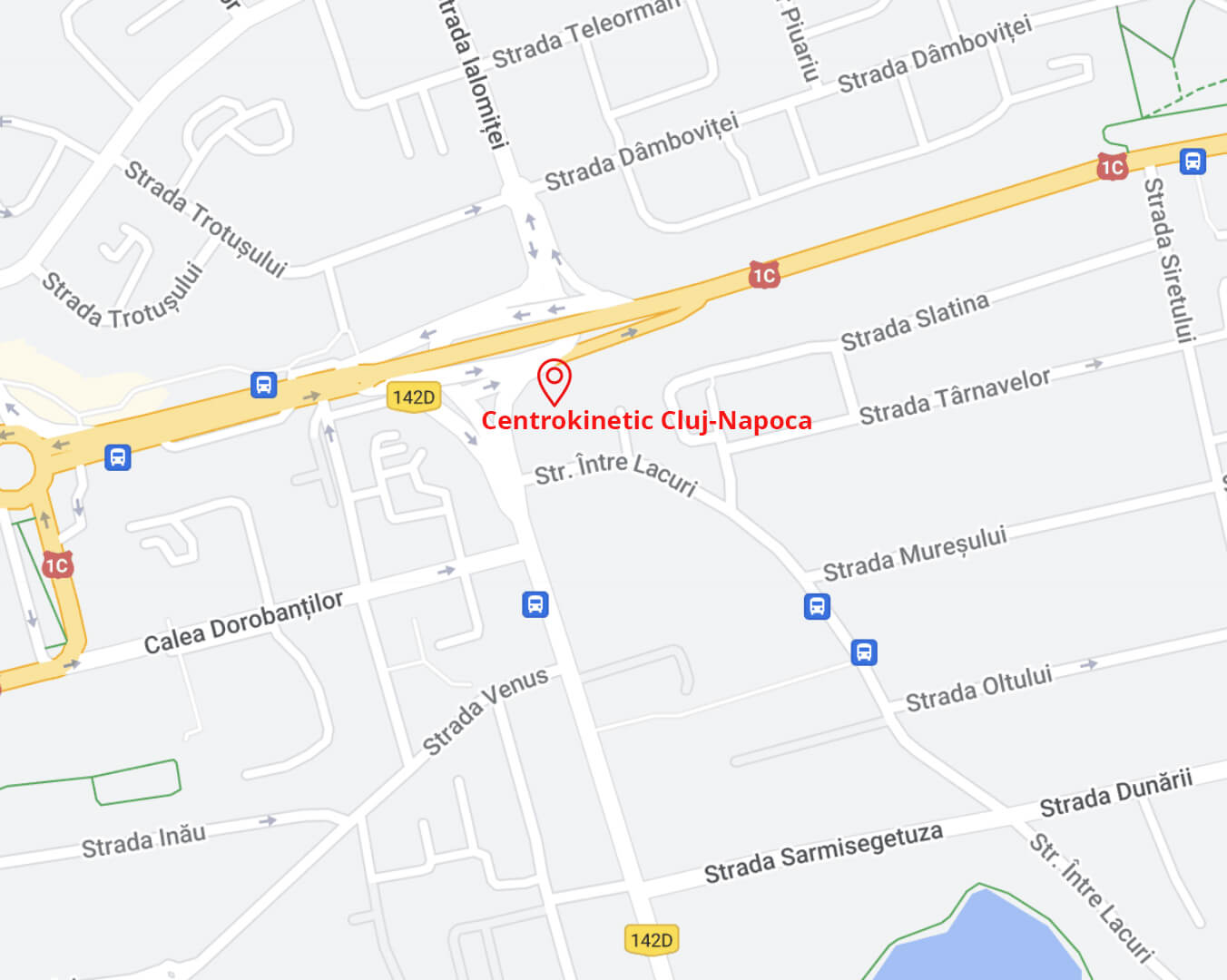
| Navigation |
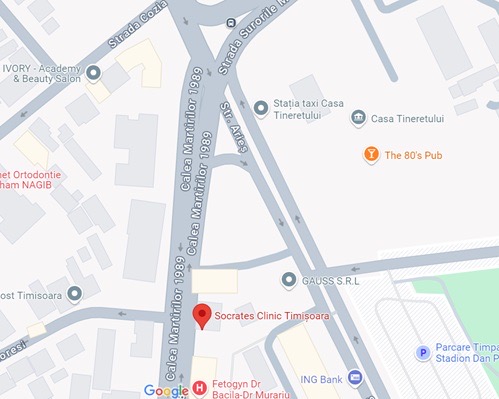
SOCRATES CLINIC TIMISOARA
Timisoara, Calea Martirilor 1989,
nr. 1.
Telefon: 0371 785 374.
| Navigation |
CONTACT
Phone: 0319693
E-mail: programari@centrokinetic.ro
Operating hours:
Monday – Friday: 07:00 – 21:00
Saturday: 09:00 – 14:00
Sunday: closed.
MAKE AN APPOINTMENT