Fracture Recovery: How Much Does Starting Therapy in the First Weeks Matter?


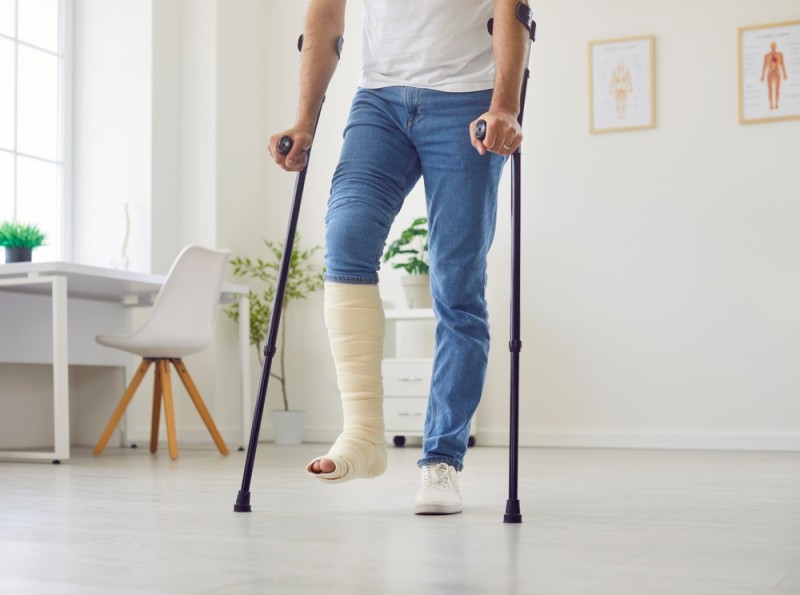
After a fracture, bone healing is only part of the process. During immobilization, muscles weaken, joints become stiffer, and coordination can decrease. That's why starting recovery at the right time helps you gradually regain your mobility, strength, and confidence in movement.
The first few weeks matter a great deal, but therapy must only begin with the doctor's approval. A plan adapted to the type of fracture, the affected area, and your activity level can reduce the risk of complications and shorten the period of inactivity.
What happens in the body after a fracture?
A fracture is a break in the continuity of the bone, caused by trauma or, more rarely, by a weakened bone. Bone healing goes through three stages:
- the inflammatory phase (the first days), with pain and swelling;
- formation of the bone callus (2–6 weeks), when the bone starts to stabilize;
- bone remodeling (several months), when the structure progressively consolidates.
At the same time, rapid changes occur in the surrounding tissues. After 7–10 days of immobilization, muscle strength can start to decrease. After a few weeks, joint mobility is visibly reduced. The main problem isn't just the bone. The function of the affected limb decreases if you don't intervene in time.
Why do the first weeks matter so much?
The first weeks set the direction of recovery. During this period you can prevent:
- muscle atrophy;
- joint stiffness;
- gait or coordination disturbances;
- persistent pain associated with prolonged immobilization.
Many patients wait for the cast to be removed before starting therapy. In most cases, you can start earlier, under safe conditions. The orthopedic doctor determines whether the fracture is stable and allows controlled mobilization.
For example, if you have a stable distal radius fracture (wrist), you can perform isometric contractions of the forearm muscles even during the immobilization period. If you have an operated ankle fracture, you can mobilize your toes and knee to maintain circulation and muscle tone. Early intervention doesn't stress the bone, it protects function.
When can you start recovery after a fracture?
The optimal timing depends on:
- the type of fracture (simple, comminuted, displaced);
- location;
- the treatment applied (conservative or surgical);
- the stability achieved after the procedure.
In many situations, recovery can begin a few days after the trauma or surgery. The program is strictly adapted to the doctor's instructions.
The recovery specialist uses controlled early mobilization. This means measured movements, without putting pressure on the fracture. A proper assessment can identify the real limitations and help set clear goals.
The benefits of a proper assessment include:
- identifying the risk of stiffness;
- measuring range of motion;
- testing muscle strength;
- establishing a personalized plan.
What happens if you delay therapy?
Delaying recovery frequently leads to a longer treatment period. Weakened muscles need more time to regain their strength, and stiff joints respond more slowly to mobilization.
Possible complications:
- visible muscle atrophy;
- permanent limitation of mobility;
- unbalanced gait;
- complex regional pain syndrome (CRPS), an exaggerated painful reaction of the affected limb.
For example, after a bimalleolar ankle fracture, a patient who doesn't start exercises early ends up stepping fearfully and loading the limb unevenly. This compensation can cause knee or hip pain. In the hand, lack of finger mobilization leads to decreased grip strength and difficulty with simple activities, such as opening a bottle. Early intervention reduces these risks and provides stable results.
The stages of proper medical recovery
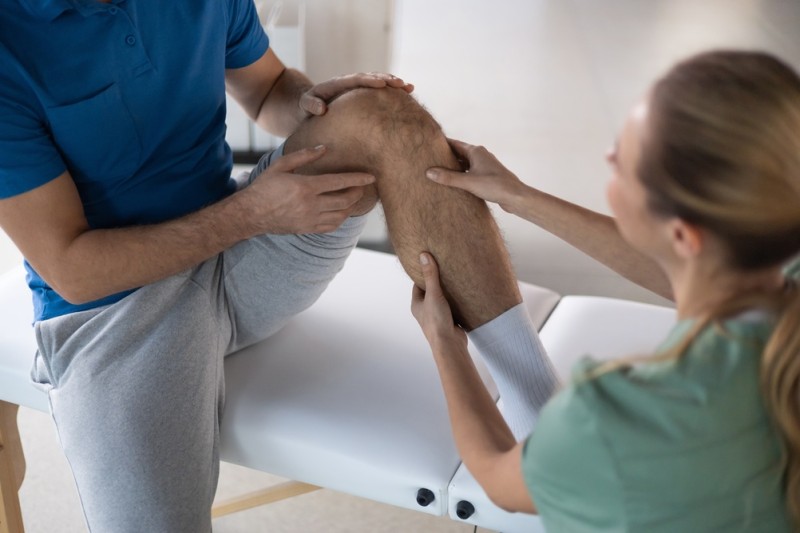
A well-structured program includes several phases. Each stage has clear objectives and adapts to your progress.
Phase 1 – Controlling pain and inflammation
In the first days, the specialist focuses on:
- reducing swelling;
- maintaining circulation;
- gentle activation of the muscles.
Physiotherapy procedures are used to reduce pain and inflammation, according to the medical recommendation. During this stage, you also learn the correct resting positions and the rules for protecting the affected area.
Phase 2 – Regaining mobility
Once the doctor allows broader mobilization, you can start active and passive exercises to increase range of motion.
The recovery specialist may recommend:
- guided joint mobilizations;
- assisted exercises;
- muscle relaxation techniques;
- procedures such as electrotherapy, for pain control.
The goal is to regain movement without causing additional inflammation.
Phase 3 – Increasing strength and stability
As mobility improves, progressive strength and neuromuscular control exercises can be introduced. The kinesiotherapy program includes:
- bodyweight exercises;
- resistance bands;
- balance exercises;
- gait training.
Phase 4 – Returning to activities and sport
The final stage targets functional movements specific to your activity. If you play tennis, you'll work on rotation and stability movements of the shoulder or ankle. If you need to lift weights at work, you'll practice control through the full kinetic chain.
The medical team sets clear criteria for return, not just the absence of pain. To better understand the combined approach, you can read about what physio-kinesiotherapy means and how the techniques are integrated into a coherent plan.
Recovery depending on the type of fracture
The duration and complexity of therapy vary depending on location and severity.
| Fracture type | Approximate recovery time |
|---|---|
| Ankle (malleolar) fracture | 3–6 months |
| Tibia/fibula fracture | 4–9 months |
| Distal radius fracture | 2–4 months |
These ranges are approximate. Age, activity level, and the timing of when therapy begins all influence the outcome.
Ankle fractures
These require attention when resuming weight-bearing. Gait re-education and balance exercises prevent chronic instability. Many patients experience persistent swelling in the evening; early mobilization and regular muscle contractions help control it.
Tibia and fibula fractures
These require a careful progression of weight-bearing. The therapist determines when you can increase support on the affected limb. Loading too quickly can cause pain, while delaying it too long leads to muscle weakness.
Wrist fractures
Stiffness frequently occurs if you don't mobilize your fingers and wrist in time. Daily exercises for flexion, extension, and grip help you resume everyday activities, such as writing or using a keyboard.
How often do you need to attend sessions?
Session frequency differs depending on the stage of recovery and the goals set. In the initial phases, you may need 2–3 sessions per week. Afterward, the pace is adjusted according to progress. Read more about the frequency of physiotherapy sessions and how it's determined in our guide. Follow the medical team's recommendations and continue the exercises at home as well, according to the instructions received.
The personalized approach and expertise of the Centrokinetic medical team
Every patient has a different history. A 30-year-old athlete with a tibia fracture has different goals than a parent who wants to be able to run after their child without pain.
At Centrokinetic, the multidisciplinary team:
- carries out a detailed functional assessment;
- sets clear, measurable objectives;
- adapts the progression of exercises;
- constantly monitors progress.
The personalized approach increases the chances of an efficient recovery and prevents recurrences. Ongoing communication between doctor and therapist gives you confidence and consistency in treatment.
Recovery started early and guided correctly lets you return to your daily and sports activities in good condition. Don't delay the assessment. Book an appointment now at Centrokinetic for a specialist consultation!
Frequently asked questions
Can I start exercises if I still have a cast?
In many cases, yes. You can do isometric exercises and mobilize the non-immobilized joints, if the doctor allows it. Do not remove the cast and do not perform movements without medical approval.
Is it normal to feel pain during mobilization?
Mild discomfort can occur when movement resumes. Intense or persistent pain requires a medical reassessment. Report any new symptom to your therapist.
How long until I can return to sport?
The duration varies depending on the type of fracture and its progress. In general, return to sport happens after a few months and only once you meet the strength, mobility, and stability criteria set by the medical team.
Do children need recovery after a fracture?
Yes, especially if the fracture required prolonged immobilization or surgery. Recovery helps restore mobility and prevents muscle imbalances.
Disclaimer: This article is for informational purposes only and does not replace medical consultation. For a proper plan, always discuss with your orthopedic doctor and recovery specialist.
Sources:
- "Bone Fractures (Broken Bones): Types, Symptoms & Treatment." Cleveland Clinic, 31 Mar. 2017. Accessed June 25, 2026.
- "Fracture Exercises: Mid Cheshire Hospitals NHS Foundation Trust." Mcht.Nhs.Uk, 2026. Accessed June 25, 2026.
- "7 Femur Fracture Exercises That Can Restore Strength". Accessed June 25, 2026.
BUCHAREST TEAM


































































CLUJ NAPOCA TEAM


































BRASOV TEAM



















MAKE AN APPOINTMENT
FOR AN EXAMINATION
See here how you can make an appointment and the location of our clinics.
MAKE AN APPOINTMENT
Asiguratori privati





Parteneriate



CENTROKINETIC FLOREASCA
Bucharest, 1st District,
Mircea Eliade Street, no. 18,
Eliade Tower, Entrance A, Floor 3
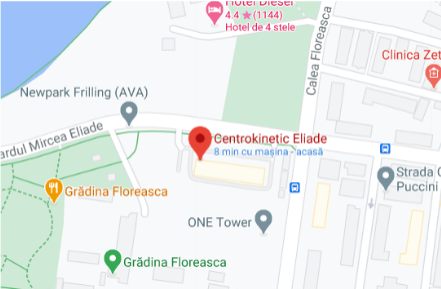
| Navigation | Explore 3D |
CENTROKINETIC Barbu Vacarescu
Bucharest, 2nd District,
Barbu Vacarescu Street, no. 102,
102 The Address, ground floor.
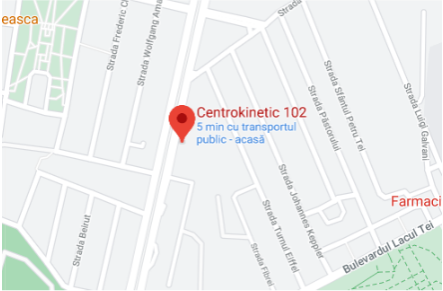
| Navigation | Explore 3D |
CENTROKINETIC MILITARI
Bucuresti, Sector 6,
Bld. Iuliu Maniu, nr. 15G,
Cladirea PBT, etaj 3.
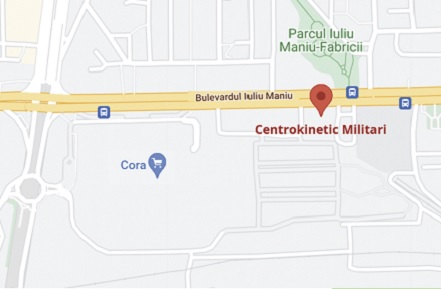
| Navigation |
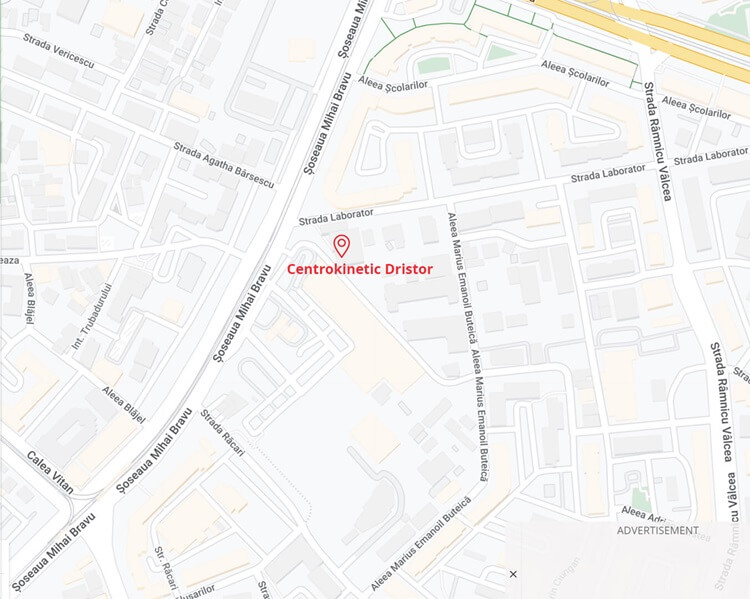
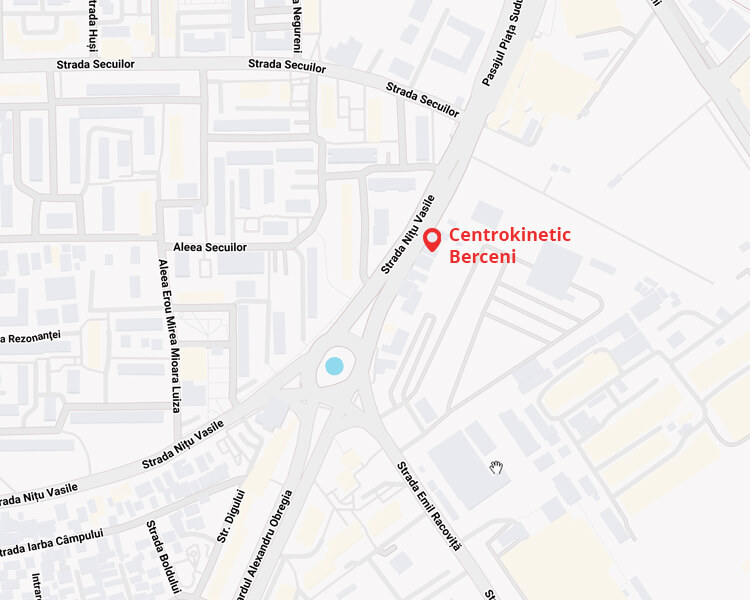
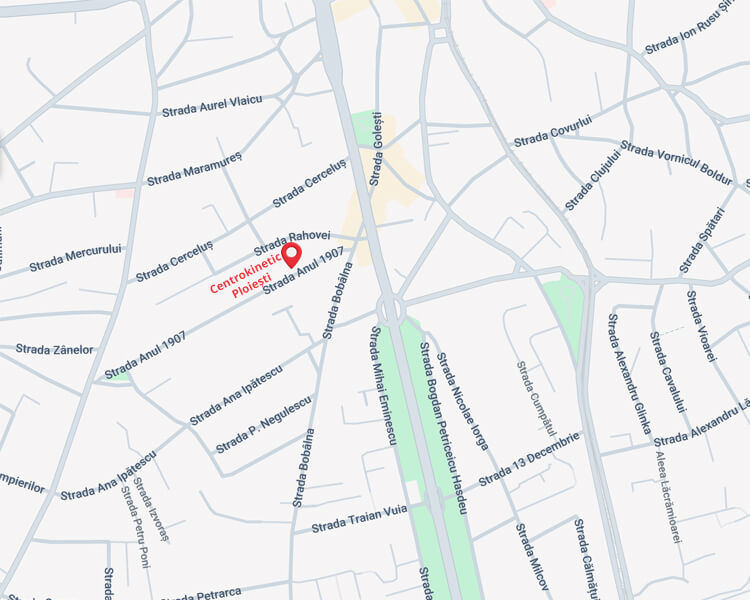
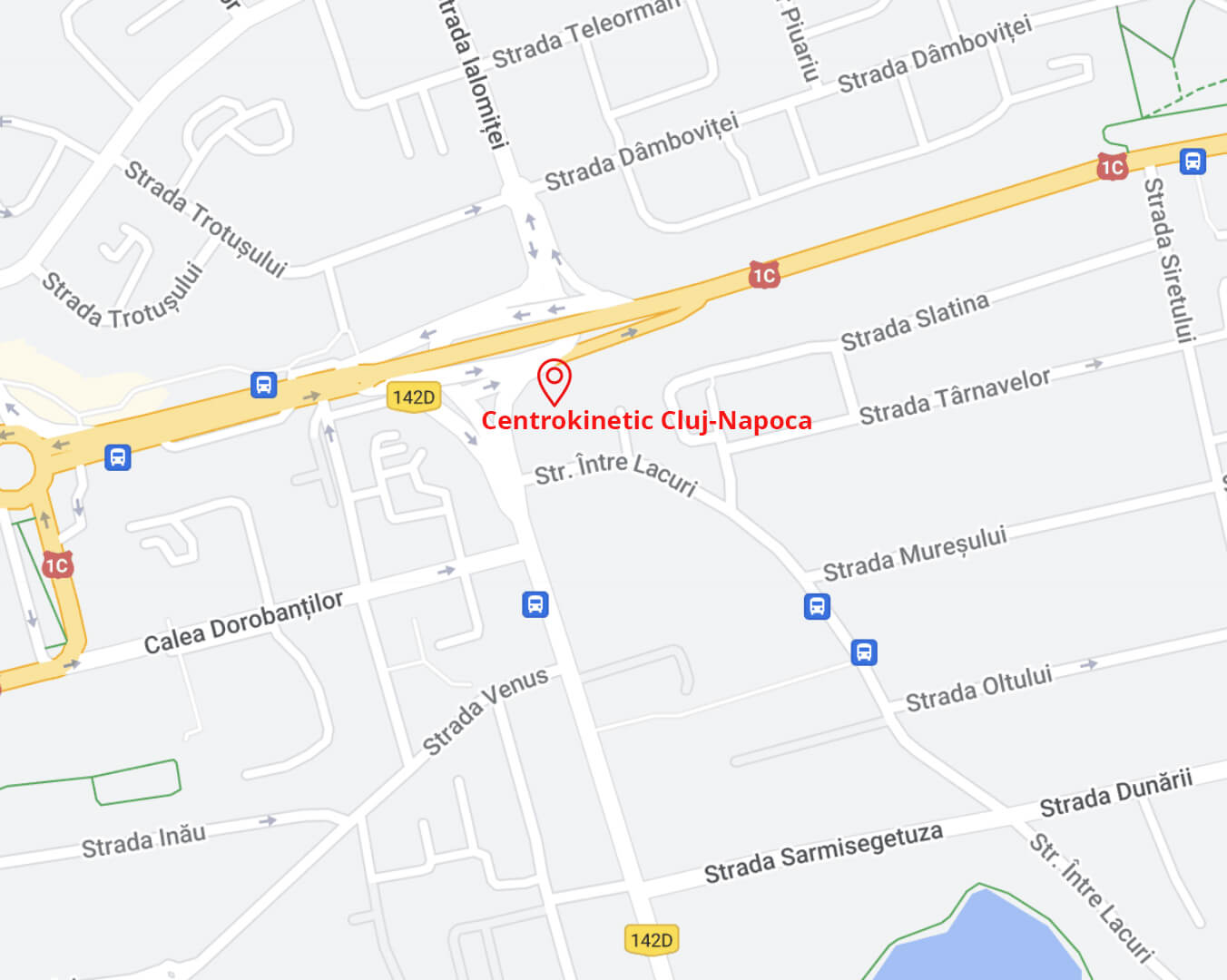
CENTROKINETIC CLUJ-NAPOCA
Cluj-Napoca,
Str. Intre Lacuri, nr.1
Intrarea este in spatele cladirii.
| Navigation |
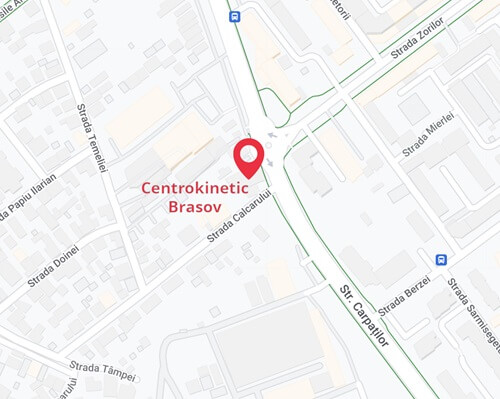
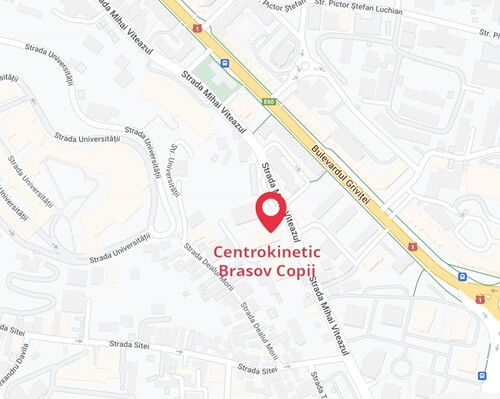
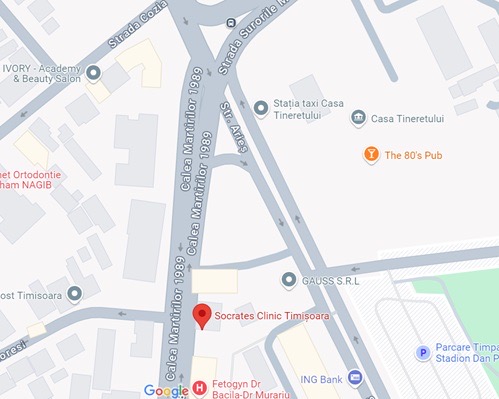
SOCRATES CLINIC TIMISOARA
Timisoara, Calea Martirilor 1989,
nr. 1.
Telefon: 0371 785 374.
| Navigation |
CONTACT
Phone: 0319693
E-mail: programari@centrokinetic.ro
Operating hours:
Monday – Friday: 07:00 – 21:00
Saturday: 09:00 – 14:00
Sunday: closed.
MAKE AN APPOINTMENT