Rheumatism: An Overview and the Role of Medical Rehabilitation


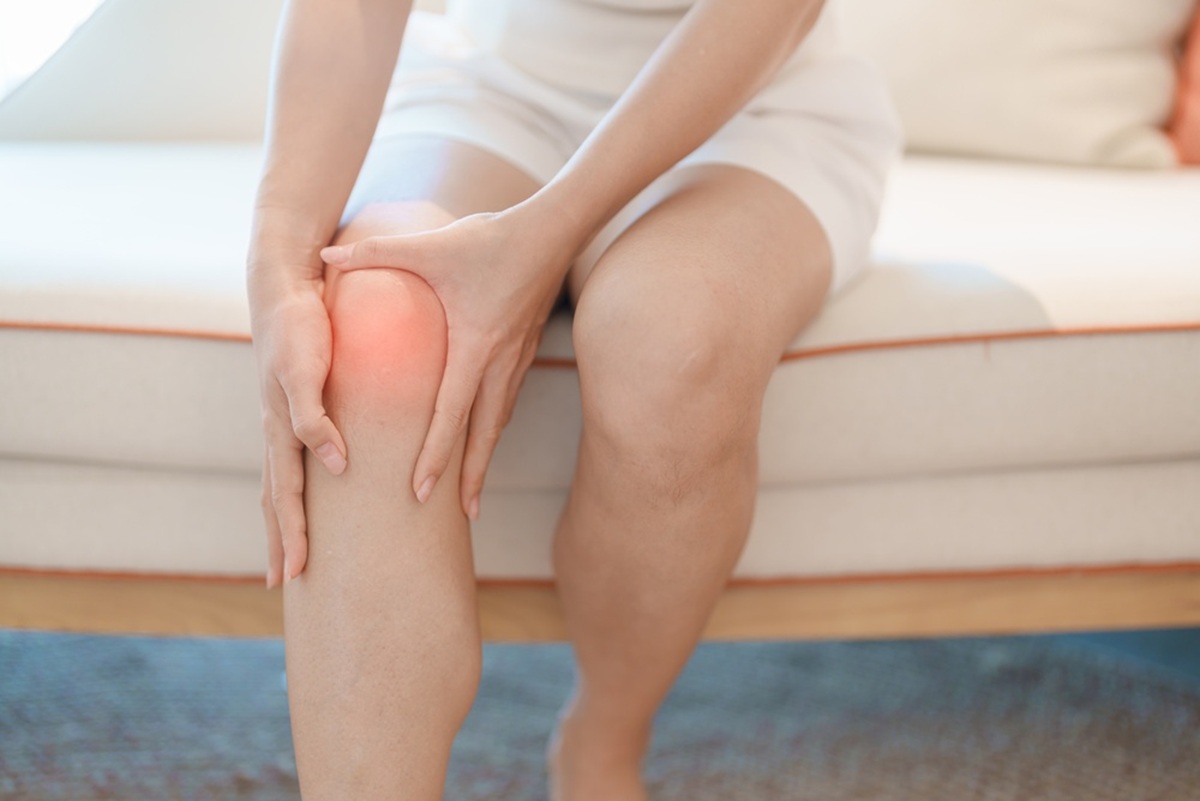
Rheumatism is an umbrella term for joint and muscle pain that can have very different causes: osteoarthritis, inflammatory and autoimmune conditions, gout, tendinitis or overuse. A medical assessment identifies the source of the problem, and medical rehabilitation, through physiotherapy and physical therapy modalities, helps maintain mobility and strength.
What you need to know now about rheumatism:
- Rheumatic diseases affect the joints, muscles, tendons, ligaments or bones and include more than 100 conditions.
- Cold and damp do not cause rheumatism, even though some people feel pain more intensely in cold weather.
- Inflammatory pain gets worse at night and in the morning, while osteoarthritis pain increases with effort and eases with rest.
- Pain, stiffness or swelling that lasts more than 2-3 weeks requires a specialist consultation.
- Adapted movement, set by a specialist, is preferable to prolonged rest.
What does rheumatism actually mean?
Rheumatism is a popular term used for pain in the joints, muscles or spine. Doctors speak of rheumatic diseases, a broad group of conditions that involve the joints, muscles, tendons, ligaments or bones.
Some diseases cause inflammation, while others result from cartilage wear, crystal deposits or damage to soft tissues. Similar symptoms can also appear with sports overuse, orthopedic injuries or after surgery.
Joint pain does not necessarily indicate a rheumatic disease. For example, knee pain after running may be related to tendon overuse, a meniscus injury or incorrect movement technique. The doctor determines the cause during the consultation and, if necessary, recommends tests.
Which conditions are classed as rheumatic diseases?
Rheumatic diseases fall mainly into 4 categories: inflammatory and autoimmune conditions, degenerative conditions, crystal deposition conditions and soft tissue conditions. Each category has a different mechanism and requires its own treatment strategy.
Inflammatory and autoimmune conditions
In autoimmune diseases, the immune system mistakenly attacks healthy structures. Inflammation can affect the joints, spine and tendons, but sometimes also involves the skin, eyes or internal organs.
Well-known conditions include:
- rheumatoid arthritis;
- ankylosing spondylitis and other spondyloarthritides;
- psoriatic arthritis;
- systemic lupus erythematosus;
- juvenile idiopathic arthritis.
Juvenile idiopathic arthritis occurs in children and adolescents. If a child limps, avoids movement or has a swollen joint, seek a pediatric, rheumatology or orthopedic assessment, depending on the symptoms.
Degenerative conditions
Osteoarthritis involves the progressive breakdown of the cartilage covering the ends of the bones. It commonly affects the knees, hips, hands and spine. The pain usually gets worse when walking, climbing stairs or getting up from a chair, and eases after rest.
Osteoarthritis does not affect only older people. Injuries, intense sporting activity, excess weight and certain alignment changes can also lead to it in active adults.
Metabolic and crystal deposition conditions
Gout occurs when uric acid crystals build up in a joint. An acute attack can cause severe pain, redness, local warmth and swelling, often in the big toe.
These symptoms require a medical assessment. A joint infection can have similar signs, and the doctor must distinguish between the two.
Soft tissue conditions
Tendinitis affects the tendons, while bursitis involves inflammation of the bursae, small structures that reduce friction between tissues. Enthesitis is inflammation of the site where a tendon or ligament attaches to bone.
Fibromyalgia and myofascial pain syndromes can cause widespread pain, fatigue and muscle tenderness. The treatment plan differs from that used in arthritis or osteoarthritis, which is why a medical diagnosis is essential.
What are the causes and risk factors of rheumatic diseases?
Rheumatic diseases do not have a single cause. Genetic, immunological and environmental factors play a role in autoimmune conditions, while in osteoarthritis age, previous injuries, body weight, repetitive strain and joint stability all matter.
Common risk factors include:
- a family history of rheumatic diseases;
- smoking;
- excess weight;
- a sedentary lifestyle and reduced muscle strength;
- repetitive movements at work or in sport;
- previous injuries and surgeries;
- certain infections or metabolic diseases.
Cold and damp do not cause rheumatism. However, some people feel pain more intensely during cold periods, without the weather being the cause of the disease.
What are the symptoms of rheumatic diseases?
Common symptoms are persistent joint or muscle pain, stiffness, joint swelling and reduced mobility. Signs vary depending on the condition and its stage, so keep track of how long the symptoms last, when they appear and how they respond to movement or rest.
You may notice:
- persistent joint or muscle pain;
- stiffness in the morning or after rest;
- swelling, redness and local warmth;
- reduced strength and mobility;
- difficulty walking, climbing stairs or doing manual tasks;
- fatigue, which accompanies some inflammatory diseases.
| Type of pain | When does it get worse? | Commonly associated conditions |
| Inflammatory pain | At night and in the morning; stiffness usually lasts more than 30 minutes and improves with movement | Rheumatoid arthritis, spondyloarthritides |
| Mechanical pain | During effort; eases with rest | Osteoarthritis, overuse |
Mild fever, unintentional weight loss, skin rashes, red eyes or a dry mouth may accompany a systemic condition. Discuss these signs with your doctor, even if they seem unrelated to the joint pain.
When should you request a specialist consultation?

Request a specialist consultation if pain, stiffness or swelling lasts more than 2-3 weeks, keeps coming back or limits your activity. Early intervention helps the doctor control inflammation, reduce loss of function and prevent compensatory movements.
Seek medical help quickly if you notice:
- a swollen, hot and very painful joint;
- fever together with a swollen joint;
- inability to put weight on a limb after an injury;
- several swollen joints and prolonged stiffness;
- night-time lower back pain in a young person;
- sudden muscle weakness.
Do not take anti-inflammatories for long periods without the recommendation of a doctor or pharmacist. They can cause digestive, kidney or cardiovascular side effects and may temporarily mask symptoms.
Rheumatologist, orthopedic surgeon or rehabilitation doctor: which specialist should you see?
The choice of specialist depends on your symptoms: the rheumatologist assesses inflammatory and autoimmune conditions, the orthopedic surgeon treats structural injuries and trauma, and the rehabilitation doctor focuses on restoring function. In many cases, the three specialists work together.
| Specialist | What do they assess? | When to request a consultation |
| Rheumatologist | Inflammatory, autoimmune, metabolic and degenerative conditions | You have swollen joints, morning stiffness or systemic symptoms |
| Orthopedic surgeon | Injuries, structural damage, deformities and surgical indications | You have had an injury, have instability or suspect a tear |
| Rehabilitation doctor | Mobility, strength, balance, walking and functional capacity | You have chronic pain, movement limitations or are recovering after surgery |
To better understand the treatment pathway, also read the guide on the differences between medical rehabilitation and physiotherapy.
How are rheumatic diseases diagnosed?
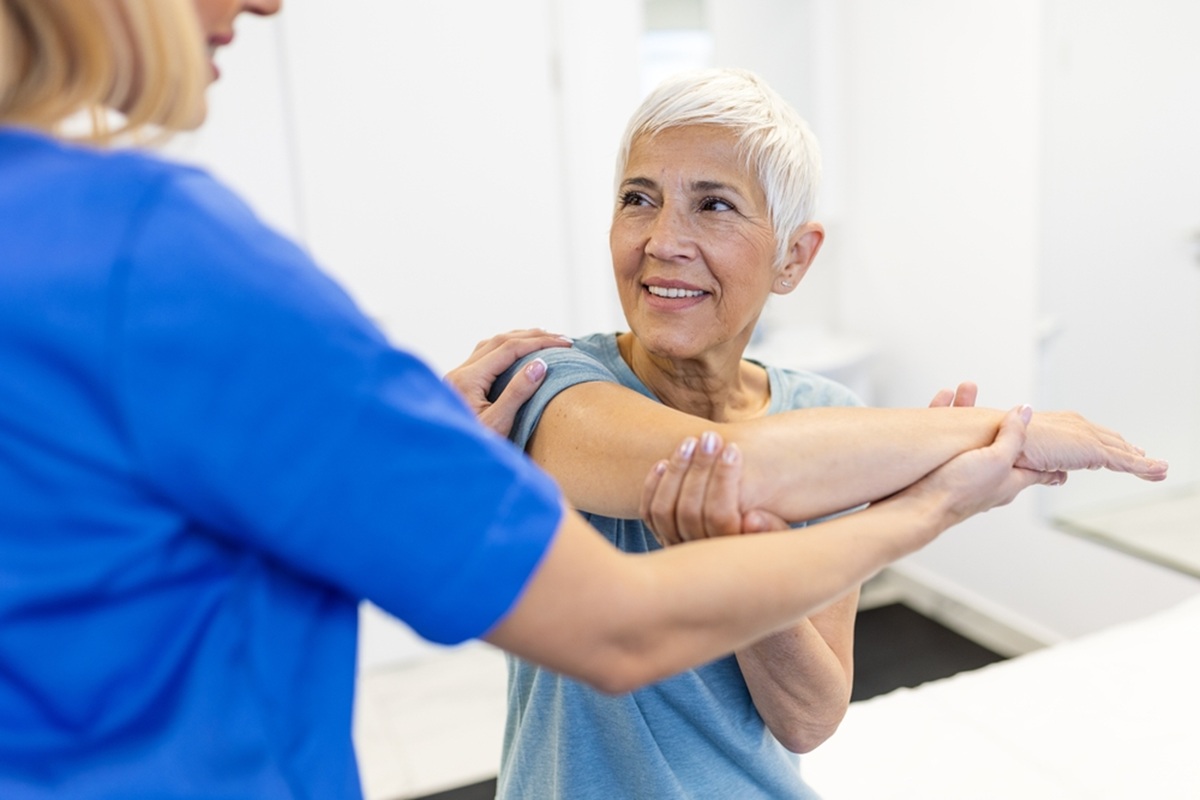
The diagnosis is made by correlating the symptoms with the clinical examination and the appropriate tests. No single test identifies all rheumatic diseases, so the doctor chooses the tests based on the clinical suspicion.
During the consultation, the doctor will ask about when the pain started, how long the stiffness lasts, which joints are involved, previous injuries and your activity level. The clinical examination looks at mobility, posture, walking, strength, stability and local signs of inflammation.
Depending on the results, the doctor may recommend:
- blood tests for inflammatory markers and immunological tests;
- an X-ray, to assess the bones and the joint space;
- a musculoskeletal ultrasound, for tendons, bursae and joint fluid;
- an MRI, for cartilage, ligaments, soft tissues and early-stage inflammation.
Benefits of a proper assessment: you avoid unnecessary treatment, receive a plan adapted to your actual diagnosis and can start the right treatment sooner.
How are rheumatic diseases treated?
Treatment of rheumatic diseases is personalized and depends on the type of disease, its stage, your age, associated conditions and your goals. An athlete who wants to return to running has different needs from someone recovering after a knee replacement.
The treatment plan may include:
- medication prescribed and monitored by the doctor;
- individualized therapeutic exercises;
- physical therapy procedures;
- education on protecting your joints;
- weight control and adapting your activities;
- braces or support devices;
- surgery, in selected cases.
Any treatment can have contraindications or side effects. Tell your doctor about existing conditions, a possible pregnancy, allergies, a pacemaker and the medication you take.
What role does medical rehabilitation play in rheumatic diseases?
Medical rehabilitation reduces functional limitations and helps you resume the activities that matter to you. The program may focus on walking, using your hands, returning to work, playing sport or regaining independence after surgery.
Usual goals include:
- reducing pain and muscle spasms;
- maintaining joint mobility;
- progressively increasing strength;
- improving stability and balance;
- correcting compensatory movements;
- increasing exercise tolerance;
- a controlled return to sporting activity.
The rehabilitation doctor adapts the program to the phase of the disease. During an inflammatory flare, the therapist reduces the intensity and uses gentle mobilizations. Once the inflammation is under control, the exercises progress gradually.
How does physiotherapy help in rheumatic diseases?
Physiotherapy maintains mobility, strength and exercise tolerance through movement adapted to your diagnosis and individual tolerance. Prolonged rest, on the other hand, reduces muscle strength, increases stiffness and lowers exercise tolerance.
A physiotherapy session may include joint mobilizations, strengthening exercises, balance training and posture correction. For example, for a runner with knee pain, the program may focus on hip control and lower limb stability. After surgery, progression follows the surgeon's instructions.
Stop exercising if the pain increases significantly, the joint swells or you experience dizziness, shortness of breath or unusual weakness. In these situations, ask for a reassessment.
What role do physical therapy modalities play in rheumatic diseases?
Physical therapy modalities can temporarily reduce pain and prepare the tissues for exercise, but they do not replace disease-modifying medication in inflammatory diseases, nor therapeutic exercise. Depending on the condition, the doctor may recommend electrotherapy, laser, ultrasound, cryotherapy, shockwave therapy, TECAR therapy or massage.
Contraindications differ from one procedure to another. Local infections, certain oncological conditions, pregnancy, sensory disorders or a pacemaker may limit some procedures. For details on how they are used, read the guide on physical therapy procedures and medical recommendations.
How do you protect your joints in everyday life?
You protect your joints through regular physical activity, breaks between repetitive tasks, maintaining a healthy weight and adapting your workspace. These measures reduce overuse and help you stay active.
Usual recommendations are:
- alternate movement with short breaks;
- avoid holding the same position for a long time;
- lift objects by bending your knees;
- wear stable footwear;
- maintain a healthy weight;
- adapt your desk and workspace;
- use braces or a walking stick only on a specialist's recommendation.
If you play sport, increase your training volume progressively and set aside days for recovery. Persistent pain is not a normal sign of effective training.
Can you prevent rheumatism?
Autoimmune diseases cannot be completely prevented, but you can reduce the risk of losing mobility through regular physical activity, quitting smoking, weight control and proper treatment of injuries.
Regular medical check-ups are useful if you have a family history, recurring symptoms or an already diagnosed condition. Early intervention shortens the period of functional limitation and allows the program to be adjusted before marked stiffness or muscle weakness develops.
How is the assessment carried out at Centrokinetic?
A proper assessment identifies the actual condition behind the pain and allows a personalized treatment plan to be built. At Centrokinetic, rheumatologists, orthopedic surgeons and rehabilitation doctors work with physiotherapists and physical therapists, especially for athletes, children, post-surgical patients and people with chronic conditions.
A complete assessment helps you:
- identify the likely cause of the pain;
- have the right tests done;
- avoid therapies that are incompatible with your diagnosis;
- set measurable goals;
- follow a personalized program;
- track your progress through regular reassessments.
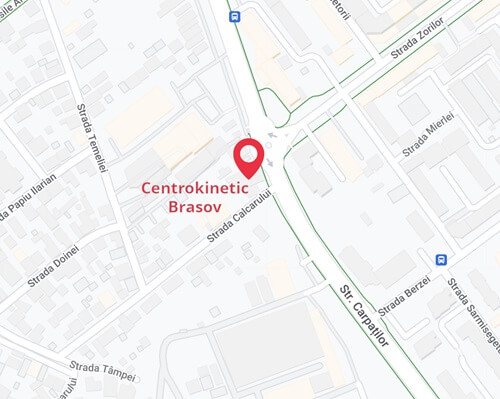
Patients in Prahova County can request an assessment for physical therapy in Ploiesti. There are also Centrokinetic locations in Bucharest, Cluj-Napoca, Brasov and Timisoara. The doctor chooses the appropriate procedures based on the diagnosis and any contraindications.
In short, rheumatism covers different diseases, and each requires its own strategy. Choose a proper assessment, seek help early and follow the plan recommended by the medical team. Book now for a specialist consultation!
Frequently asked questions about rheumatism and medical rehabilitation
Does rheumatism only affect older people?
No. Osteoarthritis becomes more common with age, but inflammatory conditions can occur in young adults, adolescents and children. The age of onset, the joints affected and the associated symptoms help the doctor guide the diagnosis.
Can I exercise if my joints hurt?
In most cases, yes. Adapted movement maintains mobility and strength, but avoid putting heavy strain on a swollen or hot joint. The rehabilitation doctor and the physiotherapist determine the type of exercises, the intensity and the pace of progression.
Does medical rehabilitation help without surgery?
Yes. The doctor may recommend medical rehabilitation for osteoarthritis, tendinopathies, spinal pain, controlled inflammatory conditions and after injuries. The program aims to reduce limitations and maintain your ability to move.
What is the difference between rheumatism and osteoporosis?
Rheumatic diseases affect the joints, muscles, tendons or surrounding tissues. Osteoporosis reduces bone density and strength, which increases the risk of fracture. The two conditions can coexist and require different assessments.
What should I do if the pain persists or limits my movement?
Do not delay the consultation and do not change your treatment on your own. Note how long the pain has lasted, which joints are affected and what makes the symptoms worse, then share this information with your doctor.
Disclaimer: The information presented is for informational purposes only and does not replace a specialist medical consultation.
Sources:
- "Arthritis Basics." Centers for Disease Control and Prevention, 22 Mar. 2024, [www.cdc.gov/arthritis/basics/index.html](https://www.cdc.gov/arthritis/basics/index.html). Accessed 16 Oct. 2026.
- "Musculoskeletal Health." World Health Organization, 14 July 2022, [www.who.int/news-room/fact-sheets/detail/musculoskeletal-conditions](https://www.who.int/news-room/fact-sheets/detail/musculoskeletal-conditions). Accessed 16 Oct. 2026.
BUCHAREST TEAM

















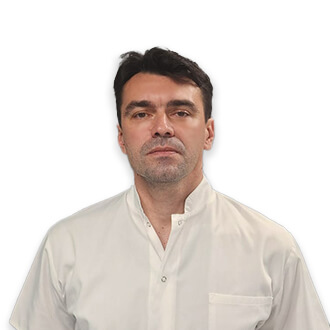
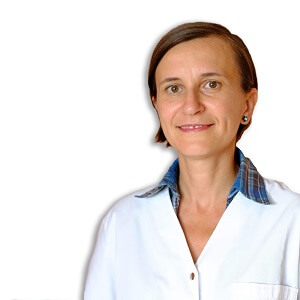
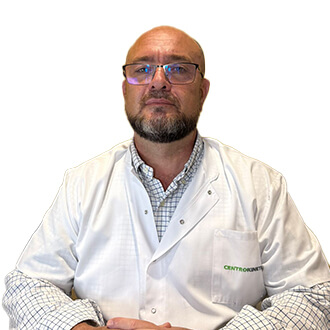




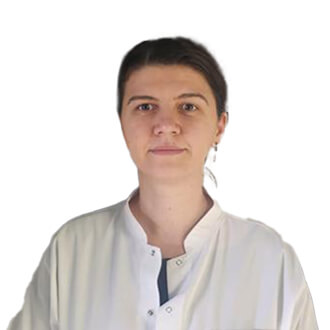









CLUJ NAPOCA TEAM












BRASOV TEAM






MAKE AN APPOINTMENT
FOR AN EXAMINATION
See here how you can make an appointment and the location of our clinics.
MAKE AN APPOINTMENT
Asiguratori privati





Parteneriate


CENTROKINETIC FLOREASCA
Bucharest, 1st District,
Mircea Eliade Street, no. 18,
Eliade Tower, Entrance A, Floor 3
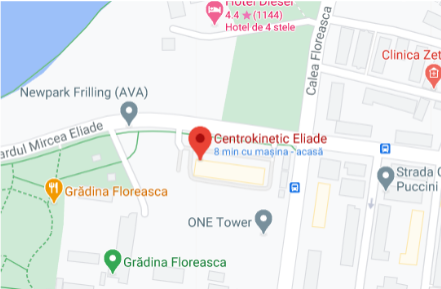
| Navigation | Explore 3D |
CENTROKINETIC Barbu Vacarescu
Bucharest, 2nd District,
Barbu Vacarescu Street, no. 102,
102 The Address, ground floor.
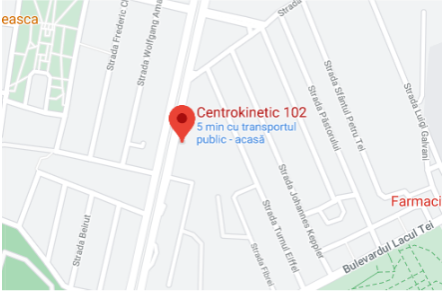
| Navigation | Explore 3D |
CENTROKINETIC MILITARI
Bucuresti, Sector 6,
Bld. Iuliu Maniu, nr. 15G,
Cladirea PBT, etaj 3.
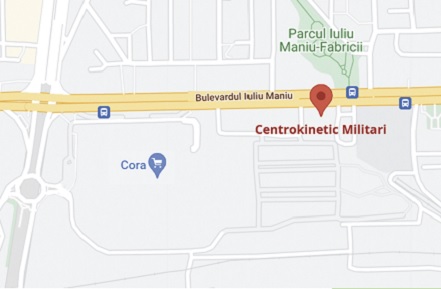
| Navigation |
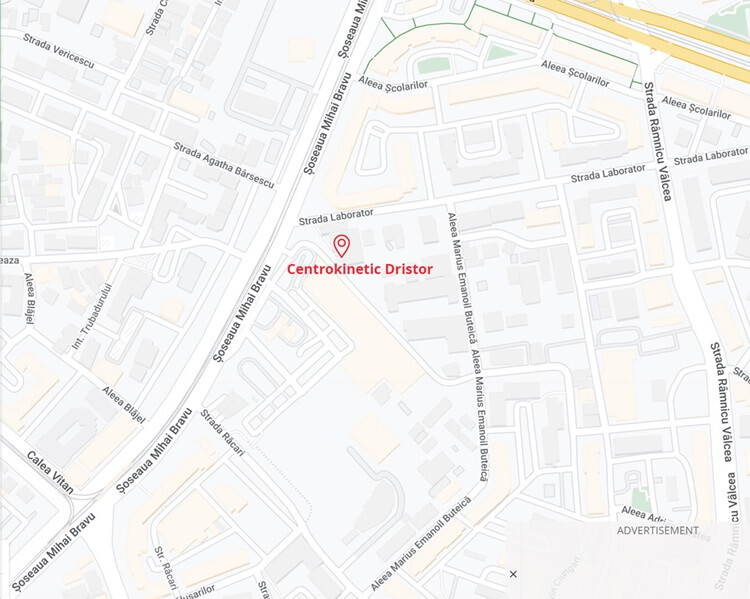
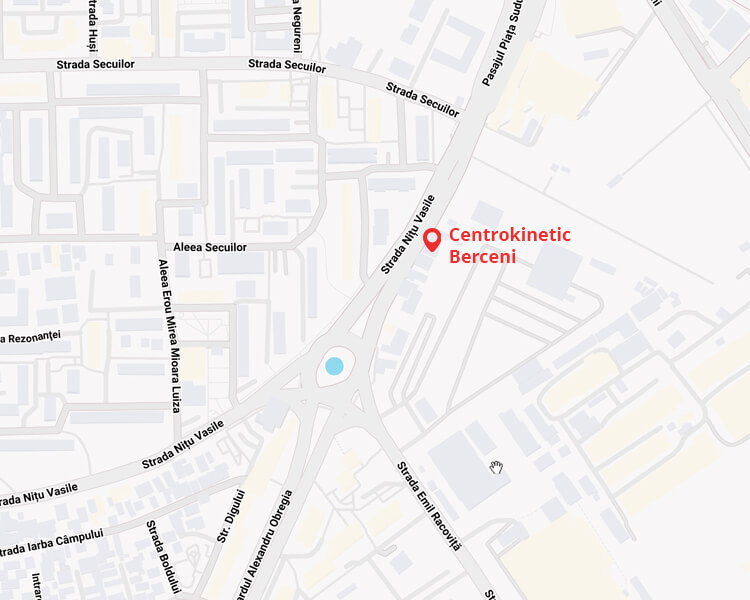
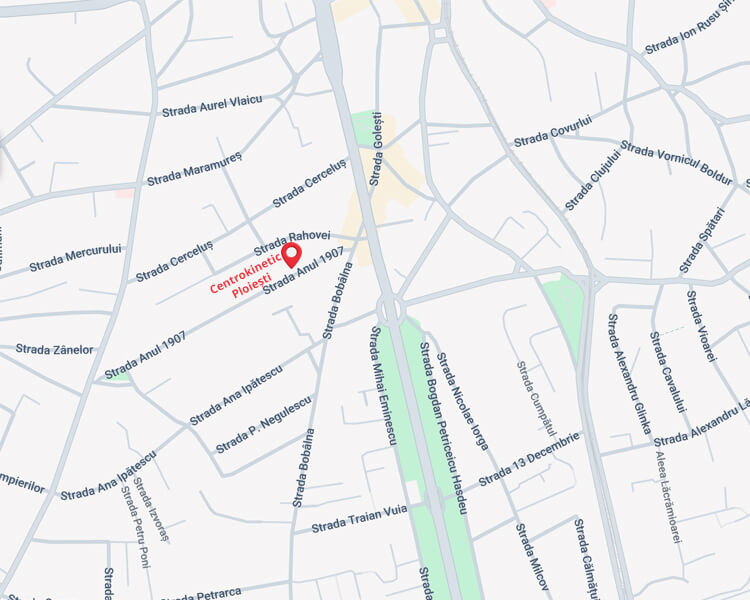
CENTROKINETIC CLUJ-NAPOCA
Cluj-Napoca,
Str. Intre Lacuri, nr.1
Intrarea este in spatele cladirii.
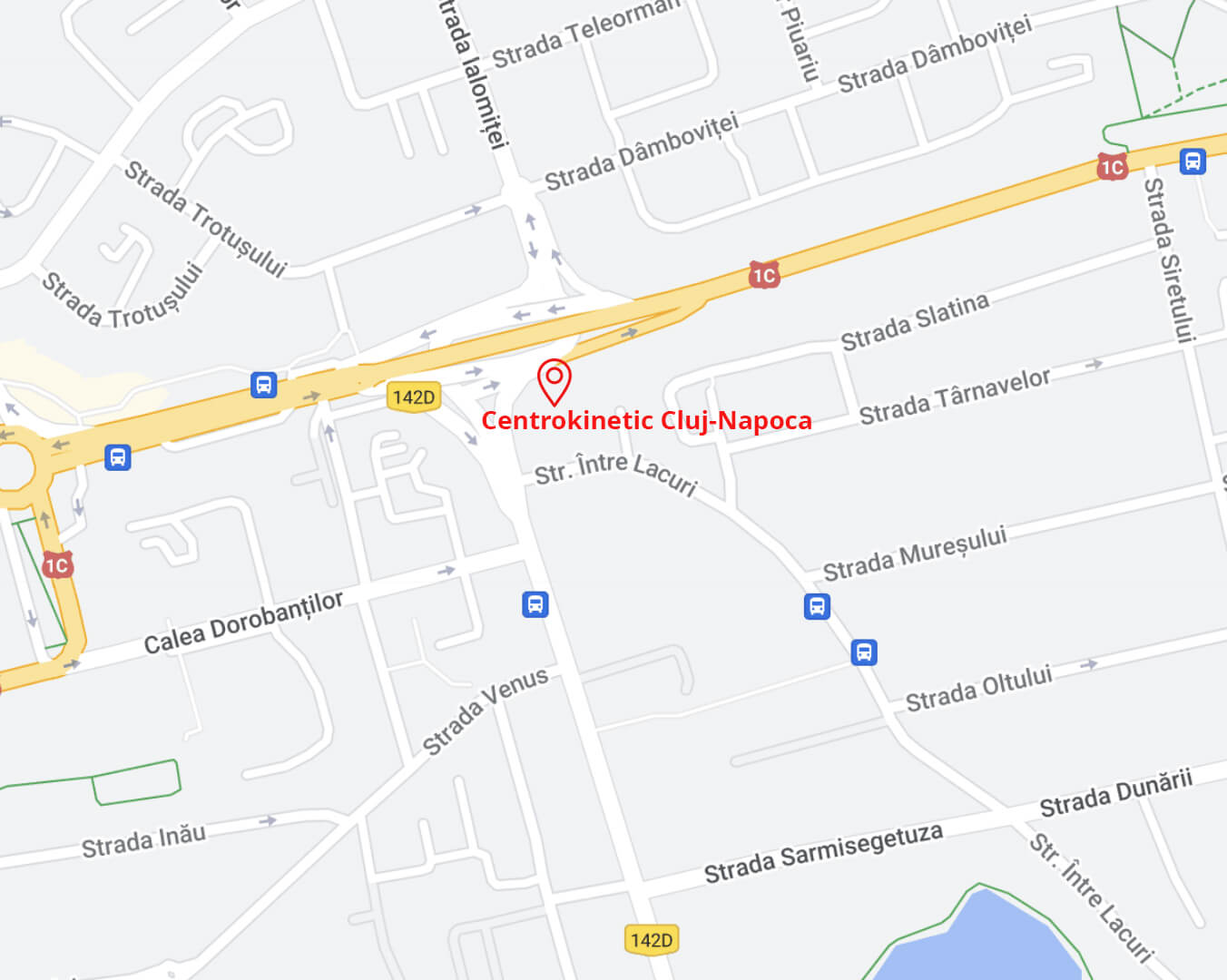
| Navigation |
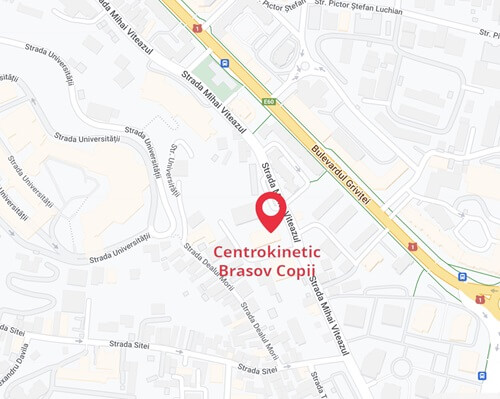
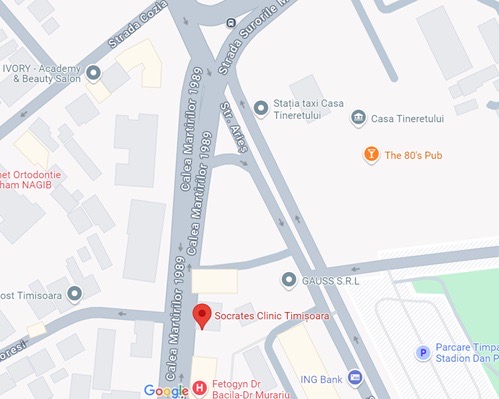
SOCRATES CLINIC TIMISOARA
Timisoara, Calea Martirilor 1989,
nr. 1.
Telefon: 0371 785 374.
| Navigation |
CONTACT
Phone: 0319693
E-mail: programari@centrokinetic.ro
Operating hours:
Monday – Friday: 07:00 – 21:00
Saturday: 09:00 – 14:00
Sunday: closed.
MAKE AN APPOINTMENT