Actualizat: 17-03-2025 / Publicat: 12-01-2018

Rheumatoid arthritis is an autoimmune disease that can cause joint pain and damage throughout the body. Joint damage caused by this condition usually occurs on both sides of the body. So, if a joint is affected in one arm or leg, the same joint in the other arm or leg will likely be affected as well. This is one way doctors distinguish rheumatoid arthritis from other forms of arthritis, such as osteoarthritis.
Without proper treatment, chronic pain, disability, and severe disruption of normal life are unfortunate outcomes of this disease. Rheumatoid arthritis causes joint damage in 80% to 85% of patients, and the damage occurs within the first 2 years of the disease. Left untreated, the risk of mortality is increased.
Centrokinetic meets patients' needs with a full rheumatology department, a medical branch that deals with the diagnosis, treatment, and recovery of patients with non-surgical musculoskeletal conditions. These conditions are usually painful, acute, or, most often, chronic, hindering the proper functioning of the musculoskeletal system. They are generally called rheumatism or rheumatic and musculoskeletal diseases.
Most of the time, patient evaluation is complex and multidisciplinary, given the systemic, generalized nature of most rheumatological conditions, which is why Centrokinetic has experienced doctors, Dr. Alizzi Khalid being our rheumatology specialist.
Rheumatoid arthritis is an autoimmune disease in which the body's immune system (which normally protects its health by attacking foreign substances such as bacteria and viruses) mistakenly attacks the joints. This creates inflammation that causes the tissue lining the joints (synovial tissue) to thicken, leading to swelling and pain in and around the joints. Synovial tissue produces a fluid that lubricates the joints and helps them move easily.
If the inflammation is not controlled, it can affect cartilage, the elastic tissue that covers the ends of the bones in a joint, as well as the bones themselves. Over time, there is a loss of cartilage, and the space between the bones can become smaller. Joints can become loose, unstable, painful, and lose their mobility. Joint deformity can also occur. Joint damage cannot be reversed, and because it can occur early, doctors recommend early diagnosis and aggressive treatment to control rheumatoid arthritis.
Rheumatoid arthritis most commonly affects the joints of the hands, feet, wrists, elbows, knees, and ankles. The effect is usually symmetrical, meaning that if the right hand is affected, the left hand is most likely to be as well.
While inflammation of the tissue around the joints and inflammatory arthritis are hallmarks of rheumatoid arthritis, the disease can also cause inflammation and damage to other organs of the body. Because it can affect several organs of the body, rheumatoid arthritis is referred to as a systemic disease and is sometimes called rheumatoid disease. Rheumatoid arthritis is a classic rheumatic disease. Rheumatoid arthritis that begins in people under the age of 16 is referred to as juvenile idiopathic arthritis.
![simptome reumatism]()
In the early stages, people with rheumatoid arthritis may not initially have redness or swelling in the joints, but they may experience tenderness and pain. The typical case of rheumatoid arthritis begins insidiously, with signs and symptoms developing slowly over weeks to months. Often, the patient first notices stiffness in one or more joints, usually accompanied by pain on movement and tenderness in the joint. The number of joints involved is highly variable, but almost always the process eventually becomes polyarticular, involving five or more joints. Occasionally, patients experience an explosive polyarticular illness that occurs within 24 to 48 hours. Another common symptom is a palindromic presentation, in which patients describe swelling of one or two joints, which may last a few days to weeks, then may disappear completely, reappearing later in the same or other joints.
Most often, the proximal interphalangeal and metacarpophalangeal joints of the hands, wrists, and small joints of the feet, including the metatarsophalangeal joints, are involved. The shoulders, elbows, knees, and ankles are also affected in many patients. The distal interphalangeal joints are generally spared by this condition.
The following joint symptoms may indicate the presence of rheumatoid arthritis: Along with the pain, many people experience fatigue, loss of appetite, and fever. The symptoms and effects of rheumatoid arthritis can come and go. Nonspecific systemic symptoms, primarily fatigue, malaise, and depression, commonly precede other symptoms of the disease. Fatigue can be a particularly troubling feature of the disease for many patients. The pattern of symptoms may worsen and decrease over the course of a day and even from one day to the next.
![poliartrita reumatoida]()
Fever occurs occasionally and is almost always low-grade (37-38°C). A higher fever suggests another illness, and infectious causes should be considered, especially in patients undergoing biological therapies and taking immunosuppressive medications. Morning stiffness, which persists for more than an hour and often lasts several hours, can be a feature of any inflammatory arthritis, but it is especially characteristic of rheumatoid arthritis. Its duration is a useful indicator of the disease's inflammatory activity. Similar stiffness can occur after long periods of sitting or inactivity. Patients with degenerative arthritis complain of stiffness that lasts only a few minutes.
High concentrations of inflammation can cause problems throughout the body. Here, in some ways, rheumatoid arthritis can affect the body's organs and systems:
Factors that can increase the risk of rheumatoid arthritis include:
Diagnosing rheumatoid arthritis can require time and multiple laboratory tests to confirm the findings of the clinical examination. The doctor will use several tools to reach a clear diagnosis.
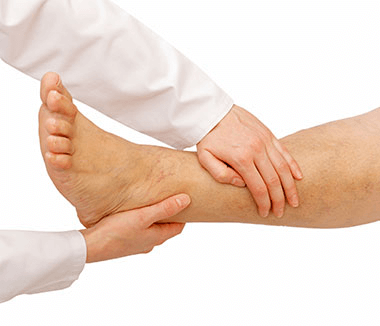
First, the doctor will ask you about your symptoms and medical history. They will also perform a physical examination of the joints. This will include looking for swelling and redness, and testing reflexes and muscle strength. Your doctor will also touch the affected joints to check for warmth and tenderness. If they suspect rheumatoid arthritis, they will most likely recommend visiting a rheumatology specialist.
Medical consultation
Symmetrical joint swelling is characteristic of rheumatoid arthritis that has been persistent for a period of time. However, when only a few joints are affected at the onset of the disease, symmetry may not be seen and this should not prevent the diagnosis of arthritis. Careful palpation of the joints can help distinguish joint swelling from inflammation. Swelling of the proximal interphalangeal and metacarpophalangeal joints of the hands is a common finding. The wrists, elbows, knees, and ankles are other frequently affected joints, and swelling is easily detected.
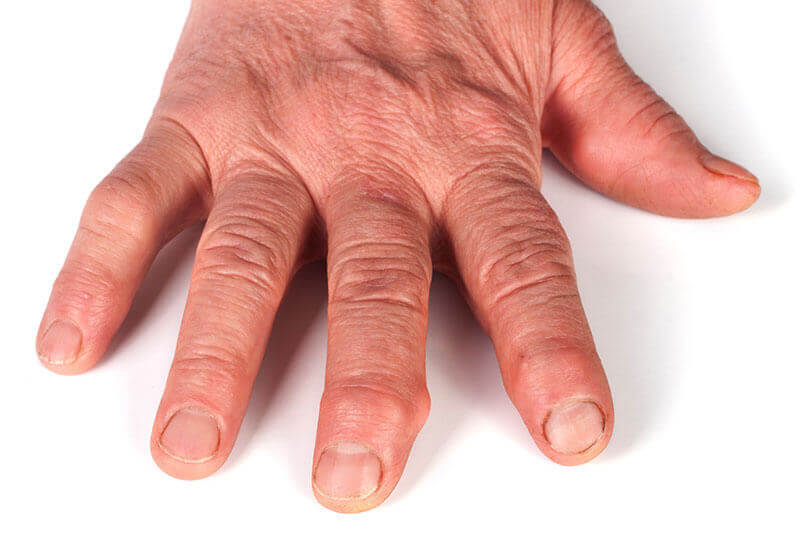
Occasionally, inflamed joints will feel warm to the touch. Inflammation, structural deformity, or both can limit the joint's range of motion. Over time, some patients with rheumatoid arthritis develop deformities of the hands or feet. The physical examination may reveal other signs, such as rheumatoid nodules or low-grade fever.
Laboratory tests for diagnosing rheumatoid arthritis
Blood tests do not provide a simple answer to the question of whether or not you have rheumatoid arthritis. But they can help the doctor move toward a diagnosis. Blood tests narrow down the options and suggest how your disease may progress.
After you receive a diagnosis, ongoing blood tests will monitor the side effects of the medications used in treatment. They can also help track the progression of the disorder.
There are several types of blood tests that help your doctor or rheumatologist determine whether you have rheumatoid arthritis.
These tests include:
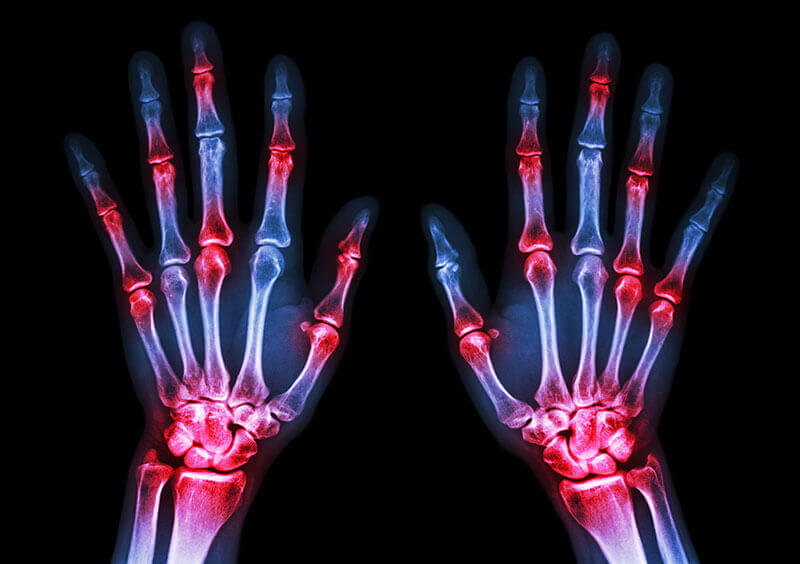
![radiografie poliartrita reumatoida]()
X-rays, a step in diagnosing rheumatoid arthritis
Your doctor may recommend X-rays to track the progression of rheumatoid arthritis in the joints. MRI and ultrasound tests can help your doctor gauge the severity of the disease. An X-ray may be done to look for joint damage, such as erosions - a loss of bone in the joint - and narrowing of the joint space. But if imaging tests do not show joint damage, rheumatoid arthritis is not yet ruled out. This may mean the disease is at an early stage and has not yet affected the joints.
Although it is impossible to know the exact course of each patient, your doctor can help you assess your case. The progression of your unique case of rheumatoid arthritis will depend on many factors, including: There are four distinct stages in the progression of rheumatoid arthritis, each with its own courses of treatment.
![complicatii poliartrita reumatoida]()
Rheumatoid arthritis increases the risk of the following conditions:
![tratare poliartrita reumatoida]()
Rheumatoid arthritis has no exact cure, but doctors recommend that patients use aggressive treatments early in diagnosis to reduce the severity of symptoms. There are a variety of treatment methods used to control symptoms and stop joint damage, including medication, surgery, daily routine, and lifestyle changes. Communication with a doctor or rheumatologist is necessary in choosing effective treatments. They will make sure the treatments are healthy and that medications are prescribed correctly for the patient's situation or lifestyle.
Treating rheumatoid arthritis will not cure the disease, but certain treatments can significantly reduce pain and potential permanent damage to the body. Depending on the severity of the symptoms, the goals of treatment will be to achieve "tight control" of the arthritis, meaning that disease activity is consistently kept at a low level. Keeping the disease under "tight control" can prevent long-term joint damage.
These goals focus primarily on: A strict treatment regimen could bring rheumatoid arthritis into remission, meaning there are no signs of the disease in the body. This does not mean symptoms will not return, but many patients can live symptom-free for a long time.
There are numerous ways to treat rheumatoid arthritis, and the doctor or rheumatologist are the only ones who can help determine the best methods for the patient's individual needs.
![tratament reumatism]()
Our doctors can prescribe medications to reduce inflammation and relieve joint pain caused by rheumatoid arthritis. Medications used to treat the disease often come with serious side effects, so doctors usually start by prescribing lower doses. This is most beneficial for arthritis patients who are in the early stages of the disease, since symptoms are still subtle.
Those in advanced stages need more aggressive treatment to reduce inflammation and other effects, so stronger medications are prescribed. Unfortunately, these medications often come with more dangerous side effects.
Here are a few different medications typically prescribed for patients with rheumatoid arthritis:
Non-steroidal anti-inflammatory drugs are medications meant to relieve pain and reduce inflammation. They can be purchased over the counter or prescribed in stronger doses. Many people are already familiar with anti-inflammatories, since they are used to treat headaches, fever, and other common conditions, safely at home. Ibuprofen (Advil) and naproxen (Aleve) are two basic anti-inflammatories that will temporarily reduce pain and inflammation. Weaker medications come with minor side effects or risks, but they also only manage symptoms and pain - they will not help slow disease activity.
Stronger anti-inflammatories are available by prescription and can provide pain relief while also reducing inflammation in the body. Higher-dose medications have serious side effects, including: There are
special non-steroidal anti-inflammatory drugs that are safer for people prone to stomach problems. They can be taken orally or applied directly to the joint as a patch or cream.
Corticosteroid medications act in your body similarly to hormones, while trying to slow the progression of the disease and stop the immune system from attacking healthy tissue. They can be taken as pills, liquids, or injections and contain methylprednisolone, prednisolone, and prednisone. Corticosteroids provide a reduction in pain, but come with possible side effects that are less than ideal.
Possible adverse reactions include:
Studies have shown that using corticosteroids over long periods of time can lead to more serious and permanent side effects. These include: For this reason, doctors usually prescribe corticosteroids for a short period of time to reduce symptoms, and then recommend less risky regimens or over-the-counter medications to patients.
Disease-modifying antirheumatic drugs are long-term medications meant to slow or modify the progression of rheumatoid arthritis by stopping the immune system from attacking healthy tissue. These medications protect the joints and tissues from permanent damage and gradually reduce daily pain. These medications can be taken alongside other pain-relief medications. Side effects differ for each patient, but the most serious are liver damage and susceptibility to infections.
There are certain antirheumatic medications, called biological response modifiers. These medications target certain parts of the immune system that trigger inflammation. By blocking certain steps of the process, these medications prevent the entire immune response from becoming vulnerable. This greatly reduces the risk of infection. Biological agents are usually prescribed together with other medications to effectively combat the symptoms of rheumatoid arthritis.
At Centrokinetic, Dr. Alizzi Khalid can investigate, diagnose, treat, and follow you up in order to obtain the best possible results. Dr. Alizzi can also perform joint and periarticular injections with:
Anti-inflammatories or corticosteroids: are usually used for several types of musculoskeletal problems, such as tendinitis, tenosynovitis, bursitis, fasciitis, arthrosis, muscle injuries, and ligament injuries. Corticosteroids are natural hormones made from cholesterol, in the adrenal glands. In clinical practice, steroids are used for their powerful anti-inflammatory effects. Corticosteroids should not be confused with anabolic steroids, which are known to be used by athletes to increase muscle mass and strength. The corticosteroids used in these procedures are injected all over the world, the administered doses are minimal, on average 0.4mg, and adverse effects appear only in elderly patients, through a temporary increase (2-3 days) in blood pressure and blood sugar.
Sterile viscoelastic solutions (hyaluronic acid): these are performed predominantly intra-articularly, both in large joints (knee, shoulder, hip, ankle) and in small ones (wrist, elbow, metatarsophalangeal, or interphalangeal). The role of these infiltrations is multiple: protecting the articular cartilage through the viscous properties of the injection – the Hyaluronic Acid molecules in the synovial fluid act as a lubricant, protecting the joint surfaces from mechanical damage, through elastic properties – under the pressure generated by the joint load (body weight), the hyaluronic acid in the synovial fluid acts as a shock absorber, protecting the cartilage from compressive trauma, nourishing the articular cartilage, protecting the synovial tissue: Hyaluronic Acid represents a protective barrier for the synovial membrane and masks inflammation receptors at the knee level, reducing inflammation.
PRP (platelet-rich concentrate): have been used since 1978 in the USA in treating musculoskeletal conditions, with extraordinary results. The infiltration lasts on average 40 minutes, is painless, and consists of collecting the patient's peripheral blood (from a vein), on average between 60 and 180 ml, centrifuging it for 20-25 minutes to separate the platelets from the rest of the blood cells, and injecting it in the same session into the affected area. Centrokinetic offers patients treatments with the best PRP kits in the world, brought from the USA, from the Arthrex and Magellan companies. The rationale for using this type of infiltration is to initiate and accelerate the natural healing and tissue regeneration process by releasing platelet-derived growth factors directly into the affected tissue. According to current studies, soft tissue injuries and cartilage lesions are responsive to this treatment. These conditions are: tendinitis (epicondylitis, plantar tendinitis, Achilles tendinitis, patellar tendinitis, etc.), tendinosis, tendon ruptures, degenerative tendon lesions, muscle ruptures, cartilage lesions (arthrosis). The therapy is also indicated post-operatively for: meniscus suture, ligamentoplasty, tendon sutures/reinsertions (rotator cuff, Bankart, Achilles tendon, patellar tendon, quadriceps tendon, etc.). It is indicated at all stages of arthrosis, but most often in the early stages in young people.
Sanakin: is a regenerative therapy initiated and used in Germany for 15 years, which consists of collecting the body's own growth factors, multiplying them through incubation, and reinjecting them into the same affected area. The treatment lasts 3 hours, with 3-5 procedures being performed at 1-week intervals. The main indications are: chronic tendinitis (epicondylitis, plantar tendinitis, Achilles tendinitis, patellar tendinitis), and articular cartilage lesions (arthrosis). It also has excellent results in treating joint and periarticular pain. Sanakin is an autologous serum rich in cytokines (ACRS), derived from the patient's own blood. To ensure high tolerability, this technology completely avoids the use of any artificial additives. This special serum, rich in autologous cytokines, can activate the body's ability to self-heal, by producing positive interleukins and growth factors. These are crucial for intervening in the pain cascade, causing it to stop and subsequently triggering the regeneration process. At the Centrokinetic clinic, we offer you complex medical recovery programs with a highly experienced team, accredited in: Tecar, dynamic taping, massage, Graston technique, Kinesio Tape, ERGON, flossing band. Our team has completed numerous specialization courses with trainers from Romania and abroad, being certified to perform therapies at the highest level. The experience gained in recent years has meant treating over 250 patients monthly.
![terapie poliartrita reumatologica]()
Biological response modifiers are the newest class of medications used to treat rheumatoid arthritis. These modern biologics have greatly improved treatment for many patients suffering from this disease. Unlike older disease-modifying antirheumatic drugs, biologics are made using biotechnology. They are genetically engineered to act like natural proteins in the immune system. Biological modifiers work by interrupting the immune system signals involved in damaging joint tissue. Many new medications target a protein called tumor necrosis factor (TNF). These medications are called anti-TNF biologics.
Your doctor may suggest starting medication treatment immediately after diagnosis. This can help combat joint damage. Methotrexate is often the first medication prescribed, but your doctor may give you a biological medication if methotrexate does not work well enough.
Biological response modifiers do not cure rheumatoid arthritis, but they can dramatically slow its progression. These medications also produce fewer side effects than older medications. People who do not respond to older medications, such as methotrexate, may benefit from biological treatment. Sometimes biological medications can be given alone. Other times, they can be given in combination with another type of medication. Taking a biological medication with methotrexate is effective for most people with rheumatoid arthritis.
Most biological medications are given by injection. Some are injected under the skin, while others must be injected directly into a vein. One medication, tofacitinib (Xeljanz), comes in pill form that must be swallowed.
Side effects
Biological response modifiers are effective for many patients, because they target certain parts of the immune system to reduce joint inflammation. They have fewer side effects than older medications. Any medication that suppresses the immune system carries risks. Side effects can include:
![kinetoterapie poliartrita reumatologica]()
Supplements such as calcium and vitamin D are used to prevent osteoporosis in patients with rheumatoid arthritis. Folic acid is used as a supplement to prevent the side effects of methotrexate treatment. Alcohol is minimized or avoided in patients with rheumatoid arthritis who take methotrexate.
However, there are some home remedies that can be helpful, although they are not considered effective or as good as disease-modifying medications. Fish oil, such as salmon, and omega-3 fatty acid supplements have been shown to be beneficial in some short-term studies in rheumatoid arthritis. This suggests there may be benefits to adding more fish to the diet, such as the Mediterranean diet. The anti-inflammatory effects of curcumin in dietary turmeric, an ingredient in curry, may be beneficial in reducing the symptoms of rheumatoid arthritis.
Certain foods and food products can help relieve the symptoms of the condition:
Fruits recommended to help relieve symptoms and the disease are plums, grapefruit, grapes, blueberries, bananas, pomegranate, mango, peaches, and apples.
Grains that are supposed to help are: whole oat flour, whole wheat bread, and whole rice. The whole grains section includes corn, rye, barley, and millet.
Spices such as ginger and turmeric are also recommended, along with olive oil, fish oil, yogurt, green tea, and basil tea.
Many doctors recommend heat and cold treatments to ease the symptoms of rheumatoid arthritis. Ice packs can be applied to affected joints, or warm towels.
Regular exercise is an excellent way to combat fatigue, strengthen muscles, and increase range of motion in the joints. Gentle stretching, walking, swimming, and water aerobics are usually low-impact choices.
Topical creams, gels, and lotions can be applied directly to the skin to ease joint pain. Because the skin absorbs the ingredients, you may feel temporary relief of pain in the affected joints. Topical ointments can also come in the form of sprays or patches. For best results, look for products containing capsaicin, salicylates, camphor, or menthol.
Acupuncture is an old medical treatment. It involves thin needles that are inserted at certain points on the body. This is thought to redirect energy and restore balance in the body. Acupuncture is believed to be able to reduce arthritic pain. Make sure you find an experienced acupuncturist with solid references if you want to try this method of treatment.
![operatie poliartrita reumatoida]()
Surgery is a drastic treatment for rheumatoid arthritis and is usually reserved for those with severe joint damage. No amount of medication can restore the damage or fix the deformities caused by arthritis, but surgery can restore abilities lost due to the disease and repair crucial parts of the joints.
There are three surgical procedures that patients with rheumatoid arthritis usually receive. These are: The decision to have surgery is a complex one that must take into account the patient's motivation and goals, their ability to rehabilitate, and their overall medical condition.
Synovectomy is sometimes appropriate for patients with rheumatoid arthritis, although for many patients the relief is only temporary. However, one exception is wrist synovectomy, which is recommended when intense synovitis persists despite more than 6 to 12 months of medical treatment. Persistent synovitis involving the dorsal compartments of the wrist can lead to rupture of the extensor tendon sheath, resulting in severe disability of hand function.
Total joint arthroplasties, especially of the knee, hip, wrist, and elbow, are very successful. Arthroplasty of the metacarpophalangeal joints can also reduce pain and improve function. Other operations include the release of nerve entrapments (e.g., carpal tunnel syndrome), arthroscopic procedures, and occasionally the removal of a symptomatic rheumatoid nodule.
![kinetoterapie poliartrita reumatoida]()
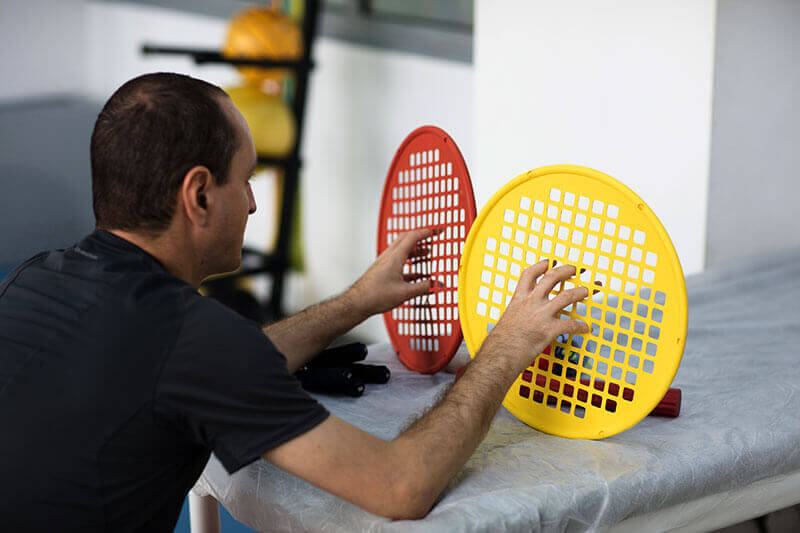
Physical therapy treatment is important for patients with rheumatoid arthritis, helping them cope more easily with this disease. Therapists educate patients in joint-protection strategies, using assistive devices, and performing therapeutic exercises.
Muscle weakness in patients with rheumatoid arthritis can occur due to immobilization or reduced activities of daily living. Maintaining normal muscle strength is important not only for physical function, but also for stabilizing the joints and preventing traumatic injuries. It may be suggested that exercise therapy has beneficial effects on increasing physical capacity, rather than on reducing disease activity.
Before establishing an exercise program for patients with rheumatoid arthritis, the following characteristics should be considered: whether joint involvement is local or systemic, the stage of the disease, the patient's age, and the patient's compliance with therapy. The duration and severity of the exercise are adjusted according to the patient. Exercise, stretching, strengthening, aerobic conditioning exercises, and daily routine activities can be used as components of exercise therapy.
There should be no strenuous exercise during acute arthritis. However, each joint should be moved at least once a day, to prevent contracture. In the case of acutely inflamed joints, isometric exercises ensure adequate muscle tone without exacerbating the clinical activity of the disease. It should be remembered that if isometric exercises are performed with a magnitude greater than 40% of maximum voluntary contraction, they can lead to impaired blood circulation and post-exercise fatigue.
If disease activity is low, then isotonic exercises should be performed using very light weights. Low-intensity isokinetic knee exercises (at 50% of maximum voluntary contraction) have been reported to be safe and effective in patients with rheumatoid arthritis. If pain persists for more than 2 hours, or if too much fatigue, loss of strength, or increased joint swelling occurs after an exercise program, then it should be reviewed.
Also, walking does not increase intra-articular pressure in healthy subjects, but it does in knees with inflammation and effusion. Thus, patients with active arthritis should especially avoid activities such as climbing stairs or lifting weights. Producing excessive stress on the tendons during stretching exercises should be avoided. In sudden stretches, tendons or joint capsules can be damaged. Finally, in the chronic stage with inactive arthritis, conditioning exercises such as swimming, walking, and cycling are recommended, with adequate rest periods. These increase muscle endurance and aerobic capacity and improve the patient's overall function, and also make the patient feel better.
![ingrijire bolnav reumatism]()
Research shows that massage can help reduce arthritis pain, improve joint function, and relieve stress and anxiety. Acupuncture can also be helpful. This involves inserting fine needles into the body along special points called "meridians" to ease pain. Those who fear needles might consider acupressure, which involves applying pressure, instead of needles, at those points. Being diagnosed with rheumatoid arthritis does not necessarily mean a burden on the lives of those around the patient. Family and loved ones can help the patient cope more easily with the stress and pain of the disease, taking into account the latest treatments. Home exercises, massage, and a healthy diet suited for rheumatoid arthritis can help the sick person lead an almost normal life.
People with rheumatoid arthritis live with constant pain that disrupts and limits their daily activities. There are several types of natural remedies and prescription medications that the doctor may recommend to manage symptoms, pain, and to reduce inflammation. There are also positive lifestyle changes that a person with rheumatoid arthritis can make to increase their chance of maintaining a good quality of life.
When patients take steps to control their symptoms, they have a lower risk of developing additional diseases and permanent damage. Some of the ways patients can take control of their lives include:
Physical activity Although movement can be uncomfortable due to inflamed joints, maintaining a consistent exercise routine can help address movement issues and keep the joints flexible. Research has shown that gentle activities, such as walking and yoga, will strengthen the joints and reduce symptoms. Always talk to a doctor or physical therapist beforehand to determine which exercises are safe.
Diet
Diet plays an important role in managing rheumatoid arthritis inflammation. Although there is no specific diet that helps with the symptoms of this disease, foods rich in antioxidants can help reduce inflammation. These foods will also improve energy levels, making it easier to cope with day-to-day pain.
Combating fatigue
Resting the body is an important component of the lifestyle of patients with rheumatoid arthritis. Patients often suffer from constant fatigue, because their bodies use excess energy to fight the symptoms. While rest is important, too much can lead to a sedentary lifestyle and more pain. Combating fatigue is about a balance between rest and activity.
Sleep is important for everyone, but it is especially important for those with rheumatoid arthritis. Try to get at least eight hours of sleep every night.
![regim viata bolnav reumatism]()
If you have been diagnosed with rheumatoid arthritis, there are many things you can do to improve your condition. Learn as much as you can about your disease and work closely with your doctors to find the best treatment. It is also important to start treatment early and to get the right balance of rest and exercise. You should do everything you can to reduce day-to-day stress - a proven trigger for the symptoms of rheumatoid arthritis.
There are also some things you don't want to do, because they can make your condition worse:
Don't smoke. Rheumatoid arthritis is probably caused by a combination of the genes you were born with, and certain events in your life that trigger the activation of these genes. One of these triggers may be smoking.
Don't be sedentary. If your joints are not very inflamed, you need to get up and exercise. Studies show that aerobic and strengthening exercises can help reduce pain and stiffness.
Don't give up on the idea of having a child. Women with rheumatoid arthritis have approximately the same chance of becoming pregnant as women who do not have this disease. There is very little chance of passing rheumatoid arthritis on to your child. With careful planning, there is no reason to avoid having children just because you have this disease.
Don't drink alcohol if you are taking antirheumatic medications before consulting your doctor. Although moderate drinking may have some health benefits for people with arthritis, certain antirheumatic medications do not mix well with alcohol. These include methotrexate and non-steroidal anti-inflammatory drugs.
Don't spend your time indoors. About 15 minutes of sun exposure a few days a week can help you get the vitamin D you need. Your skin uses the sun's rays to produce vitamin D. Studies show that vitamin D is important for the immune system and can help prevent or ease the symptoms of rheumatoid arthritis. You also need vitamin D to absorb calcium, which is important for maintaining bone health. Supplements are another option for getting vitamin D (without increasing the risk of skin cancer).
Don't look for special diets that claim to cure rheumatoid arthritis. The best diet is well balanced and based on fruits, vegetables, and whole grains, with some unsaturated fats. Radical diets that claim to cure the disease or dramatically reduce your symptoms probably won't work and could be dangerous.
Don't take fish oil supplements before consulting your doctor. There is some evidence that omega-3 fatty acids found in fish may be good for people with rheumatoid arthritis. Eating fish is recommended, but taking large doses of supplements could interfere with several common medications and cause dangerous side effects.
Don't be afraid to ask for help. Having an unpredictable, lifelong disease is stressful. Reach out to anyone for help and emotional support. Having a support system of caregivers and loved ones means less stress and more rest.
Don't get discouraged. It's not easy to live with rheumatoid arthritis, but this is not the same disease it once was. New medications have improved doctors' ability to stop or slow the progression of the disease. The future has never looked better for people with rheumatoid arthritis.
Don't skip your medication when you feel good. You might be tempted to skip your medication on days when you feel better. Don't do that. Missing a dose can cause pain to return, and it can be hard to get rid of it later. Your condition may worsen. Some medications need to remain in your blood at specific levels to be effective. If you skip them too often, blood levels of the medications will drop and you may experience a pain flare-up. If you forget a dose of medication, it's not a tragedy. Take it as soon as you remember (but don't take a double dose).
![impact psihologic poliartrita reumatoida]()
1 in 3 people with a chronic arthritic disease suffers from depression. Rheumatoid arthritis is a progressive disease that severely affects the lives and families of the people who have it. People often have feelings of isolation or depression when dealing with a chronic disease. Overcoming these feelings requires an active lifestyle and a reliable support group. Many healthcare providers offer support and information for maintaining positive mental health.
Rheumatoid arthritis and depression frequently occur together. Although this is known, people with rheumatoid arthritis are often not screened for depression, so it may not be diagnosed or treated. Studies show that if the onset of depression alongside rheumatoid arthritis is not addressed, treatment for rheumatoid arthritis may be less effective.
It is not clear whether people with rheumatoid arthritis have a higher incidence of depression and anxiety as a result of their physical symptoms, or whether depression is itself a symptom caused by the chronic systemic inflammation of rheumatoid arthritis.
Researchers believe that people who had depression before the onset of rheumatoid arthritis may be less responsive to treatment. More research is needed to determine the exact link between all types of arthritis and depression. Left untreated, depression in people with rheumatoid arthritis can result in: What is known is that people who have rheumatoid arthritis and depression manifesting together respond better to treatment when both conditions are addressed. Although different medications may be prescribed to treat rheumatoid arthritis and depression, many activities can be helpful in addressing the physical and emotional effects of both conditions, such as: People with all types of arthritis are at high risk of depression and anxiety. If you have been diagnosed with rheumatoid arthritis and feel depressed or are worried about the onset of depression, it is important to talk to your doctor. With medication, support, and a personalized action plan, depression and rheumatoid arthritis are treatable conditions.
Do not ignore the early signs of any condition. The faster you get to a doctor, the more your chances of curing or controlling the condition increase exponentially. Put yourself in the hands of the specialists at Centrokinetic!
IF YOU DON'T ALREADY KNOW US
Centrokinetic is the place where you'll find answers and clear solutions for your motor development problems. The clinic dedicated to osteoarticular conditions is divided into the following specialized departments:
Find out our latest news by following the Centrokinetic clinic's Facebook and YouTube accounts.
About rheumatoid arthritis
What is rheumatoid arthritis
What are the symptoms of rheumatoid arthritis
Risk factors for rheumatoid arthritis
Diagnosing rheumatoid arthritis
The progression of rheumatoid arthritis
Complications of rheumatoid arthritis
Treating rheumatoid arthritis
Medication to relieve and slow the progression of arthritis
Biological therapy to relieve and slow the progression of arthritis
Natural remedies for reducing discomfort or pain caused by rheumatoid arthritis
Surgical interventions to remove joint deformities
Physical therapy exercises for maintaining joint flexibility
Caring for a person diagnosed with rheumatoid arthritis
The lifestyle of a person with rheumatoid arthritis
Things a person with rheumatoid arthritis should avoid
The psychological impact of rheumatoid arthritis on the patient
Joint pain, tenderness, swelling, or stiffness for six weeks or more
Morning stiffness for 30 minutes or more
More than one joint is affected
Small joints are affected (wrists, certain joints of the hands and feet)
The same joints on both sides of the body are affected
Eyes. Dryness, pain, redness, sensitivity to light, and blurred vision
Mouth. Dryness and irritation or infection of the gums
Skin. Rheumatoid nodules - small lumps under the skin over bony areas
Lungs. Inflammation and scarring that can lead to difficulty breathing
Blood vessels. Inflammation of blood vessels that can lead to damage to nerves, skin, and other organs
Blood. Anemia, a lower number of red blood cells
Sex. Women are more likely than men to develop rheumatoid arthritis.
Age. Rheumatoid arthritis can occur at any age, but most commonly begins between the ages of 40 and 60.
Family history. If a family member has rheumatoid arthritis, you may have an increased risk of the disease.
Smoking. Smoking increases the risk of rheumatoid arthritis, especially if you have a genetic predisposition to developing the disease. Smoking also appears to be associated with greater disease severity.
Environmental exposures. Although uncertain and poorly understood, some exposures, such as to asbestos or silica, may increase the risk of rheumatoid arthritis.
Obesity. Overweight or obese people appear to be at higher risk of developing rheumatoid arthritis, especially women diagnosed with the disease at age 55 or younger.
Rheumatoid factor testing: This blood test checks for a protein called rheumatoid factor. High levels of rheumatoid factor are associated with autoimmune diseases, especially rheumatoid arthritis.
Anti-CCP antibody test: This test looks for an antibody that is associated with rheumatoid arthritis. People who have this antibody usually have the disease. However, not everyone with rheumatoid arthritis has positive results for this antibody.
Antinuclear antibody: this tests the immune system to see if it is producing antibodies. The body can produce antibodies in response to many different types of conditions, including rheumatoid arthritis.
Erythrocyte sedimentation rate: This test helps determine the degree of inflammation in the body. The result tells your doctor whether there is inflammation. However, it does not indicate the cause of the inflammation.
C-reactive protein test: a severe infection or significant inflammation anywhere in your body can cause the liver to produce C-reactive proteins. High levels of this protein are associated with rheumatoid arthritis.
Whether or not you have a family history of the disease
The age at which you were diagnosed
What potential disease triggers are discussed with your doctor
Whether rheumatoid factor is present in your blood tests
The stage at which your condition was diagnosed
Stage 1: This is early-stage rheumatoid arthritis. This stage involves initial inflammation in the joint capsule and swelling of the synovial tissue. This induces the clear symptoms of joint pain, swelling, and stiffness.
Stage 2: In the moderate stage of rheumatoid arthritis, inflammation of the synovial tissue becomes severe enough to cause damage to the cartilage. At this stage, symptoms of loss of mobility and range of motion become more common.
Stage 3: Once the disease has progressed to the third stage, it is considered severe rheumatoid arthritis. Inflammation in the synovium now destroys not only the joint cartilage, but also the bone. Potential symptoms of this stage include increased pain and swelling, and further decreased mobility and even muscle strength. Physical deformities of the joint may begin to develop.
Stage 4: In the final stage of rheumatoid arthritis, the inflammatory process stops and the joints no longer function at all. Pain, swelling, stiffness, and loss of mobility remain the primary symptoms at this stage.
Osteoporosis. Rheumatoid arthritis itself, along with some medications used to treat it, can increase the risk of osteoporosis - a condition that weakens bones and makes them more prone to fractures.
Rheumatoid nodules. These firm lumps of tissue most often form around pressure points, such as the elbows. However, these nodules can form anywhere in the body, including the lungs. Even though these nodules usually do not cause symptoms, they can occasionally become infected.
Dry mouth and eyes. People who have rheumatoid arthritis are much more likely to experience Sjögren's syndrome, a disorder that decreases the amount of moisture in the eyes and mouth.
Infections. The disease itself and many of the medications used to combat rheumatoid arthritis can affect the immune system, leading to an increased risk of infections.
Abnormal body composition. The proportion of fat compared to lean mass is often higher in people who have rheumatoid arthritis, even in people who have a normal body mass index.
Carpal tunnel syndrome. If rheumatoid arthritis affects the wrists, the inflammation can compress the nerve that serves the hand and fingers.
Heart problems. Rheumatoid arthritis can increase the risk of hardened and blocked arteries, as well as inflammation of the sac that surrounds the heart.
Lung disease. People with rheumatoid arthritis have an increased risk of inflammation and scarring of lung tissue, which can lead to progressive shortness of breath.
Lymphoma. Rheumatoid arthritis increases the risk of lymphoma, a group of blood cancers that develop in the lymphatic system.
A rare, serious complication, which usually occurs in long-standing rheumatoid disease, is inflammation of the blood vessels (vasculitis). Vasculitis can affect the blood supply to tissues and can lead to tissue death (necrosis). This is most often initially visible as small black areas around the nails or as a leg ulcer.
Reducing inflammation
Preventing further or permanent damage
Improving quality of life
Reducing long-term side effects
Liver damage
Heart problems
Upset stomach
Kidney damage
Swelling of the feet
Weight gain
Increased blood pressure
Mood changes
Increased blood sugar or even diabetes
Increased risk of infection
Calcium deficiency leading to weak bones
Easy bruising of the skin
severe infections, such as lung infections
liver damage
reduced ability to make new blood cells
nausea
pain or swelling at the injection site
Joint replacement - surgeons remove part of the damaged joint and insert a prosthetic replacement
Joint fusion - when replacement is not possible, surgeons can fuse and realign the joints
Tendon repair - over time, inflammation can damage tendons. Surgeons can repair these damaged tendons, which will strengthen the joints.
Greater pain
Higher risk of cardiovascular disease and heart attacks
Loss of productivity at work
Increased risk of financial hardship
Deterioration of relationships with friends and family
Regular exercise
Stress management techniques
Friends and support groups familiar with the challenges of both conditions
Orthopedics, a department made up of a highly experienced team of orthopedic doctors, led by Dr. Andrei Ioan Bogdan, senior orthopedics-traumatology physician, with surgical activity at Medlife Orthopedics Hospital, specialized in sports traumatology and in ankle and foot surgery.
Pediatric orthopedics, where children's sports conditions are treated (ligament and meniscus injuries), as well as spinal deformities (scoliosis, kyphosis, hyperlordosis) and foot conditions (hallux valgus, hallux rigidus, clubfoot, flat valgus foot, cavus foot).
Neurology, which has a highly advanced department, where consultations, electroencephalograms (EEG) and electromyograms (EMG) are performed.
Medical recovery for adults and children, a department specialized in the recovery of performance athletes, in spinal conditions, and in the recovery of children with neurological and traumatic conditions. Our experience is extremely extensive, having treated over 5000 performance athletes.
Medical imaging, the clinic being equipped with ultrasound and MRI, advanced machines dedicated to musculoskeletal conditions, and complemented by an experienced team of radiologists: Dr. Sorin Ghiea and Dr. Cosmin Pantu, specialized in musculoskeletal imaging.