How long does it take for the sciatic nerve to heal?


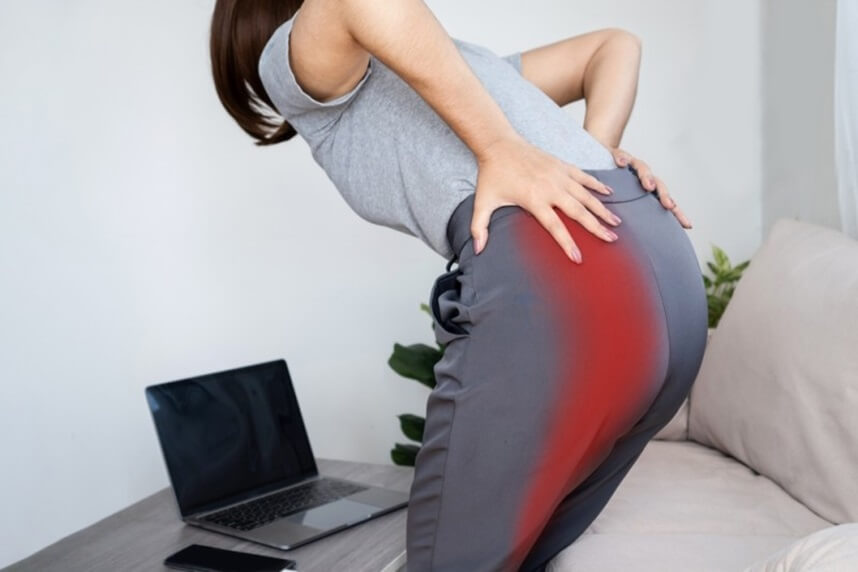
Pain that starts in the lower back and radiates toward the heel can significantly change the rhythm of daily life. Many active adults struggle with sciatica, a common condition among people who work long hours at a desk, drive for extended periods, or frequently lift heavy objects. Symptoms such as intense pain, numbness, or weakness in the leg affect mobility and can considerably reduce comfort and physical performance.
The good news is that, through proper medical evaluation and personalized treatments, recovery is possible in many cases [1]. We invite you to learn more about the sciatic nerve, the factors that influence healing, and modern treatment options below.
What is the sciatic nerve and what problems can it cause?
The sciatic nerve is the longest nerve in the body. It originates in the lumbar region and travels down the leg toward the sole of the foot. Doctors use the term “sciatica” when this nerve becomes inflamed or compressed, most often in the lower spine.
Unlike other types of lower back pain, sciatica presents as pain that clearly radiates along the nerve pathway, often accompanied by tingling, numbness, or muscle weakness in one leg. Each person experiences symptoms differently, but if you feel pain that starts in your back and extends down your leg, it is advisable to seek medical advice [1][2].
Causes of sciatica
Sciatica occurs when the sciatic nerve is irritated or compressed, most commonly due to damage at the level of the intervertebral discs. A herniated disc is responsible for most episodes of sciatica. However, other conditions may also lead to inflammation or compression of the sciatic nerve, including:
- degenerative spinal changes (osteoarthritis, disc degeneration), which reduce the space between vertebrae and may irritate nerve roots;
- spinal stenosis, a narrowing of the spinal canal, frequently seen in adults over 50;
- spondylolisthesis, the slipping of one vertebra over another, which may stretch or compress the nerve;
- lumbar trauma, accidents, or injuries affecting structures in the lower back [1][2].
Risk factors for the development or recurrence of sciatica
Several factors may increase the likelihood of developing sciatica or experiencing recurrent episodes. The most common include:
- excess body weight, which places additional pressure on discs and joints;
- a sedentary lifestyle or lack of regular movement, which weakens the muscles supporting the spine;
- poor posture at a desk or while driving for prolonged periods;
- smoking, associated with reduced blood flow to intervertebral discs;
- strenuous effort and repetitive heavy lifting, especially without proper technique;
- pregnancy, due to biomechanical changes and increased pressure on the lumbar spine [1][2][3].
Common symptoms and situations requiring medical consultation at Centrokinetic
Most often, sciatica manifests as lower back pain radiating to the buttock, thigh, and leg, sometimes reaching the toes. In addition to pain, other characteristic symptoms may include:
- tingling or numbness along the nerve pathway;
- muscle weakness in the leg;
- increased pain when coughing, sneezing, or standing for long periods;
- difficulty walking or reduced mobility;
- worsening symptoms after physical effort or prolonged sitting in the same position.
There are acute forms, with sudden onset after an incorrect movement, and chronic forms, in which pain persists for weeks or months, with fluctuating intensity.
Warning: if symptoms such as significant muscle weakness, loss of bladder control, or numbness in the groin area occur, urgent medical consultation is required. These signs may indicate severe neurological involvement and must be evaluated immediately by a specialist [1][2].
How long does it take for the sciatic nerve to heal and what factors influence recovery?
Recovery time varies from person to person and depends on the severity of the condition, the underlying cause of the pain, and the type of treatment followed. In general, acute forms of sciatica may improve within 4–6 weeks if treatment begins promptly and medical recommendations are followed. However, in some cases, symptoms may persist for several months, especially if treatment is delayed or triggering factors are not corrected.
The main factors influencing recovery are:
- how quickly you seek specialist evaluation and treatment;
- the type of treatment chosen and its correct implementation;
- consistency in performing recommended exercises;
- management of risk factors – posture, sedentary lifestyle, excessive strain [2].
How does the medical evaluation at Centrokinetic take place?

At Centrokinetic, evaluation for sciatica is carried out step by step to identify the exact cause of pain quickly and accurately. The consultation begins with a clinical examination, during which the specialist assesses posture, mobility, and the path of pain. Muscle strength, reflexes, leg sensitivity, and associated neurological signs are tested.
If necessary, the doctor recommends additional investigations such as MRI to evaluate the discs and vertebral joints. Precise classification of the type of sciatica and the affected area allows for the creation of a personalized treatment plan tailored to your activity level and goals. Neurological consultation takes place in a professional environment, using state-of-the-art equipment for a complete and safe diagnosis.
Modern treatments for rapid recovery at Centrokinetic
At Centrokinetic, sciatica recovery is based on advanced therapies and personalized recommendations adapted to each patient. The goal is to reduce pain, improve mobility, and prevent recurrence through a multidisciplinary approach based on:
- personalized physiotherapy (kinesiotherapy) – exercise programs designed to improve mobility, strength, and lumbar stability. The therapist corrects posture, optimizes movement, and gradually adjusts difficulty according to your tolerance. For example, abdominal and lower back strengthening exercises are progressively adapted to support the spine and reduce pressure on the sciatic nerve;
- physical therapy – physical procedures using low-frequency currents, ultrasound, or therapeutic heat help reduce inflammation, relax muscles, and relieve pain. These methods support recovery and improve local circulation;
- individualized neurological rehabilitation – if nerve involvement is significant, the program may include neuromuscular reeducation techniques, specific exercises, and continuous monitoring of progress for gradual and safe recovery;
- other procedures – therapeutic massage and spinal traction to mobilize structures;
- medication – in certain cases, doctors may recommend anti-inflammatory or analgesic medication, but only temporarily and under supervision. There are potential risks such as gastrointestinal or allergic side effects, which is why medication should not be taken without medical advice.
Surgery remains an option reserved for situations in which conservative treatments do not provide relief or significant complications occur [1][2][3].
Recovery stages and estimated duration
| Stage | What does it include? | Average duration |
|---|---|---|
| Initial evaluation | Specialist consultation, MRI/EMG | 1–2 days |
| Acute phase | Rest, medication, physical therapy | 1–2 weeks |
| Kinesiotherapy | Specific exercises, postural reeducation | 2–6 weeks |
| Physical therapy | Daily sessions adapted to patient needs | 2–4 weeks |
| Active reintegration | Restoring strength and mobility, prevention | Long-term |
Durations may vary depending on severity and response to treatment [2][3].
Frequently asked questions about sciatica and recovery
What is the average recovery time for sciatica?
Most people recover within approximately 4–6 weeks, depending on severity, age, lifestyle, and response to treatment. In chronic cases, the process may take longer and requires ongoing monitoring.
What conditions most commonly trigger sciatica?
The most frequent causes are herniated discs, degenerative spinal changes, and lumbar trauma. These conditions may irritate or compress the sciatic nerve, causing pain, numbness, or weakness.
What signs indicate the need for urgent consultation?
Severe symptoms such as sudden loss of strength in the leg, difficulty walking, or urinary incontinence require immediate medical evaluation, as they may indicate major neurological impairment.
How do modern treatments accelerate recovery?
Through individualized evaluation and combined therapies such as kinesiotherapy, physical therapy, and neurological rehabilitation, the healing process becomes faster and more effective. Each method targets pain reduction, mobility restoration, and recurrence prevention.
When should I schedule a specialist consultation?
If symptoms do not improve within 2–3 weeks, interfere with daily activities, or worsen, a specialist consultation is recommended for accurate diagnosis and personalized treatment.
What can I do at home to support recovery?
Follow the exercise plan recommended by your specialist, maintain proper posture during daily activities, and avoid efforts that worsen symptoms.
Is surgery necessary for sciatica?
In most cases, no. Surgery is reserved for cases with complications or when conservative treatments are ineffective. The doctor determines the correct indication.
How can I prevent symptom recurrence?
An active lifestyle, regular core-strengthening exercises, and attention to posture significantly reduce the risk of recurrence. Periodic specialist evaluations support long-term prevention.
If you are experiencing lower back pain, numbness, tingling, or difficulty walking, do not wait for symptoms to worsen. At Centrokinetic, you benefit from complete evaluation, rapid diagnosis, and recovery programs tailored to the cause of your sciatica and your activity level. Our multidisciplinary team guides you step by step toward safe and effective recovery. Schedule a consultation now at one of the Centrokinetic clinics in Bucharest, Cluj, Brasov, or Timisoara and find out which therapeutic solution is right for you.
Disclaimer: This information is strictly for informational purposes and does not replace specialist medical consultation. Self-diagnosis and self-medication are not recommended. For a complete treatment plan, accurate evaluation, and personalized recommendations, always consult a qualified physician or therapist.
Sources:
[1] “Sciatica - Diagnosis and Treatment - Mayo Clinic.” Mayoclinic.org, 2025, www.mayoclinic.org/diseases-conditions/sciatica/diagnosis-treatment/drc-20377441. Accessed December 10, 2025.
[2] “Sciatica: What It Is, Causes, Symptoms, Treatment & Pain Relief.” Cleveland Clinic, September 8, 2023, my.clevelandclinic.org/health/diseases/12792-sciatica. Accessed December 10, 2025.
[3] Fairag, Maryam, et al. “Risk Factors, Prevention, and Primary and Secondary Management of Sciatica: An Updated Overview.” Cureus, November 12, 2022, pmc.ncbi.nlm.nih.gov/articles/PMC9743914/, https://doi.org/10.7759/cureus.31405. Accessed December 10, 2025.
BUCHAREST TEAM





























































CLUJ NAPOCA TEAM































BRASOV TEAM















MAKE AN APPOINTMENT
FOR AN EXAMINATION
See here how you can make an appointment and the location of our clinics.
MAKE AN APPOINTMENT
Asiguratori privati





Parteneriate



CENTROKINETIC FLOREASCA
Bucharest, 1st District,
Mircea Eliade Street, no. 18,
Eliade Tower, Entrance A, Floor 3
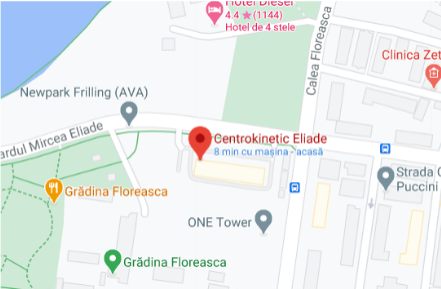
| Navigation | Explore 3D |
CENTROKINETIC Barbu Vacarescu
Bucharest, 2nd District,
Barbu Vacarescu Street, no. 102,
102 The Address, ground floor.
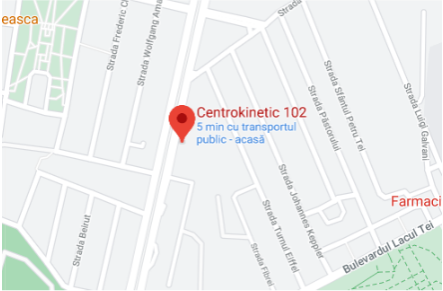
| Navigation | Explore 3D |
CENTROKINETIC MILITARI
Bucuresti, Sector 6,
Bld. Iuliu Maniu, nr. 15G,
Cladirea PBT, etaj 3.
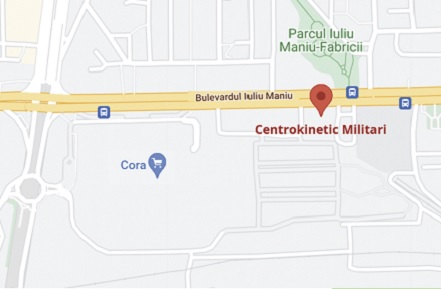
| Navigation |
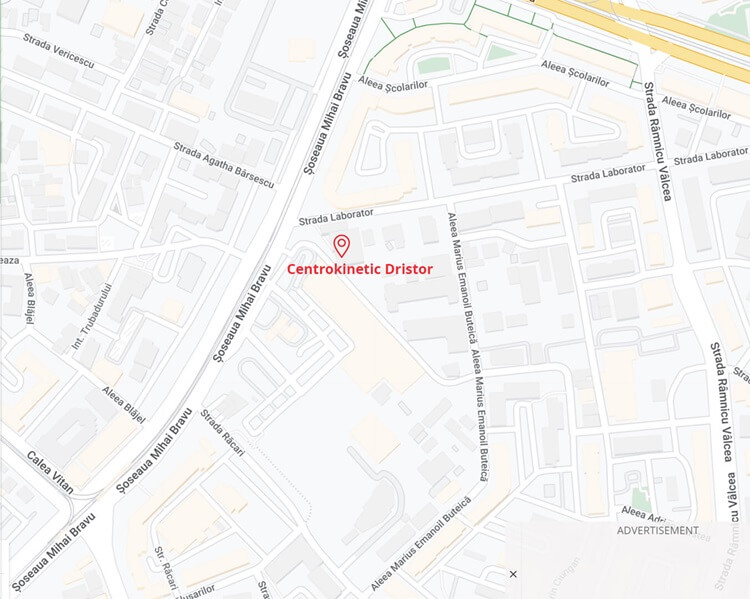
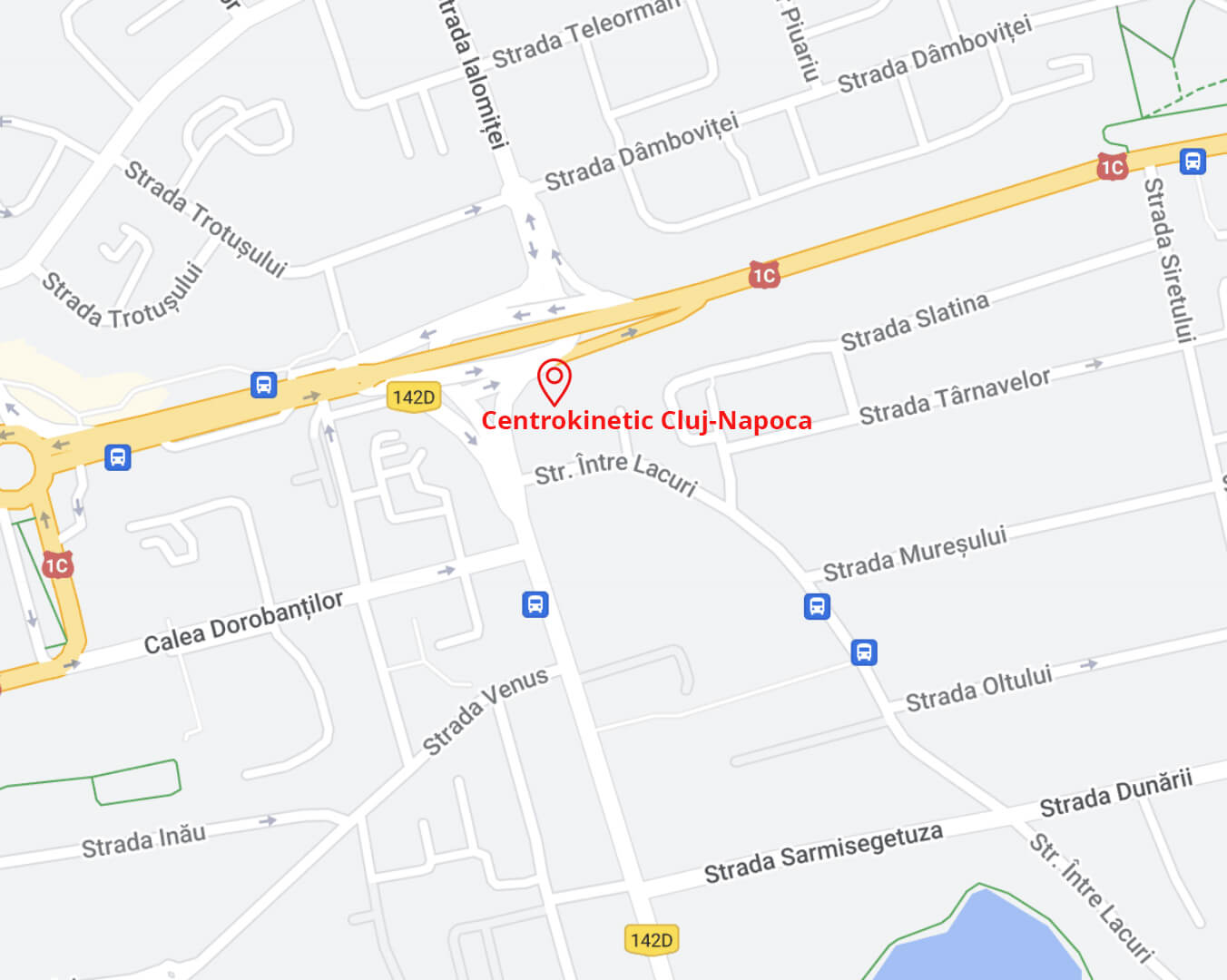
CENTROKINETIC CLUJ-NAPOCA
Cluj-Napoca,
Str. Intre Lacuri, nr.1
Intrarea este in spatele cladirii.
| Navigation |
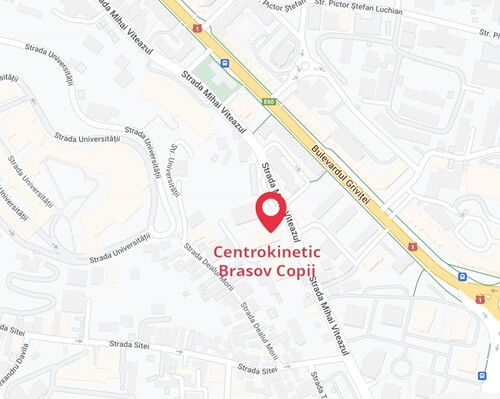
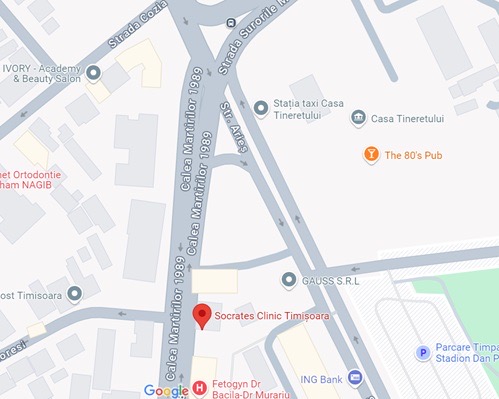
SOCRATES CLINIC TIMISOARA
Timisoara, Calea Martirilor 1989,
nr. 1.
Telefon: 0371 785 374.
| Navigation |
CONTACT
Phone: 0319693
E-mail: programari@centrokinetic.ro
Operating hours:
Monday – Friday: 07:00 – 21:00
Saturday: 09:00 – 14:00
Sunday: closed.
MAKE AN APPOINTMENT