Scleroderma


Scleroderma. Definition, causes, symptoms, and treatment
.jpg "Sclerodermia. Definitie, cauze, simptome si tratament")
The term scleroderma is derived from the Greek words skleros = hard, tough, rough and derma = skin. It is used to describe a condition characterized by progressive hardening of the skin.
Scleroderma can be one of the forms of manifestation of systemic sclerosis, an autoimmune disease that affects the subcutaneous connective tissue, the muscles, and the internal organs. In this article, you can find out more about the causes and symptoms of the disease and about treatment alternatives.
- What is scleroderma?
- Causes of scleroderma
- Risk factors
- Types of scleroderma
- Localized scleroderma
- Systemic scleroderma
- Scleroderma - symptoms
- The skin
- Fingers and toes
- The digestive system
- Heart, lungs, kidneys
- Teeth
- Joints
- Diagnosing scleroderma
- Scleroderma - complications
- Scleroderma - treatment
- Scleroderma - prognosis
What is scleroderma?
Scleroderma is an autoimmune disease of the subcutaneous connective tissue, classified among rheumatic conditions. Essentially, the exacerbated immune response causes inflammation, to which the body responds by increasing collagen synthesis. The excess collagen leads to the appearance of areas of hardened skin, lacking flexibility [1].
Unfortunately, scleroderma does not affect only the skin; all the connective tissue inside the body undergoes changes caused by the excess collagen. Connective tissue is found in the skin, tendons, and cartilage, but it is also what gives structure to all internal tissues and organs [2].
Causes of scleroderma
The causes that trigger scleroderma have not yet been elucidated. It sets in the moment the body begins to synthesize an excessive amount of collagen, which accumulates in the tissues.
Risk factors
Scientists have not yet elucidated the causes that lead to the occurrence of this form of systemic sclerosis, but they have identified a combination of risk factors:
- Genetic factors: There appears to be a genetic determinism in the case of scleroderma. It has a higher incidence within the same family. In the United States, for example, scleroderma occurs most often among certain Native American tribes, where up to 469 cases per 100,000 people are recorded.
- Environmental factors: It appears that exposure to certain viruses, medications, drugs, or chemical substances can trigger scleroderma;
- Sex: statistically it has been shown that scleroderma occurs more frequently in women than in men, which raises the suspicion that certain hormonal factors are also involved in the progression of the disease.
- Immune system conditions: scleroderma is an autoimmune disease; up to 25% of people with scleroderma also have other autoimmune diseases: polymyositis, dermatomyositis, rheumatoid arthritis, systemic lupus erythematosus, or Sjogren's disease [1].
Types of scleroderma
There are two main types of scleroderma, depending on the extent of the characteristic lesions:
- Localized scleroderma affects only the skin and the subcutaneous tissue structures;
- Systemic scleroderma affects several systems and organs, throughout the entire body. This form of the disease can damage the blood vessels, heart, lungs, and kidneys [3].

Localized scleroderma
- Morphea consists of patches of skin thickening with a diameter of 1 - 2 cm or larger;
- Linear scleroderma, in which the skin thickening appears in the form of lines on the skin. Most often, cutaneous scleroderma extends along an arm or a leg, but it can also appear on the forehead or face [4].
Systemic scleroderma
In systemic scleroderma, the disease extends to the skin as well as to the blood vessels and major organs. Doctors classify localized scleroderma as follows:
- Limited cutaneous scleroderma: appears gradually and generally affects the skin of the fingers, palms, forearms, lower legs, and face;
- Diffuse cutaneous scleroderma: sets in more quickly and starts from the area of the fingers and toes, but extends beyond the elbows and knees, toward the thighs, shoulders, and trunk. This form of the disease is generally more aggressive toward the internal organs [5].
Scleroderma - symptoms
The symptoms of scleroderma can vary from one individual to another, depending on the type of disease and the organs affected.
The skin
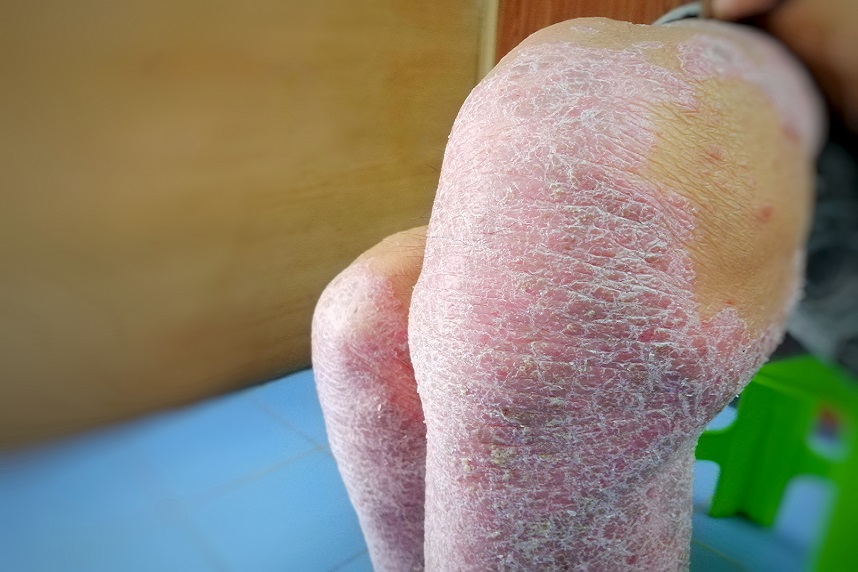
Most often, scleroderma manifests through thickening and hardening of the skin in certain oval-shaped areas or in the form of straight lines, which extend over large areas. Excessive thickening of the skin can lead to limited normal mobility, with the affected areas having a shiny appearance [6].
Fingers and toes
Systemic cutaneous scleroderma can trigger Raynaud's phenomenon. In this case, the small blood vessels in the fingers and toes undergo an intense vasoconstriction as a result of exposure to cold or following strong emotions. The consequence is the bluing of the extremities and the appearance of local pain or numbness. In extreme cases, necrosis of the terminal phalanges can occur.
In scleroderma, the initial symptoms are those of Raynaud's syndrome, therefore they should represent a serious indicator that should send you to the doctor [7].
The digestive system
Scleroderma can affect the digestive system entirely, or only certain segments of it. For example, if the esophagus is affected, the patient may experience difficulty swallowing or acid reflux.
In the case of intestinal involvement, the most common symptoms are:
- cramps;
- diarrhea;
- bloating;
- constipation.
Heart, lungs, kidneys
Scleroderma can also affect other important organs in the body. These forms of the disease can put the patient's life at risk if they are not identified and treated properly.
Renal scleroderma is a serious complication and remains the main risk factor regarding the progression of the disease. Fortunately, it occurs in only 2.4 - 5% of patients with a confirmed diagnosis of systemic scleroderma.
In the lungs, the extension of connective tissue can affect respiratory capacity and tolerance to physical exertion. Pulmonary arterial hypertension can also occur.
At the cardiac level, the extension of scar tissue leads to the occurrence of arrhythmias and congestive heart failure [8].
Teeth
In the case of untreated scleroderma, severe damage can occur to the skin of the face, which is why the opening of the mouth becomes smaller. For this reason, both regular oral hygiene and dental procedures become more difficult. It often happens that people diagnosed with scleroderma do not produce adequate amounts of saliva, which further increases the risk of tooth decay [9].
Joints
The skin over the joints can become so thick and lacking in elasticity that joint mobility is greatly affected, especially in the hands. To prevent this situation, medical treatment recommended by a rheumatologist can help [4].
Diagnosing scleroderma
Scleroderma takes so many forms and can present so differently that establishing the diagnosis can be difficult. In general, the diagnosis begins with a careful clinical examination and extensive discussions about family medical history; then, the doctor may request additional investigations meant to assess cardiac, pulmonary, and renal function.
Blood tests and imaging investigations are among the most frequently recommended [5].
Scleroderma - complications
In some people who suffer from scleroderma, the symptoms progress in a way that can lead to a number of complications:
- gastroparesis;
- gastroesophageal reflux disease;
- hiatal hernia;
- Barrett's syndrome;
- intestinal obstruction;
- pulmonary hypertension;
- high blood pressure;
- transient ischemic attack;
- cerebral infarctions;
- arthritis;
- myositis;
- heart disease;
- cardiac arrhythmias;
- pericarditis;
- scleroderma renal crisis [1].
Scleroderma - treatment
There is no treatment that cures scleroderma, but there are methods to reduce the intensity of symptoms and slow the progression of the disease. This is personalized according to the clinical form of the disease.
In systemic scleroderma, the following are recommended:
- corticosteroids;
- immunosuppressants;
- nonsteroidal anti-inflammatory drugs;
- antihypertensive medication;
- medication that supports respiratory function;
- physical or occupational therapy;
- regular dental treatments to prevent worsening of oral conditions [3].
Scleroderma - prognosis
Given that the disease can progress differently in each patient, the prognosis depends on many factors, including general health status, sex, or ethnicity.
Statistically, 90% of people with scleroderma survive at least 5 years, and 84% of patients survive at least 10 years.
The success of treatment and increased life expectancy depend on early diagnosis of the disease, therefore it is important to turn to a medical center with high-performance equipment, for the fastest possible identification of the characteristic lesions [6].
Although it is not an easy diagnosis, scleroderma diagnosed in time, in which appropriate treatment is promptly initiated, allows for a good quality of life for the patient. However, it is important to see a doctor from the first symptoms.
Centrokinetic is the place where you will find clear answers and effective solutions for musculoskeletal conditions. Our clinic, dedicated to musculoskeletal disorders, is organized into the following specialized departments:
- Orthopedics, a department composed of a highly experienced team of orthopedic surgeons specializing in sports traumatology.
- Pediatric Orthopedics, where sports injuries in children (ligament and meniscus injuries), spinal deformities (scoliosis, kyphosis, hyperlordosis), and foot deformities (hallux valgus, hallux rigidus, equinovarus foot, flatfoot, cavus foot) are treated.
- Neurology, featuring a state-of-the-art department where consultations, electroencephalograms (EEG), and electromyography (EMG) examinations are performed.
- Medical Rehabilitation for adults and children, a department specialized in the rehabilitation of professional athletes, spinal disorders, and children with neurological and traumatic conditions. Our extensive experience includes treating more than 5,000 professional athletes.
- Medical Imaging, with the clinic equipped with ultrasound and MRI systems dedicated to musculoskeletal conditions, complemented by an experienced radiologist, Dr. Cosmin Pantu, specialized in musculoskeletal imaging.
- Rheumatology, a comprehensive department dedicated to the diagnosis, treatment, and rehabilitation of patients with non-surgical musculoskeletal disorders.
- Vascular Surgery, a highly specialized department focused on the diagnosis and treatment of vascular diseases affecting arteries, veins, and lymphatic vessels.
- Psychology and Speech Therapy. Neurological and musculoskeletal conditions can have a psychological impact on patients, which is why we believe complete recovery requires addressing both the physical condition and its psychological consequences.
- Neurofeedback. This innovative method helps improve concentration, reduce anxiety, and achieve emotional balance through a simple and interactive process.
Stay up to date by following Centrokinetic on Facebook, Instagram, and YouTube.
MAKE AN APPOINTMENT
FOR AN EXAMINATION
See here how you can make an appointment and the location of our clinics.
MAKE AN APPOINTMENT
BUCHAREST TEAM























CLUJ NAPOCA TEAM








BRASOV TEAM







Asiguratori privati





Parteneriate



CENTROKINETIC FLOREASCA
Bucharest, 1st District,
Mircea Eliade Street, no. 18,
Eliade Tower, Entrance A, Floor 3
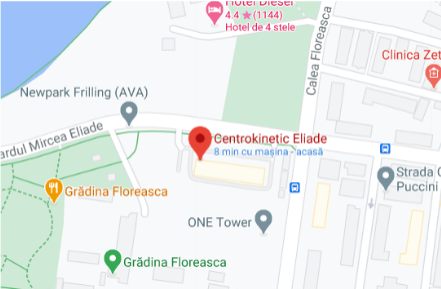
| Navigation | Explore 3D |
CENTROKINETIC Barbu Vacarescu
Bucharest, 2nd District,
Barbu Vacarescu Street, no. 102,
102 The Address, ground floor.
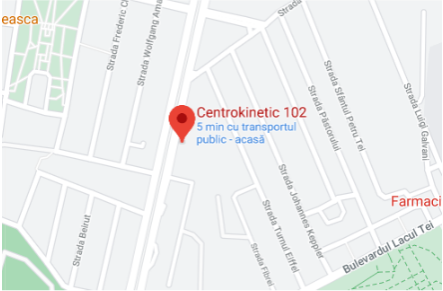
| Navigation | Explore 3D |
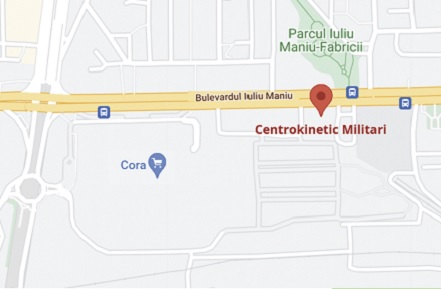
CENTROKINETIC MILITARI
Bucuresti, Sector 6,
Bld. Iuliu Maniu, nr. 15G,
Cladirea PBT, etaj 3.
| Navigation |
CENTROKINETIC CLUJ-NAPOCA
Cluj-Napoca,
Str. Intre Lacuri, nr.1
Intrarea este in spatele cladirii.
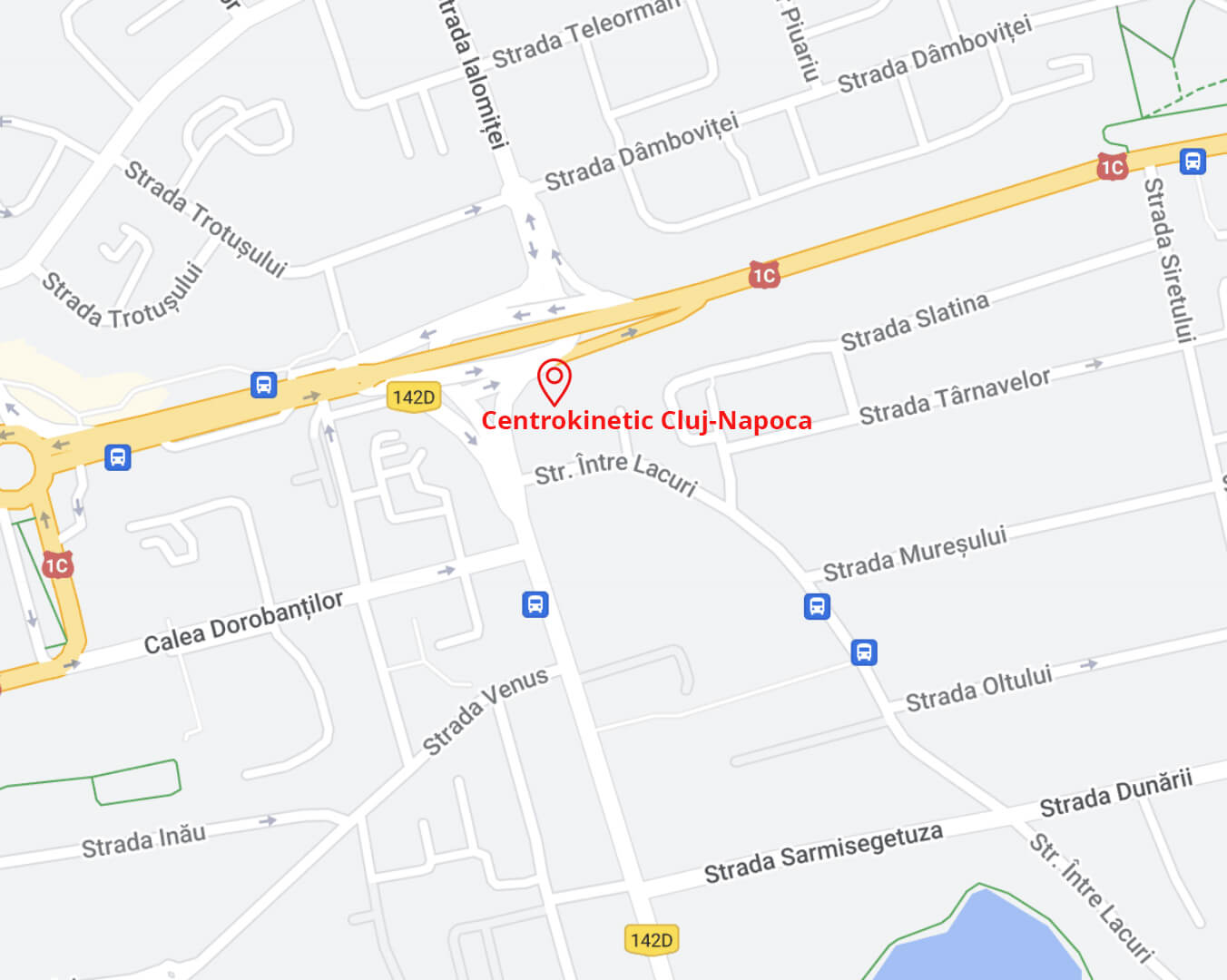
| Navigation |
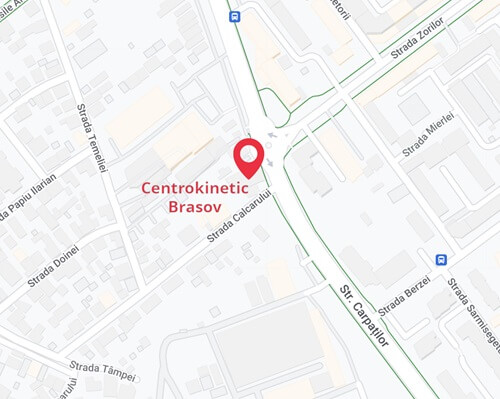
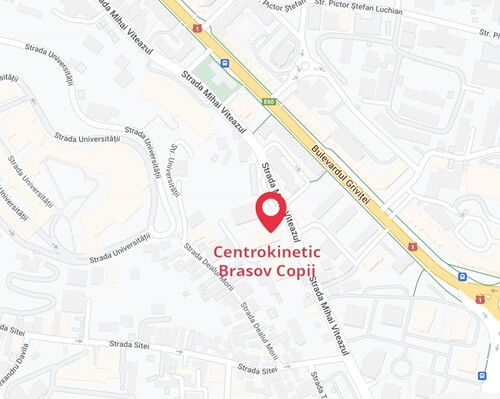
SOCRATES CLINIC TIMISOARA
Timisoara, Calea Martirilor 1989,
nr. 1.
Telefon: 0371 785 374.
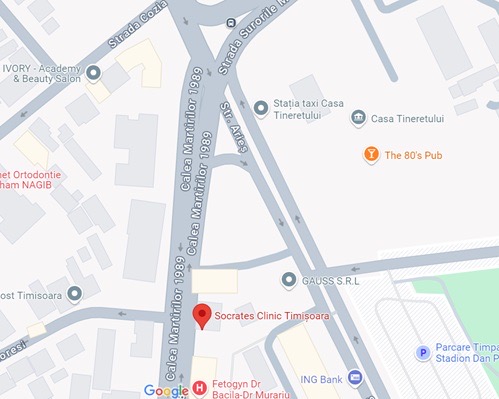
| Navigation |
CONTACT
Phone: 0319693
E-mail: programari@centrokinetic.ro
Operating hours:
Monday – Friday: 07:00 – 21:00
Saturday: 09:00 – 14:00
Sunday: closed.
MAKE AN APPOINTMENT