
See details
READ MORE

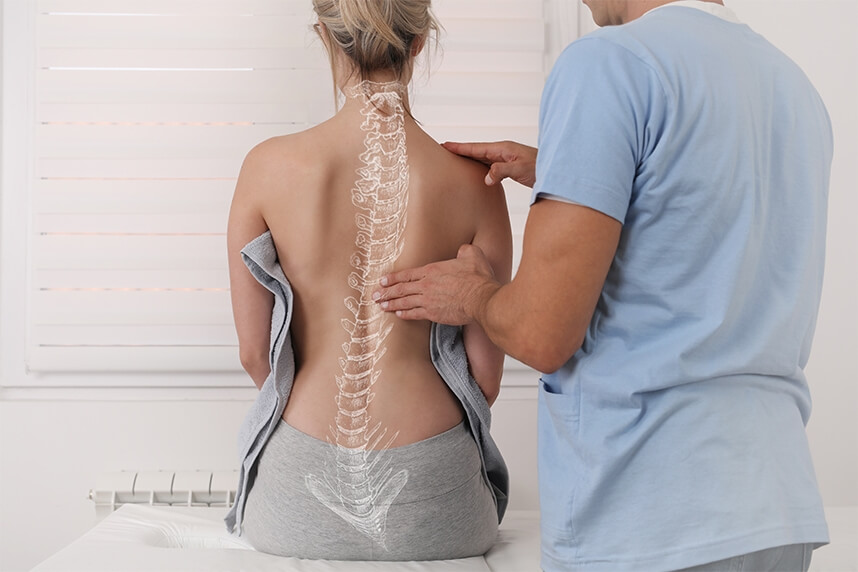
Scoliosis is a condition that leads to the appearance of one or more abnormal curves in the spine. Viewed from the side, the spine has physiological curves, but viewed from the front, the spine should be straight. Kyphosis is a curve that can be observed from the side, in which the spine is curved forward. There is a physiological kyphosis in the spine, located in the middle portion of the spine (thoracic spine). Lordosis is also a curve that can be seen from the side, in which the spine is curved backward. There is physiological lordosis in the spine, located in the upper portion of the spine (cervical spine) and in the lower portion (lumbar spine). People who have scoliosis "develop" additional curves to the left or right, and the vertebrae of the spine twist relative to one another, forming scoliosis of the spine. The degrees of scoliosis range from 10-20 degrees (mild), 20-50 (moderate), and severe (greater than 50 degrees).
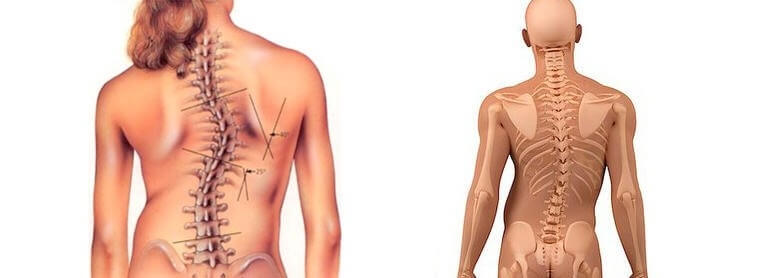
Scoliosis is twice as common in girls as in boys. It can be observed at any age but is much more common at ages over 10 years. It is hereditary, so people who have scoliosis are very likely to pass it on to their children; however, there is no correlation between the severity of scoliosis from one generation to another.
Scoliosis affects 2% of women and 0.5% of men. In general, the cause of scoliosis is unknown (idiopathic). This type of scoliosis is described according to the age at which it appears, as are other types of scoliosis.
Over 80% of people diagnosed with scoliosis have idiopathic scoliosis (the most common form), and most are adolescent girls; scoliosis most commonly appears in the thoracic spine.
What are the causes of other types of scoliosis?
As stated above, idiopathic scoliosis and its subtypes affect over 80% of patients.
These are the main types of scoliosis:
In this type of scoliosis, the spine is normal, but an abnormal curve appears due to a disorder elsewhere in the body. The causes can be: shortening of one of the lower limbs, carrying unequal weight on the shoulders, or the occurrence of a muscle contracture.
In this case, there is a problem when the bones of the spine (vertebrae) develop. Either the inability of the vertebrae to develop completely, or the absence of vertebral delineation during fetal development. This type is also associated with other disorders, such as: birth complications, muscular dystrophy, cerebral palsy, or Marfan syndrome (a hereditary connective tissue disorder). If scoliosis is present at birth, it is called congenital scoliosis. It is usually much more severe and requires more aggressive treatment than other forms of scoliosis.
Unlike other forms present in children and adolescents, degenerative scoliosis occurs in adults. It occurs due to changes in the spine caused by spondylosis. The weakening of the ligaments and other soft tissues of the spine, combined with the appearance of bone "spurs," can lead to an abnormal curve. The spine can also be affected by osteoporosis and disc degeneration.
There are other potential causes that can generate scoliosis, such as spinal tumors (osteoid osteoma). Osteoid osteoma is a benign tumor that can occur in the spine and can cause pain. The pain forces the person to adopt an antalgic (pain-relieving) position, meaning they lean to the side opposite the pain, in order to reduce it. This can lead to deformation of the vertebrae. In addition, researchers suggest that genetics, muscle disorders, and/or abnormal fibrillin metabolism play an important role in causing or contributing to the development of scoliosis.
Age is a risk factor, since symptoms manifest between ages 9-15. Female sex also presents an increased risk.
Although many people who have scoliosis do not have family members with scoliosis, this condition present in the family medical history could increase the risk.
The most common symptom of scoliosis is the abnormal curvature of the spine. Usually this change can be mild and can be noticed by: a friend, a family member, or even a family doctor. Those affected may notice that certain clothes no longer fit as they used to, that the waistline is uneven, or that trousers are longer on one leg than the other.
Also because of scoliosis, the head may appear not to be centered on the rest of the body, or a difference in height between the shoulders or hips may be observed. A "hump" (gibbus) may even appear on the back, but only on one side, as a result of the twisting of the vertebrae in the spine. If scoliosis is severe, it can impair cardiac and respiratory function. This can lead to difficulty breathing and chest pain.
In general, scoliosis is not painful, but certain forms can cause pain in the back, neck, abdomen, and also muscle contractures. In addition, there are other causes of these nonspecific pains, which a doctor will investigate in order to rule out other diagnoses.
.jpg)
What tests do healthcare professionals use to diagnose scoliosis?
If a person believes they have scoliosis, it is recommended that they visit a specialist doctor. The doctor will ask the patient questions; whether there is anyone in the family history with scoliosis, whether there is pain, weakness, or other medical problems.
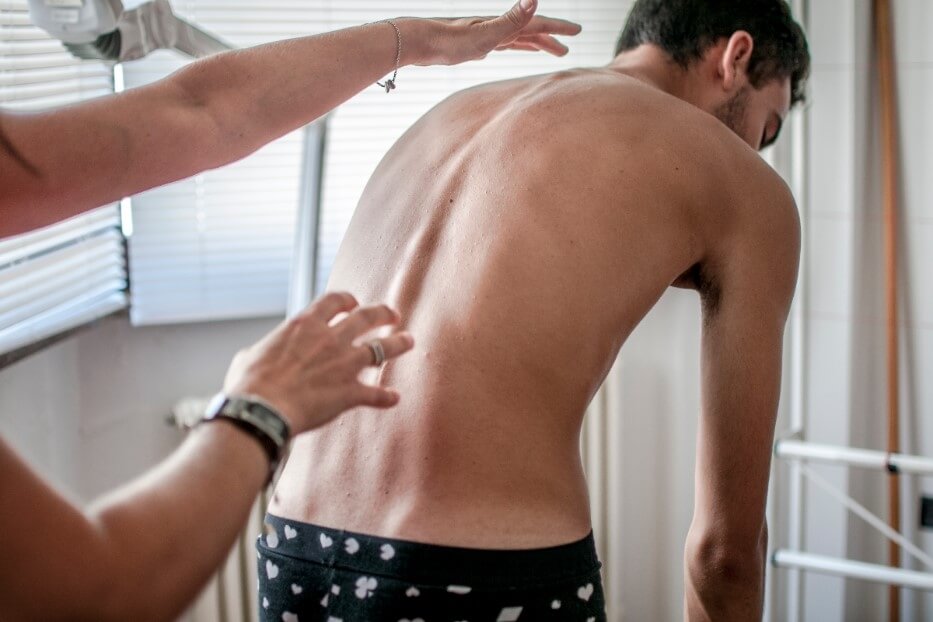
The physical examination consists of examining the curvature of the spine from the side, front, and back. The person being examined will be asked to undress from the waist up in order to be better observed. Then, they will be asked to bend forward and try to touch their toes. This position highlights any abnormal curves. The doctor will also assess body symmetry, whether the hips and shoulders are level. Range of motion, muscle strength, and reflexes will also be checked.
If the person is still growing, the more time remaining until growth is completed, the greater the chances of the scoliosis worsening. As a result, the doctor will measure height and weight to have as a reference for future check-ups. Bone maturity ends in girls at approximately 14.5 years, and in boys at 16.5 years.
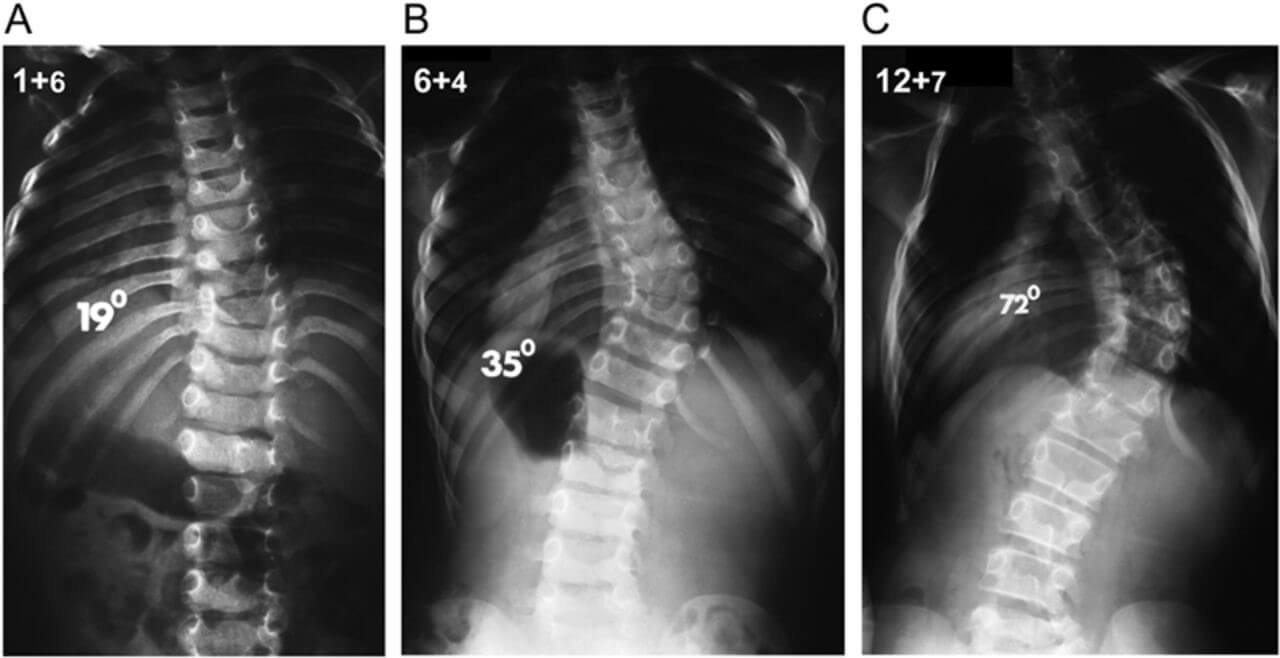
If the doctor considers that the patient has scoliosis, they will be asked either to return for a follow-up after a period of time, or an X-ray will be taken. From the X-ray obtained, the doctor can measure the dimensions of the curve. This helps in deciding on treatment, if necessary.
It is important for the doctor to know how much longer the patient has until growth is completed. To find this out, additional X-rays of the hand, wrist, or pelvis may be performed.
.jpg)
Treatment of scoliosis is based on the severity of the curve and the chances that it will worsen. Certain forms of scoliosis have a greater chance of worsening, so knowing the type of scoliosis helps in establishing appropriate treatment. There are three main treatment methods: observation, bracing, and surgical treatment. There are people who do not need surgical treatment, but for certain individuals this may be their best option.
Functional scoliosis occurs due to a disorder elsewhere in the body. This type is treated by treating that disorder, such as leg length inequality. This inequality can be corrected by wearing custom heel lifts that equalize the difference.
Neuromuscular scoliosis occurs due to abnormal vertebral development and is the most prone to worsening. Observation and bracing do not have favorable results in this case. In general, people with this form eventually end up having surgery.
Treatment of idiopathic scoliosis is generally based on the age at which it appears.
Infantile idiopathic scoliosis, in general, will resolve spontaneously. An X-ray can be taken as a preventive measure, and its measurements can be compared at future check-ups. Bracing has no effect in this case.
Juvenile idiopathic scoliosis has the highest risk of worsening among all idiopathic forms. Bracing is an early option, if the curve is not very large. The goal is to prevent the curve from worsening until the growth period is completed. Since the curve appears early in the development of these individuals and there is still a lot of time left until growth is completed, there is a much greater chance that they will need more aggressive treatment or even surgical intervention.
Adolescent idiopathic scoliosis is the most common form. If, at the time of diagnosis, the curve is small, it can be kept under observation and monitored through X-rays and measurements. The X-ray will be repeated every year. If the Cobb angle (a type of measurement of the degree of curvature) or the curve remains below approximately 20-25 degrees, no other treatment is needed, apart from kinesiotherapy and observation. If the Cobb angle is between 25-40 degrees, and the patient is still growing, a brace will also be recommended in addition to kinesiotherapy. If the angle is greater than 40 degrees, surgical intervention is recommended.
As explained throughout the article, scoliosis is usually not associated with back pain. However, there are patients who do experience it; this can still be diminished through kinesiotherapy, massage, and stretching. These activities help strengthen the back muscles. In any case, these treatments are not a cure for scoliosis, but only for pain relief.
There are several types of braces for scoliosis. Some must be worn almost 24 hours a day and removed only for personal hygiene. Others can be worn only at night. To achieve results from wearing a brace, the person must follow up and wear the brace according to the doctor's instructions. The brace is not designed to correct the curve, but to slow down or stop it from worsening. Discomfort may occur as a side effect, as with any treatment for slowing or correcting the spine.
If, by the end of the growth period, the curve remains below 40 degrees, it is unlikely to worsen later. If it is above 40 degrees, it will likely worsen and increase by 1-2 degrees each year. If not treated in time, cardiovascular or pulmonary disorders may occur.
Surgical intervention consists of correcting the curve as close to normal as possible, and performing a spinal fusion to hold it in place. This fusion is achieved using screws, hooks, and rods, which are attached to the vertebrae to hold them in position. In general, these screws and rods will remain in the spine.
Recovery after surgical intervention can vary from person to person. The doctor will recommend postoperative pain medication. After the intervention, the patient will be assisted by a physical therapist in order to be able to walk. As the patient recovers, rebuilding muscle strength is important. The physical therapist will help the patient with exercises for the muscles that need to be addressed during recovery. After surgical intervention, recovery takes 6 weeks, but returning to normal activity takes approximately 6 months.
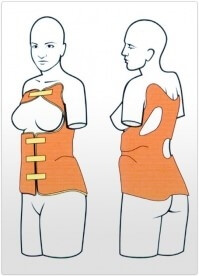 |  |
Like any surgical intervention, this one also carries risks. The degree of risk depends partly on the patient's age, the degree of curvature, the cause of the curvature, and how much correction is attempted. In general, the surgeon will use a technique called neuromonitoring during the operation. This allows monitoring of spinal cord function and nerve structures during the operation. If there is an increased risk of damage to these structures, the surgeon is alerted and can adjust the procedure to reduce these risks. As with any intervention, there is a small risk of infection. This risk is low due to the use of antibiotics, but exceptions can occur. Other potential risks are: nerve damage, blood vessel damage, bleeding, progression of the curve after surgery, breakage of the rods or screws, or even the need for additional surgical intervention. Each of these occurs rarely.
If a tumor, such as osteoid osteoma, is the cause of scoliosis, surgical intervention to remove the tumor is generally the most recommended option.
As nonsurgical treatment, patients can opt for kinesiotherapy, physical exercise, and gentle chiropractic care, which can help relieve symptoms in some cases. People who do not achieve pain relief with these treatments can resort to surgical intervention.
Usually the guardian or a pediatrician notices the problem appearing, then consults with an orthopedic surgeon or a neurosurgeon who specializes in spinal surgery. In addition, an evaluation by a physical therapist may be necessary.
School screening programs have helped in the early identification of numerous cases of scoliosis. This allows for timely treatment and avoidance of surgical intervention. Most people with scoliosis can have a perfectly normal and active life, with a relatively normal life expectancy. Women with scoliosis can become pregnant and have children without an increased risk of complications. However, they may have an increased risk of additional back pain during pregnancy. In general, as the degree of spinal curvature increases, the prognosis worsens.
Advances in surgical medicine have allowed surgical methods to become less invasive, with less pain and a shorter recovery period. The recovery time from surgical intervention depends on the specific procedure performed; sometimes it may require extended hospitalization, other times recovery is faster.
Untreated scoliosis can lead to deformation of the spine, which is severe, painful, and results in partial functional impairment (the individual cannot work or walk normally). Scoliosis can very rarely compromise breathing and cause death. Patients often do not realize that treatment of scoliosis is a lengthy process, so they should be advised to discuss their expectations with their doctor and follow their instructions in order to better understand the prognosis and the long-term effects of treatment.
At this time, there is no cure for scoliosis. There are treatment options, as mentioned above. Researchers are trying to find the causes of the various types of idiopathic scoliosis. This will lead to better treatment or even a cure. Since the cause of idiopathic scoliosis is not known, there is no way to prevent it.
There are several options that can be used at home; some involve herbal treatments, others dietary changes, massage, kinesiotherapy, and stretching. Patients are advised to discuss these treatments with their doctor before starting them at home. Medication treatments are mainly pain relievers when needed. Although these methods can reduce discomfort, they do not provide a cure for scoliosis.
Centrokinetic is the place where you will find answers and clear solutions for your movement problems. The clinic dedicated to osteoarticular conditions is divided into the following specialized departments:
Find out the latest news by following the Facebook and YouTube accounts of Centrokinetic clinic.
See details
READ MORESee details
READ MORESee details
READ MORESee here how you can make an appointment and the location of our clinics.







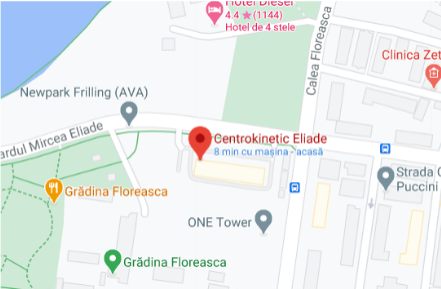
CENTROKINETIC FLOREASCA
Bucharest, 1st District,
Mircea Eliade Street, no. 18,
Eliade Tower, Entrance A, Floor 3
| Navigation | Explore 3D |
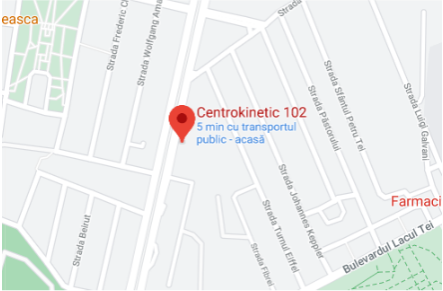
CENTROKINETIC Barbu Vacarescu
Bucharest, 2nd District,
Barbu Vacarescu Street, no. 102,
102 The Address, ground floor.
| Navigation | Explore 3D |
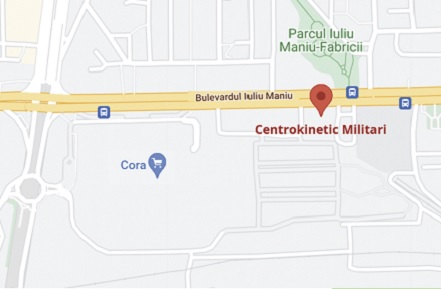
CENTROKINETIC MILITARI
Bucuresti, Sector 6,
Bld. Iuliu Maniu, nr. 15G,
Cladirea PBT, etaj 3.
| Navigation |
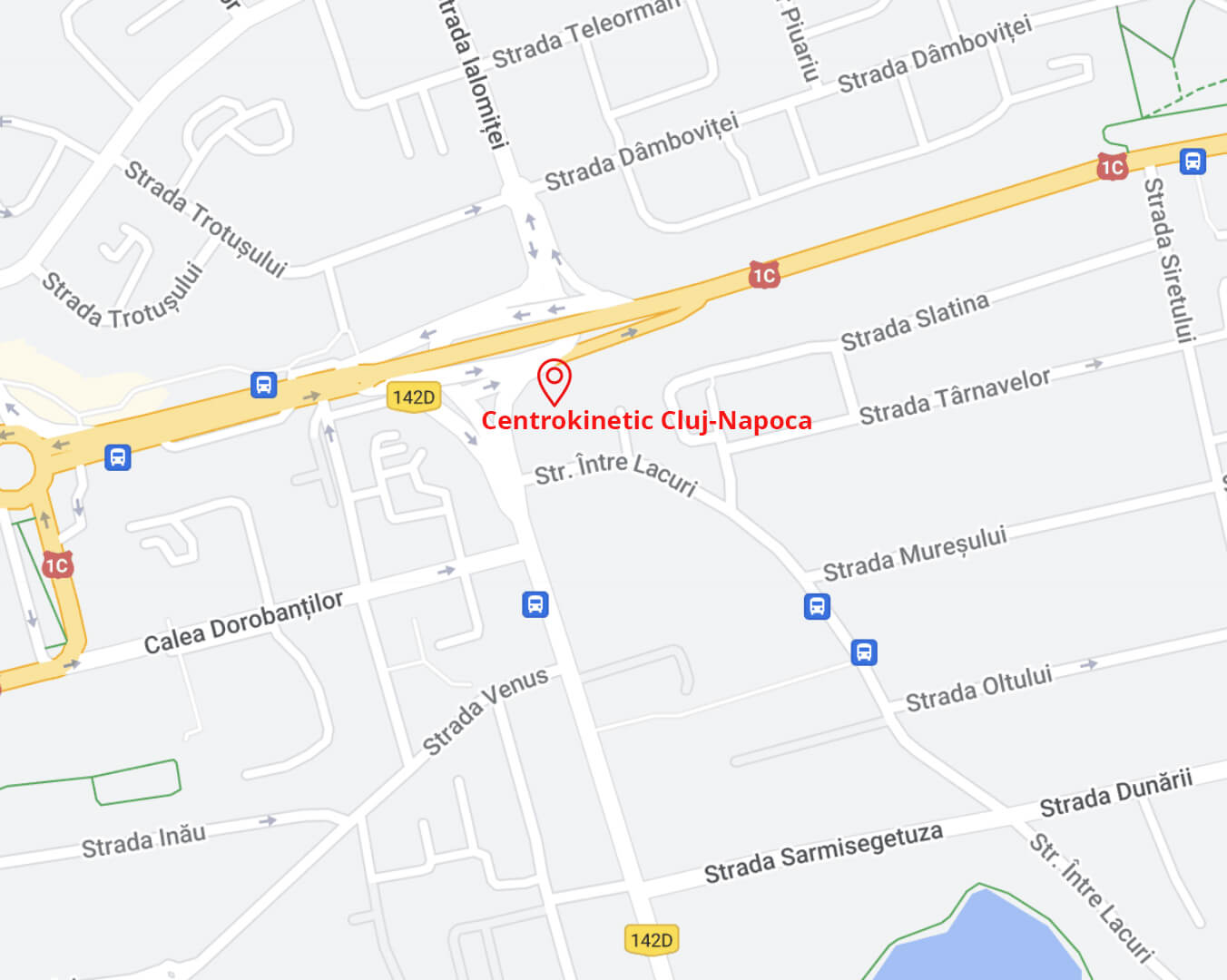
CENTROKINETIC CLUJ-NAPOCA
Cluj-Napoca,
Str. Intre Lacuri, nr.1
Intrarea este in spatele cladirii.
| Navigation |
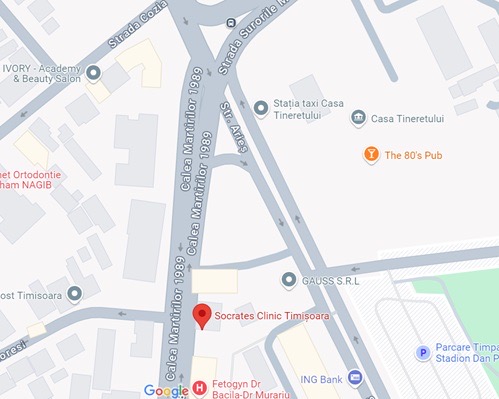
SOCRATES CLINIC TIMISOARA
Timisoara, Calea Martirilor 1989,
nr. 1.
Telefon: 0371 785 374.
| Navigation |
Phone: 0319693
E-mail: programari@centrokinetic.ro
Operating hours:
Monday – Friday: 07:00 – 21:00
Saturday: 09:00 – 14:00
Sunday: closed.
MAKE AN APPOINTMENT