Persistent pain in the heel, elbow, shoulder, or knee can limit your training, work, or daily activities. If you have tried anti-inflammatory medication, rest, or conventional physiotherapy and the symptoms keep coming back, it is natural to look for a more effective solution. Shockwave Therapy is one of the modern options used in the recovery of chronic musculoskeletal conditions.
At Centrokinetic Cluj-Napoca, this procedure may be part of a personalized medical plan, established after a thorough evaluation. In the following, you will find out exactly how a session takes place, what you feel during the treatment, when results appear, and what recommendations you need to follow for a stable recovery.
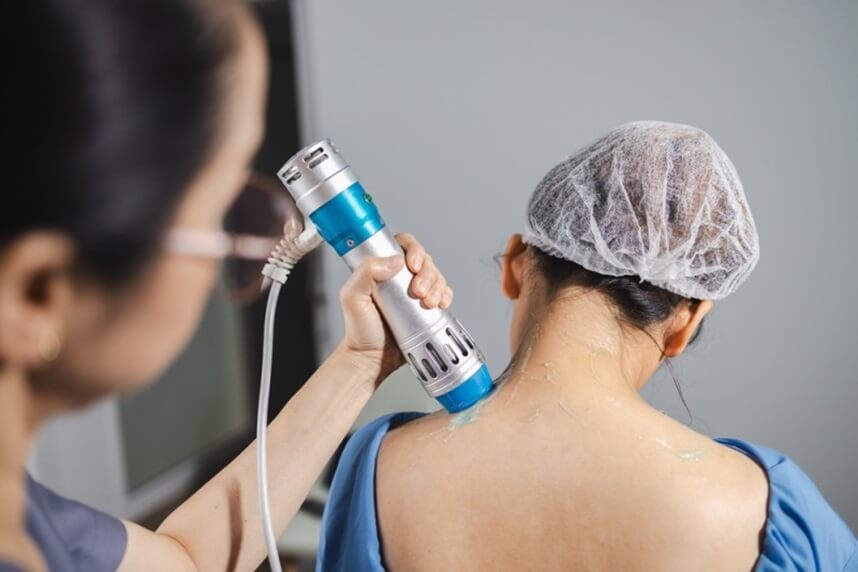
Extracorporeal shockwave therapy (ESWT) uses controlled acoustic impulses, applied locally, to stimulate the body’s natural tissue repair processes. The waves penetrate the tissue and create mechanical microstimulation, which activates local circulation and regeneration processes.
Shockwave Therapy is frequently used in chronic tendinopathies, plantar fasciitis, and calcifications in the shoulder area, with a good safety profile and minimal, temporary side effects. Published studies show that, in most cases, patients report reduced pain and improved function after 3–6 sessions.
At Centrokinetic, the procedure is carried out according to current medical rehabilitation protocols. If you want to read technical details about the method, you can access the page dedicated to Shockwave Therapy.
At Centrokinetic, no session begins without a clear diagnosis. The orthopedic doctor or medical rehabilitation specialist discusses your medical history, analyzes your symptoms, and examines the painful area. During the consultation:
A proper evaluation brings concrete benefits:
Early intervention increases the chances of faster recovery, especially for athletes or active individuals. Delaying treatment can lead to chronic pain and compensatory adaptations that affect other joints.
Before the first session, the medical team checks whether there are situations in which the therapy is not recommended.
Contraindications include:
Tell the doctor if you are taking anticoagulant treatment or if you have chronic conditions such as diabetes or vascular disorders. This information helps adjust the protocol.
You do not need special preparation. Eat normally and avoid applying creams to the treated area on the day of the session. Wear loose clothing that allows easy access to the affected region.
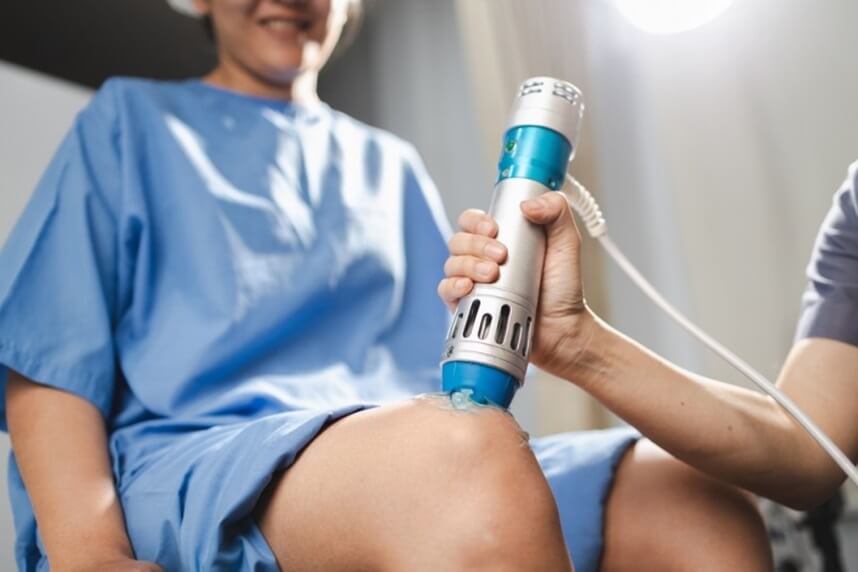
The session takes place in the physiotherapy office, in a controlled environment. At Centrokinetic, you can benefit from complete physiotherapy services within the clinic in Cluj. The procedure follows a few clear steps.
Communicate constantly with the therapist. If the discomfort exceeds a tolerable level, they can adjust the intensity.
Most patients describe moderate, intermittent discomfort. The sensation appears with each impulse and disappears immediately. As the session progresses, the tissue adapts and pain perception may decrease.
Routine anesthesia is not used. In selected cases, the doctor may recommend adjustments for comfort. After the session you may notice:
These reactions are temporary. According to available data, adverse effects are generally minor and self-limited. You can return to light activities the same day.
Following the recommendations influences your progress. Keep in mind the following indications:
In many cases, the doctor recommends combining the therapy with specific exercises. Kinesiotherapy helps correct muscular imbalances and prevent recurrence. The combination of Shockwave and well-chosen exercises provides more stable results than therapy alone.
In most cases, the plan includes 3–6 sessions, at intervals of 5–7 days. The exact number depends on:
Chronic tendinopathies may require more sessions than recent injuries. A runner with Achilles tendinitis that has lasted for a year will usually need a more extensive protocol than a patient whose symptoms appeared a few weeks ago.
Some patients feel a slight reduction in pain after the first or second session. The real effects appear progressively, in the following weeks. The biological regeneration processes continue for up to 8–12 weeks after the treatment is completed.
It is important to have realistic expectations. The therapy stimulates the body to repair the tissue; it does not act like an immediate painkiller. Follow the established plan and return for the recommended follow-up visits.
At Centrokinetic Cluj, the therapy is frequently used for:
For parents looking for solutions for active teenagers or child athletes, the doctor establishes the indication with caution, depending on age and the type of injury.
The correct application of the therapy depends on the precision of the diagnosis and the choice of the right parameters. The Centrokinetic team has experience in sports traumatology and post-operative recovery, and each patient receives a plan adapted to their needs.
The personalized approach reduces the risk of unnecessary treatments and increases the effectiveness of the intervention. Monitoring progress is part of the process. Do not rely on self-diagnosis and do not start treatments without medical recommendation. If you are dealing with persistent pain and want a proper evaluation, act early. Schedule a specialist consultation now.
The level of discomfort varies. Most patients describe the sensation as moderate and tolerable. The therapist adjusts the intensity according to your tolerance.
You can continue light activities, but avoid intense effort involving the treated area between sessions. The doctor gives you personalized recommendations, especially if you are a performance athlete.
In many cases of chronic tendinopathies, it can reduce the need for intervention. However, the indication depends on the diagnosis. The doctor decides after a complete evaluation.
| Practical aspect | Useful information for you |
| Total time in the clinic | Approximately 20–30 minutes (includes preparation and the short post-procedure discussion) |
| Does it require medical leave? | Usually not. You can return to light activities the same day |
| Interval between sessions | Usually 5–7 days, to allow the local biological response |
| When is progress reassessed? | At the end of the series or earlier if important changes appear |
| Is it combined with other therapies? | Yes, frequently with kinesiotherapy for more stable results |
| Does it require a complete sports break? | Not always; the doctor adjusts the level of effort individually |
This material is for informational purposes only and does not replace medical consultation. For a personalized plan and a correct diagnosis, schedule a specialist consultation now!
Sources of information:
See here how you can make an appointment and the location of our clinics.







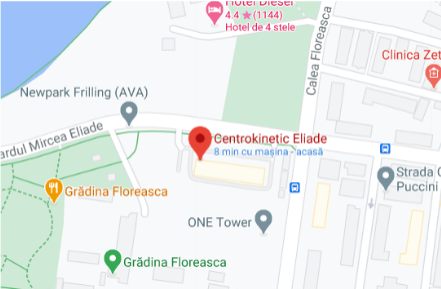
CENTROKINETIC FLOREASCA
Bucharest, 1st District,
Mircea Eliade Street, no. 18,
Eliade Tower, Entrance A, Floor 3
| Navigation | Explore 3D |
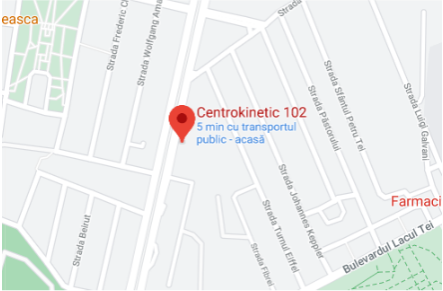
CENTROKINETIC Barbu Vacarescu
Bucharest, 2nd District,
Barbu Vacarescu Street, no. 102,
102 The Address, ground floor.
| Navigation | Explore 3D |
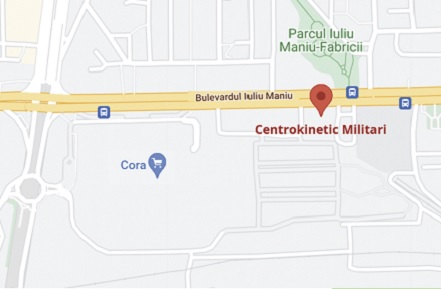
CENTROKINETIC MILITARI
Bucuresti, Sector 6,
Bld. Iuliu Maniu, nr. 15G,
Cladirea PBT, etaj 3.
| Navigation |
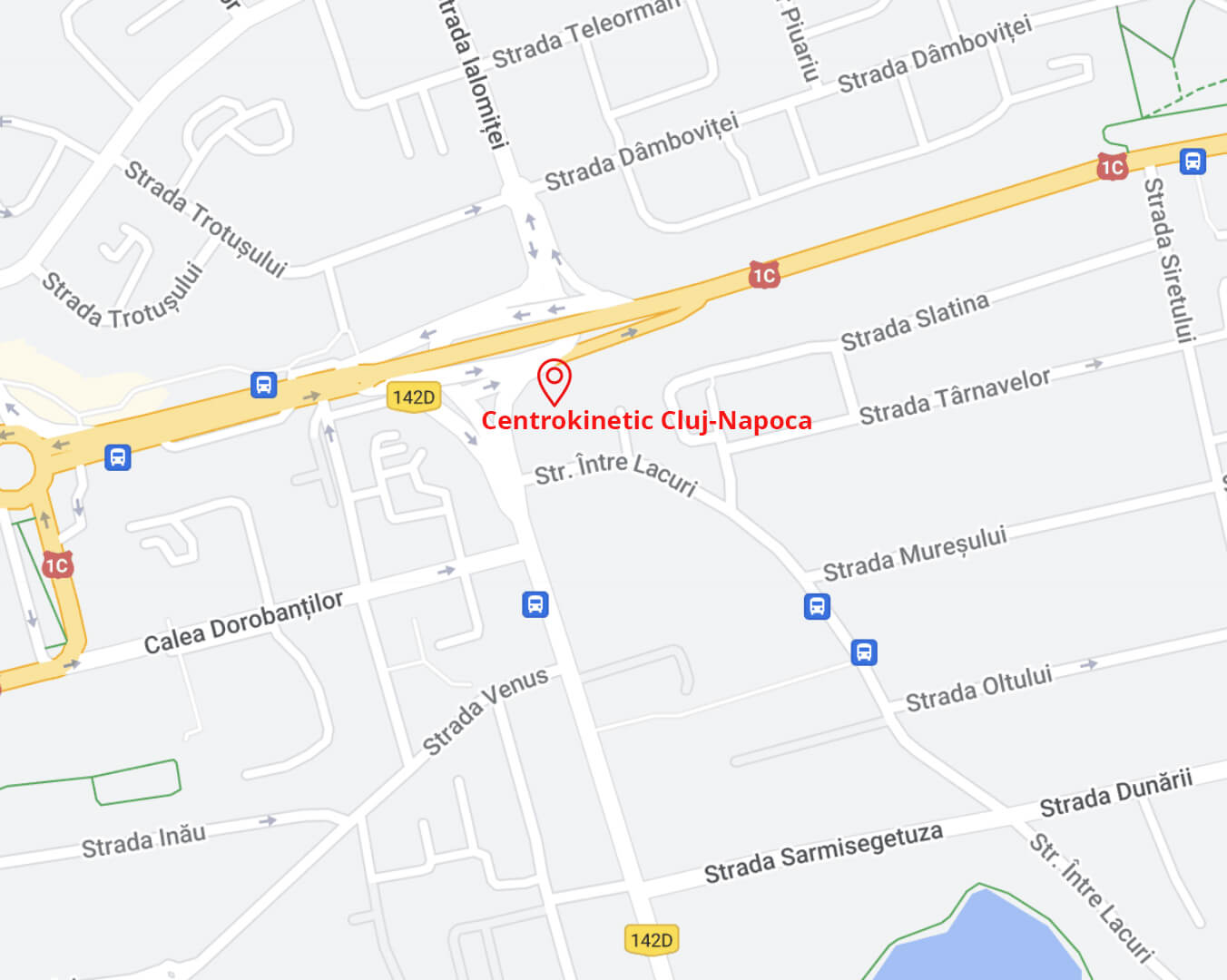
CENTROKINETIC CLUJ-NAPOCA
Cluj-Napoca,
Str. Intre Lacuri, nr.1
Intrarea este in spatele cladirii.
| Navigation |
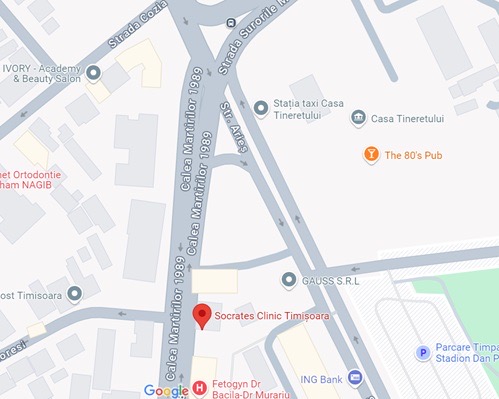
SOCRATES CLINIC TIMISOARA
Timisoara, Calea Martirilor 1989,
nr. 1.
Telefon: 0371 785 374.
| Navigation |
Phone: 0319693
E-mail: programari@centrokinetic.ro
Operating hours:
Monday – Friday: 07:00 – 21:00
Saturday: 09:00 – 14:00
Sunday: closed.
MAKE AN APPOINTMENT