Shockwave Therapy: Conditions Treated


Shockwave Therapy: Which Conditions Does It Work Best For?
.jpg)
Shockwave therapy is a modern treatment method that uses high-energy acoustic waves to stimulate the healing of affected tissues. Doctors frequently use it for chronic musculoskeletal conditions, especially when pain persists and conventional treatments do not deliver the desired results.
If you suffer from heel, knee, shoulder, or elbow pain and are looking for a non-invasive solution, it is worth understanding exactly in which situations this therapy works best. Here is what you need to know!
How does Shockwave therapy work?
Shockwave therapy (ESWT – Extracorporeal Shock Wave Therapy) delivers controlled acoustic impulses to the painful area. These waves produce micro-stimuli at the tissue level and trigger biological processes that support regeneration.
According to studies, shock waves can:
- stimulate the formation of new blood vessels (neovascularization);
- activate collagen production, necessary for tendon repair;
- fragment calcium deposits in tendons;
- modulate pain receptors;
- support local metabolic processes.
There are two main types: focused waves, which penetrate deeper, and radial waves, used for larger areas. The doctor chooses the appropriate protocol based on the diagnosis, how long the symptoms have lasted, and your functional goals. At Centrokinetic, Shockwave therapy can be integrated into recovery plans, following a complete orthopedic and functional evaluation.
Which conditions does this therapy work best for?
Plantar fasciitis and heel spurs
Plantar fasciitis is one of the most common indications. The pain occurs in the heel, especially in the morning or after periods of rest. Many patients come in for a consultation after months of discomfort. In chronic forms that do not respond to conservative treatments, Shockwave therapy can reduce pain in 70–80% of cases. It is especially recommended if:
- the pain persists for more than 3–6 months;
- stretching and orthotics have not helped enough;
- you want to avoid repeated corticosteroid injections.
If you are dealing with heel pain, the doctor will determine whether inflammation of the plantar fascia or a heel spur is maintaining the symptoms and whether shock waves are indicated.
Chronic tendinopathies (Achilles, patellar)
Both amateur and professional athletes frequently develop Achilles tendinitis or patellar tendinitis, also known as "jumper's knee". The pain appears during exertion, then also in daily activities.
Studies show that shockwave therapy, combined with eccentric exercises, can improve function and reduce pain in chronic tendinopathies. For stable results, the doctor combines it with a structured program of physical therapy for tendinitis.
Early intervention matters. If you treat tendinitis in its initial phase, you reduce the risk of it becoming chronic and limiting your athletic performance.
Lateral epicondylitis (tennis elbow)
Pain on the outer side of the elbow affects both athletes and people who spend long hours working at a desk. Repetitive movements such as typing or using a mouse can maintain the inflammation.
In cases that do not respond to rest, orthotics, or conventional physiotherapy, Shockwave therapy can reduce local tenderness and improve grip strength. The doctor monitors your progress and adjusts the parameters based on how the tissue responds.
Calcific tendinitis of the shoulder
Calcium deposits in the rotator cuff tendons cause pain when raising the arm and during overhead movements. An ultrasound confirms the diagnosis.
Shock waves can fragment these calcifications and stimulate their gradual resorption. Many patients can thus avoid surgery, provided the condition is not at an advanced stage.
Trochanteric pain and associated low back pain
Pain on the outer side of the hip frequently occurs in active adults. The therapy can reduce inflammation of the gluteal tendons and improve walking.
In certain situations, the doctor may also recommend the therapy as part of a comprehensive plan for treating low back pain, especially if there are myofascial trigger points or associated overuse. The decision is made individually, after imaging investigations and a clinical evaluation.
How many sessions are needed and when do results appear?
Most protocols include 3–5 sessions, at intervals of approximately one week. A session lasts between 5 and 7 minutes, depending on the treated area.
Some patients notice a reduction in pain after the first two sessions. However, maximum results often appear 6–12 weeks after completing the therapy, because tissues need time to reorganize and regenerate.
Follow the recommendations you receive and continue with the prescribed exercises and physiotherapy procedures. Combining them increases the chances of complete functional recovery.
When is Shockwave therapy not indicated?
Although it is a safe method, there are situations in which the doctor recommends avoiding or postponing the treatment:
- complete tendon rupture requiring surgery;
- local infections in the treated area;
- tumors in the application area;
- uncontrolled coagulation disorders;
- pregnancy;
- recent acute pain, in the intense inflammatory phase.
Is the procedure painful?

During the session, you may feel moderate discomfort. The therapist will adjust the intensity according to your tolerance and the goals of the session.
After treatment, the area may remain sensitive for 24–48 hours. Redness or small bruises may appear, which disappear on their own. Avoid non-steroidal anti-inflammatory drugs during the therapy period, as they can interfere with the biological response stimulated by the waves.
Why does a correct evaluation matter?
Any treatment plan begins with an orthopedic consultation and a functional evaluation. The doctor analyzes your medical history, activity level, and ultrasound or MRI results, and determines whether the therapy is suitable. A correct evaluation offers clear benefits:
- identifies the real source of the pain;
- rules out conditions that require a different approach;
- allows treatment parameters to be personalized;
- sets realistic recovery goals.
The medical team adapts the protocol to your needs, whether you are an athlete, a patient in post-operative recovery, or a parent looking for solutions for your child.
Early intervention improves the prognosis. The sooner you treat a tendinopathy or plantar fasciitis, the more you reduce the risk of long-term functional limitations.
Integration into a complete recovery plan
Shockwave therapy does not work in isolation. For stable results, the doctor includes it in a broader physiotherapy program, alongside:
- personalized exercises;
- correction of muscle imbalances;
- recommendations for a gradual return to sport;
- education for preventing recurrences.
This personalized approach increases the chances of recovery and supports a safe return to daily or sporting activities.
If you are dealing with persistent pain and want a modern medical solution, schedule an evaluation at Centrokinetic. Talk openly with your doctor about your history and your mobility goals!
Frequently asked questions
How many sessions are needed for visible results?
In most cases, doctors recommend 3–5 sessions. Some people notice improvements after the first sessions, but complete results appear a few weeks after finishing the protocol.
Can I play sports during the treatment?
You can continue light activities, but avoid impact sports in the first 24–48 hours after each session. Your doctor and physical therapist will tell you the right time to resume intense training.
Does Shockwave therapy replace surgery?
In certain chronic conditions, shockwave therapy can reduce the need for surgery. However, in complete tendon ruptures or advanced stages, surgery may still be necessary. Only a medical evaluation can determine the best option for you.
Sources:
- "Extracorporeal Shockwave Therapy." Physiopedia, 2018.
- Wendt, Taylor. "What Is Shockwave Therapy?" WebMD, 17 Nov. 2022.
- "Shockwave Treatment: A New Wave for Musculoskeletal Care - Mayo Clinic." Mayoclinic.org, 2026.
- Ryskalin, Larisa, et al. "Recent Advances in Shockwave Therapy for Musculoskeletal and Soft-Tissue Disorders." Life, vol. 15, no. 12, 13 Dec. 2025, p. 1912, pmc.ncbi.nlm.nih.gov/articles/PMC12734210/.
BUCHAREST TEAM























CLUJ NAPOCA TEAM
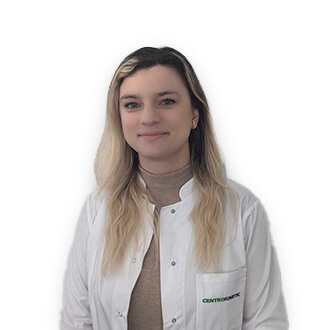
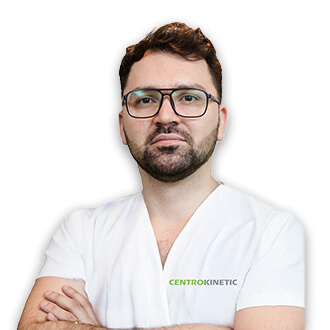
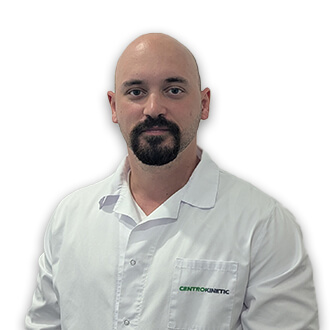



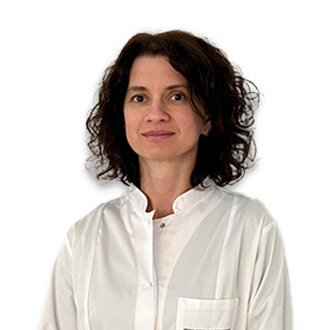









BRASOV TEAM






MAKE AN APPOINTMENT
FOR AN EXAMINATION
See here how you can make an appointment and the location of our clinics.
MAKE AN APPOINTMENT
Asiguratori privati





Parteneriate


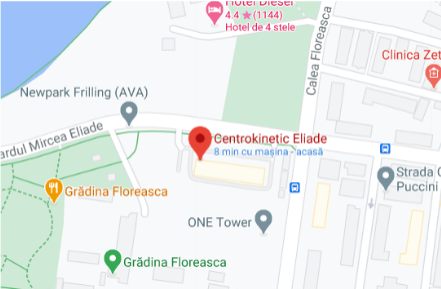
CENTROKINETIC FLOREASCA
Bucharest, 1st District,
Mircea Eliade Street, no. 18,
Eliade Tower, Entrance A, Floor 3
| Navigation | Explore 3D |
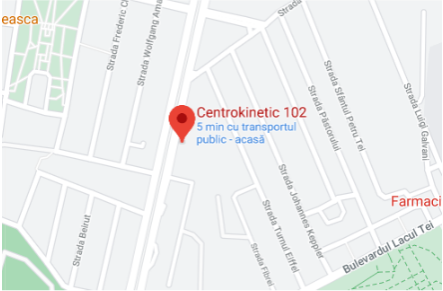
CENTROKINETIC Barbu Vacarescu
Bucharest, 2nd District,
Barbu Vacarescu Street, no. 102,
102 The Address, ground floor.
| Navigation | Explore 3D |
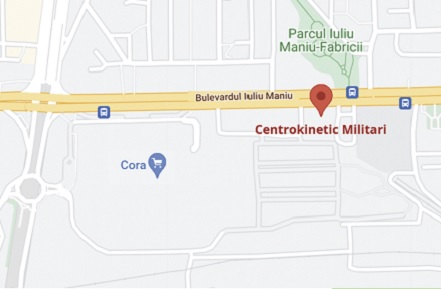
CENTROKINETIC MILITARI
Bucuresti, Sector 6,
Bld. Iuliu Maniu, nr. 15G,
Cladirea PBT, etaj 3.
| Navigation |
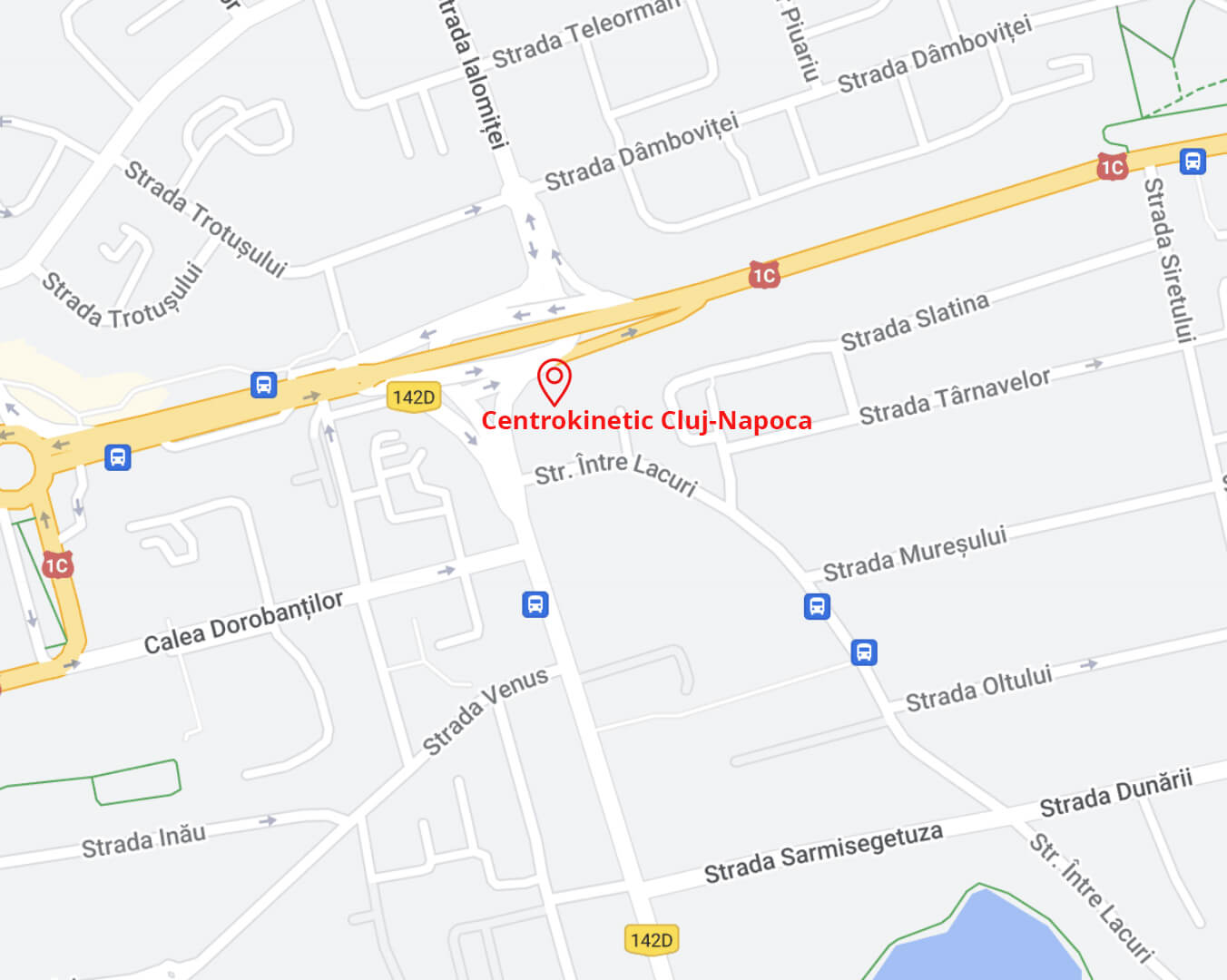
CENTROKINETIC CLUJ-NAPOCA
Cluj-Napoca,
Str. Intre Lacuri, nr.1
Intrarea este in spatele cladirii.
| Navigation |
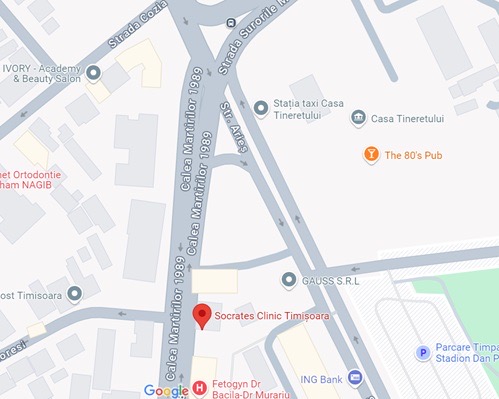
SOCRATES CLINIC TIMISOARA
Timisoara, Calea Martirilor 1989,
nr. 1.
Telefon: 0371 785 374.
| Navigation |
CONTACT
Phone: 0319693
E-mail: programari@centrokinetic.ro
Operating hours:
Monday – Friday: 07:00 – 21:00
Saturday: 09:00 – 14:00
Sunday: closed.
MAKE AN APPOINTMENT