Recovery after shoulder dislocation


Recovery After a Shoulder Dislocation: What You Need to Know

Have you experienced a shoulder dislocation and want to know how you can safely return to daily activities or sports? Whether the injury occurred at home, at work, or in the gym, the way you approach recovery directly influences your long-term outcome. Below, you will find clear explanations about shoulder anatomy and dislocation, the essential stages of recovery, and how you can prevent recurrence with the help of the Centrokinetic team. Here’s what you need to know!
Shoulder Anatomy Explained Simply
The shoulder joint provides the greatest range of motion among all joints in the body, but this high mobility comes at a cost: reduced stability, which makes it more vulnerable to dislocations. The area is made up of several structures that work together to ensure arm movement and control:
| Structure | Function | What Happens in a Dislocation? |
|---|---|---|
| Humeral head | Articulates with the glenoid and allows arm movement | Partially or completely moves out of the joint |
| Glenoid cavity | Provides support for the humeral head | May suffer labral injuries (stabilizing cartilage) |
| Glenohumeral ligaments | Stabilize the joint and limit excessive motion | May stretch or tear |
| Rotator cuff | Group of muscles and tendons that control movement and keep the humeral head on the glenoid | May present associated strains or tears |
A dislocation may affect one or more of these structures [1].
Why Do Shoulder Dislocations Occur?
A shoulder dislocation occurs when the humeral head completely moves out of the joint. When the movement is only partial, it is called a subluxation. In both situations, the structures that stabilize the joint – ligaments, muscles, and tendons – may be injured, significantly increasing the risk of another dislocation if recovery is not properly managed.
Many patients underestimate the importance of rehabilitation, but persistent pain, muscle weakness, and limited mobility can last for months without specialized intervention. Without a well-structured and supervised medical rehabilitation program, the shoulder may remain unstable, and the likelihood of recurrence or other complications increases considerably [1][2].
Stages of Recovery After a Shoulder Dislocation
The rehabilitation process varies depending on the severity of the dislocation, associated injuries, and each patient’s pace of progress. Following the stages contributes to restoring mobility, regaining muscle strength, and resuming daily activities without complications or risk of recurrence.
Acute Phase – The First Days and Weeks
- the doctor recommends immobilizing the shoulder with a brace. It should only be removed as instructed by the specialist;
- treatment aims to reduce pain and inflammation;
- sudden, forced movements or any activity that overloads the joint must be completely avoided.
Subacute Phase – Weeks 4–8
- gentle passive movements begin, such as pendulum exercises or mild rotations, performed strictly under the supervision of a physiotherapist;
- any forced movement or pressure on the shoulder must be avoided.
Active Rehabilitation Phase – 6 Weeks to 3 Months
- exercise intensity gradually increases, focusing on the shoulder muscles, rotator cuff, and scapular muscles;
- work is done to improve strength, mobility, and joint control through lifting, rotation, extension, and stabilization exercises.
Advanced Phase – After 3 Months
- the specialist introduces functional exercises adapted to daily activities, sports, or physical work;
- you practice controlled pushing, light pulling, and dynamic movements to prepare for returning to your pre-injury level;
- progress is carefully monitored to avoid overload and prevent recurrence.
Recovery Duration
Complete recovery after a shoulder dislocation generally takes between 3 and 6 months, but the timeframe may vary depending on age, injury severity, associated lesions, and commitment to the rehabilitation program. Resuming intense activities – whether sports or physical work – should only be done with the specialist’s approval after a thorough evaluation [2][3].
Physiotherapy and Exercises Recommended by Centrokinetic Specialists
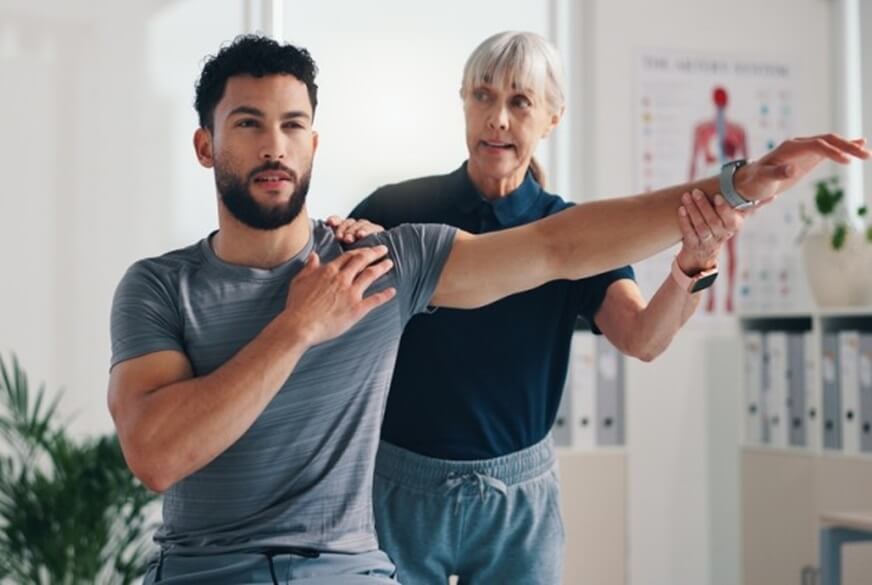
The physiotherapist designs an individualized exercise program tailored to the healing stage and your tolerance level. Progress is constantly monitored, and the program is adjusted as the joint gains stability and mobility. The most commonly used exercises include:
- pendulum movements and gentle rotations in the initial stages;
- mild stretching to increase flexibility;
- strengthening exercises for the rotator cuff and shoulder muscles;
- specific training for scapular stabilization and arm movement coordination.
Warning Signs: When Should Exercises Be Stopped?
You should immediately stop training and consult a specialist if you experience:
- sharp pain or pain that progressively intensifies;
- swelling, color changes, or a sensation of local warmth;
- joint instability or the feeling that the shoulder is “coming out” [3][4].
Preventing Recurrence: What Can You Do Practically Under Centrokinetic Guidance?
To reduce the risk of another dislocation, it is essential to continue strengthening and stretching exercises recommended by your physiotherapist even after pain subsides. Sports or demanding activities should only be resumed with medical approval, and periodic shoulder monitoring helps detect early signs of instability. Adapting your exercise program to your current needs is just as important as the initial treatment.
Recommendations for Preventing Recurrence
- continue your shoulder exercise program even after symptoms improve;
- avoid sudden movements, forced twisting, and lifting weights without specialist approval;
- request reevaluation if you experience weakness, discomfort, or increased sensitivity in the shoulder area;
- gradually resume new activities [3].
Frequently Asked Questions About Shoulder Dislocation and Recovery at Centrokinetic
When can I return to sports after a shoulder dislocation?
Most people return to training or sports activities after 3–6 months, but only with medical approval and following a functional evaluation confirming shoulder stability.
What exercises are recommended at home?
Basic exercises include gentle pendulum movements, mild rotations, and stretching performed according to the physiotherapist’s instructions. These are introduced gradually and should not cause pain.
What signs indicate the need for a consultation at Centrokinetic?
Severe pain, joint swelling, movement blockage, a sensation of instability, or numbness are clear reasons to seek prompt medical evaluation.
Can I do recovery only at home?
Some exercises can be performed at home, but only after an initial evaluation and based on a personalized program created by a specialist. Periodic supervision is essential for progress.
What should I do if pain returns or I feel weakness?
Immediately stop the activity that triggers symptoms and schedule a consultation for reevaluation. These signs may indicate overload or residual instability and should not be ignored.
Complete recovery after a shoulder dislocation requires patience, motivation, and consistent involvement. Physiotherapy and physical therapy provided by specialists help restore mobility and prevent long-term problems. Follow medical recommendations carefully and monitor your body’s responses.
Attention: This article is for informational purposes only and does not replace a medical consultation or a rehabilitation program established by a specialist.
Sources:
[1] “Shoulder Joint: What It Is, Anatomy & How It Works.” Cleveland Clinic, 3 Mar. 2023, my.clevelandclinic.org/health/body/24780-shoulder-joint. Accessed Dec. 11, 2025.
[2] “Dislocated Shoulder - Diagnosis and Treatment - Mayo Clinic.” Mayoclinic.org, 2025, www.mayoclinic.org/diseases-conditions/dislocated-shoulder/diagnosis-treatment/drc-20371720. Accessed Dec. 11, 2025.
[3] Olds, Margie. “Phases of Rehabilitation after Shoulder Dislocation.” Flawless Motion by Margie Olds, 14 Feb. 2024, flawlessmotion.com/blogs/news/phases-of-rehabilitation-after-shoulder-dislocation?srsltid=AfmBOopT8dNVu81Hmw0cMDY7-FY6HhmwNlXxWZT1yhCcvqGaKnFks3dm. Accessed Dec. 11, 2025.
[4] Phuphanich, Melissa E, et al. “Movement-Based Therapies in Rehabilitation.” Physical Medicine and Rehabilitation Clinics of North America, vol. 31, no. 4, 7 Sept. 2020, pp. 577–591, pmc.ncbi.nlm.nih.gov/articles/PMC7476461/, https://doi.org/10.1016/j.pmr.2020.07.002. Accessed Dec. 11, 2025.
BUCHAREST TEAM




















































CLUJ NAPOCA TEAM






























BRASOV TEAM











MAKE AN APPOINTMENT
FOR AN EXAMINATION
See here how you can make an appointment and the location of our clinics.
MAKE AN APPOINTMENT
Asiguratori privati





Parteneriate


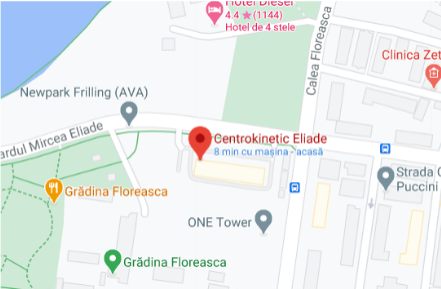
CENTROKINETIC FLOREASCA
Bucharest, 1st District,
Mircea Eliade Street, no. 18,
Eliade Tower, Entrance A, Floor 3
| Navigation | Explore 3D |
CENTROKINETIC Barbu Vacarescu
Bucharest, 2nd District,
Barbu Vacarescu Street, no. 102,
102 The Address, ground floor.
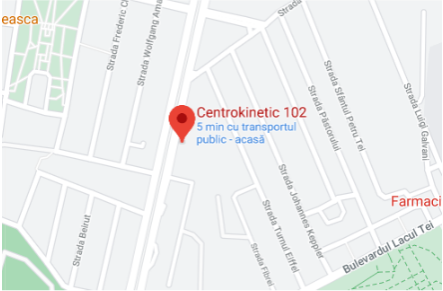
| Navigation | Explore 3D |
CENTROKINETIC MILITARI
Bucuresti, Sector 6,
Bld. Iuliu Maniu, nr. 15G,
Cladirea PBT, etaj 3.
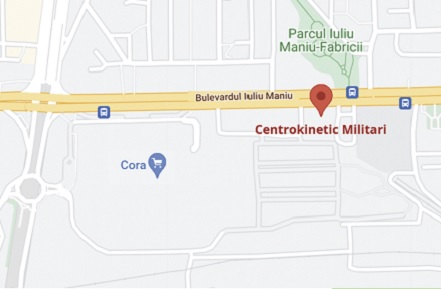
| Navigation |
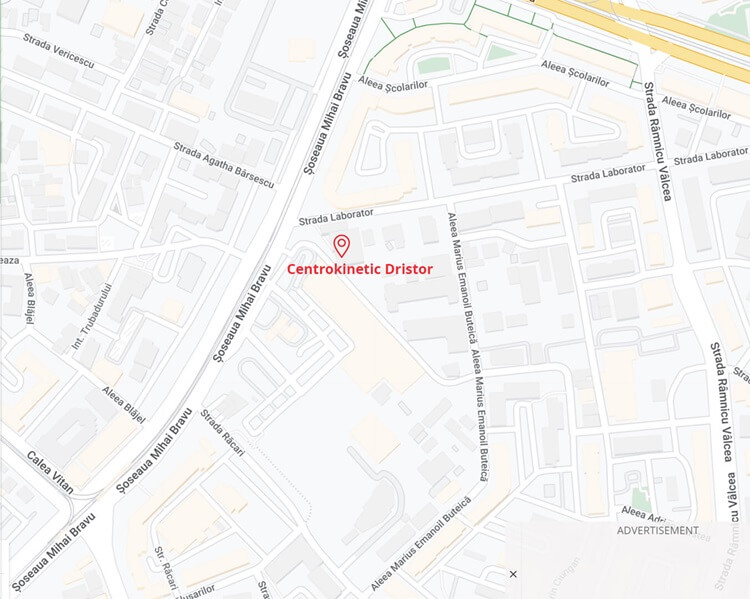
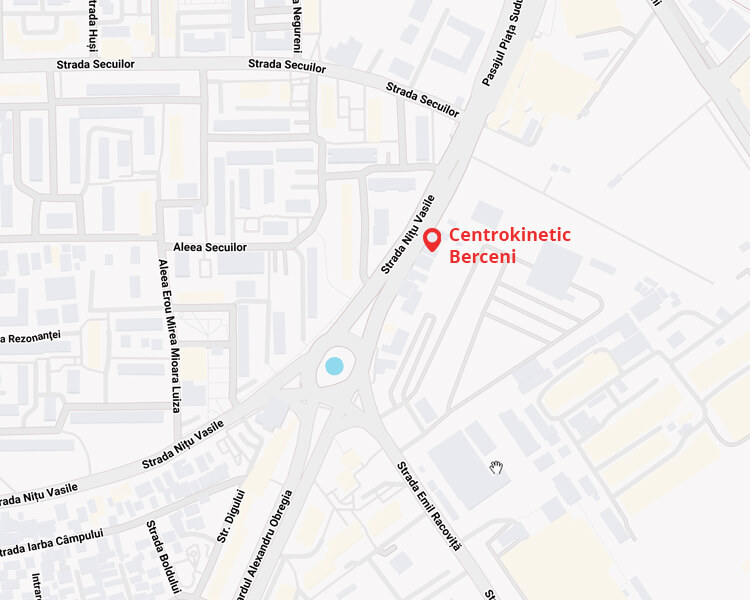
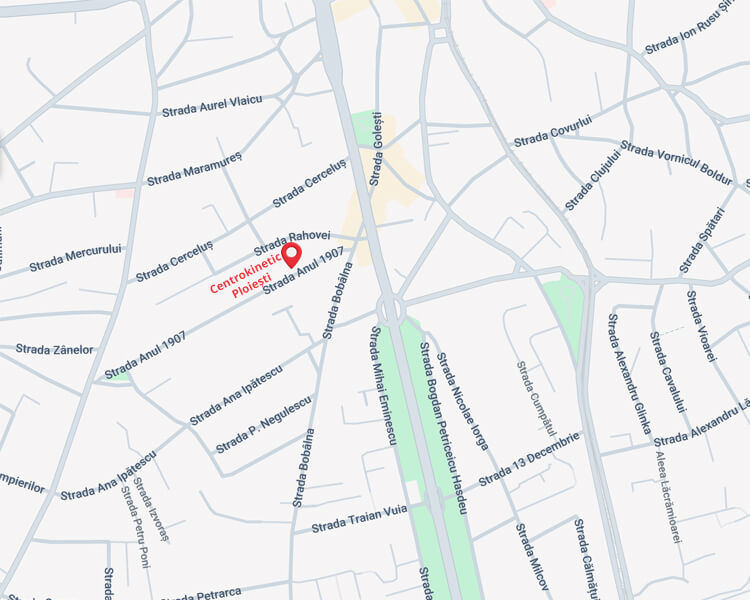
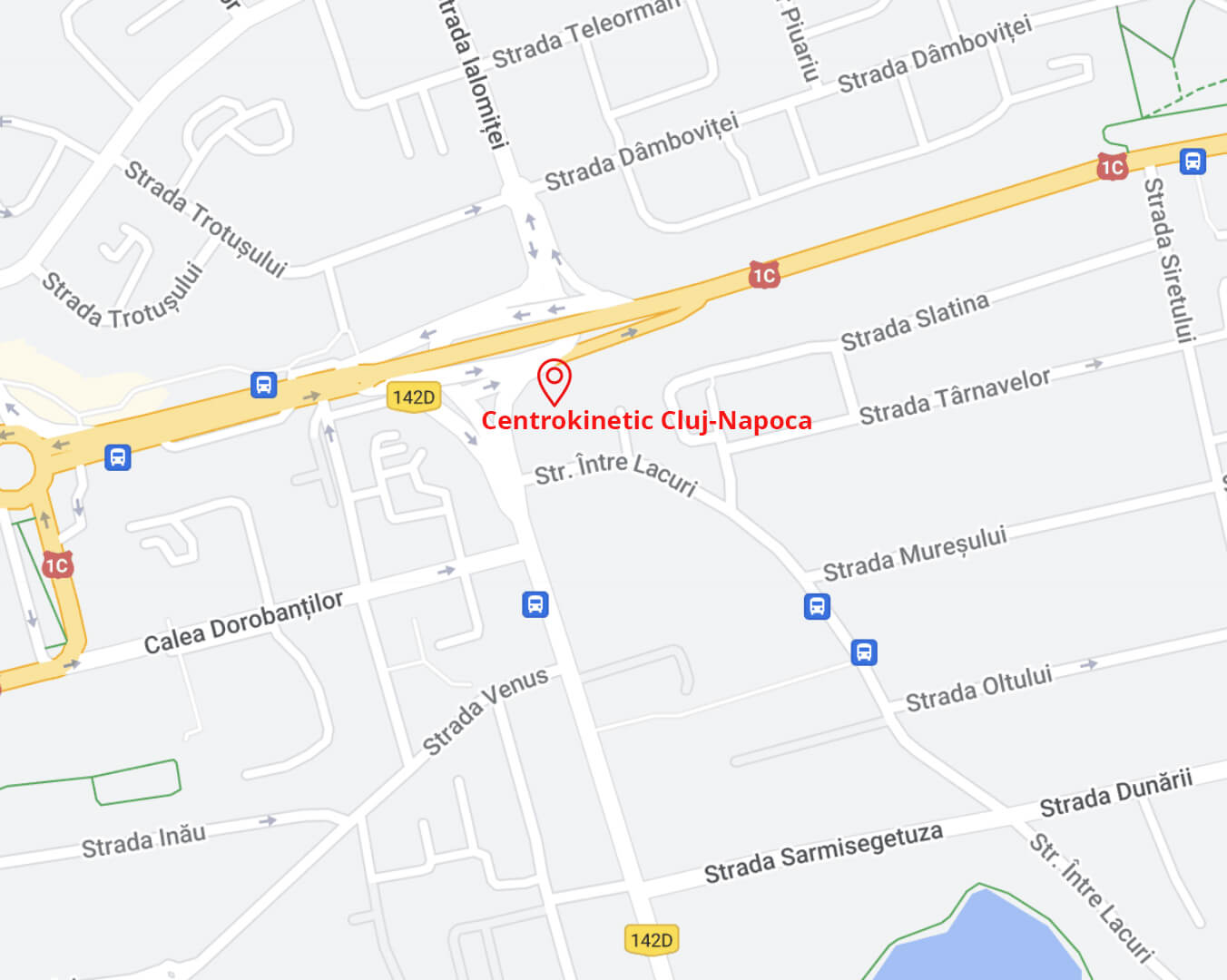
CENTROKINETIC CLUJ-NAPOCA
Cluj-Napoca,
Str. Intre Lacuri, nr.1
Intrarea este in spatele cladirii.
| Navigation |
SOCRATES CLINIC TIMISOARA
Timisoara, Calea Martirilor 1989,
nr. 1.
Telefon: 0371 785 374.
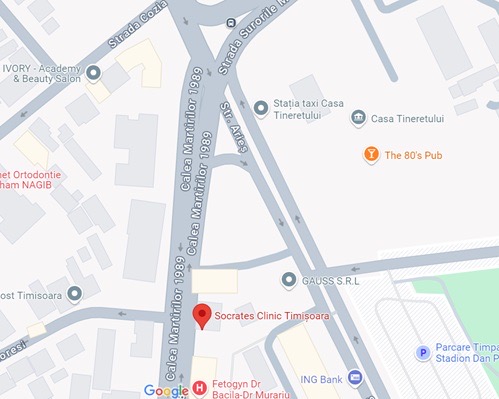
| Navigation |
CONTACT
Phone: 0319693
E-mail: programari@centrokinetic.ro
Operating hours:
Monday – Friday: 07:00 – 21:00
Saturday: 09:00 – 14:00
Sunday: closed.
MAKE AN APPOINTMENT