Shoulder impingement syndrome: causes, symptoms and physiotherapy treatment



Shoulder impingement syndrome occurs when the rotator cuff tendons and the subacromial bursa become irritated as you raise your arm. It causes pain during overhead movements and when sleeping on the affected shoulder. First-line treatment is conservative, and physiotherapy plays the main role in restoring mobility and strength.
In brief:
- Pain typically appears when raising the arm, roughly between 70 and 120 degrees, a range known as the painful arc.
- Causes include repeated overhead movements, reduced rotator cuff strength and insufficient control of the shoulder blade.
- Diagnosis starts with a clinical examination, supplemented when needed by an X-ray, ultrasound or MRI.
- Conservative treatment based on physiotherapy is usually followed for 3-6 months before surgery is discussed.
- Complete and prolonged rest can promote stiffness, so controlled movement is preferred.
What is shoulder impingement syndrome?
Shoulder impingement syndrome is irritation of the rotator cuff tendons and the bursa in the subacromial space, located between the head of the humerus and the acromion, a bony projection of the shoulder blade. The bursa is a small fluid-filled sac that reduces friction between these structures.
The problem is not caused solely by contact between bone and tendon. Muscle control, the position of the shoulder blade and the ability of the tendons to cope with load all influence the symptoms.
The structures involved are:
- the humerus and the scapula;
- the acromion and the acromioclavicular joint;
- the subacromial bursa;
- the rotator cuff, which stabilizes the joint;
- the supraspinatus tendon, which is frequently affected.
Impingement is only one of the conditions affecting this joint. For a broader perspective, read the guide on shoulder pain and its possible causes.
What are the causes of subacromial impingement?
Subacromial impingement usually results from a combination of factors: overuse through repeated overhead movements, reduced rotator cuff strength, insufficient control of the shoulder blade and degenerative changes around the joint.
For example, a tennis player may suddenly increase the number of training sessions even though the rotator cuff muscles are not yet ready for the new level of effort.
Causes and contributing factors include:
- repetitive activities that involve raising the arm overhead;
- a rapid increase in training volume;
- reduced rotator cuff strength;
- insufficient control of the shoulder blade;
- limited thoracic mobility;
- tendinopathy or subacromial bursitis;
- bone spurs and acromioclavicular arthritis;
- direct trauma or falls onto the shoulder.
Who is at higher risk?
The risk is higher in people who frequently raise their arms, such as swimmers, handball and volleyball players, electricians and painters. Symptoms can also appear in sedentary people who suddenly return to training or lift weights using poor technique.
What are the symptoms of shoulder impingement syndrome?
The main symptom is pain on the side or front of the shoulder, which appears when raising the arm and may radiate down the arm. The pain often gets worse at night, especially when you sleep on the affected shoulder.
Everyday activities, such as getting dressed, combing your hair or placing an object in a cupboard, can become difficult. Other possible signs are:
- pain when raising and lowering the arm;
- a catching sensation during movement;
- weakness when rotating the arm outward;
- reduced endurance during effort;
- night-time discomfort when lying on the shoulder.
The intensity of the pain does not always match the extent of the injury. Do not try to diagnose yourself, as other conditions can cause similar symptoms:
| Observed symptom | Possible associated condition |
| Tingling down to the hand | Nerve or cervical irritation |
| Sudden loss of strength after an injury | Tendon tear |
| Stiffness in all directions | Adhesive capsulitis |
| Pain located on top of the shoulder | Acromioclavicular joint involvement |
How is the diagnosis made?

The diagnosis is made primarily through a clinical examination: the doctor reviews the history of the pain, tests the mobility and strength of the rotator cuff and observes the movement of the shoulder blade. An X-ray is usually the first test recommended, while an ultrasound or MRI is indicated if symptoms persist or a tear is suspected.
During the consultation, the doctor will ask about when the pain started, your occupation, sports, injuries and night-time symptoms. Each test has a different role:
- an X-ray identifies bone changes;
- an ultrasound assesses the tendons and the bursa;
- an MRI clarifies a possible tear and the condition of the muscles.
The doctor correlates the images with the clinical examination, since some changes also appear in people who have no symptoms. An orthopedic consultation for assessment and diagnosis distinguishes impingement from other causes of pain. For children or adolescent athletes, an assessment by a pediatric orthopedic specialist is necessary.
Benefits of a proper assessment:
- it identifies the real source of the pain;
- it rules out a tear or a cervical condition;
- it establishes a treatment plan adapted to your activities;
- it prevents unsuitable exercises that can worsen symptoms.
How does physiotherapy help with shoulder impingement syndrome?
Physiotherapy is the first-line treatment for impingement syndrome without significant structural damage. The program reduces irritation, restores mobility and strengthens the rotator cuff and shoulder blade muscles, through exercises adapted to each stage of recovery.
The physiotherapist adapts the program to your diagnosis, strength, daily activities and sporting or professional goals. Complete and prolonged rest can promote stiffness. The therapist temporarily modifies painful movements and gradually introduces exercises performed within tolerable limits.
Stages of the rehabilitation program
- reducing irritability and regaining mobility: you perform active or assisted movements, without forcing them if pain appears.
- activating the rotator cuff: you work on arm rotations and load the tendons progressively.
- shoulder blade control: you train the periscapular muscles and reduce compensations from the neck or trunk.
- return to activity: you gradually reintroduce overhead movements, speed and specific tasks.
Throughout the physiotherapy program for restoring mobility, the specialist monitors pain, mobility and strength, then adjusts the level of loading for optimal results.
How long does recovery take?
Conservative treatment is usually followed for 3-6 months, and many patients notice gradual improvement during this period. The duration depends on how long you have had symptoms, any associated injuries and how consistently you follow the recommendations.
Small fluctuations in pain may occur along the way, which does not necessarily mean the condition is getting worse. Stick to the agreed program and ask for a reassessment if the pain increases or you see no progress.
What role do physical therapy modalities, medication, injections and massage play?
These methods complement the exercises and help control pain, but they do not replace physiotherapy. Your doctor recommends them based on the intensity of your symptoms, the stage of recovery and any possible contraindications.
Physical therapy modalities can support pain control and prepare the tissues for effort. Your doctor may recommend TECAR therapy, depending on the assessment. The procedure is not suitable for all patients: the specialist checks for possible contraindications, such as pregnancy, a pacemaker or other electronic implants, active infections, bleeding disorders or altered sensitivity to heat.
Anti-inflammatory medication can temporarily reduce symptoms, but it can cause digestive, kidney or cardiovascular side effects. Use it only on the recommendation of a doctor or pharmacist.
Subacromial injections may be considered if pain is limiting your recovery. The doctor administers them near the tendon, not into it, in limited numbers and with breaks between them.
Massage can relax the muscles around the shoulder blade, but aggressive pressure on the sensitive area can increase discomfort.
When does surgery become necessary?
Surgery is usually discussed only if symptoms do not improve after at least 3 months of properly followed conservative treatment, or if tests show a significant tendon tear. The decision is made together with the orthopedic surgeon, after weighing the benefits and risks.
Recent studies show that subacromial decompression often does not produce better results than conservative treatment. For this reason, physiotherapy remains the first option. After surgery, you follow a personalized rehabilitation protocol adapted to the procedure and your healing pace.
Why does early intervention matter?
An early assessment prevents prolonged limitation of movement and the development of compensations in the neck or shoulder blade. The sooner treatment begins, the simpler recovery usually is.
Seek medical help quickly if:
- you cannot raise your arm after a fall;
- you notice a deformity of the shoulder;
- you develop a fever accompanied by local redness;
- you feel persistent numbness in your arm or hand.
How can you prevent impingement from coming back?
You can prevent impingement from returning by following these recommendations:
- warm up your shoulder before training;
- increase weights and repetitions gradually;
- train the rotator cuff and shoulder blade muscles;
- alternate repetitive tasks and schedule breaks;
- adjust your desk and place everyday items at an accessible height;
- keep up with the check-ups recommended by your medical team.
How does the Centrokinetic team help you recover?
At Centrokinetic, orthopedic surgeons, rehabilitation doctors and physiotherapists have experience in shoulder conditions and sports injuries. The team assesses your pain, mobility, strength and movement control, then sets up a personalized plan adapted to your activities.
If the pain persists, limits your movement or affects your sleep, do not delay the assessment. Book now for a specialist consultation.
Frequently asked questions about shoulder impingement syndrome
Is impingement the same as scapulohumeral periarthritis?
No. Scapulohumeral periarthritis is a general term used for several problems affecting the tissues around the shoulder. Subacromial impingement describes a more specific clinical picture.
Can I do exercises at home?
Yes, once your doctor and physiotherapist have established the diagnosis and the right program.
Can I go to the gym or swim?
You can continue the activity in an adapted form. Temporarily reduce the movements that cause pain and return to effort progressively, according to the criteria set by your specialist.
Is a shoulder brace useful?
A brace can help in certain situations and for limited periods. Prolonged wear can reduce strength and mobility, so follow your doctor's recommendation.
Can impingement heal without surgery?
In most cases, yes. Conservative treatment based on physiotherapy helps many patients return to their usual activities without surgery.
Disclaimer: The information is for informational purposes only and does not replace a specialist medical consultation.
Sources:
- Beard, David J., et al. "Arthroscopic Subacromial Decompression for Subacromial Shoulder Pain (CSAW): A Multicentre, Pragmatic, Parallel Group, Placebo-Controlled, Three-Group, Randomised Surgical Trial." The Lancet, vol. 391, no. 10118, 2018, pp. 329-338, doi:10.1016/S0140-6736(17)32457-1. Accessed 14 Oct. 2026.
- Garving, Christina, et al. "Impingement Syndrome of the Shoulder." Deutsches Arzteblatt International, vol. 114, no. 45, 2017, pp. 765-776, doi:10.3238/arztebl.2017.0765. Accessed 14 Oct. 2026.
BUCHAREST TEAM








































CLUJ NAPOCA TEAM





















BRASOV TEAM







MAKE AN APPOINTMENT
FOR AN EXAMINATION
See here how you can make an appointment and the location of our clinics.
MAKE AN APPOINTMENT
Asiguratori privati





Parteneriate


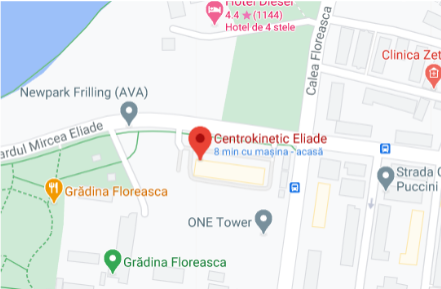
CENTROKINETIC FLOREASCA
Bucharest, 1st District,
Mircea Eliade Street, no. 18,
Eliade Tower, Entrance A, Floor 3
| Navigation | Explore 3D |
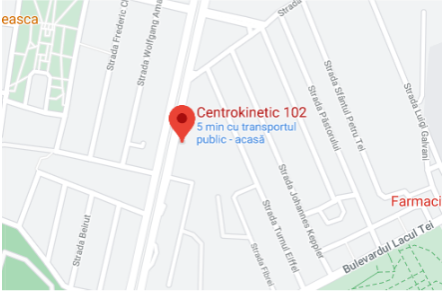
CENTROKINETIC Barbu Vacarescu
Bucharest, 2nd District,
Barbu Vacarescu Street, no. 102,
102 The Address, ground floor.
| Navigation | Explore 3D |
CENTROKINETIC MILITARI
Bucuresti, Sector 6,
Bld. Iuliu Maniu, nr. 15G,
Cladirea PBT, etaj 3.
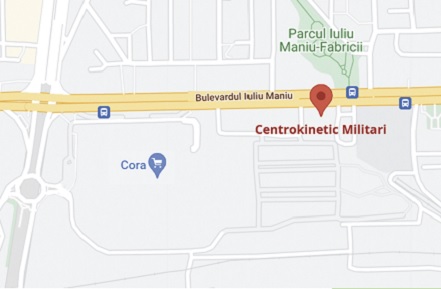
| Navigation |
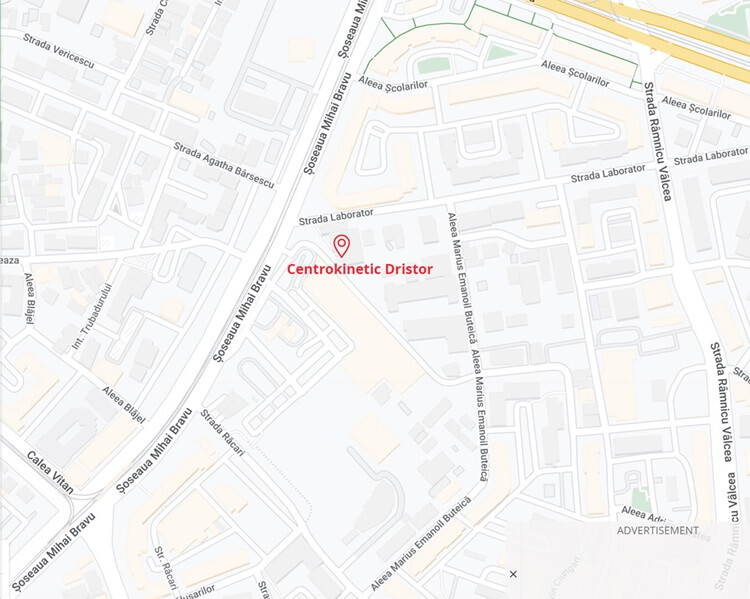
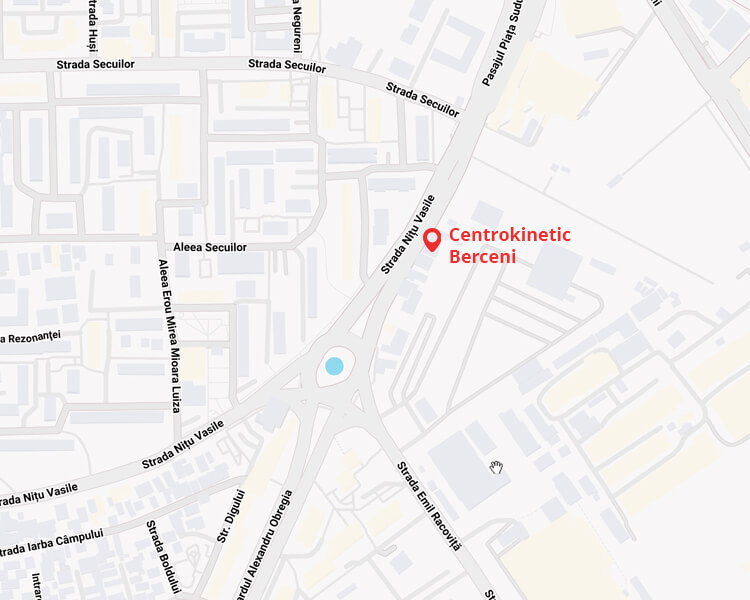
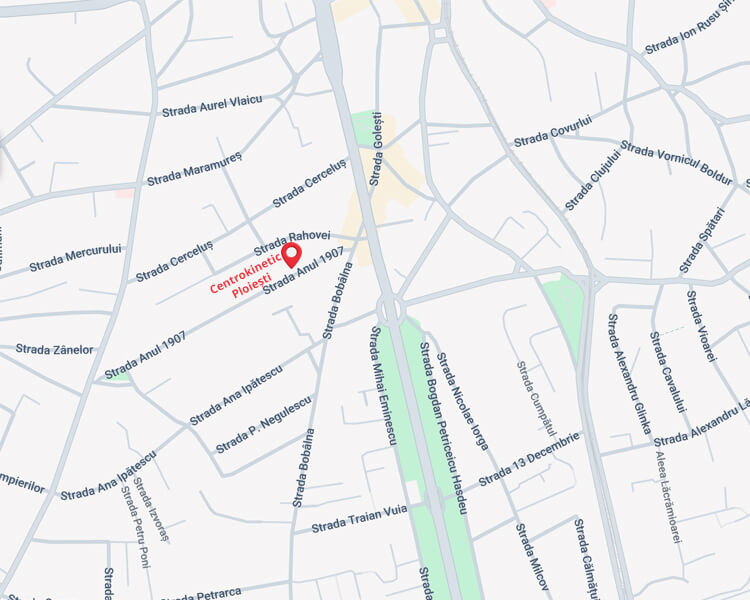
CENTROKINETIC CLUJ-NAPOCA
Cluj-Napoca,
Str. Intre Lacuri, nr.1
Intrarea este in spatele cladirii.
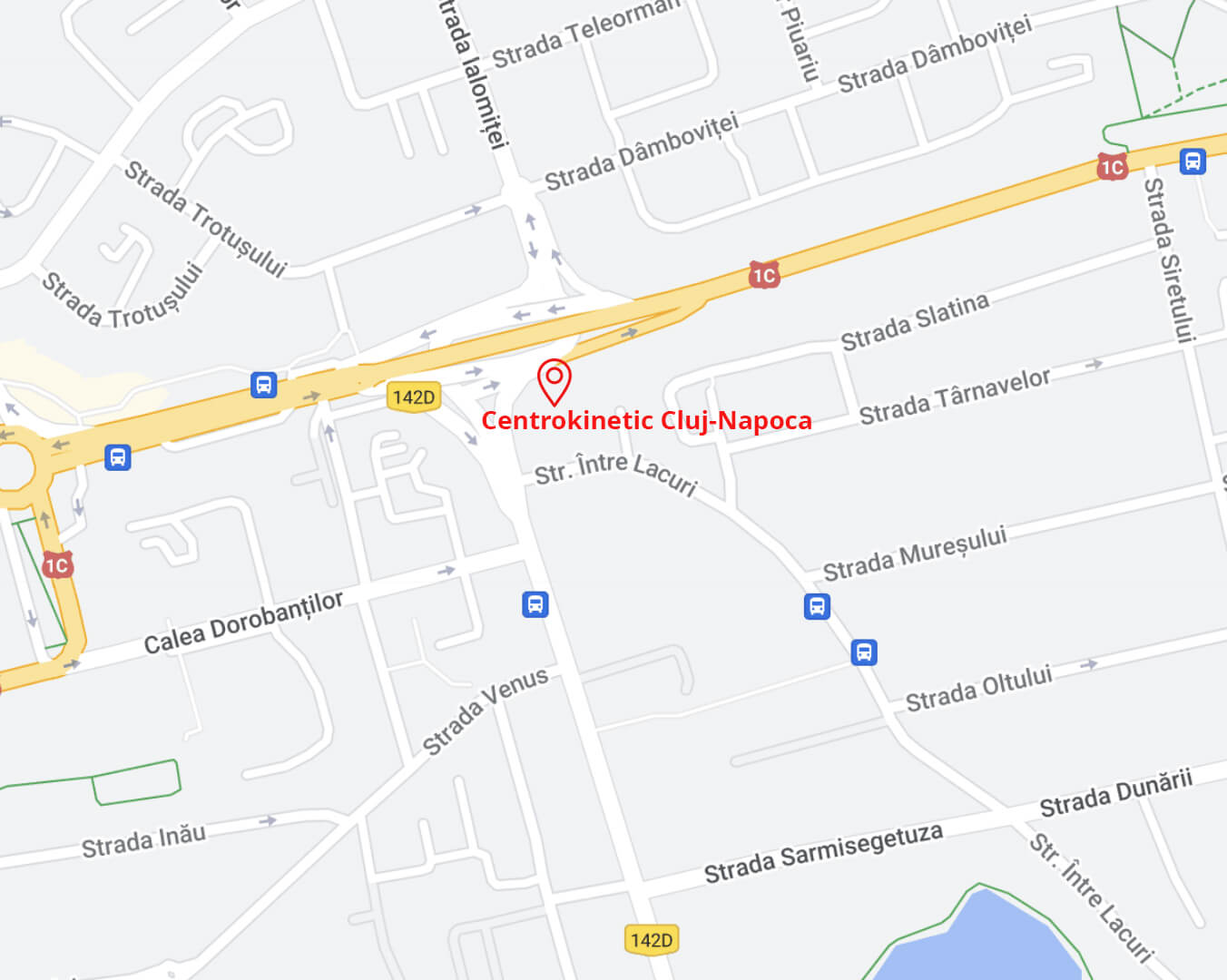
| Navigation |
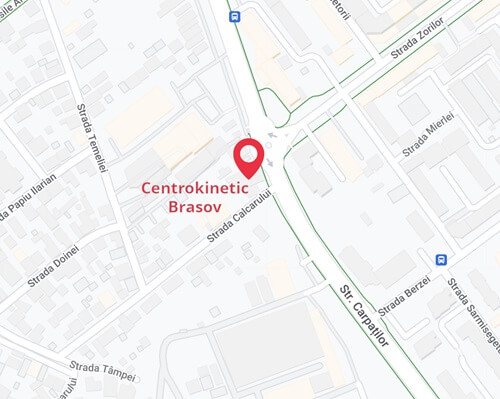
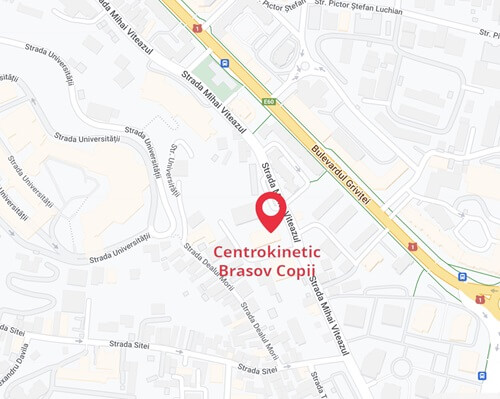
SOCRATES CLINIC TIMISOARA
Timisoara, Calea Martirilor 1989,
nr. 1.
Telefon: 0371 785 374.
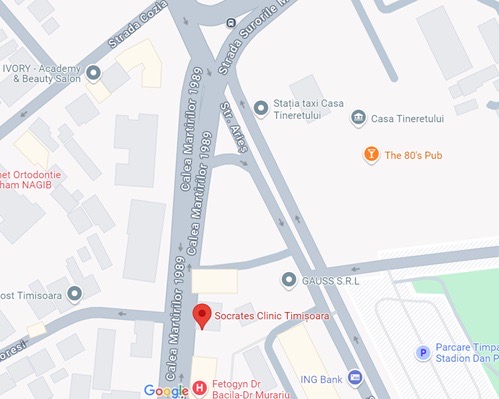
| Navigation |
CONTACT
Phone: 0319693
E-mail: programari@centrokinetic.ro
Operating hours:
Monday – Friday: 07:00 – 21:00
Saturday: 09:00 – 14:00
Sunday: closed.
MAKE AN APPOINTMENT