Actualizat: 25-07-2025 / Publicat: 13-04-2018

Shoulder pain can be the result of an injury or disease of the shoulder joint. Injuries can affect any of the ligaments, bursae, or tendons surrounding the shoulder joint. Injuries can also affect the cartilage, the meniscus, and the bones of the joint. The shoulder joint is built so that it sacrifices stability for mobility. Being an extremely mobile joint that plays a central role in the action of a major limb, the shoulder is at risk of injury. Common shoulder injuries can lead to inflammation of the bursae (bursitis) or tendons (tendinitis), leading to impingement, instability, and frozen shoulder. Labral tears can occur from torn cartilage. A fracture of the shoulder bones can cause intense shoulder pain.
Pain can also appear in the shoulder due to diseases or conditions involving the shoulder joint (including arthritis, osteoarthritis, or degenerative arthritis with bone spurs), the soft tissues and bones surrounding the shoulder, or the nerves that supply sensation to the shoulder area. Occasionally, shoulder pain can be the result of a heart attack.
The shoulder is one of the largest and most complex joints in the body. The shoulder joint forms where the humerus (upper arm bone) fits into the scapula (shoulder blade), like a ball into a socket. Other important bones in the shoulder include:
- The acromion, which is a bony projection of the scapula.
- The clavicle, which meets the acromion at the acromioclavicular joint.
- The coracoid process, which is a hook-like bony projection of the scapula.
The shoulder has several important structures:
- The rotator cuff is a collection of muscles and tendons that surround the shoulder, providing support and allowing a wide range of motion.
- The bursa is a small sac of fluid that cushions and protects the rotator cuff tendons.
- The cartilage cuff, called the labrum, forms a cup for the ball-shaped head of the humerus. The humerus fits relatively loosely into the shoulder joint. This gives the shoulder a wide range of motion, but it also makes it vulnerable to injury.
Most shoulder problems fall into four major categories:
- Tendon inflammation (bursitis or tendinitis) or tendon rupture
- Instability
- Arthritis
- Fracture (broken bone)
Other much less frequent causes of shoulder pain are tumors, infections, and nerve-related problems.
Overuse of muscles, joints, tendons
Shoulder injury can be caused by repeated use or sudden injury. Years of repetitive arm movements performed during sports, daily activities, or at work can lead to a tear. Athletes who play a sport that requires repetitive motion, such as baseball and tennis, can have a shoulder injury. A tear can also occur if you happen to fall with your arm outstretched.
Bursitis
Bursae are small, fluid-filled sacs found in joints throughout the body, including the shoulder. They act as cushions between bones and the soft tissues covering them and help reduce friction between muscle and bone.
Sometimes, overuse of the shoulder leads to inflammation and swelling of the bursae between the rotator cuff and a part of the shoulder blade known as the acromion. The result is a condition known as subacromial bursitis.
Bursitis often occurs in association with rotator cuff tendinitis. Many tissues in the shoulder can become inflamed and painful. Many everyday activities, such as combing your hair or getting dressed, can become difficult.
Tendinitis
Tendinitis in the shoulder is an inflammatory injury of the rotator cuff tendons. Because inflammation is not always present in shoulder tendon injuries, this group of injuries is known medically as tendinopathies. The most common cause of shoulder tendinitis is repeated microtrauma of the cuff tendons, rather than a single specific trauma.
When repeated impingement of the shoulder occurs, the cuff tendon becomes inflamed and swollen, a condition called shoulder tendinitis.
Arthritis
Osteoarthritis, or "degenerative joint disease," is the most common type of arthritis in the shoulder. Less commonly observed types of arthritis in the shoulder are rheumatoid (inflammatory) arthritis and arthritis that can occur after shoulder trauma.
In osteoarthritis, the smooth cartilage covering the ends of the bones becomes worn, causing the bone ends to rub against each other. This leads to irregular movement in the joint and the development of osteophytes, which are bone growths formed as the bone tries to heal. Irregular movement and bone spurs, together with inflammation, can lead to pain and loss of motion in the shoulder.
Subacromial impingement
Subacromial impingement is a very common cause of shoulder pain, in which a tendon inside the shoulder rubs or catches on nearby tissue and bone as you raise your arm. This affects the rotator cuff tendon.
Shoulder impingement often improves within a few weeks or months, especially with the right kind of shoulder exercises, but occasionally it can be an ongoing problem and some people may need surgery. Impingement can start suddenly or develop gradually.
Symptoms include:
- pain in the upper and outer part of the shoulder
- pain that is worse when you raise your arm, especially when raising it overhead
- pain at night, which can affect sleep
- weakness in the arm
Infections
Bacteria cause a purulent infection of the shoulder joint or its surrounding structures (soft tissue). Most often, the shoulder is affected, but other joints can also be involved. People feel pain in the shoulder, sometimes radiating into the upper arm. Local swelling, redness, and warmth, as well as fever or chills, can occur, but are rare.
Many shoulder infections will be recognized late, due to mild clinical symptoms. Night pain could be another possible symptom.
Shoulder infections are a very severe illness that must be treated immediately, as soon as they are diagnosed. The source of infection must be removed through surgery. The shoulder joint can be irrigated arthroscopically or through an open procedure. Several operations may be needed within a few days. Antibiotics and drainage are used to clean the shoulder joint.
Bacteria can enter the shoulder joint from outside or from inside. They enter the shoulder joint from outside after shoulder trauma with open wounds, after shoulder injections, or from surgery. Bacteria can spread from inside while people suffer from a cold, bladder infection, tooth infection, etc.
Types of shoulder infections:
Depending on timing, these can be divided into chronic and acute shoulder infections.
Shoulder infections can be located intra-articularly - in the main shoulder joint - which has a poor prognosis, due to destruction of the main joint. Or they can be located extra-articularly, for example, under the deltoid muscle and/or in the subacromial space. The prognosis is a bit better.
In the case of hematogenous infections, bacteria spread through the bloodstream from another focus, such as a dental abscess or a bladder infection. These so-called secondary shoulder infections can also occur after surgery or infections in the shoulder (also called idiopathic shoulder infections).
Even in generalized diseases that are associated with immunosuppression, such as diabetes mellitus, Parkinson's disease, or rheumatoid arthritis, shoulder infections can develop.
Tendon injuries
Injuries to the tendons and muscles of the shoulder can occur in any of the four muscle-tendon groups surrounding the shoulder. Two common types are: rotator cuff tears and biceps tendon tears. Usually, these are due to trauma, such as a fall. However, they can also develop for other reasons, such as aging, which causes tendons to wear out. Another type is a pectoralis major muscle tear. This happens in the tendon that attaches the chest muscle to the upper arm bone and is commonly associated with indirect trauma, such as lifting excessive weight.
Primary symptoms include pain and weakness in the shoulder.
![tipuri de dureri de umar]()
Fractures
Shoulder fractures can result from a fall onto the shoulder, a car accident, or a sports accident.
The type of fracture varies by age. Most fractures in children occur in the clavicle bone. In adults, the most frequent fracture is of the upper part of the humerus (proximal humerus). Some types include:
- Clavicle fractures: This is the most common shoulder fracture, and is usually the result of a fall.
- Scapula fractures: Fractures of this bone rarely occur. They are usually the result of high-impact trauma, such as car accidents or a fall from a great height.
- Proximal humerus fractures: Fractures in the upper part of the arm are more common in older people (over 65 years old). Sometimes, there are only cracks in the bone, which do not move much from their normal position.
- Some fractures are diagnosed using X-rays. Sometimes, a CT scan is needed to see more detail.
Cardiovascular disease
Risk factors for cardiovascular disease seem to be more correlated with shoulder problems than repetitive physical movement.
Studies show a strong association between cardiovascular risk factors, such as hypertension, tobacco use, and diabetes, with shoulder joint pain and rotator cuff tendinopathy. The more risk factors a patient has, the more likely they are to have shoulder problems. Researchers are not sure why heart disease might be associated with shoulder joint pain and rotator cuff injury, but the theory is that decreased blood supply to the shoulder causes the tendons to weaken.
Respiratory diseases
Chronic respiratory diseases are diseases of the airways and other structures of the lung. Some of the most common are chronic obstructive pulmonary disease, asthma, occupational lung diseases, and pulmonary hypertension. Besides tobacco smoke, other risk factors include air pollution, occupational chemicals and dust, and frequent lower respiratory tract infections during childhood.
Respiratory diseases are capable of producing symptoms that mimic other disease processes. For example, overuse of the accessory respiratory muscles can lead to pain or dysfunction in the neck and shoulder. Some even mimic cardiac and gastrointestinal problems.
Digestive diseases
The left shoulder may seem like an unlikely place to develop pain after eating, but if you have a digestive condition called gastroesophageal reflux disease, this may be more common than you think. Pain in the left shoulder is frequently associated with a heart attack if accompanied by difficulty breathing and sweating, but if you only develop shoulder pain after meals, you may have a digestive disease.
Gastroesophageal reflux is a digestive condition that causes heartburn. The burning sensation can cause pain that radiates into the left shoulder, the neck, and behind the shoulders.
Cancer
Many people with lung cancer develop shoulder pain at some point during their illness, and sometimes it is the first symptom. That said, it is important to remember that shoulder pain is not an indicator of lung cancer. In addition, in people with lung cancer, shoulder pain can be the result of their illness, or it can arise from another cause, such as arthritis.
Shoulder pain can be referred pain (meaning the pain is felt in the shoulder but originates elsewhere in the body). An example of pain referred from lung cancer is when a lung tumor puts pressure on a nerve that travels near the lungs. In this case, the brain interprets the pain as coming from the shoulder, when, in fact, the nerve is irritated in the lungs.
Shoulder pain from lung cancer can also be related to the spread of lung cancer to the bones in and near the shoulder. About 30-40% of people with lung cancer develop bone metastases (spread of cancer to the bones) at some point during their illness.
Pancoast tumors, a form of lung cancer, grow near the top of the lungs and can invade tissue near the shoulder. Pancoast tumors often cause shoulder pain that radiates into the arm. Due to their location, these tumors are less likely to produce typical lung cancer symptoms, such as a persistent cough, coughing up blood, and difficulty breathing. These tumors are sometimes difficult to diagnose, as they can be hidden and invisible on a normal chest X-ray.
Other causes of shoulder pain
Sometimes, shoulder pain is the result of injury to another location in the body, usually the neck or biceps. This is known as referred pain. Referred pain generally does not worsen when you move your shoulders.
Other causes of shoulder pain include several forms of arthritis, torn cartilage, or a torn rotator cuff. Swelling of the bursa sacs (which protect the shoulder) or tendons can also cause pain.
Adhesive capsulitis of the shoulder is also known as frozen shoulder. The exact cause of frozen shoulder is not fully understood, but there are several factors that could play a role in its development. People with diabetes mellitus have a higher risk of developing frozen shoulder, along with those who have been diagnosed with hypothyroidism, hyperthyroidism, heart disease, and Parkinson's disease.
Myofascial pain syndrome is characterized by shoulder tenderness, muscle pain, and spasms. The cause of the syndrome is not known, but there are common conditions that are believed to play a role in its development, such as depression, poor sleep, previous shoulder injuries, and stress.
Brachial plexopathy is caused by a nerve problem in the neck and shoulder area. If there is damage to the brachial plexus, a brachial plexopathy can develop - an area found on both sides of the neck that contains nerve roots from the spinal cord.
Cervical radiculopathy is better known as a pinched nerve. This condition occurs when a nerve in the neck is irritated or compressed, forcing it away from the spinal cord. Pain from a pinched nerve tends to radiate into the shoulder and cause muscle weakness and numbness that can travel down the arm and into the hand. Arthritis is a common cause of a pinched nerve in the shoulder, but pinched nerves often occur due to injuries.
Osteomyelitis is more commonly known as a bone infection. It can be caused by bacteria or fungi. The infection can affect both young and old people, with children experiencing pain in the arms or legs, while adults experience pain in the hips, spine, and legs. If not treated properly and quickly, osteomyelitis can lead to permanent bone damage.
Chest pain might be the first symptom that occurs when a heart attack happens, but shoulder pain is quite common in heart attacks. Pain in the left shoulder, in particular, is a symptom of a heart attack. If there is burning, a squeezing sensation, or pressure in the shoulder, together with a gradual increase in pain in the left shoulder blade or the surrounding area over several minutes, shoulder pain may be a sign of a heart attack.
A dislocation occurs when a bone slips out of a joint. You can dislocate your shoulder when the top of the arm bone slips or comes out of the shoulder joint. In a partial dislocation, or subluxation, the upper part of the humerus partially comes out of the socket. A complete dislocation is diagnosed when the humerus has completely separated from the socket. A separated shoulder or a dislocated shoulder will cause severe shoulder pain and a feeling of instability in the shoulder along with swelling, numbness, and bruising.
![cum se manifesta durerea de umar]()
There are many causes of shoulder pain and all have their own unique set of symptoms.
Depending on the cause of the shoulder pain, you may experience:
- deep pain in the shoulder joint, in the back or front of the shoulder and the upper arm. Sometimes shoulder pain can be described as a "catching pain".
- moving the shoulder may cause you to feel the pain
- weakness of the shoulder / upper arm. Depending on the situation, there may be a feeling of the joint slipping and returning into the socket, or the shoulder may be completely dislocated.
- tingling sensations (pins and needles) and burning pain. This is more likely to be associated with the nerves in the neck than with the shoulder joint itself.
- lack of movement after a shoulder dislocation. This is usually due to pain. Rotator cuff tears and injury to the axillary nerve cause weakness in moving the arm away from the body.
Limitation of arm movement
The shoulder joint can move through a wide range of motion. When this movement is lost, daily activities can be particularly difficult. Many conditions involving the shoulder can lead to pain and a reduced range of motion.
Scapular mobility plays a central role in normal shoulder function, and altered scapular mobility has been suggested as a factor in impingement syndrome.
Frozen shoulder is a condition that causes shoulder pain and limits the shoulder's range of motion. The limitation of movement affects both active and passive range of motion. This means your movement is limited at the shoulder joint both when you try to move your arm and when someone else (such as your doctor) tries to move your arm for you. The condition may prevent you from reaching your arm overhead, to the side, across your chest, or rotating your arm from front to back.
Acute pain
Shoulder pain that appears suddenly is common, especially with falls or landings. Pain can radiate from the neck in acute injuries. Acute shoulder pain can be sharp and may be an injury to the rotator cuff or the joint, such as a labral detachment, which can occur with or without swelling. This type of pain may be due to muscle, ligament, or bone injuries, such as a fracture. Infections can occur suddenly and cause acute shoulder pain, as can inflammation of the brachial plexus, called brachial neuralgia.
The major risk factor for shoulder pain is age. Overuse (for example, through participation in sports or other recreational activities, occupation) increases the risk of injury and also age-related changes in the shoulder joint (for example, arthritis), which can lead to pain. Conditions such as bursitis and tendinitis can cause shoulder pain.
Lifting weights with one or two hands, pushing or pulling heavy loads, working with hands at or above shoulder level, and monotonous work are the best predictors of shoulder pain.
Incorrect shoulder posture
Usually, a forward-leaning shoulder posture comes from an incorrect position while sitting for a long period of time. Nowadays, this probably means sitting at a computer all day. Incorrect posture while sitting is highly dependent on the type and height of the chair, the height of the desk, and the height and position of the computer screen.
When the shoulders are hunched, the posture causes your head to bear more weight because it is pushed forward. Since the average head weighs about 5 kg, leaning forward, even slightly, can cause a redistribution of weight, which causes the muscles to compensate. The back muscles, neck muscles, chest muscles, and shoulder muscles are stressed and respond by trying to maintain balance, even if they have to maintain a less efficient position.
Sometimes, hunched posture, especially if severe, can actually cause the chest cavity to compress, leading to less space for the lungs to fill with air. This slows everything down, including the metabolic rate, how well you concentrate, and how productive you are.
Trauma
Shoulder trauma is common. Injuries range from a separated shoulder resulting from a fall onto the shoulder, to a high-speed car accident that fractures the shoulder blade (scapula) or the clavicle. One thing is certain: everyone injures their shoulder at some point in life.
There are many types of shoulder injuries:
- Fractures are broken bones. Fractures commonly involve the clavicle, the proximal humerus (the upper part of the upper arm bone), and the scapula (shoulder blade).
- Dislocations occur when the bones on opposite sides of a joint do not align. Dislocations can involve any of three different joints.
- dislocation of the acromioclavicular joint (the collarbone joint) is called a "separated shoulder".
- dislocation of the sternoclavicular joint disrupts the connection between the clavicle and the sternum.
- the glenohumeral joint can be dislocated forward (anterior) or backward.
- Soft tissue injuries are tears of the ligaments, tendons, muscles, and joint capsules of the shoulder, such as rotator cuff tears and labral tears.
- Fractures of the clavicle or the proximal humerus can be caused by a direct blow to the area from a fall, a collision, or a car accident.
Because the scapula is protected by the chest and the surrounding muscles, it is not easy to fracture. Therefore, scapula fractures are usually caused by high-energy trauma, such as a high-speed motor vehicle accident. Scapula fractures are often associated with chest injuries.
Life after a shoulder fracture, separation, or dislocation can be greatly affected for several weeks or even months. Most shoulder injuries, whether treated surgically or non-surgically, require a period of immobilization followed by rehabilitation.
If the injury was not severe, there is a fairly rapid improvement and return of function after the first 4 to 6 weeks. Shoulder exercises, usually as part of a supervised physical therapy program, are usually necessary. The exercises reduce stiffness, improve range of motion, and help the patient regain muscle strength.
![diagnostic durere umar]()
Doctors who treat shoulder pain are trained to investigate and identify the exact cause of the condition or injury causing the pain.
The doctor will ask questions about the shoulder pain, including potential causes (for example, recent injuries, other health conditions), whether you have had shoulder pain before, things that make the pain more severe, things that ease it. After these questions the doctor will perform a detailed physical examination.
From this information, doctors can determine the likelihood of certain structures being involved in the shoulder. Sometimes they will suggest that investigations or tests may be necessary. It is important to know that many investigations show "changes" in the shoulder, which could represent the normal passage of time (even up to age 45), not shoulder "damage". An experienced doctor can help you understand the difference.
Clinical examination
Physical examinations should be performed systematically. The general principles in approaching the physical examination of the shoulder and other areas are as follows:
Always start with a careful visual inspection of the patient and the body parts involved. Then, the involved area is palpated and the range of motion is assessed. Start first with the active range of motion. Always check the uninvolved side first. A passive range of motion is further assessed if the patient has a limitation in the active range of motion. During the passive range of motion, the degrees of movement, the capsular pattern, and the sense in the extremities are assessed. Resistance testing is performed next.
An appropriate neurological evaluation may be performed. This can help identify other sources of pain or dysfunction. This may include testing reflexes, dermatomes, and sensory nerves.
Finally, special tests are performed. Painful movements should be performed last. Throughout the examination, the involved side is compared with the uninvolved side to help determine whether there is an abnormality.
Medical history
Taking the medical history is the first step in the patient's clinical examination. The doctor wants to know any information that can help in establishing the diagnosis.
A thorough history should help establish the source of shoulder pain and direct appropriate investigations to confirm this, as well as determine whether referral to secondary care is necessary. It is also important to differentiate pain of musculoskeletal origin from that of systemic origin or pain that may be referred - either from the neck, the diaphragm, or the heart.
General health: checking a history of diabetes mellitus (increased risk of adhesive capsulitis), stroke (increased risk of adhesive capsulitis), ischemic heart disease (may be pain referred to the shoulder), previous cancer (common cancers that include metastases include bone, thyroid, kidney, and prostate).
Imaging tests
- X-rays - X-rays provide images of the bones and joints. They can show any changes caused by arthritis in the shoulder joint (for example, bone spurs, narrowed joint space) or fractures. However, X-rays do not show changes or problems with soft tissues (e.g., muscles, tendons).
- Ultrasound - Ultrasounds are typically used to investigate the rotator cuff tendon for inflammation or tears. Although it can be a useful tool and can provide clues to help identify the source of your pain, the diagnosis cannot be confirmed with ultrasound alone. If an ultrasound is performed, an X-ray should also be present. Both tests will provide more complete information about the condition of the joint and the tendon.
- CT and MRI - Computed tomography (CT) and magnetic resonance imaging (MRI) tests are not usually the first test used to investigate shoulder pain. They may be used when a fracture or an accident is suspected. These scans will help determine the extent of injury and whether further evaluation and treatment by a surgeon is needed.
- Another test that is frequently performed is an arthrogram. This involves the use of dye combined with X-rays. The dye is injected into the shoulder for a better view of the joint, and the adjacent muscles and tendons.
![tratare dureri de umar]()
There are many treatments for shoulder pain:
Physical therapy - one of the first treatment approaches involves physical therapy and modifying activities that worsen the pain. Physical therapy will aim to address issues such as stiffness and weakness. It will also include retraining movements or activities related to sports, work, or daily tasks that worsen your shoulder pain, so that, whenever possible, you can return to what you do.
Heat and cold packs - can help temporarily reduce pain and stiffness.
Medications - such as paracetamol and low-dose anti-inflammatories can be helpful in controlling pain while you work on maintaining and restoring movement and function. If you have high blood pressure or heart or kidney disease, you should talk to your doctor before using these medications. Medications should not be considered a long-term solution for shoulder pain. If the pain persists, you should discuss other treatment options with your doctor.
If the pain persists, your doctor may suggest a
corticosteroid injection. While it is important to understand that all medications have side effects, for most people an injection to help reduce pain while working toward recovery is well tolerated. The injection can be repeated once or twice, depending on your condition. Keeping a pain journal will help you track how effective it is and whether other forms of treatment are needed.
In the case of frozen shoulder, a
hydrodilatation may be suggested. This is an injection of fluid (saline solution and steroid) into the joint. There is evidence supporting this treatment for symptom relief and an improved range of motion. Physical therapy in the days following treatment has been shown to provide additional improvements.
Cold compresses are extremely beneficial for relieving shoulder pain. Cold temperature helps numb the area, which in turn reduces inflammation and pain. Do not put ice directly on the skin. It can cause frostbite.
Like cold compresses, warm compresses also help treat shoulder pain, inflammation, and swelling. It is best to use hot compresses after 48 hours from the time of injury. Warm compresses also help relieve pain in stressed muscles.
Compression
Compression means applying uniform pressure on the painful area to reduce swelling. A compression bandage will give your shoulder ample support and make you feel more comfortable.
You can compress the affected area with an elastic bandage or a warm wrap, which you can easily buy on the market. Wrap the affected area for a few days or until the pain and swelling disappear. Also keep the shoulder elevated with the help of a pillow to promote healing. Avoid wrapping too tightly, which can lead to improper circulation and worsening of the condition.
Turmeric
Turmeric is a good remedy for easing shoulder pain. Curcumin in turmeric contains antioxidant as well as anti-inflammatory properties, which help reduce pain and swelling. You can take 250 to 500 mg turmeric capsules up to 3 times a day. Consult your doctor for the correct dosage. Avoid excessive turmeric consumption if you are taking blood-thinning medications.
When it comes to treating shoulder pain, another effective household ingredient is apple cider vinegar. It has anti-inflammatory and alkaline properties that can help reduce pain and inflammation. Add 2 cups of unfiltered apple cider vinegar to a tub of warm water. Sit in this water for 20 to 30 minutes. Enjoy this relaxing bath once a day for a few days.
Moderate and regular physical exercise
Once the initial shoulder pain diminishes, your doctor may suggest certain exercises to improve your shoulder mobility. Depending on your situation, you may be recommended to see a physical therapist or to do these exercises on your own.
Start slowly and don't push yourself too hard at first. Let pain be your guide. If an exercise is too painful, modify it or stop. Later, as your pain subsides and mobility improves, you can try pushing your arm and shoulder harder.
In the first two to three months of recovery, rest your shoulder and do a light range of motion exercises. As you start to feel better, you can add more muscle-strengthening exercises, but do not do exercises that cause unwarranted pain. Some strength-building exercises include:
- Resistance band abduction
- Resistance band extension
- External rotation with the elbow resting on the table
Physical therapy (kinetotherapy)
Shoulder rehabilitation focuses on two aspects of shoulder movement: flexibility and strength. Without a sufficient range of motion, you will be very limited in what you can do, so the goal is to be able to function normally without pain.
It is also important to strengthen the muscles around the shoulder and not to stress the muscles of the shoulder's rotator cuff. These muscles are sensitive to injury and inflammation if the exercises are not done correctly, so your physical therapist will guide you toward a proper program. Shoulder physical therapy exercises have an analgesic effect and improve blood and lymphatic circulation. Through physical therapy techniques, pain can be reduced, poor posture corrected, muscle tone developed, and the suppleness of the affected subcutaneous tissue and skin improved.
After pain relief, the program may target isometric contraction exercises and mobilizations, which can be followed by heat treatments.
Physical therapy includes specific exercises such as active and passive movements, exercises for shoulder stability and increasing muscle strength, pendulum self-movement, isometric contractions, and postures.
Physiotherapy
First, physiotherapy treatments will aim to reduce the pain and inflammation present, through the use of electrotherapy (such as ultrasound or transcutaneous electrical nerve stimulation), ice treatments, and proper education about activities that may worsen the condition, and therefore should be avoided for the time being. Then, the therapist will use a wide range of manual therapy techniques and muscle relaxation techniques and will prescribe effective stretching and strengthening exercises to target the cause of the problem (which is frequently related to weak and/or tight structures around the shoulder). Tendinitis that is not treated promptly can create a thinning of the supraspinatus tendon and significantly weaken the shoulder muscles, meaning recovery will take longer.
Techniques include:
- Specific physiotherapy exercises for shoulder pain specially designed to stretch the affected joint capsule
- Massage
- Joint mobilization
- Electrotherapy
- Heat therapy
- Advice on pain relief and methods to reduce daily pain
Massage
Massage is another good way to reduce shoulder pain. A gentle massage will help the shoulder muscles release stress and tension. In addition, it will improve blood circulation and reduce swelling and stiffness. Call on a therapist who can give a good shoulder massage. For the massage you can use olive oil, coconut oil, sesame oil, or mustard oil.
The oil is gently warmed and applied to the shoulder. The shoulder muscles are gently squeezed and pressure is applied to ease the pain and encourage blood circulation.
Massage for about 10 minutes, then apply a warm towel to the affected area for best results. Do the massage therapy several times a day until the pain disappears. Do not massage the affected area if it causes pain.
Acupuncture
Acupuncture eases shoulder pain, inflammation, and range of motion. Acupuncture helps deeply relax the neck and shoulder muscles, reduces inflammation, and balances the nervous system, which helps reduce pain and stimulate healing. This leads to long-term improvement even after treatment ends.
When evaluating each unique case, the acupuncturist may decide to use points in the affected area (local) or far from the area (distal) for inserting the needles. These trigger points would be along the acupuncture meridians that cross the painful part of the body. From an acupuncture perspective, pain results from a blockage in the meridian, and properly applied acupuncture can remove these blockages.
In Chinese medicine it is believed that Qi (vital energy) and blood are two healing and regenerating forces in the body. Acupuncture promotes the circulation of both Qi and blood, which in turn stops the pain. Put simply, acupuncture treats shoulder pain by stimulating the area to improve Qi and blood flow, relaxing the muscles and promoting healing.
Medications for pain relief, reducing inflammation, slowing bone loss, modifying the course of an inflammatory disease, or preventing joint damage are an important part of treatment for many shoulder problems. The medications used to treat arthritis and other problems affecting the shoulders will depend largely on the form of arthritis or the related condition you have. The types of medications commonly used in the treatment of arthritis are:
Nonsteroidal anti-inflammatory drugs. Including more than a dozen different medications, some of which are available without a prescription, nonsteroidal anti-inflammatory drugs are used to ease pain and inflammation. They are used for all forms of arthritis.
Corticosteroids. These fast-acting medications, similar to the cortisone made by our own body, are used to control inflammation. If the inflammation is due to a systemic inflammatory disease, your doctor may prescribe oral corticosteroids. If the inflammation is limited to one or a few joints, your doctor may inject a corticosteroid preparation directly into the joint.
If the pain is in the soft tissues, you can get pain relief by using creams or gels, under trade names such as Aspercreme, Ben-Gay, Capzasin-P, Eucalyptamint, Icy Hot, Voltaren Gel, and Zostrix. These topical preparations work through a variety of active ingredients and can be helpful if you cannot take oral medications, or if medications fail to reduce the pain or reduce it to a manageable level.
Disease-modifying anti-rheumatic drugs. Disease-modifying anti-rheumatic drugs are medications that try to slowly modify the course of the inflammatory disease. These medications can be useful for a number of different forms of arthritis, including rheumatoid arthritis, which can affect the shoulders.
Gout medications. Some gout medications are designed to reduce uric acid levels in the blood, to prevent future attacks of joint pain and inflammation. Others are designed to ease the pain and inflammation of an acute attack. Many people with gout take both types of medication.
Osteoporosis medications. Osteoporosis medications are those used to slow bone loss or help the body build new bone. Although not specifically used to treat the shoulders, strong bones are less prone to fractures. Osteoporosis is the leading cause of shoulder fractures in older people.
Analgesics
Analgesics are among the most commonly prescribed medications for many forms of shoulder pain. They can also be used to relieve pain caused by fractures and other injuries. Unlike nonsteroidal anti-inflammatory drugs, which target both pain and inflammation, analgesics are designed exclusively for pain relief. For this reason, they can be safe for people who cannot take nonsteroidal anti-inflammatory drugs due to allergies or stomach problems, for example. When used as prescribed, they are a suitable and safer choice for people whose arthritis causes pain but not inflammation.
Anti-inflammatories
Anti-inflammatories are frequently used at the onset of pain in the case of a rotator cuff injury to reduce inflammation and control pain. There are currently no good clinical studies available that justify the routine use of anti-inflammatories. Various nonsteroidal anti-inflammatory drugs are available with or without a prescription. Use appropriate doses in the acute phase of the injury for a few days up to a week and stop treatment when pain and inflammation begin to decrease.
Ibuprofen - for mild to moderate pain. It inhibits inflammatory reactions and pain by decreasing prostaglandin synthesis.
Ketoprofen - for relief of mild to moderate pain and inflammation.
Small doses are initially indicated in small and elderly patients and in those with kidney or liver conditions.
People who fail to get relief from pain with other treatment options may undergo surgery to eliminate shoulder pain. In some cases, surgery can help, but surgery is also risky and can cause damage of its own. You may be given the option of having an arthroscopic procedure or an open surgical procedure.
Arthroscopy
Arthroscopy allows the orthopedic surgeon to insert a thin device with an attached camera and lighting system into the joint, through small incisions. Images from inside the joint are transmitted to a monitor, allowing the doctor to make a diagnosis. Other surgical instruments can be inserted to perform repairs, based on what the arthroscope reveals. Arthroscopy can often be done on an outpatient basis.
Open surgery
Open surgery may be necessary and, in some cases, may be associated with better outcomes than arthroscopy. Open surgery can often be done through small incisions of just a few centimeters. Recovery and rehabilitation are related to the type of surgery performed inside the shoulder.
Brain stimulation
Treatment used for: pain in the legs, arms, hands, that does not go away after an injury.
Doctors who have experimented with deep brain stimulation have seen success in treating patients with Parkinson's disease and Complex Regional Pain Syndrome. The idea is to target only the area of the brain that feels the pain.
While deep brain stimulation has been successful in some cases, it is still an experimental procedure. Deep brain stimulation is not possible for people suffering from body-wide pain or for those whose pain can be treated through other methods.
Sugar
The sugar that helps is not eaten but injected directly into painful joints or ligaments. The process, called Prolotherapy, uses a sugary substance to trigger the body's natural healing process. The sugar solution, commonly dextrose, with an added anesthetic, causes irritation in the injured joint which then signals an injury to the brain. This signal starts the inflammatory process, which sends platelets to the "injured" area and activates the immune system to first make the area swell and then build tissue that will protect the injury.
![Evitarea durerilor de umar]()
Shoulder pain cannot be prevented in all cases. To help prevent the condition, avoid overusing your shoulders and be careful when participating in activities that put pressure on the shoulder joints (for example, repetitive overhead movements). Proper body mechanics and posture, proper warm-up and stretching before exercising, can also help. Ask a physical therapist for information on how to start an exercise program to help strengthen the shoulder muscles.
In many cases of shoulder pain, stretching is a very important part of treatment. Swelling often consists of shoulder stiffness, so stretching exercises can help relax these muscles surrounding the shoulder joint.
The simplest shoulder exercises are pendulum exercises, done by bending forward to allow the arm to hang toward the ground. Small circles are made with the hand, allowing momentum to effortlessly carry the arm.
Some shoulder problems can be caused by poor posture and tension in the muscles of the upper back and neck, so you can also incorporate some simple stretches and exercises for the cervical spine and upper back muscles.
Most people suffering from shoulder pain will find that the situation resolves over time. Working with your healthcare team and using self-management techniques will lead to the best results. This treatment may require an experienced physical therapist to guide you through an appropriate rehabilitation program.
Depending on the severity of your condition, you should establish a monitoring schedule with your doctor. If surgery was necessary you will need a periodic medical check-up. Write down your questions, so you don't forget certain details during your visits.
Practice good posture. Practicing standing in front of a mirror can help you avoid some of the problems associated with spondylitis.
IF YOU DON'T ALREADY KNOW ABOUT US
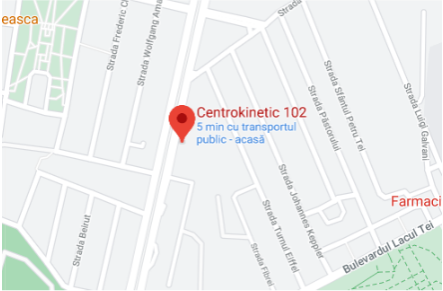
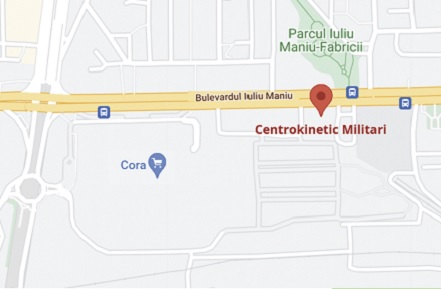
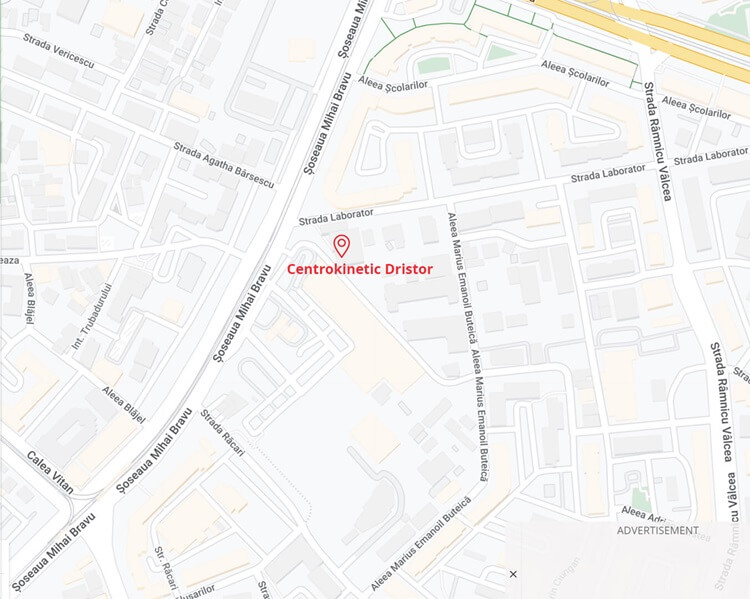
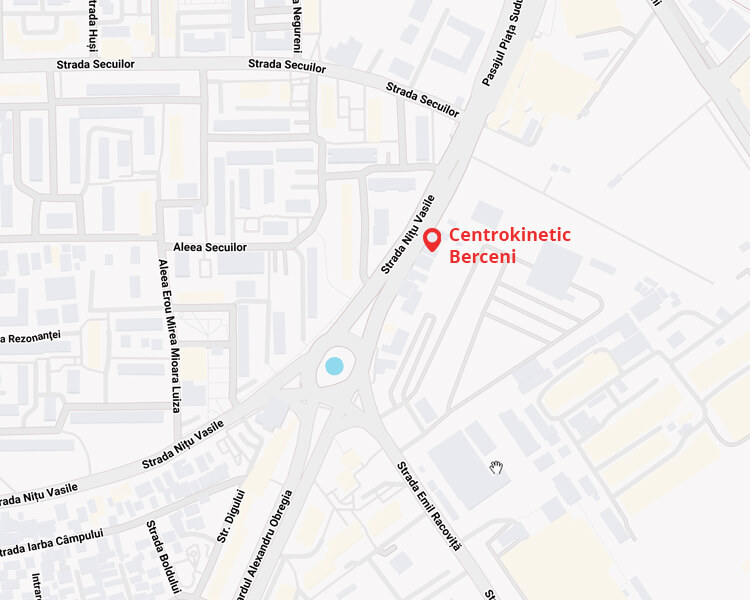
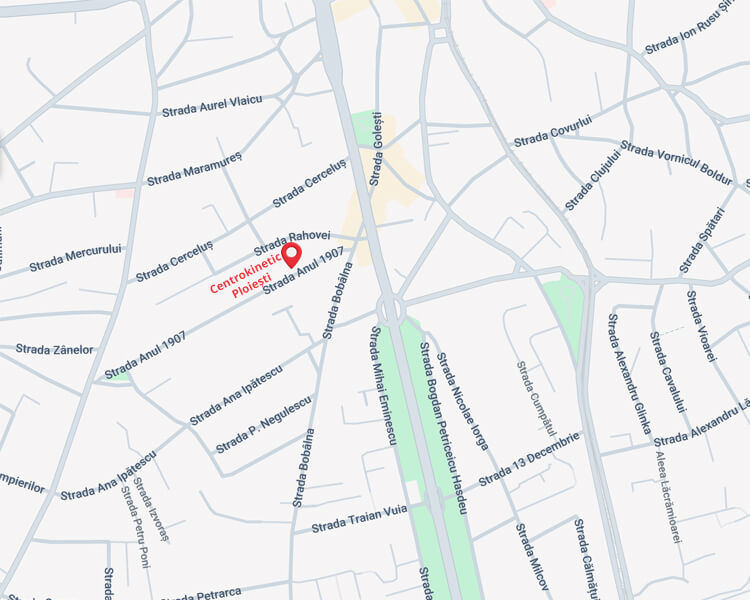
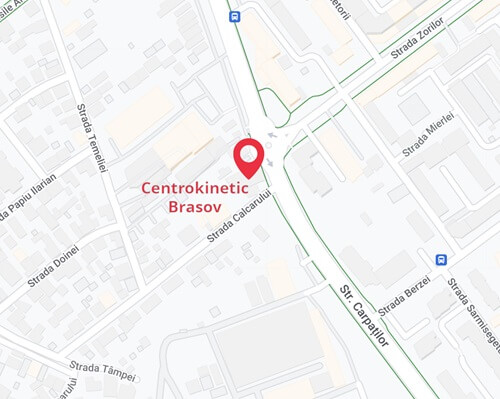
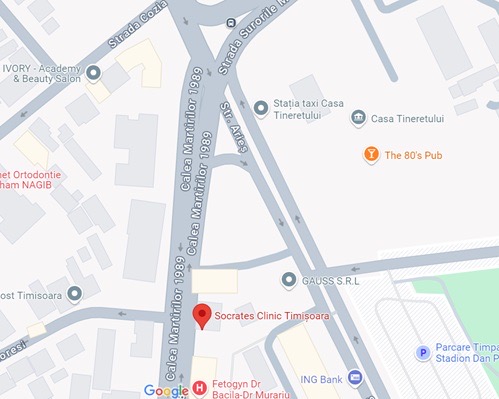
Centrokinetic represents the most advanced medical clinic dedicated to osteoarticular conditions, organized into several dedicated departments:
- Orthopedics: made up of a highly experienced team of orthopedic doctors, led by Dr. Andrei Ioan Bogdan, senior orthopedics-traumatology physician with surgical activity at Floreasca Emergency Clinical Hospital and at Medlife Orthopedics Hospital, specialized in sports traumatology and in ankle and foot surgery.
- Pediatric orthopedics, where we treat children's sports-related conditions (ligament and meniscus injuries), spine deformities (scoliosis, kyphosis, hyperlordosis), and foot conditions (hallux valgus, hallux rigidus, clubfoot, flatfoot, cavus foot).
- Neurology, performing consultations and EMG within the department. The medical team is completed by Dr. Mardare, who received advanced training at the University of Oxford in spinal surgery.
- Medical rehabilitation, for children and adults, the department being led by one of the most experienced doctors in the field, senior lecturer Dr. Tache Georgiana. The department specializes in the recovery of performance athletes, spinal conditions, and the recovery of children with neurological and traumatic conditions.
- Medical imaging, the clinic being equipped with an ultrasound and MRI machine, dedicated to musculoskeletal conditions. We are proud of our medical team of radiologists, made up of Dr. Ghiea Sorin, Dr. Pantu Cosmin, and Dr. Florescu Nicoleta, specialized in musculoskeletal imaging.
Find out the latest news about us by following the Centrokinetic clinic's Facebook and YouTube accounts.