
See details
READ MORE

.jpg)
1. Spastic tetraparesis – general information
Chewing and swallowing disorders
Eye problems – strabismus, optic atrophy
Spastic tetraparesis is a form of cerebral palsy that is caused by a certain injury or disease and results in the partial or total loss of use of the trunk and limbs. In general, both sensory and motor nerves are affected, which means that both sensation and control of that part of the body are lost.
Spastic tetraparesis is paralysis caused by disease or injury that leads to the partial or total loss of function of all four limbs and the trunk. Paraplegia is similar, but does not affect the arms. The loss is usually both sensory and motor, meaning that both sensation and control are lost. Tetraparesis or quadriparesis, on the other hand, means muscle weakness affecting all four limbs.
Some patients have tetraparesis due to congenital or birth-related problems. Among these, cerebral palsy (or spastic tetraparesis) is the most common reason. In general, spastic tetraparesis affects somewhere between 1 in 500 and 1 in 1000 newborns, although some of them are only mildly affected. The risk is highest in premature and underweight infants. The number of new cases of cerebral palsy has actually increased in recent years, partly because better intensive care keeps more premature babies alive, but also because fertility treatments have led to an increase in births of twins or multiple children, which increases the chances of having a child with spastic tetraparesis.
Although cerebral palsy is often considered a congenital syndrome (present at birth), it can also develop after birth. A brain injury resulting from a brain infection (for example, meningitis, encephalitis) or after a fall or an accident, is called acquired tetraparesis. On the other hand, congenital cerebral palsy is the result of an error during fetal development or even during the birth process. Lack of oxygen during birth was believed to be the main cause, but researchers believe this accounts for only about 10% of cases.
Other risk factors for developing spastic tetraparesis include:
Acquired tetraparesis
Causes of tetraparesis affecting the spinal cord include:
Causes of infantile tetraparesis
Spastic tetraparesis is generally caused by brain injuries, either before birth, during birth, or shortly after. There are many factors that play a role in the development of brain injuries in children, including fetal infections, maternal infections, exposure to toxins, or medical negligence.
During pregnancy, between weeks 26 and 34, the white matter of a baby's brain is highly susceptible to damage. White matter sends signals from the brain to the rest of the body and, if damaged, can lead to impairment of the entire body. Lesions or holes in the brain's white matter can lead to spastic tetraparesis.
The fetus in the womb can also develop brain damage from fetal stroke, which can lead to cerebral bleeding. In some cases, fetal strokes are caused by placental blood clots and placenta previa. Poorly formed blood vessels in the brain can also lead to fetal strokes.
High blood pressure during pregnancy leads to an increased risk of fetal stroke. This is an unfortunate yet common problem during pregnancy, and doctors must help monitor the mother during pregnancy, as well as diagnose and treat any problems that arise as soon as possible.
The presence of acute hypotonia or areflexia together with tetraparesis can signal an injury or involvement of the lower central nervous system, that is, the spinal cord.
The presence of spastic musculature and increased muscle tone indicates upper motor neuron involvement, that is, the brain. In cerebral palsy, both the upper and lower limbs are affected symmetrically and severely, with the head hanging down, dysarthria, and breathing difficulties in severe cases.
The onset of rapidly progressive tetraparesis can signal other conditions. In most cases, it rises up from the lower limbs, but sometimes it can be a descending weakness. Reflexes are affected earlier in peripheral neuropathies, but are usually spared in diseases of the neuromuscular junctions and myopathies, until severe weakness begins to appear.
In most cases, the patient eventually presents severe muscle weakness, absent or diminished deep tendon reflexes, and, in some cases, involvement of the respiratory muscles, brainstem, and eyes. Symmetry of the paralysis, involvement of the extraocular muscles, sensory signs, and involvement of the autonomic nervous system are frequently observed.
People with spastic tetraparesis may have great difficulty swallowing, and this can lead to breathing difficulties if food is aspirated. Because of swallowing difficulties, proper nutrition is also a concern. In addition, this form of paresis makes the affected person prone to bladder and bowel difficulties.
Since spastic tetraparesis can affect the child's entire body, they are at risk of developing limb deformities. Spastic muscles that continuously pull can cause serious problems over time, especially if not properly treated. About 1/4 of patients with spastic tetraparesis develop scoliosis (a curvature of the spine).
Another common problem is foot deformity. For example, equinus ankle, a condition in which ankle flexibility is limited, is a possible complication of spastic tetraparesis.
Difficulties with swallowing or feeding can prevent many individuals with spastic tetraparesis from getting adequate nutrition and gaining or maintaining weight, especially infants. Some people, because they have poor control over the muscles of the neck, mouth, and tongue, drool excessively.
Many children with spastic tetraparesis have strabismus, commonly known as "crossed eyes," which, if left untreated, can lead to poor vision in one eye, and can interfere with the ability to judge distance. Some children with spastic tetraparesis have difficulty understanding and organizing visual information. Other children may have impaired vision or blindness that blocks the normal visual field, in one or both eyes.
Some people with spastic tetraparesis have pain or have difficulty feeling simple sensations, such as touch.
About 30 - 50% of people with spastic tetraparesis will have intellectual impairments. Intellectual impairment is more common in those with spastic quadriplegia than in those with other types of cerebral palsy.
About half of children with spastic tetraparesis also have epilepsy. Both spastic tetraparesis and epilepsy are neurological disorders that often coincide with each other.
In about half of epilepsy cases, there is no known cause. In other cases, epilepsy can be caused by a number of factors, including:
During childhood, a child's brain is highly susceptible to damage, which can occur when the mother is not properly diagnosed and treated for infections, maternal smoking and drinking, oxygen deficiencies, and inadequate nutrition.
As mentioned earlier, spastic tetraparesis and epilepsy most often coincide. Other developmental disorders that can be associated with epilepsy include autism and neurofibromatosis.
Head trauma, such as birth injuries, car accidents, or any accident in which the head suffers trauma, can lead to epilepsy.
A number of infectious diseases, such as viral encephalitis and meningitis, can lead to epilepsy.
Researchers indicate that certain types of recurring seizures are linked to genetics. However, genes are usually only part of the reason for the causes of epilepsy. In other words, there are usually other causes related to genetic factors. Generalized seizures are the most common type linked to genetic causes.
A common problem for children with spastic tetraparesis is hip subluxation and dislocation. 30% of adults with cerebral palsy and untreated hip dislocation have chronic hip pain. For this reason, monitoring children's hip status is important for early detection of hip subluxation and for preventing dislocation and possible hip pain. Doctors monitor children through simple hip X-rays, starting at 18 months of age. Children with moderate to severe spastic tetraparesis, especially those with spastic quadriparesis, often fall behind in terms of growth and development. Muscles and limbs affected by spastic tetraparesis tend to be smaller than usual, especially in children with spastic hemiplegia, whose limbs on the affected side of the body cannot grow as quickly as those on the normal side.
Clinical features, together with some neurological and electromyographic (EMG) tests, help confirm the condition. Serum electrolyte levels, serum creatine kinase, and cerebrospinal fluid (CSF) findings are all useful in differentiating various conditions, as is testing muscle and nerve function, such as nerve conduction studies and EMG testing. Most children with spastic tetraparesis are diagnosed within the first 2 years of life. But if a child's symptoms are mild, it may be difficult for a doctor to make a reliable diagnosis before the age of 4 or 5.
The medical history should include questions about how the pregnancy and labor went, including the Apgar score at the child's birth. The doctor will ask questions about the subsequent feeding method and about the presence of other conditions at various stages of the growth and development process.
Functional tests are adapted to the child's age and include psychological tests for intellectual function and intelligence tests to find out the child's IQ.
Doctors will order a series of tests to assess the child's motor skills. During regular visits, the doctor will monitor the child's development, growth, muscle tone, age-appropriate motor control, hearing and vision, posture, and coordination, in order to rule out other disorders that may cause similar symptoms. If the child permanently loses their motor skills, the problem may stem from another condition, such as a genetic or muscular disease, metabolic disorders, or tumors in the nervous system.
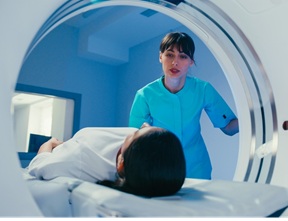
Imaging tests that allow doctors to look inside the brain (such as an MRI scan) can detect abnormalities that indicate a potentially treatable movement disorder.
Imaging methods include:
Treatment for the condition consists of healing the spinal cord or any other conditions that may have caused the problem. While the spinal cord injury is being treated, the patient is kept immobilized using special equipment that helps prevent further injury. Medical staff work to stabilize blood pressure, heart rate, and overall health status. A doctor may use intubation to facilitate breathing. Intubation involves inserting a flexible tube that carries oxygen into a patient's throat.
Physical therapy to keep the muscles strong and flexible, while nerve recovery is taking place, is very important.
Physical therapy tries to restore or maintain the ability to move. Therapies generally focus on maintaining or improving range of motion and mobility, increasing strength and coordination, and improving comfort. Programs may also include treatments aimed at preventing complications such as frozen joints, contractures (muscles that will not stretch), etc.
Physical therapists will assess joint movement, muscle strength and endurance, posture, pain, heart and lung function, and performance of daily activities in order to develop an individualized program. Therapies may include stretching, strengthening, and aerobic exercises. They may also include gait training and proper use of assistive devices, such as canes or braces, as well as balance and coordination activities.
Physio-kinesiotherapy exercises may also include techniques such as massage, ultrasound, electrical stimulation, or a jacuzzi.
For a complete treatment plan, which also includes physio-kinesiotherapy, call on Centrokinetic!
Oral medications are usually used as the first line of treatment to relax stiff, contracted, or overactive muscles. Some medications have some risky side effects, such as drowsiness, blood pressure changes, and risk of liver damage that requires ongoing monitoring. Oral medications are best suited for children who need only a mild reduction in muscle tone, or who have widespread spasticity.
BT-A, injected locally, has become a standard treatment for overactive muscles in children with spastic movement disorders, such as spastic tetraparesis. BT-A relaxes contracted muscles by preventing nerve cells from activating the muscles. The relaxing effect of a BT-A injection lasts about 3 months. Unwanted adverse reactions are mild and short-lived, consisting of pain at the injection site and occasionally mild flu-like symptoms. BT-A injections are most effective when followed by a stretching program that includes physical therapy and braces. BT-A injections work best for children who have some control over motor movements, and have a limited number of muscles requiring treatment, none of which are fixed or rigid.
Speech therapy can improve a child's ability to speak more clearly and can help with swallowing disorders and learning new ways to communicate - using sign language and/or special communication devices, such as a computer with a voice synthesizer, with symbols of everyday objects and activities, through which a child can show their wishes.
Assistive devices such as canes or wheelchairs, to help efficiently carry out daily functions while there is a motor impairment preventing normal movement, are an effective orthopedic treatment.
Orthopedic surgery is often recommended when spasticity and stiffness are severe enough to make walking and moving around difficult or painful. For many people with spastic tetraparesis, improving the way they walk is also an important step. Surgeons can lengthen muscles and tendons that are proportionally too short, which can improve mobility and reduce pain. Surgery can help relieve symptoms for some children, but it can also have negative long-term consequences. Orthopedic surgical procedures are performed at times appropriate to the child's age and level of development. Surgery can also correct or greatly improve spinal deformities in people with spastic tetraparesis. Surgery may not be indicated for all gait abnormalities, and the surgeon may request a gait analysis before the operation.
Surgery to reduce nerve activity. Selective dorsal rhizotomy (SDR) is a surgical procedure recommended for cases of severe spasticity, when all more conservative treatments - physical therapy, oral medications - have failed to reduce spasticity or chronic pain. A surgeon locates and selects overactive nerves at the base of the spine. SDR is most commonly used to relax muscles and reduce chronic pain in one or both lower or upper limbs. It is also sometimes used to correct an overactive bladder. Potential adverse reactions include loss of sensation, numbness, or uncomfortable sensations in the limb areas.
Assistive devices, such as computers, computer software, voice synthesizers, and picture books, can greatly help some individuals improve their communication skills. Other devices around the house or workplace make it easier for people with spastic tetraparesis to adapt to daily life activities.
Orthotic devices help compensate for muscle imbalance and increase independent mobility. Braces and splints use external force to correct muscle abnormalities and improve function, such as standing or walking. Other orthoses help stretch muscles or position a joint. Braces, wedges, special chairs, and other devices can help people sit more comfortably and make it easier to carry out daily functions. Wheelchairs and motorized scooters can help people who are not independently mobile. Vision assistive devices include glasses, lamps, large-print books, and typefaces. Some people with spastic tetraparesis may need surgery to correct vision problems. Hearing devices and telephone amplifiers can help people hear more clearly.
For a correct diagnosis and an effective recovery plan, schedule a consultation at our clinic.
At Centrokinetic, the best doctors and therapists are available to help with any joint or musculoskeletal problem, from the initial consultation and complete investigations within the clinic, to treatment and complete medical recovery for spinal, traumatic, or post-surgical conditions.
Find out the latest news about us by following the Centrokinetic clinic's Facebook and YouTube accounts.See details
READ MORESee details
READ MORESee details
READ MORESee here how you can make an appointment and the location of our clinics.







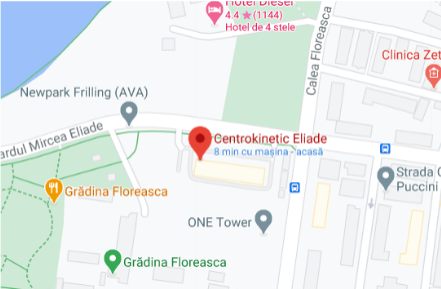
CENTROKINETIC FLOREASCA
Bucharest, 1st District,
Mircea Eliade Street, no. 18,
Eliade Tower, Entrance A, Floor 3
| Navigation | Explore 3D |
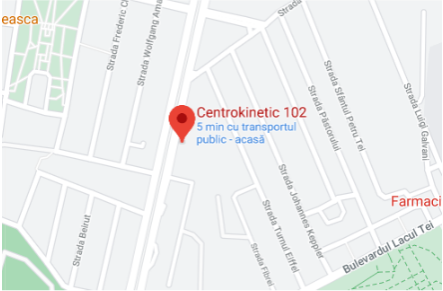
CENTROKINETIC Barbu Vacarescu
Bucharest, 2nd District,
Barbu Vacarescu Street, no. 102,
102 The Address, ground floor.
| Navigation | Explore 3D |
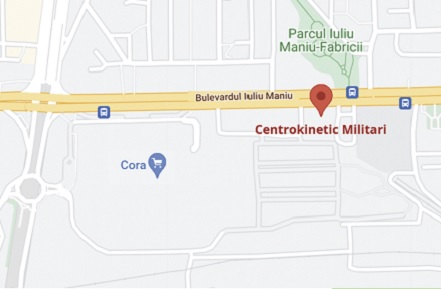
CENTROKINETIC MILITARI
Bucuresti, Sector 6,
Bld. Iuliu Maniu, nr. 15G,
Cladirea PBT, etaj 3.
| Navigation |
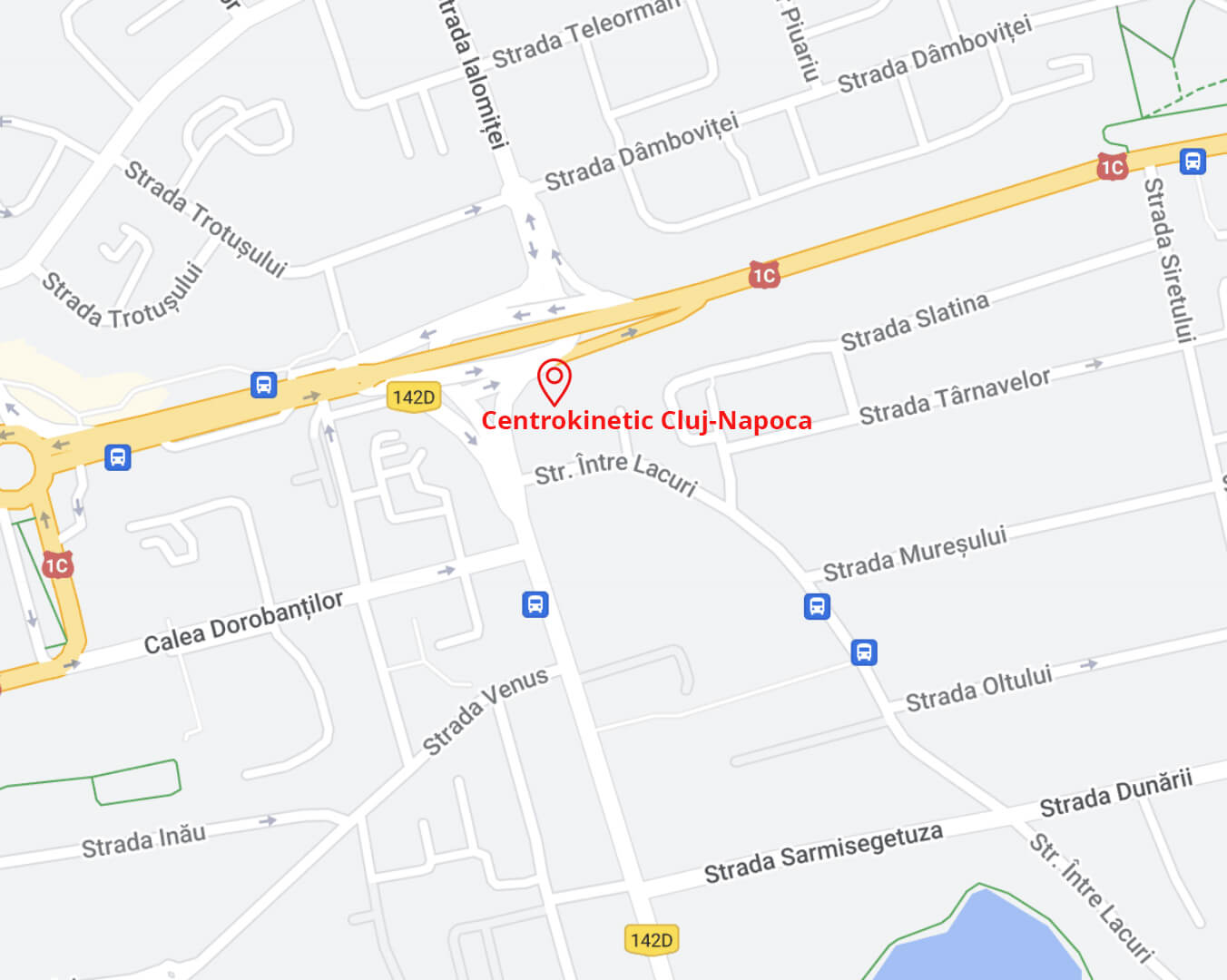
CENTROKINETIC CLUJ-NAPOCA
Cluj-Napoca,
Str. Intre Lacuri, nr.1
Intrarea este in spatele cladirii.
| Navigation |
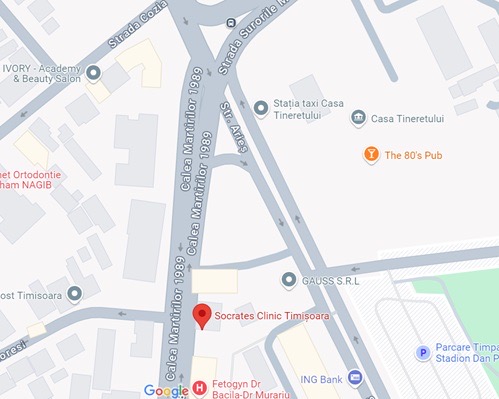
SOCRATES CLINIC TIMISOARA
Timisoara, Calea Martirilor 1989,
nr. 1.
Telefon: 0371 785 374.
| Navigation |
Phone: 0319693
E-mail: programari@centrokinetic.ro
Operating hours:
Monday – Friday: 07:00 – 21:00
Saturday: 09:00 – 14:00
Sunday: closed.
MAKE AN APPOINTMENT