Spondylolisthesis – what it is, symptoms, treatment


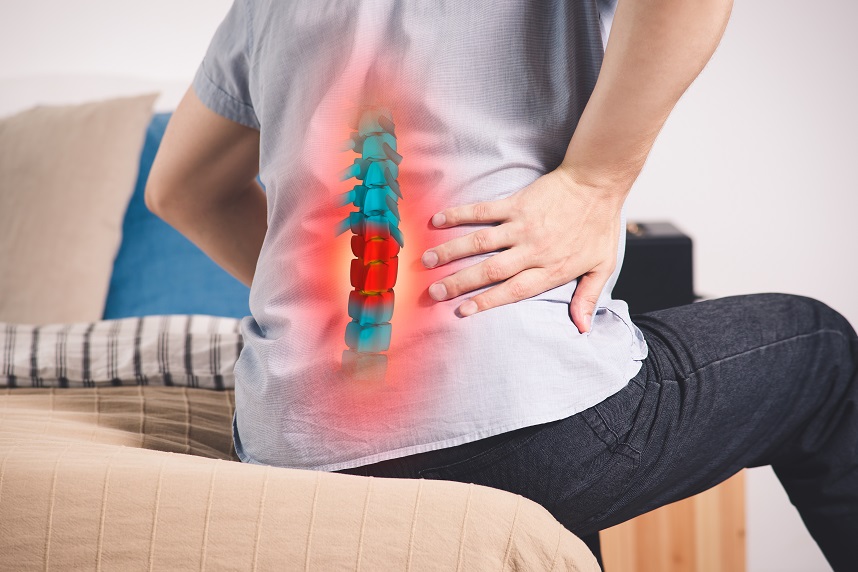
- What does Spondylolisthesis represent?
- What are the causes that trigger it?
- What are the symptoms?
- How many types of spondylolisthesis are there?
- How is this condition diagnosed?
- What treatment exists for this condition?
What does Spondylolisthesis represent?
By definition, Spondylolisthesis is a condition of the spine that affects approximately 5% of the population. More precisely, this condition changes the position of a vertebra from its place, triggered by slippage relative to the vertebra below it, which can produce both a subluxation and a vertebral dislocation, generating instability of the spine.
This displacement of the vertebra is common in the lower back, but can also occur in the following positions: in the middle (thoracic) part of the spine, in the upper (cervical) part of the spine, in the posterior part of the neck.
It can put pressure on a nerve, which could cause back or leg pain.
What are the causes that trigger it?
Overextension of the spine is one of the most common causes of spondylolisthesis, especially among young athletes.
Genetics can also play an important role in triggering this condition. Some people are born with thinner vertebral bone.
In older adults, wear and tear of the spine and discs can be a triggering factor for this disease.
We can also list a few main causes, to better understand the ways in which spondylolisthesis can occur:
- wear of the joint surfaces between the vertebrae, common in elderly people;
- the presence of dysplasia localized around a segment of the spine;
- repetitive trauma to the spine, often encountered in athletes;
- accelerated growth during adolescence, particularly in the context of spinal deformities, such as scoliosis;
- the presence of a tumor or infection in the spine.
What are the symptoms?
One can live with spondylolisthesis for years without knowing it, since it is not uncommon for it to be asymptomatic.
Degenerative spondylolisthesis (triggered due to aging and wear of the spine) is more common after age 50 and, at the same time, more common in women than in men.
When back pain occurs in adolescents, isthmic spondylolisthesis (triggered by spondylolysis) is one of the most common causes.
The pain can extend down to the buttocks and thighs. Also, alongside the pain, one may also experience:
- muscle spasms in the muscles at the back of the thighs;
- stiffness of the back;
- difficulty walking or standing for long periods;
- pain when bending over;
- numbness, weakness, or tingling in the leg.
To confirm a diagnosis of spondylolisthesis, book an appointment with a medical recovery physician at Centrokinetic clinic, and you will find the answers to all your questions.
How many types of spondylolisthesis are there?
We can list the following types of spondylolisthesis:
- Congenital spondylolisthesis: occurs when the child's spine does not form as it should before birth;
- Isthmic spondylolisthesis: occurs as a consequence of spondylolysis; the crack or fracture weakens the bone;
- Degenerative spondylolisthesis: the most common, is triggered by aging; over time, the discs that cushion the vertebrae lose water; as the discs become thinner, they are more likely to slip out of place;
We can also list the less common types of spondylolisthesis:
- Traumatic spondylolisthesis: occurs when an injury causes the vertebrae to slip;
- Pathological spondylolisthesis: occurs when a condition (for example: osteoporosis) or a tumor causes the disease to appear;
- Post-surgical spondylolisthesis: represents a slippage as a result of spinal surgery;
At our clinic, you can benefit from all the investigations you need regarding the diagnosis of spondylolisthesis.
Centrokinetic clinic can also recommend appropriate treatment for you, so that physical recovery is as beneficial, efficient, and accelerated as possible.
How is this condition diagnosed?
Your treating physician will perform a clinical examination and will ask you about your symptoms. It will most likely be necessary to have an imaging scan in order to confirm the diagnosis, namely:
- X-rays of the spine – this investigation helps to observe a possible displaced vertebra;
- CT scan or MRI - is necessary in order to have a more detailed look at the spine or to see the soft tissues, such as the discs, as well as the nerves;
What treatment exists for this condition?
Treatment varies depending on the degree of vertebral slippage, symptoms, age, and general state of health. Medication treatment, physical therapy, or surgical intervention may be needed.
Non-surgical treatments include:
- Rest: a break from tiring activities and sports;
- Medication: an over-the-counter non-steroidal anti-inflammatory drug, such as ibuprofen or naproxen, can bring pain relief;
- Injections: an injection of steroid medication directly into the affected area;
- Kinesiotherapy: a physical therapist can show you special exercises to strengthen your abdomen and back; daily movement often improves the pain, after a few weeks;
Surgical intervention may be needed if the spondylolisthesis is of a high grade, the pain is severe, or non-surgical treatments have been tried without success.
The goals of spondylolisthesis surgery are:
- Relieving the pain from the irritated nerve;
- Stabilizing the spine at the point where the vertebra slipped;
- Restoring function;
Centrokinetic clinic is certainly the place where you will find both answers and precise solutions for the conditions presented.
Centrokinetic is the place where you will find clear answers and effective solutions for musculoskeletal conditions. Our clinic, dedicated to musculoskeletal disorders, is organized into the following specialized departments:
- Orthopedics, a department composed of a highly experienced team of orthopedic surgeons specializing in sports traumatology.
- Pediatric Orthopedics, where sports injuries in children (ligament and meniscus injuries), spinal deformities (scoliosis, kyphosis, hyperlordosis), and foot deformities (hallux valgus, hallux rigidus, equinovarus foot, flatfoot, cavus foot) are treated.
- Neurology, featuring a state-of-the-art department where consultations, electroencephalograms (EEG), and electromyography (EMG) examinations are performed.
- Medical Rehabilitation for adults and children, a department specialized in the rehabilitation of professional athletes, spinal disorders, and children with neurological and traumatic conditions. Our extensive experience includes treating more than 5,000 professional athletes.
- Medical Imaging, with the clinic equipped with ultrasound and MRI systems dedicated to musculoskeletal conditions, complemented by an experienced radiologist, Dr. Cosmin Pantu, specialized in musculoskeletal imaging.
- Rheumatology, a comprehensive department dedicated to the diagnosis, treatment, and rehabilitation of patients with non-surgical musculoskeletal disorders.
- Vascular Surgery, a highly specialized department focused on the diagnosis and treatment of vascular diseases affecting arteries, veins, and lymphatic vessels.
- Psychology and Speech Therapy. Neurological and musculoskeletal conditions can have a psychological impact on patients, which is why we believe complete recovery requires addressing both the physical condition and its psychological consequences.
- Neurofeedback. This innovative method helps improve concentration, reduce anxiety, and achieve emotional balance through a simple and interactive process.
Stay up to date by following Centrokinetic on Facebook, Instagram, and YouTube.
MAKE AN APPOINTMENT
FOR AN EXAMINATION
See here how you can make an appointment and the location of our clinics.
MAKE AN APPOINTMENT
BUCHAREST TEAM






















CLUJ NAPOCA TEAM

















BRASOV TEAM








Asiguratori privati





Parteneriate


CENTROKINETIC FLOREASCA
Bucharest, 1st District,
Mircea Eliade Street, no. 18,
Eliade Tower, Entrance A, Floor 3
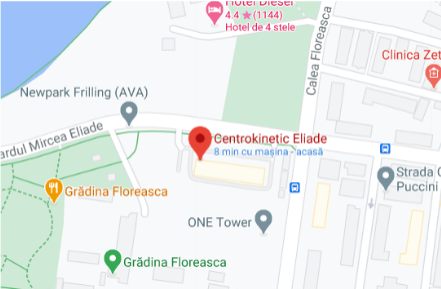
| Navigation | Explore 3D |
CENTROKINETIC Barbu Vacarescu
Bucharest, 2nd District,
Barbu Vacarescu Street, no. 102,
102 The Address, ground floor.
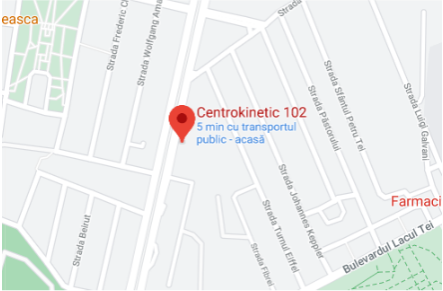
| Navigation | Explore 3D |
CENTROKINETIC MILITARI
Bucuresti, Sector 6,
Bld. Iuliu Maniu, nr. 15G,
Cladirea PBT, etaj 3.
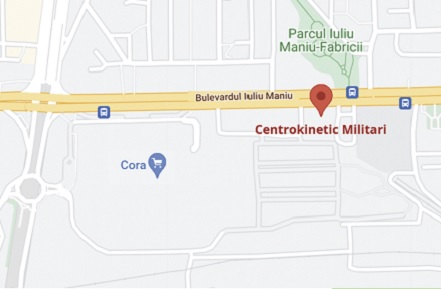
| Navigation |
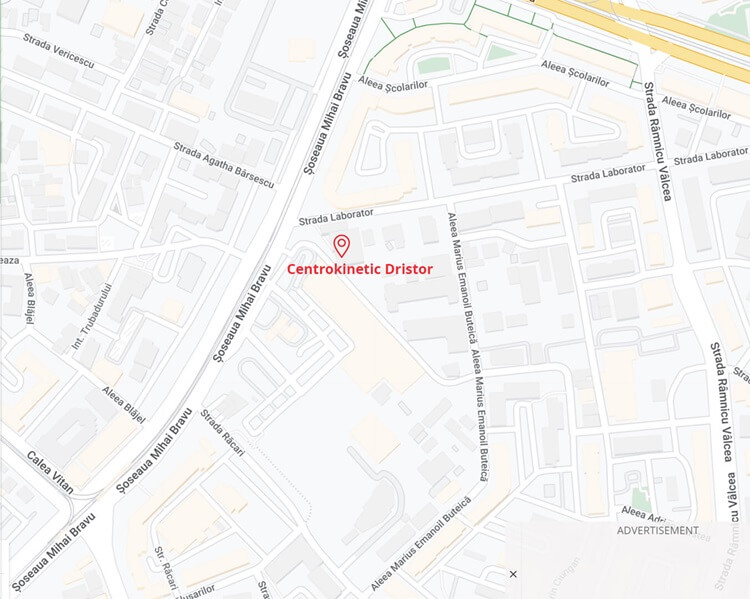
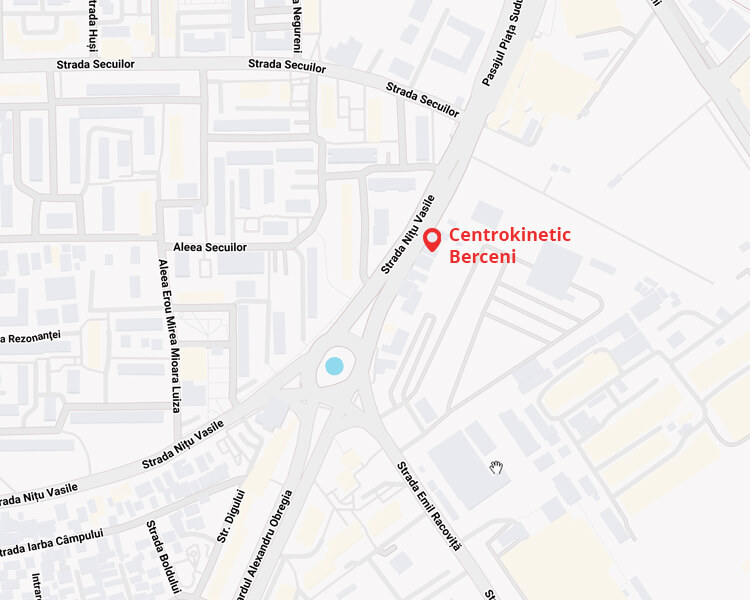
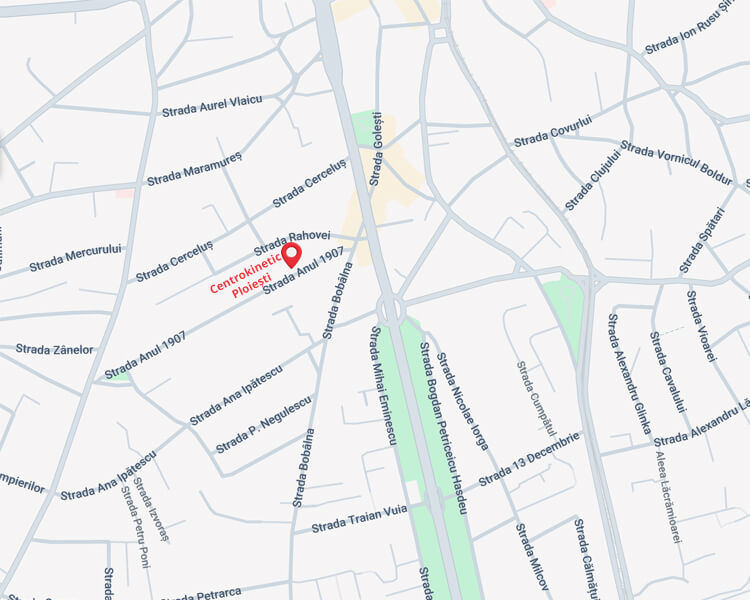
CENTROKINETIC CLUJ-NAPOCA
Cluj-Napoca,
Str. Intre Lacuri, nr.1
Intrarea este in spatele cladirii.
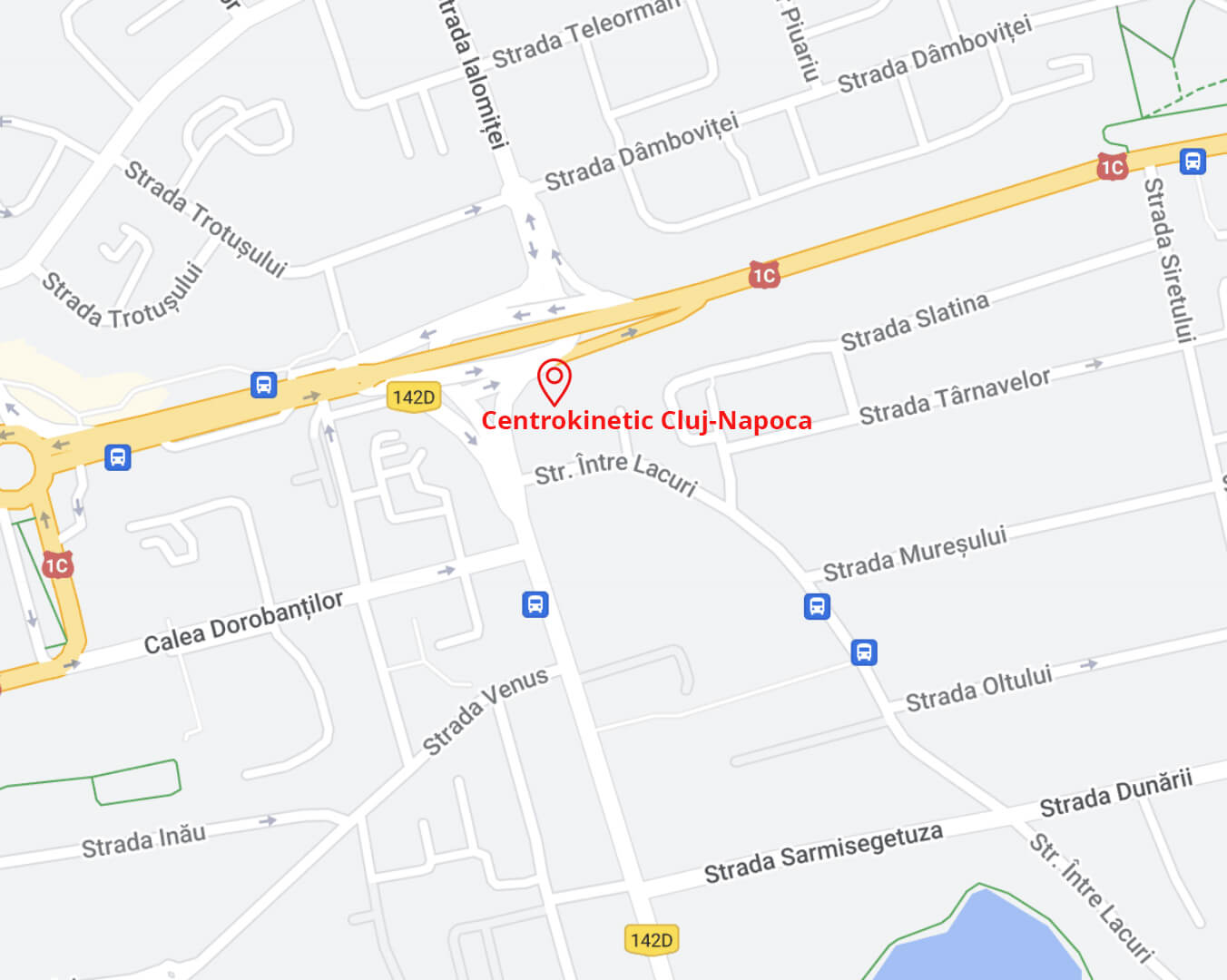
| Navigation |
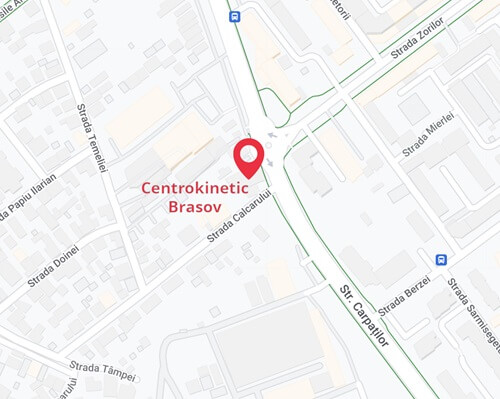
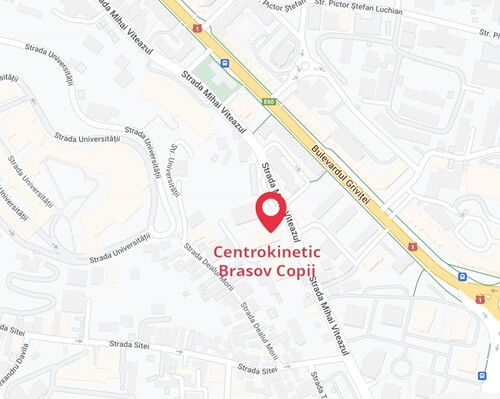
SOCRATES CLINIC TIMISOARA
Timisoara, Calea Martirilor 1989,
nr. 1.
Telefon: 0371 785 374.
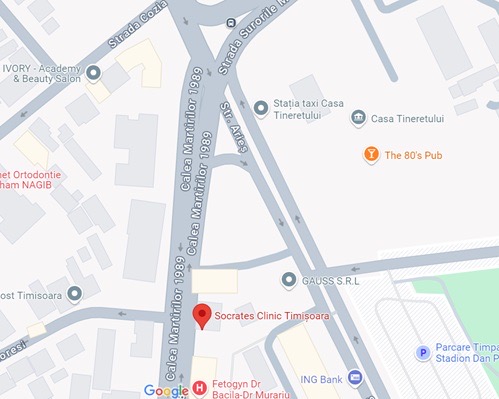
| Navigation |
CONTACT
Phone: 0319693
E-mail: programari@centrokinetic.ro
Operating hours:
Monday – Friday: 07:00 – 21:00
Saturday: 09:00 – 14:00
Sunday: closed.
MAKE AN APPOINTMENT