How does physiotherapy help if you have a sports injury?


How does physiotherapy help if you have a sports injury?
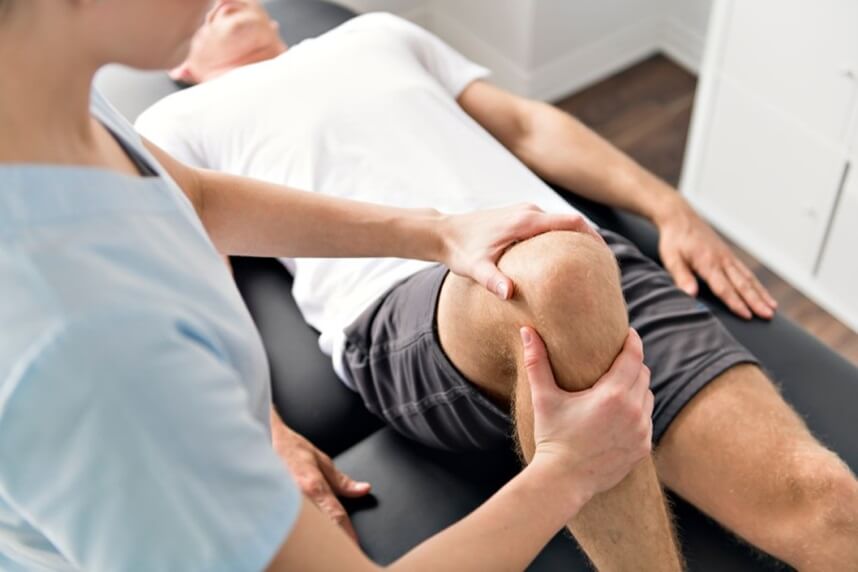
Sports injuries can occur at any time, regardless of performance level – whether you practice recreational sports or are a professional athlete. A simple wrong movement, an unexpected impact, or overuse can lead to sprains, muscle tears, inflammation, or persistent pain. If you are dealing with such a situation, it is essential to act correctly from the very first moments [1].
The specialized medical recovery team at Centrokinetic offers personalized treatment plans that include physiotherapy, kinesitherapy, and modern procedures for safe and efficient recovery. Here are more details!
How do you recognize a sports injury?
The most common injuries encountered in physiotherapy clinics are:
• sprains (ankle, knee, wrist);
• muscle strains;
• partial or complete ligament tears;
• tendinitis and joint inflammation;
• post-traumatic lesions caused by overuse.
Symptoms may include acute pain, local swelling, limited movement, tenderness, or bruising. If you notice these signs, stop physical activity immediately and consult an orthopedic specialist for an accurate diagnosis [1][2].
What should you do immediately after an injury?
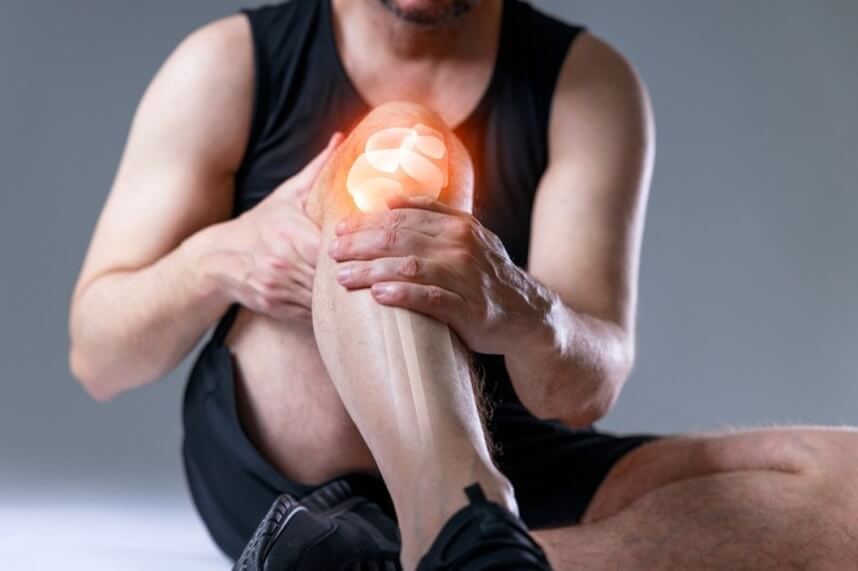
In the first hours after a sports injury, correctly applying the RICE protocol (Rest – Ice – Compression – Elevation) can reduce inflammation and pain:
• rest the affected area and avoid sudden movements;
• apply ice for 10–20 minutes every 2–3 hours, but without direct contact with the skin;
• gently compress the area with an elastic bandage;
• keep the injured limb elevated above heart level to reduce swelling [1].
Then, it is recommended to schedule a specialized evaluation in a recovery clinic. At Centrokinetic, the doctor and physiotherapist collaborate to accurately assess the injury and establish a complete personalized treatment plan!
Medical evaluation and recovery plan
The evaluation process is essential for correct recovery. The orthopedic or rehabilitation doctor performs a complete analysis of the affected area and may request imaging tests (X-ray, MRI, or ultrasound) to determine the diagnosis and treatment objectives.
At Centrokinetic, every patient benefits from a multidisciplinary approach aimed at:
• reducing pain and inflammation;
• restoring joint mobility;
• rebuilding muscle strength;
• gradually returning to sports activity without the risk of recurrence [1][3].
Learn more about the modern physiotherapy services available in our clinic!
Procedures and therapies used in sports recovery
Modern physiotherapy combines traditional treatments with advanced technologies to stimulate tissue regeneration. The most frequently used procedures in athlete recovery include:
• electrotherapy – relieves pain and muscle contractures;
• ultrasound therapy – accelerates tissue healing and reduces inflammation;
• TECAR therapy – stimulates natural healing processes through deep heat;
• laser therapy – speeds up lesion healing and reduces discomfort;
• cryotherapy and thermotherapy – for inflammation control and muscle relaxation.
For muscle relaxation and reducing tension, therapeutic massage or sports massage is often recommended, depending on recovery objectives [3].
Kinesitherapy – the key to functional recovery
After stabilizing the injury and reducing pain, the next stage is kinesitherapy, which involves specific exercises to regain strength and coordination. A Centrokinetic kinesitherapist will personalize your program based on the type of injury and your activity level. Examples of exercises include:
• stretching and mobility exercises for joints;
• balance and neuromuscular coordination training;
• exercises with elastic bands or light weights to rebuild strength;
• functional exercises that simulate movements from your sport.
Through consistency and professional supervision, patients achieve optimal results [4].
Preventing recurrences and returning to sports
Recovery does not end when the pain disappears. Centrokinetic physiotherapists pay special attention to prevention – meaning how you can avoid reinjury. Common recommendations include:
• warming up and stretching before training sessions;
• maintaining correct posture during exercises;
• alternating effort periods with rest periods;
• monitoring mild pain to prevent worsening;
• following the post-traumatic recovery program.
If you are a performance athlete, our doctors can adjust the treatment plan to help you return to competition progressively, through functional tests and periodic evaluations [1][2].
The benefits of physiotherapy in sports recovery
A correct physiotherapy program offers visible benefits in both the short and long term:
• rapid reduction of pain and inflammation;
• accelerated healing of affected tissues;
• improved circulation and muscle elasticity;
• regained mobility and coordination;
• prevention of joint stiffness;
• safe return to training [1][2].
At Centrokinetic, every patient benefits from periodic medical evaluations, continuous monitoring, and professional support throughout the recovery process.
When should you see a specialist?
If pain persists for more than 48 hours after the injury, if the area is swollen, or if mobility is limited, do not delay your visit to a specialist. The earlier the treatment begins, the higher the chances of complete healing without complications [1][2]. Schedule a full medical evaluation at Centrokinetic and find out which treatment is right for you!
Physiotherapy is one of the most effective methods of recovery after a sports injury. With the help of the multidisciplinary team at Centrokinetic, the healing process becomes faster, safer, and tailored to your specific needs.
Do not ignore the pain and do not try to treat yourself alone. Contact our specialists for a complete recovery plan that brings you back in motion, without the risk of recurrence.
Disclaimer: This article is strictly informational and does not replace a medical specialist consultation. The information presented aims to provide a general understanding of physiotherapy and the recovery process after a sports injury, but each case is unique and requires individual evaluation!
Information sources:
- “Sports Injuries: Types, Symptoms, Causes & Treatment.” Cleveland Clinic, 30 Nov. 2021.
- “Sport Injury Classification.” Physiopedia, 2015.
- Whittaker, Jackie L, et al. “Imaging with Ultrasound in Physical Therapy: What Is the PT’s Scope of Practice? A Competency-Based Educational Model and Training Recommendations.” British Journal of Sports Medicine, vol. 53, no. 23, 25 Apr. 2019, pp. 1447–1453.
- “What Is Kinesiotherapy?” Universidad Europea, Universidad Europea | Universidad presencial (Madrid, Valencia, Alicante, Canarias, Málaga) y Online, 12 Apr. 2023.
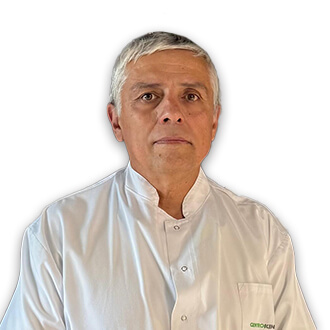
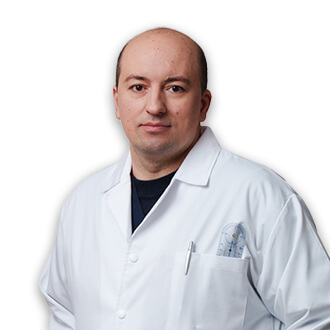
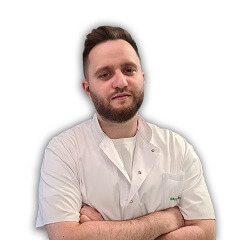
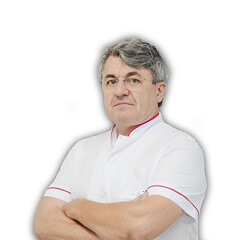
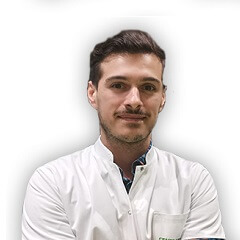
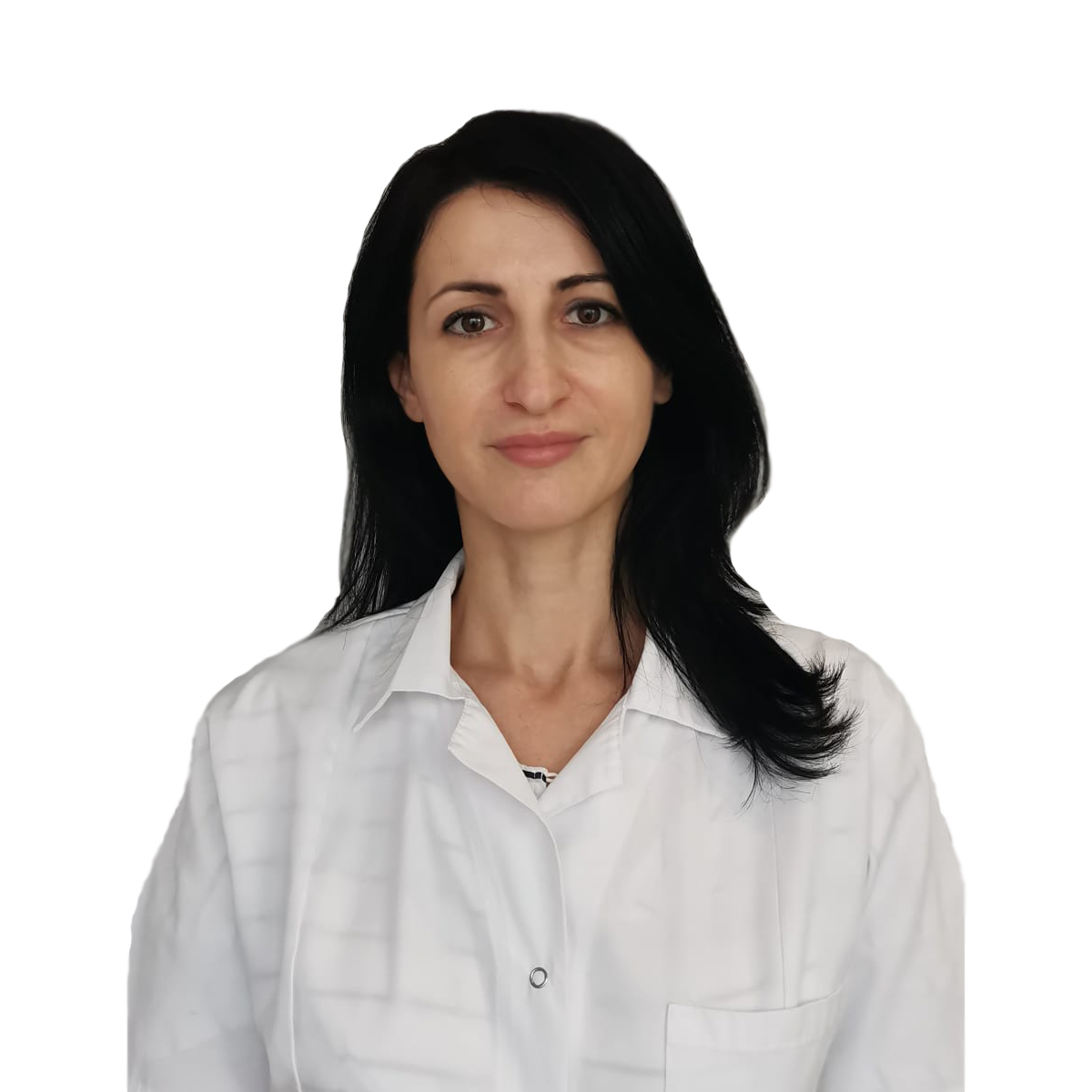
BUCHAREST TEAM

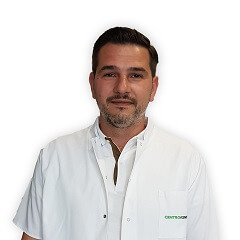
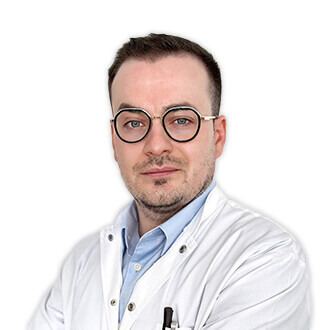




























CLUJ NAPOCA TEAM


















BRASOV TEAM








MAKE AN APPOINTMENT
FOR AN EXAMINATION
See here how you can make an appointment and the location of our clinics.
MAKE AN APPOINTMENT
Asiguratori privati




Parteneriate


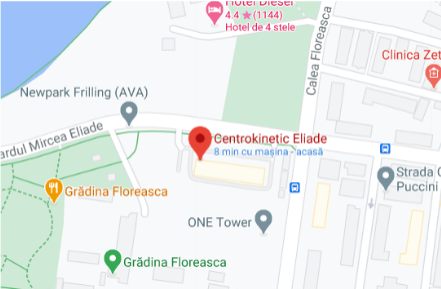
CENTROKINETIC FLOREASCA
Bucharest, 1st District,
Mircea Eliade Street, no. 18,
Eliade Tower, Entrance A, Floor 3
| Navigation | Explore 3D |
CENTROKINETIC Barbu Vacarescu
Bucharest, 2nd District,
Barbu Vacarescu Street, no. 102,
102 The Address, ground floor.
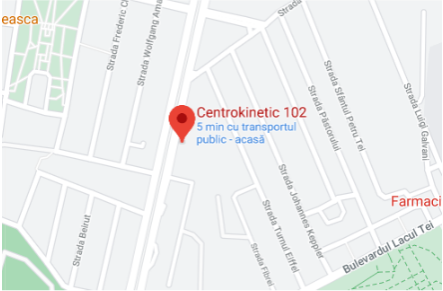
| Navigation | Explore 3D |
CENTROKINETIC MILITARI
Bucuresti, Sector 6,
Bld. Iuliu Maniu, nr. 15G,
Cladirea PBT, etaj 3.
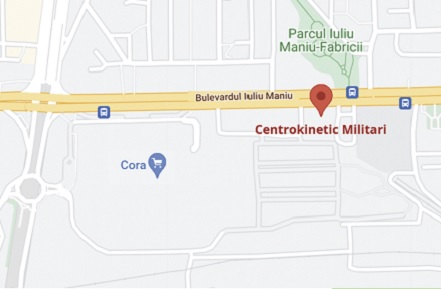
| Navigation |
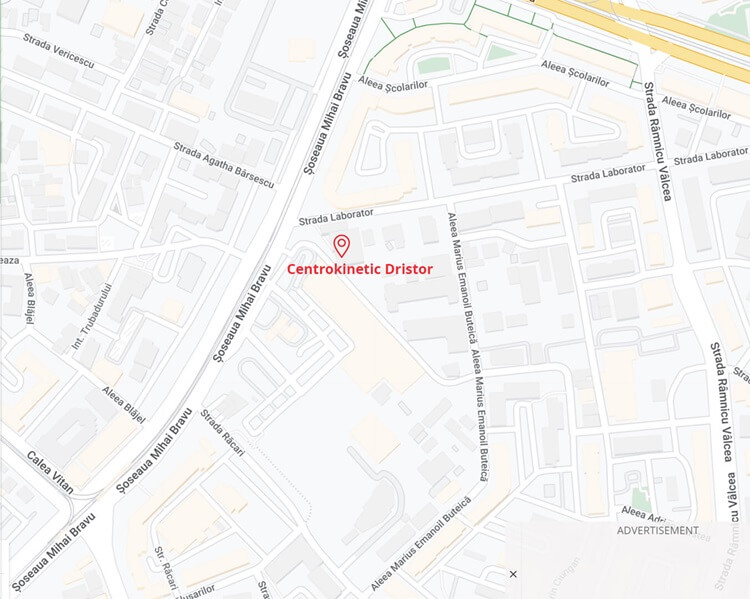
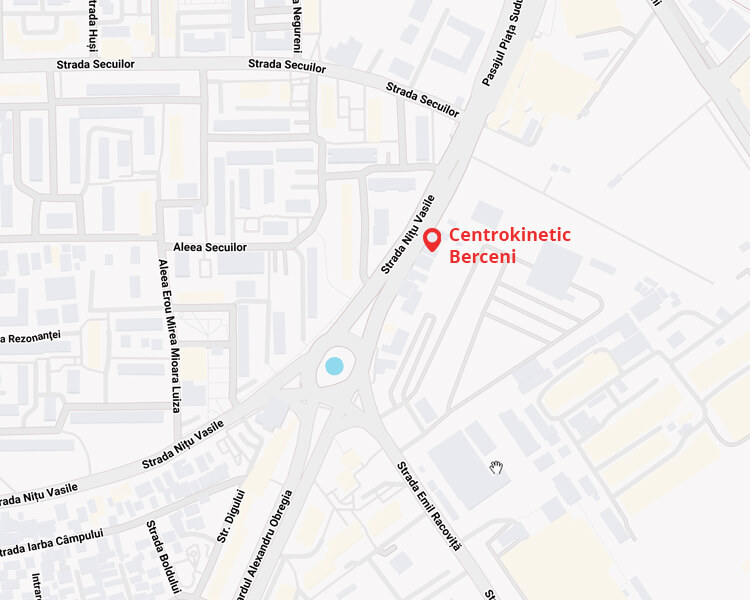
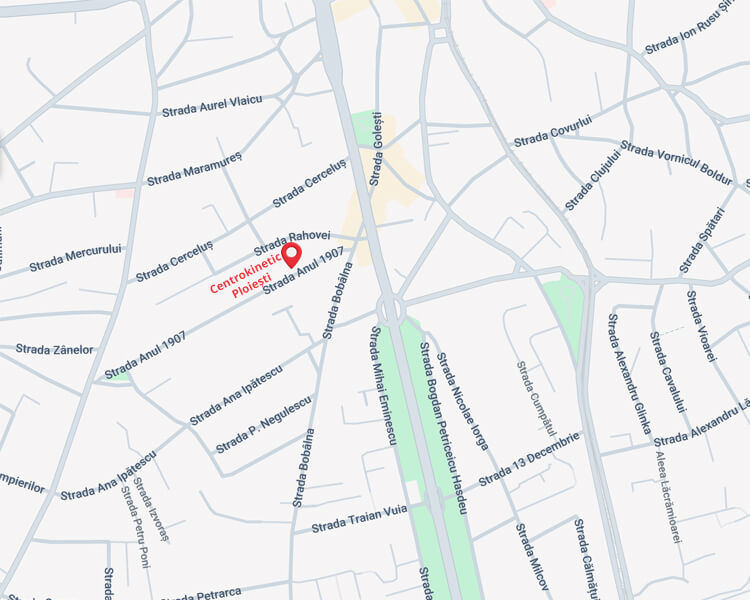
CENTROKINETIC CLUJ-NAPOCA
Cluj-Napoca,
Str. Intre Lacuri, nr.1
Intrarea este in spatele cladirii.
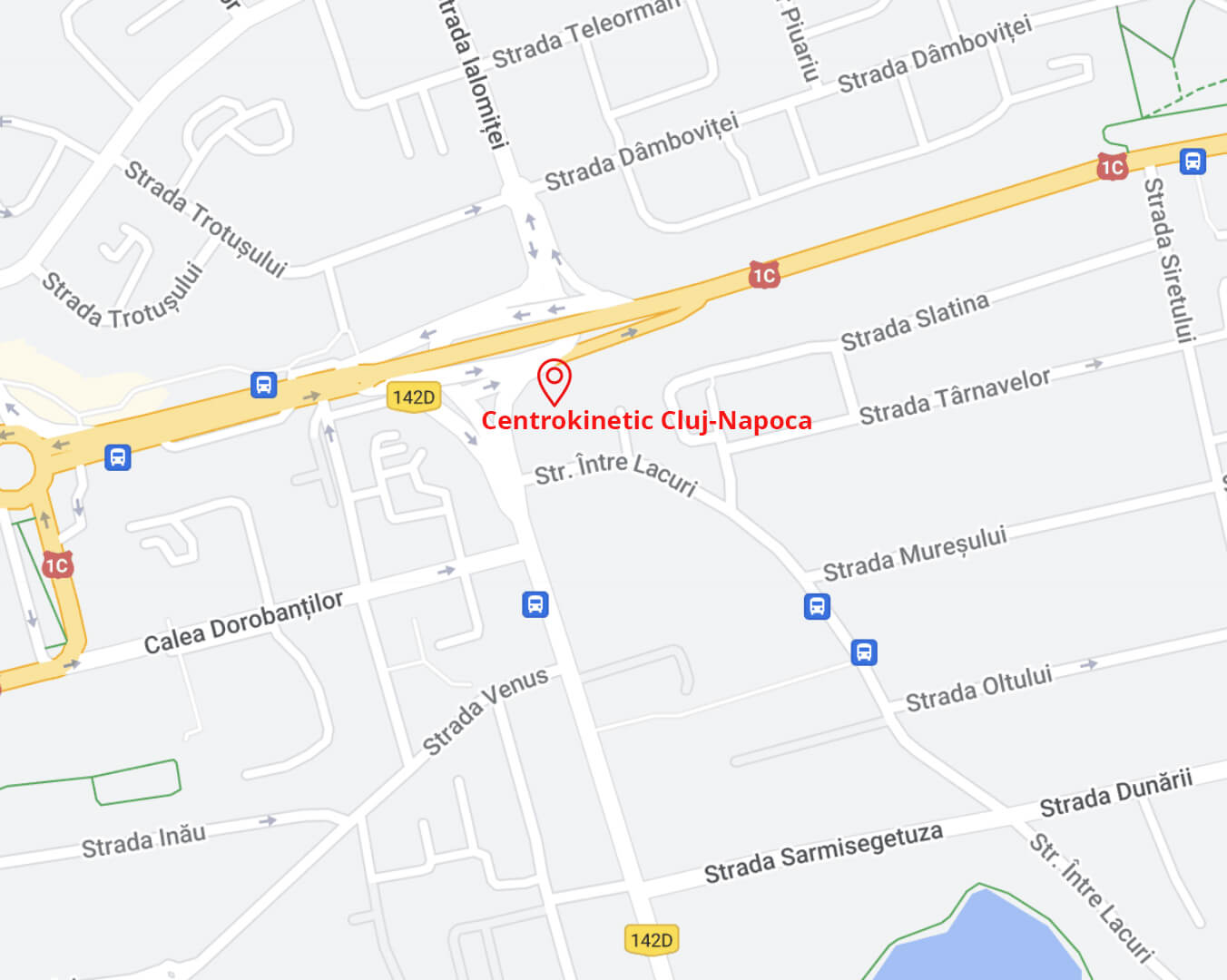
| Navigation |
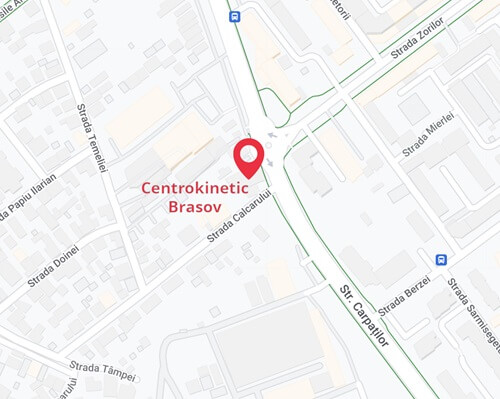
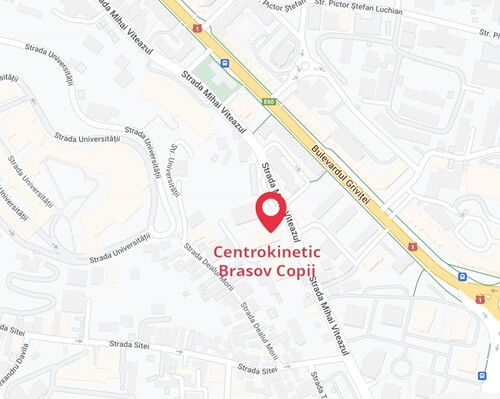
SOCRATES CLINIC TIMISOARA
Timisoara, Calea Martirilor 1989,
nr. 1.
Telefon: 0371 785 374.
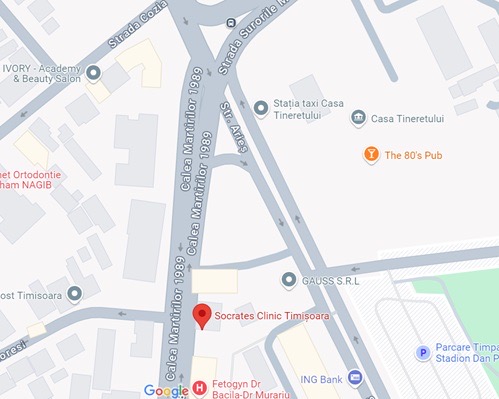
| Navigation |
CONTACT
Phone: 0319693
E-mail: programari@centrokinetic.ro
Operating hours:
Monday – Friday: 07:00 – 21:00
Saturday: 09:00 – 14:00
Sunday: closed.
MAKE AN APPOINTMENT