Sports recovery and performance


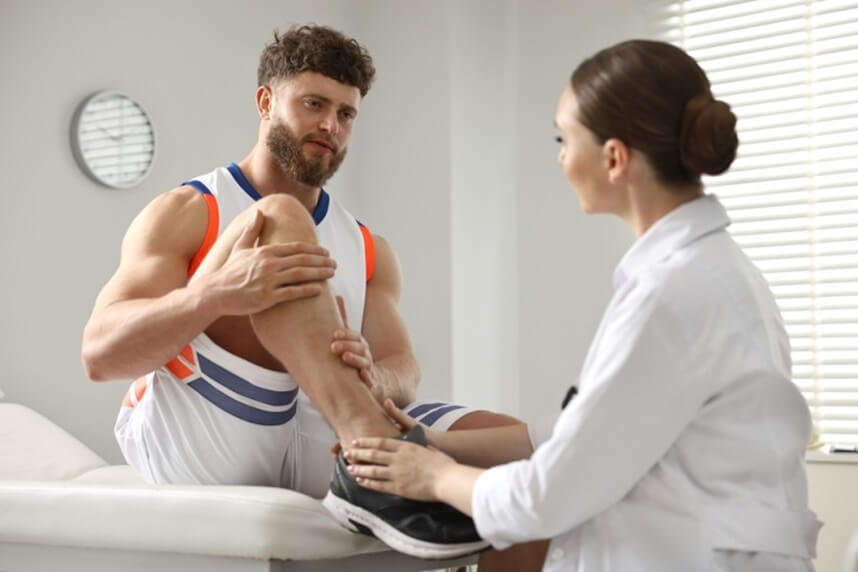
Sport involves constant effort, and the body needs proper support to cope with physical demands. Whether we are talking about an injury or preventing recurrences, early and personalized intervention makes the difference. Below, we explain how Centrokinetic supports athletes in returning to optimal form and continuing their activity safely.
Initial evaluation: the foundation of a correct recovery plan
Recovery always begins with a comprehensive evaluation. At Centrokinetic, the assessment aims to identify the exact affected structures, the current functional level, and the real effort limitations.
What does the functional clinical evaluation involve?
The specialist objectively analyzes:
- active and passive joint mobility;
- muscle strength;
- stability and movement control;
- movement patterns used in the practiced sport.
When is imaging necessary?
In most cases, the physician recommends a musculoskeletal ultrasound or MRI when:
- pain persists beyond the normal healing interval;
- the sport involves high loads on the affected area;
- there is suspicion of rupture, ligament injury, or joint damage.
Imaging does not replace functional evaluation but complements it with precise information about location and extent [1].
Why does proper evaluation prevent complications?
Starting treatment without a clear evaluation may lead to:
- returning to effort too quickly;
- compensatory overload;
- recurrent or chronic pain [1][2].
At Centrokinetic, the recovery plan is based on a complete analysis, allowing treatment optimization.
Identification and management of injuries
Muscle injuries are common in sports involving high loads, rapid direction changes, or direct contact. The thigh, calf, and lower back are among the most affected areas. Centrokinetic uses protocols adapted to each type of injury and activity level.
Muscle strains
A muscle strain involves overstretching muscle fibers without structural rupture. A tear involves actual tissue damage. The difference is observed both clinically and through imaging. For detailed information about diagnosis and recovery, you can consult the article dedicated to muscle injuries in athletes.
Muscle contusions
Direct blows frequently occur in contact sports. In the acute phase, improper inflammation management may lead to extensive hematomas or delayed healing. The specialist decides the appropriate time for mobilization, physiotherapy, or massage.
Partial and complete muscle tears
In most cases, conservative treatment provides good results. Surgery is recommended only in specific, well-documented situations. Recovery is performed step by step, with periodic re-evaluations [1][2][3].
Step-by-step recovery at Centrokinetic
Effective recovery follows a clear pathway. The disappearance of pain does not necessarily mean complete healing, and rushing the process may increase recurrence risk.
Step 1: pain and inflammation control
In the first phase, interventions aim to reduce pain and swelling. Specialists use physiotherapy procedures such as electrotherapy or cryotherapy, depending on the stage of injury. This phase creates the foundation for movement without stressing tissues.
Step 2: restoring mobility
After reducing inflammation, the program continues with controlled exercises focused on:
- joints with limited mobility;
- tight musculature;
- regaining movements lost during rest.
Exercises are periodically adjusted according to progress and the body’s response to effort.
Step 3: progressive strength development
Strength recovery follows a logical progression through:
- isometric exercises;
- concentric exercises;
- eccentric exercises.
Step 4: coordination and neuromuscular control
This stage trains the body’s reactions to unexpected movements. Without neuromuscular control, the athlete remains vulnerable even if strength appears restored.
Step 5: preparation for sport-specific effort
The final stage reproduces the real demands of the practiced sport, not just general movements [1][3][4].
Sport-specific rehabilitation and return to competition
Many athletes return to training as soon as pain disappears. In practice, this decision explains many recurrences. Centrokinetic uses validated protocols based on functional testing.
Why are general exercises not enough?
Gym training helps develop strength but does not replicate:
- reaction speed;
- sudden direction changes;
- decision-making demands in competition.
Without specific training, the body does not adapt to real demands.
Gradual return to the field
Return is gradual through:
- controlled running;
- accelerations and decelerations;
- direction changes;
- reactive tasks.
Volume and intensity increase only after intermediate evaluations.
Sport-specific technical movements
In sports such as football, handball, or tennis, technical movements are performed through separate protocols with careful monitoring of fatigue and movement control [1][4].
Recovery after ligament and joint injuries
Knee, ankle, or shoulder injuries require patience and strict adherence to stages.
Recovery after anterior cruciate ligament rupture
The process includes:
- inflammation control;
- restoration of extension and flexion;
- muscle strength development;
- neuromuscular control re-education;
- objective functional testing.
Duration varies depending on age, sport, and compliance with the program.
The importance of functional testing
Tests measure symmetry, strength, and stability. They provide objective data about readiness for competition, not just the athlete’s subjective perception [1][3].
Complementary therapies
Modern recovery uses multiple methods applied at the right time.
Personalized kinesiotherapy
The kinesiotherapy program forms the foundation of recovery. Exercises are constantly adapted according to progress and sport-specific goals.
TECAR physiotherapy
TECAR physiotherapy stimulates tissue repair processes and is used as an adjunct, not as a standalone solution. Possible contraindications include pregnancy, coagulation disorders, oncological conditions, or sensory disorders. The physician determines eligibility.
Sports massage
Massage supports muscle recovery, but early application may slow healing. The specialist determines the optimal timing [1].
Preventing recurrences and maintaining performance
Correcting functional imbalances
Periodic evaluations identify muscular or biomechanical imbalances that increase injury risk.
Athlete education
Athletes learn:
- how to warm up effectively;
- how to manage training volume;
- how to include active recovery in their training program.
These elements support long-term performance.
When is evaluation at Centrokinetic recommended?
Schedule a specialized evaluation if:
- pain persists after an injury;
- pain reappears when returning to training;
- performance decreases without a clear cause.
Early intervention reduces time away from sport.
Stages of sports recovery at Centrokinetic
| Stage | Objective | Expected result |
|---|---|---|
| Evaluation | Clear diagnosis | Safety in decisions |
| Pain control | Inflammation reduction | Foundation for movement |
| Mobility | Controlled movement | Elimination of compensations |
| Strength | Functional stability | Reduced recurrence |
| Sport-specific | Effort adaptation | Return to performance |
Frequently asked questions
How long does recovery take after a sports injury?
Duration varies depending on injury type, severity, and compliance with the program. Some injuries recover in a few weeks, others require months.
Can you return to the same performance level?
In most cases, yes. Full return requires completing all stages and functional tests.
Why does pain reappear after resuming training?
Usually, the body is not fully prepared for sport-specific effort. Lack of strength or neuromuscular control increases risk.
Is rest alone sufficient without active recovery?
No. Prolonged rest leads to strength loss and increases recurrence risk.
Does the mental component matter in recovery?
Yes. Fear of reinjury influences movement and performance. Gradual integration is essential.
Ultimately, returning to performance means more than pain disappearance: it requires proper evaluation, controlled progression, and clear return-to-play criteria. At Centrokinetic, professional and amateur athletes benefit from structured recovery, functional testing, and sport-specific protocols. Schedule an evaluation at Centrokinetic to find out which steps are right for you and return safely to training and competition.
Disclaimer: This material is for informational and educational purposes and does not replace medical consultation. Recommendations regarding investigations, exercises, and recovery procedures are established individually according to diagnosis, stage of injury, and possible contraindications. For a personalized plan, consult a physician and/or an authorized medical rehabilitation specialist.
Sources:
[1] “Sports Injuries: Types, Symptoms, Causes & Treatment.” Cleveland Clinic, 30 Nov. 2021, my.clevelandclinic.org/health/diseases/22093-sports-injuries#diagnosis-and-tests. Accessed Jan. 19, 2026.
[2] “Sports Injuries.” National Institute of Arthritis and Musculoskeletal and Skin Diseases, 5 Apr. 2017, www.niams.nih.gov/health-topics/sports-injuries. Accessed Jan. 19, 2026.
[3] “Sport Injury Classification.” Physiopedia, 2026, www.physio-pedia.com/Sport_Injury_Classification. Accessed Jan. 19, 2026.
[4] “5 Essential Sports Injury Rehabilitation Exercises for Athletes.” Physical Therapy, NJ, 30 May 2025, physioprospt.com/5-essential-sports-injury-rehabilitation-exercises-for-athletes/. Accessed Jan. 19, 2026.
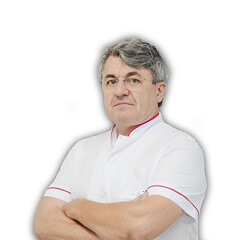
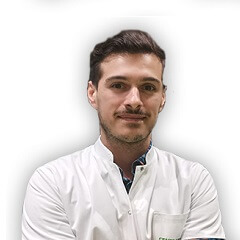
BUCHAREST TEAM










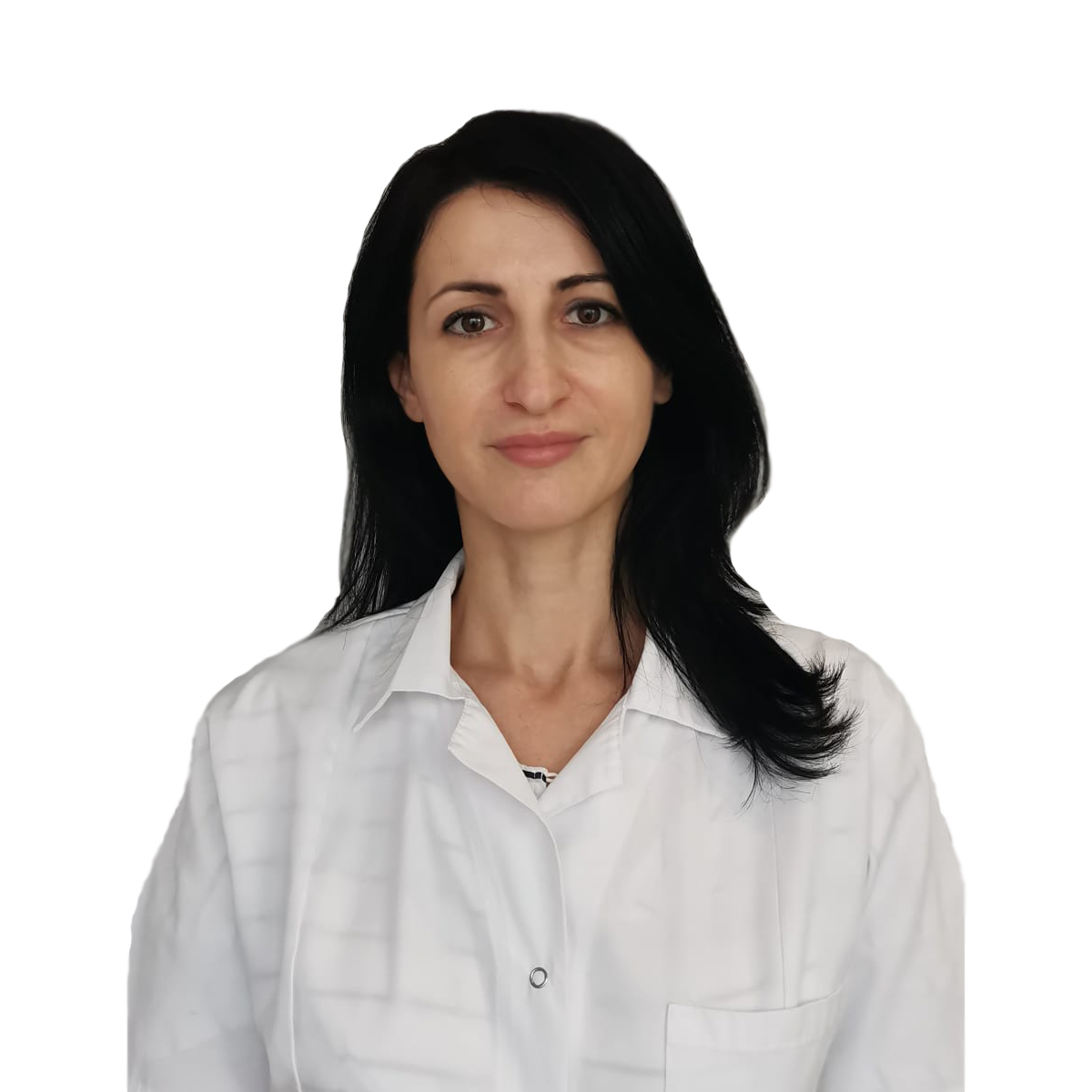
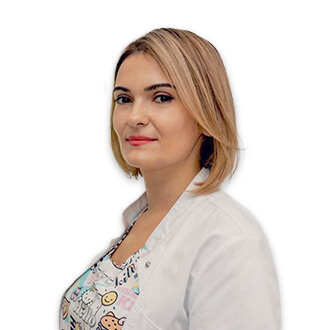














CLUJ NAPOCA TEAM
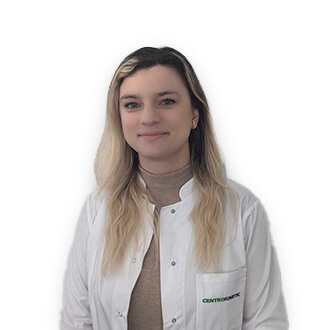
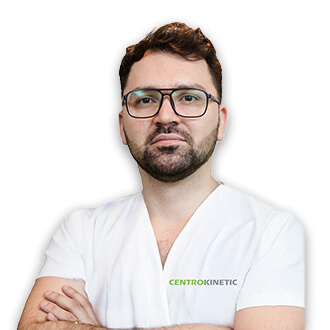
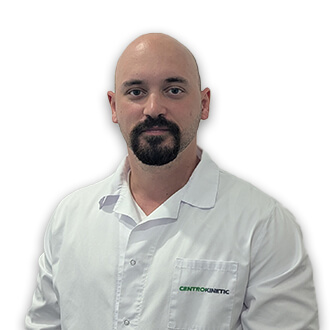



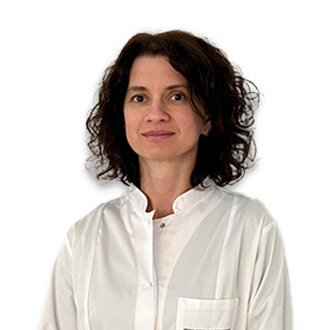











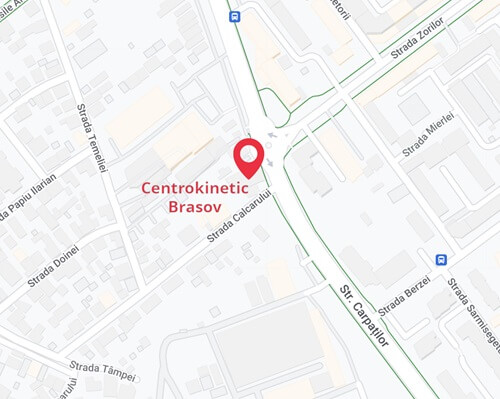
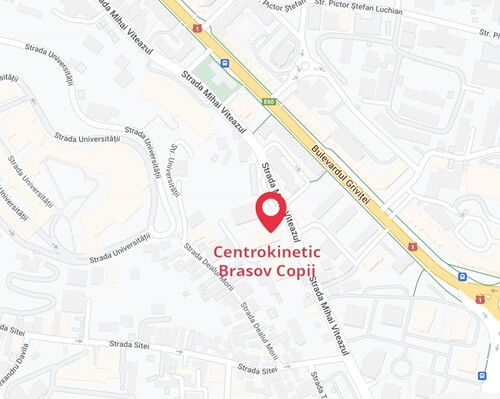
BRASOV TEAM






MAKE AN APPOINTMENT
FOR AN EXAMINATION
See here how you can make an appointment and the location of our clinics.
MAKE AN APPOINTMENT
Asiguratori privati



Parteneriate


CENTROKINETIC FLOREASCA
Bucharest, 1st District,
Mircea Eliade Street, no. 18,
Eliade Tower, Entrance A, Floor 3
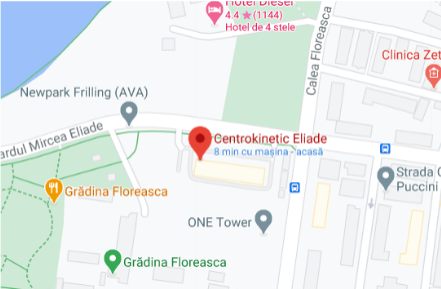
| Navigation | Explore 3D |
CENTROKINETIC Barbu Vacarescu
Bucharest, 2nd District,
Barbu Vacarescu Street, no. 102,
102 The Address, ground floor.
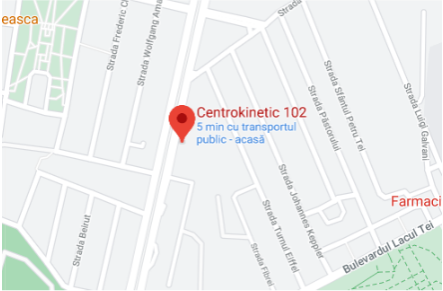
| Navigation | Explore 3D |
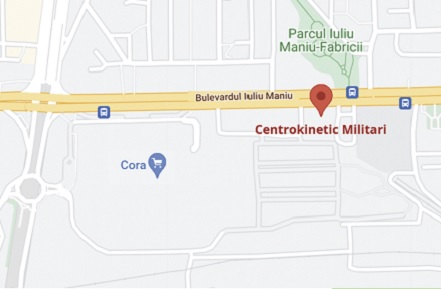
CENTROKINETIC MILITARI
Bucuresti, Sector 6,
Bld. Iuliu Maniu, nr. 15G,
Cladirea PBT, etaj 3.
| Navigation |
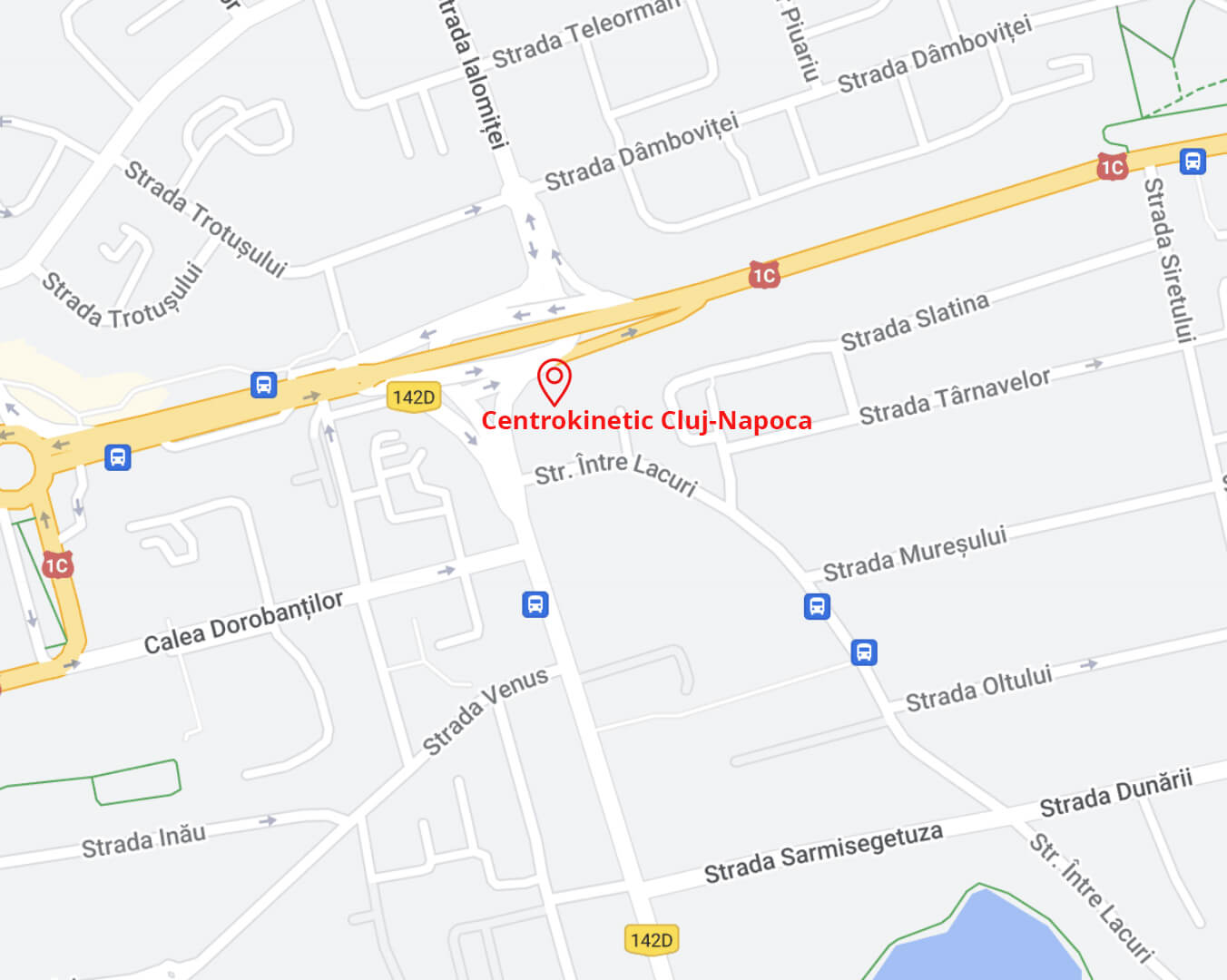
CENTROKINETIC CLUJ-NAPOCA
Cluj-Napoca,
Str. Intre Lacuri, nr.1
Intrarea este in spatele cladirii.
| Navigation |
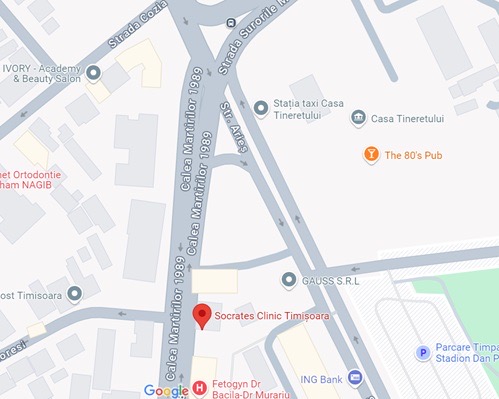
SOCRATES CLINIC TIMISOARA
Timisoara, Calea Martirilor 1989,
nr. 1.
Telefon: 0371 785 374.
| Navigation |
CONTACT
Phone: 0319693
E-mail: programari@centrokinetic.ro
Operating hours:
Monday – Friday: 07:00 – 21:00
Saturday: 09:00 – 14:00
Sunday: closed.
MAKE AN APPOINTMENT