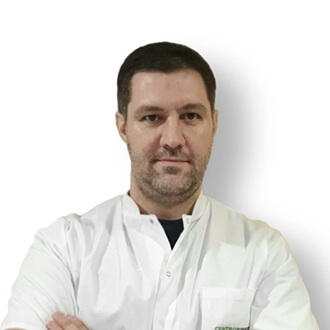
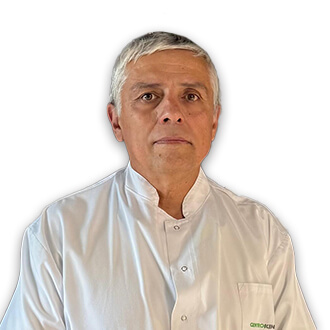
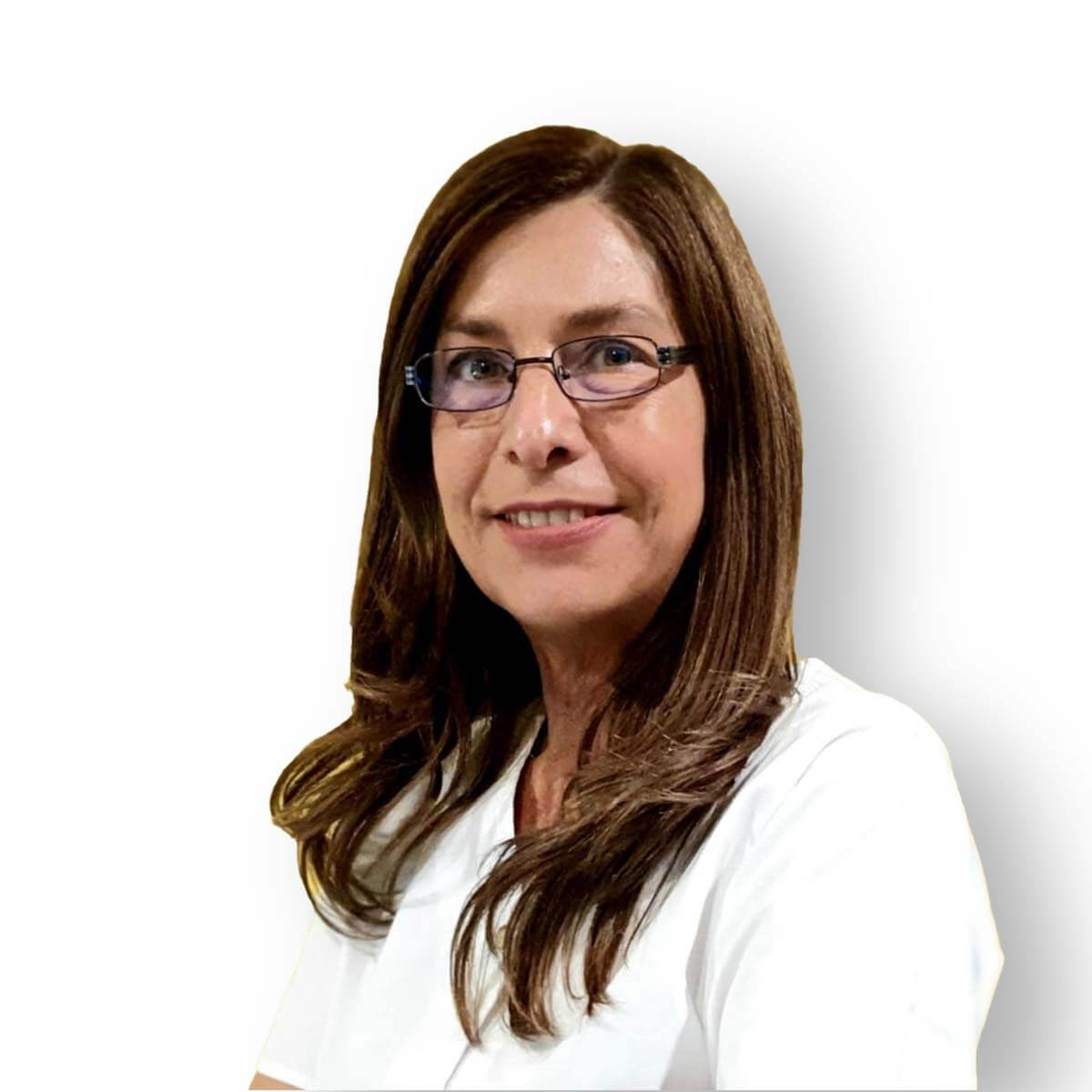
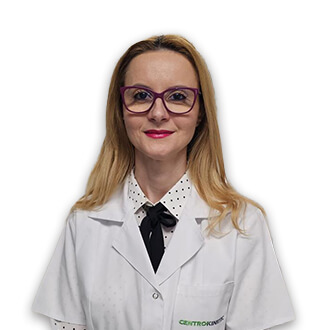
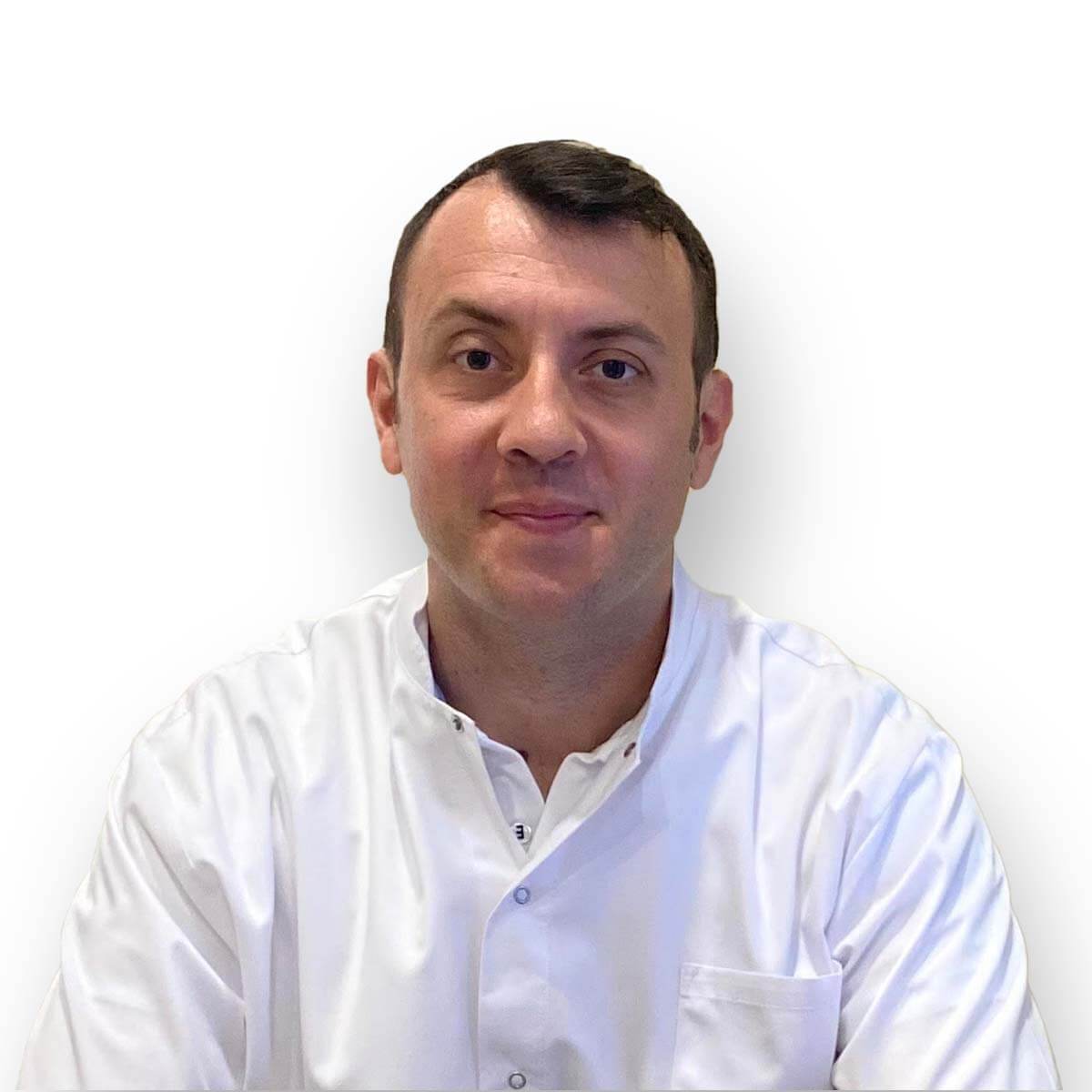
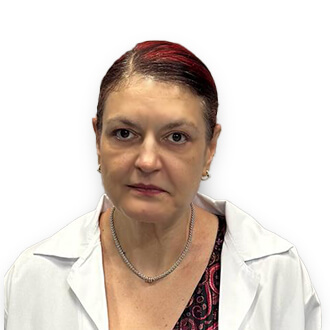
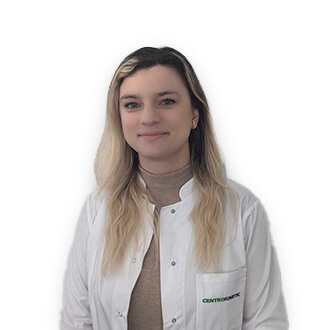
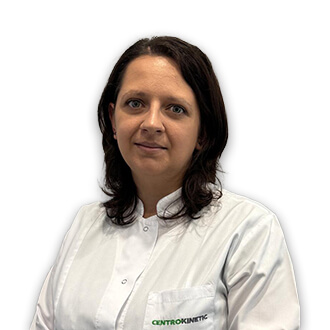
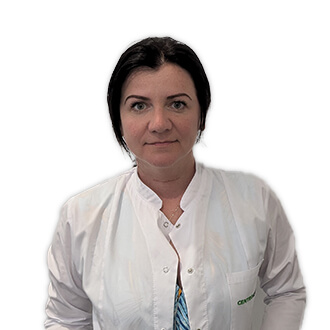
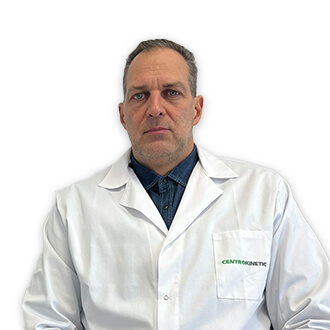
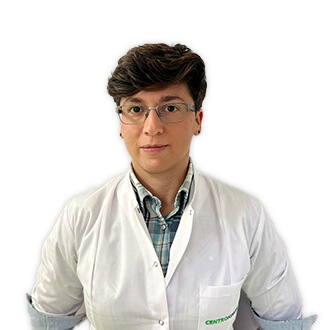
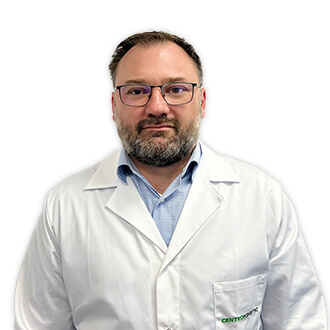
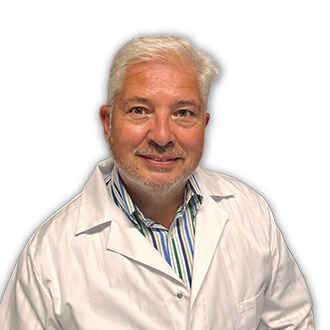
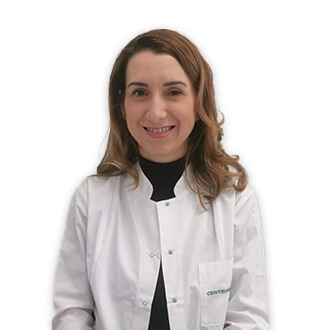
This article was written by Dr. Georgiana Tache, senior physician in medical recovery with over 30 years of experience, vice-president of the Romanian Society of Medical Rehabilitation.
Stroke – general information
In Romania, strokes are the number 1 cause of mortality in adults, on par with coronary heart disease, qualifying as a public health problem. The good news is that they can be treated and prevented.Being a medical emergency, prompt treatment is crucial. Early action can minimize brain damage and potential complications.
At Centrokinetic, the recovery of stroke patients takes place within the Department dedicated to neurological recovery, coordinated by Dr. Georgiana Tache, a senior physician with over 30 years of experience in medical recovery. The department covers an area of 120 sqm and is equipped with state-of-the-art equipment, which meets the needs of our patients and is necessary for providing optimal treatment.
What is a stroke
A stroke occurs when the blood supply to part of the brain is interrupted or reduced, depriving the brain tissue of oxygen and nutrients. Within minutes, brain cells begin to die.When brain cells die during a stroke, the abilities controlled by that area of the brain, such as memory and muscle control, are lost.
How a person is affected by a stroke depends on where in the brain the stroke occurs, and how much of the brain is affected. For example, someone who had a small stroke may have only minor problems, such as temporary weakness of an arm or leg. People who have major strokes may be permanently paralyzed on one side of the body, or lose their ability to speak. Some people recover completely from a stroke, but more than 2/3 of survivors will have some type of disability.
Symptoms of stroke
The symptoms of a stroke vary depending on the area of the brain affected by the lack of oxygen. All strokes involve symptoms related to impaired nerve function. Symptoms usually appear suddenly and most often occur on one side of the body. Signs and symptoms of stroke can include numbness, weakness, tingling, or loss or change in vision. Confusion, changes in level of consciousness, speech disturbances, difficulty understanding speech, vertigo, and balance problems are other common symptoms. Headaches, nausea, and vomiting sometimes accompany a stroke, especially when the stroke involves bleeding inside the brain.The duration of symptoms depends on the size and severity of the stroke. Symptoms can last less than an hour, but can also remain for a lifetime. Even though the physical damage left by a stroke is not resolved through treatment, sometimes the brain can reset itself to find new pathways through which information can travel, in order to recover its function. The longer a symptom lasts, the more likely it is to remain permanent.
Even if the symptoms disappear, it is advisable to have an evaluation as soon as possible. Transient ischemic attacks (TIA) are a type of stroke caused by a temporary loss of blood flow to part of the brain. For example, a clot may have lodged in an artery and blocked blood flow, but it has now broken up and passed. Although blood flow may have restored itself, you have an increased risk of having another episode with permanent symptoms.
Numbness or paralysis of the face, leg, arm
The sudden loss of strength or the inability to feel a limb on one side of the body is one of the most common signs of stroke, especially in the arm and leg. Why only on one side of the body? Because each side of the brain affects the opposite side of the body. So, if you have bled on the right side of the brain, the left side of your body will show symptoms.One side of the face droops - Again, the affected side of the brain will determine which side of the face shows this stroke symptom. If the corner of the mouth or eye is suddenly drooping, or you cannot control facial expressions on both sides of the face, go to the emergency room immediately.
A stroke can cause numbness and decreased sensation in certain parts of the body. This can be painful. Sometimes brain damage can also affect your ability to sense temperature.
Confusion and dizziness
Confusion is a common problem after a stroke. When different areas of the brain are damaged, the pathways that control thoughts and behaviors can become mixed up. Confusion after a stroke is different for everyone, depending on where in the brain the stroke occurs.Sudden dizziness, difficulty walking, loss of balance or coordination. The key word is sudden: you feel fine now, and suddenly you feel dizzy or have trouble keeping your balance. This is another sign that your brain is affected by something.
Severe headaches
Severe headaches are most likely to occur in cases of hemorrhagic stroke, where the brain is bleeding, and require immediate medical attention.The most common type of headache is a tension-type headache.
The location of a headache can depend on where the stroke occurs. For example, strokes that occur inside the carotid artery - a major artery in the neck that brings blood to the brain - can produce a headache in the forehead. A stroke in the vertebrobasilar system, which supplies blood to the back of the brain, can produce a headache in the back of the head.
If you have any of the following symptoms along with a headache, you may be having a stroke:
- You feel like you're having "the worst headache of your life."
- Sudden, severe headache, without warning
- Weakness of the face, arm, and/or leg on one side of the body
- Numbness in the face, arm, and/or leg on one side of the body
- Inability to understand spoken language
- Inability to speak
- Inability to write
- Vertigo and/or an unsteady gait
- Double vision
Disturbances of balance, gait, vision, speech, understanding
The left side of the brain controls language, so if you have a stroke there, you could experience aphasia (loss of the ability to understand or express speech). This is the most common symptom of stroke, affecting the brain's ability to process words. It can affect the way you speak, your ability to understand what someone is saying, or your reading or writing abilities.Another symptom of stroke, but less common, dyspraxia, happens when you cannot control the muscles needed to produce clear speech. The muscles that control speech may be weakened or paralyzed, and you will not be able to move them the way you want, when you want.
Just like weakness or numbness of the limbs, vision problems are usually one-sided. But instead of losing vision in one eye, you are more likely to lose the same field of vision in both eyes (for example, neither eye can see to the left). This is because the eyeball and optic nerve are fine, but the problem occurs in processing the information in the brain.
A stroke can cause both dizziness and a loss of coordination. If you are also dealing with numbness or weakness in a leg, you will have trouble walking or simply standing. This can be an alarming neurological symptom.
Fever, seizures, and nausea
If you have had a stroke, you have an increased risk of having a seizure. A stroke causes your brain to be injured. Brain injury results in the formation of scar tissue, which affects the electrical activity in the brain. Disruption of electrical activity can lead to seizures.People who have had a hemorrhagic stroke are more likely to have seizures after a stroke than those who have had an ischemic stroke. You also have an increased risk of seizures if the stroke is severe, or occurs inside the cerebral cortex of the brain.
Nausea, fever, and vomiting that occur suddenly are other symptoms that can define a stroke.
Loss of consciousness
If you have had short episodes of loss of consciousness, then you may have had a transient ischemic attack (TIA). A transient ischemic attack is temporary and caused by a temporary loss of blood supply or oxygenation to the brain.If you ignore the symptoms of a brief loss of consciousness, you may be heading toward an acute ischemic stroke. 33% of patients with transient ischemic attacks have an ischemic stroke within 1 year, if preventive measures are not taken.
Early diagnosis and MRI studies help find the cause of the loss of consciousness.
Types of stroke
Most strokes are caused by a blockage that prevents blood supply to the brain. This is an ischemic stroke.However, strokes can also be caused by bleeding in or around the brain. This is a hemorrhagic stroke.
A transient ischemic attack, or TIA, is also known as a mini-stroke. It is just like a stroke, except that the blockage that stops blood flow to the brain is temporary.
Ischemic stroke
Ischemic stroke occurs when a blood vessel that carries blood to the brain is blocked by a blood clot. High blood pressure is the most important risk factor for this type of stroke. Ischemic stroke accounts for approximately 87% of all strokes. An ischemic stroke can occur in two ways: embolic stroke and thrombotic stroke.Embolic stroke. In this case, a clot forms in one part of the body, often in the heart, and begins to float through the blood vessels. Or a piece of plaque (a buildup of cholesterol, fat, or other substances in the arteries) could break off and travel through the blood.
Eventually, the clot or buildup gets stuck in a small blood vessel in the brain. When it becomes blocked, blood flow in that area stops.
Thrombotic stroke. This is also caused by a clot in the brain. This time, a clot or blockage forms in one of the arteries that carries blood through the brain. Brain cells begin to die because blood flow is blocked.
Hemorrhagic stroke
Hemorrhagic strokes are less common; in fact only 15% of all strokes are hemorrhagic, but they are responsible for about 40% of stroke-related deaths.A hemorrhagic stroke is either the rupture of a brain aneurysm or a leak from a weakened blood vessel. Blood leaks into or around the brain and creates swelling and pressure, damaging brain cells and tissues. There are two types of hemorrhagic stroke, called intracerebral and subarachnoid.
Intracerebral hemorrhagic stroke
The most common type of hemorrhagic stroke happens when a blood vessel inside the brain bursts and releases blood into the surrounding brain tissue (intracerebral hemorrhage). The bleeding causes brain cells to die, and the affected part of the brain no longer functions properly. High blood pressure and aging blood vessels are the most common causes of this type of stroke.Sometimes, intracerebral hemorrhage can be caused by an arteriovenous malformation (AVM). AVM is a genetic condition of abnormal connection between arteries and veins, and occurs most often in the brain or spinal cord. If an AVM occurs in the brain, the vessels can rupture and bleed into the brain. The cause of AVM is unclear, but once diagnosed, it can be treated successfully.
Subarachnoid hemorrhagic stroke
This type of stroke involves bleeding in the area between the brain and the tissue covering the brain, known as the subarachnoid space. This type of stroke is most often caused by a ruptured aneurysm.Transient ischemic attack
Mini-strokes, or transient ischemic attacks (TIAs), occur when there is a temporary interruption of blood flow to the brain. This is due to a narrowing of an artery in or leading to the brain, or as a result of a blood clot that dissolves quickly, allowing blood to flow again.The symptoms of a TIA may last only a few minutes or up to a few hours and may resolve within 24 hours. If it lasts more than 24 hours, the condition is diagnosed as a stroke.
Suffering a transient ischemic attack increases the risk of having a full stroke, and a TIA should be a clear warning that a more severe stroke could follow.

Causes of ischemic stroke
Ischemic stroke occurs when an artery that supplies blood to the brain is blocked by a blood clot or a buildup of fat, called plaque. The blockage can occur at the level of the neck or the skull.Global ischemia, which is a more severe type of ischemic stroke, happens when the flow of oxygen to the brain is greatly reduced or completely stopped. This is usually caused by a heart attack, but can also be caused by other conditions or events, such as carbon monoxide poisoning.
Atherosclerosis
An ischemic stroke occurs as a result of atherosclerosis, which is a condition in which fatty deposits or plaque build up in the body's blood vessels. When enough plaque collects in one place, it can prevent blood from passing through vital organs.Sometimes, a blood clot can move through the blood vessels and stick to a thickening of the plaques, which also creates a blockage. If one of the carotid arteries becomes blocked with plaque, this can lead to a stroke. Atherosclerosis has no symptoms, and many people don't know they have it until they have a stroke or a heart attack.
Atrial fibrillation
Atrial fibrillation is the most common type of cardiac arrhythmia (irregular heartbeat) that can disrupt normal blood flow.This disruption means a risk of blood clot formation, and stroke. Atrial fibrillation can be temporary, can come and go, or can be permanent. However, with proper medical care, you can live a normal and active life.
Heart valve conditions
If any of the four valves are diseased or damaged, blood flow through the heart is affected, and the heart cannot function efficiently. There are two main ways in which the valves can be affected:- The valves can leak: the valve does not close firmly enough to prevent blood from leaking from the chamber through the valve.
- The valves can narrow: the valve opening is narrowed and cannot open fully, restricting blood flow between chambers.
- Heart valves can leak and narrow at the same time, and it is possible for several valves to be affected.
Congenital heart defect
Congenital heart disease, or congenital heart defect, is a heart abnormality present at birth. The problem can affect:- the heart walls
- the heart valves
- the blood vessels
Blood clotting disorders
Blood clotting disorders make a person more prone to forming unhealthy blood clots, which leads to ischemic events. Bleeding disorders cause excessive bleeding, which can lead to hemorrhagic events. Most blood conditions that lead to stroke are hereditary, and a few are caused by medications.Sickle cell disease
Sickle cell disease is one of the most common hereditary blood conditions. It is a disease that causes a condition known as "sickling" of the red blood cells.People with sickle cell disease are 2-3 times more likely to suffer a stroke than people who do not have sickle cell disease. Also, a person with sickle cell disease is more likely to experience a stroke at a younger age than people who do not have sickle cell disease.
Most people with sickle cell disease are diagnosed during childhood, and are usually aware they have the disease many years before having a stroke.
Blood clotting and protein abnormalities
Blood clotting is a complex physiological response to bleeding. Sometimes, the proteins involved in forming blood clots can overreact or underreact. This is generally due to one of the genetic blood disorders.Myocardial infarction
A heart attack, also called myocardial infarction (death of heart muscle due to lack of blood), is usually a painful event characterized by shortness of breath and pressure in the chest.If the heart attack damages the heart muscle, then weak cardiac muscle movement can lead to heart failure. In a major heart attack, there may be a lack of adequate blood supply to the brain at the time of the heart attack. Thus, a person can experience a stroke at the same time as a heart attack.
Long-term stroke after a heart attack is one of the known adverse effects of this condition. This is why one of the important aspects of post-myocardial infarction care includes addressing stroke prevention, which includes maintaining healthy cholesterol levels and blood pressure within the recommended range.
Surgical procedures
Strokes that occur during or shortly after surgery can be devastating, leading to several days of hospitalization, and increased risks of death or long-term disability.For most surgical procedures, the risk of perioperative stroke is less than 1%. But the risk can be as high as 5% for head and neck tumor surgeries, and between 2 and 10% for various cardiac surgeries.
The most common cause of perioperative stroke is blood clots. In managing surgical patients, doctors must balance the risk of stroke against the risk of significant bleeding complications. Studies have found that for many surgical procedures, including cardiovascular procedures, the benefits of giving patients aspirin (a blood thinner) outweigh the risk of bleeding.
Causes of hemorrhagic stroke
There are two main types of hemorrhagic stroke:- Intracerebral hemorrhage: the bleeding occurs inside the brain. This is the most common type of hemorrhagic stroke.
- Subarachnoid hemorrhage: bleeding occurs between the brain and the membranes that cover it.
A rarer cause of hemorrhagic stroke is an arteriovenous malformation (AVM). This happens when arteries and veins are abnormally connected without capillaries between them. Arteriovenous malformations are congenital. That means they are present at birth, but are not hereditary. It is not known exactly why they occur in some people.
High blood pressure
High blood pressure can lead to severe complications and increases the risk of heart disease, stroke, and death.Blood pressure is the force exerted by blood on the walls of blood vessels. The pressure depends on the work done by the heart and the resistance of the blood vessels.
High blood pressure damages arteries throughout the body, creating conditions in which they can rupture or become clogged easily. Weak arteries in the brain, resulting from high blood pressure, increase the risk of stroke - which is why keeping high blood pressure under control is essential to reducing the chances of having a stroke.
Head trauma
Head trauma occurs when a blow to the head causes changes in a person's brain function. It can result from injuries such as falls, vehicle accidents, and violence. When severe, trauma can cause bleeding in various intracranial compartments, brain contusion, and brain edema.Cerebral aneurysm
An aneurysm is a weak spot in a blood vessel that can appear at any time during life. As you age, the aneurysm slowly grows, turning into a balloon. High blood pressure and atherosclerosis accelerate this process. If the aneurysm ruptures, it creates a hemorrhage.Therapeutic irradiation
People with brain tumors often receive stereotactic radiosurgery (radiation given in a single large dose), in cases where the cancer is located in only one or a few spots in the brain. Side effects depend on the area where the radiation takes place. Some adverse reactions can occur quickly, but others may not appear until 1-2 years after treatment.Radiation-induced vasculopathy - Radiation therapy treatment for head and neck cancers can lead to delayed toxicity in the nervous system. Brain cells may die as a result, but it is believed that damage to blood vessels develops.
Degenerative blood vessel disorders
Fibromuscular dysplasia - a disease that causes abnormal cell development in the artery wall. As a result, areas of narrowing, aneurysms, or dissections can occur.Reversible cerebral vasoconstriction syndromes - a condition in which the arteries of the brain develop vasospasm (a spasm of blood vessels that causes reduced blood flow) without a clear cause, such as hemorrhage or trauma.
Moyamoya disease - a rare disease of the carotid arteries in which they progressively narrow and can close off, leading to either ischemic stroke or hemorrhage.
Risk factors for stroke
A stroke interrupts blood flow to an area of the brain. Strokes can be fatal, but the risk can be reduced. Many stroke risk factors are related to lifestyle, so everyone has the power to reduce their risk of having a stroke.Diabetes
People with type 1 and type 2 diabetes are also at risk of stroke. There is no cure for diabetes, but with medication and a proper diet, you can maintain a healthy blood sugar level. This reduces complications such as heart attack, stroke, organ damage, and nerve damage.Hypertension
High blood pressure (hypertension) is the most important risk factor for stroke. Blood pressure refers to the pressure inside the arteries. Normal blood pressure is about 120/80, while elevated blood pressure is 120/80 to 140/90. High blood pressure is when blood pressure is consistently above 140/90. This is called hypertension.Hypertension can also cause thickening of the artery walls, leading to narrowing and eventually blockage of the vessel (ischemic stroke). In atherosclerosis, the pressure of your pumping blood could "dislodge" debris from the walls of damaged arteries. Circulating debris (called emboli) can cause a stroke by settling and blocking a blood vessel in the brain.
Elevated cholesterol
Cholesterol is a fat-like substance produced by the human body. It has many essential roles to play, but it becomes a problem if blood levels are too high. Blood cholesterol contributes to the formation of a substance called atheroma, which sticks to artery walls and leads to atherosclerosis (narrowing and hardening of the arteries). If an artery leading to the brain becomes blocked, a stroke can occur.Heart conditions
Several types of heart disease are risk factors for stroke. Also, stroke is a risk factor for coronary heart disease.People with coronary heart disease, angina pectoris, or who have suffered a heart attack due to atherosclerosis, have a risk of stroke that is twice as high as those who do not have these diseases. If you have atherosclerosis in the coronary arteries, you are very likely to have atherosclerosis in other parts of the body as well.
Smoking
Smoking can double or even quadruple the risk of stroke. Some chemicals in cigarette smoke (such as nicotine and carbon monoxide) accelerate the process of atherosclerosis (narrowing of the arteries). There is a greater chance of clot formation, because smoking thickens the blood and makes clotting factors, such as platelets, much "stickier." Cigarette smoke forces arteries to tighten (narrow), which makes it harder for thickened blood to move through the vessels.Being overweight
Just as smoking can increase your chances of getting lung cancer, being overweight can greatly increase your chances of having a stroke. Because of excess body fat, inflammation can occur, which causes reduced blood flow and potential blockages - two major causes of stroke.Various studies show that diet is an important risk factor in the development of stroke. Being overweight or obese can increase the risk of stroke. Too much body fat can contribute to high blood pressure and high cholesterol, and can lead to heart disease and type 2 diabetes. If you cannot maintain your weight within recommended limits, ask a doctor or a dietitian for help.
Other risk factors for stroke
Having an underlying disease is another risk factor for stroke. These include:- peripheral artery disease: narrowing of blood vessels due to plaque buildup in the artery walls
- carotid artery disease: narrowing of blood vessels at the back of the neck due to plaque buildup
- atrial fibrillation: irregular heartbeat that causes reduced blood flow and blood clots that can travel to the brain
- heart disease: some diseases, such as coronary heart disease, heart valve disease, and congenital heart defects, can cause blood clots
- sickle cell disease: a type of red blood cell that sticks to the walls of blood vessels and blocks blood flow to the brain
- personal history of transient ischemic attack (TIA) or mini-stroke
- Advanced age. Stroke affects people of all ages. But the older you are, the greater the risk of stroke.
- Sex. Women have a higher lifetime risk of stroke than men. Use of birth control pills and pregnancy present special risks for stroke in women.
- Heredity and race. People with close relatives who have had a stroke have a higher risk of stroke. African-Americans have a higher risk of death and disability from stroke than Caucasians. That's because they have high blood pressure more often.
- Previous stroke. Anyone who has had a stroke is at higher risk of having another one.
Diagnostic methods for stroke
To determine the most appropriate treatment for a stroke, the medical team must evaluate the type of stroke you have, and the areas of the brain affected by the stroke. Doctors must also rule out other possible causes of the symptoms, such as a brain tumor or a reaction to medication.Strokes begin quickly, and will often appear before an individual can be seen by a doctor for a proper diagnosis.
To get the best possible diagnosis and treatment, affected people must be treated at a hospital within 3 hours of the onset of their symptoms.
Patient history
The clinical diagnosis of stroke is usually made after the doctor takes a history and performs a physical exam. While speed is important in making the diagnosis, it is also important to know the circumstances that brought the patient to the emergency room. For example, the doctor needs to find out whether the patient started slurring their speech an hour ago, or whether this symptom appeared the previous evening.The diagnosis must be made urgently and it must be determined whether treatment with thrombolytic medications (clot-busting drugs) to "reverse" the stroke is a possibility. The time window for intervention is small, for example within 3-4 hours of symptom onset. For this reason, family members or witnesses may be needed to confirm information, especially if the patient is not fully awake or has a speech deficit.
The doctor will want to know if you have suffered any head injuries. You will be asked about your personal and family history of heart disease, transient ischemic attack, and stroke.
Imaging tests
Computed tomography (CT). A CT scan uses a series of X-rays to create a detailed image of the brain. A CT scan can show bleeding, a tumor, a stroke, and other conditions. Doctors may inject a dye into the blood to see your blood vessels in the neck and brain in detail (CT angiography). There are different types of CT scans that your doctor may use depending on your situation.Magnetic resonance imaging (MRI). An MRI uses radio waves and magnets to create a detailed view of the brain. An MRI can detect brain tissue damaged by an ischemic stroke and brain hemorrhages. Your doctor may inject a dye into a blood vessel to see the arteries and veins, and to highlight blood flow (magnetic resonance angiography or magnetic resonance venography).
Carotid ultrasound. In this test, sound waves create detailed images of the inside of the carotid arteries in the neck. This test shows the buildup of fatty deposits (plaque) and blood flow in the carotid arteries.
Cerebral angiogram. In this test, the doctor inserts a thin, flexible tube (catheter) through a small incision, usually in the neck, and guides it through the major arteries and into the carotid or vertebral artery. Your doctor then injects a dye into the blood vessels to make them visible under X-ray imaging. This procedure provides a detailed picture of the arteries in the brain and neck.
Echocardiogram. An echocardiogram uses sound waves to create detailed images of the heart. An echocardiogram can find a source of clots in the heart, which may have traveled from the heart to the brain and caused the stroke.
Transesophageal echocardiogram. In this test, the doctor inserts a flexible tube with a small device (transducer) attached into the throat, and down the tube that connects the back of the mouth to the stomach (esophagus). Because the esophagus is behind the heart, a transesophageal echocardiogram can create clear, detailed ultrasound images of the heart and blood clots.
Blood tests
Several blood tests can be performed, which tell the care team how quickly your blood clots, whether your blood sugar level is abnormally high or low, whether critical chemicals in your blood are out of balance, or whether you have an infection. Managing blood clotting time and levels of sugar and other key chemicals will be part of your stroke care.If you have symptoms such as confusion and slurred speech, your doctor may perform a blood sugar test. This is because slurred speech and confusion are also symptoms of low blood sugar.
Consequences of stroke
A stroke can lead to permanent loss of function. The long-term effects of a stroke depend on which part of the brain was affected and how much. Early treatment and rehabilitation after a stroke can improve recovery, and many people regain a lot of function.The most common types of disability after a stroke are speech disorders, limited physical abilities, weakness or paralysis of the limbs on one side of the body, difficulty grasping or holding onto things, and slowed ability to communicate.
Any physical changes after a stroke will depend on which part of the brain was damaged and how much.
Changes in physical experience can include:
- difficulty grasping or holding objects
- fatigue - can be caused by physical changes or medication, but also by mood changes, depression, anxiety, or sleep difficulties
- incontinence - many types of incontinence can occur, but they can be caused by medication, muscle weakness, changes in sensation, thinking, and memory
- pain - can be caused by actual or potential tissue damage (nociceptive pain) or by nerve damage, which then sends incorrect messages to the brain (neuropathic pain)
- limited ability to perform physical activities or exercise
- swallowing problems
- vision problems
- weakness or paralysis of the limbs on one side of the body
Depression is common in the first year after a stroke, but it is especially common in people who have problems with understanding, finding words, and communicating (aphasia), after a stroke.
After a stroke, people may also have anxiety either on its own or together with depression. Anxiety is more than just stress.
Personal and behavioral changes are also common and can include:
- irritability - reacting to things that would not normally bother them
- aggression - physical or verbal
- apathy or lack of motivation
- repetitive behavior - getting stuck repeating words or behaviors
- disinhibition - a tendency to say and do things that are socially inappropriate
- impulsivity - can also include sudden and socially inappropriate actions.
Thinking and memory abilities are also known as cognitive abilities. Cognitive abilities can be affected by your emotional state or fatigue, but a stroke can also cause various cognitive changes.

How stroke is treated
Treatment for stroke also aims to prevent the potential problems it can cause. Stroke treatment has advanced over the last 10 years, but options are still quite limited. Overall, the key to treating stroke is diagnosing it as soon as possible, right after symptoms begin.Effective treatment of stroke can prevent long-term disability and save lives.
The specific treatments recommended depend on the cause of the stroke:
- a blood clot that obstructs blood flow to the brain (ischemic stroke)
- bleeding in or around the brain (hemorrhagic stroke)
First aid in case of stroke
A stroke can lead to loss of balance or loss of consciousness, which can lead to a fall. If you think you or someone around you may be having a stroke, follow these steps:- Call emergency services. If you have symptoms of a stroke, have someone else call. Stay as calm as possible while waiting for emergency help.
- If you are caring for someone else who is having a stroke, make sure they are in a safe and comfortable position. Preferably, the affected person should be lying on their side, with their head slightly elevated and supported in case they vomit.
- Check if they are breathing. If they are not breathing, perform cardiopulmonary resuscitation. If they have difficulty breathing, loosen any constrictive clothing, such as a tie or scarf.
- Speak in a calm, quiet manner.
- Cover the person with a blanket to keep them warm.
- Do not give them anything to eat or drink.
- If the person has weakness in their limbs, avoid moving them.
Calling emergency number 112
Do not wait or hesitate to call for emergency medical help for someone having a stroke. If a stroke is suspected, call 112; prompt treatment has the potential to make a big difference in outcome and recovery.
Applying the FAST test
FAST is an easy way to remember and identify the most common stroke symptoms. Recognizing a stroke and calling emergency services will determine how quickly someone receives help and treatment.- FACE: Ask the person to smile. Does one side of the face droop?
- ARMS: Ask the person to raise both arms. Does one arm drift downward?
- SPEECH: Ask the person to repeat a simple phrase. Is their speech slurred or strange?
- TIME: If you notice any of these signs, call 112 immediately.
Medication treatment for stroke
The medications used to treat stroke usually work in different ways. Some effectively break up existing blood clots. Others help prevent blood clots from forming in the blood vessels. Some medications work to adjust high blood pressure and cholesterol levels, in order to prevent blood flow from being blocked.Medication for ischemic stroke
If you have had an ischemic stroke, a combination of medications is recommended to treat the condition and prevent it from recurring.Some of these medications must be taken immediately and only for a short period of time, while others may only be started after the stroke has been treated and may need to be taken long-term.
Thrombolysis - Ischemic strokes can often be treated by injecting a medication called alteplase, which dissolves blood clots and restores blood flow to the brain. This use of antithrombotic medication is known as thrombolysis.
Alteplase is the most effective treatment method if started as soon as possible after the onset of the stroke. It is generally not recommended if more than 4.5 hours have passed, since it is not clear how beneficial it is when used after that time.
Before alteplase can be used, it is very important that a brain scan be performed to confirm the diagnosis of an ischemic stroke. This is because the medication can make bleeding that occurs in hemorrhagic strokes worse.
Antiplatelet medication - Most people will receive a regular dose of aspirin. In addition to being a painkiller, aspirin is an antiplatelet drug that reduces the chances of another clot forming. In addition to aspirin, other antiplatelet medications are available, such as clopidogrel and dipyridamole.
Anticoagulants - Some people may receive an anticoagulant to reduce the risk of other blood clots occurring in the future. Anticoagulants prevent blood clots from forming by changing the chemical composition of the blood, in a way that prevents clots from occurring. Warfarin, apixaban, dabigatran, edoxaban, and rivaroxaban are examples of anticoagulants for long-term use. There are also a number of anticoagulants called heparins that can only be given by injection, and are used short-term.
Antihypertensives - If your blood pressure is too high, you may be given medications to lower it. Commonly used medications include:
- thiazide diuretics
- angiotensin-converting enzyme (ACE) inhibitors
- calcium channel blockers
- beta-blockers
- alpha-blockers
Statin - If your blood cholesterol level is too high, you will be advised to take a medication known as a statin. Statins lower blood cholesterol levels by blocking a chemical (enzyme) in the liver that produces cholesterol. You may be offered a statin even if your cholesterol level is not particularly high, because it can help reduce the risk of stroke regardless of cholesterol level.
Medication for hemorrhagic stroke
As with ischemic strokes, some people who have had a hemorrhagic stroke will also receive medications to lower blood pressure and prevent additional strokes.If you were taking anticoagulants before having a stroke, you may need treatment to reverse the effects of the medication, and to reduce the risk of further bleeding.
Many doctors prescribe anti-seizure medication as a protective measure. This medication may be continued for six months or more after a stroke. In the case of subarachnoid hemorrhage, which usually causes spasms of the arteries near the site of the bleeding, medications may be used to prevent the narrowing of arteries when they are in spasm.
Surgery for stroke
Surgery may be needed to repair blocked or ruptured arteries. For a hemorrhagic stroke, this may involve repairing a bleeding aneurysm or arteriovenous malformations. If an ischemic stroke was caused by a blockage in the neck artery, surgery may be used to remove the blockage. This is known as carotid endarterectomy.Neurosurgical procedures used to treat stroke and blood clots include:
- Simple and complex intracranial bypass procedures (surgery for blocked arteries inside the skull)
- Craniotomy (skull surgery) and hemispheric decompression (surgery to relieve pressure on the brain) if a stroke affects a large area of the brain
- Carotid endarterectomy to remove fatty deposits from inside the neck arteries
- Surgery to treat a bulging arterial wall
- Surgery to remove an arteriovenous malformation (AVM), an abnormal tangle of veins and arteries
- Stereotactic radiosurgery (advanced radiotherapy) to treat AVMs that cannot be safely removed by surgery
- Minimally invasive surgery through the blood vessels, used to treat intracranial aneurysms, AVMs, and blocked blood vessels
Carotid endarterectomy
Some ischemic strokes are caused by narrowing of an artery in the neck called the carotid artery, which carries blood to the brain. The narrowing, called carotid stenosis, is caused by the buildup of fatty plaques.If carotid stenosis is particularly severe, surgery may be used to unblock the artery. This is done using a surgical technique called carotid endarterectomy. This involves the doctor making a cut (incision) in the neck, to open the carotid artery and remove the fatty deposits.
Endovascular embolization
Endovascular embolization (EE) is an invasive surgical procedure. It is used to treat abnormal blood vessels found in the brain, as well as in other areas of the body. This procedure is an alternative to open surgery. It blocks blood vessels to reduce blood flow to an affected area.In endovascular embolization, the doctor inserts a long, thin tube (catheter) into an artery in the leg, and guides it through the blood vessels to the brain using X-ray imaging. The surgeon positions the catheter in one of the feeding arteries to the arteriovenous malformation and injects an embolizing agent, such as small particles or a glue-like substance, to block the artery and reduce blood flow into the arteriovenous malformation.
Blood vessel repair
Cerebral aneurysm repair is a surgical procedure used to treat a clogged blood vessel in the brain, which is at risk of rupturing.An aneurysm occurs when the wall of a blood vessel thins and balloons out. Many aneurysms remain undetected, since it is possible for someone to have no symptoms until they rupture.
A brain aneurysm could lead to stroke or brain injury if left untreated. If your doctor finds an aneurysm that has not ruptured, they will probably recommend repairing it as soon as possible.
Blood vessel surgery is used either to remove an arteriovenous malformation, or to destroy the unstable blood vessels inside it.
Open brain surgery involving a craniotomy (the skull is opened to access the brain) is used in cases where the AVM can be accessed relatively easily. Microsurgical techniques are used to remove the AVM, reducing its blood supply. Cerebral angiography is then used to check blood flow through the vessels that remain, to make sure the AVM has been completely removed.
Draining blood from inside the brain
Pressure in the brain can be measured by placing a device, known as a ventriculostomy tube, through the skull into an area of the brain called the ventricle. If the pressure is high, a small amount of cerebrospinal fluid can be removed from the ventricle. A ventriculostomy can also be used to drain blood that has collected in the brain as a result of a stroke.There are several types of surgery to drain blood from inside the brain. One type involves removing a piece of the skull (known as a craniotomy). Other types of surgery involve making small holes in the skull and then draining the blood and any clots using a needle or an endoscope (a very small telescopic camera, similar to a tube). Other procedures involve using CT scanning to find where the bleeding is, and then a special piece to suction out the blood and clots.
Placing a stent
A stent is a small tube that your doctor can insert into a blocked passage to keep it open. The stent restores the flow of blood or other fluids, depending on where it is placed. Stents are made of metal or plastic. Stent grafts are larger stents used for larger arteries.Stents can also be useful for preventing the rupture of aneurysms in the brain, aorta, or other blood vessels.
Usually, the doctor inserts a stent using a minimally invasive procedure. During the procedure, your doctor may also use an imaging technique called an angiogram to help guide the stent through the vessel.
Recovery after stroke
After first aid and treatment, the recovery process after a stroke varies. It depends on numerous factors, such as how quickly treatment was received or whether the person has other medical conditions.Medical recovery has several goals in stroke:
- Preventing and treating medical complications
- Pharmacologically facilitating the neurorecovery process
- Learning movements to relieve symptoms
- Strengthening and refining motor control, balance, and coordination in motor actions
- Acquiring self-care activities by promoting palliative movements
- Automating everyday movements
- Active and conscious inclusion in verbal activity
- Conscious inclusion in compensating for speech and comprehension deficits
- Applying methodologies and intervention techniques for attention, memory, spatial perception, calculation, and praxis according to the heterogeneity of the cognitive deficit
- Management of post-stroke depression and anxiety
- Comprehensive analysis and interventions on psychosocial functions
The first stage of recovery is known as acute care. It takes place in a hospital. During this stage, your condition is evaluated, stabilized, and treated. It is not unusual for someone who has had a stroke to remain in the hospital for up to a week. But from there, the recovery journey is often only the beginning.
Rehabilitation is usually the next stage of recovery after a stroke. This can take place in a hospital or a rehabilitation center. If the complications of the stroke are not severe, rehabilitation can be outpatient.
At Centrokinetic, recovery for stroke is carried out within the Department dedicated to neurological recovery, coordinated by Dr. Georgiana Tache, a senior physician with over 30 years of experience in medical recovery. The department covers an area of 120 sqm and is equipped with state-of-the-art equipment, which meets the needs of our patients and is necessary for providing optimal treatment.
Duration and pace of recovery after stroke
The duration and pace of recovery after a stroke depend on the severity of the stroke and its complications. Some stroke survivors recover quickly, but most need some form of long-term rehabilitation, which can last months or years after the stroke.Your stroke rehabilitation plan will change during recovery, as you relearn skills, and your needs change.
Recovery varies from person to person. It is hard to predict how many abilities you might recover and how soon. In general, successful rehabilitation after a stroke depends on:
- Physical factors, including the severity of the stroke, both in terms of cognitive and physical effects
- Emotional factors, such as motivation and mood, and your ability to keep up your rehabilitation activities outside of therapy sessions
- Social factors, such as support from friends and family
- Therapeutic factors, including an early start to rehabilitation and the skills of the rehabilitation team
Medication treatment
If you have had a stroke, you have a 25%-35% chance of having a second one. Your doctor will use medication to reduce these odds.You will need to control high blood pressure. You may also need to start or stay on blood thinners, or take medication to treat any underlying heart problems.
The exact combination of medications will depend on the types of stroke you have had.
Physiotherapy
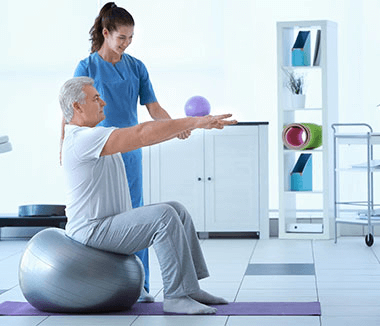
Physiotherapy can help you with movement and balance problems after a stroke.A physiotherapist can help you practice things you find difficult, such as standing or walking, to strengthen your muscles and make them function more efficiently. They can also help you work on your balance and do exercises to improve your endurance, or get rid of dizziness if that is the case.
The physiotherapy sessions and exercises you do will depend on the types of problems you have. A physiotherapist will assess your problems and recommend activities suitable for you.
If you have problems with your leg, the physiotherapist may suggest you try an ankle brace. This is a type of splint that supports your ankle, so that you can safely bear weight.
Functional electrical stimulation (also known as FES) can also be used to treat foot drop. This is a device that uses small electrical impulses to make weak muscles work while standing.
Kinesiotherapy
Kinesiotherapy contributes to improving the life of a patient who has had a stroke. Depending on the goal pursued, the therapist will choose the appropriate exercise program and help the patient perform the movements correctly. They will use exercises and techniques to reeducate the rhythm and tempo in performing motor activities, biofeedback techniques (active and passive), splinting, stretching, etc.Team members, including the therapist, will guide you through exercises that can strengthen your muscles, improve your coordination, and help you walk on your own, with a wheelchair, or with a frame.
Some of the therapies your team may use are:
- Constraint-induced movement therapy: If your stroke affected one of your arms, for example, the therapist will put your good hand in a mitt, to encourage you to use the affected hand.
- Treadmill: This can help if your stroke resulted in leg problems. You may need to use a technique that provides support while you walk on the treadmill.
- Virtual reality: You will play computer games that will help you move your arms or legs.
Psychological and speech therapy assistance
Communication and swallowing problems are common after a stroke. It is estimated that about a third of people will have some level of communication difficulty (called aphasia or, sometimes, dysphasia) after a stroke. At least 40% of stroke survivors will initially experience a swallowing difficulty, although many people recover quite quickly.Communication difficulties can make it harder to get information and can affect your social relationships, independence, and self-confidence.
Therapists assess people with communication difficulties and help people overcome and/or adapt to a range of communication problems. They also assess people who have swallowing problems and advise them on safe ways to eat and drink. Your therapist's goal will be to work together with you, your family, and your caregiver. Therapy can minimize the impact of your difficulties and improve well-being.
The goal of therapy is to help you recover as much of your speech as possible and/or find alternative ways of communicating. Your personal goals will likely be different, depending on factors such as your age and whether or not you work. Your therapist should involve you and your family in decisions about your treatment and goals. Initially, the therapist will make an informal assessment of your overall ability to communicate - for example, how well you understand what is being said to you, how hard it is to express yourself, and your overall well-being.
Diet
Changing your diet can help with recovery after a stroke. If you have survived a stroke, you may find that you need to make changes to your diet. To prevent another stroke, you will need to eat foods that are healthier for the cardiovascular system, and help lower cholesterol and blood pressure.Reducing saturated fat intake
Your basic goal will be to reduce the amount of saturated fat in your diet to 8 to 10% of total calories. Keep calories from all fats to less than 30% of your daily calorie intake.Reducing cholesterol
Keep your cholesterol intake to less than 300 milligrams per day. When you are recovering from a stroke, you may not have the energy or desire to cook or even to eat. For some people, it is difficult to chew and swallow after a stroke. These problems require your doctor's help. You may need to be treated for depression, or be referred to see a professional who can help you learn to enjoy food again.
How stroke can be prevented
When it comes to stroke, prevention is better than treatment. Even people with risk factors or a history of stroke can take steps to become healthier.For people struggling with high blood pressure, high cholesterol, diabetes, and obesity, stroke prevention starts with lifestyle changes.
Get regular medical tests: high blood pressure and cholesterol do not show visible symptoms; regular health testing is the only way to know if a person has problems. Blood tests and health checkups can help detect these problems early, so they can be treated.
Healthy lifestyle
The best way to prevent a stroke is to eat a healthy diet, exercise regularly, and avoid smoking and excessive alcohol consumption.Physical movement
Getting at least 30 minutes of activity three to five days a week can have a positive impact on blood pressure, cholesterol, and weight management. Workouts don't have to be exhausting. They can include walking, jogging, swimming, sports activities, or anything else that gets your heart pumping.Moderate activity. 150 minutes of moderate activity per week (walking, water aerobics, cycling) and two or more days a week of muscle-strengthening activities.
Vigorous activity. 75 minutes of vigorous activity per week (jogging, running, swimming laps) and two or more days a week of muscle-strengthening activities.
Healthy diet
Limit your sodium intake and eat five or more servings of fruits and vegetables daily. Avoid foods with saturated fat, and limit alcohol and sugar consumption. A healthy diet can help you reduce the risk of chronic diseases, improve your health, and help you reach or maintain a healthy weight. Eating healthy foods involves making informed decisions about food choices and balancing calories.Quitting smoking
Some people can quit cigarettes simply, but this method will not work for everyone. Consider nicotine replacement therapy to slowly cut down on cigarettes. Also avoid people, situations, or places that might trigger the urge to smoke. Some people are prone to smoking when surrounded by other smokers. You also have the option of taking prescription medication to reduce the urge to smoke. Talk to a doctor for recommendations.Reducing alcohol and coffee consumption
Alcohol consumption has been linked to stroke in numerous studies. High alcohol consumption can increase blood pressure and the risk of stroke. Aim to drink in moderation - no more than two drinks a day for men and one drink a day for women.Maintaining a healthy weight
If you exercise regularly and change your diet, you can also trigger a decrease in body weight, which can lower blood pressure and reduce cholesterol. Even losing just 5 kg can make a difference.Rest
Getting 7 to 8 hours of sleep and trying to reduce stress can help prevent a stroke, and improve overall health.Periodic medical checkups
Have regular medical checkups. This is how the doctor assesses your blood pressure, cholesterol, and blood sugar. See a doctor at least once a year for a checkup.If you are diagnosed with a disease or condition that increases the risk of stroke, follow your doctor's treatment plan to keep your heart and blood vessels healthy and strong. For example, people with diabetes need to regularly monitor their blood sugar levels, to avoid complications and prevent stroke. Keeping blood sugar under control involves taking diabetes medication, exercising regularly, and eating a balanced diet.
Keeping blood sugar and cholesterol within normal limits
Having diabetes puts you at higher risk for elevated cholesterol. As you monitor your blood sugar values, also monitor your cholesterol value.Probably the most effective exercise you can do to help control your blood sugar levels is to take a walk after eating.
Control the amount of carbohydrates you eat at each meal, choosing foods with a low glycemic index, and try to eat small, frequent meals.
If you also have high cholesterol, this diet will still work for you, with just a few small changes.
For an opinion on a specific stroke case, make an appointment at Centrokinetic. Here, recovery for patients who have had a stroke takes place within the Department dedicated to neurological recovery, coordinated by Dr. Georgiana Tache, a senior physician with over 30 years of experience in medical recovery. The department covers an area of 120 sqm and is equipped with state-of-the-art equipment, which meets the needs of our patients and is necessary for providing optimal treatment.
IF YOU DON'T ALREADY KNOW US
Centrokinetic is the most high-performing medical clinic dedicated to musculoskeletal conditions, organized into several dedicated departments:
- Orthopedics: made up of a highly experienced team of orthopedic doctors, led by Dr. Andrei Ioan Bogdan, senior physician in orthopedics-traumatology with surgical activity at Floreasca Clinical Emergency Hospital and at Medlife Orthopedic Hospital, specialized in sports traumatology and in foot and ankle surgery.
- Pediatric orthopedics, where we treat children's sports conditions (ligament and meniscus injuries), spinal deformities (scoliosis, kyphosis, hyperlordosis), and foot conditions (hallux valgus, hallux rigidus, clubfoot, flat valgus foot, cavus foot).
- Neurology, performing consultations and EMG within the department. The medical team is completed by Dr. Mardare, who specialized further at the University of Oxford in spinal surgery.
- Medical recovery, for children and adults, the department being led by one of the most experienced doctors in the field, senior lecturer Dr. Tache Georgiana. The department specializes in the recovery of performance athletes, in spinal conditions, and in the recovery of children with neurological and traumatic conditions.
- Medical imaging, the clinic being equipped with ultrasound and MRI, dedicated to musculoskeletal conditions. We are proud of our medical team of radiologists, made up of Dr. Ghiea Sorin, Dr. Pantu Cosmin, Dr. Florescu Nicoleta, specialized in musculoskeletal imaging.
Find out the latest news about us by following the Centrokinetic clinic's Facebook and YouTube accounts.

MAKE AN APPOINTMENT
CONTACT US
MAKE AN APPOINTMENT
FOR AN EXAMINATION
See here how you can make an appointment and the location of our clinics.
MAKE AN APPOINTMENT