What Symptoms Indicate Spinal Problems?



The spine supports the entire body and protects the nervous system, and when problems occur in this area, overall physical and functional balance is affected. Back pain, stabbing sensations, or numbness may seem insignificant at first, but sometimes they are caused by conditions that require medical attention [1]. If you want to better understand the signals your body is sending and when you should see a doctor, here are the most common symptoms of spinal disorders!
Persistent pain in the back or neck area
Pain is the first sign that something is not functioning properly at the level of the spine. It can be located in the cervical, thoracic, or lumbar area and may range from mild discomfort to intense pain that limits movement. If the pain occurs after physical effort, poor posture, or a sudden movement, it may be a muscle strain. However, when discomfort appears frequently or does not improve after a few days of rest, it may indicate a problem involving the intervertebral discs or spinal nerves. Many patients postpone visiting a doctor, hoping that back pain will go away on its own, but this decision can worsen the condition and lead to complications that are more difficult to treat [1][2].
Numbness and tingling in the arms or legs
The sensation of numbness, tingling, or burning that travels down the arm or leg signals that a nerve is compressed. In the cervical area, these symptoms are common among people who spend long hours at a desk in front of a computer, while in the lumbar area, they are often caused by a herniated disc or spondylosis. When the sciatic nerve is affected, pain may radiate from the buttocks down to the sole of the foot, and walking may become difficult. These sensations should not be ignored, as they indicate nerve suffering that can lead to muscle weakness if not treated in time [1][2].
Stiffness and limited mobility
Another common manifestation of spinal problems is stiffness. If you feel that you cannot bend or turn easily and movement causes discomfort, it means that the ligaments and muscles around the spine are tense. In early stages, stiffness may be caused by a sedentary lifestyle or maintaining an incorrect posture for long periods. However, if symptoms worsen, it may indicate conditions such as disc disease, vertebral osteoarthritis, or inflammation of the joints between the vertebrae. A clear sign that the problem has progressed is when you need several minutes to perform a movement or frequently feel discomfort in the back [1][2][3].
Muscle weakness and loss of balance
When there is excessive pressure on a nerve, signals to the muscles no longer circulate normally. The result is muscle weakness, especially in the arms or legs. If you notice that you can no longer lift light objects, that you tire quickly, or that you lose your balance without reason, you may have a neurological condition triggered by compression of the spinal nerves. Many people confuse these symptoms with fatigue, but the cause is often related to a structural problem of the spine. A specialist can confirm the diagnosis through imaging investigations such as a spinal MRI, which shows exactly where compression occurs [2][3].
Pain that worsens at night or during rest
Pain that wakes you up at night or does not improve even when resting should not be overlooked. Unlike common muscle discomfort, this type of pain may indicate an inflammatory or degenerative condition. If you notice that you wake up at night with a feeling of tension in your back and the pain persists in the morning, the issue may involve the vertebral joints. In some cases, inflammation may be caused by conditions such as ankylosing spondylitis, a disease that affects the joints of the spine and can lead to progressive stiffness if not treated [1][2].
Postural changes and visible deformities

Body posture directly reflects the health of the spine. If you notice that one shoulder appears higher, the pelvis is tilted, or the back shows an abnormal curvature, it means that spinal alignment has changed. Scoliosis or kyphosis are examples of conditions that alter the shape of the back and affect overall balance. Over time, these deformities lead to chronic pain and muscle tension. A postural evaluation performed by a specialist helps you understand exactly where the imbalance occurs and how it can be corrected through personalized exercises and specific treatments [1].
To better understand the types of symptoms and possible causes, see the table below:
| Affected area | Main symptoms | Possible causes |
|---|---|---|
| Cervical (neck) | Headaches, stabbing pain, numbness in the arms | Cervical disc herniation, spondylosis |
| Thoracic (mid-back) | Pain during breathing, tension between the shoulder blades | Poor posture, muscle contractures |
| Lumbar (lower back) | Pain radiating to the legs, stiffness | Lumbar disc herniation, sciatica, disc disease |
When should you schedule a consultation at Centrokinetic?
If you have pain that does not disappear after a few days, recurring numbness, or sensations of weakness, it is time to schedule a consultation. Sometimes, a simple imaging investigation can make the difference between a short treatment and a chronic condition. At Centrokinetic clinics, spinal evaluation is performed using state-of-the-art MRI equipment, and image interpretation is carried out by experienced orthopedic doctors and neurologists. After establishing the diagnosis, you receive a complete treatment plan that may include medication or personalized medical recovery programs. Timely consultation helps you avoid complications and regain freedom of movement without pain [1].
Frequently asked questions about spinal problem symptoms
Can you have a spinal problem even if you do not feel pain?
Yes. Some conditions progress slowly and do not cause pain in early stages. For example, scoliosis or disc disease may often be detected only through imaging examinations.
Why does your back hurt more in the morning?
Morning stiffness frequently occurs in inflammatory spinal conditions, but also in cases of spondylosis or vertebral osteoarthritis.
Can you prevent back pain through a program offered by Centrokinetic?
Yes, regular strengthening and stretching exercises maintain spinal flexibility and improve posture.
What happens if you ignore back pain?
Ignoring symptoms can lead to worsening of the condition, nerve compression, or loss of mobility. The sooner you see a doctor, the higher your chances of benefiting from effective treatment.
Which Centrokinetic investigation provides the most precise information about the spine?
Spinal MRI provides detailed images of discs, nerves, and surrounding tissues, being one of the most effective methods for diagnosing spinal problems.
Take care of your spine – choose Centrokinetic expertise
If you recognize any of the symptoms described, do not wait for discomfort to worsen. At Centrokinetic, you will find a multidisciplinary team of orthopedic doctors, neurologists, and medical recovery specialists who can help you identify the exact cause of your discomfort and return quickly to an active life. Whether you need a spinal MRI or a complete medical recovery plan, you will receive personalized treatment tailored to your needs. Schedule your appointment at Centrokinetic now and let the specialists help you regain comfort and mobility!
Disclaimer: This material is for informational purposes only and does not replace specialist medical consultation. If you have persistent pain, numbness, or movement limitations, seek a medical evaluation to establish a correct diagnosis and appropriate treatment.
Sources:
[1] “5 Signs You May Need to See a Spine Specialist.” Hospital for Special Surgery, March 8, 2022, www.hss.edu/health-library/move-better/when-to-see-spine-specialist. Accessed November 10, 2025.
[2] “Common Spine Problems.” WebMD, 2025, www.webmd.com/back-pain/ss/slideshow-spine-problems. Accessed November 10, 2025.
[3] “Spinal Disorders – Back Problems, Back Pain.” Healthdirect.gov.au, Healthdirect Australia, August 21, 2024, www.healthdirect.gov.au/spinal-disorders. Accessed November 10, 2025.
BUCHAREST TEAM





























































CLUJ NAPOCA TEAM
































BRASOV TEAM


















MAKE AN APPOINTMENT
FOR AN EXAMINATION
See here how you can make an appointment and the location of our clinics.
MAKE AN APPOINTMENT
Asiguratori privati





Parteneriate



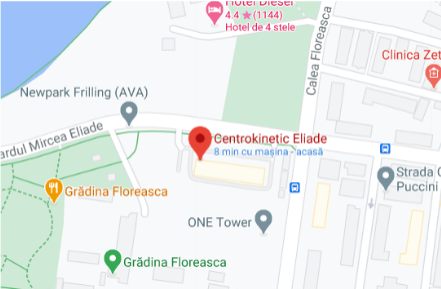
CENTROKINETIC FLOREASCA
Bucharest, 1st District,
Mircea Eliade Street, no. 18,
Eliade Tower, Entrance A, Floor 3
| Navigation | Explore 3D |
CENTROKINETIC Barbu Vacarescu
Bucharest, 2nd District,
Barbu Vacarescu Street, no. 102,
102 The Address, ground floor.
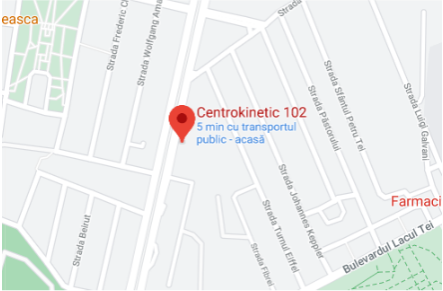
| Navigation | Explore 3D |
CENTROKINETIC MILITARI
Bucuresti, Sector 6,
Bld. Iuliu Maniu, nr. 15G,
Cladirea PBT, etaj 3.
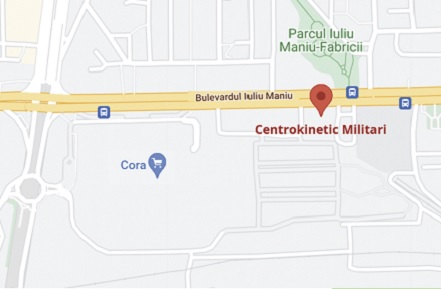
| Navigation |
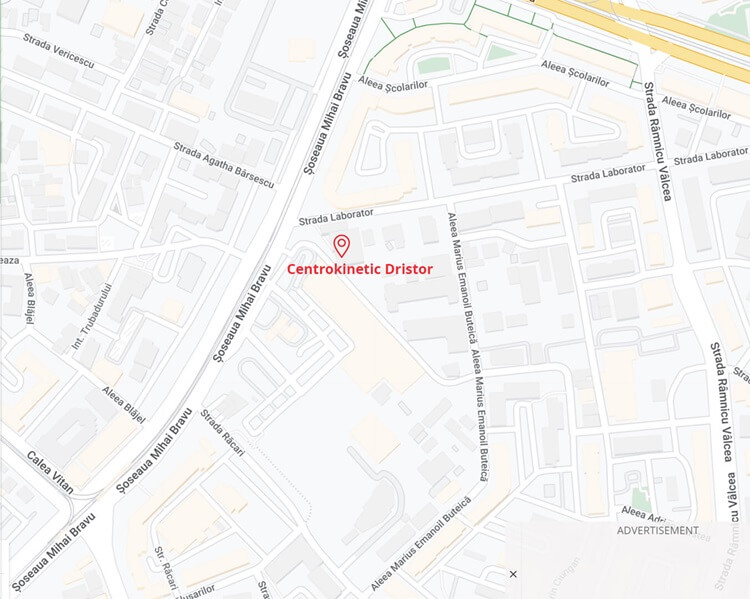
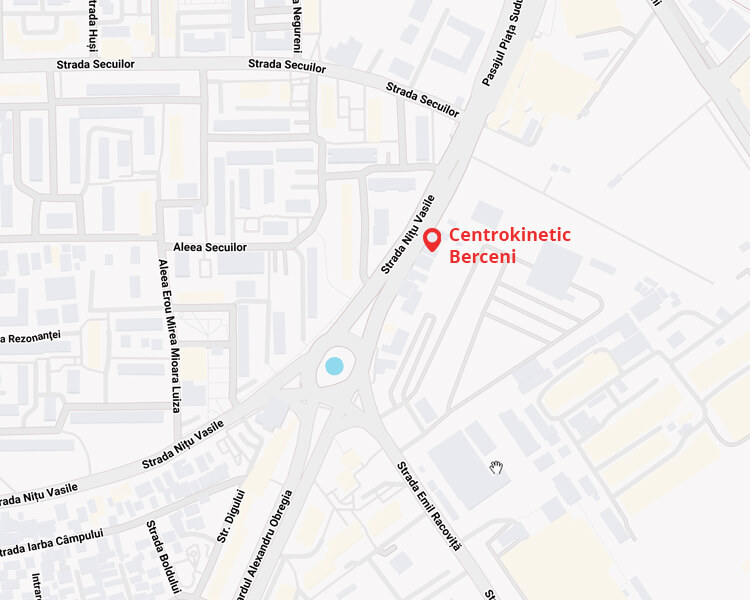
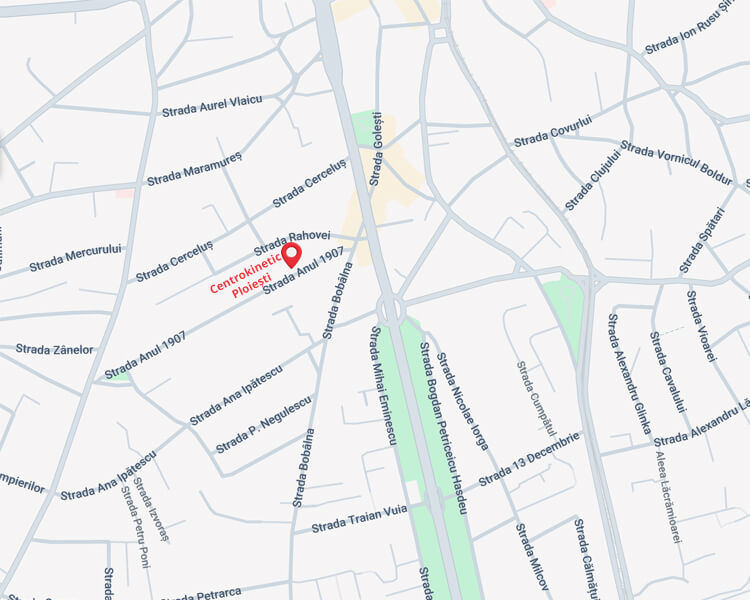
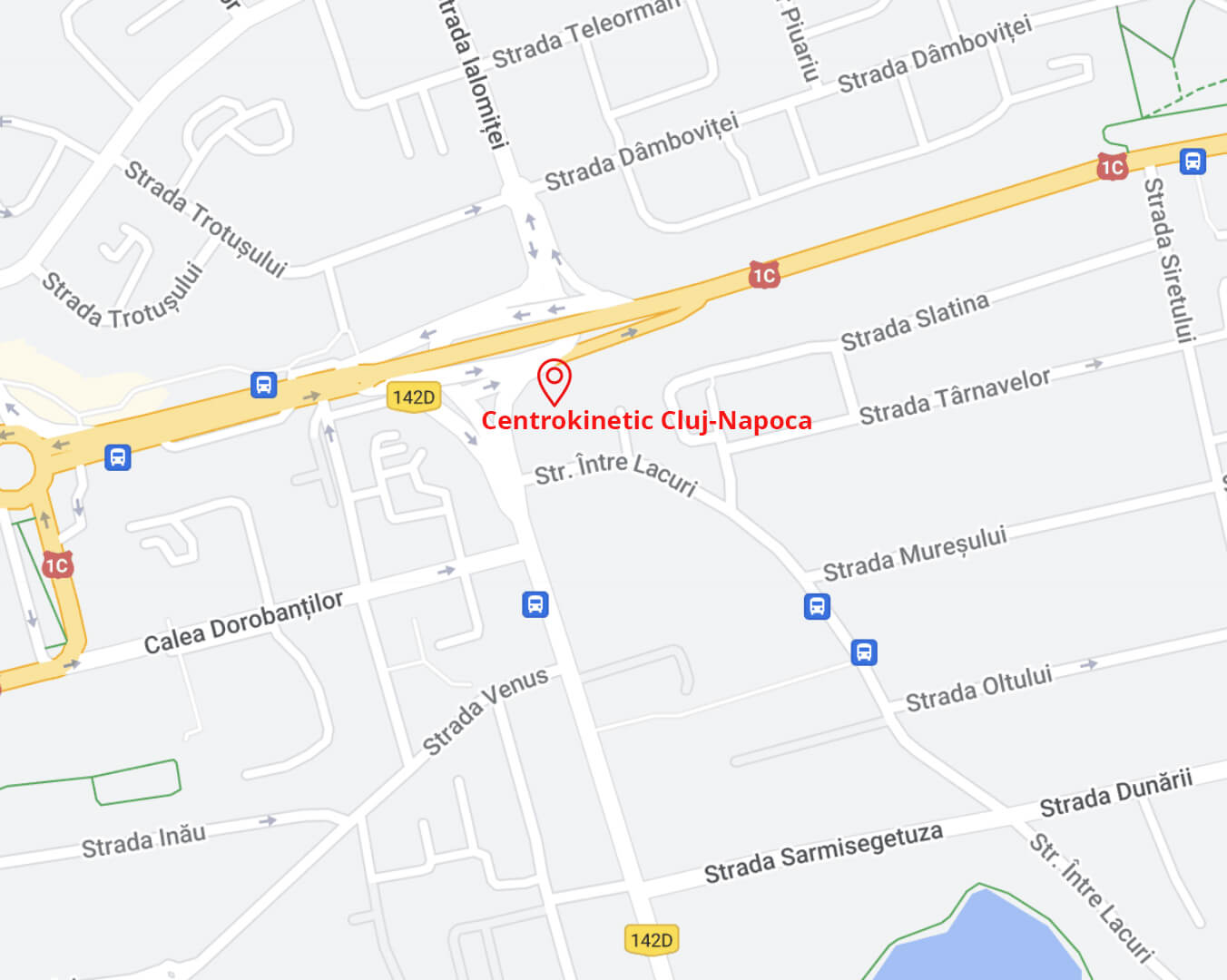
CENTROKINETIC CLUJ-NAPOCA
Cluj-Napoca,
Str. Intre Lacuri, nr.1
Intrarea este in spatele cladirii.
| Navigation |
SOCRATES CLINIC TIMISOARA
Timisoara, Calea Martirilor 1989,
nr. 1.
Telefon: 0371 785 374.
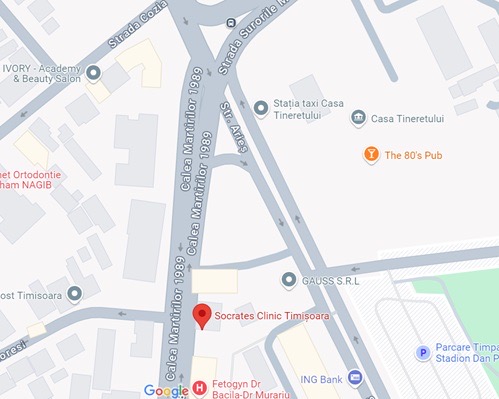
| Navigation |
CONTACT
Phone: 0319693
E-mail: programari@centrokinetic.ro
Operating hours:
Monday – Friday: 07:00 – 21:00
Saturday: 09:00 – 14:00
Sunday: closed.
MAKE AN APPOINTMENT