We use cookies to personalize content, ads, and analyze our traffic. We also share information about how you use our site with our advertising and analytics partners, who may combine it with other information you have provided or that they have collected from your use of their services.

Afiseaza detalii
  •  

LUPUSUL ERITEMATOS SISTEMIC

Contul meu Contact
Medical information reviewed by: ROBERT DUMITRU, Kinetoterapeut
Actualizat: 18-03-2025 / Publicat: 29-09-2020

i.php?p=header-lupus-eritematos.jpg

What awaits you at Centrokinetic?

Centrokinetic welcomes patients with a complete rheumatology department, a medical branch that deals with the diagnosis, treatment, and recovery of patients with non-surgical conditions of the musculoskeletal system. These conditions are usually painful, acute or, most often, chronic, hindering the proper functioning of the musculoskeletal system. They are generally called rheumatism or rheumatic and musculoskeletal diseases.

Most often, patient evaluation is complex and multidisciplinary, given the systemic, generalized nature of most rheumatological conditions, which is why Centrokinetic has experienced physicians available: 

What is lupus erythematosus?

Systemic lupus erythematosus (SLE) is an autoimmune disease. In this condition, the immune system mistakenly attacks healthy tissue. It can affect the skin, joints, kidneys, brain, and other organs.

The triggering causes of SLE are not clearly known. SLE may be linked to the following factors:

  • Genetic
  • Environmental
  • Hormonal
  • Certain medications

SLE is more common in women than in men, with a ratio of nearly 10 to 1. It can occur at any age. However, it occurs most often in young women aged between 15 and 44. In the US, the disease affects more African Americans, Asians, African Caribbeans, and Hispanic Americans compared to Caucasians.

Symptoms

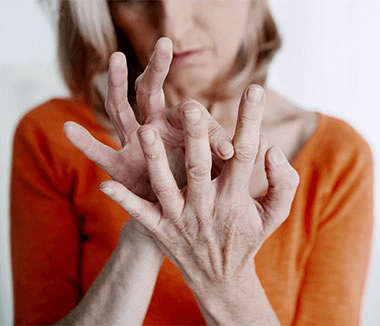
Symptoms vary from person to person and can come and go. Everyone with SLE has joint pain and edema (swelling) at some point. Some develop arthritis. SLE often affects the joints of the fingers, hands, wrists, and knees.

Other common symptoms include:

  • Chest pain on deep inspiration.
  • Fatigue.
  • Fever without another cause.
  • General discomfort, restlessness, or a feeling of being unwell (malaise).
  • Hair loss.
  • Weight loss.
  • Mouth sores.
  • Sensitivity to sunlight.
  • Skin rash - A "butterfly" rash develops in about half of people with SLE. The rash is seen mainly on the cheeks and  nose (but can also be more widespread). It worsens in sunlight.
  • Swollen lymph nodes.

i.php?p=a1(6).jpg

Other symptoms and signs depend on which part of the body is affected:

  • Brain and nervous system - headaches, weakness, numbness, tingling, seizures, vision and memory problems, personality changes
  • Digestive tract - abdominal pain, nausea, and vomiting
  • Heart - problems with the valves, inflammation of the heart muscle or heart lining (pericardium)
  • Lung - fluid accumulation in the pleural space, difficulty breathing, coughing up blood
  • Skin - mouth sores
  • Kidney - swelling of the legs
  • Circulation - clots in veins or arteries, inflammation of blood vessels, constriction of blood vessels in response to cold (Raynaud's phenomenon)
  • Blood abnormalities, including anemia, low white blood cell count, or low platelet count

Some people have only skin symptoms. This is called discoid lupus.

Examinations and tests

To be diagnosed with lupus, you must have 4 out of 11 common signs of the disease. Almost everyone with lupus has a positive test for antinuclear antibody (ANA). However, if you have a positive ANA alone, it does not mean you have lupus.

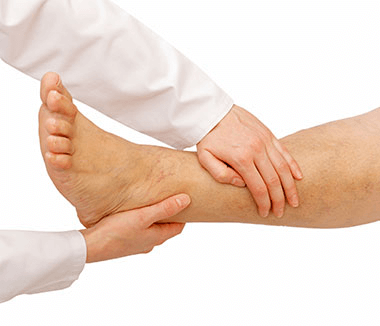
At Centrokinetic, Dr. Alizzi Khalid will perform a complete clinical examination. You may have a skin rash, arthritis, or ankle edema. There may be an abnormal sound called a pericardial rub or pleural rub. The doctor will also perform a nervous system examination.

Tests used to diagnose SLE may include:

  • Antinuclear antibody (ANA)
  • CBC with differential
  • Chest X-ray
  • Serum creatinine
  • Urinalysis

You may also need other tests to learn more about your condition. Some of these are:

  • Antinuclear antibody (ANA) panel
  • Complement components (C3 and C4)
  • Antibodies to double-stranded DNA
  • Coombs test - direct
  • Cryoglobulins
  • ESR and CRP
  • Blood tests for kidney function
  • Blood tests for liver function
  • Rheumatoid factor
  • Antiphospholipid antibodies and lupus anticoagulant test
  • Kidney biopsy
  • Imaging tests of the heart, brain, lungs, joints, muscles, or intestines

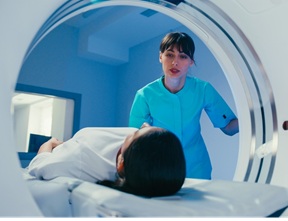
Our medical team can complete the investigations needed to establish a correct diagnosis, with: imaging investigations (musculoskeletal ultrasound, joint MRI), functional tests (electromyography), joint punctures. Discover the open MRI imaging center at our clinic. Centrokinetic has a state-of-the-art MRI machine, dedicated to musculoskeletal conditions of the upper and lower limbs. The MRI machine is open, so that even people who suffer from claustrophobia can undergo this investigation. The examination time is, on average, 20 minutes.

i.php?p=a4.jpg

Treatment

There is no cure for SLE. The goal of treatment is to control symptoms. Severe symptoms involving the heart, lungs, kidneys, and other organs often require treatment by specialists. Every person with SLE needs to be evaluated regarding:

  • How active the disease is
  • Which part of the body is affected
  • What form of treatment is needed

Mild forms of the disease can be treated with: 

  • NSAIDs (medications that contain non-steroidal anti-inflammatory drugs) for joint symptoms and pleurisy.
  • Low doses of corticosteroids, such as prednisone, for skin and arthritis symptoms.
  • Corticosteroid creams for skin rashes.
  • Hydroxychloroquine, a medication also used to treat malaria.
  • Methotrexate can be used to reduce the corticosteroid dose
  • Belimumab, a biologic medication, can be helpful for some people.

i.php?p=a3(3).jpg

Treatments for more severe SLE may include:

  • High-dose corticosteroids.
  • Immunosuppressive medications (these medications suppress the immune system). These medications are used if you have severe lupus affecting the nervous system, kidneys, or other organs. Also, if the condition does not improve or if symptoms worsen, then stop taking them.
  • The most commonly used medications include mycophenolate, azathioprine, and cyclophosphamide. Due to its toxicity, cyclophosphamide is limited to a short course of 3 to 6 months. Rituximab (Rituxan) is also used in some cases.
  • Blood thinners, such as warfarin (Coumadin), for clotting disorders, such as antiphospholipid syndrome.

If you have SLE, it is also important to:

  • Wear protective clothing, sunglasses, and sunscreen when you are in the sun.
  • See a cardiologist for preventive purposes.
  • Strengthen your immunity.
  • Undergo screening tests for bone density loss (osteoporosis).
  • Avoid tobacco and drink minimal amounts of alcohol.

The outlook for SLE has improved in recent years. Many people with SLE have mild symptoms. How well the patient does depends on how severe the disease is. Most people with SLE will need medication for a long period of time. Almost all will need hydroxychloroquine indefinitely. However, in the US, SLE is one of the top 20 leading causes of death in women aged 5 to 64. Many new medications are being studied to improve outcomes for women with SLE.

The disease tends to be more active:

  • In the first years after diagnosis
  • In people under 40 years of age

Many women with SLE can become pregnant and give birth to a healthy child. A good outcome is more likely for women who receive appropriate treatment and do not have serious heart or kidney problems. However, the presence of certain SLE antibodies or antiphospholipid antibodies increases the risk of miscarriage.

Possible complications

LUPUS NEPHRITIS

Some people with SLE have abnormal immune deposits in the kidney cells. This leads to a condition called lupus nephritis. People with this problem can develop kidney failure. They may need dialysis or a kidney transplant.

A kidney biopsy is done to detect the degree of kidney damage and to help guide treatment. If active nephritis is present, treatment with immunosuppressive medications is needed, including high doses of corticosteroids, together with cyclophosphamide or mycophenolate.

OTHER PARTS OF THE BODY

SLE can cause damage in many different parts of the body, including:

  • Blood clots in the arteries or veins of the legs, lungs, brain, or intestines
  • Destruction of red blood cells or long-term (chronic) disease anemia
  • Fluid around the heart (pericarditis) or inflammation of the heart (myocarditis or endocarditis)
  • Fluid around the lungs and damage to lung tissue
  • Pregnancy problems, including miscarriage
  • Stroke
  • Damage to the intestine with abdominal pain and obstruction
  • Inflammation of the intestines
  • Low blood platelet count (platelets are needed to stop any bleeding)
  • Inflammation of blood vessels

Centrokinetic is the place where you will find answers and clear solutions for your movement problems. The clinic dedicated to osteoarticular conditions is divided into the following specialized departments:

  • Orthopedics, a department made up of a highly experienced team of orthopedic doctors, led by Dr. Andrei Ioan Bogdan, senior physician in orthopedics-traumatology, with surgical activity at  Medlife Orthopedic Hospital, specialized in sports traumatology and in ankle and foot surgery.
  • Pediatric orthopedics, where children's sports conditions (ligament and meniscus injuries), spinal deformities (scoliosis, kyphosis, hyperlordosis), and foot deformities (hallux valgus, hallux rigidus, clubfoot, flat valgus foot, cavus foot) are treated.
  • Neurology,  which has a state-of-the-art department, where consultations, electroencephalograms (EEG), and electromyographies (EMG) are performed. 
  • Medical recovery for adults and children, a department specialized in the recovery of performance athletes, in spinal conditions, in the recovery of children with neurological and traumatic conditions. Our experience is extremely extensive, having treated over 5000 performance athletes.
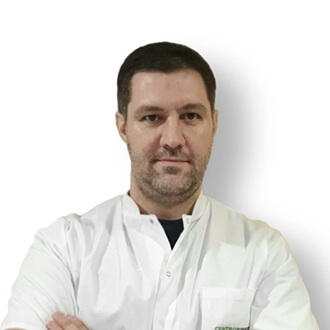
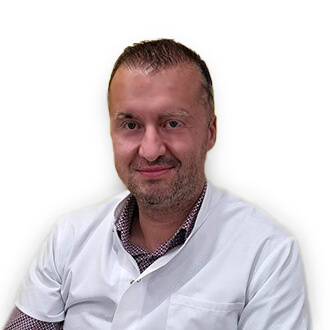
  • Medical imaging, the clinic being equipped with ultrasound and MRI, high-performance devices dedicated to musculoskeletal conditions, and complemented by an experienced team of radiologists: Dr. Sorin Ghiea and Dr. Cosmin Pantu, specialized in musculoskeletal imaging.

Find out the latest news by following the Facebook and YouTube accounts of Centrokinetic clinic.

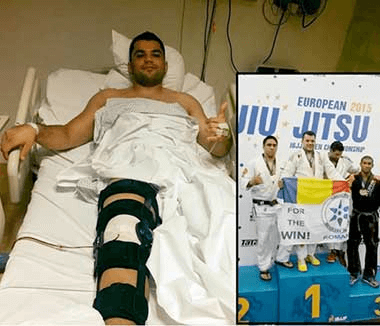
SUCCESSFUL RECOVERY STORIES

programare

MAKE AN APPOINTMENT

Because in our clinic every treatment is based on a diagnosis and is done under medical supervision.

CONTACT US

MAKE AN APPOINTMENT
FOR AN EXAMINATION

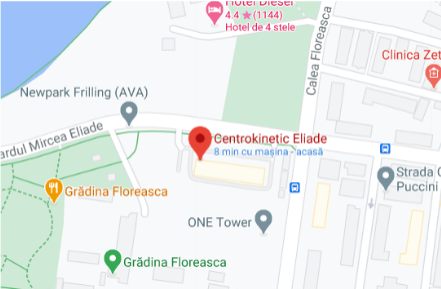
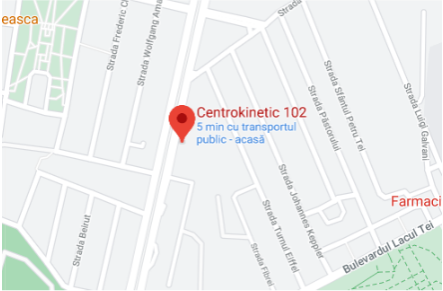
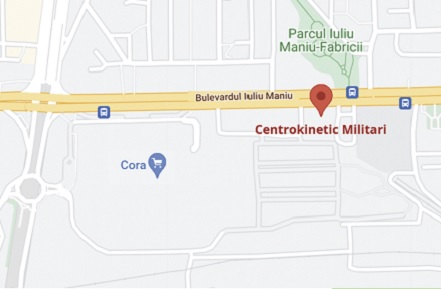
See here how you can make an appointment and the location of our clinics.


MAKE AN APPOINTMENT

BUCHAREST TEAM


Asiguratori privati

Parteneriate