Tal-valgus


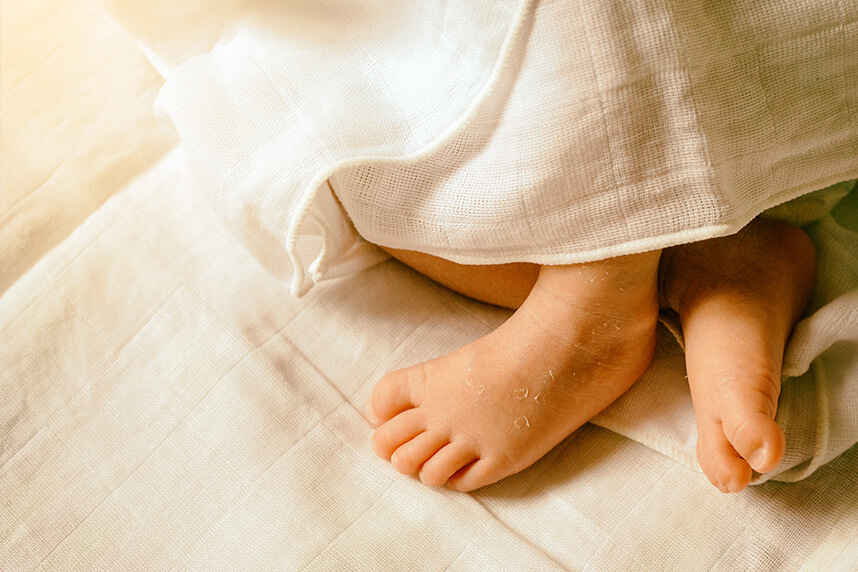
- What genus valgum (knock-knee) pathology means and how it manifests
- Genus Valgum Examination
- How knock knees are corrected
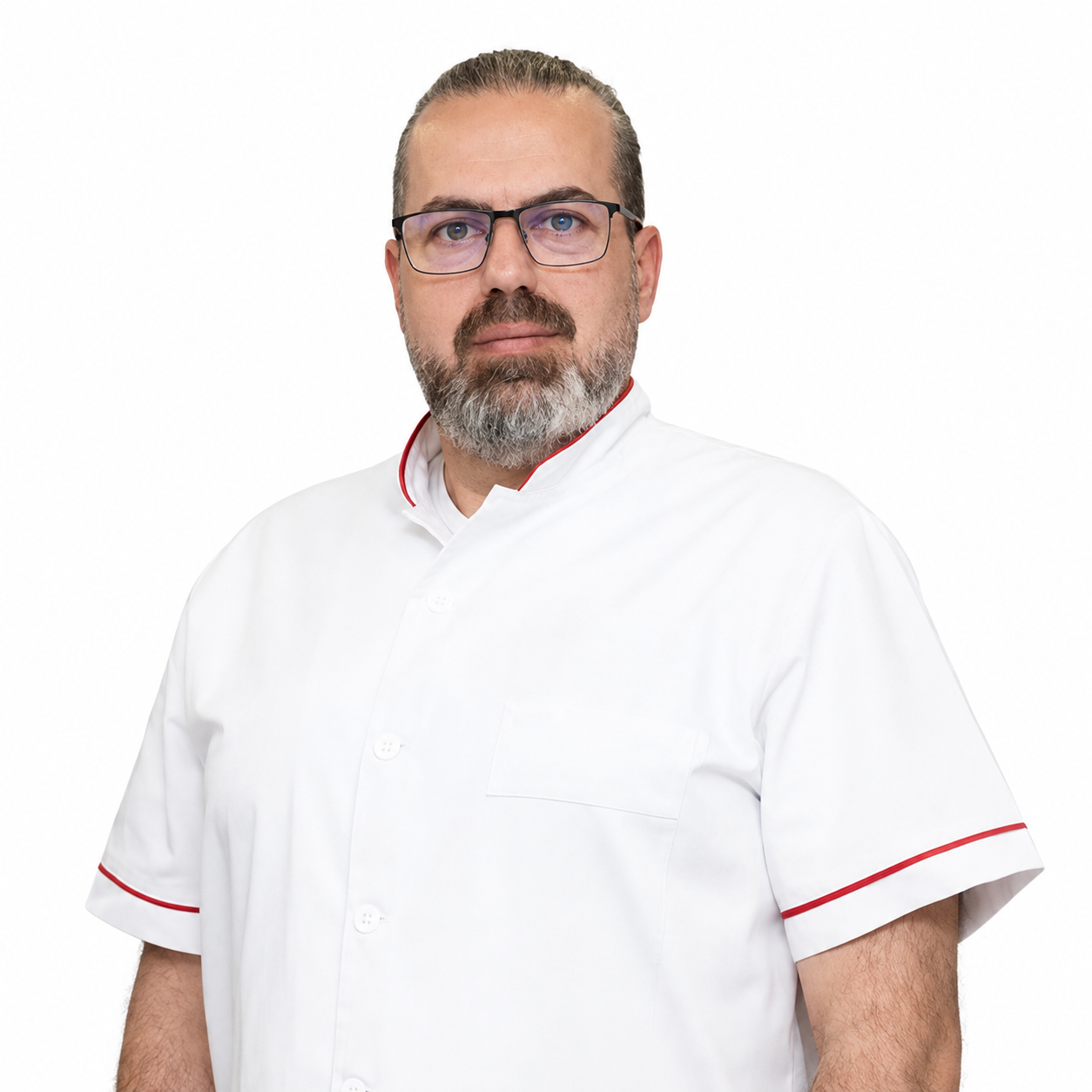
This article was written by dr. Cezar Tomescu, pediatric orthopedic specialist, who practices medicine at our clinic and at Medlife Pediatric Hospital.
What genus valgum (knock-knee) pathology means and how it manifests
The calcaneovalgus foot is one of the most common foot deformities observed in newborns. Babies with this condition are born with the foot and ankle excessively bent, where the toes, in extreme cases, touch the shin. This deformity can also occur in older children, but it is usually a manifestation of another condition. This condition is congenital and can affect one or both of the baby's feet. Mild forms of calcaneovalgus foot occur in approximately 30% of infants, while severe forms are present in 1 in 1000 children, which means approximately 5% of newborns.Genus Valgum Examination
Causes
Although the true cause of the calcaneovalgus foot has not been determined, the theory is that it is part of intrauterine positional disorder — in other words, it reflects the position of the baby's foot in the womb. This condition is also associated with other problems due to the cramped position in the womb, such as hip dysplasia and muscular torticollis. Since the calcaneovalgus foot is sometimes associated with hip dysplasia, it is recommended that babies identified as having this condition also be checked for hip dysplasiaHow to recognize the condition
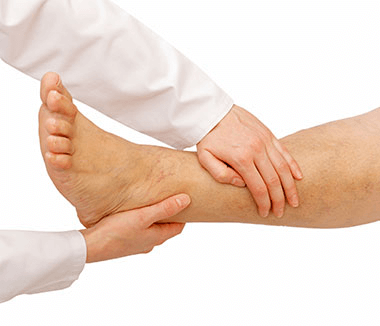
The calcaneovalgus foot is a visible deformity of the foot, but there are some classic clinical characteristics of this condition, such as the front part of the foot being raised and the ankle being in acute dorsiflexion. The presence of a valgus heel can also be seen. It can be observed that the plantar surface of the foot is extremely flat. This condition is quite similar to vertical talus, but in reality, calcaneovalgus foot and vertical talus are two different conditions, the main difference being that in calcaneovalgus foot, the heel is able to be dorsiflexed and the foot is not as rigid as in the case of vertical talus.The calcaneovalgus foot is evident at birth. The foot is usually partially corrected, so that it is brought to the "normal" ankle position of 90 degrees. The condition can present as unilateral or bilateral and can be associated with other conditions, namely: posteromedial bowing of the tibia (the foot is curved and shorter at the affected site), vertical talus (the talus bone is not in the correct position, causing deformation of the entire foot), muscle imbalance, or nerve damage (usually observed in older children).
Forms
Forms of calcaneovalgus foot can be mild, moderate, and severe. In mild forms, the condition most often resolves on its own. But any child with a foot deformity should be evaluated by a doctor to make sure it is not a more serious condition. This problem can be difficult to treat in an older child. So it is better if the child is diagnosed while young.Moderate forms are those that fail to heal with massage and stretching, and splints or support are needed to hold the foot in the correct position.
Severe forms involve putting the child's feet in a cast for a few months, in order to hold them in the correct position. The cast is changed once a week or every two weeks.
How knock knees are corrected
No treatment is necessary for the typical calcaneovalgus foot. The problem is usually resolved by the time the child begins to stand and walk independently, although the treating physician may recommend some stretching exercises to speed up the correction. It usually takes a few months after birth for the foot to return to a normal position. In some acute cases, a cast may be needed to correct the deformity. In severe forms, when the foot becomes inflexible, the calcaneovalgus foot may be due to another underlying cause and requires the advice of an orthopedic specialist. The use of orthoses has not been shown to be effective in treating calcaneovalgus foot, although in some acute cases in which a child suffers from paralytic conditions, an orthotic device can be helpful.Non-surgical treatment
In most cases, the deformity resolves without treatment. However, this condition can be resolved more quickly with simple foot stretching exercises. Sometimes, casting to reverse plantarflexion is used in infants, if spontaneous resolution is not seen within the first few months of life. Orthoses have no proven benefit, however, when there is muscle imbalance caused by paralytic conditions, ankle-foot orthoses can control the foot while the child is small. No device has been developed that predictably alters the growth, development, or final adult configuration of a calcaneovalgus foot.Surgical treatment
Surgery is not recommended, and there is no literature showing positive results of surgical intervention for calcaneovalgus feet, and the mere presence of the condition does not mean that the newborn will need aggressive treatment, since it is a fairly benign condition. Some children, in extremely acute cases, may require tendon transfers or foot stabilization procedures. Some literature has shown that an arthrodesis procedure was helpful in children over 10 years of age who had calcaneovalgus foot.IF YOU DON'T ALREADY KNOW US
Centrokinetic is the most high-performing medical clinic dedicated to osteoarticular conditions, organized into several dedicated departments:
- Orthopedics: a department made up of a highly experienced team of orthopedic doctors, led by Dr. Andrei Ioan Bogdan, senior physician in orthopedics-traumatology, with surgical activity at Floreasca Emergency Clinical Hospital and at Medlife Orthopedic Hospital, specialized in sports traumatology and in ankle and foot surgery.
- Pediatric orthopedics, where we treat children's sports conditions (ligament and meniscus injuries), spinal deformities (scoliosis, kyphosis, hyperlordosis), and foot deformities (hallux valgus, hallux rigidus, clubfoot, flat valgus foot, cavus foot).
- Neurology, performing consultations and EMG within the department. The medical team is completed by dr. Mardare, who received specialized training at the University of Oxford in spinal surgery.
- Medical recovery, for children and adults, the department being led by one of the most experienced doctors in the field, senior lecturer dr. Tache Georgiana. The department is specialized in the recovery of performance athletes, in spinal conditions, and in the recovery of children with neurological and traumatic conditions.
- Medical imaging, the clinic being equipped with ultrasound and MRI, dedicated to musculoskeletal conditions. We take pride in our medical team of radiologists, made up of dr. Ghiea Sorin, dr. Pantu Cosmin, dr. Florescu Nicoleta, specialized in musculoskeletal imaging.
Find out the latest news about us by following the Facebook and YouTube accounts of Centrokinetic clinic.

MAKE AN APPOINTMENT
CONTACT US
MAKE AN APPOINTMENT
FOR AN EXAMINATION
See here how you can make an appointment and the location of our clinics.
MAKE AN APPOINTMENT

BUCHAREST TEAM

















CLUJ NAPOCA TEAM











BRASOV TEAM












Asiguratori privati





Parteneriate


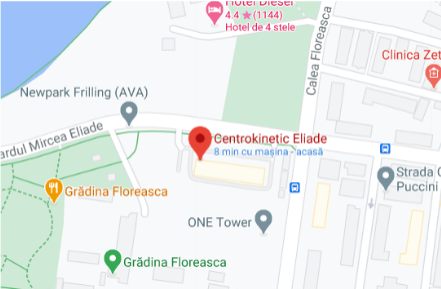
CENTROKINETIC FLOREASCA
Bucharest, 1st District,
Mircea Eliade Street, no. 18,
Eliade Tower, Entrance A, Floor 3
| Navigation | Explore 3D |
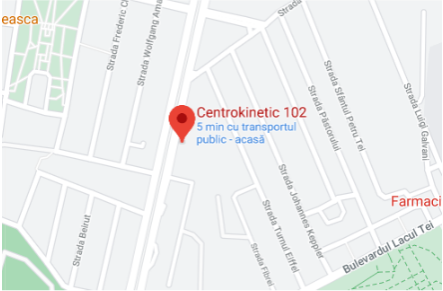
CENTROKINETIC Barbu Vacarescu
Bucharest, 2nd District,
Barbu Vacarescu Street, no. 102,
102 The Address, ground floor.
| Navigation | Explore 3D |
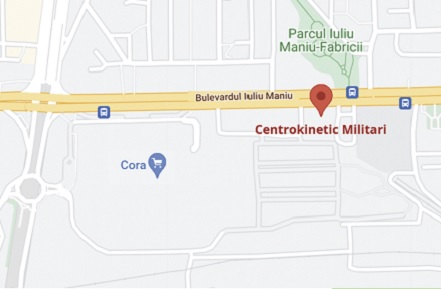
CENTROKINETIC MILITARI
Bucuresti, Sector 6,
Bld. Iuliu Maniu, nr. 15G,
Cladirea PBT, etaj 3.
| Navigation |
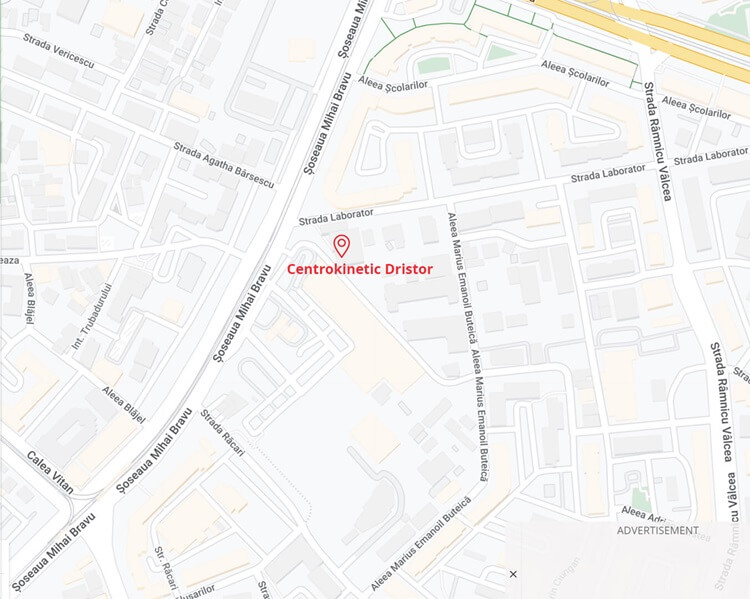
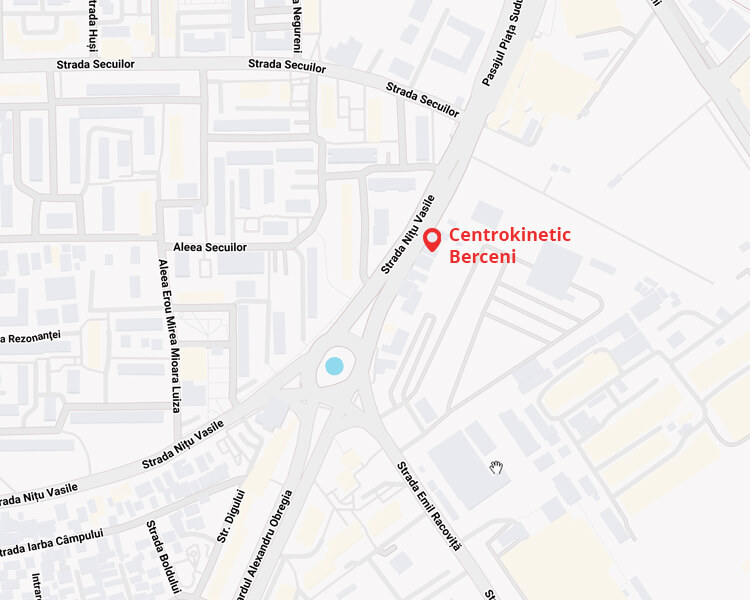
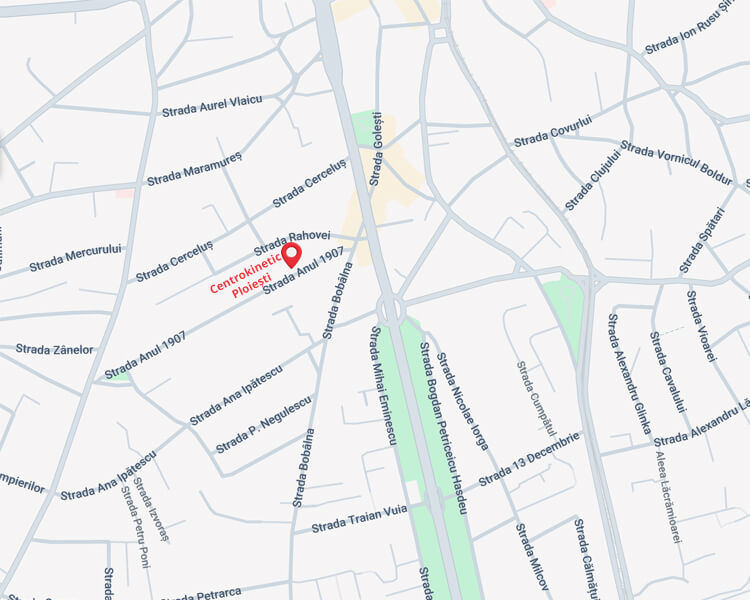
CENTROKINETIC CLUJ-NAPOCA
Cluj-Napoca,
Str. Intre Lacuri, nr.1
Intrarea este in spatele cladirii.
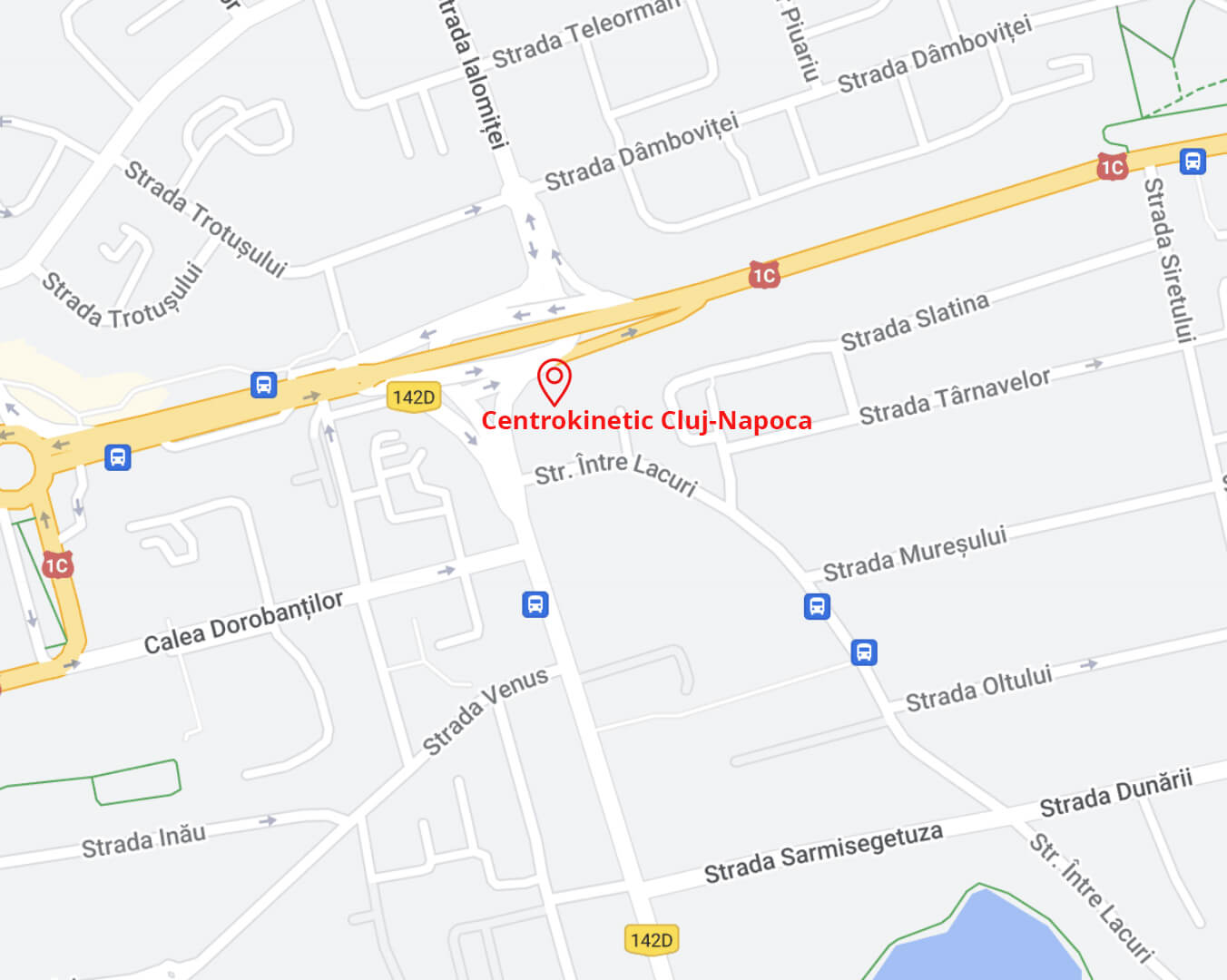
| Navigation |
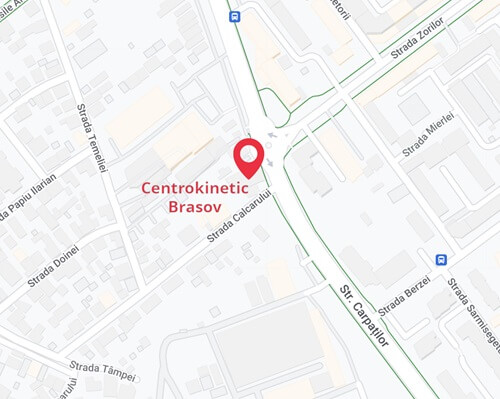
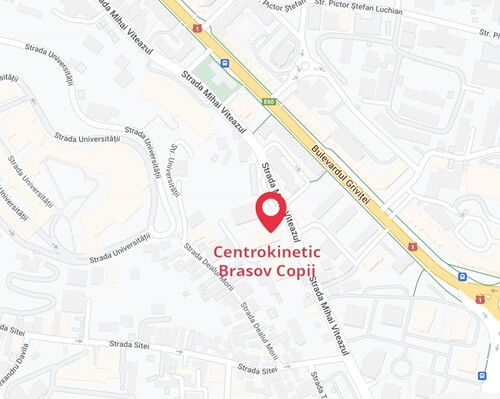
SOCRATES CLINIC TIMISOARA
Timisoara, Calea Martirilor 1989,
nr. 1.
Telefon: 0371 785 374.
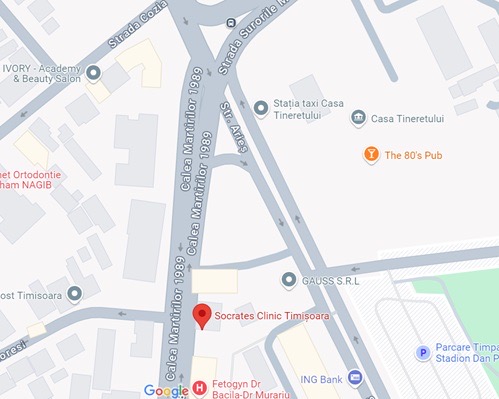
| Navigation |
CONTACT
Phone: 0319693
E-mail: programari@centrokinetic.ro
Operating hours:
Monday – Friday: 07:00 – 21:00
Saturday: 09:00 – 14:00
Sunday: closed.
MAKE AN APPOINTMENT