Tendinitis


.jpg "Tendinitis")
Many professions, sports, or hobbies involve performing repetitive movements. Over time, this can lead to damage to the soft tissues in the body (muscles, nerves, tendons, or ligaments) and to the development of various conditions. One of these is tendinitis. Keep reading to find out how this condition manifests, which areas of the body it can affect, and what treatment options exist.
Contents:
- What causes tendinitis?
- What are the symptoms of tendinitis?
- When to seek medical care
- Diagnosis
- What is the treatment for tendinitis?
- What is the drug treatment for tendinitis?
- What therapies can be used for tendinitis?
- Are there home remedies for tendinitis?
- How do you prevent tendinitis?
Tendons are cords of tough, fibrous connective tissue that attach muscles to bones. Tendinitis is an inflammation of the tendon. The condition can also involve the tendon sheath, usually near the point where the tendon joins the muscle.
Tendinitis differs from arthritis, which refers to inflammation of a joint. It is one of the most common causes of pain in the soft, musculoskeletal tissues. Tendinitis can develop in many areas of the body. Most often, depending on the location of the affected tendons, we can talk about foot tendinitis, shoulder tendinitis, elbow tendinitis, or wrist tendinitis.
It can be acute (sudden onset), such as tendinitis caused by a sports injury, or chronic (longer-term), when a tendon gradually deteriorates, usually due to overuse or repetition.
What causes tendinitis?
The most common cause of tendinitis is overuse and repetitive movement from recreational, athletic, or occupational activities. Risk factors for tendinitis include repetitive movement, trauma, thermal injury to the tendon, use of certain antibiotics (such as levofloxacin and ciprofloxacin), and smoking. Tendinitis can also occur in people with conditions such as rheumatoid arthritis, obesity, and diabetes. Here are some of the most common forms of tendinitis:
- Medial epicondylitis (golfer's elbow) is caused by inflammation of the tendons that attach to the medial epicondyle of the elbow. Repetitive movements involving strong flexion and rotation of the wrist can cause this type of elbow tendinitis.
- Lateral epicondylitis (tennis elbow) is caused by inflammation of the tendons that attach to the lateral epicondyle of the elbow. Repetitive movements involving extension and rotation of the wrist can cause this type of elbow tendinitis.
- Rotator cuff tendinitis (swimmer's shoulder, tennis player's shoulder) is caused by sports that require repeatedly moving the arm overhead. This repetitive movement causes inflammation of the rotator cuff, a group of muscles that controls shoulder rotation. The supraspinatus, infraspinatus, teres minor, and subscapularis tendons make up the rotator cuff tendons.
- Calcific tendinitis is caused by calcium deposits in the rotator cuff tendons.
- Bicipital tendinitis is an inflammation of the tendon that attaches the biceps muscle (located at the front of the arm) to the shoulder. Wear over time or overuse are common causes of bicipital tendinitis.
- Patellar tendinitis (jumper's knee) is an inflammation of the patellar tendon that attaches the kneecap to the shinbone. Patellar tendinitis is caused by repetitive jumping or running.
- Achilles tendinitis is caused by running, jumping, or other activities that can strain the calf muscles.
- Peroneal tendinitis is an inflammation of the tendon located on the outer side of the ankle. Excessive hiking, tennis, or many other activities can cause peroneal tendinitis.
- De Quervain's tendinitis (De Quervain's disease or De Quervain's syndrome) is a painful inflammation of the wrist tendons. It is also known as tenosynovitis in the medical literature and is one of the most common tendinopathies of the hand. De Quervain's tenosynovitis is caused by repetitive movements and involves the tendons that help extend the thumb.

What are the symptoms of tendinitis?
Symptoms of tendinitis can vary depending on the area affected and from person to person. That said, whether we're talking about the symptoms of knee tendinitis or the symptoms of shoulder tendinitis, the first sign you will notice will be pain in the injured tendon, especially during use.
The pain can be chronic or can appear suddenly and be sharp. Other symptoms include:
- Swelling;
- A feeling of warmth;
- Tenderness;
- Redness.
The pain worsens during movement and usually improves with rest or treatment.
When to seek medical care
If you have symptoms of tendinitis, see your doctor to rule out other causes of pain, such as:
- a torn tendon;
- inflammatory or degenerative arthritis;
- bursitis;
- infectious tenosynovitis (infection of the tendon sheath).
Seek emergency care if:
- You have a fever;
- You notice increasing redness;
- Symptoms do not improve with home treatment and, on the contrary, get worse.
Diagnosis
The doctor will perform a physical examination. During the exam, the doctor will look for signs of pain and tenderness when the muscle attached to the tendon is moved in certain ways. There are specific tests for certain tendons. Other tests that may be performed include:
- Ultrasound
- X-ray
- MRI
X-rays do not show tendons, but they may be ordered to rule out other bone or joint problems. Ultrasound evaluation of the tendon can provide an accurate diagnosis. An MRI can detect tears, partial tears, inflammation, or a tumor.
What is the treatment for tendinitis?
Treatment for tendinitis aims to relieve pain and reduce inflammation. What exactly it involves depends on the cause of the tendinitis and the specifics of each individual case. In addition to avoiding the activities that led to inflammation of the area, when this is possible, the list of possible recommendations could also include, for example:
- Applying ice to the affected area for 20 minutes every few hours, at least during the first 24-48 hours; remember to wrap the ice in a towel to protect your skin; your doctor may recommend using ice for a longer period or a stretching regimen;
- Elevating and immobilizing the affected limb; for example, treatment for shoulder tendinitis may include using splints to prevent movement of the injured shoulder and arm area; for other parts of the body, compression bandaging may be used to reduce swelling; crutches can also be helpful;
- Starting an exercise program to build muscle strength and range of motion with a physical therapist, after the acute phase;
- To prevent swelling, avoid hot baths, alcohol, and massages in the first few days;
- If movement does not cause too much pain, try to keep moving so that the tendon does not become stiff; rehabilitation exercises, as suggested by a doctor or physical therapist, can also help you regain your full range of motion.
With treatment and if you follow your doctor's instructions, the pain and swelling should disappear after a few days, without further problems. Recurrences can occur if there is continued overuse, but using splints, proper technique during exercise, and muscle-strengthening exercises can usually help.
Rarely, surgery may be necessary if there is chronic inflammation causing other complications.
If you are interested in natural treatment for tendinitis, you might also try acupuncture or massage, but only on a doctor's advice. The same advice applies to supplements or other plant-based remedies for tendinitis. Keep in mind, however, that their effectiveness has not been fully confirmed by studies. Some of them may interact with medications you are taking or may not be recommended for people suffering from certain conditions.[3]
What is the drug treatment for tendinitis?
If pain persists, your doctor may recommend nonsteroidal anti-inflammatory drugs for pain control, which you can buy without a prescription. If the pain is severe, you may be given a steroid injection. This can help by reducing pain and inflammation, but it should not be done more than a few times, as steroids weaken the tendon, leaving it vulnerable to rupture.
What therapies can be used for tendinitis?
Extracorporeal shock wave therapy has been shown to produce good results in calcific tendinitis or other forms of tendinitis. Ultrasound therapy is used in some cases, but its effect has not been proven. This therapy may be most useful in calcific tendinitis.
Rarely, surgery may be necessary for tendinitis that is severe or does not respond to other treatments.
Are there home remedies for tendinitis?
There are a few remedies you can apply at home, but if the pain persists and other symptoms appear, it is advisable to see a doctor. Here are some solutions you can try at home:
- Rest;
- Immobilizing the affected limb;
- Applying ice packs to the affected area;
- Elevating the affected limb;
- Using over-the-counter nonsteroidal anti-inflammatory drugs.
Regardless of the type of treatment chosen, it is very important not to neglect persistent tendinitis, as recurrent tendinitis can lead to degeneration of the tendon, known as tendinosis. In addition, you should consult an orthopedic or sports medicine specialist to receive a correct diagnosis and treatment for the pain.
Surgery by an experienced orthopedic surgeon may be necessary to avoid ongoing symptoms that do not respond to other types of treatment, especially if the weakened tendon is at risk of rupture.
How do you prevent tendinitis?
To reduce the risk of developing tendinitis, keep these suggestions in mind:
● Use proper technique during sports or work-related activities; warm up beforehand and try to reduce overuse and repetitive movement of the associated muscles;
● Stop physical or occupational activity if there are signs of pain; a physical therapist can offer suggestions on modifying daily activities;
● If you have had tendinitis before, learn proper techniques for strengthening the muscles in the affected area, especially if you play a sport;
● Depending on your profession, you may need an ergonomic assessment of your workspace; adjusting your chair, keyboard, and desk could help protect your joints and tendons from excessive strain;
● Gradually increase the intensity of physical activities;
● Avoid staying in the same position for a long time; take a break or change position every 20-40 minutes.[2]
Recovery after tendinitis can take several weeks or months. The best way to prevent this type of condition is to avoid activities that could lead to overuse of the tendons. When this is not possible, or when pain and other symptoms have already appeared and home remedies have had no effect, it is important to seek the help of a specialist as soon as possible in order to receive the correct treatment and avoid complications.
Centrokinetic is the place where you will find clear answers and effective solutions for musculoskeletal conditions. Our clinic, dedicated to musculoskeletal disorders, is organized into the following specialized departments:
- Orthopedics, a department composed of a highly experienced team of orthopedic surgeons specializing in sports traumatology.
- Pediatric Orthopedics, where sports injuries in children (ligament and meniscus injuries), spinal deformities (scoliosis, kyphosis, hyperlordosis), and foot deformities (hallux valgus, hallux rigidus, equinovarus foot, flatfoot, cavus foot) are treated.
- Neurology, featuring a state-of-the-art department where consultations, electroencephalograms (EEG), and electromyography (EMG) examinations are performed.
- Medical Rehabilitation for adults and children, a department specialized in the rehabilitation of professional athletes, spinal disorders, and children with neurological and traumatic conditions. Our extensive experience includes treating more than 5,000 professional athletes.
- Medical Imaging, with the clinic equipped with ultrasound and MRI systems dedicated to musculoskeletal conditions, complemented by an experienced radiologist, Dr. Cosmin Pantu, specialized in musculoskeletal imaging.
- Rheumatology, a comprehensive department dedicated to the diagnosis, treatment, and rehabilitation of patients with non-surgical musculoskeletal disorders.
- Vascular Surgery, a highly specialized department focused on the diagnosis and treatment of vascular diseases affecting arteries, veins, and lymphatic vessels.
- Psychology and Speech Therapy. Neurological and musculoskeletal conditions can have a psychological impact on patients, which is why we believe complete recovery requires addressing both the physical condition and its psychological consequences.
- Neurofeedback. This innovative method helps improve concentration, reduce anxiety, and achieve emotional balance through a simple and interactive process.
Stay up to date by following Centrokinetic on Facebook, Instagram, and YouTube.
Bibliography:
1. "Repetitive Motion Disorders | National Institute of Neurological Disorders and Stroke." Nih.gov, 2022, [www.ninds.nih.gov/health-information/disorders/repetitive-motion-disorders](https://www.ninds.nih.gov/health-information/disorders/repetitive-motion-disorders). Accessed 6 Oct. 2022.2. "Tendinitis & Bursitis." Rheumatology.org, 2021, [www.rheumatology.org/I-Am-A/Patient-Caregiver/Diseases-Conditions/Tendinitis-Bursitis](https://www.rheumatology.org/I-Am-A/Patient-Caregiver/Diseases-Conditions/Tendinitis-Bursitis). Accessed 6 Oct. 2022.
3. "Two Natural Remedies for Tendonitis You May Not Have Tried." Verywell Health, 2020, [www.verywellhealth.com/natural-remedies-for-tendonitis-89316](https://www.verywellhealth.com/natural-remedies-for-tendonitis-89316). Accessed 6 Oct. 2022.
MAKE AN APPOINTMENT
FOR AN EXAMINATION
See here how you can make an appointment and the location of our clinics.
MAKE AN APPOINTMENT
BUCHAREST TEAM


































CLUJ NAPOCA TEAM


















BRASOV TEAM







Asiguratori privati





Parteneriate



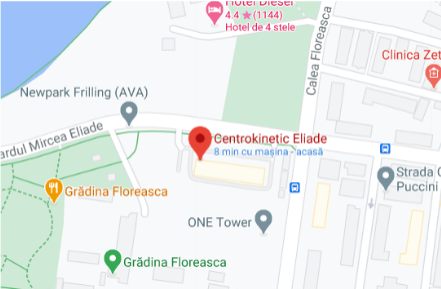
CENTROKINETIC FLOREASCA
Bucharest, 1st District,
Mircea Eliade Street, no. 18,
Eliade Tower, Entrance A, Floor 3
| Navigation | Explore 3D |
CENTROKINETIC Barbu Vacarescu
Bucharest, 2nd District,
Barbu Vacarescu Street, no. 102,
102 The Address, ground floor.
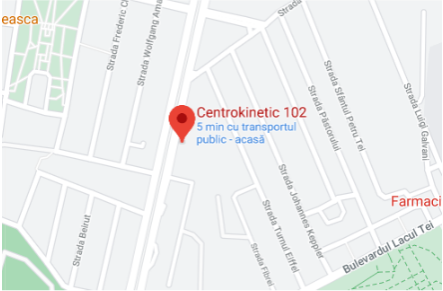
| Navigation | Explore 3D |
CENTROKINETIC MILITARI
Bucuresti, Sector 6,
Bld. Iuliu Maniu, nr. 15G,
Cladirea PBT, etaj 3.
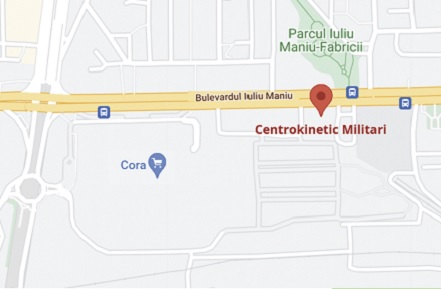
| Navigation |
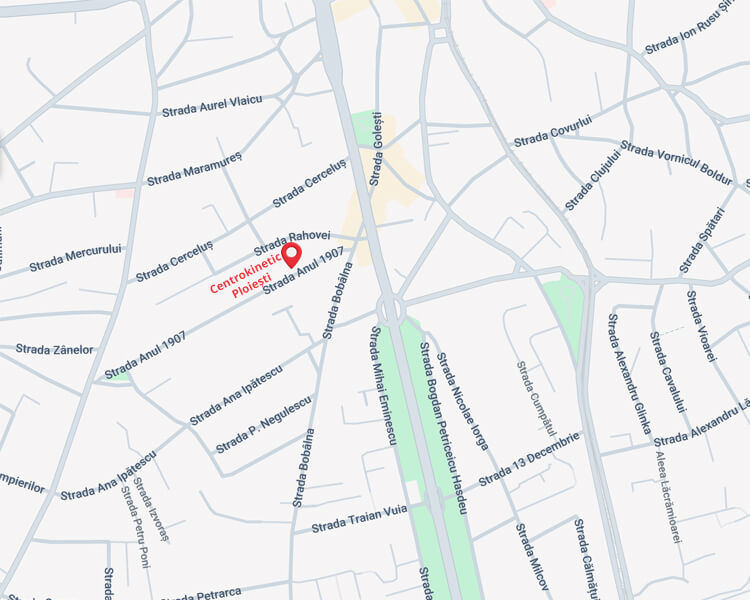
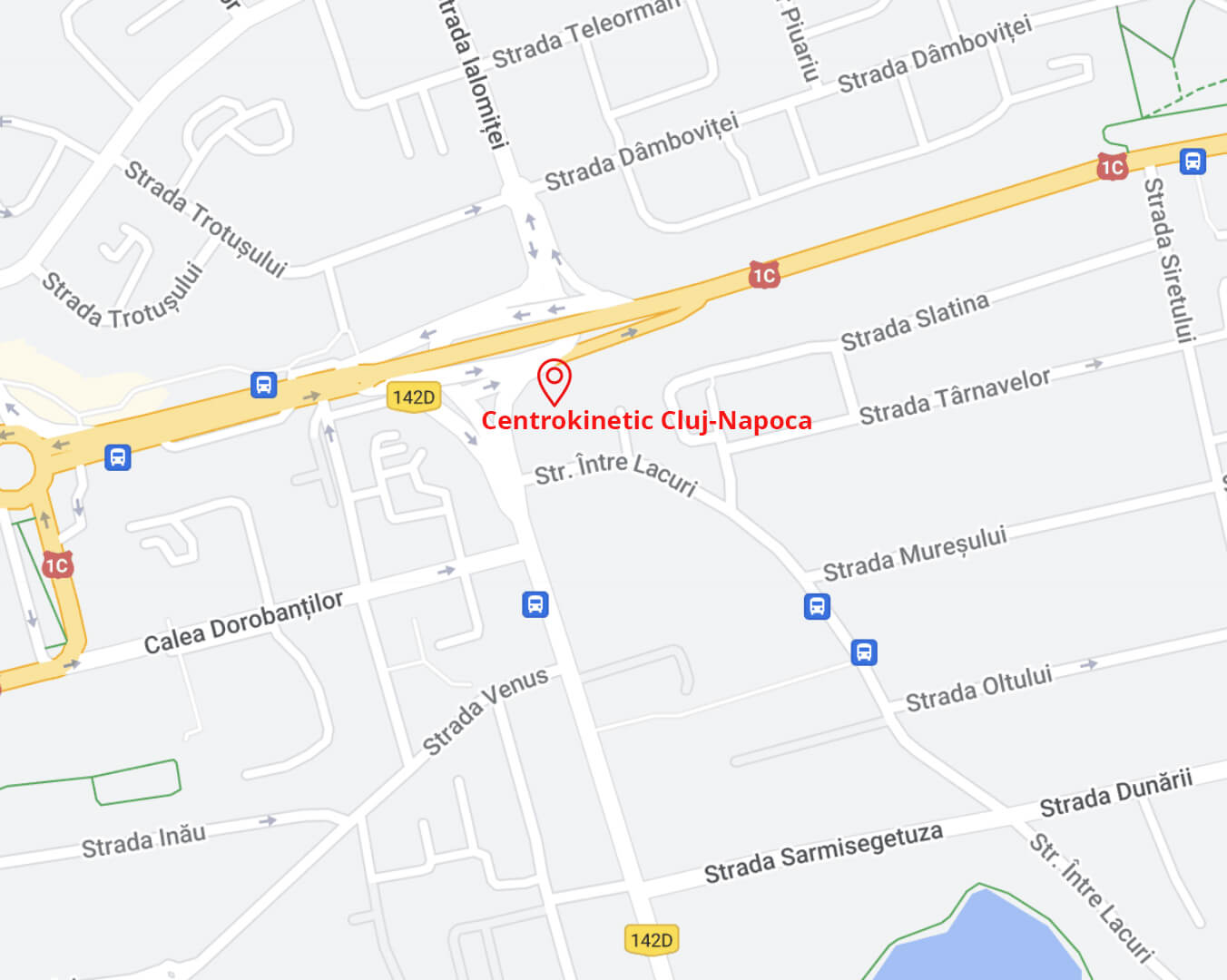
CENTROKINETIC CLUJ-NAPOCA
Cluj-Napoca,
Str. Intre Lacuri, nr.1
Intrarea este in spatele cladirii.
| Navigation |
SOCRATES CLINIC TIMISOARA
Timisoara, Calea Martirilor 1989,
nr. 1.
Telefon: 0371 785 374.
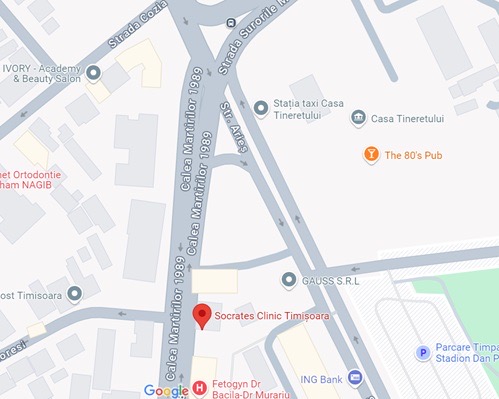
| Navigation |
CONTACT
Phone: 0319693
E-mail: programari@centrokinetic.ro
Operating hours:
Monday – Friday: 07:00 – 21:00
Saturday: 09:00 – 14:00
Sunday: closed.
MAKE AN APPOINTMENT