The role of heating in physiotherapy



In kinesiotherapy, each stage of the session has a well-defined purpose. Warm-up is not just the beginning part, but an important therapeutic component. Through carefully selected movements, the body is prepared for safe and effective exercises. Here is what you need to know about the role of warm-up in medical rehabilitation and how it contributes to stable results.
What is the role of warm-up in kinesiotherapy?
Warm-up represents the preparatory stage before exercises or other therapeutic procedures. During this phase, the kinesiotherapist recommends controlled movements to increase skin temperature, improve blood flow, and enhance tissue flexibility. This preparation helps the body respond better to effort.
The direct objectives include increasing local perfusion, muscle relaxation, reducing the risk of injury, and improving joint mobility. In addition, warm-up prepares the nervous system for better motor control. For example, before knee exercises after surgery, the therapist begins with gentle flexion-extension movements and then continues with active exercises [1][2].
How does warm-up affect the body?
Through heat and light movement, blood vessels dilate, and tissues receive more oxygen. Muscles become more elastic, and stiffness decreases. In most cases, patients feel reduced discomfort and smoother movement.
At the nervous system level, warm-up improves coordination and muscular response. The brain processes commands more efficiently, which is important in recovery after trauma or surgery. This mechanism supports correct exercise execution and reduces compensatory movements [1][2].
Stages of warm-up before kinesiotherapy at Centrokinetic
Before the exercises in a kinesiotherapy program, the specialist usually follows several clear steps:
- Quick patient assessment: the therapist observes mobility, pain level, and any limitations on that specific day. If unusual pain appears, the plan is adjusted;
- Gentle activation of the targeted segment: slow movements with reduced amplitude follow, adapted to the condition. For example, for the shoulder, controlled rotations and swings are used;
- Gradual increase in intensity: as tissues warm up, exercises become more dynamic, without forcing the joints.
Follow these steps and communicate continuously with the therapist to avoid overload [1].
Warm-up as support in medical rehabilitation
In subacute or chronic phases, warm-up helps reduce stiffness and supports muscle recovery after effort. In cases of lower back pain, controlled movement and properly applied heat support daily mobility. For patients with tendinitis, warm-up prepares the tendon for exercise without increasing mechanical stress. For stable results, the therapist adapts duration and intensity according to the stage of the condition [1].
Types of warm-up used in rehabilitation
In practice, the kinesiotherapist chooses the appropriate method depending on the diagnosis and the patient’s tolerance.
| Type of warm-up | How it is applied | Common use |
|---|---|---|
| Active warm-up | Light exercises, mobilizations | Before therapeutic exercises |
| Passive warm-up | Warm compresses, paraffin | Muscle stiffness |
| Combined warm-up | Heat and movement | Complex rehabilitation programs |
In certain situations, the specialist associates warm-up with lymphatic drainage procedures, especially if swelling or a sensation of tension is present.
Heat or ice: when are they useful?
Heat is used during periods without acute inflammation, for relaxation and mobility. Ice is recommended in the first days after trauma or if clear signs of inflammation appear. If you notice increased pain, redness, or significant swelling, stop the procedure and request a specialist evaluation.
Limits and common mistakes
Many patients use warm-up as an isolated intervention. This approach usually provides only temporary comfort. In medical rehabilitation, warm-up prepares the body for exercises, manual therapy, or other procedures, but it does not treat the root cause of the problem on its own.
Practical recommendations for safety
- Follow the received instructions and recommended duration;
- Avoid applying heat to areas with reduced sensitivity or vascular conditions;
- Stop immediately if dizziness, intense pain, or persistent tingling occurs.
Frequently asked questions
Is warm-up necessary before every session?
Yes. Without this stage, the risk of discomfort increases and exercise efficiency decreases.
Can you do warm-up and exercises at home?
Only if you perform the movements clearly recommended by the specialist. Not all types of exercises can be done at home.
How long should warm-up last?
Usually between 5 and 15 minutes, depending on the condition and tolerance.
Does warm-up help in chronic conditions?
Yes, if it is part of a complete, adapted, and monitored program.
Is heat suitable for everyone?
No. In acute inflammation or sensory disorders, ask for specialist advice.
Warm-up is an essential component of the kinesiotherapy session: it prepares tissues, optimizes movement control, and increases exercise safety. If you experience pain, functional limitations, or are in post-traumatic or postoperative recovery, the Centrokinetic team can integrate the appropriate warm-up into a personalized protocol with clear objectives and periodic monitoring. Schedule an evaluation at Centrokinetic to establish the correct steps and recover efficiently and safely.
Disclaimer: The information presented is for educational purposes and does not replace specialist medical consultation. The application of warm-up, heat, or ice, as well as the choice of exercises, must be individually determined according to diagnosis, stage of the condition, and possible contraindications. For personalized treatment and rehabilitation recommendations, consult a physician or an authorized therapist.
Sources:
[1] “Why Is It Important to Warm up before Exercising?” Pinnacle Orthopaedics, 2026.
[2] “Benefits of Warm-up Exercises.” WebMD, 8 Apr. 2021.
BUCHAREST TEAM





























































CLUJ NAPOCA TEAM


































BRASOV TEAM

















MAKE AN APPOINTMENT
FOR AN EXAMINATION
See here how you can make an appointment and the location of our clinics.
MAKE AN APPOINTMENT
Asiguratori privati





Parteneriate



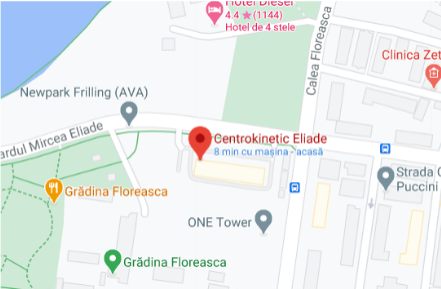
CENTROKINETIC FLOREASCA
Bucharest, 1st District,
Mircea Eliade Street, no. 18,
Eliade Tower, Entrance A, Floor 3
| Navigation | Explore 3D |
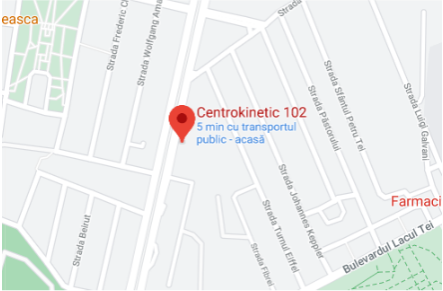
CENTROKINETIC Barbu Vacarescu
Bucharest, 2nd District,
Barbu Vacarescu Street, no. 102,
102 The Address, ground floor.
| Navigation | Explore 3D |
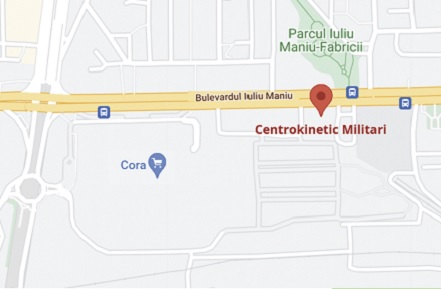
CENTROKINETIC MILITARI
Bucuresti, Sector 6,
Bld. Iuliu Maniu, nr. 15G,
Cladirea PBT, etaj 3.
| Navigation |
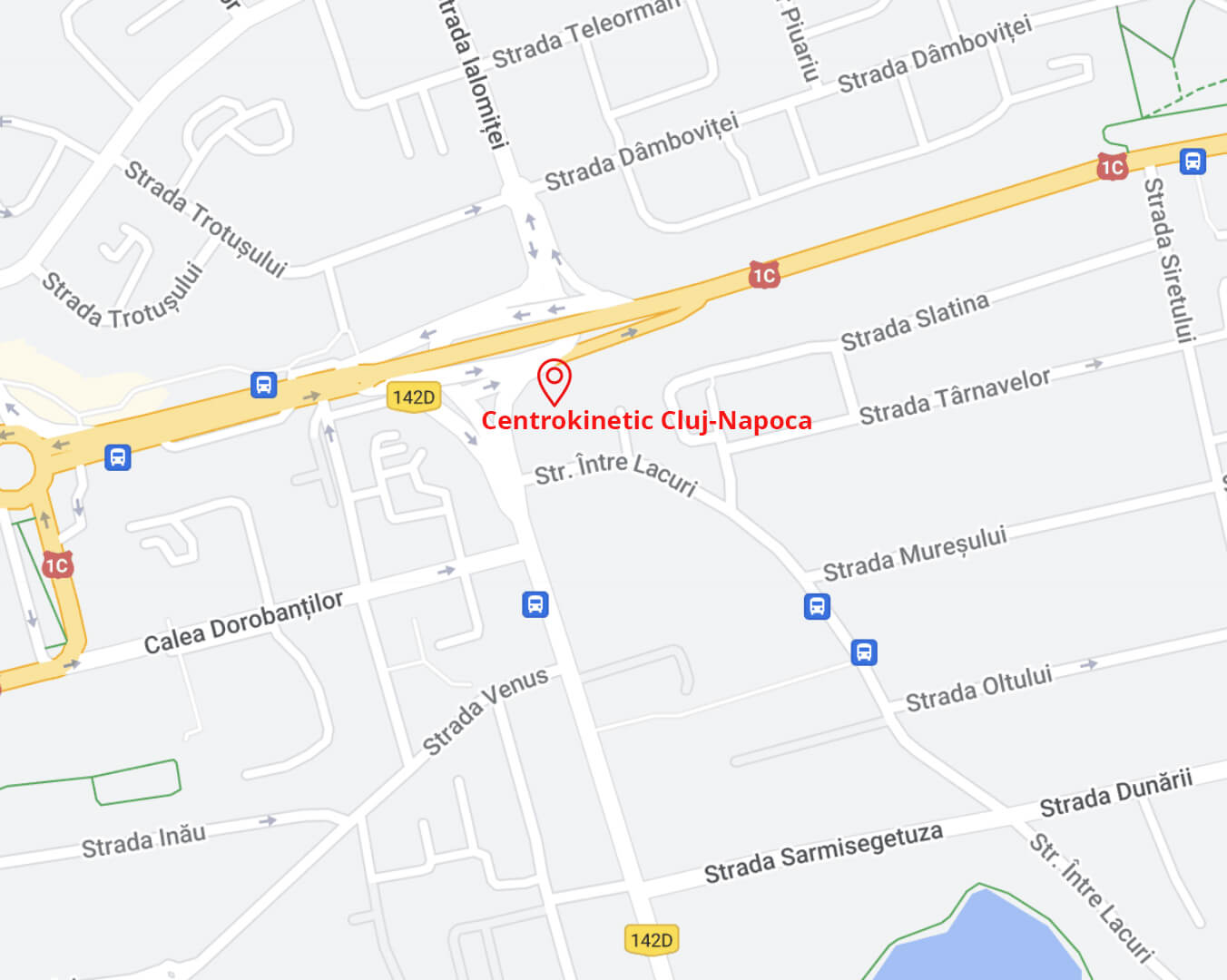
CENTROKINETIC CLUJ-NAPOCA
Cluj-Napoca,
Str. Intre Lacuri, nr.1
Intrarea este in spatele cladirii.
| Navigation |
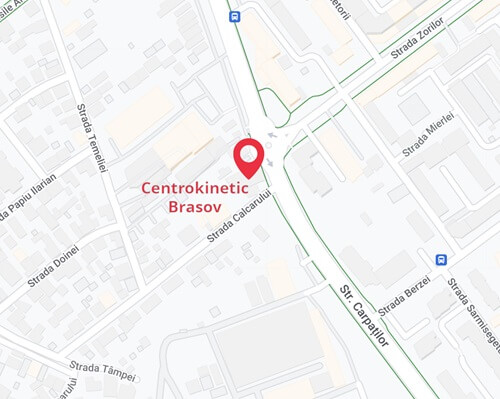
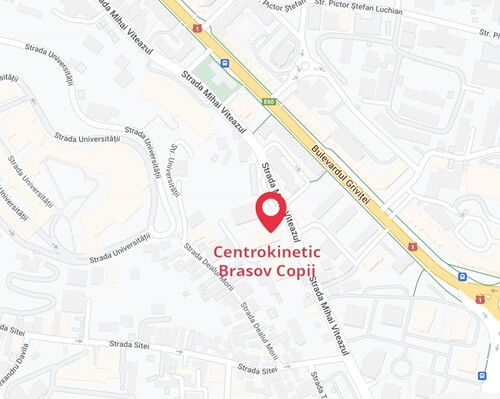
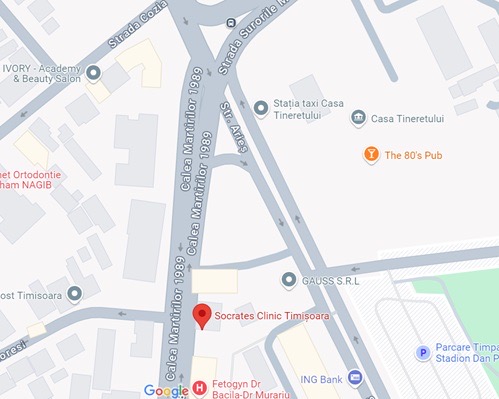
SOCRATES CLINIC TIMISOARA
Timisoara, Calea Martirilor 1989,
nr. 1.
Telefon: 0371 785 374.
| Navigation |
CONTACT
Phone: 0319693
E-mail: programari@centrokinetic.ro
Operating hours:
Monday – Friday: 07:00 – 21:00
Saturday: 09:00 – 14:00
Sunday: closed.
MAKE AN APPOINTMENT