Therapeutic massage for back pain


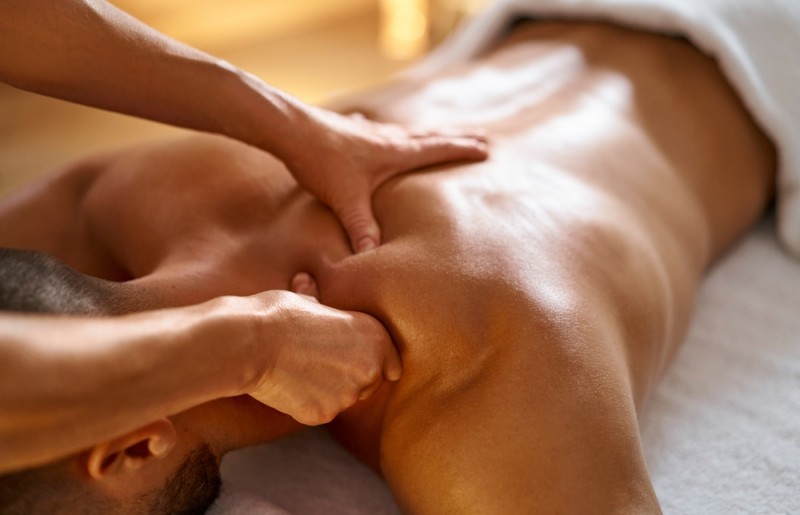 Therapeutic massage for back pain: when is it enough and when do we combine it with physical therapy?
Are you dealing with back pain after long hours at the office or after intense workouts? You are not alone. According to statistics, approximately 80% of adults go through at least one episode of low back pain over the course of their lives. For many, the first choice is therapeutic massage. It relaxes, reduces tension, and brings a sense of well-being almost immediately.
However, many people wonder: is massage enough or do you need a more complex program that also includes physical therapy? The answer depends on the cause of the pain, the duration of the symptoms, and your objectives. If you want to return to sport, move without restrictions, or prevent recurrences, you need a correct assessment and a strategy adapted to your situation.
What does therapeutic massage mean and how does it act on the back?
Therapeutic massage is a manual procedure applied to the soft tissues: muscles, fasciae (membranes that wrap the muscles), tendons, and ligaments. Through specific techniques, the therapist reduces tension, improves circulation, and decreases the perception of pain. In practical terms, a specialist in therapeutic massage:
- identifies the contracted areas or the trigger points (areas that are painful under pressure);
- adapts the pressure depending on tolerance and pathology;
- combines deep, myofascial, or sports massage techniques;
- follows the response of the tissues in real time.
Studies show that massage applied for 8–10 weeks in patients with subacute low back pain leads to a reduction in pain and an improvement in physical function, with effects that can be maintained for a few months after the sessions end. The results are better when the intervention is started early.
What happens in the body during the massage?
Massage does not act only mechanically. It also influences the nervous system:
- the stimulation of the skin and the tissues can reduce the transmission of pain signals to the brain (the gate theory);
- it increases the release of endorphins, substances with a natural analgesic effect;
- it decreases the level of cortisol, a hormone associated with stress;
- it improves the quality of sleep.
That is why many patients say that after the session they sleep better and move more easily the next day.
When is therapeutic massage alone enough?
Massage can be a suitable solution in well-defined situations. In most cases, it represents the main intervention when the pain has a muscular origin and there are no neurological signs.
Acute muscular pain, without radiation
If the pain:
- is localized in the lumbar area or between the shoulder blades,
- appeared after effort, prolonged sitting in a chair, or a sudden movement,
- does not travel down the leg and is not accompanied by numbness,
- improves with heat or light movement,
then the cause is frequently muscular. In these situations, 1–3 sessions can reduce the contracture and speed up the return to usual activities. In general, approximately 90% of episodes of acute low back pain resolve within 4–6 weeks with conservative treatment. Massage can support this natural process.
Tension accumulated at the office
Do you work at the computer daily and feel stiffness in the lumbar or cervical area in the evening? Prolonged posture leads to the contracture of the paravertebral muscles and those in the shoulder area.
In this case, massage:
- relaxes the overloaded muscles;
- improves mobility;
- reduces the sensation of a "blocked back".
Athletes with muscular overload
If you practice cycling or strength training, you can develop tension in the lumbar area due to muscle imbalances. Sports massage helps with recovery and reduces the risk of injury in the short term.
When is massage not enough and physical therapy must be added?
There are situations in which back pain does not have only a muscular component. This is where the difference between temporary relief and solving the cause comes in.
Structural conditions of the spine
If you have been diagnosed with:
- a herniated disc,
- lumbar disc disease,
- spinal canal stenosis,
- spondylolisthesis,
massage can relax the surrounding muscles, but it does not correct the structural problem. In these cases, a program that includes stabilization exercises and specific procedures is indicated.
For more information about causes and symptoms, you can also consult the page dedicated to low back pain.
Neurological symptoms
Consult a doctor if the following appear:
- numbness or tingling down the leg;
- muscle weakness;
- pain that travels below the knee;
- difficulty walking.
These symptoms may indicate the involvement of a nerve root. In such situations, massage applied without control can aggravate the discomfort. A correct assessment establishes whether physical therapy, physiotherapy, or additional investigations are necessary.
Chronic or recurrent pain
If the pain lasts more than 3 months or returns frequently, we are talking about chronic pain. In this case, the combined approach (manual therapy, physical therapy, exercises) reduces the recurrence rate compared to a single method.
Specialists recommend including physical therapy sessions, which can integrate procedures such as:
- TECAR therapy;
- high-intensity laser;
- ultrasound;
- electrotherapy.
These act on inflammation and pain and prepare the tissues for the recovery exercises.
Massage vs. physical therapy — a comparison on relevant criteria 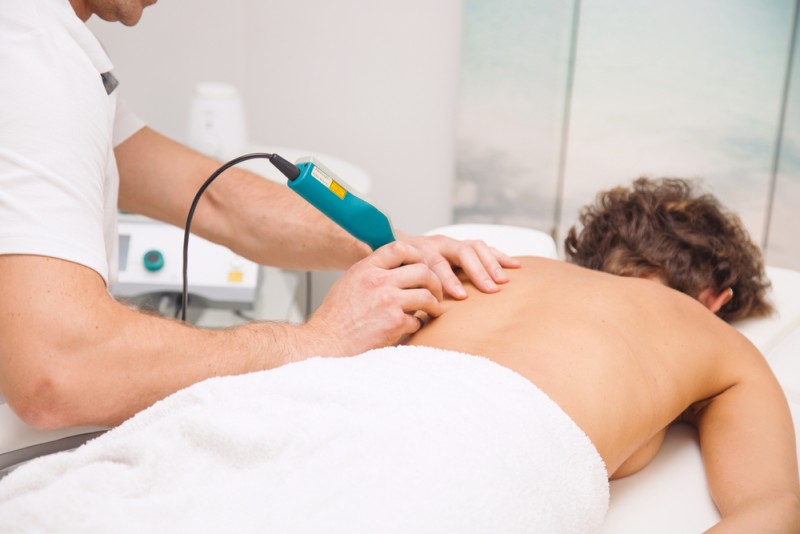
To make an informed decision, analyze the differences:
| Analysis criterion | Therapeutic massage | Physical therapy |
|---|---|---|
| Main objective | Relaxing the muscles, reducing pain in the short term, and improving circulation. | Treating inflammation through physical agents, regenerating tissues, and structured medical recovery. |
| Suitability | Postural tension, muscular pain, and sports overload. | Disc conditions, inflammatory pain, and post-operative recovery. |
| Limitations | Does not strengthen the deep muscles and does not correct spinal instability. | Requires a structured plan; has contraindications (pacemaker, pregnancy, active tumors). |
| Approach | A localized effect, often for immediate comfort. | Part of a complex medical plan for restoring function. |
Often, the most effective option is combining them, in a personalized plan.
What does a combined recovery program at Centrokinetic look like?
A well-structured protocol includes clear stages:
Stage 1 — Pain control
- massage for relaxing the muscles;
- physical therapy procedures for reducing inflammation;
- recommendations regarding daily activity.
Stage 2 — Regaining mobility
- joint mobilizations;
- flexibility exercises adapted to your level;
- correcting posture.
Stage 3 — Stabilization and prevention
- exercises for the deep muscles of the trunk (core);
- functional training;
- education regarding ergonomics.
This personalized approach is indicated for active adults, athletes, post-operative patients, and even adolescents with postural problems. The initial assessment establishes the intensity and the succession of the stages.
Normal reactions and contraindications
After a massage session you may feel:
- local tenderness;
- slight muscle soreness;
- fatigue.
These reactions usually disappear within 24–48 hours.
Massage is not recommended without medical advice in case of:
- recent fractures;
- active infections;
- thromboses;
- severe osteoporosis;
- active tumors.
Why do a correct assessment and early intervention matter?
A seemingly trivial pain can hide a biomechanical problem. If you intervene early:
- you lower the risk of chronicity;
- you avoid muscle compensations;
- you reduce the probability of recurrence;
- you maintain your level of activity.
On the page dedicated to general conditions of the back you can find additional information about the types of back pain and the therapeutic options.
The medical team analyzes your history, performs clinical tests, and establishes whether massage is enough or whether you need a complete recovery program.
How long until the results appear?
The duration varies depending on the diagnosis, age, level of activity, and your involvement.
- Acute muscular pain: improvement after 1–3 sessions;
- Subacute pain: 4–6 weeks of a combined program;
- Chronic pain: 8–12 weeks, with periodic reassessments.
The results are more stable if you follow the recommendations and continue the exercises at home.
Frequently asked questions
Does massage cure a herniated disc?
No. Massage can reduce the associated muscle tension, but it does not eliminate the hernia. For a herniated disc, a plan that includes physical therapy, specific exercises, and medical monitoring is necessary. Consult a specialist for a correct assessment.
Can I have only massage if I have pain that travels down the leg?
It is not recommended to rely exclusively on massage for low back pain of this type. Pain that radiates down the leg may indicate nerve involvement. A medical consultation is recommended for diagnosis and for establishing the appropriate treatment.
How often is massage indicated for prevention?
For maintenance, one session every 3–4 weeks may be enough, depending on your level of activity. Athletes or people with sedentary work may need a different frequency, established after an assessment.
Disclaimer: This material is for informational purposes and does not replace medical consultation. If you are dealing with back pain, do not postpone the assessment. Schedule now for a specialist consultation and find out whether therapeutic massage is enough for you or whether you need a complete recovery program!
Sources of information:
- "Therapeutic Massage: What It Is and 4 Benefits." Cleveland Clinic, 21 Apr. 2025. Accessed on 29 Apr. 2026.
- "Physical Therapy (Physiotherapy)." Cleveland Clinic, 11 Mar. 2024. Accessed on 29 Apr. 2026.
MAKE AN APPOINTMENT
FOR AN EXAMINATION
See here how you can make an appointment and the location of our clinics.
MAKE AN APPOINTMENT
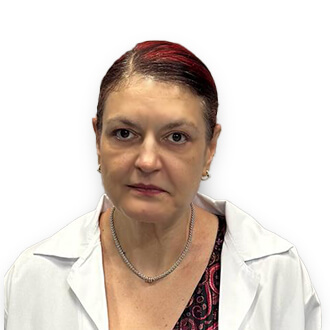
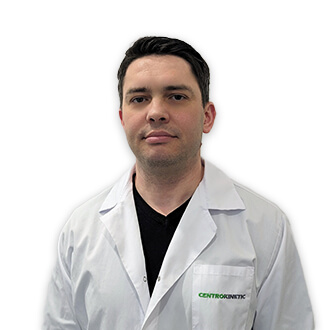
BUCHAREST TEAM



























































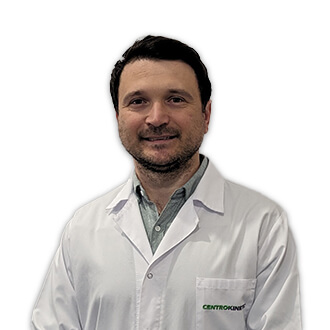
CLUJ NAPOCA TEAM




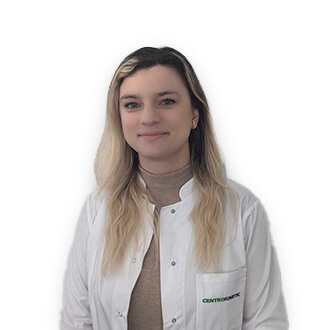
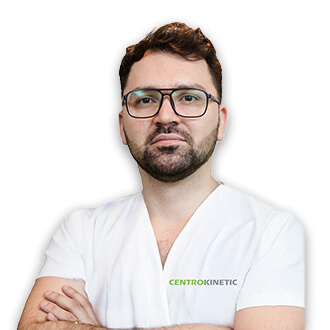




















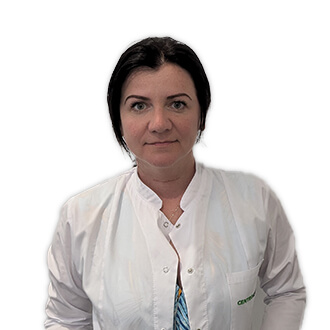





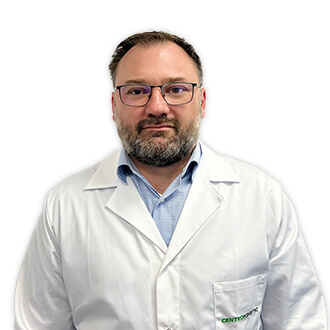
BRASOV TEAM



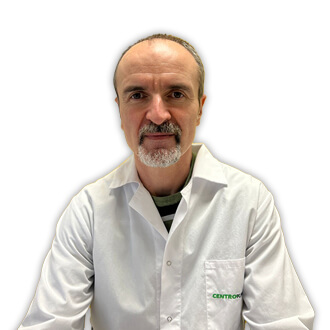












Asiguratori privati




Parteneriate


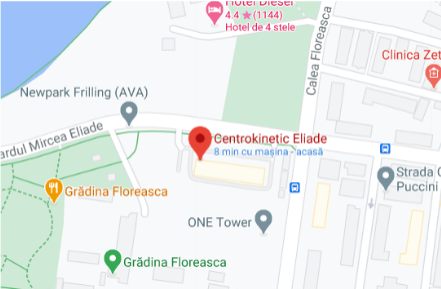
CENTROKINETIC FLOREASCA
Bucharest, 1st District,
Mircea Eliade Street, no. 18,
Eliade Tower, Entrance A, Floor 3
| Navigation | Explore 3D |
CENTROKINETIC Barbu Vacarescu
Bucharest, 2nd District,
Barbu Vacarescu Street, no. 102,
102 The Address, ground floor.
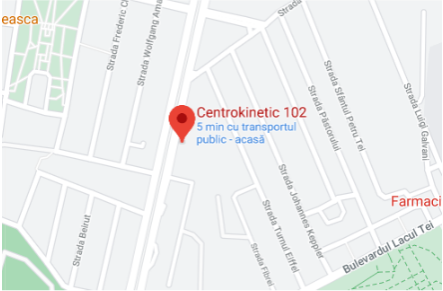
| Navigation | Explore 3D |
CENTROKINETIC MILITARI
Bucuresti, Sector 6,
Bld. Iuliu Maniu, nr. 15G,
Cladirea PBT, etaj 3.
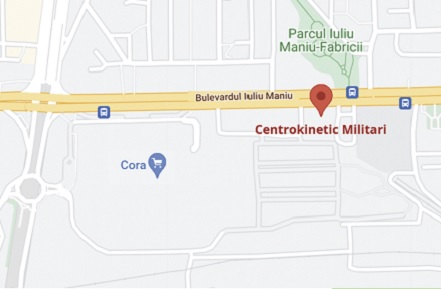
| Navigation |
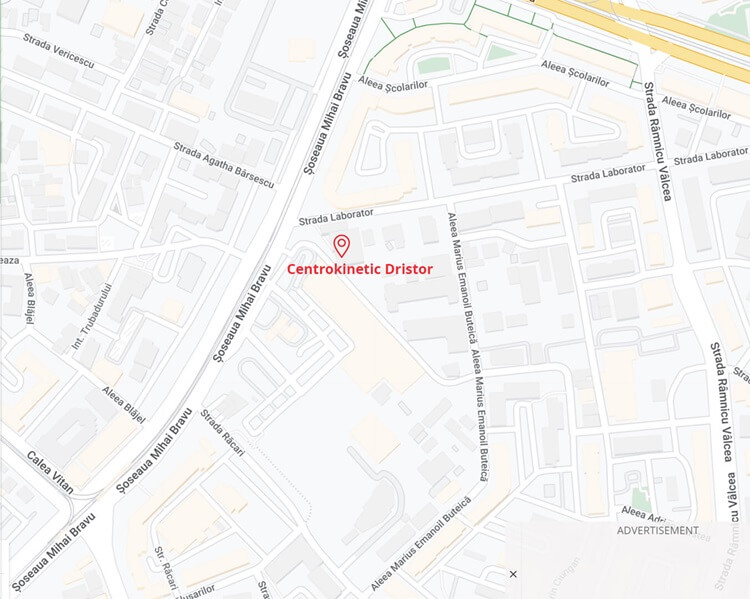
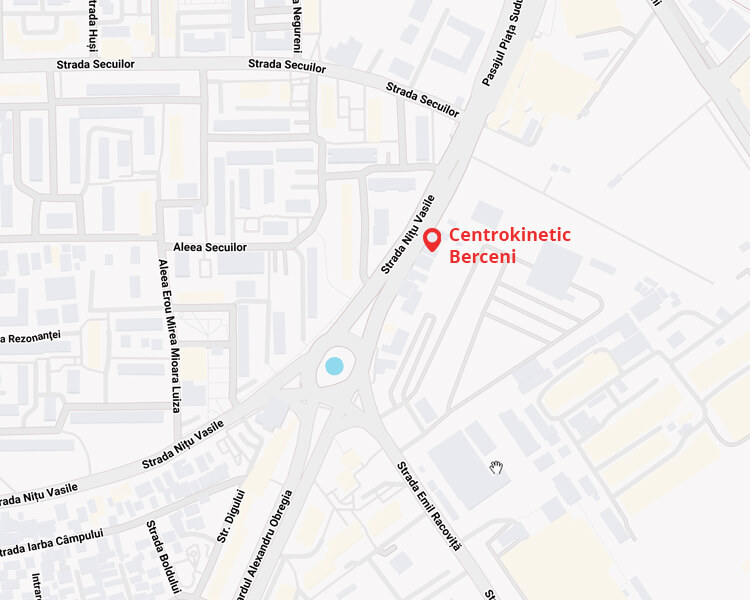
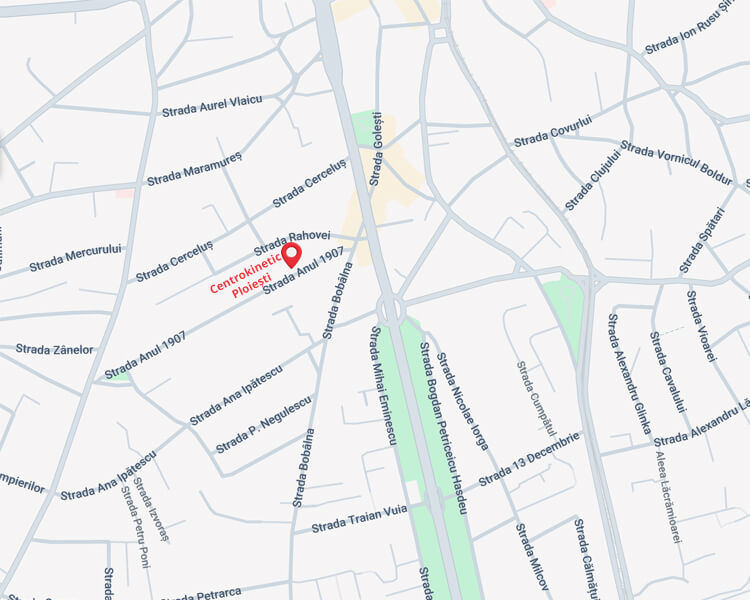
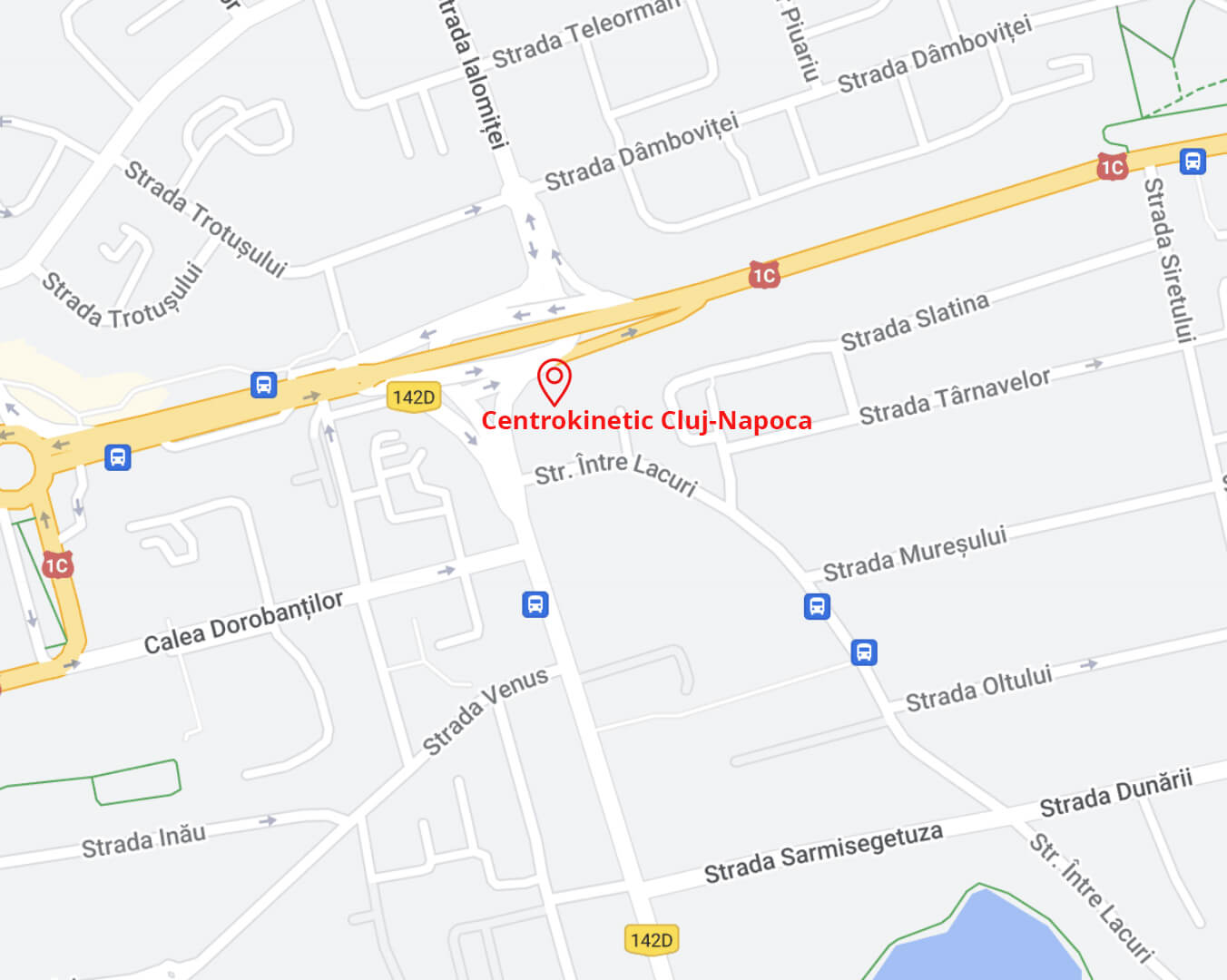
CENTROKINETIC CLUJ-NAPOCA
Cluj-Napoca,
Str. Intre Lacuri, nr.1
Intrarea este in spatele cladirii.
| Navigation |
SOCRATES CLINIC TIMISOARA
Timisoara, Calea Martirilor 1989,
nr. 1.
Telefon: 0371 785 374.
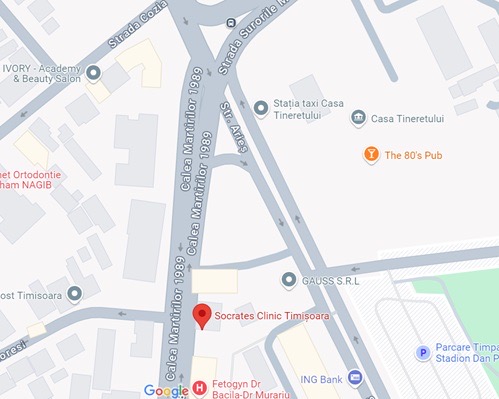
| Navigation |
CONTACT
Phone: 0319693
E-mail: programari@centrokinetic.ro
Operating hours:
Monday – Friday: 07:00 – 21:00
Saturday: 09:00 – 14:00
Sunday: closed.
MAKE AN APPOINTMENT