Tingling in the legs: causes, warning signs and how medical rehabilitation helps



Tingling in the legs, medically known as paresthesia, usually appears after holding a position for a long time and disappears within a few minutes once you start moving again. If it persists, returns frequently or is accompanied by pain, weakness or swelling, it may signal a nerve, vascular, metabolic or lower back problem and requires a medical assessment.
What you need to know now about tingling in the legs:
- Temporary, position-related tingling does not usually indicate a medical condition.
- The most common persistent causes are lower back conditions, diabetic neuropathy and vitamin B12 deficiency.
- Sudden weakness, numbness in the perineal area or urinary problems require immediate medical attention.
- Diagnosis is based on a clinical examination, supplemented when needed by blood tests, Doppler ultrasound, EMG or MRI.
- Medical rehabilitation is especially recommended when symptoms are related to the spine, posture or muscle control.
What is tingling in the legs?
Tingling in the legs refers to abnormal sensations in the skin, such as pins and needles, numbness or burning, which doctors call paresthesia. It occurs when a nerve is compressed, irritated or damaged and sends altered signals to the brain.
Holding a position for too long can temporarily compress nerves and blood vessels. For example, your leg may go numb after squatting or sitting with your legs crossed. In most cases, the sensation disappears within a few minutes after changing position.
Occasional tingling does not usually require tests if it:
- disappears quickly once you start moving;
- is not accompanied by severe pain or weakness;
- does not affect your walking and balance;
- does not return frequently and does not spread.
What does the location of the tingling indicate?
The location of the tingling gives your doctor clues about the cause, but it is not enough to make a diagnosis. Other details are also relevant: whether symptoms appear in one leg or both, how they evolve and which activities make them worse.
| Tingling pattern | Possible areas of assessment |
| In both legs, from the calves to the soles | Peripheral neuropathy, diabetes or vitamin B12 deficiency |
| From the buttock to the calf and toes | Sciatica, herniated disc or irritation of a lumbar nerve |
| In the sole of the foot, especially at night | Neuropathy or local nerve compression |
| When walking, with cramps and cold feet | Peripheral artery disease |
| Progressive, with loss of balance | Lumbar stenosis or a neurological condition |
Note how long the episodes last and how they relate to walking, sport, your desk posture or rest. This information helps the medical team recommend the right tests.
What causes tingling in the legs?
Tingling in the legs can have mechanical causes, such as prolonged positions or lower back conditions, as well as neurological, circulatory or metabolic causes, such as diabetes and vitamin B12 deficiency. The intensity of the sensation does not always reflect the severity of the condition, which is why the diagnosis must be made by a doctor.
Prolonged positions and a sedentary lifestyle
Sitting or staying in a fixed position for a long time, tight footwear and local pressure can compress nerves. Get up regularly, walk for a few minutes and change position. If you play sports, check your equipment too, as shoes that are too tight can irritate the nerves of the foot.
Lower back conditions
Degenerative disc disease, disc protrusion, herniated disc and lumbar spinal stenosis can irritate the nerve roots. The tingling sometimes follows a path from the lower back or buttock down to the calf and toes. Pain, altered sensation or reduced muscle strength may also occur.
If you have had surgery, follow the recommendations on recovery after herniated disc surgery or the instructions specific to your situation. A progressive program helps you resume activities under controlled conditions.
Peripheral neuropathies
Peripheral neuropathy is damage to the nerves outside the brain and spinal cord. Diabetes is the most common cause and usually produces a burning sensation and symmetrical numbness in the soles of the feet, especially at night. Excessive alcohol consumption, certain treatments and exposure to toxic substances can also affect the nerves.
If you have diabetes, check the skin on your feet every day. Reduced sensation can mean that a wound, blister or burn goes unnoticed.
Circulatory problems
Peripheral artery disease can cause cramps while walking, cold feet and changes in skin color. Venous insufficiency mainly causes a feeling of heaviness and swelling after standing for long periods.
Painful swelling of one leg, accompanied by redness and local warmth, may indicate venous thrombosis. In this situation, stop massage and exercise and seek a medical assessment quickly.
Nutritional deficiencies and metabolic diseases
Vitamin B12 deficiency, diabetes, prediabetes, thyroid conditions and kidney disease can cause paresthesia. Supplements do not treat tingling unless there is a deficiency confirmed by blood tests.
Do not take vitamins, supplements or medication without the recommendation of a doctor or pharmacist. Excessive doses can cause side effects, and too much vitamin B6 can even damage the peripheral nerves.
Pregnancy, stress and neurological causes
During pregnancy, fluid retention and changes in posture can compress nerves. Anxiety and rapid breathing can worsen paresthesia, but the doctor must first rule out other causes.
Less commonly, symptoms appear in autoimmune conditions, multiple sclerosis or Guillain-Barre syndrome. Tingling that rises from the feet and is accompanied by progressive weakness requires immediate evaluation.
When is tingling in the legs a warning sign?
Tingling becomes a warning sign when it appears suddenly or is accompanied by loss of strength, urinary problems, numbness in the perineal area or acute neurological or circulatory signs. In these situations, call 112 or go to the emergency department.
Seek emergency help if you notice:
- sudden weakness on one side of the body, facial asymmetry or slurred speech;
- rapid loss of strength in one or both legs;
- a leg that is very cold, pale, bluish and painful;
- shortness of breath or chest pain, accompanied by swelling of one leg;
- tingling and severe lower back pain after an injury.
Perineal numbness, also known as "saddle anesthesia", new difficulty urinating, incontinence and weakness in both legs may indicate cauda equina syndrome. This situation requires immediate medical attention.
Book a consultation as soon as possible if the tingling persists, gets worse, affects your walking or is accompanied by fever, unexplained weight loss or swelling. For children, seek a pediatric assessment if symptoms return, change the way they walk or appear after an injury.
How does the doctor determine the cause of the tingling?

The doctor determines the cause through your medical history and a clinical examination, checking strength, sensation, reflexes, walking, balance and circulation. Depending on the results, they may recommend:
- blood tests for blood sugar, HbA1c, vitamin B12, thyroid function and kidney function;
- a Doppler ultrasound to assess arterial or venous circulation;
- electromyography (EMG), to assess nerve and muscle function;
- a lumbar MRI, if compression of a nerve root is suspected.
Do not have tests done without a medical recommendation. A proper assessment reduces the risk of unsuitable treatment and directs you to the right specialty. The medical team may include neurologists, rehabilitation doctors, orthopedic surgeons, vascular surgeons and physiotherapists.
Patients in Prahova County can request a neurology consultation in Ploiesti. The clinical assessment and functional tests support the choice of treatment plan.
Why do a proper assessment and early intervention matter?
A proper assessment identifies the source of the symptoms, and early intervention can limit loss of strength, reduced mobility and the development of compensatory movement patterns. Treatment started at the right time supports a more effective recovery, while delaying the consultation can allow symptoms to persist and make treatment more difficult.
Benefits of a proper assessment:
- you identify the likely cause of the tingling;
- you avoid self-medication and contraindicated exercises;
- you start the right treatment at the right time;
- you benefit from a personalized approach;
- you gradually return to your daily and sporting activities.
If your symptoms affect your sleep, work or sport, also read about when to see a doctor for pain that won't go away.
How does medical rehabilitation help with tingling in the legs?
Medical rehabilitation helps especially when the tingling is related to the lower back, posture, mobility or muscle control. The program begins once the doctor confirms that active therapy is safe, and it aims to reduce nerve irritation and restore function.
Functional assessment
The physiotherapist analyzes your posture, spine and hip mobility, strength, walking and balance. The specialist then identifies the movements that reduce the symptoms and those that spread them toward the calf or foot.
The expertise of the medical team allows the program to be adapted to your diagnosis, age, activity level and goals. An athlete may aim to return to training, while a patient who has had surgery needs to gradually build up tolerance to walking and effort.
Program goals
The personalized program may aim at:
- reducing pain and nerve irritation;
- increasing mobility within tolerable limits;
- improving strength and lumbopelvic control;
- retraining walking and balance;
- a progressive return to usual activities;
- reducing the risk of recurrence.
The rehabilitation medicine specialist may recommend physiotherapy, neural mobilization exercises, manual therapy, balance training and ergonomic education. Neural mobilization uses controlled movements that help the nerve glide among the surrounding tissues. This method is not suitable for all patients.
When is rehabilitation postponed?
The team postpones or modifies the program if it suspects thrombosis, acute ischemia, infection, a recent injury, cauda equina syndrome or a progressive neurological deficit. Exercises are stopped if new weakness, spreading numbness or severe pain appears.
What can you do at home and what should you avoid?
For mild symptoms clearly related to position, change your posture, walk for a few minutes and gently move your ankles. Take regular breaks at your desk, adjust the height of your chair and wear footwear suited to the activity.
Avoid:
- intense massage and applying heat to a swollen, red or warm leg;
- general exercise programs if you have weakness, severe pain or balance problems;
- anti-inflammatories or supplements without the recommendation of a doctor or pharmacist.
What are the next steps if you have tingling in your legs?
In short: note when the symptoms appear and how long they last, seek emergency help if you notice warning signs, book an assessment if the tingling persists and start medical rehabilitation only after a diagnosis has been made.
At Centrokinetic, neurologists, rehabilitation doctors and physiotherapists work together on a plan adapted to your needs. Book now for a specialist consultation!
Frequently asked questions about tingling in the legs
Can tingling in the legs be caused by the spine?
Yes. Irritation of the lumbar nerves can cause pain and tingling that travels down one leg. Book a consultation if the symptoms persist, spread or reduce your muscle strength.
Can tingling in the legs indicate thrombosis?
Isolated tingling is not a typical sign of thrombosis. However, painful swelling of one leg, redness and local warmth require a prompt medical assessment.
Do magnesium and B vitamins help?
They can help if blood tests confirm a deficiency or if your doctor identifies a reason to take them. Taking them without a valid reason can delay the diagnosis and cause side effects.
Why does tingling occur mainly at night?
Sleeping position, neuropathies and certain nerve compressions can make symptoms worse at night. See a doctor if the episodes become frequent or affect your sleep.
When is medical rehabilitation recommended?
Medical rehabilitation is recommended after a medical assessment, if the source of the symptoms allows active therapy. For a plan adapted to your needs, book now for a specialist consultation.
Disclaimer: The information presented is for informational purposes only and does not replace a specialist medical consultation.
Sources:
- "Peripheral Neuropathy." National Institute of Neurological Disorders and Stroke, National Institutes of Health, 13 Mar. 2026, [www.ninds.nih.gov/health-information/disorders/peripheral-neuropathy](https://www.ninds.nih.gov/health-information/disorders/peripheral-neuropathy). Accessed 16 Oct. 2026.
- "Pins and Needles." NHS, 4 Jan. 2024, [www.nhs.uk/symptoms/pins-and-needles](https://www.nhs.uk/symptoms/pins-and-needles). Accessed 16 Oct. 2026.
BUCHAREST TEAM









































































CLUJ NAPOCA TEAM


































BRASOV TEAM


















MAKE AN APPOINTMENT
FOR AN EXAMINATION
See here how you can make an appointment and the location of our clinics.
MAKE AN APPOINTMENT
Asiguratori privati





Parteneriate



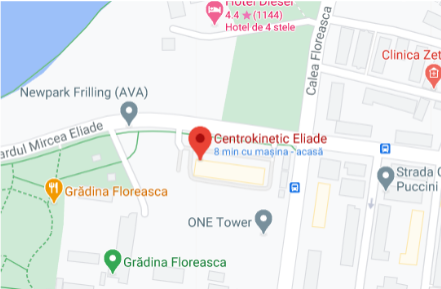
CENTROKINETIC FLOREASCA
Bucharest, 1st District,
Mircea Eliade Street, no. 18,
Eliade Tower, Entrance A, Floor 3
| Navigation | Explore 3D |
CENTROKINETIC Barbu Vacarescu
Bucharest, 2nd District,
Barbu Vacarescu Street, no. 102,
102 The Address, ground floor.

| Navigation | Explore 3D |
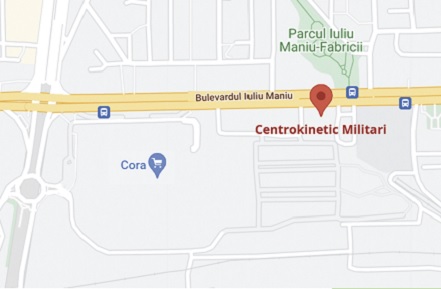
CENTROKINETIC MILITARI
Bucuresti, Sector 6,
Bld. Iuliu Maniu, nr. 15G,
Cladirea PBT, etaj 3.
| Navigation |
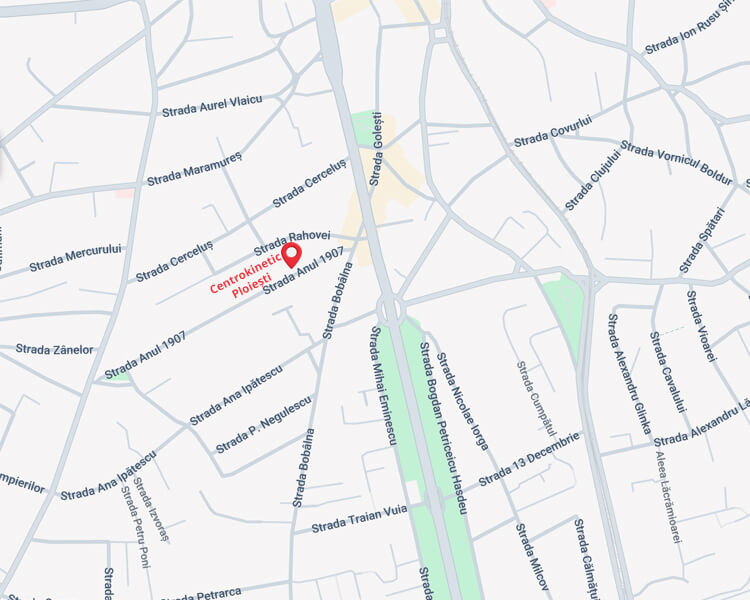
CENTROKINETIC CLUJ-NAPOCA
Cluj-Napoca,
Str. Intre Lacuri, nr.1
Intrarea este in spatele cladirii.

| Navigation |


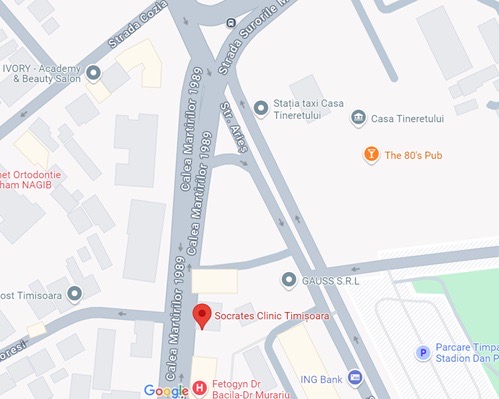
SOCRATES CLINIC TIMISOARA
Timisoara, Calea Martirilor 1989,
nr. 1.
Telefon: 0371 785 374.
| Navigation |
CONTACT
Phone: 0319693
E-mail: programari@centrokinetic.ro
Operating hours:
Monday – Friday: 07:00 – 21:00
Saturday: 09:00 – 14:00
Sunday: closed.
MAKE AN APPOINTMENT