
See details
READ MORE

.jpg)
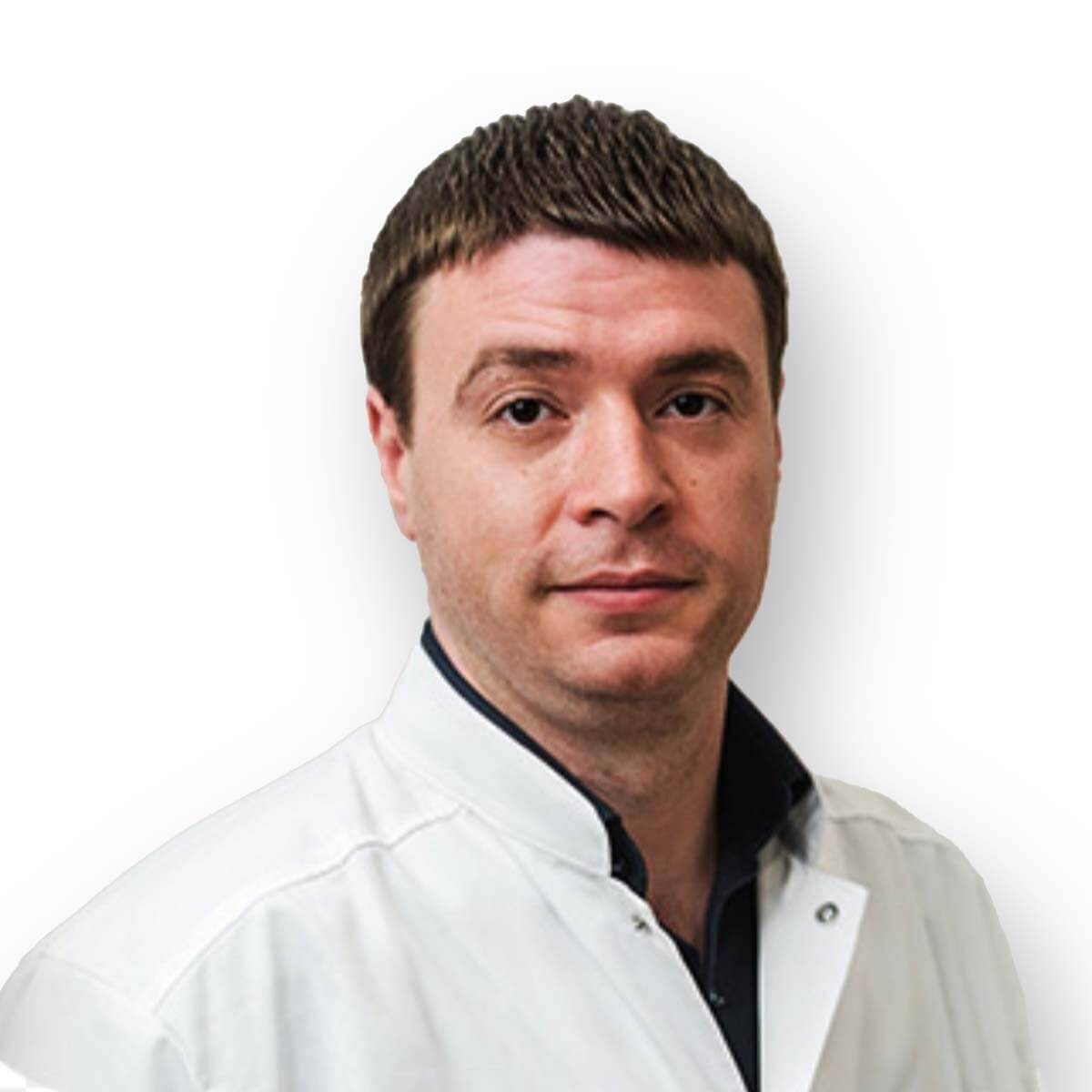
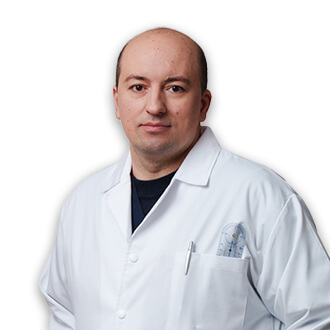
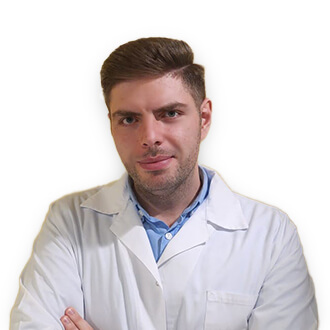
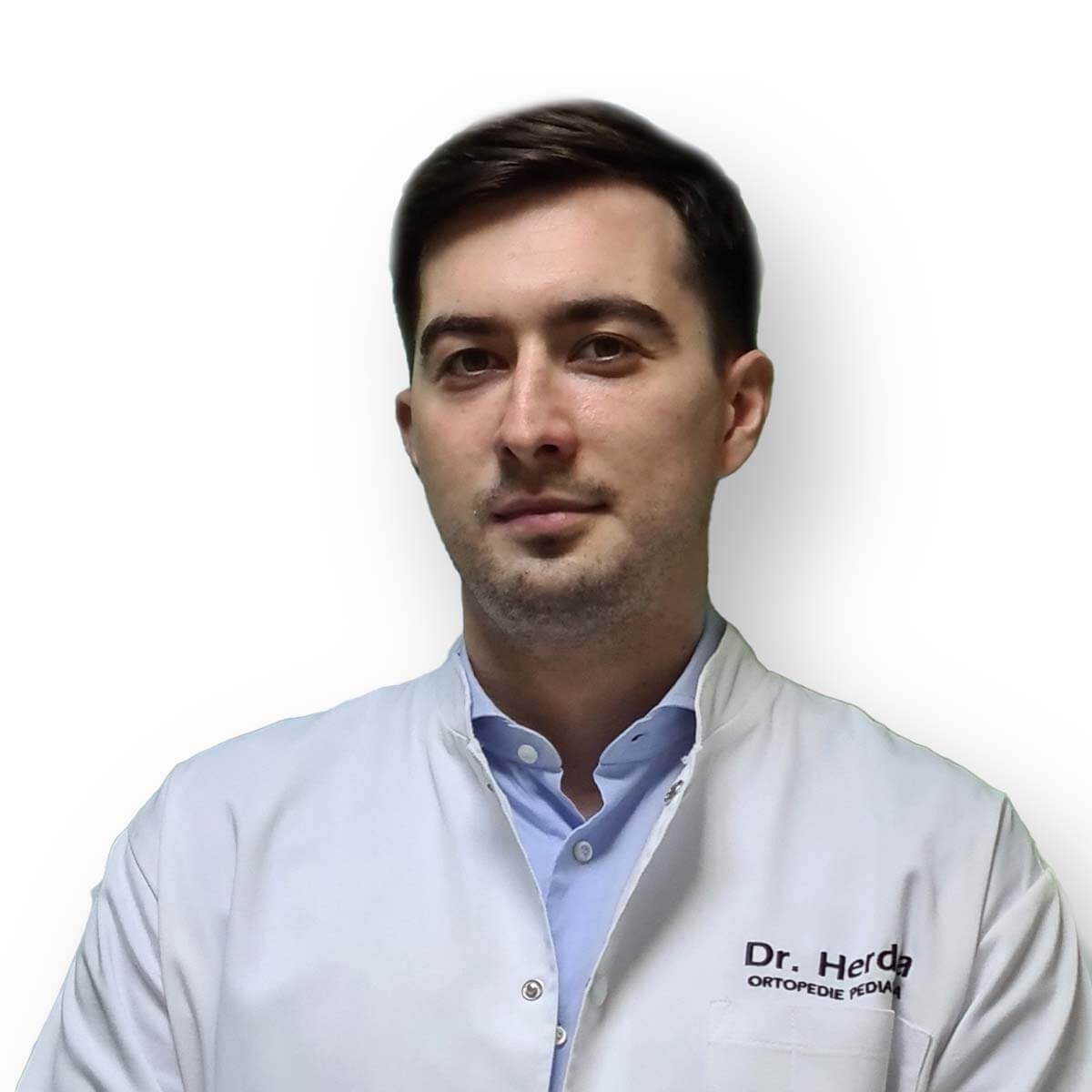
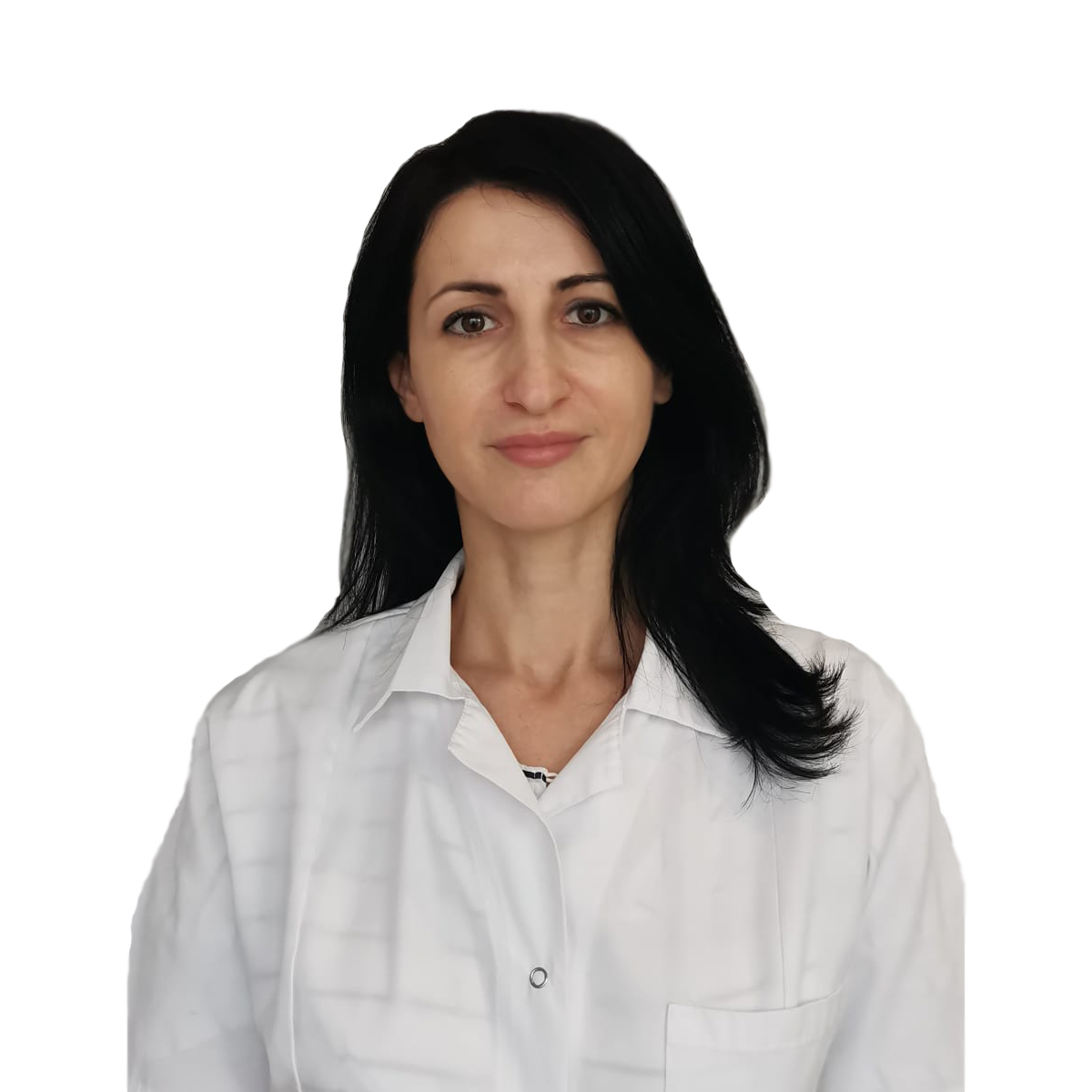
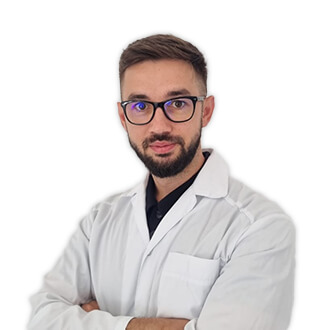
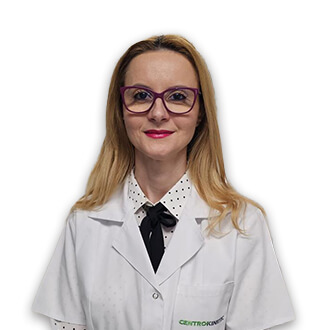
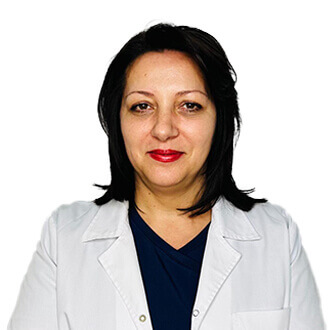
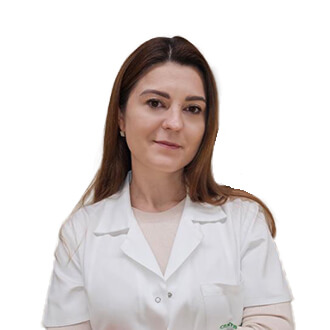
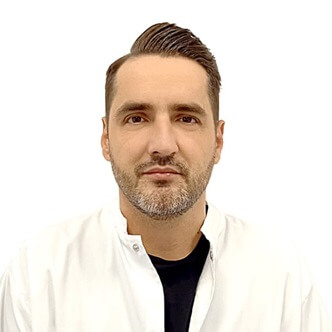
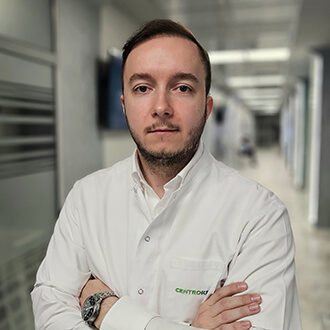
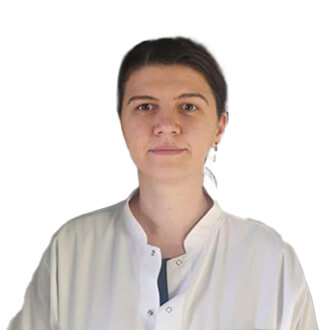
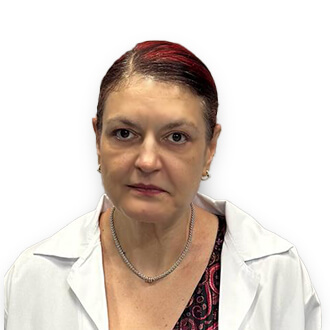
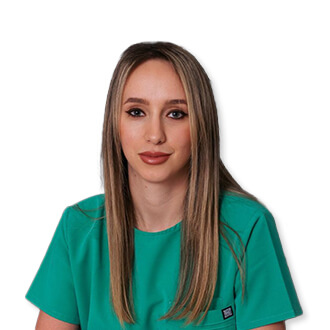
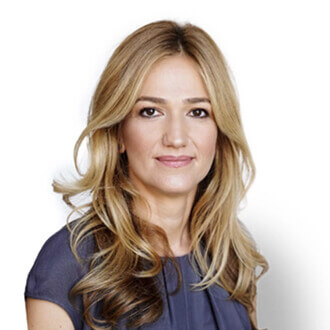
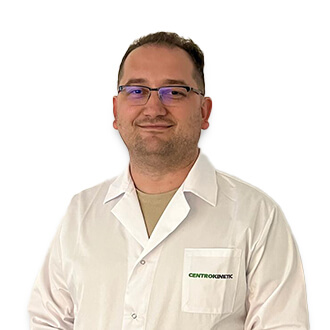
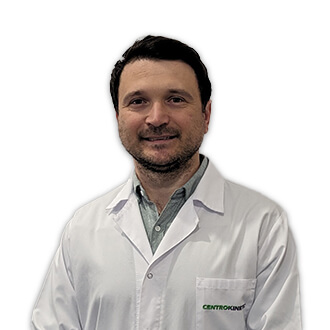
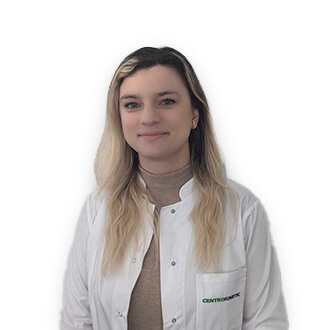
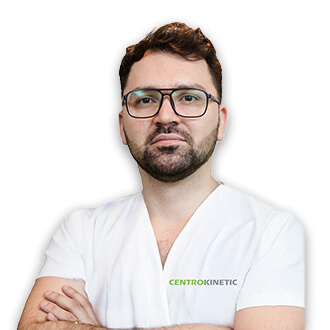
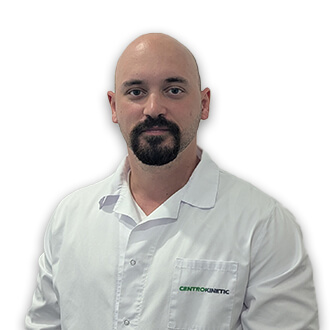
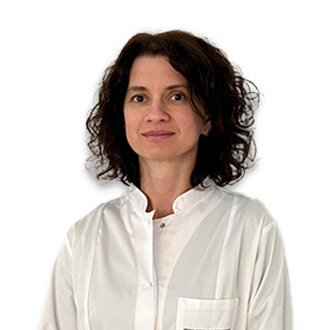
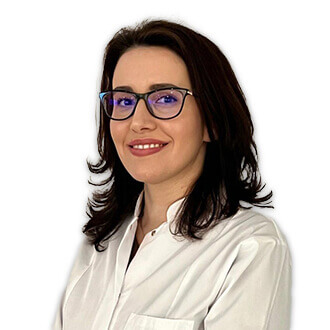
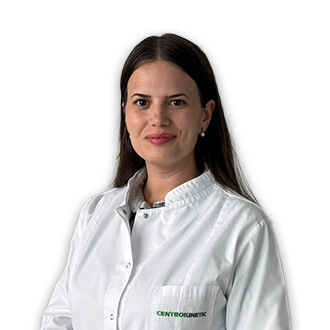
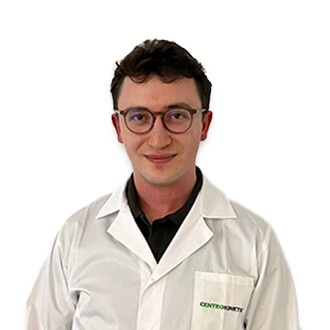
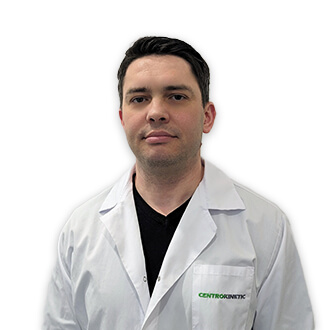
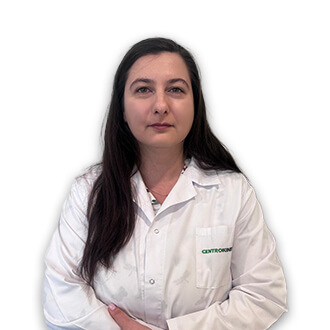
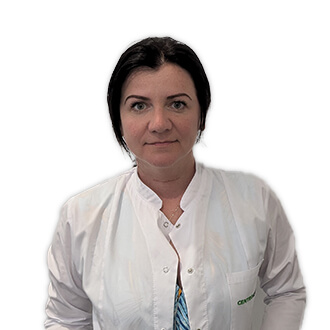
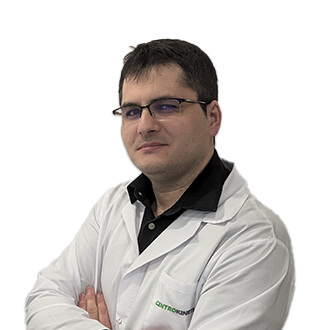
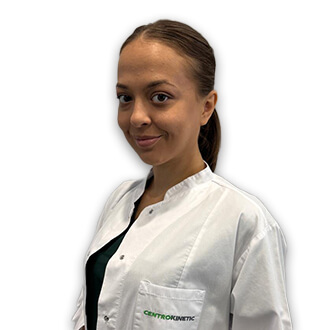
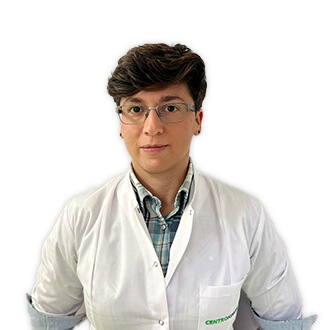
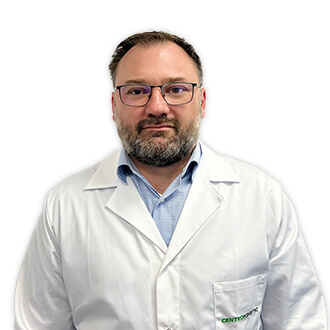
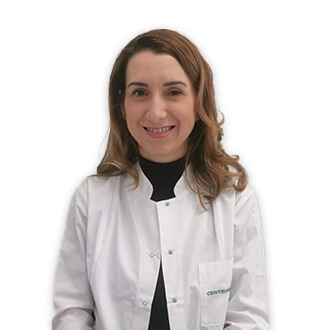
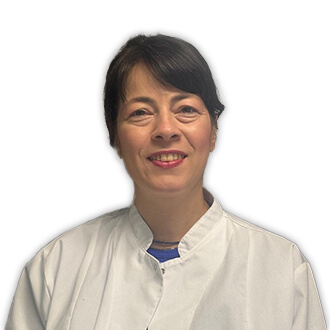
Centrokinetic welcomes patients with the first concept in the field of pelvic condition rehabilitation in Romania, a project designed for both women and men, through which we address pelvic pain of urological, orthopedic, neurological or rheumatological nature, urinary incontinence problems in women, and erectile dysfunction in men. The department is coordinated by Dr. Minciuna, senior urologist, highly specialized in diagnosing and treating these problems. Alongside Dr. Minciuna, this department also includes:
Meet our medical rehabilitation doctors in Bucharest.
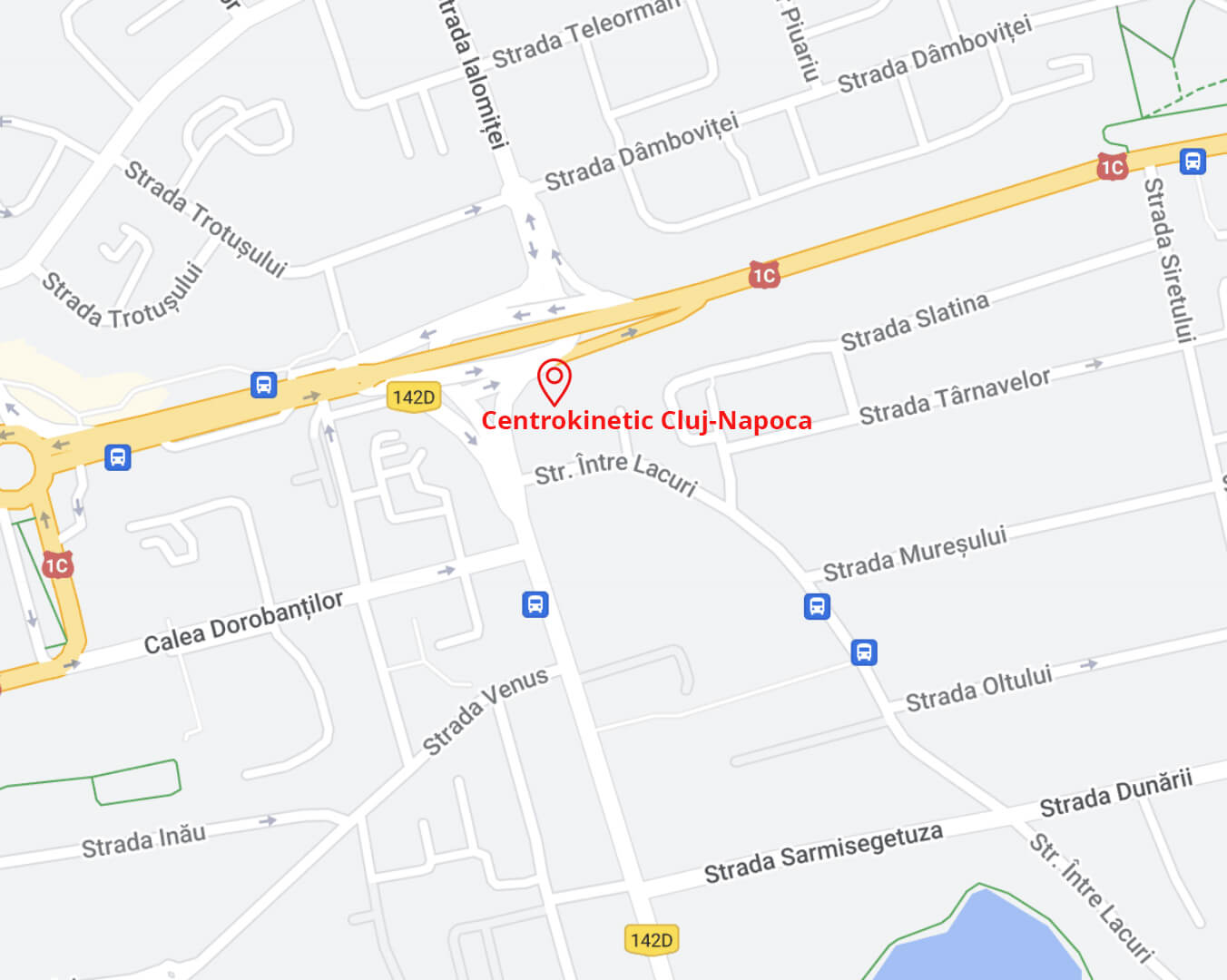
Meet our medical rehabilitation doctors in Cluj-Napoca.
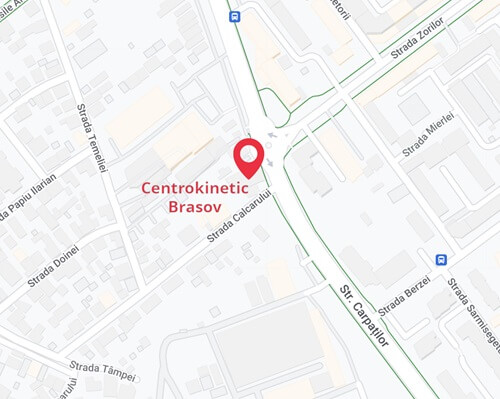
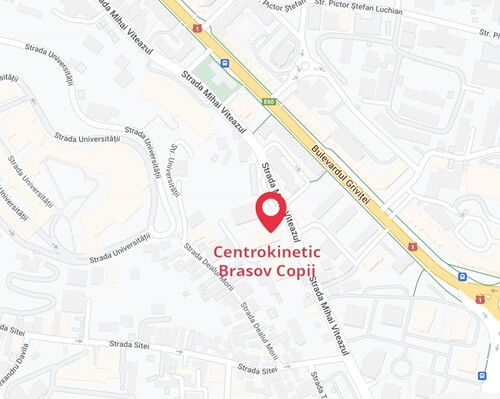
Meet our doctors in Brasov:
Meet our medical rehabilitation doctors in Timisoara.
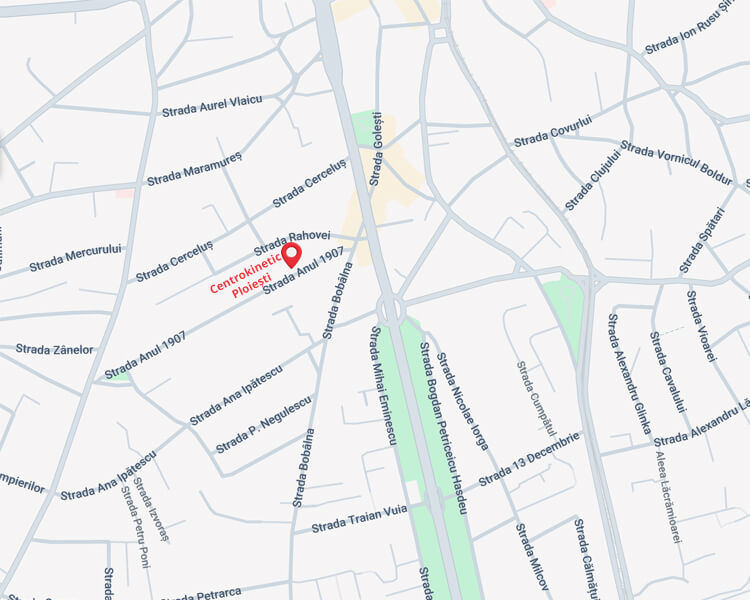
Meet our medical rehabilitation doctor in Ploiesti.
Urinary incontinence (UI) has a prevalence of 30-40% in women who have given birth and in menopause. Women may be reluctant to discuss UI, as well as the degree to which it can negatively impact their quality of life, for numerous reasons, including embarrassment and fear related to treatment options. Women consistently express a desire to address urinary incontinence in a non-surgical and discreet way.
The pelvic floor muscles support the pelvic organs and help control continence. Due to physiological changes, such as the aging of the body, childbirth or hormonal changes, deconditioning of the pelvic musculature causes it to no longer provide sufficient support for the pelvic organs and control of urinary continence. This leads to pelvic muscle dysfunction with a direct consequence toward incontinence.
There are 3 types of UI, which include stress urinary incontinence (SUI), urge incontinence and mixed urinary incontinence (MUI).
The clinical symptoms of stress urinary incontinence (SUI) are associated with involuntary urine leakage during an increase in intra-abdominal pressure (for example, coughing, sneezing, laughing, lifting, etc.). The cause of SUI is the occurrence of an imbalance between the decrease in pelvic muscle tone and the increase in abdominal pressure. Stress urinary incontinence is often associated with vaginal childbirth; studies have shown that 78.5% of women could not properly contract their pelvic floor muscles 1 year after giving birth. Stress urinary incontinence also occurs in the post-menopausal period. The weakening of the pelvic floor muscles is caused by the reduction in estrogen levels. In the case of SUI, treatment options range from exercises to increase pelvic muscle tone (for example, Kegel exercises), intravaginal electrotherapy, hormone therapy, up to surgery.
Surgery is generally recommended only in severe cases of SUI, and the vast majority of female patients are reluctant to undergo surgery, especially due to adverse effects, such as bleeding, the development of urge incontinence due to the inability to fully empty the bladder, and decreased sexual satisfaction.
Urge incontinence is associated with an intense urge to urinate, during which the bladder contracts pathologically without cause. It is a neuromuscular dysfunction, usually representing a symptom of an underlying disease (for example, diabetes mellitus). Traditional treatment for urge incontinence usually involves medication treatment.
A third type - mixed urinary incontinence (MUI) - usually includes a combination of the symptoms of the two previously mentioned types. Treatments for MUI usually involve a combination of muscle toning exercises and medication therapies.
There are disadvantages to current treatment methods. In the case of stress urinary incontinence, one of the main problems with pelvic floor exercises is patients' inability to selectively contract their pelvic muscles and maintain a routine of physical exercises. Kegel exercises are the most common form of exercise, but they have not proven to be very effective.
Another available treatment is intravaginal electrotherapy and biofeedback. A common concern with intravaginal electrostimulation is electrode placement, which can cause discomfort to the patient. Adverse effects can include bleeding, localized pain or tissue irritation.
Surgical interventions are invasive and can also include adverse effects.
Pharmacotherapy is not targeted, and adverse reactions can occur, such as dry mouth, constipation and indigestion. Today, both doctors and their patients are looking for a solution that meets the criteria of providing an effective clinical result through a non-invasive method.
Centrokinetic presents a study that follows the results of a new non-surgical treatment that can offer an accessible and discreet solution to this common problem. This is a retrospective study investigating the effectiveness of the treatment using quantified data, as well as the impact on the quality of life of women with incontinence, using a device - High-Intensity Focused Electromagnetic Technology.
High-Intensity Focused Electromagnetic Technology uses a focused electromagnetic field, with its intensity measured in Tesla. Such an intense electromagnetic field passes non-invasively through the pelvic floor area, interacts with motor neurons, and subsequently triggers supramaximal contractions of the pelvic musculature due to the action potential.
Maximum voluntary contraction is the greatest amount of tension that could be physiologically developed and maintained by the pelvic floor musculature for a few seconds. The technology triggers supramaximal contractions of the pelvic musculature and maintains them for a few seconds. Supramaximal contractions are independent of brain function and directly target the motor neurons in the pelvic floor area. This phenomenon cannot normally be achieved through voluntary muscle action (for example, a Kegel exercise).
20 women, aged 45 to 77 (58.63 ± SD = 9.86) who presented with urinary incontinence, including stress incontinence and mixed UI, were included in a pilot study. All patients completed a total of 6 treatments performed twice a week for 3 consecutive weeks. Twenty patients completed the King's Health Questionnaire (KHQ) before and after treatment. The same data was also collected during the 3- and 6-month follow-up. In addition, patients reported the frequency of urine leakage episodes and pad usage.
The main inclusion criteria were female patients with stress urinary incontinence, urge incontinence or mixed UI. Women with pacemakers, metal implants, blood circulation disorders, tumors, fever, menstruation, and pregnant women were excluded from the study.
All patients completed 6 therapy sessions, twice a week. Patients were instructed by medical staff to sit on the REMED chair with a straight spine, feet on the ground, hips, knees and ankles flexed at a right angle. Throughout the procedure, patients remained fully clothed. The duration of the therapy was set at 20 minutes.
A frequency ranging from 20-50 Hz with intensity modulation was used to achieve gradual stimulation of the motor unit. Intensity was set according to patient feedback and comfort in order to achieve supramaximal PFM contractions.
The treatment significantly improved quality of life scores in all patients. There was a 60% improvement, maintained at the 6-month follow-up. Nearly 75% of patients noted that urinary leakage was significantly reduced, or that they even achieved a complete absence of urinary loss, and maintained these results through follow-up.
In the pre-treatment period, 16 patients used an average of 2 sanitary pads per 24 hours. During the 3-month follow-up, 6 patients used 0.6 pads, and 10 patients stopped using them completely. Twenty patients completed the 6-month follow-up, with eleven patients completely cured and 5 patients using 0.5 pads in 24 hours. The vast majority of patients reduced their use of sanitary pads to a minimal level or eliminated them completely.
The results suggest that this technology significantly improves quality of life and reduces urinary incontinence in female patients after pregnancy and menopause who present with all types of incontinence. This study confirms that further investigation is warranted.
Centrokinetic is the place where you will find clear answers and effective solutions for musculoskeletal conditions. Our clinic, dedicated to musculoskeletal disorders, is organized into the following specialized departments:
Stay up to date by following Centrokinetic on Facebook, Instagram, and YouTube.
See details
READ MORESee details
READ MORESee details
READ MORESee here how you can make an appointment and the location of our clinics.







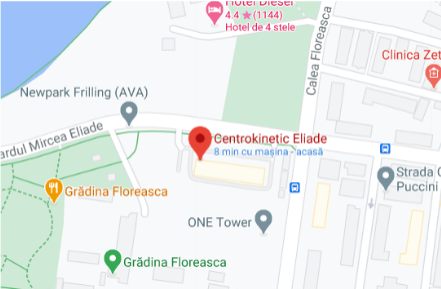
CENTROKINETIC FLOREASCA
Bucharest, 1st District,
Mircea Eliade Street, no. 18,
Eliade Tower, Entrance A, Floor 3
| Navigation | Explore 3D |
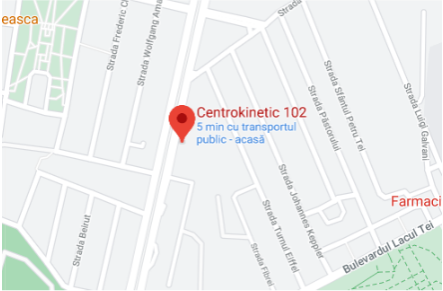
CENTROKINETIC Barbu Vacarescu
Bucharest, 2nd District,
Barbu Vacarescu Street, no. 102,
102 The Address, ground floor.
| Navigation | Explore 3D |
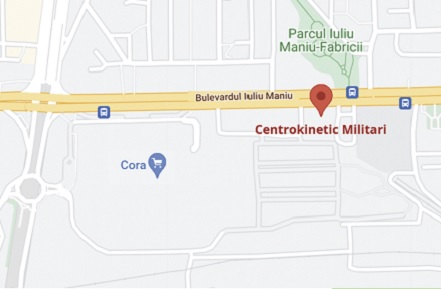
CENTROKINETIC MILITARI
Bucuresti, Sector 6,
Bld. Iuliu Maniu, nr. 15G,
Cladirea PBT, etaj 3.
| Navigation |
CENTROKINETIC CLUJ-NAPOCA
Cluj-Napoca,
Str. Intre Lacuri, nr.1
Intrarea este in spatele cladirii.
| Navigation |
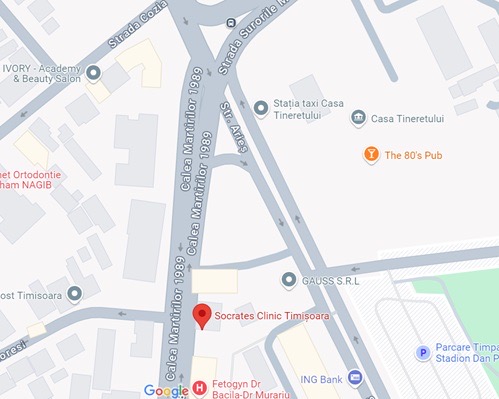
SOCRATES CLINIC TIMISOARA
Timisoara, Calea Martirilor 1989,
nr. 1.
Telefon: 0371 785 374.
| Navigation |
Phone: 0319693
E-mail: programari@centrokinetic.ro
Operating hours:
Monday – Friday: 07:00 – 21:00
Saturday: 09:00 – 14:00
Sunday: closed.
MAKE AN APPOINTMENT