Varicose Veins or Venous Insufficiency? How to Tell the Difference?


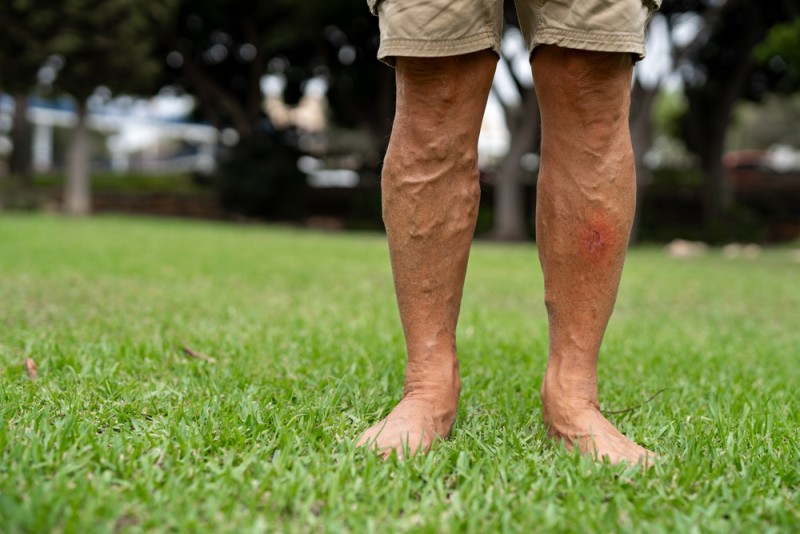
Are you looking at your legs and noticing dilated, blue, bulging veins? You're probably wondering whether these are just varicose veins or something more complex, such as venous insufficiency. The difference between the two conditions matters, because their treatment and long-term progression can differ.
Many active patients, including amateur athletes or people who spend a lot of time on their feet, come to a consultation with this same question. In this article, we help you understand what each diagnosis means, which symptoms to watch for, how the correct treatment is established, and why early intervention protects your vascular health.
What are varicose veins and how do they form?
Varicose veins are dilated, elongated, visible superficial veins under the skin. They appear frequently on the calves and thighs, in the form of blue or purplish cords, sometimes raised.
They form when the venous valves – small structures that direct blood toward the heart – stop working efficiently. As a result, blood stagnates, pressure builds up in the veins, and the venous wall dilates.
Common symptoms include:
- bulging veins, visible on the surface of the skin;
- a feeling of heaviness in the legs, especially in the evening;
- discomfort that worsens after prolonged standing;
- mild ankle swelling by the end of the day;
- nighttime cramps in the calves.
For example, if you work many hours on your feet or train intensely without enough breaks, you may notice the feeling of tension getting worse in the evening. In many cases, symptoms improve after resting with your legs slightly elevated.
What is chronic venous insufficiency?
Chronic venous insufficiency (CVI) is a condition in which the veins can no longer efficiently carry blood from the lower limbs back to the heart. It is a functional, progressive problem that can involve both superficial and deep veins.
The main mechanism is venous reflux. Blood no longer flows in one direction; instead it flows backward, increasing pressure in the venous system. Over time, this pressure affects the surrounding tissue.
Characteristic symptoms include:
- persistent swelling of the ankles and calves;
- a feeling of pressure or burning in the legs;
- skin discoloration (brownish areas);
- thickening and hardening of the skin;
- the appearance of a venous ulcer, a wound that heals slowly.
Unlike simple varicose veins, venous insufficiency involves visible tissue changes and requires careful monitoring.
Key differences between varicose veins and venous insufficiency
Difference in mechanism
Varicose veins are the visible manifestation. Venous insufficiency describes the circulatory dysfunction behind these changes. You can have varicose veins without deep venous system involvement. Not every form of venous insufficiency is initially accompanied by visible varicose veins.
Difference in severity
Varicose veins can keep the same appearance for a long time. Venous insufficiency tends to progress if left untreated, and the skin changes can become permanent.
Comparison table
| Criterion | Varicose veins | Chronic venous insufficiency |
|---|---|---|
| What it is | Visible dilated veins | Dysfunction of venous circulation |
| Swelling | Mild, appears in the evening | Persistent, doesn't fully go away |
| Skin changes | Usually absent early on | Hyperpigmentation, thickened skin |
| Complications | Rare in early stages | Venous ulcer, thrombophlebitis |
| Progression | Can be slow | Progressive without treatment |
Can you have venous insufficiency without visible varicose veins?
Yes. In some cases, the condition affects the deep veins. The patient notices only persistent swelling and skin changes, without obvious bulging veins.
How do you tell venous insufficiency apart from other conditions?
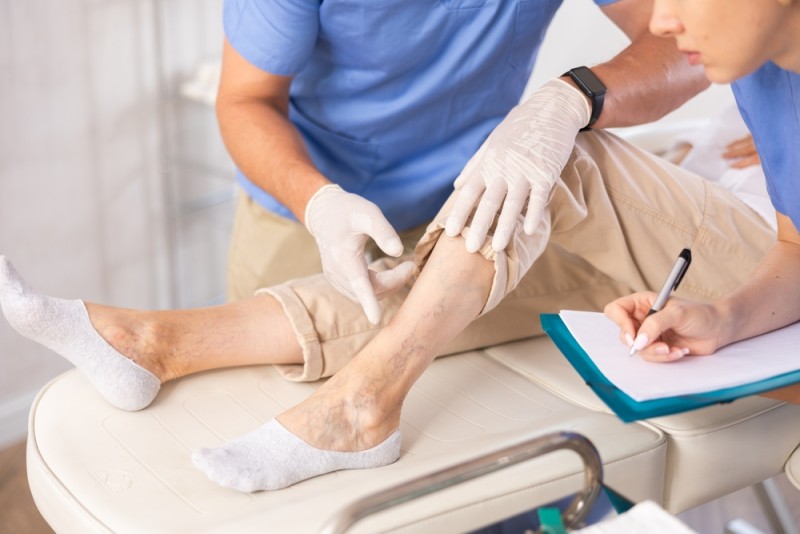
Symptoms in the legs can have several causes. That's why a correct evaluation offers clear benefits: it allows for an accurate diagnosis and the right treatment.
Venous insufficiency vs. lymphedema
Lymphedema usually produces firm swelling, often on one side, that doesn't go down with rest. In venous insufficiency, the swelling is soft and improves partly when the legs are elevated.
Venous insufficiency vs. deep vein thrombosis
Thrombosis has a sudden onset, associated with intense pain, increased local temperature, and rapid swelling of a single limb. Venous insufficiency progresses slowly.
If sudden, painful swelling appears, seek urgent medical evaluation!
Venous insufficiency vs. orthopedic conditions
Patients sometimes mistake the feeling of tension or pain for a joint or muscle problem, such as an ankle sprain. A correct differential diagnosis allows for the right treatment plan to be set.
Why do varicose veins and venous insufficiency occur?
Risk factors include:
- genetic predisposition;
- pregnancy;
- prolonged standing or sitting;
- excess weight;
- a sedentary lifestyle;
- a history of thrombosis;
- advancing age.
How is the correct diagnosis established?
Specialist consultation
A doctor specialized in vascular surgery evaluates your medical history, examines the veins while you're standing, and palpates the symptomatic areas.
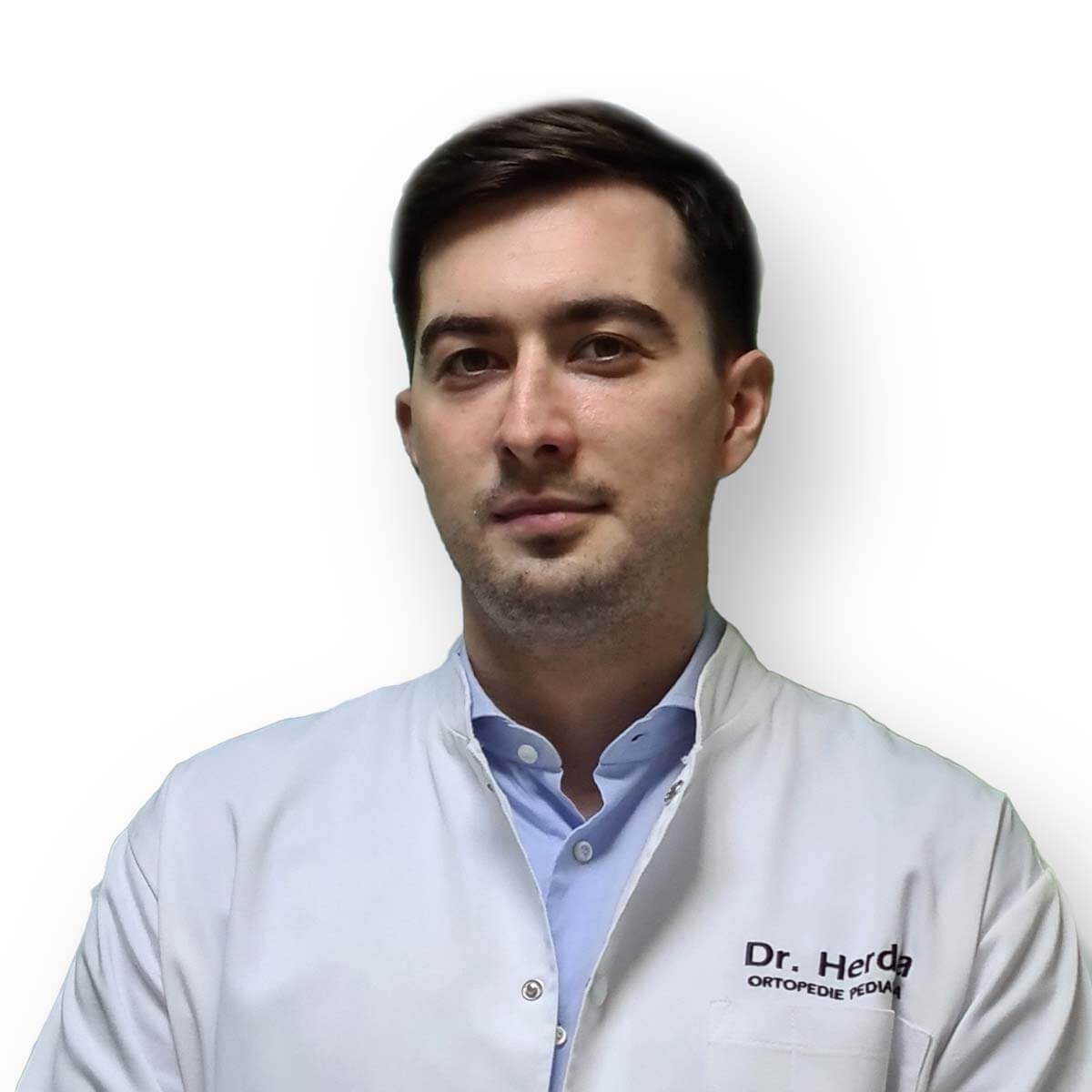
At Centrokinetic, the evaluation is carried out by doctors experienced in vascular pathology, such as Dr. Raul Sandor. The medical team's expertise allows for a personalized plan, tailored to your activity level and goals.
Venous Doppler ultrasound
Doppler ultrasound is the standard investigation for venous conditions. It:
- reveals venous reflux;
- reveals the affected veins, both superficial and deep;
- allows thrombosis to be ruled out;
- establishes the severity of the condition.
The evaluation is painless and provides clear data for choosing the right treatment.
Treatment options for varicose veins and venous insufficiency
Treatment depends on the stage, symptoms, and the patient's goals. A personalized approach increases the chances of stable results.
Conservative measures
In early stages, the doctor may recommend:
- medical compression stockings;
- regular exercise, brisk walking;
- weight control;
- active breaks every 60 minutes of prolonged standing.
In general, daily movement supports the muscle pump and reduces blood stagnation.
Some people turn to complementary therapies to ease discomfort, such as acupressure. Always discuss with your doctor before adding such methods to your plan.
Minimally invasive treatments
If symptoms persist or complications arise, the doctor may recommend procedures such as:
- sclerotherapy;
- endovenous laser ablation;
- radiofrequency ablation;
- microphlebectomy.
Sclerotherapy involves injecting a substance that closes off the affected vein. These procedures are performed on an outpatient basis and allow a quick return to everyday activities. Temporary local reactions, such as bruising or a feeling of tightness, can occur. The doctor explains the risks and benefits before the procedure.
The importance of early intervention
Early intervention prevents or reduces the risk of:
- developing a venous ulcer;
- permanent skin changes;
- episodes of thrombophlebitis.
The sooner you act, the better your chances of maintaining good venous circulation and reducing the risk of complications.
When should you see a doctor urgently?
Seek immediate evaluation if you notice:
- sudden, painful swelling of one leg;
- increased local temperature;
- bleeding from a varicose vein.
These situations require prompt medical evaluation. Schedule a consultation as soon as possible if you notice a venous ulcer that isn't healing.
So, if you notice dilated veins, persistent leg swelling, or other symptoms that raise questions, don't delay the evaluation. Schedule an appointment at Centrokinetic for a vascular surgery consultation and get a treatment plan tailored to your needs.
Frequently asked questions about varicose veins or venous insufficiency
Do varicose veins automatically mean venous insufficiency?
No. Some varicose veins are superficial and don't involve deeper damage. Only a Doppler ultrasound can confirm whether associated venous insufficiency is present.
Can I prevent venous insufficiency from getting worse?
In most cases, yes. Regular movement, maintaining an optimal weight, and wearing compression stockings as recommended by your doctor help control its progression.
Are minimally invasive treatments painful?
Modern procedures are performed under local anesthesia. Discomfort is minimal, and recovery is fast. The doctor will explain the possible side effects and the necessary rest period.
If I'm an athlete, can I keep training?
In most cases, yes, but the doctor adapts the recommendations based on the severity of the condition and the type of sport practiced.
Disclaimer: This information is for general guidance only and does not replace a medical consultation with a specialist.
Sources:
- "Varicose Veins: Symptoms, Causes & Treatment." Cleveland Clinic, 21 July 2017. Accessed July 7, 2026.
- Patel, Shivik K, et al. "Venous Insufficiency." Ncbibooks, StatPearls Publishing, 31 Jan. 2026. Accessed July 7, 2026.
- "Chronic Venous Insufficiency: Causes, Symptoms & Treatment." Cleveland Clinic, 23 Oct. 2017. Accessed July 7, 2026.
MAKE AN APPOINTMENT
FOR AN EXAMINATION
See here how you can make an appointment and the location of our clinics.
MAKE AN APPOINTMENT
BUCHAREST TEAM









































CLUJ NAPOCA TEAM




















BRASOV TEAM








Asiguratori privati




Parteneriate


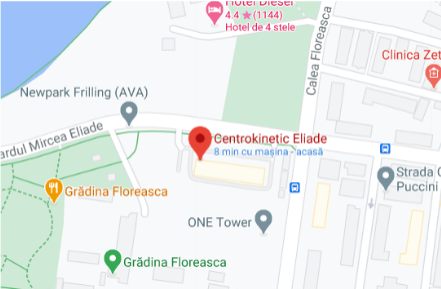
CENTROKINETIC FLOREASCA
Bucharest, 1st District,
Mircea Eliade Street, no. 18,
Eliade Tower, Entrance A, Floor 3
| Navigation | Explore 3D |
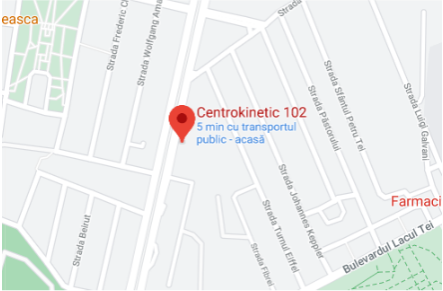
CENTROKINETIC Barbu Vacarescu
Bucharest, 2nd District,
Barbu Vacarescu Street, no. 102,
102 The Address, ground floor.
| Navigation | Explore 3D |
CENTROKINETIC MILITARI
Bucuresti, Sector 6,
Bld. Iuliu Maniu, nr. 15G,
Cladirea PBT, etaj 3.
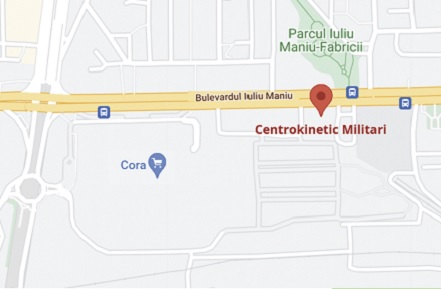
| Navigation |
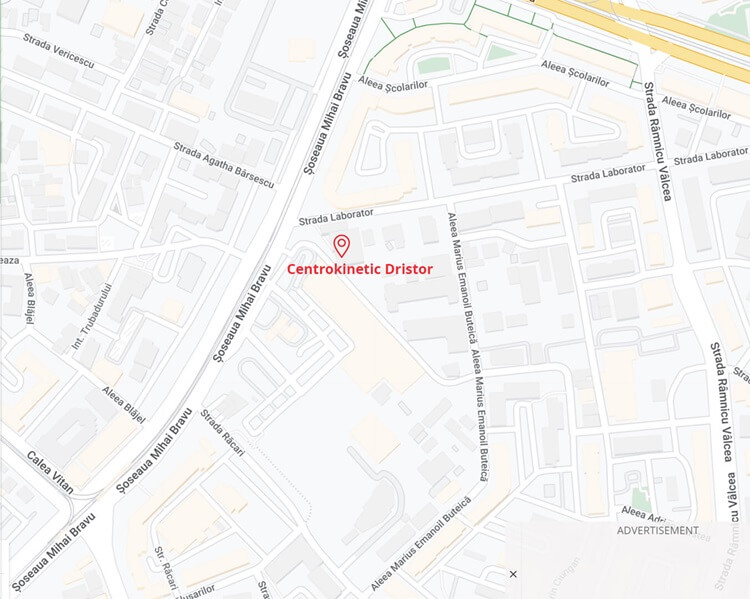
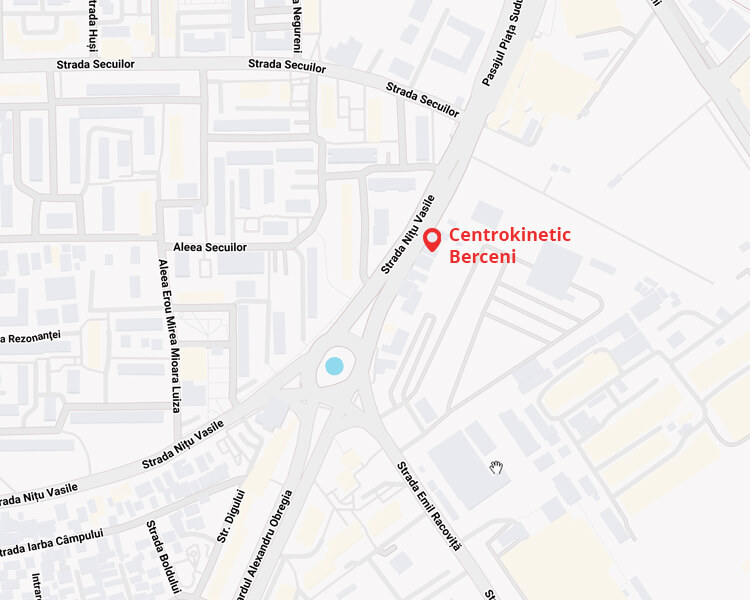
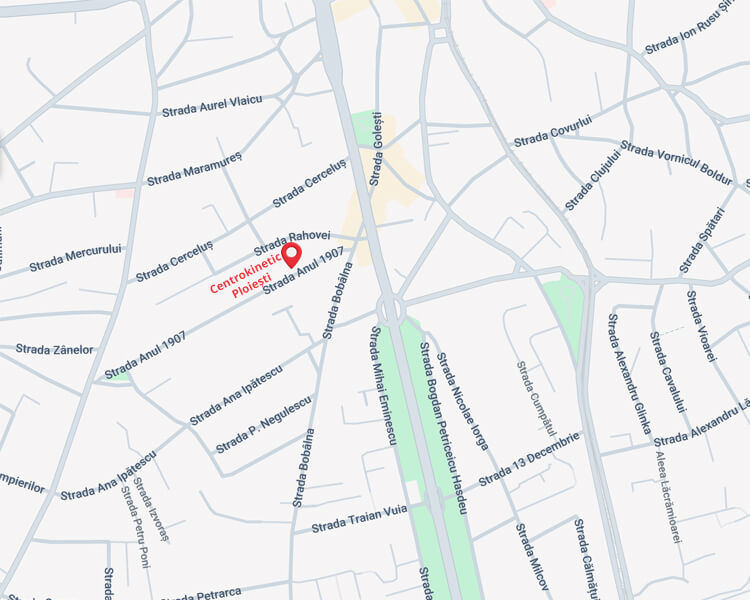
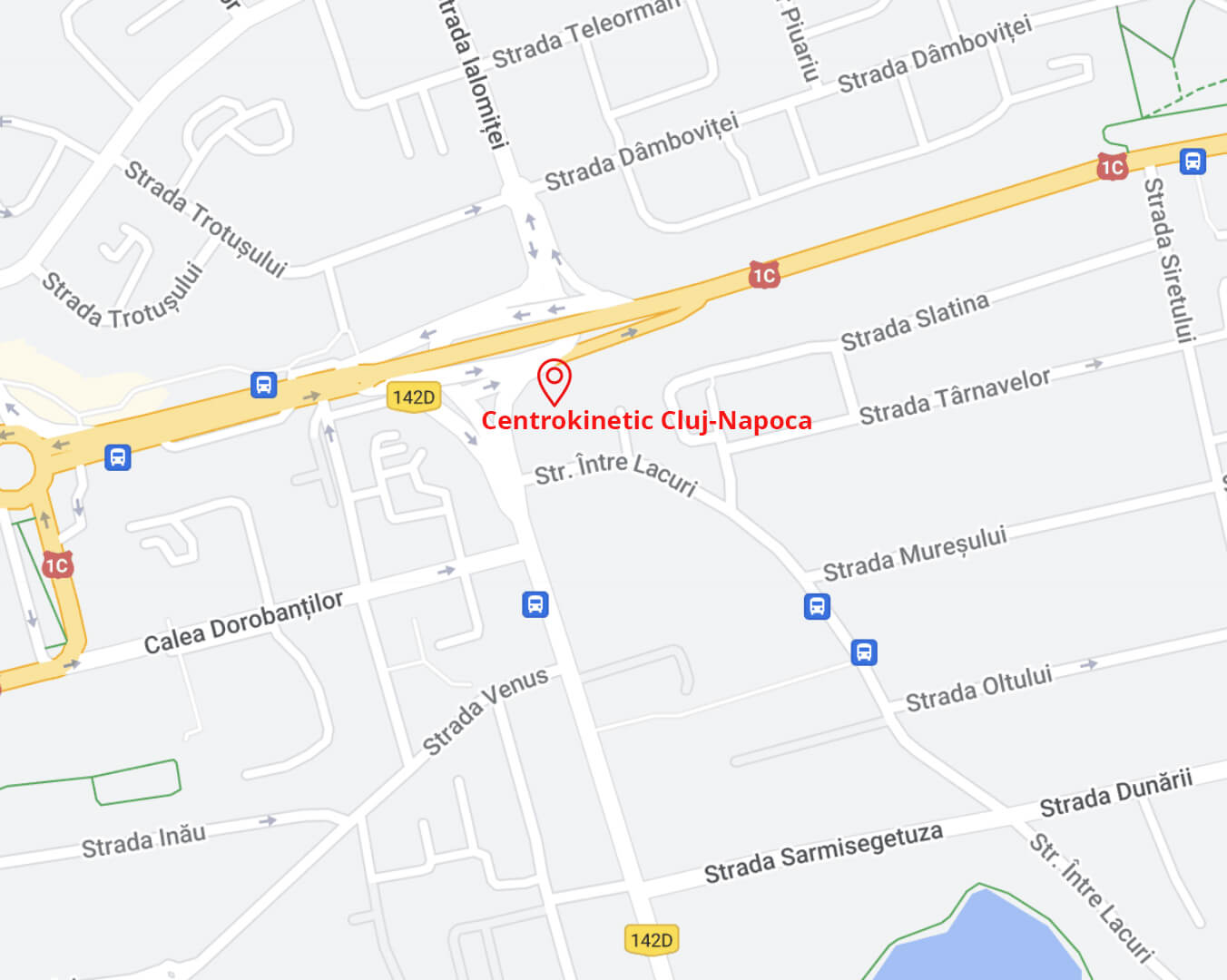
CENTROKINETIC CLUJ-NAPOCA
Cluj-Napoca,
Str. Intre Lacuri, nr.1
Intrarea este in spatele cladirii.
| Navigation |
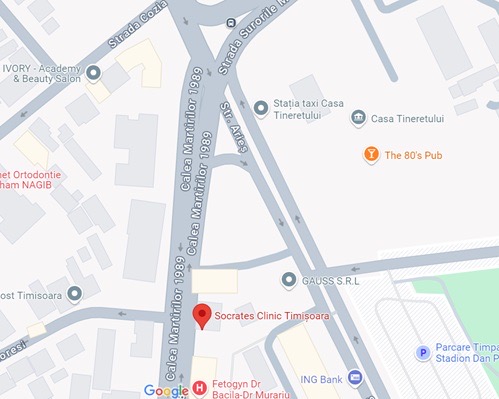
SOCRATES CLINIC TIMISOARA
Timisoara, Calea Martirilor 1989,
nr. 1.
Telefon: 0371 785 374.
| Navigation |
CONTACT
Phone: 0319693
E-mail: programari@centrokinetic.ro
Operating hours:
Monday – Friday: 07:00 – 21:00
Saturday: 09:00 – 14:00
Sunday: closed.
MAKE AN APPOINTMENT