What does L5-S1 mean and what problems occur at this level?



Back pain affects many people, and if you have ever experienced discomfort in the lower back area, you may have heard the term L5-S1, which refers to a segment of the spine. Your doctor may mention L5-S1 when interpreting imaging investigations (such as MRI or X-ray) or when explaining the origin of your symptoms.
Below, you will learn what the L5-S1 segment is, why it is so important for spinal stability and mobility, which conditions are frequently encountered at this level, and how they can be properly managed.
What is the L5-S1 segment?
The L5-S1 segment refers to the area between the last lumbar vertebra (L5) and the first sacral vertebra (S1). This area functions as a transition point between the lumbar spine – which is mobile – and the sacrum, a fixed structure that supports the pelvis.
At this level, the spine bears a large part of the body’s weight and transmits it to the pelvis and lower limbs. Important movements of flexion, extension, and rotation also occur here, which makes the L5-S1 segment exposed daily to high pressure and mechanical wear.
During walking, lifting heavy objects, or twisting movements, the L5-S1 area absorbs significant shocks and forces. For this reason, it is one of the most stressed regions of the spine and also one of the most prone to degenerative or compressive conditions. Any dysfunction occurring at this level can affect posture, limit mobility, and generate persistent lower back pain or even pain in the lower limbs [1][2].
Structure and function of the L5-S1 segment
The L5-S1 segment includes two important bones: the lumbar vertebra L5 and the first sacral vertebra, S1 – the upper part of the sacrum. Between them lies the intervertebral disc, an elastic structure that allows spinal movement and absorbs the forces exerted on it. The disc is made up of two main components:
- the nucleus pulposus – the central, soft, water-rich part that acts as a natural shock absorber with every step, twist, or sudden movement;
- the annulus fibrosus – the strong outer layer that maintains disc integrity and prevents the nucleus from protruding outward.
Among the nerve roots exiting at this level, the most important contributes to the formation of the sciatic nerve, which starts from the lower spine and extends down to the calf and sole of the foot. Any compression or irritation of the nerve roots at this level can cause pain radiating down the leg – a characteristic symptom of lumbar conditions [1][2].
Common problems at the L5-S1 level
The L5-S1 area is one of the most stressed regions of the spine and, for this reason, is frequently associated with conditions such as:
Disc herniation
A disc herniation occurs when the nucleus pulposus of the intervertebral disc protrudes through the annulus fibrosus and presses on the nerve roots. This compression can trigger sciatica, a pain that starts in the lower back and extends along the leg, sometimes reaching the ankle or sole.
Lumbar discopathy
Lumbar discopathy refers to the progressive degeneration of the intervertebral disc. In this situation, the disc loses elasticity, becomes thinner and more rigid, reducing its ability to absorb shocks. Discopathy does not always lead to herniation, but it represents an important risk factor. In the long term, it can promote local inflammation, stiffness, and chronic lower back pain.
Other conditions that may occur at the L5-S1 level
- spinal stenosis – the spinal canal narrows and compresses the nerve roots, causing numbness, pain, or weakness in the legs;
- spondylolisthesis – the L5 vertebra partially slips over S1, altering spinal alignment and affecting its stability;
- annulus fibrosus fissures – small lesions caused by overuse, which can generate inflammation of surrounding tissues and persistent local pain.
Any of these conditions can significantly affect mobility and cause pain extending from the lower back to the foot. Early identification of the cause is essential for effective treatment and prevention of complications [2][3].
Specific symptoms of L5-S1 conditions
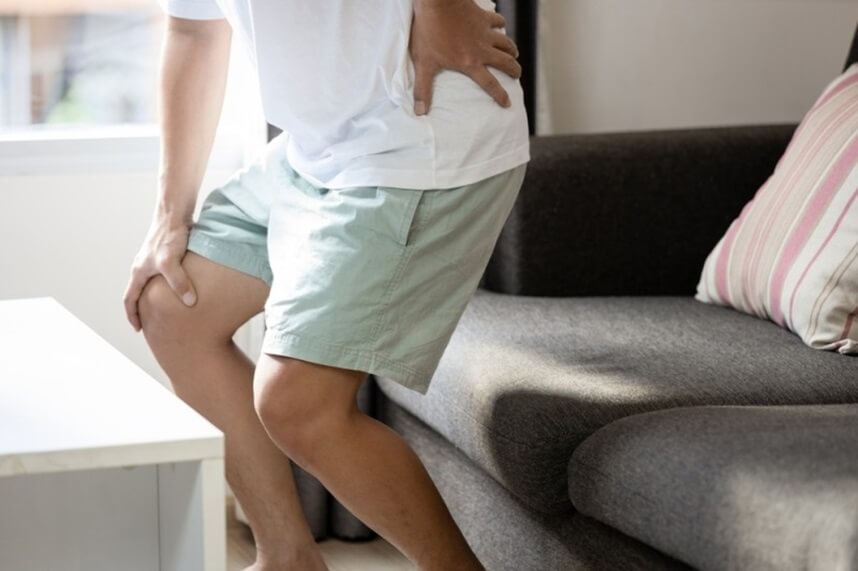
- lower back pain – appears in the lower part of the back, varies in intensity, and worsens after physical effort, prolonged sitting, or bending movements;
- radiating pain (sciatica) – discomfort extends from the buttocks along the sciatic nerve path, possibly reaching the ankle or toes;
- tingling or numbness – patients may feel burning or prickling sensations in the back of the leg;
- muscle weakness – manifested by difficulty walking, loss of balance, or inability to stand on toes or heels;
- urinary or anal disturbances – in severe cases, compression of nerve roots can affect sphincter control and requires urgent medical intervention.
Warning: if you notice sudden loss of urinary or bowel control, seek medical attention immediately. These symptoms may indicate severe nerve compression and represent a medical emergency [1][2]!
How is the diagnosis established for L5-S1 conditions?
The correct diagnosis of lumbar problems requires a comprehensive approach, involving patient discussion, clinical examination, and imaging investigations. The main steps include:
- detailed medical history – the doctor discusses symptom onset, type of pain, triggering factors (sedentary lifestyle, heavy lifting, trauma), and associated conditions;
- clinical examination – posture, spinal mobility, muscle strength and tone, reflexes, and sensitivity in the lower limbs are evaluated;
- imaging investigations:
- MRI (magnetic resonance imaging): the gold standard method for visualizing intervertebral discs, nerve roots, and possible compressions or inflammation;
- X-ray or CT scan: useful for detecting bone changes or vertebral deformities, but less precise in analyzing soft tissues;
- neurological and electromyographic (EMG) tests – measure nerve and muscle activity, helping to accurately locate the affected nerve root [3].
Treatment options for L5-S1 segment problems
Proper treatment is established only after a specialist consultation. In general, therapeutic options are divided into two main categories: conservative treatment and surgical treatment.
Conservative treatment
This approach aims to reduce pain, restore mobility, and prevent complications through non-invasive methods:
- rest and activity adjustment – during periods of increased pain, limiting repetitive movements or heavy lifting is recommended, without prolonged immobilization;
- medication – the doctor may prescribe painkillers, anti-inflammatory drugs, or muscle relaxants to control symptoms; these treatments must be followed as indicated due to possible contraindications and side effects;
- kinesiotherapy – the rehabilitation physician may recommend personalized exercise programs to strengthen lumbar muscles, increase mobility, and prevent recurrence;
- physiotherapy – procedures such as electrical stimulation or wave therapy can reduce muscle contractures and improve local circulation;
- local injections – in certain cases, corticosteroids may be administered in the affected area to reduce inflammation and pain; benefits and risks are discussed individually with the doctor [3][4].
Surgical treatment
Surgery is recommended only when conservative treatment does not bring results, when neurological deficits appear, or when the patient loses control of bladder or bowel functions. After surgery, a medical rehabilitation phase follows, including physiotherapy, kinesiotherapy, and periodic check-ups. The process involves multidisciplinary collaboration between neurosurgeon, orthopedist, and kinesiotherapist to facilitate a safe return to daily activities [3].
Recommended preventive measures
| Measure | Benefit | Practical recommendation |
|---|---|---|
| Correct posture | Reduces pressure on the L5-S1 area | Use ergonomic chairs and keep your back straight |
| Regular exercise | Strengthens lumbar muscles | Perform light stretching and toning exercises daily |
| Optimal weight | Reduces spinal load | Adopt a balanced diet and avoid a sedentary lifestyle |
| Smoking cessation | Improves circulation and disc recovery | Gradually reduce smoking and seek medical support if needed |
Frequently asked questions about L5-S1
What does L5-S1 represent?
It is the transition segment between the lumbar spine and the sacrum, which supports body weight and transmits forces to the pelvis and lower limbs.
What are the typical signs of an L5-S1 condition?
Persistent lower back pain, discomfort extending down the leg (sciatica), tingling sensations, muscle weakness, or numbness in the lower limb.
Is recovery possible without surgery?
Yes, in many cases conservative treatments – physiotherapy, kinesiotherapy, posture correction, and lifestyle adjustments – can provide significant relief without the need for surgery.
What happens if you do not treat an L5-S1 condition?
Pain and inflammation may worsen over time, leading to muscle weakness, walking difficulties, and in severe cases, urinary or bowel control problems.
Can alternative therapies be useful?
Yes, some complementary methods such as manual therapy, therapeutic massage, or acupuncture may help with relaxation and pain reduction, but they should only be applied under medical supervision and alongside standard treatment.
This article is for informational purposes only and does not replace a visit to a specialist doctor. If pain or numbness persists, worsens, or new movement or sphincter control difficulties appear, schedule a consultation at Centrokinetic for a complete evaluation and a personalized treatment plan.
Sources:
[1] “All about L5-S1 (Lumbosacral Joint).” Spine-Health, 29 Oct. 2013, www.spine-health.com/conditions/spine-anatomy/all-about-l5-s1-lumbosacral-joint. Accessed Nov. 6, 2025.
[2] Ayhan Kanat, et al. “Describing a New Syndrome in L5-S1 Disc Herniation: Sexual and Sphincter Dysfunction without Pain and Muscle Weakness.” Journal of Craniovertebral Junction and Spine, vol. 5, no. 4, 1 Jan. 2014, pp. 146–146, https://doi.org/10.4103/0974-8237.147076. Accessed Nov. 6, 2025.
[3] Donnally, Chester J, et al. “Lumbar Degenerative Disk Disease.” Nih.gov, StatPearls Publishing, 4 Aug. 2023, www.ncbi.nlm.nih.gov/books/NBK448134/. Accessed Nov. 6, 2025.
[4] “L5-S1 Treatment.” Spine-Health, 11 Oct. 2019, www.spine-health.com/conditions/spine-anatomy/l5-s1-treatment. Accessed Nov. 6, 2025.
BUCHAREST TEAM






























































CLUJ NAPOCA TEAM

































BRASOV TEAM


















MAKE AN APPOINTMENT
FOR AN EXAMINATION
See here how you can make an appointment and the location of our clinics.
MAKE AN APPOINTMENT
Asiguratori privati





Parteneriate


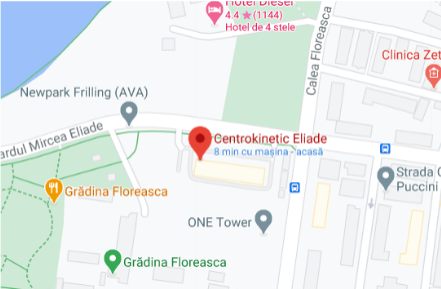
CENTROKINETIC FLOREASCA
Bucharest, 1st District,
Mircea Eliade Street, no. 18,
Eliade Tower, Entrance A, Floor 3
| Navigation | Explore 3D |
CENTROKINETIC Barbu Vacarescu
Bucharest, 2nd District,
Barbu Vacarescu Street, no. 102,
102 The Address, ground floor.
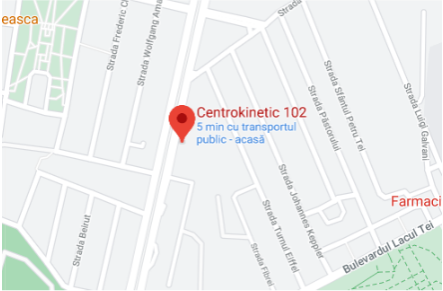
| Navigation | Explore 3D |
CENTROKINETIC MILITARI
Bucuresti, Sector 6,
Bld. Iuliu Maniu, nr. 15G,
Cladirea PBT, etaj 3.
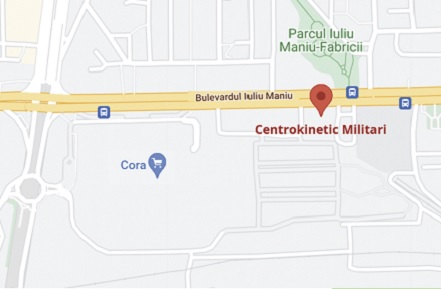
| Navigation |
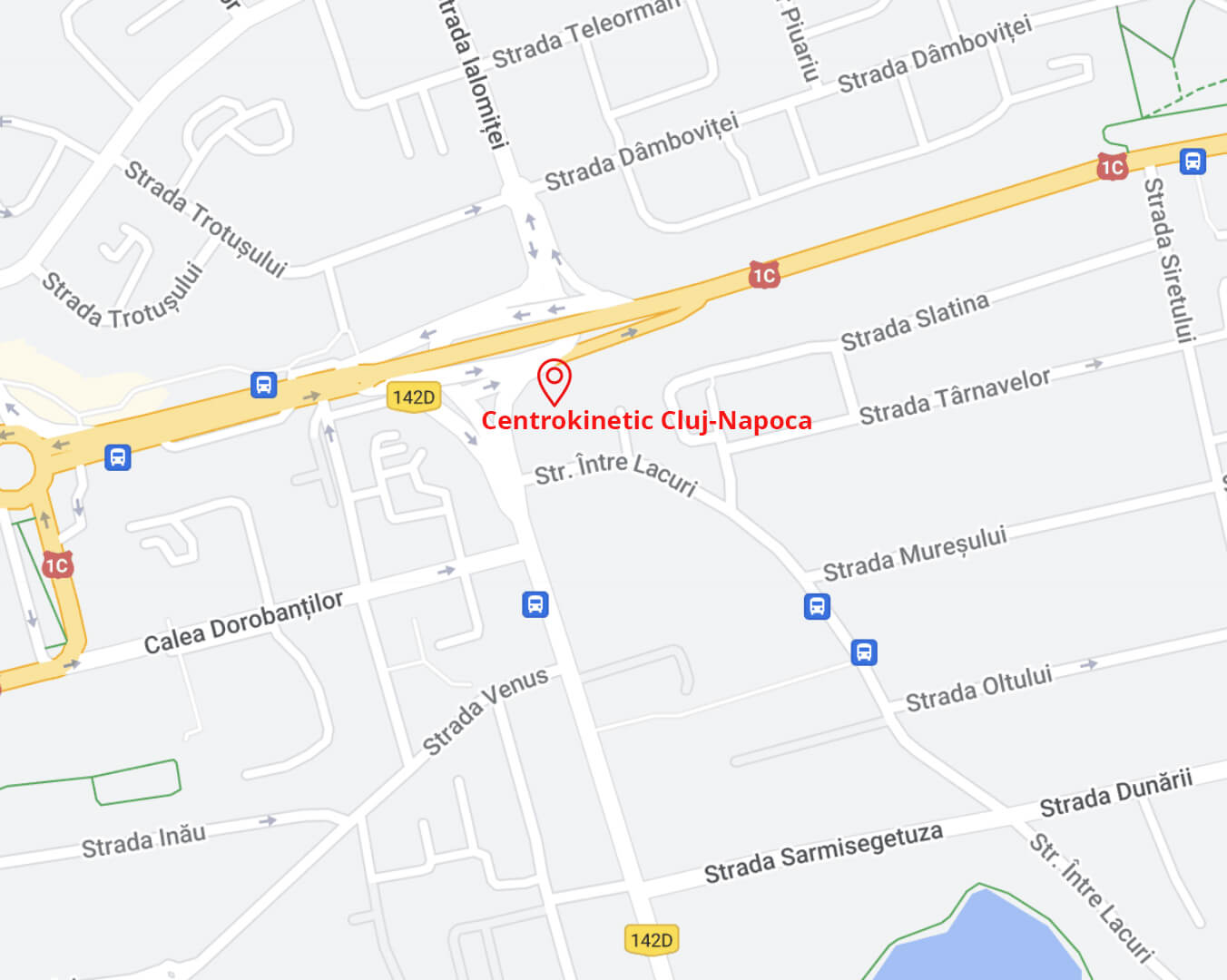
CENTROKINETIC CLUJ-NAPOCA
Cluj-Napoca,
Str. Intre Lacuri, nr.1
Intrarea este in spatele cladirii.
| Navigation |
SOCRATES CLINIC TIMISOARA
Timisoara, Calea Martirilor 1989,
nr. 1.
Telefon: 0371 785 374.
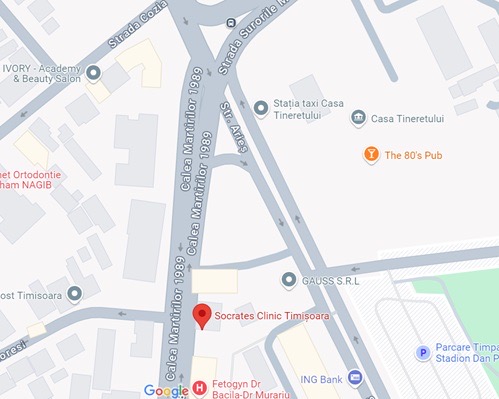
| Navigation |
CONTACT
Phone: 0319693
E-mail: programari@centrokinetic.ro
Operating hours:
Monday – Friday: 07:00 – 21:00
Saturday: 09:00 – 14:00
Sunday: closed.
MAKE AN APPOINTMENT