What is nerve compression and when should you see a doctor?


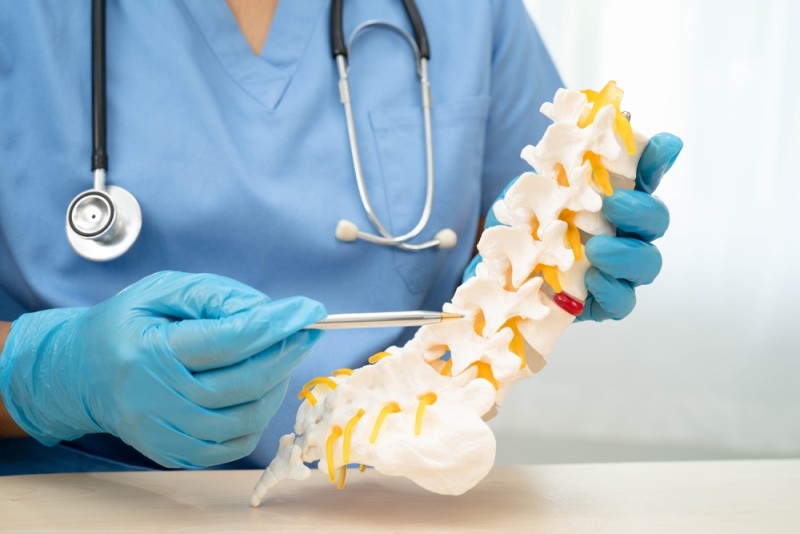
Nerve compression occurs when a nerve is pressed by the structures around it – bone, intervertebral disc, muscle, or ligament – and the transmission of nerve impulses changes. Do you feel pain, tingling, or numbness? Have you noticed a loss of strength in your hand or foot? These signs frequently indicate a nerve that needs evaluation.
For active adults, athletes, people with back pain, or patients in post-surgical recovery, recognizing symptoms early is very important. Below, we explain how nerve compression appears and when you should schedule a doctor's appointment. Here's what you need to know.
What is nerve compression?
A nerve works like a cable that transmits information between the brain and the rest of the body. When the pressure exerted on it becomes constant, the electrical signal no longer flows normally. As a result, pain, tingling, or muscle weakness appear.
Peripheral nerves pass through narrow spaces formed by bones and ligaments. If these structures become inflamed, shift, or thicken, the nerve becomes trapped. For example:
- a herniated disc can press on a nerve root at the lumbar level;
- a thickened ligament at the wrist can compress the median nerve;
- swelling that appears after a surgical procedure can create temporary pressure on a nerve.
Depending on the location, the doctor uses different terms: radiculopathy for damage to the nerve roots at the spine level, carpal tunnel syndrome for compression at the wrist, or sciatica for pain radiating along the path of the sciatic nerve.
In many cases, early intervention increases the chances of a good recovery. If you ignore the symptoms and continue to overload the affected area, the nerve can suffer severe damage.
Where does nerve compression most often occur?
Compression can affect any peripheral nerve, but certain areas present such problems more frequently:
- the cervical spine (neck) – the pain starts in the neck and goes down toward the shoulder or arm; tingling in the fingers sometimes occurs;
- the lumbar spine – the pain radiates from the lower back toward the buttock and leg, a situation frequently described as sciatica;
- the wrist – compression of the median nerve leads to carpal tunnel syndrome, which can cause nighttime numbness and weak grip;
- the elbow – a compressed ulnar nerve causes tingling in the little and ring fingers;
- the knee or calf area – an affected peroneal nerve can alter your gait.
The location influences the symptoms and the treatment plan. That's why a correct evaluation is the first step toward proper recovery.
Symptoms that should catch your attention
Manifestations vary depending on the affected nerve and the duration of the compression. Still, there are a few common signs.
General symptoms
- local pain or pain radiating down the arm or leg;
- persistent tingling;
- numbness in a well-defined area;
- decreased muscle strength;
- difficulty performing fine movements, such as buttoning a shirt.
Symptoms often become more pronounced at night or after long periods in the same position, such as at a desk or while driving.
Common causes of nerve compression
Spinal conditions
Degenerative changes commonly appear after the age of 30–40, especially in sedentary people or those who engage in intense physical effort. Causes include:
- a herniated disc;
- spinal stenosis (narrowing of the spinal canal);
- osteophytes (bone spurs);
- spondylolisthesis (a vertebra slipping out of place).
These changes reduce the space available for the nerves and generate pressure.
Mechanical and lifestyle-related factors
Poor posture maintained for hours at a desk, repetitive movements, or workouts performed without proper technique increase the risk of compression. A sedentary lifestyle can weaken the muscles that support the spine, while excess weight adds extra pressure.
Sports injuries or road accidents can suddenly trigger symptoms. In recently operated patients, post-surgical inflammation can temporarily compress the nerve structures.
How is the correct diagnosis established?

Many conditions can produce similar symptoms, including metabolic neuropathies or vascular conditions. The doctor starts with a thorough clinical examination: testing reflexes, muscle strength, and sensitivity. Then, they recommend investigations tailored to your case.
To evaluate nerve function, the doctor may order an electromyography (EMG). This investigation measures the electrical response of the muscles and confirms the exact location of the compression.
The benefits of a correct evaluation are clear:
- the doctor establishes the real cause of the symptoms;
- you receive a personalized plan;
- the risk of long-term complications is reduced.
Treatment options for nerve compression
The treatment plan depends on severity, age, activity level, and your goals. The medical team adapts each stage according to progress.
Conservative measures
In mild or moderate forms, the doctor recommends:
- relative rest and avoiding painful movements;
- anti-inflammatory medication;
- posture correction;
- braces for temporary stabilization.
These measures reduce inflammation and decrease the pressure on the nerve.
Personalized medical recovery
Recovery is an important component of treatment. Through physical therapy, you can regain mobility and strengthen your supporting muscles. Exercises are tailored to your age, training level, and any previous surgical procedures.
Physiotherapy sessions can help reduce pain and inflammation through procedures such as electrotherapy or ultrasound, used according to medical guidance.
In certain situations, the doctor may recommend corticosteroid injections to reduce local inflammation. These are administered in a controlled manner and only after a complete evaluation.
Surgical treatment
Surgery becomes an option when:
- muscle weakness progresses;
- pain persists after weeks of properly applied treatment;
- bladder or bowel control problems appear.
The surgeon releases the compressed nerve and restores the space needed for it to function normally. Post-surgical recovery usually includes an adapted physical therapy program.
When should you see a doctor?
Schedule a consultation if:
- the pain lasts more than a few days and doesn't improve;
- the numbness or weakness increases;
- you notice a loss of strength in your hand or foot;
- the symptoms recur frequently.
Go to the emergency room if you lose control of your bladder or bowel, if sudden weakness appears, or if symptoms worsen rapidly after an injury. Early intervention lowers the risk of permanent damage and shortens the recovery period.
How can you prevent nerve compression?
Prevention measures involve paying attention to posture and regular movement. Adopt a few simple measures:
- keep your back straight at your desk and adjust your chair height;
- take breaks every 45–60 minutes;
- perform exercises for the back and abdominal muscles;
- avoid overexertion through workouts without a proper warm-up.
A personalized approach and the expertise of the medical team increase the chances of a favorable outcome. Every case requires careful analysis, and the Centrokinetic medical team is ready to address these needs. Schedule a specialist consultation now.
Frequently asked questions about nerve compression
Can a compressed nerve recover without treatment?
In mild forms, symptoms can improve with rest and avoiding aggravating factors. If the pain or numbness persists for more than two weeks, seek a medical evaluation to prevent complications.
How long does recovery take?
The duration varies from a few weeks to a few months, depending on severity and how soon you see a doctor. Following the recovery program speeds up the return to your usual activities.
Is it advisable to continue playing sports if I have symptoms?
Don't continue intense training without medical clearance. Uncontrolled effort can worsen the compression. The doctor and physical therapist will tell you the right time to resume activity.
Does nerve compression only occur in adults?
It occurs more frequently in adults, but it can also affect children or teenagers, especially in a sports context or in the presence of spinal deformities. Early evaluation remains important at any age.
Disclaimer: This article is for informational purposes only and does not replace a medical consultation.
Sources:
- "Nerve Compression Syndromes: Causes, Types & Treatment." Cleveland Clinic, 9 Dec. 2021. Accessed July 7, 2026.
- "Biological Response of Peripheral Nerves to Loading: Pathophysiology of Nerve Compression Syndromes and Vibration Induced Neuropathy." Ncbibooks, National Academies Press (US), 2026. Accessed July 7, 2026.
MAKE AN APPOINTMENT
FOR AN EXAMINATION
See here how you can make an appointment and the location of our clinics.
MAKE AN APPOINTMENT
BUCHAREST TEAM


































































CLUJ NAPOCA TEAM


































BRASOV TEAM



















Asiguratori privati





Parteneriate



CENTROKINETIC FLOREASCA
Bucharest, 1st District,
Mircea Eliade Street, no. 18,
Eliade Tower, Entrance A, Floor 3
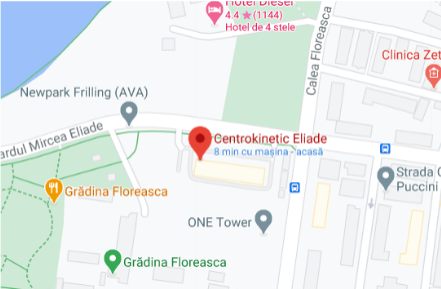
| Navigation | Explore 3D |
CENTROKINETIC Barbu Vacarescu
Bucharest, 2nd District,
Barbu Vacarescu Street, no. 102,
102 The Address, ground floor.
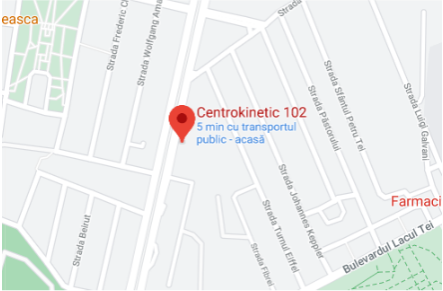
| Navigation | Explore 3D |
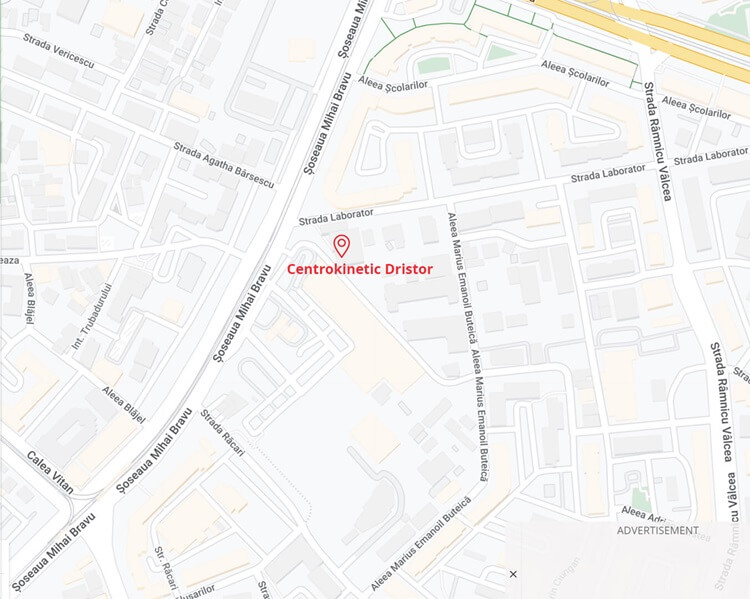
CENTROKINETIC MILITARI
Bucuresti, Sector 6,
Bld. Iuliu Maniu, nr. 15G,
Cladirea PBT, etaj 3.
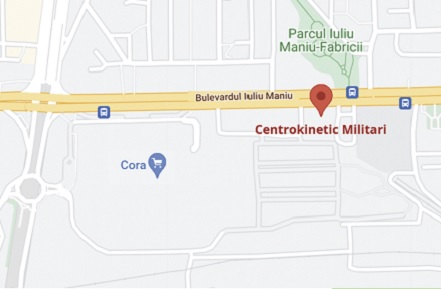
| Navigation |
CENTROKINETIC CLUJ-NAPOCA
Cluj-Napoca,
Str. Intre Lacuri, nr.1
Intrarea este in spatele cladirii.

| Navigation |


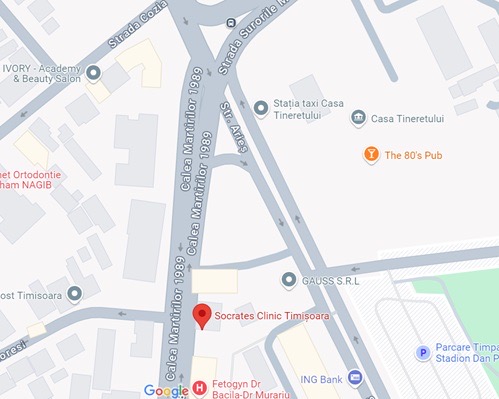
SOCRATES CLINIC TIMISOARA
Timisoara, Calea Martirilor 1989,
nr. 1.
Telefon: 0371 785 374.
| Navigation |
CONTACT
Phone: 0319693
E-mail: programari@centrokinetic.ro
Operating hours:
Monday – Friday: 07:00 – 21:00
Saturday: 09:00 – 14:00
Sunday: closed.
MAKE AN APPOINTMENT