Neuromotor recovery: when is it recommended?


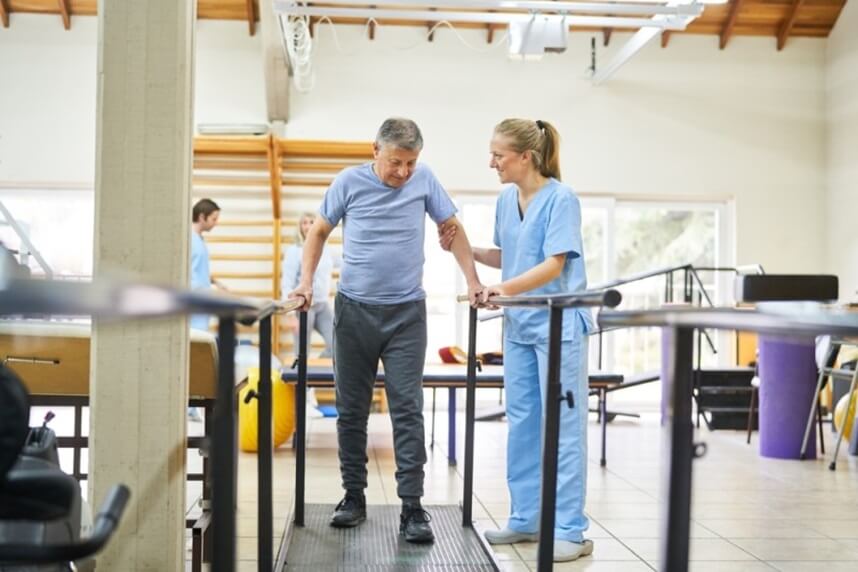
Many people face movement difficulties, muscle weakness, or lack of coordination after an accident, a neurological condition, or a surgical procedure. Neuromotor rehabilitation is an essential option designed to help regain control of movements and restore independence [1]. Below, you will learn what neuromotor rehabilitation involves, how the Centrokinetic team can support you, and in which situations doctors recommend starting a personalized recovery program. Here are more details!
What is neuromotor rehabilitation?
Neuromotor rehabilitation represents the set of therapies and methods aimed at restoring mobility and the normal function of the body after neurological conditions, strokes, trauma, or surgical interventions involving the nervous system.
The goal of this process is to regain control of movements, increase muscle strength, and improve balance and independence. Results are significant when the medical team carefully analyzes the patient’s situation, establishes clear objectives, and applies specific techniques—from physical exercises to psychological counseling when necessary [1][2].
Situations in which Centrokinetic specialists may recommend neuromotor rehabilitation
Neuromotor rehabilitation is necessary in numerous medical conditions and situations. Among the most common are:
- strokes – after a stroke, many people experience walking difficulties, paralysis, or speech problems. A specialized stroke rehabilitation program improves coordination and helps regain essential functions;
- neurodegenerative diseases (Parkinson’s disease, multiple sclerosis, Alzheimer’s disease) – these gradually affect motor control and muscle tone. Rehabilitation programs help maintain independence and slow the progression of motor disorders;
- traumatic injuries (fractures, traumatic brain injuries) – after accidents, neuromotor rehabilitation supports the restoration of mobility, coordination, and muscle strength through guided exercises;
- neurosurgical interventions – surgeries involving the nervous system may cause temporary loss of certain functions. With the help of a recovery plan after neurosurgery, the healing process can be accelerated.
- spinal conditions (herniated discs, ankylosing spondylitis) – posture or mobility disorders affecting nerves can be corrected through specific techniques that restore balance and reduce pain;
- motor impairments in children (cerebral palsy, muscular dystrophies, congenital coordination disorders) – early intervention can significantly improve autonomy, balance, and social integration [1][2][3].
Why should you act quickly?
Centrokinetic specialists recommend starting a neurological rehabilitation program shortly after an accident or immediately once your condition has stabilized. Early intervention promotes the recovery of lost functions and prevents complications such as muscle stiffness, loss of muscle mass, or reduced joint mobility.
Signs that should prompt you to schedule a consultation include:
- sudden loss of mobility in one arm or leg;
- balance or orientation problems;
- difficulties with speaking, swallowing, or breathing;
- sudden weakness or severe fatigue in certain muscle groups.
Ignoring these symptoms or delaying treatment can slow down the recovery process and reduce the chances of full rehabilitation [4].
Methods and therapies used at Centrokinetic
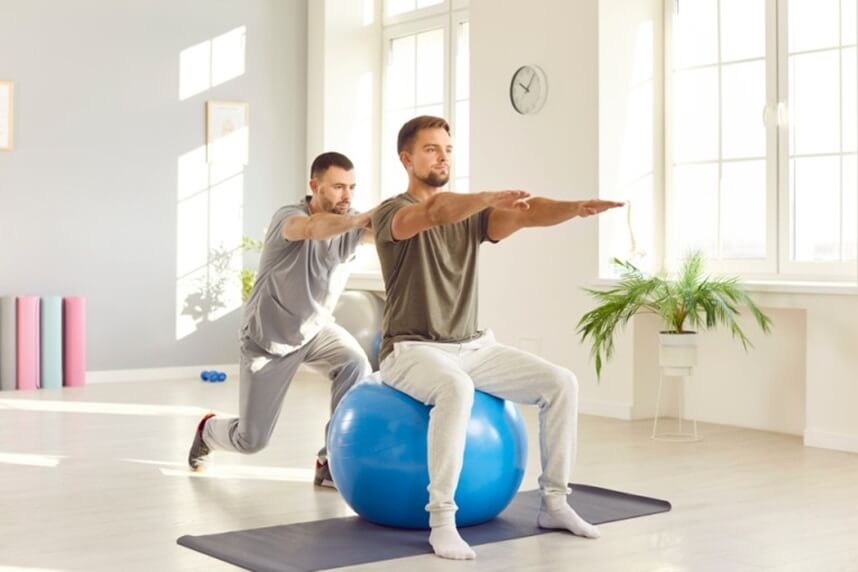
- kinesiotherapy – involves individualized exercises aimed at improving mobility, strength, coordination, and balance. Patients may work with elastic bands, balls, weights, or stationary bikes under the guidance of a physiotherapist;
- physiotherapy – includes procedures such as muscle electrostimulation, laser therapy, therapeutic massage, or thermotherapy. These contribute to reducing pain and inflammation and accelerating the muscle recovery process;
- vertebral traction – a modern and non-invasive spinal decompression method. Through controlled traction, pressure on intervertebral discs is reduced and local circulation is improved. This therapy may be recommended for neuromotor rehabilitation and is safely performed under medical supervision;
- advanced technologies – patients have access to modern equipment such as devices for repetitive transcranial magnetic stimulation or transcranial electrical stimulation, which induce positive brain changes;
- psychological counseling and speech therapy – for patients facing speech difficulties, anxiety, or emotional changes, specialists in psychology and speech therapy work closely with the medical team to ensure complete recovery [1][4].
The Centrokinetic multidisciplinary team: who supports you during recovery?
The success of neuromotor rehabilitation depends on close collaboration between specialists. At Centrokinetic, the medical team includes:
- neurologists and medical rehabilitation specialists;
- orthopedic doctors and pediatric neurologists;
- physiotherapists;
- physical therapists;
- psychologists and speech therapists.
They collaborate constantly, monitor the patient’s progress, and adjust the treatment plan as progress is made or new goals arise. Specialists actively involve the patient and their family in the recovery process, explaining each stage and discussing the next steps to ensure steady and sustained progress.
How does the initial evaluation and progress monitoring take place?
The first step in the neuromotor rehabilitation process is a detailed evaluation. The doctor and therapist will discuss with you the history of your condition, the treatments you have followed, your current level of mobility, and your personal goals. This is followed by a clinical examination, where muscle strength, joint mobility, balance, posture, and your ability to participate in the therapeutic program are assessed. Based on this information:
- specialists establish a personalized treatment plan with clear objectives;
- at each stage of recovery, they monitor progress through periodic tests and direct discussions;
- the rehabilitation plan is adjusted according to results, new needs, or any difficulties that may arise.
Stages of neuromotor rehabilitation
| Stage | Estimated duration | Main objectives | Examples of activities |
|---|---|---|---|
| Initial evaluation | 1–2 sessions | Establishing the functional diagnosis and individual objectives | Testing strength, mobility, and balance |
| Active rehabilitation | 4–12 weeks | Regaining muscle control and coordination | Kinesiotherapy, physiotherapy, vertebral traction |
| Consolidation | 3–6 months | Increasing endurance and independence in movement | Strengthening exercises, assisted walking |
| Maintenance | Long term | Preventing relapse and maintaining mobility | Home exercise program, periodic reassessments |
We encourage every patient to maintain constant communication with the medical team, ask questions, and express their expectations.
Benefits and limitations of neuromotor rehabilitation
Participating in coordinated neuromotor rehabilitation programs offers multiple benefits, including:
- regaining muscle strength and control over movements;
- improving balance, posture, and walking;
- reducing pain, stiffness, and the risk of complications (pressure sores, muscle contractures);
- returning to daily activities – such as shopping, cooking, or socializing;
- increasing confidence and preventing psychosocial isolation by actively re-engaging in everyday life.
Progress varies from one person to another depending on the nature of the condition, the time elapsed since the accident or surgery, the patient’s involvement, and the support received.
Frequently asked questions about neuromotor rehabilitation at Centrokinetic
How long does a complete neuromotor rehabilitation program last?
The duration varies depending on the condition, but generally between 6 weeks and 6 months are needed for stable results.
Is rehabilitation painful?
No. Exercises are adapted to each patient’s tolerance. Mild sensations of muscle tension may occur, but without intense pain.
Can you undergo rehabilitation if you have metal implants or prostheses?
Yes, in most cases. The medical team adapts techniques so that procedures remain safe and effective.
When are the first improvements noticeable?
Some patients notice visible changes even after 2–3 weeks, but optimal results consolidate over time through perseverance and consistent involvement.
Is it necessary to continue exercises at home?
Yes. Continuing the maintenance program at home is essential to maintain the results achieved in the clinic.
Neuromotor rehabilitation is a process that requires patience, professional guidance, and motivation. At Centrokinetic, you will find a dedicated team—made up of neurologists, physiotherapists, and physical therapists—ready to help you regain mobility and confidence in your own body.
If you are experiencing loss of muscle strength, coordination difficulties, or neurological symptoms after an accident or surgery, schedule a complete evaluation at one of our clinics in Bucharest, Cluj, Brasov, or Timisoara!
Disclaimer: This article is for informational purposes only and does not replace consultation with a medical specialist. Diagnosis and treatment plans must be established exclusively by a professional following a detailed clinical evaluation.
Sources:
[1] “Neurological Rehabilitation.” Johns Hopkins Medicine, 2019, www.hopkinsmedicine.org/health/treatment-tests-and-therapies/neurological-rehabilitation. Accessed on Nov. 7, 2025.
[2] “Neuromotor Functional Rehabilitation.” Bibione Thermae, 2025, bibioneterme.it/en/pages/neuromotor-functional-rehabilitation. Accessed on Nov. 7, 2025.
[3] Casadio, Maura, et al. “Neuromotor Recovery from Stroke: Computational Models at Central, Functional, and Muscle Synergy Level.” Frontiers in Computational Neuroscience, vol. 7, 2013, pmc.ncbi.nlm.nih.gov/articles/PMC3749429/, https://doi.org/10.3389/fncom.2013.00097. Accessed on Nov. 7, 2025.
[4] Mancuso, Mauro, et al. “How Do the Timing of Early Rehabilitation Together with Cognitive and Functional Variables Influence Stroke Recovery? Results from the CogniReMo Italian Multicentric Study.” Healthcare, vol. 13, no. 3, Feb. 4, 2025, pp. 316–316, www.mdpi.com/2227-9032/13/3/316, https://doi.org/10.3390/healthcare13030316. Accessed on Nov. 7, 2025.
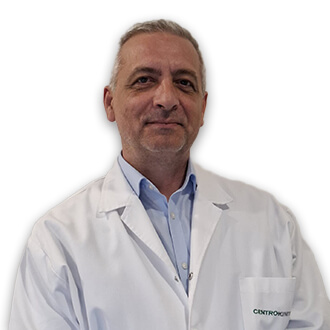
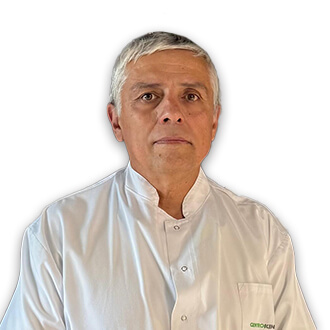
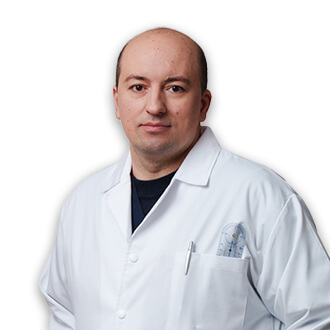
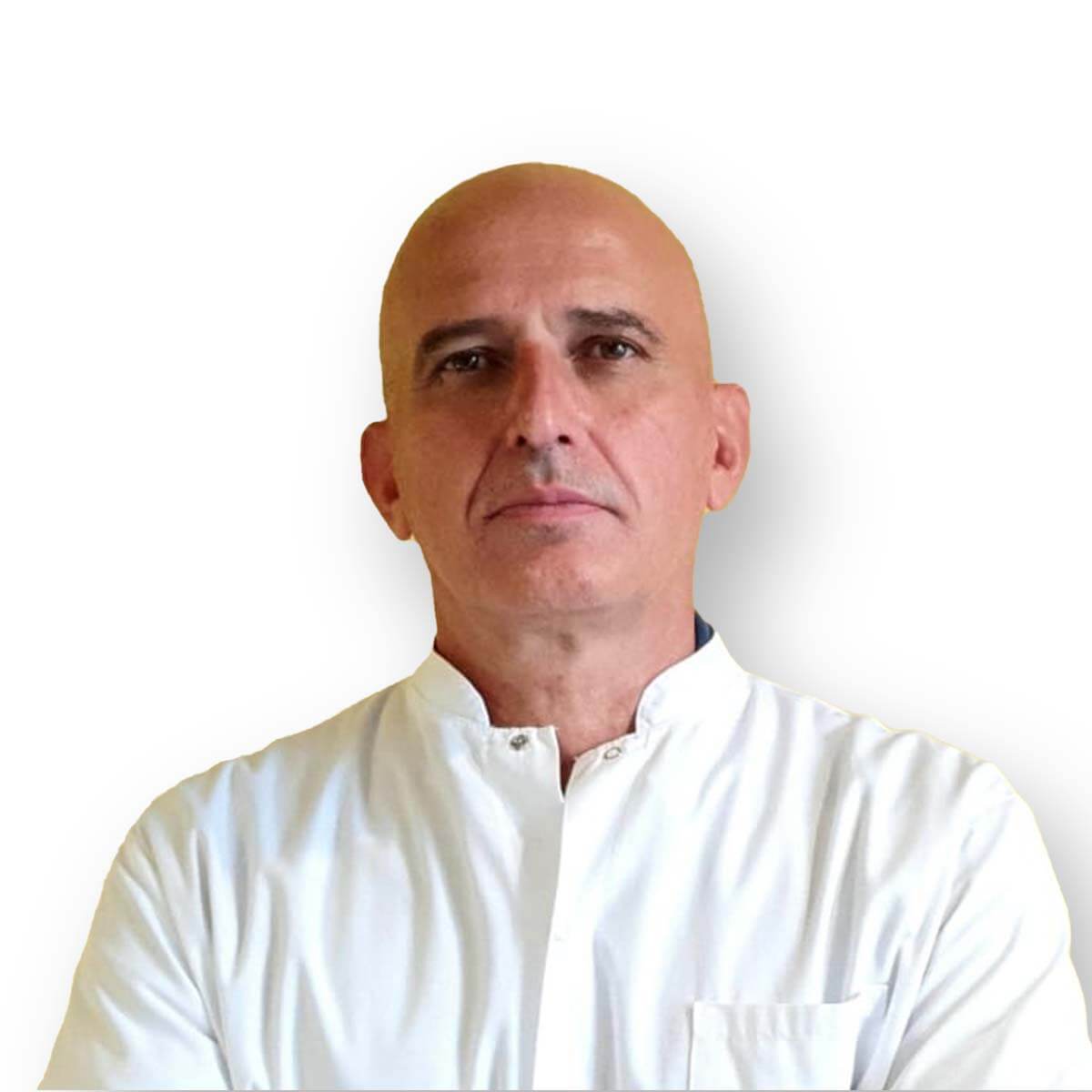
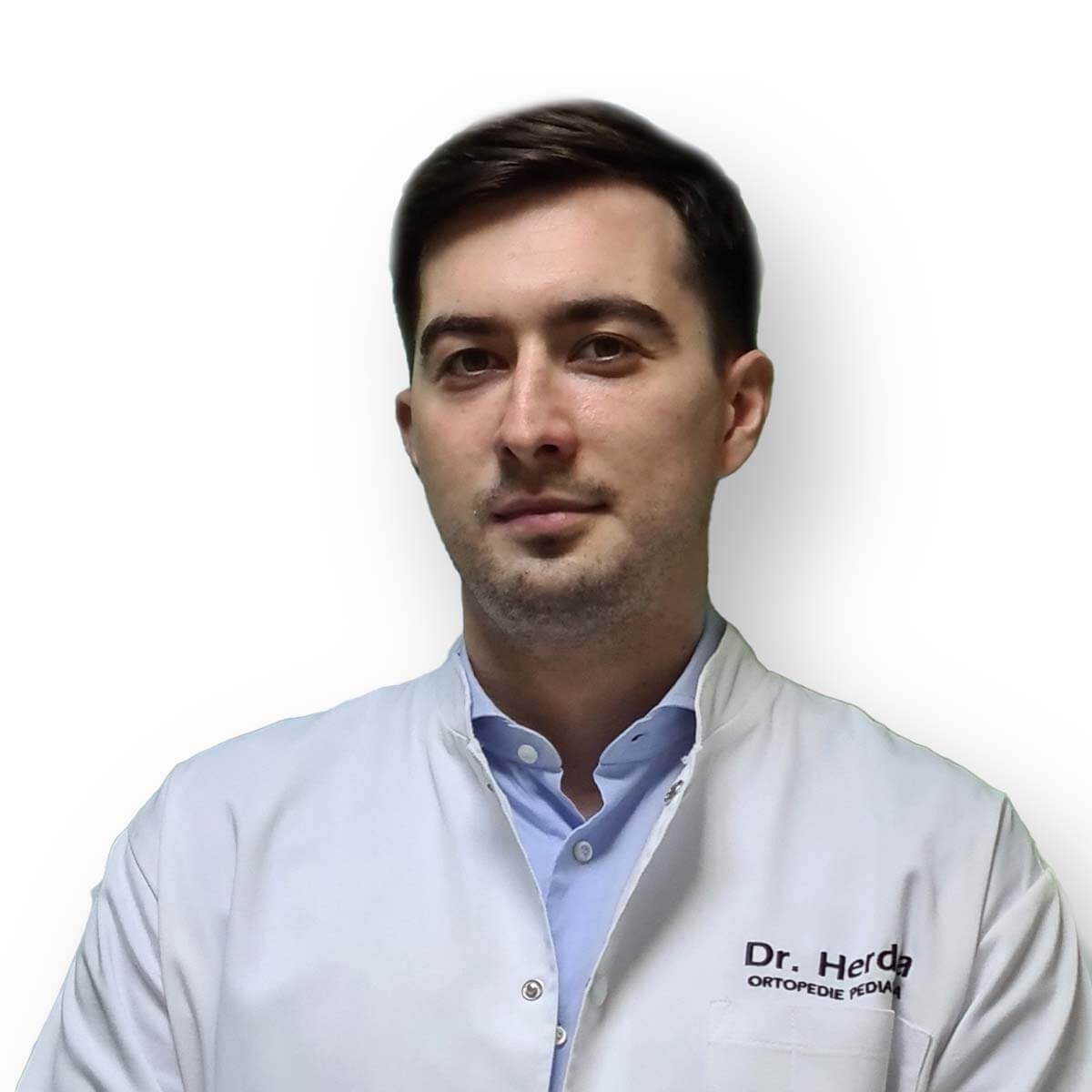
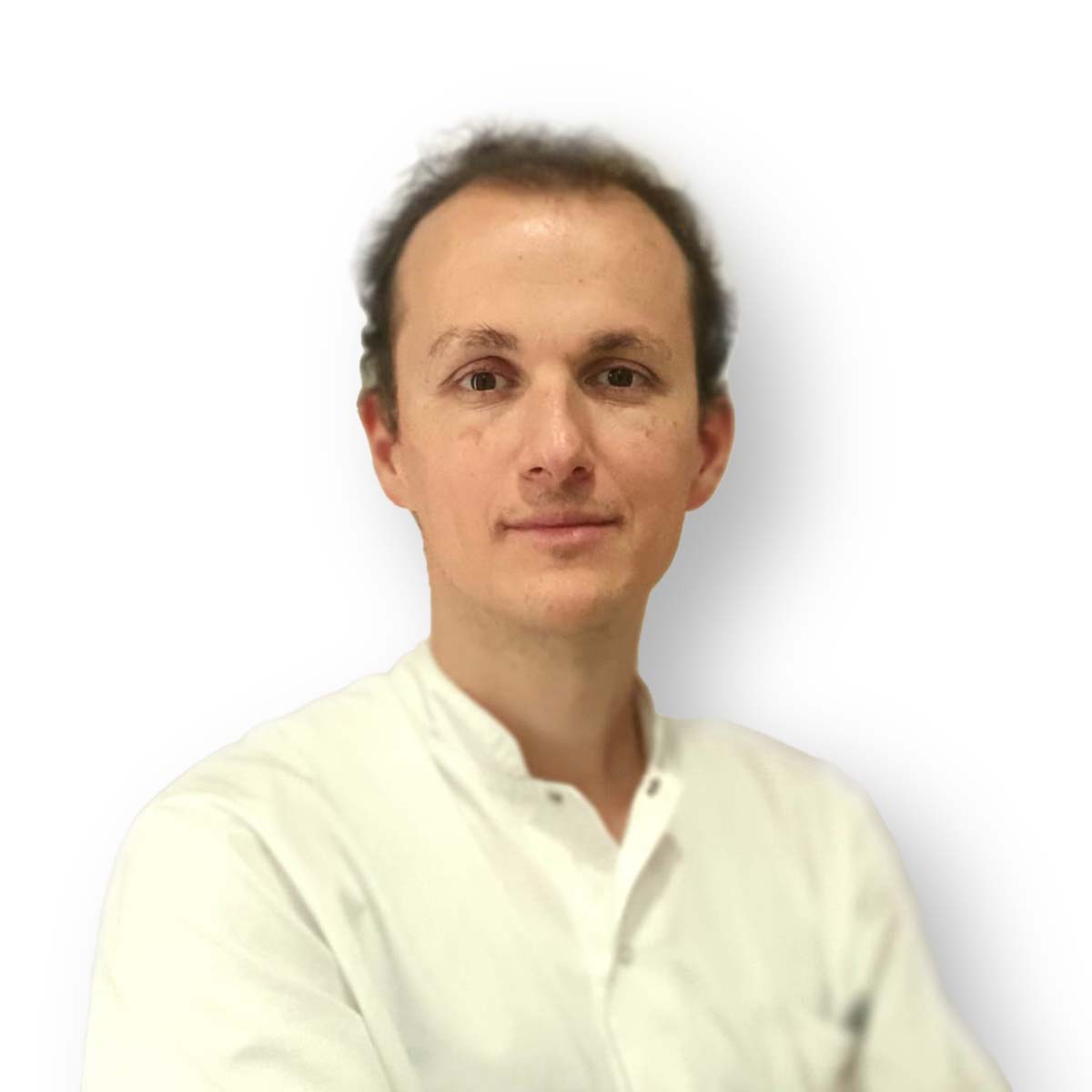
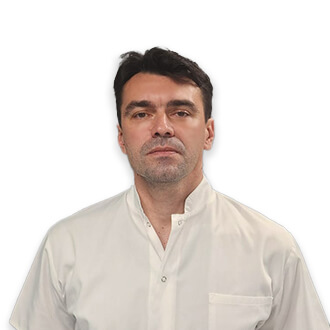
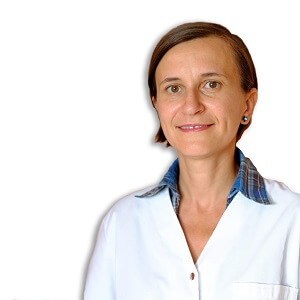
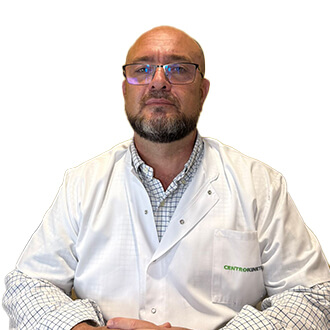
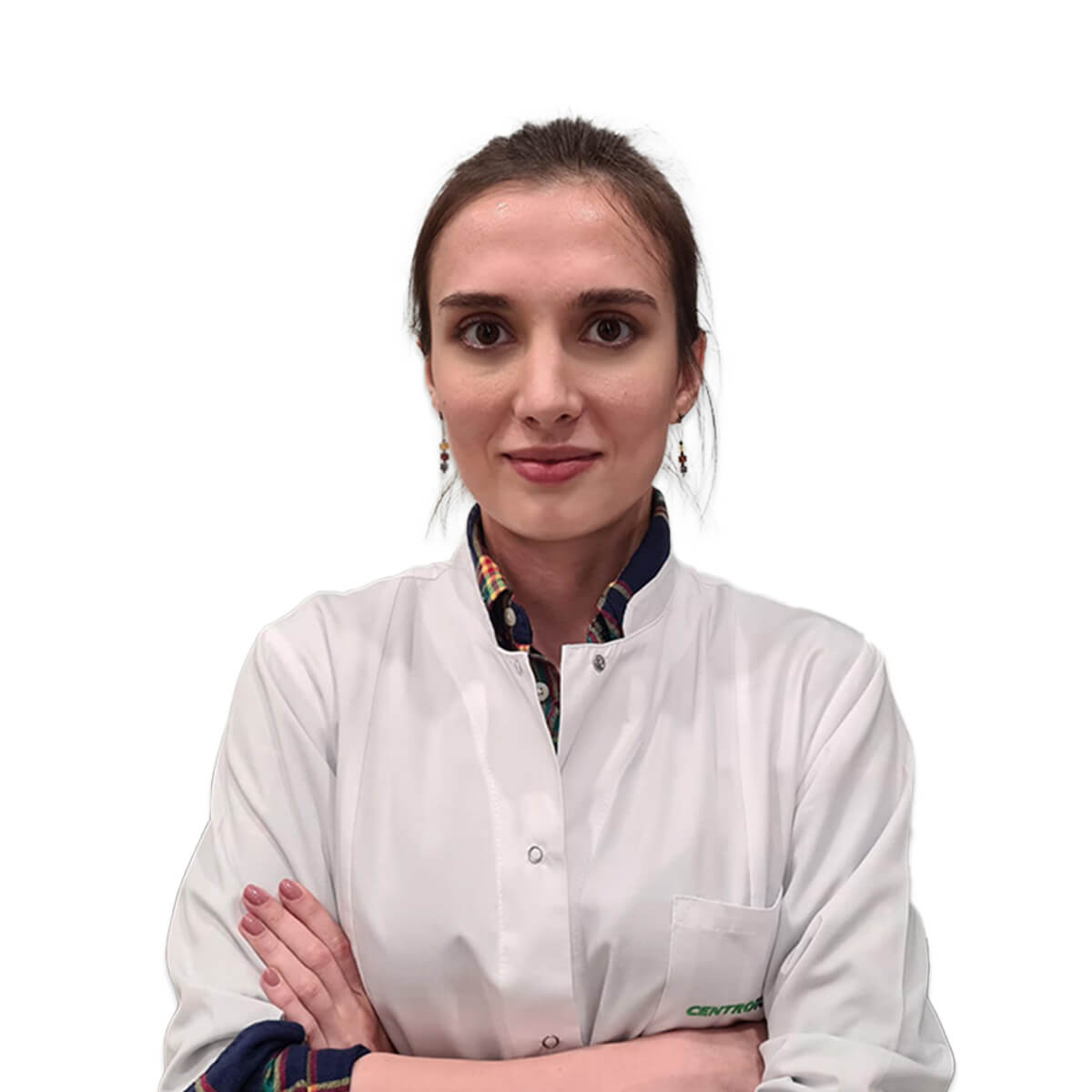
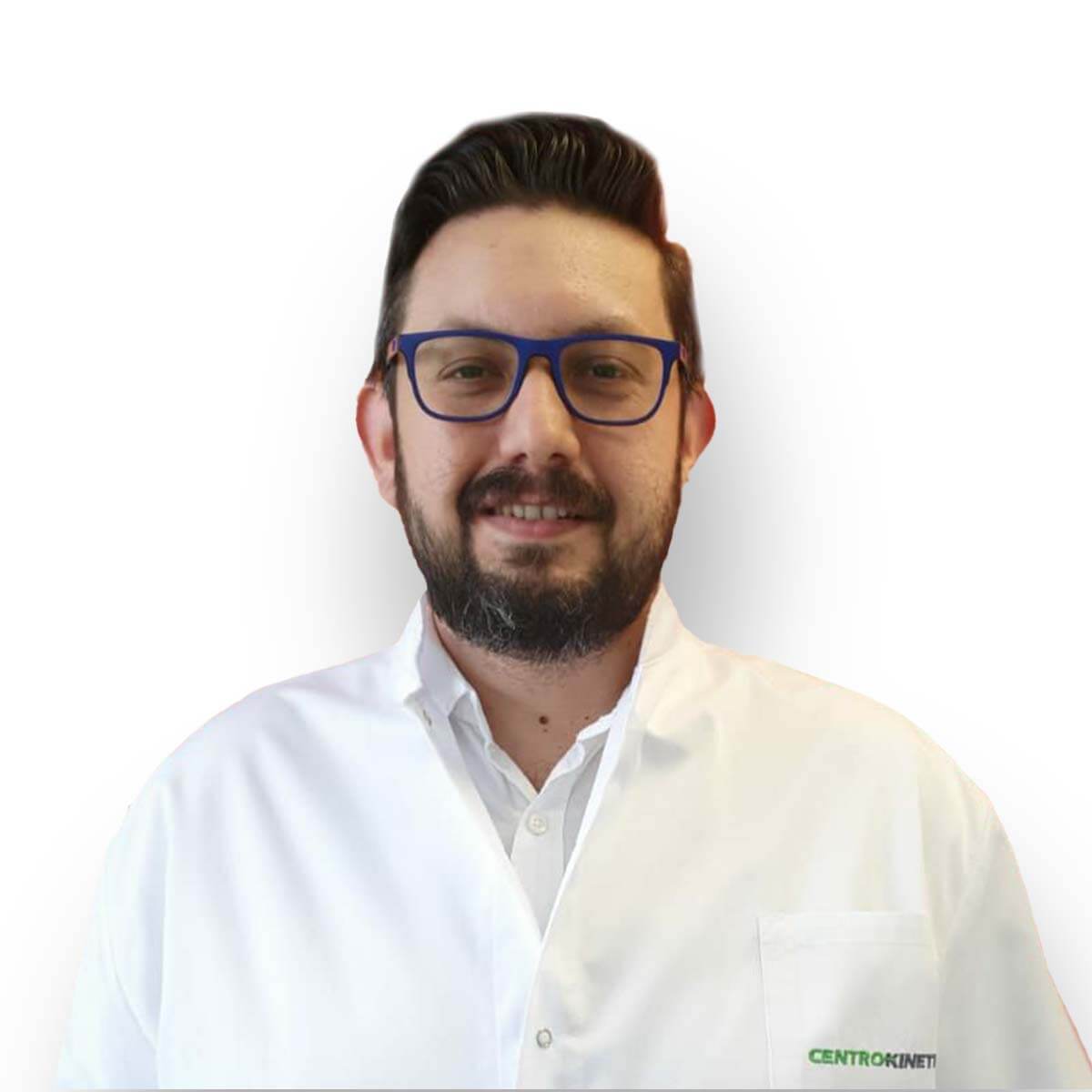
BUCHAREST TEAM


















CLUJ NAPOCA TEAM







BRASOV TEAM



MAKE AN APPOINTMENT
FOR AN EXAMINATION
See here how you can make an appointment and the location of our clinics.
MAKE AN APPOINTMENT
Asiguratori privati

Parteneriate
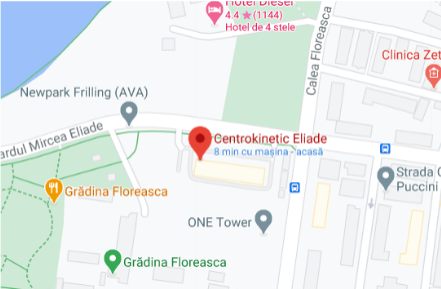
CENTROKINETIC FLOREASCA
Bucharest, 1st District,
Mircea Eliade Street, no. 18,
Eliade Tower, Entrance A, Floor 3
| Navigation | Explore 3D |
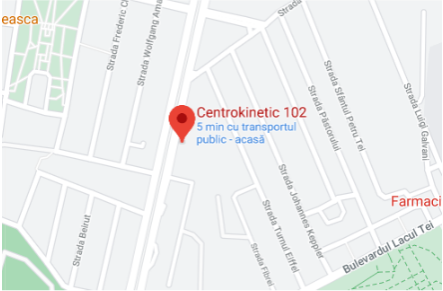
CENTROKINETIC Barbu Vacarescu
Bucharest, 2nd District,
Barbu Vacarescu Street, no. 102,
102 The Address, ground floor.
| Navigation | Explore 3D |
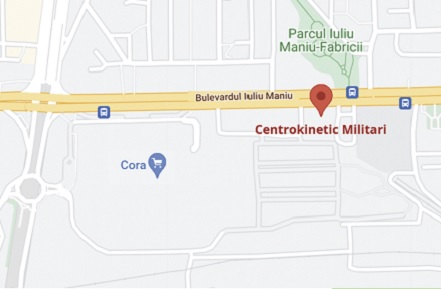
CENTROKINETIC MILITARI
Bucuresti, Sector 6,
Bld. Iuliu Maniu, nr. 15G,
Cladirea PBT, etaj 3.
| Navigation |
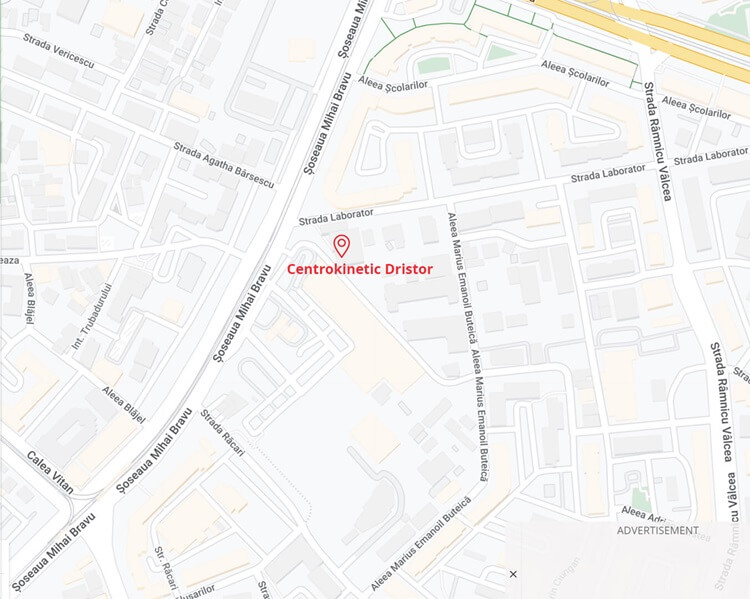
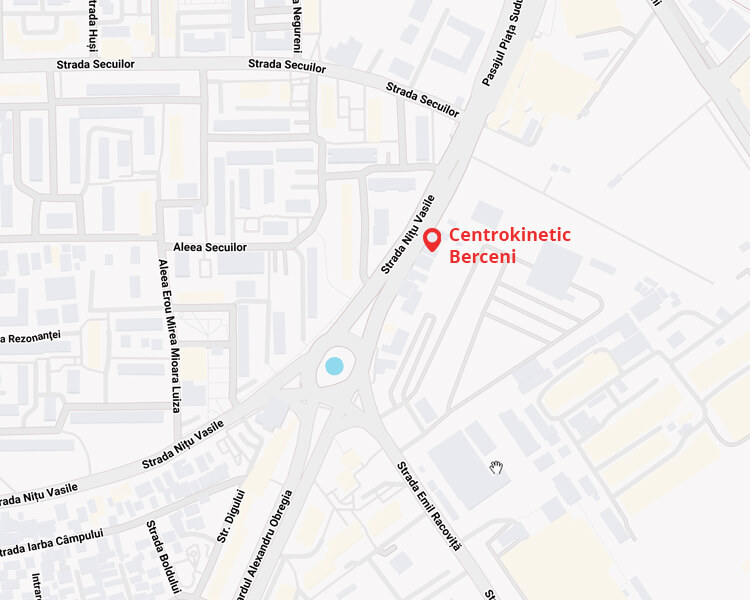
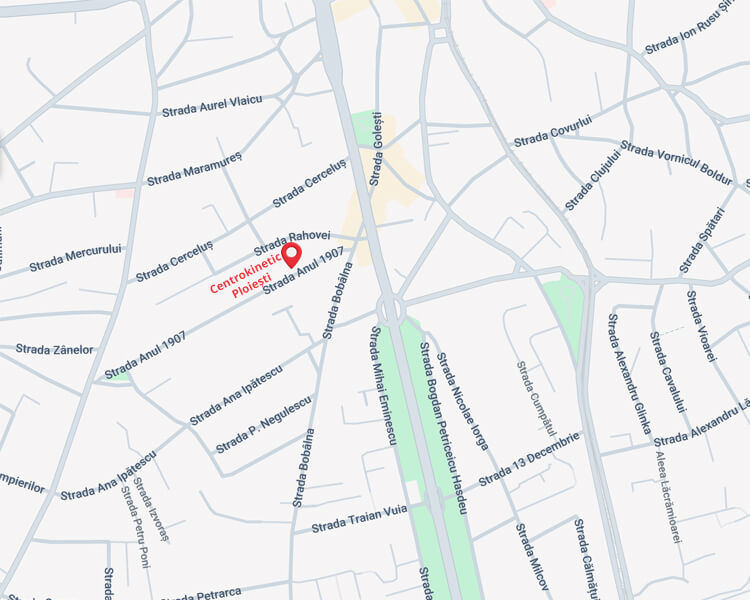
CENTROKINETIC CLUJ-NAPOCA
Cluj-Napoca,
Str. Intre Lacuri, nr.1
Intrarea este in spatele cladirii.
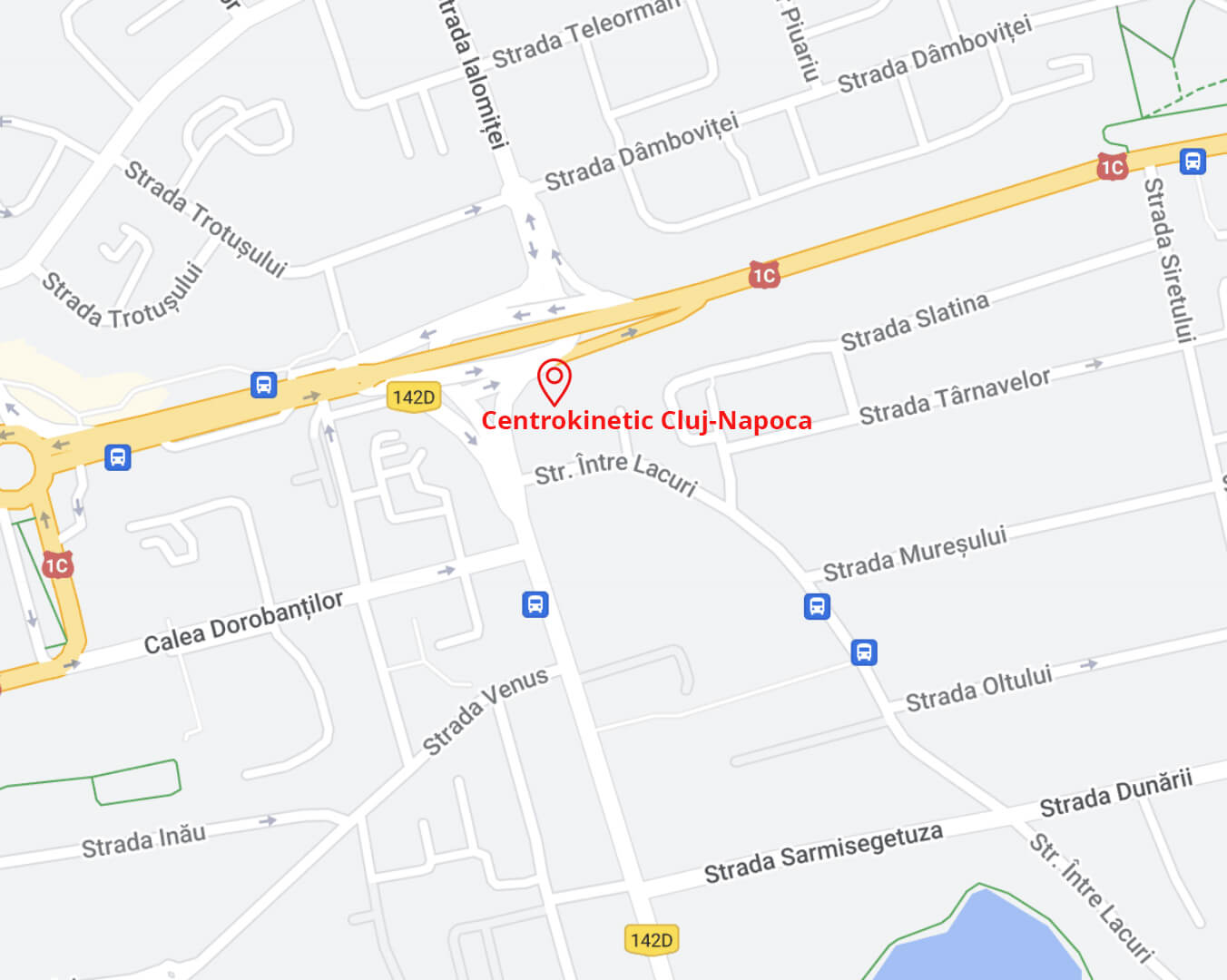
| Navigation |
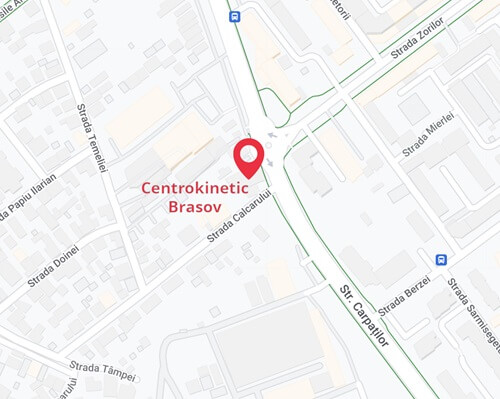
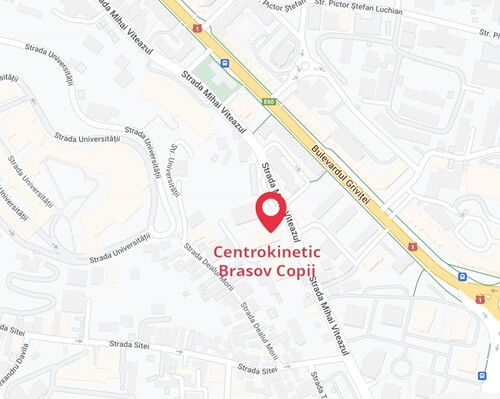
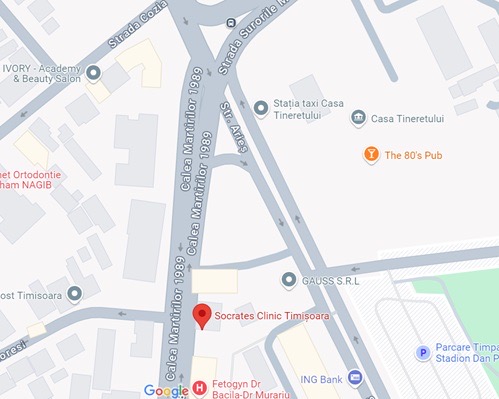
SOCRATES CLINIC TIMISOARA
Timisoara, Calea Martirilor 1989,
nr. 1.
Telefon: 0371 785 374.
| Navigation |
CONTACT
Phone: 0319693
E-mail: programari@centrokinetic.ro
Operating hours:
Monday – Friday: 07:00 – 21:00
Saturday: 09:00 – 14:00
Sunday: closed.
MAKE AN APPOINTMENT