What is physiotherapy and how does it help you?


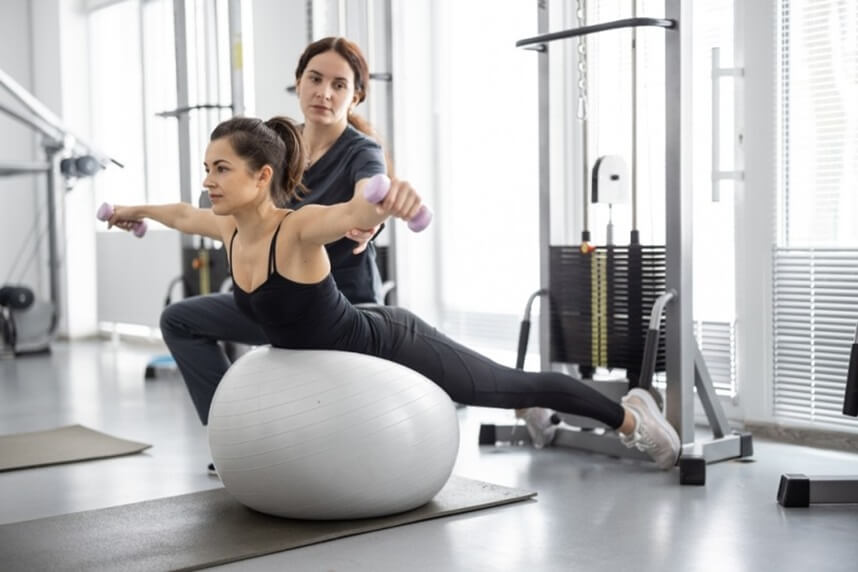
After an injury or a surgical intervention, returning to daily activities can be difficult. Personalized medical recovery programs, such as physiokinetotherapy, help you regain mobility and reduce the discomfort associated with the healing process [1]. Below, you will learn what this combined method involves, the benefits it can offer and when it is recommended. Here are more details!
What is physiokinetotherapy?
Physiokinetotherapy combines two branches of medical recovery: physiotherapy and kinesiotherapy. Physiotherapy includes treatments that use physical agents, such as electrical currents, ultrasound, laser therapy or the application of heat and cold.
Kinesiotherapy involves performing structured physical activities and exercises designed to support the functional recovery of the body. The therapeutic intervention aims at physical recovery, but also at emotional support, an important aspect throughout the treatment process [1].
What does physiokinetotherapy involve?
Thus, a physiokinetotherapy program is based on two main components:
- physiotherapy: uses procedures with physical agents such as electrotherapy, ultrasound, laser therapy or cryotherapy. These methods reduce inflammation, relieve pain and promote healing. For example, in the case of an ankle sprain, the use of cryotherapy and ultrasound helps decrease swelling and pain [1][2];
- kinesiotherapy: focuses on personalized physical exercises created by the therapist together with the patient to restore mobility and muscle strength. For example, after knee surgery, the exercise plan may include gentle mobilizations and progressive exercises to return to normal walking [1][3].
Therapists define the correct plan only after the rehabilitation physician performs a complete evaluation of your health condition. Patient safety and achieving real results remain priorities throughout the treatment.
What objectives does physiokinetotherapy pursue?
This method is used for:
- reducing pain and limiting inflammation;
- restoring or improving joint mobility;
- strengthening muscles that have lost tone after injuries;
- correcting posture, gait and balance;
- preventing recurrence of injuries or complications.
For example, a person who has suffered a fracture can regain the ability to walk independently faster with the help of exercises specifically designed for their condition [1][2][3].
In what situations is physiokinetotherapy helpful?
There are several conditions that can be treated through physiokinetotherapy. Specialists recommend this approach in cases such as:
- orthopedic conditions: fractures, sprains, dislocations, recovery after hip or knee replacement, scoliosis or osteoarthritis;
- neurological problems: stroke, peripheral nerve disorders;
- rheumatologic diseases: arthritis, ankylosing spondylitis;
- pediatric recovery: torticollis, spinal deviations in children or gait abnormalities;
- support during pregnancy (exercises that help reduce lower back pain);
- after surgical interventions or in sports medicine for returning to activity [1][2][3].
How does a session take place and what techniques are used?
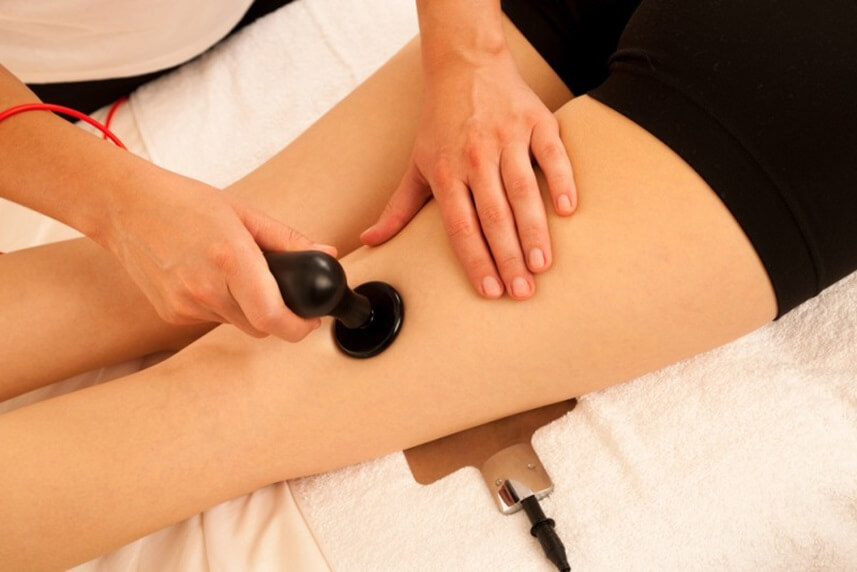
A session begins with evaluating the patient’s condition. The therapist establishes, together with the patient, the priorities for recovery. The procedures used may include:
- therapies with physical factors (ultrasound, electrotherapy, laser, cryotherapy, TECAR therapy);
- mobility and stretching exercises;
- muscle strengthening techniques;
- therapeutic massage for muscle relaxation or reducing inflammation;
- balance and coordination training.
A patient may start with simple exercises, and over time, the therapist may adjust the plan depending on progress. In some centers, advanced technology, such as posture assessment with sensors or robotic systems, can complement the classic physiokinetotherapy approach [1].
How many sessions are necessary?
The duration of treatment is influenced by the diagnosis and the established objectives. For a mild sprain, 6–8 sessions may be sufficient, while recovery after a stroke may take several months. A session usually lasts between 30 and 90 minutes.
Your involvement decisively influences the results. Therefore:
- follow the doctor’s and kinesiotherapist’s recommendations;
- practice the exercises at home according to the instructions received;
- communicate any unusual symptom or difficulty.
The medical recovery team will monitor your progress and adjust the program whenever necessary.
Benefits, limitations and precautions
Physiokinetotherapy offers clear advantages:
- reduces pain and accelerates the recovery process;
- increases mobility, muscle strength and overall well-being;
- improves psychological balance, as the progress you make motivates you.
However, there are situations in which this type of intervention is not recommended. People with certain forms of cancer, acute infections, severe blood clotting disorders or unstable heart disease must first seek medical advice. Some patients may have temporary restrictions depending on the diagnosis [1][2][3].
If adverse reactions or new symptoms occur during sessions (increased inflammation, fever, difficulty breathing), stop the treatment and contact a specialist.
Brief recommendations and additional resources
Take care of your health through consistent movement and regular medical visits. Do not start self-treatment and do not ignore specialist consultation. This article is strictly for informational purposes. Any decision regarding your treatment must be established with your doctor or therapist after clinical evaluation. For detailed information about costs, access the pricing page.
Physiokinetotherapy is one of the most effective medical recovery methods, whether you are dealing with an injury, surgery or a chronic condition. With the help of a multidisciplinary team and modern technologies, you can make progress in mobility, comfort and independence of movement, depending on your condition [1][2][3].
At Centrokinetic, each recovery program is personalized according to your needs and coordinated by specialists in orthopedics, neurology and kinesiotherapy. Whether you need treatment for joint pain, postural re-education or recovery after surgery, here you will find complete support for safe and effective healing.
Sources:
[1] “Physiotherapy / Physical Therapy.” Physiopedia, 2022, www.physio-pedia.com/Physiotherapy_/_Physical_Therapy.
[2] “Physiotherapy.” Nhs.uk, Oct. 2017, www.nhs.uk/tests-and-treatments/physiotherapy/.
[3] “What Is Kinesiotherapy?” Universidad Europea, Universidad Europea, 12 Apr. 2023, universidadeuropea.com/en/blog/what-is-kinesiotherapy/.
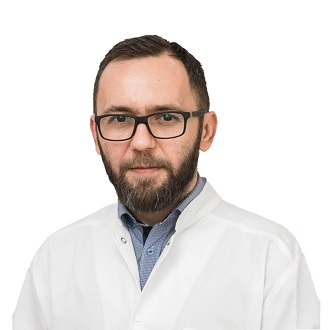
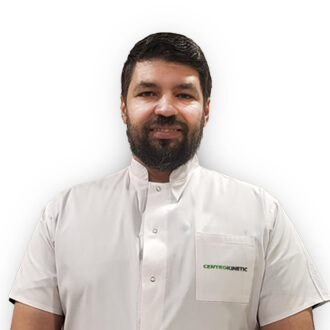
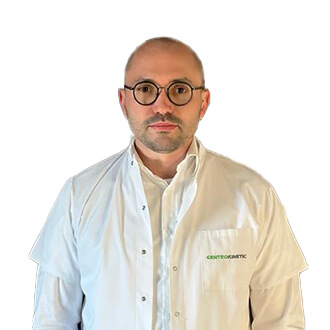
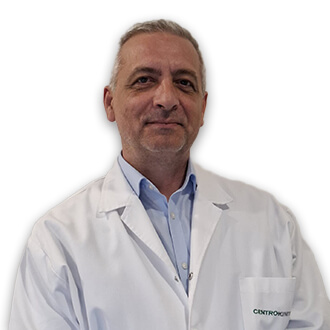
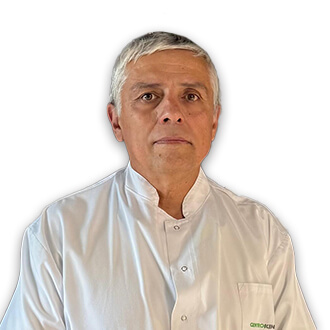
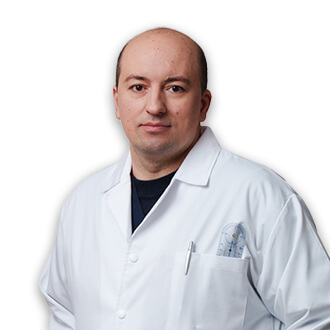
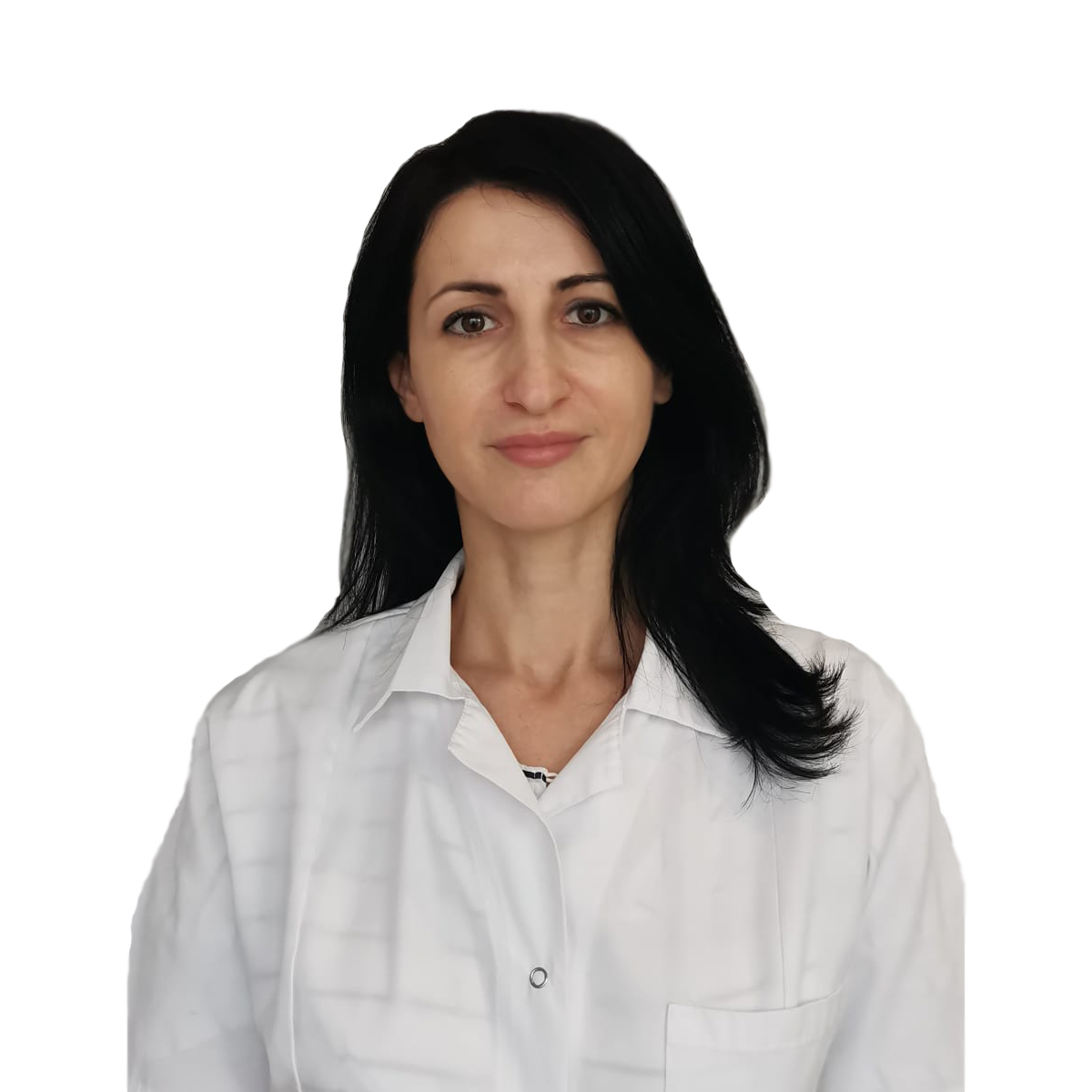
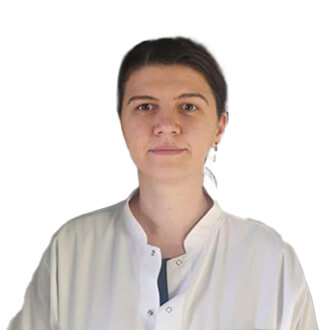
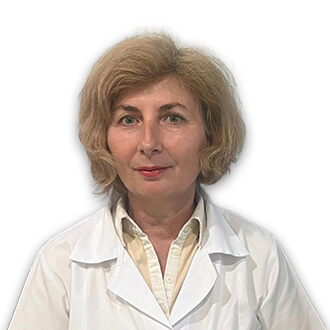
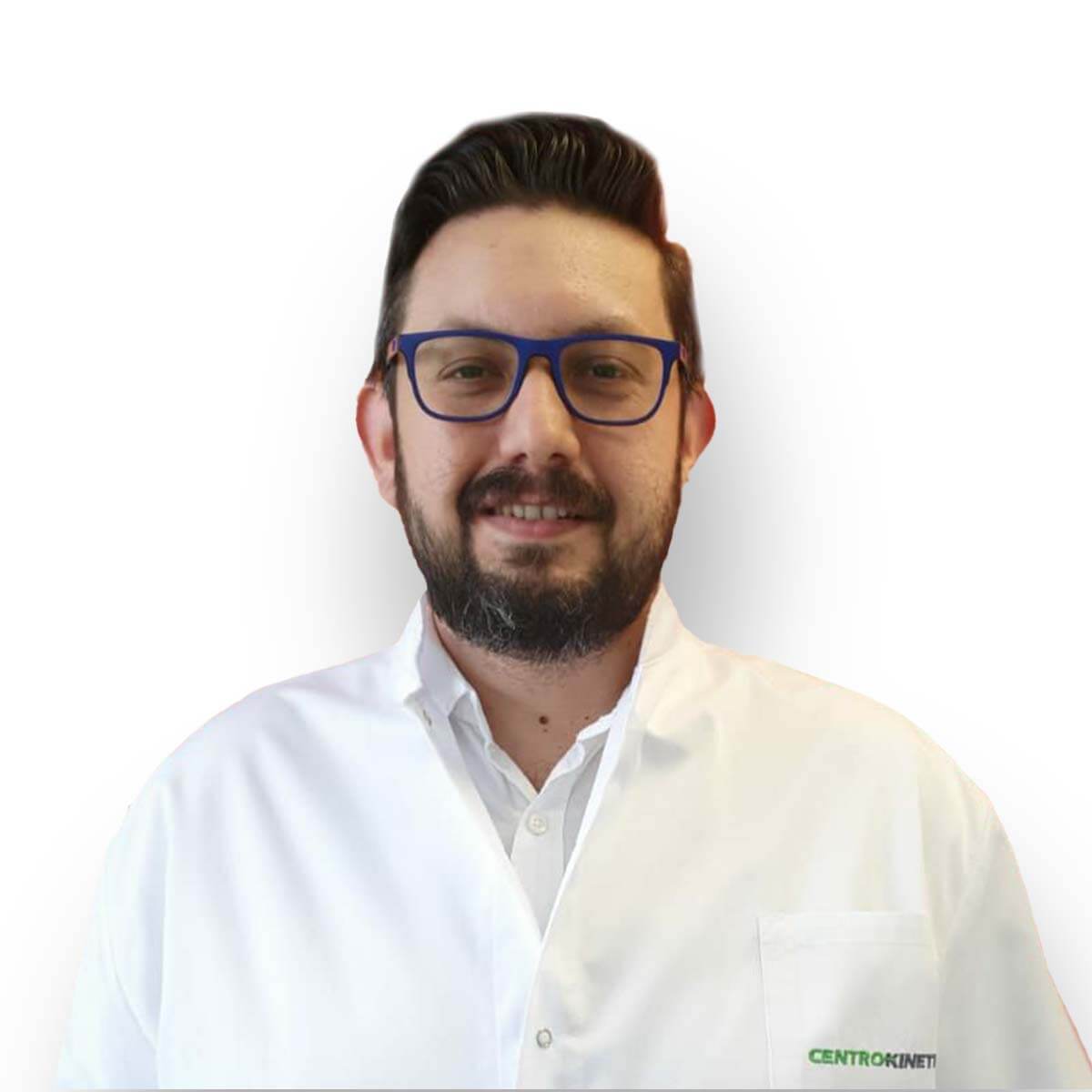
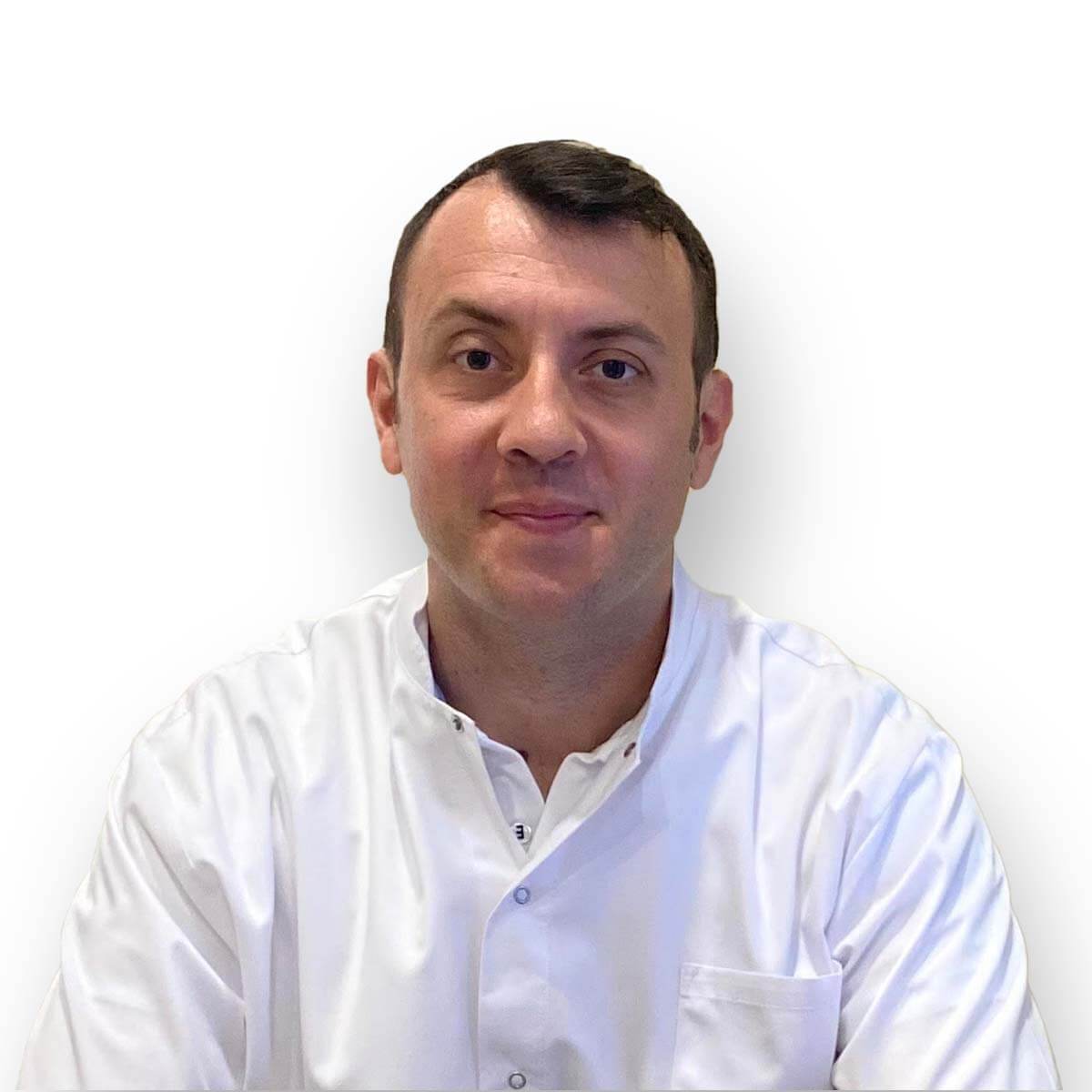
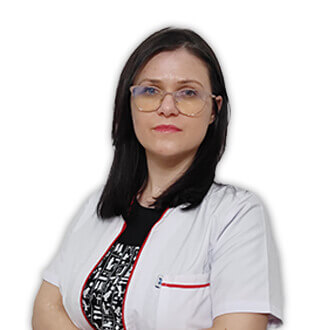
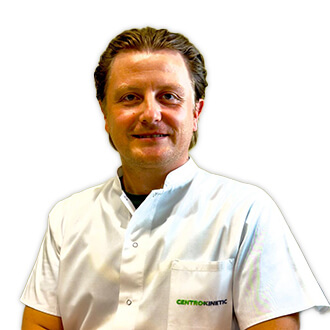
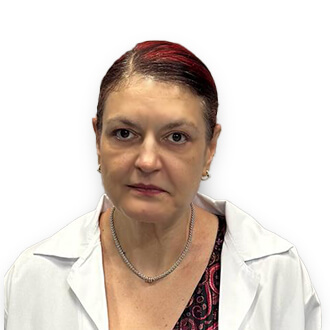
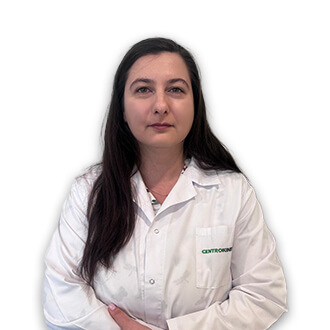
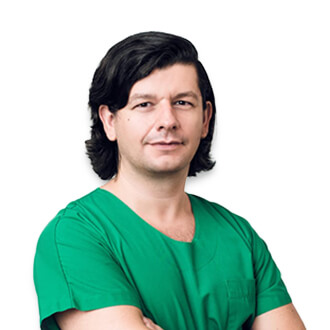
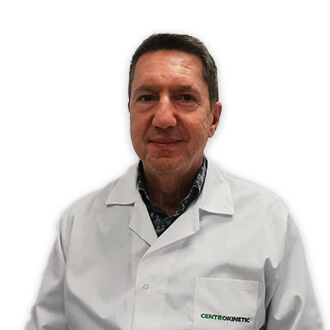
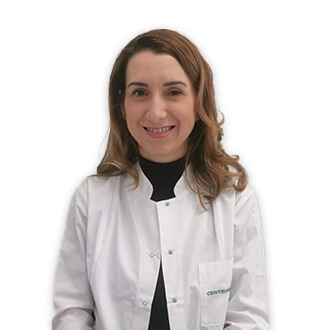
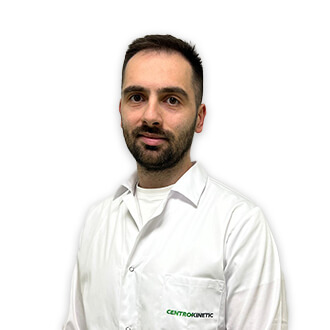
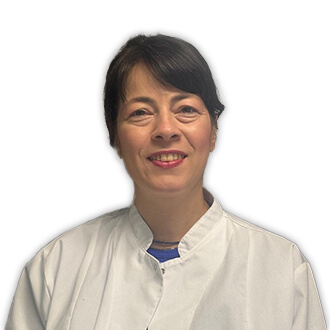
BUCHAREST TEAM
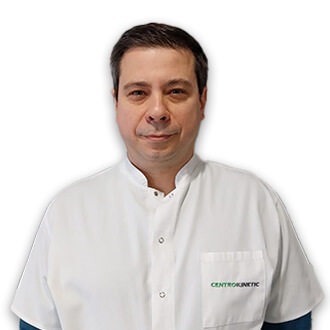

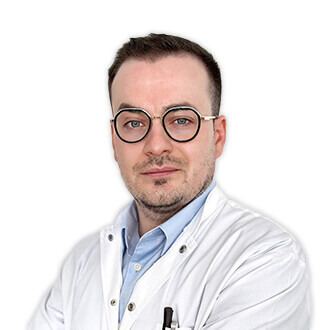
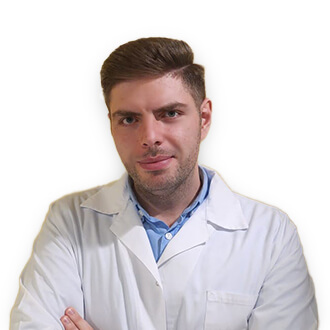

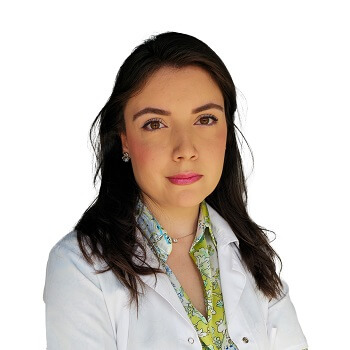


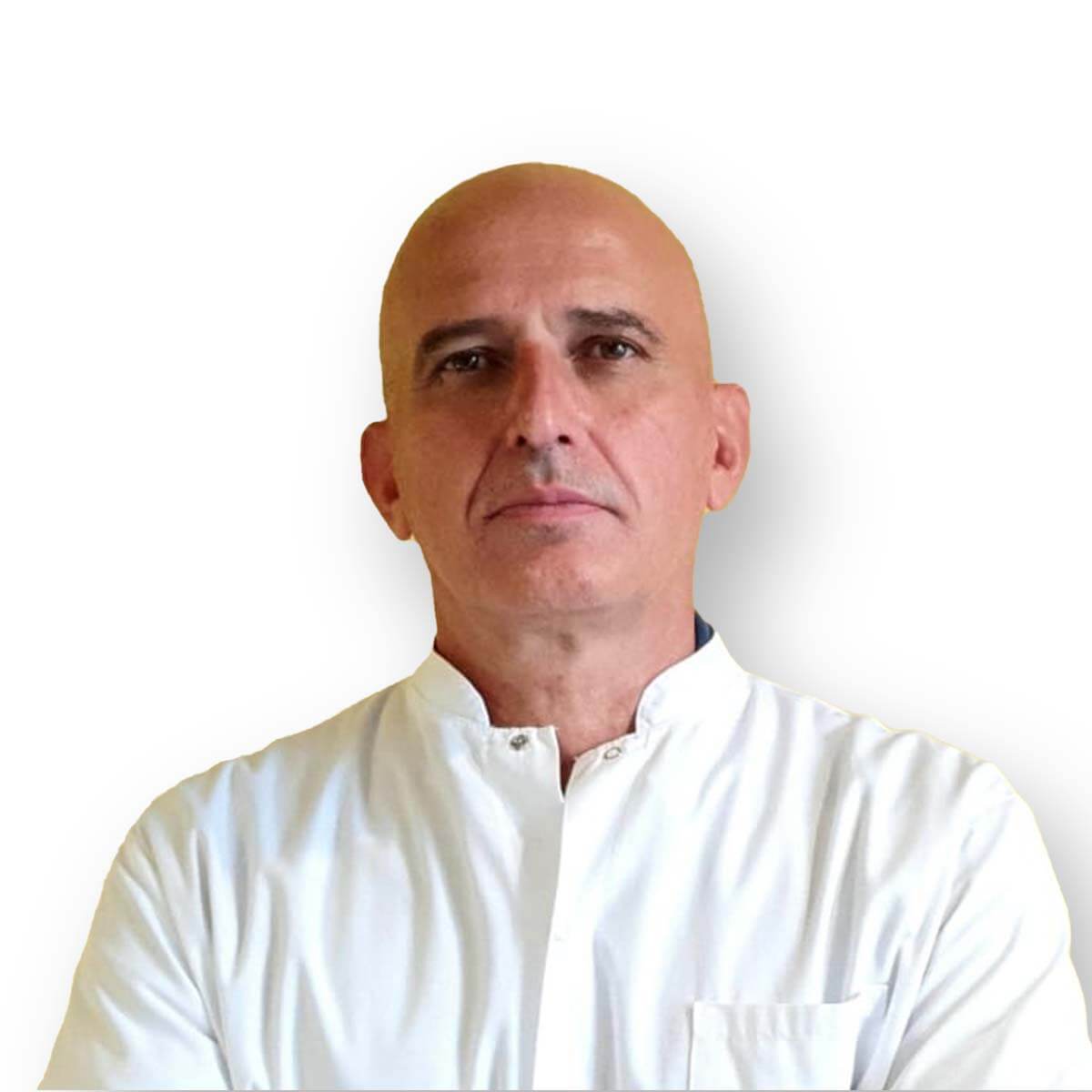
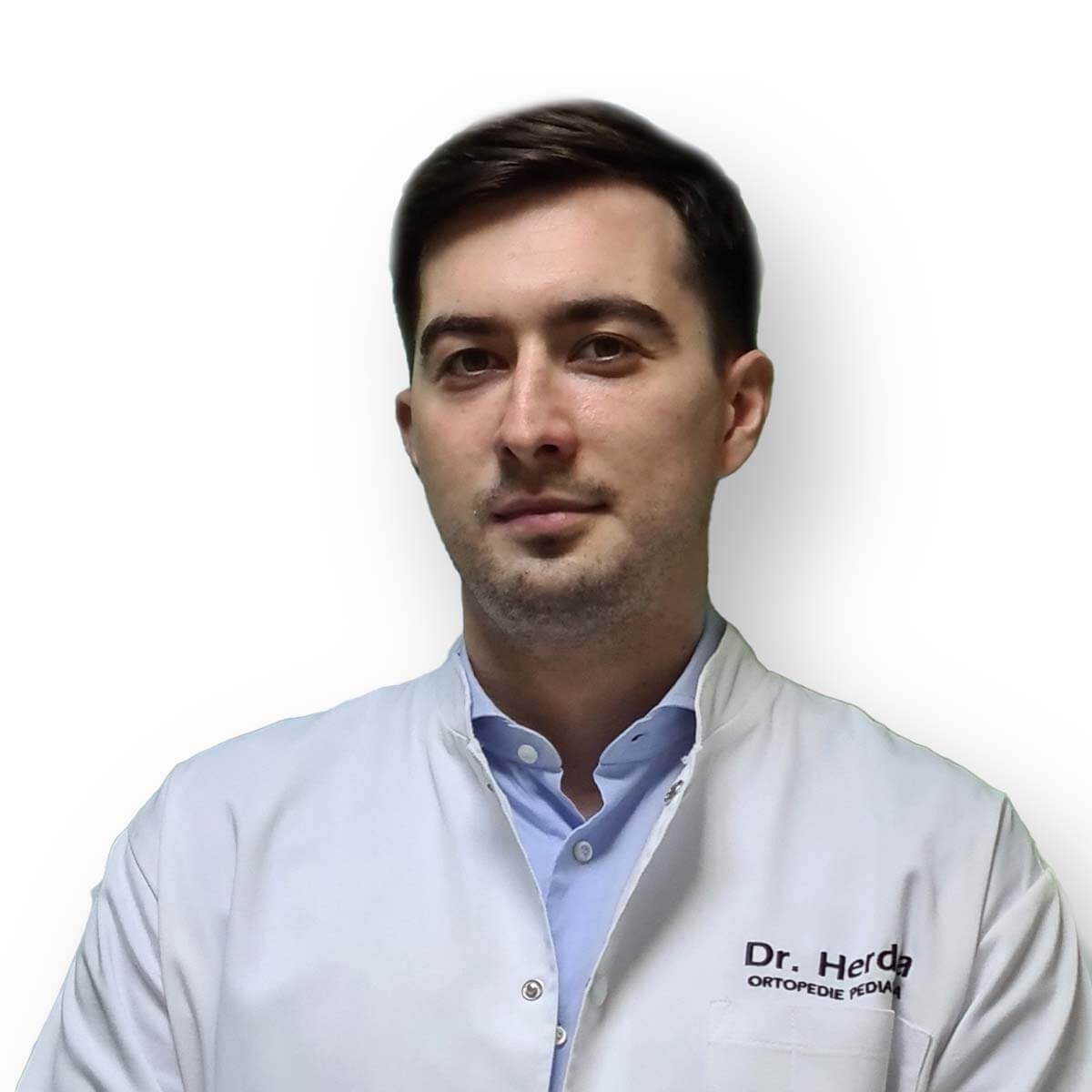





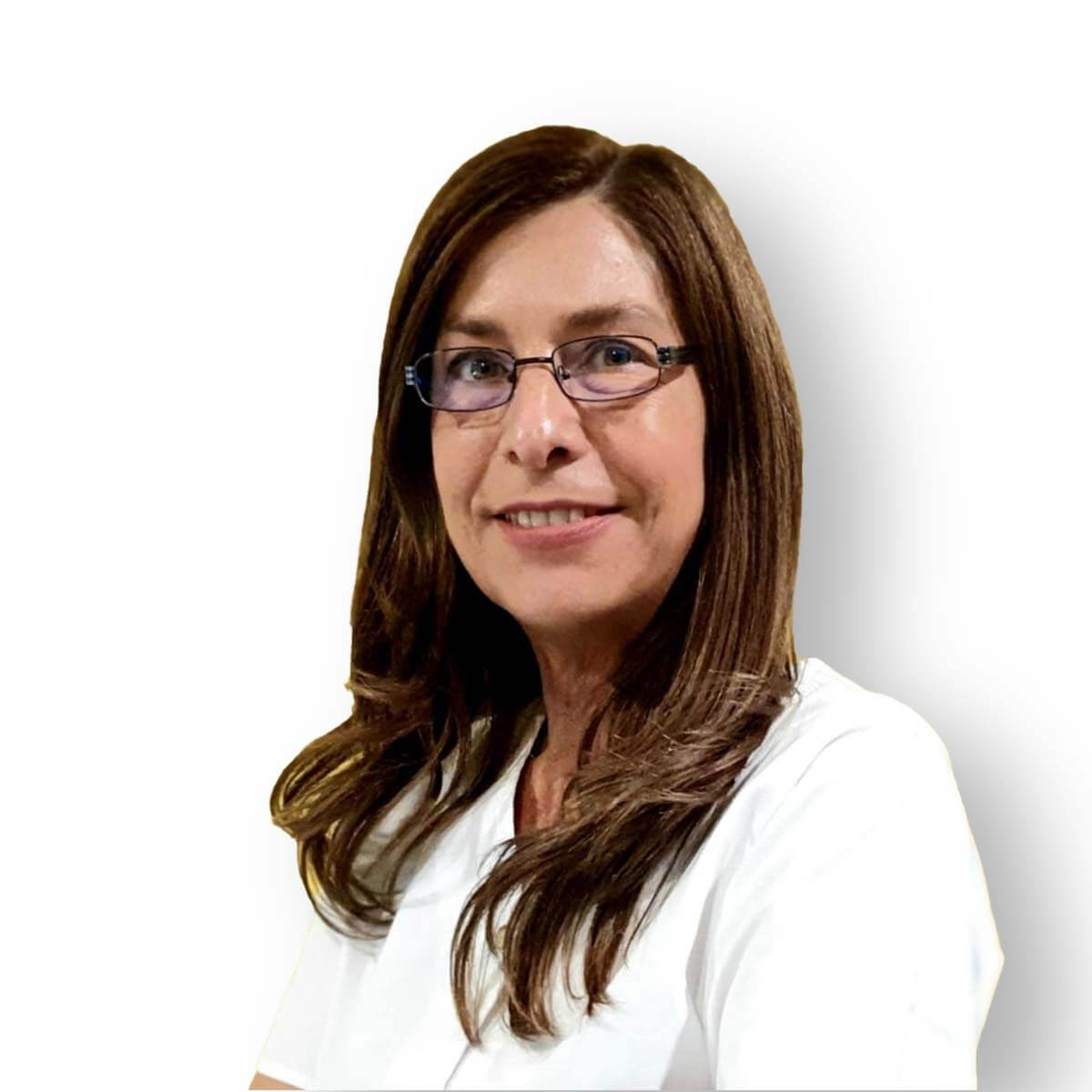


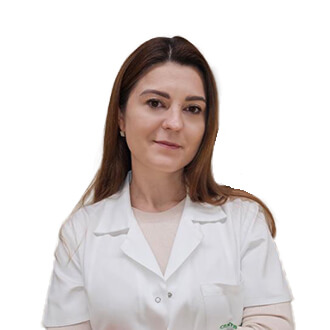
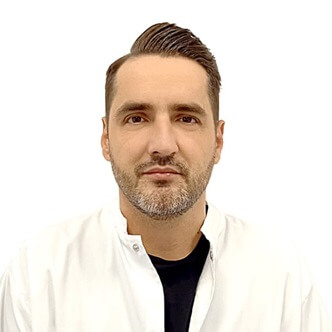


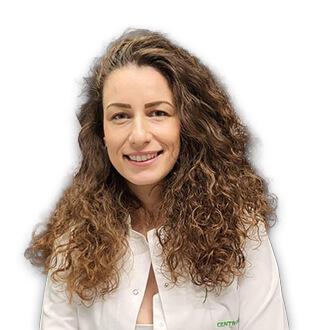
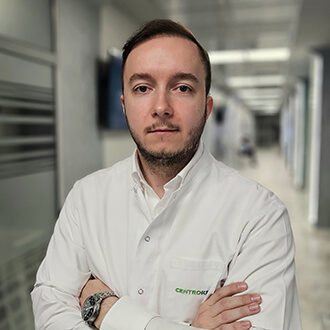


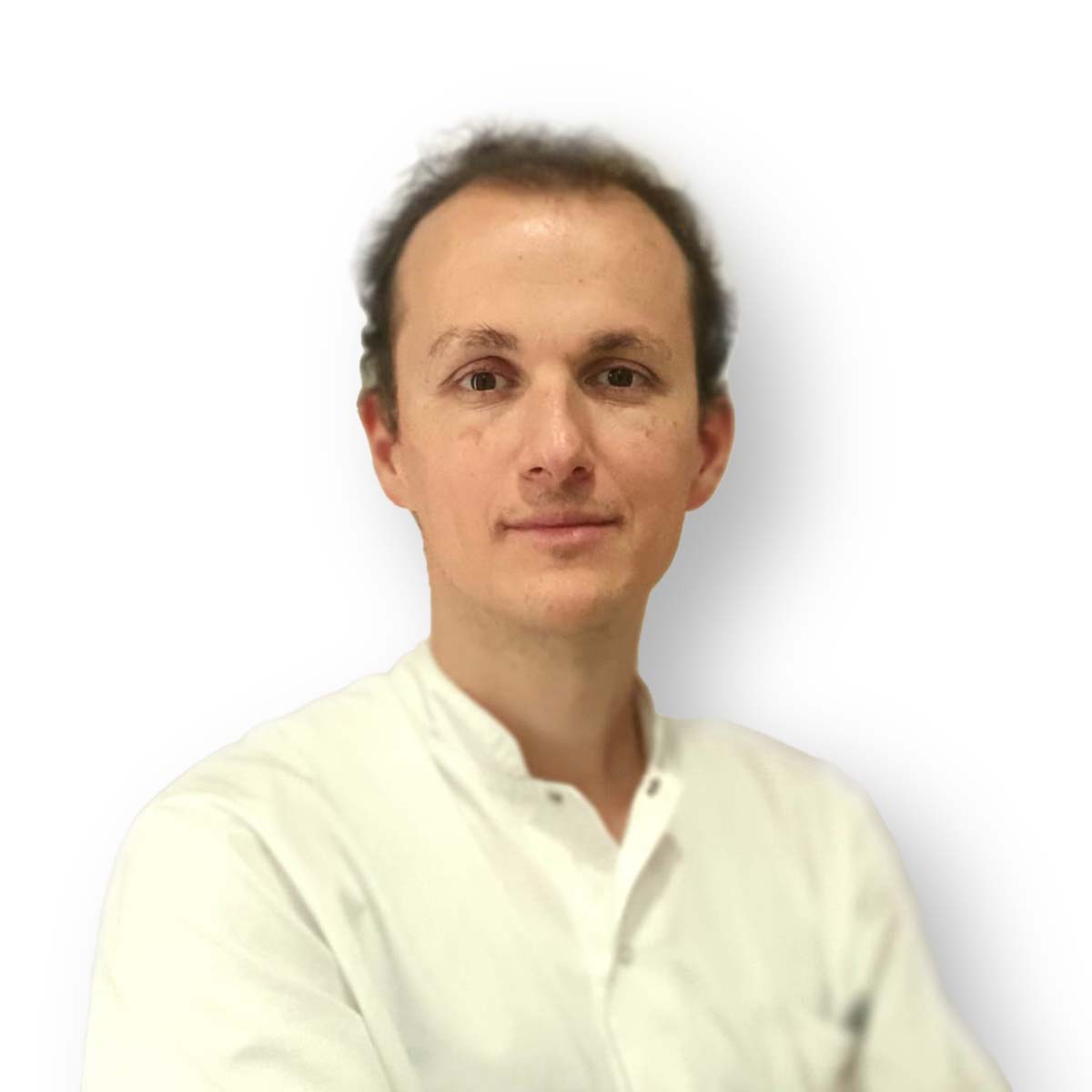
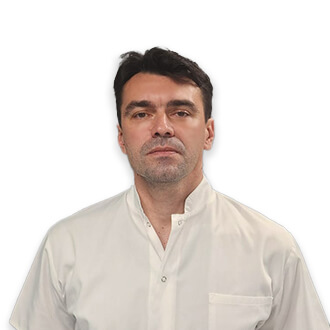
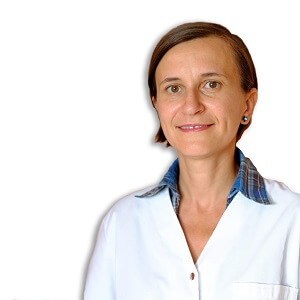
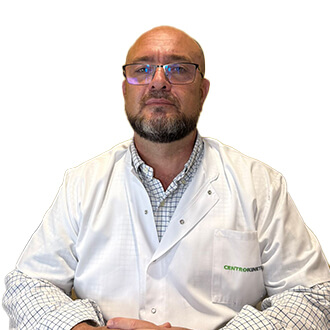










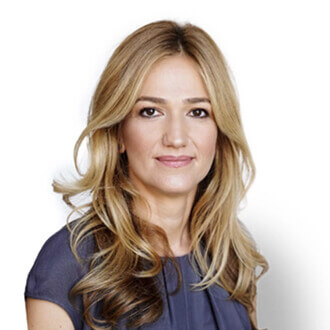
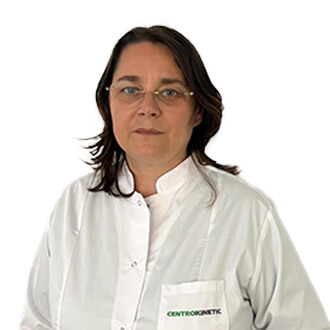
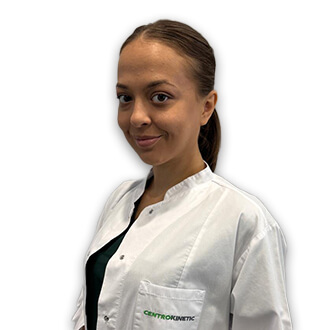
CLUJ NAPOCA TEAM
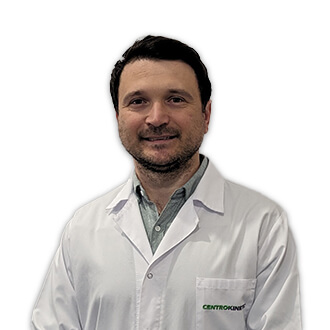
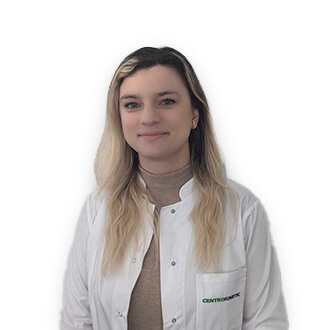
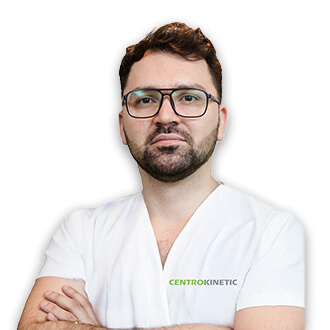
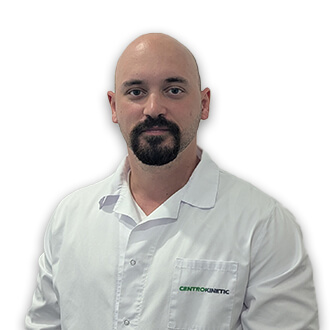



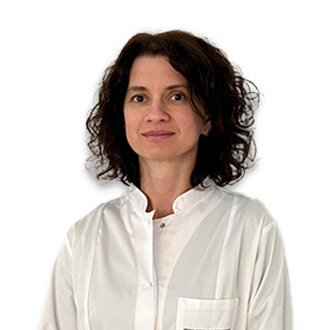
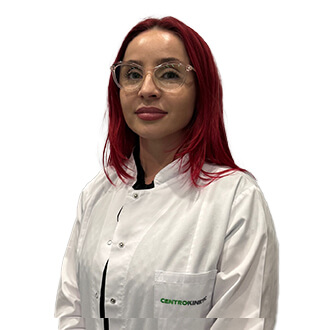
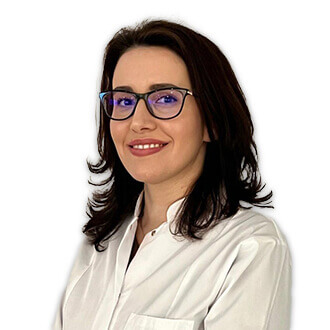
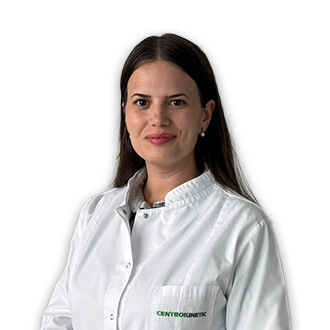
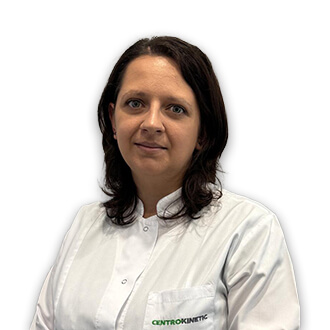


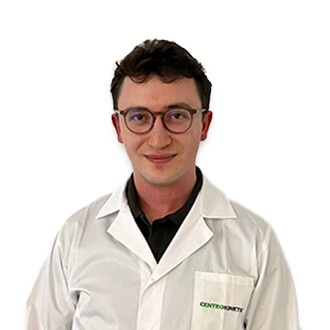
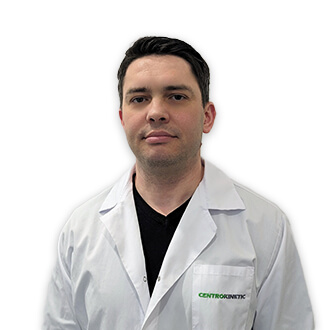
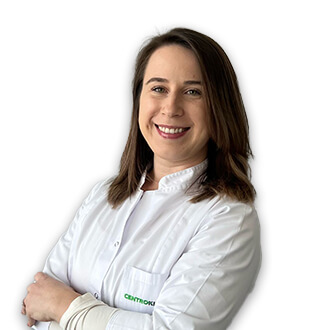





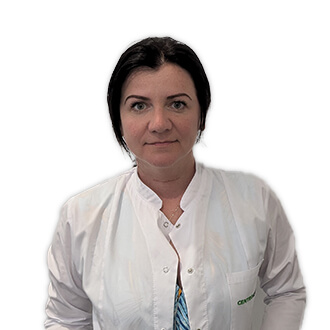


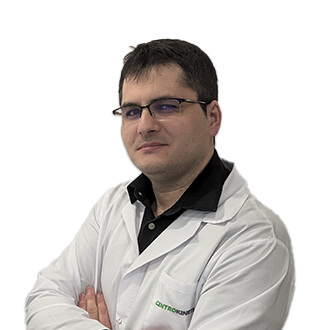
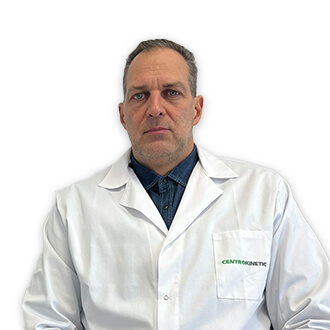
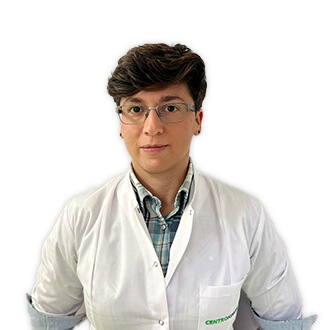
BRASOV TEAM
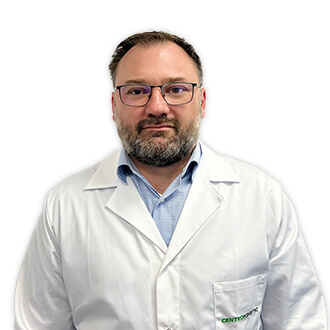
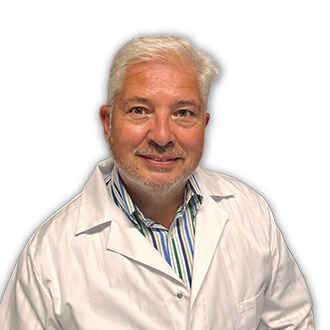
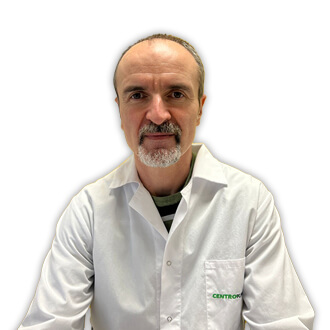
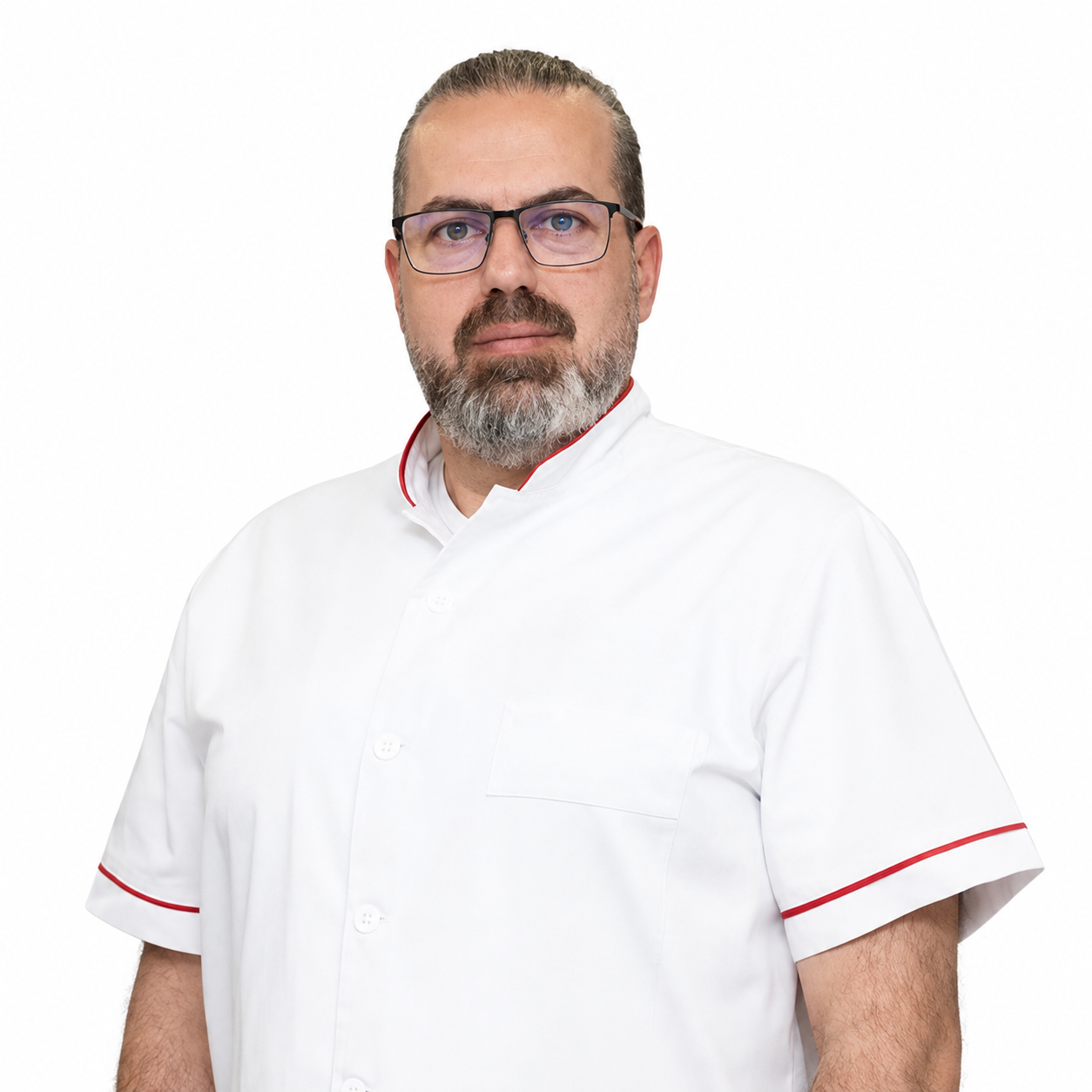






MAKE AN APPOINTMENT
FOR AN EXAMINATION
See here how you can make an appointment and the location of our clinics.
MAKE AN APPOINTMENT
Asiguratori privati



Parteneriate


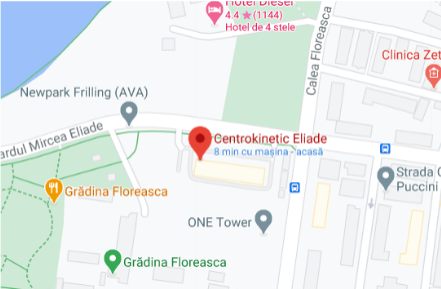
CENTROKINETIC FLOREASCA
Bucharest, 1st District,
Mircea Eliade Street, no. 18,
Eliade Tower, Entrance A, Floor 3
| Navigation | Explore 3D |
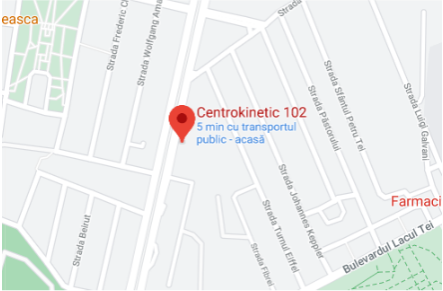
CENTROKINETIC Barbu Vacarescu
Bucharest, 2nd District,
Barbu Vacarescu Street, no. 102,
102 The Address, ground floor.
| Navigation | Explore 3D |
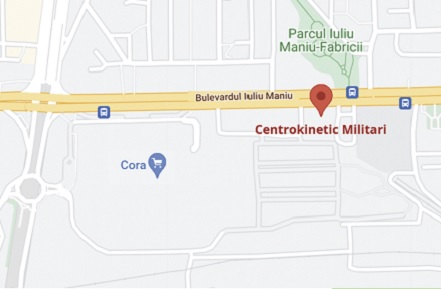
CENTROKINETIC MILITARI
Bucuresti, Sector 6,
Bld. Iuliu Maniu, nr. 15G,
Cladirea PBT, etaj 3.
| Navigation |
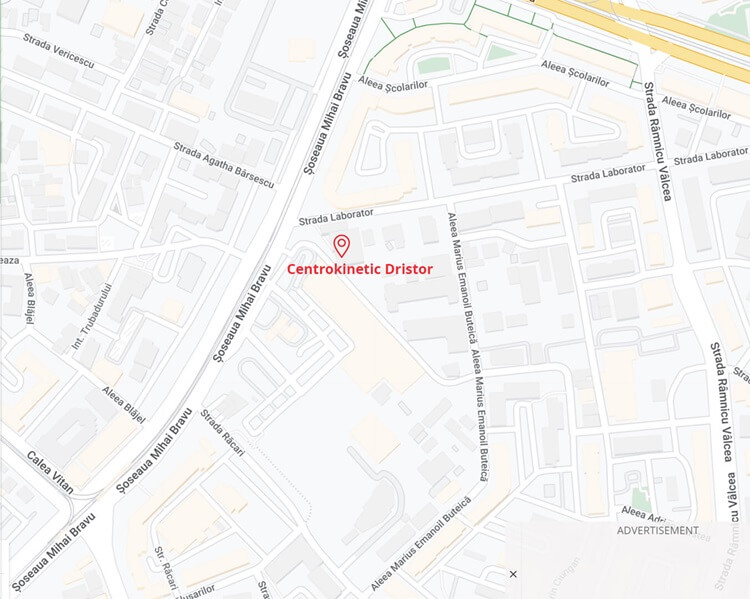
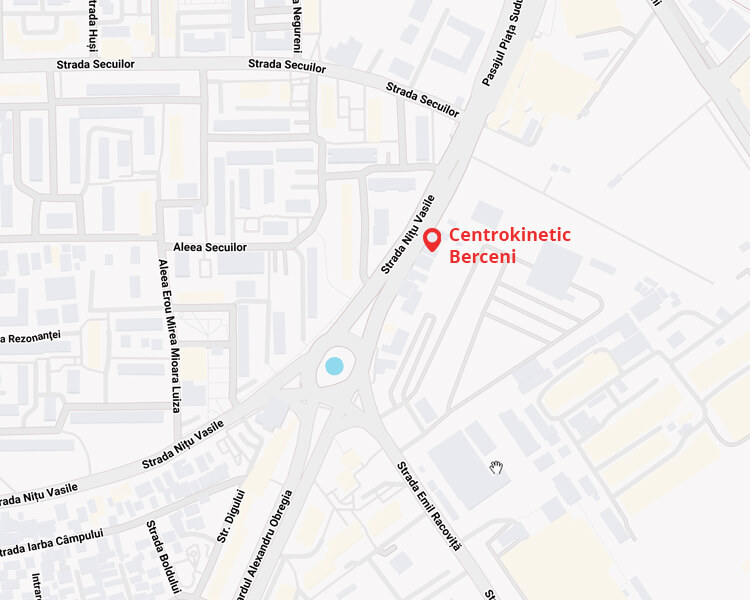
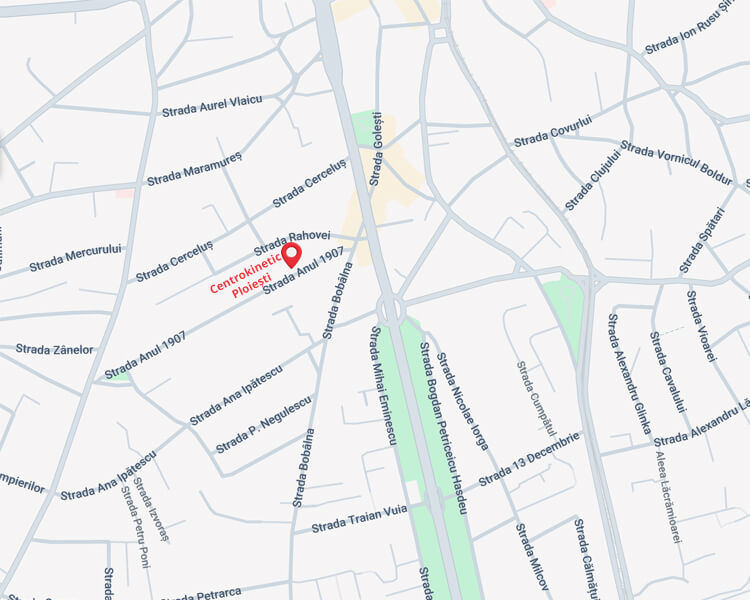
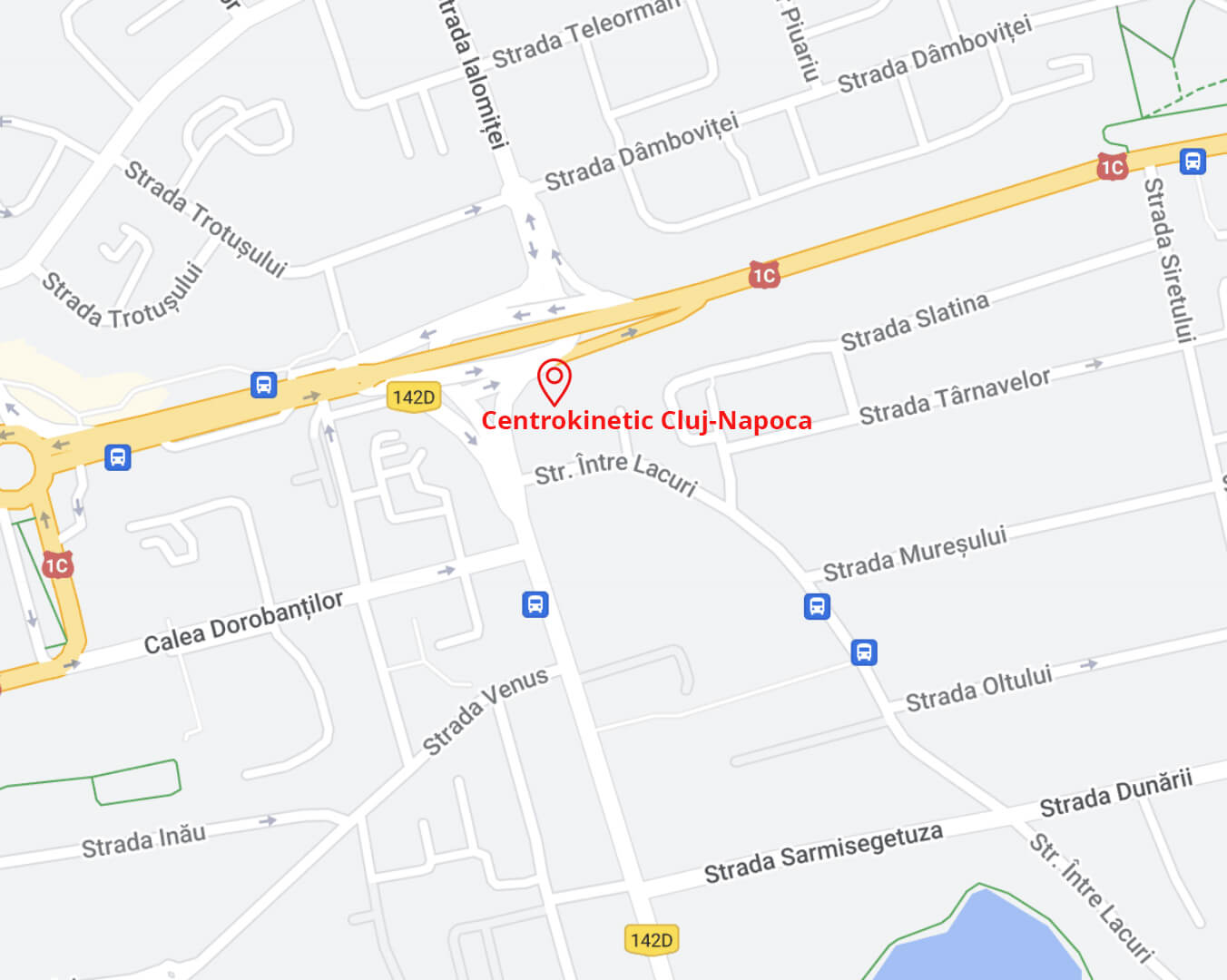
CENTROKINETIC CLUJ-NAPOCA
Cluj-Napoca,
Str. Intre Lacuri, nr.1
Intrarea este in spatele cladirii.
| Navigation |
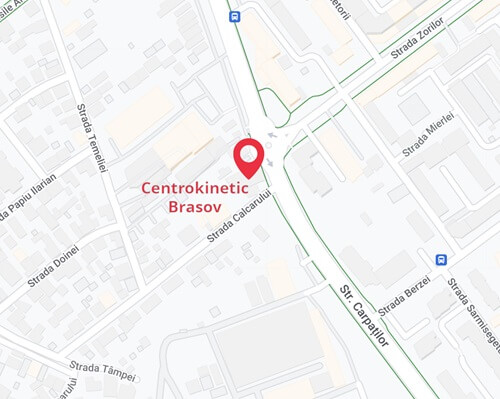
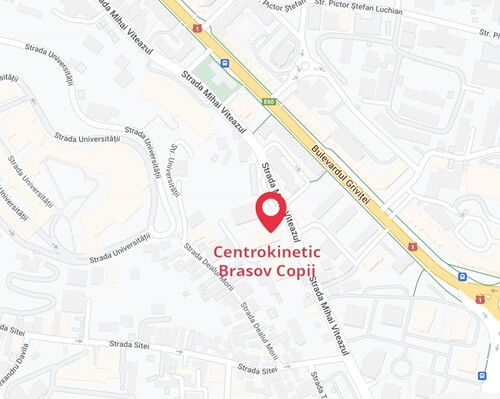
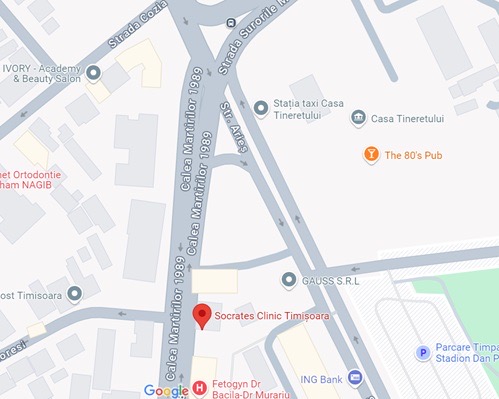
SOCRATES CLINIC TIMISOARA
Timisoara, Calea Martirilor 1989,
nr. 1.
Telefon: 0371 785 374.
| Navigation |
CONTACT
Phone: 0319693
E-mail: programari@centrokinetic.ro
Operating hours:
Monday – Friday: 07:00 – 21:00
Saturday: 09:00 – 14:00
Sunday: closed.
MAKE AN APPOINTMENT