When should you see a doctor for pain?



Persistent pain often raises questions: is it something temporary or a sign that the body needs medical attention? Many people choose to wait, hoping the discomfort will go away on its own. However, in many cases, the pain returns, intensifies, or begins to limit daily activities. Below, we discuss the right time to consult a doctor, how to recognize warning signs, and how to prepare for a medical appointment. Here is what you need to know!
What does pain that does not go away mean?
Doctors distinguish between acute and persistent pain. Acute pain appears suddenly and improves within a few days or weeks. For example, muscle soreness after intense physical activity or pain caused by a mild sprain usually falls into this category.
Pain that lasts more than a few weeks or constantly reappears, even with varying intensity, indicates a problem that should be evaluated. In general, a medical consultation is recommended if the discomfort does not improve after 7–14 days or if it frequently returns during the same type of movement. A common example is lower back pain that initially appears only in the evening after prolonged sitting, then begins to occur daily. In such situations, early evaluation helps limit complications and maintain mobility [1].
What information helps the doctor understand the problem?
A useful first step before your appointment is to observe your pain. Pay attention to the following aspects and write them down if possible:
- exact location: lower back, neck, knee, shoulder, hip, etc.;
- type of pain: dull, throbbing, burning, with a feeling of pressure;
- intensity: rate it on a scale from 1 to 10, where 1 represents minimal discomfort;
- duration: how many days, weeks, or months it has persisted;
- frequency: daily, occasionally, only during effort or at rest;
- aggravating factors: walking, sitting, lifting weights, sleeping position;
- relieving factors: rest, changing position, applying heat, usual medication.
For example, knee pain that occurs when going down the stairs, has an intensity of 6/10, and has lasted for three weeks raises suspicion of overuse or a joint problem. Delaying evaluation may lead to walking limitations [1][2].
Warning signs: situations when a Centrokinetic consultation should not be postponed
Schedule a consultation if you notice one or more of the following situations:
- pain persists for more than two weeks despite reduced effort;
- discomfort appears daily or returns with the same movements;
- pain wakes you up at night or affects your sleep;
- clear limitations in walking, work, or household activities occur;
- pain does not improve with previously recommended usual treatments;
- numbness, tingling, or decreased strength appear;
- you notice inflammation, stiffness, or reduced mobility.
In most cases, early evaluation helps establish a clear treatment direction and prevents chronic progression [1].
Emergency situations: when you must act immediately
Certain types of pain may signal serious medical problems. Call emergency services or go directly to the emergency room if any of the following signs occur:
- sudden and intense chest pain;
- difficulty breathing or shortness of breath;
- sudden weakness in one arm or leg;
- severe dizziness, confusion, or loss of balance;
- widespread numbness or loss of sensation;
- high fever associated with intense pain;
- loss of bladder or bowel control.
These symptoms require immediate evaluation and should not be monitored at home [1][3]!
Common types of pain that require medical evaluation
- spinal pain: cervical, thoracic, or lumbar, especially if radiating to the arms or legs;
- persistent joint pain: knee, hip, shoulder, accompanied by morning stiffness;
- pain associated with tingling or numbness: possible nerve involvement;
- diffuse body pain: associated with fatigue and sleep disturbances [1][2].
For optimal results, Centrokinetic specialists evaluate muscular, joint, and nervous structures before recommending a management plan.
Why does some pain persist and not disappear on its own?
Persistent pain often occurs due to overuse, poor posture, inflammation, or degenerative changes. In some situations, the nervous system remains sensitized and continues to transmit pain signals even after the initial injury has partially healed. Ignoring discomfort often leads to compensatory movements. These adaptations increase the risk of overloading other areas and gradually reduce mobility. Many patients begin to avoid movement out of fear of worsening the pain, which in turn maintains the discomfort [1].
How to prepare for your consultation at Centrokinetic?

Before your appointment, prepare the following details:
- a description of the pain and its evolution;
- when it started and under what circumstances;
- medications or supplements recently used;
- known allergies;
- existing medical conditions;
- results of previous investigations, if available.
This information helps the doctor quickly understand the situation and decide whether additional investigations are necessary.
What might the specialist recommend?
The medical consultation aims to identify the cause of the pain and establish an appropriate plan. The doctor begins with a clinical examination to assess mobility, strength, reflexes, and sensitive areas. Depending on the clinical suspicion, blood tests or imaging investigations may be recommended.
In certain situations, MRI evaluation provides detailed information about muscular, joint, or nervous structures. If nerve involvement is suspected, the doctor may also recommend other investigations such as electromyography. Based on these data, a differential diagnosis is formulated and available treatment options are discussed [4].
Next steps: treatment, monitoring, and prevention
Pain management involves not only symptom reduction but also restoring function and reducing the risk of recurrence. In many cases, the plan includes active rehabilitation through kinesiotherapy programs adapted to each patient’s level. Properly selected exercises help improve mobility, stabilize joints, and gradually resume daily activities. Here is what a treatment plan for persistent pain may include:
| Treatment component | Role and benefits |
|---|---|
| Medication | helps control pain and inflammation, according to medical recommendations |
| Physiotherapy | reduces pain, relaxes muscles, and supports tissue healing |
| Kinesiotherapy | improves mobility, strength, and stability, preventing recurrence |
| Manual therapy | corrects movement restrictions and local tension |
| Postural education | helps correct habits that maintain pain |
| Medical monitoring | allows treatment adjustment according to progress |
Monitor the evolution of your pain, follow the received recommendations, and return for follow-up if changes occur. Prevention includes adapted movement, regular breaks, and periodic check-ups, especially if you have a history of recurrent pain [1].
Frequently asked questions (FAQ)
When is it recommended to see a doctor for pain that does not go away?
If pain does not improve after 7–14 days or frequently returns during the same movements, an evaluation is recommended.
Which Centrokinetic specialist should you consult for persistent pain?
It depends on the symptoms: for spinal or joint pain, evaluation usually begins with an orthopedic doctor, who may refer you to a neurologist or medical rehabilitation specialists if necessary.
You feel pain but can still function. Is consultation still necessary?
Yes, especially if the pain changes your posture, gradually limits activities, or makes you avoid movement; early intervention reduces the risk of chronic progression.
What investigations may be necessary?
Depending on the clinical examination, the doctor may recommend blood tests, X-ray, ultrasound, MRI, or electromyography, but not all are necessary in every case.
Pain that does not go away provides important clues about your health. Timely evaluation helps clarify the cause and choose the appropriate next steps. Use this material as a quick reference and seek advice from Centrokinetic specialists if you have concerns about persistent pain.
Disclaimer: This text is for educational purposes and explains possible general causes of pain without replacing medical consultation. Always consult a doctor for health-related decisions.
Sources:
[1] “What’s the Difference between Acute and Chronic Pain?” Cleveland Clinic, 30 July 2025, health.clevelandclinic.org/acute-vs-chronic-pain. Accessed Jan. 19, 2026.
[2] “Types of Pain | Pain Management Education at UCSF.” Ucsf.edu, 2017, pain.ucsf.edu/understanding-pain-pain-basics/types-pain. Accessed Jan. 19, 2026.
[3] “When Chronic Pain Becomes a Medical Emergency - Tulsa ER & Hospital.” Tulsa ER & Hospital, 16 Sept. 2025, tulsaer.com/when-chronic-pain-becomes-a-medical-emergency/. Accessed Jan. 19, 2026.
[4] “How Do Doctors Find the Cause of Pain?” WebMD, 2 Feb. 2005, www.webmd.com/pain-management/pain-management-diagnosing. Accessed Jan. 19, 2026.
BUCHAREST TEAM


































































CLUJ NAPOCA TEAM


































BRASOV TEAM


















MAKE AN APPOINTMENT
FOR AN EXAMINATION
See here how you can make an appointment and the location of our clinics.
MAKE AN APPOINTMENT
Asiguratori privati





Parteneriate



CENTROKINETIC FLOREASCA
Bucharest, 1st District,
Mircea Eliade Street, no. 18,
Eliade Tower, Entrance A, Floor 3
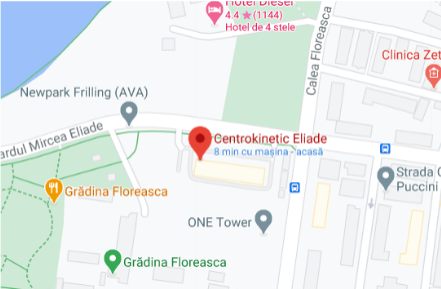
| Navigation | Explore 3D |
CENTROKINETIC Barbu Vacarescu
Bucharest, 2nd District,
Barbu Vacarescu Street, no. 102,
102 The Address, ground floor.
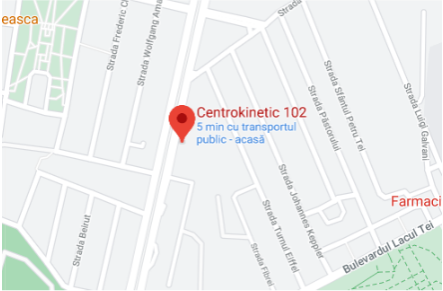
| Navigation | Explore 3D |
CENTROKINETIC MILITARI
Bucuresti, Sector 6,
Bld. Iuliu Maniu, nr. 15G,
Cladirea PBT, etaj 3.
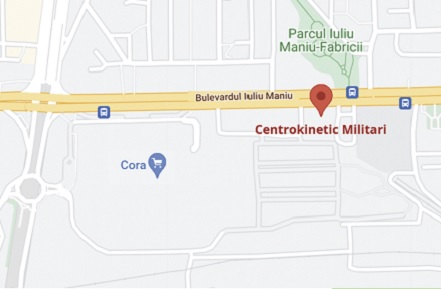
| Navigation |
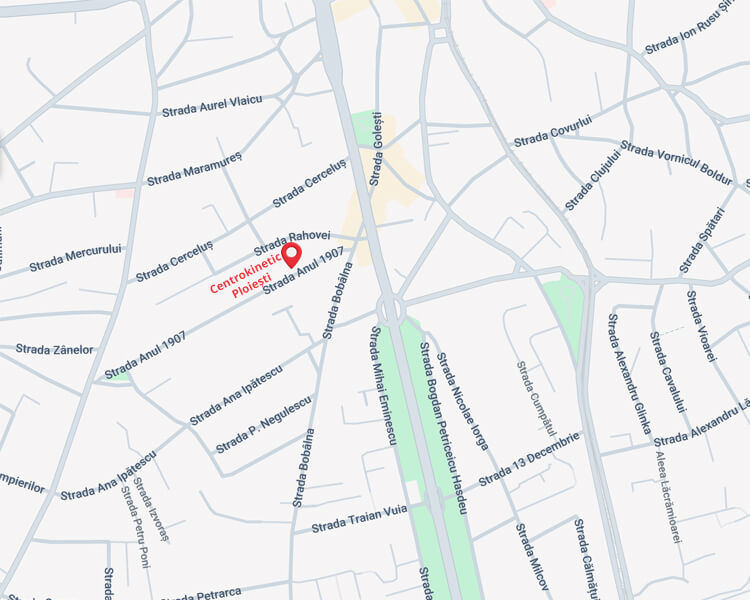
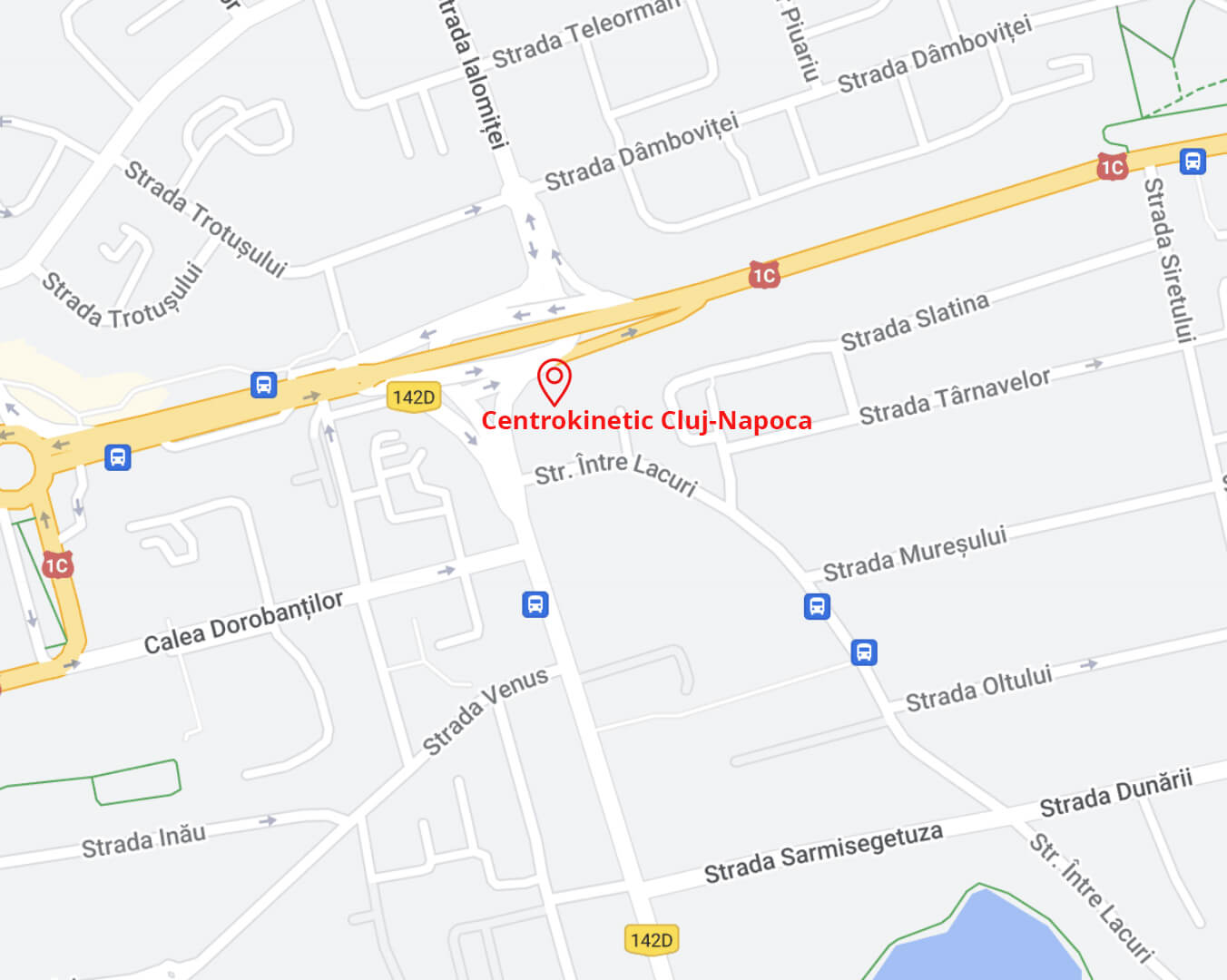
CENTROKINETIC CLUJ-NAPOCA
Cluj-Napoca,
Str. Intre Lacuri, nr.1
Intrarea este in spatele cladirii.
| Navigation |
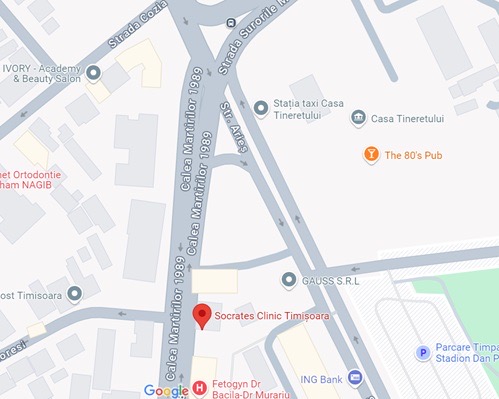
SOCRATES CLINIC TIMISOARA
Timisoara, Calea Martirilor 1989,
nr. 1.
Telefon: 0371 785 374.
| Navigation |
CONTACT
Phone: 0319693
E-mail: programari@centrokinetic.ro
Operating hours:
Monday – Friday: 07:00 – 21:00
Saturday: 09:00 – 14:00
Sunday: closed.
MAKE AN APPOINTMENT