Which doctor do you go to for scoliosis?



If you notice back asymmetry or posture changes in yourself or someone close to you, you are probably wondering what steps to follow and which doctor to consult. Scoliosis does not only have an aesthetic impact – if left untreated, it can affect mobility, breathing, and quality of life [1]. Below, you will find clear explanations and practical advice on what to do if you suspect this condition. Here are the early signs, how the diagnosis is established, and what treatment options Centrokinetic specialists offer.
How do you recognize the signs of scoliosis?
The first important step is identifying visible changes in the back. Common signs include:
- one shoulder positioned higher than the other;
- a prominent shoulder blade (scapula);
- uneven hips or a visible curvature of the spine;
- a difference in trunk height when bending forward.
Scoliosis can occur at any age, but it most commonly appears between 10 and 15 years old, during periods of rapid growth. In adults, the most frequent form is degenerative scoliosis, which develops with aging and wear of the intervertebral discs.
It is important to distinguish between poor posture, which can be corrected easily through movement, and structural scoliosis, in which the vertebrae undergo real alignment changes. Only a doctor can determine the exact situation after a specialist consultation [1][2].
Which Centrokinetic specialist can help you?
It is natural to wonder where to go for scoliosis evaluation. Centrokinetic provides a multidisciplinary team made up of:
- orthopedic doctors with various subspecialties;
- pediatric orthopedists;
- neurologists and neurosurgeons;
- medical rehabilitation specialists, kinesiotherapists, and physiotherapists.
For a correct approach, follow these steps:
- schedule a consultation with an orthopedic doctor, who will determine whether additional investigations are necessary. During this first visit, the doctor evaluates posture and performs the Adam’s forward bend test, useful for highlighting back asymmetries. The specialist may also measure the curvature angle using a scoliometer [1][2];
- consult a neurologist if there is suspicion of associated nerve or muscle involvement;
- collaborate with the medical rehabilitation team, which will analyze each case together with the coordinating physician and develop a personalized treatment plan adapted to age and stage of scoliosis.
The Centrokinetic team works in an integrated manner so that patients benefit from accurate evaluation, modern treatment, and continuous monitoring.
Medical investigations needed to establish the diagnosis
In some cases, to confirm a scoliosis diagnosis, the doctor may recommend imaging investigations. Usually, a full-spine panoramic X-ray is sufficient to confirm the diagnosis and allows calculation of the Cobb angle – the standard criterion for scoliosis. A definitive diagnosis is established when the Cobb angle exceeds 10 degrees [3].
In certain situations, such as suspected associated neurological conditions or when the X-ray does not provide sufficient details, the doctor may recommend additional investigations such as MRI or CT scan. Early detection and constant monitoring are essential to stop curve progression and avoid invasive treatments [1][2].
Treatment options recommended by Centrokinetic specialists
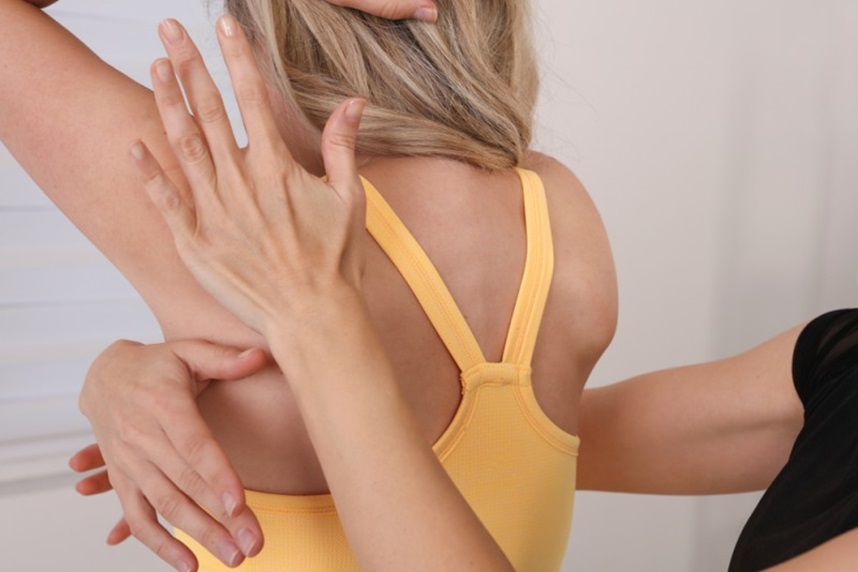
Scoliosis treatment differs depending on age, degree of curvature, and cause. During the initial consultation, the doctor will explain all appropriate methods for your situation. Possible therapeutic options include:
- active monitoring – in cases of mild curvature, the doctor may recommend periodic reassessments and a personalized scoliosis exercise program. These help correct posture, strengthen back muscles, and improve balance;
- orthopedic brace – if the curvature angle exceeds 25–30 degrees, a medical brace may be necessary. Wearing it must be strictly supervised to ensure effectiveness and avoid discomfort;
- Schroth therapy – intended for moderate cases, this method is based on specific exercises and breathing techniques that help realign the spine and improve mobility. Therapy must be performed under the guidance of a certified Schroth specialist;
- surgical intervention – indicated in severe cases (over 40–50 degrees) or when scoliosis causes significant pain and affects breathing. After surgery, the patient follows a complex rehabilitation program including kinesiotherapy and physiotherapy adapted to individual needs [1][2][4].
Do not start or modify treatment without your doctor’s recommendation. An inappropriate exercise program can worsen symptoms or lead to complications. All therapies must be supervised by specialists and adapted to the patient’s age, stage, and tolerance level.
Personalizing treatment according to age and context
For children and adolescents
Family support and constant communication with the medical team are essential for achieving the best results. Centrokinetic specialists monitor scoliosis progression, periodically adjust the therapy program, and teach parents how to support the recovery process at home. This personalized approach prevents recurrence and helps maintain correct posture long term.
For adults
In degenerative or idiopathic scoliosis, the focus is on slowing curve progression, reducing pain, and restoring mobility. For example, an adult patient with lower back pain associated with scoliosis may follow combined kinesiotherapy and physiotherapy sessions designed to improve muscle tone and spinal stability [1][2].
The importance of prevention and monitoring
Specialists recommend periodic check-ups for children during rapid growth periods, especially if there is a family history of scoliosis. Regular exercise, maintaining correct posture both at school and at home, and avoiding prolonged sitting are essential preventive factors [1][2].
Scheduling and steps to follow at your first visit to Centrokinetic
If you need an evaluation, prepare in advance. Bring recent X-rays or other relevant investigations and schedule online or by phone depending on the desired service: pediatric orthopedics, adult orthopedics, or neurology.
At the first visit:
- the doctor will take a detailed medical history to analyze family history and current symptoms;
- a physical examination follows, assessing posture, degree of curvature, and possible asymmetries;
- if necessary, the doctor will recommend a panoramic X-ray or additional imaging investigations;
- the medical team will explain the next steps and establish a personalized treatment plan.
General stages of scoliosis treatment
| Stage | Main objective | Method used | Estimated duration |
|---|---|---|---|
| Initial evaluation | Establishing diagnosis and curvature degree | Orthopedic consultation, panoramic X-ray | 1 day |
| Active monitoring | Posture correction and prevention of progression | Kinesiotherapy, Schroth exercises | 3–6 months |
| Orthopedic correction | Stabilizing curvature in children and adolescents | Chêneau brace | 6–24 months |
| Surgical intervention | Correction of severe curves | Spinal fusion, postoperative rehabilitation | Variable |
| Medical rehabilitation | Restoring mobility and strength | Kinesiotherapy, physiotherapy | 3–12 months |
You can consult details about costs and evaluation options here.
Frequently asked questions about scoliosis
At what age does scoliosis most frequently occur?
Usually between 10 and 15 years old during rapid growth, but it can also appear in adults (degenerative scoliosis).
Are there ways to prevent scoliosis?
Scoliosis cannot be completely prevented, but correct posture, regular physical activity, and periodic check-ups can reduce the risk of its development.
Is scoliosis treatment painful?
No. Schroth therapy and kinesiotherapy are adapted to each patient’s tolerance. Mild muscular discomfort may appear at the beginning.
Can scoliosis be corrected without surgery?
If detected early and the curvature is mild or moderate, conservative treatments can provide very good results.
How often should medical evaluation be repeated?
In growing children, reassessment is recommended every 6 months. In adults, once a year is sufficient if no new symptoms appear.
Scoliosis can be effectively managed through early diagnosis, personalized treatment, and constant collaboration with a multidisciplinary team. At Centrokinetic, you benefit from the support of orthopedic doctors, neurologists, kinesiotherapists, and physiotherapists who work together to provide the best solutions, regardless of age or severity. Schedule a specialist consultation now at one of our clinics in Bucharest, Cluj, Brasov, or Timisoara for a complete evaluation and a personalized treatment plan.
Disclaimer: This article is for informational purposes only and does not replace consultation with a specialist doctor. The diagnosis and treatment of scoliosis must be established exclusively by a professional following a detailed clinical evaluation and appropriate imaging investigations.
Sources:
[1] “Scoliosis - Diagnosis and Treatment - Mayo Clinic.” Mayoclinic.org, 2025, www.mayoclinic.org/diseases-conditions/scoliosis/diagnosis-treatment/drc-20350721. Accessed Nov. 7, 2025.
[2] “Scoliosis: What It Is, Types, Causes, Symptoms & Treatment.” Cleveland Clinic, Mar. 9, 2017, my.clevelandclinic.org/health/diseases/15837-scoliosis. Accessed Nov. 7, 2025.
[3] Thuaimer, Ahmad, et al. “Cobb Angle.” Radiopaedia.org, 27 June 2013, radiopaedia.org/articles/cobb-angle, https://doi.org/10.53347/rid-23612. Accessed Nov. 7, 2025.
[4] “Schroth Method for Scoliosis.” Johns Hopkins Medicine, 2019, www.hopkinsmedicine.org/health/conditions-and-diseases/scoliosis/schroth-method-for-scoliosis. Accessed Nov. 7, 2025.
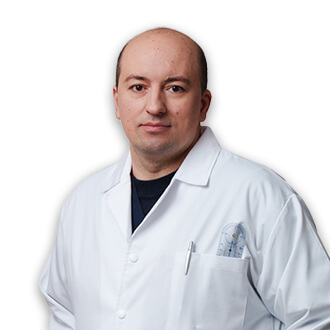
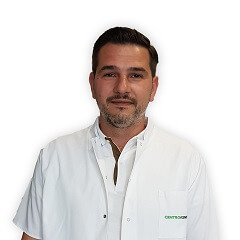
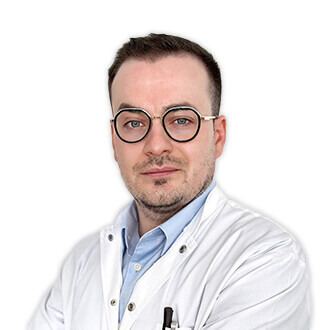
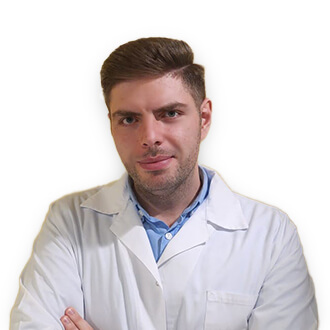
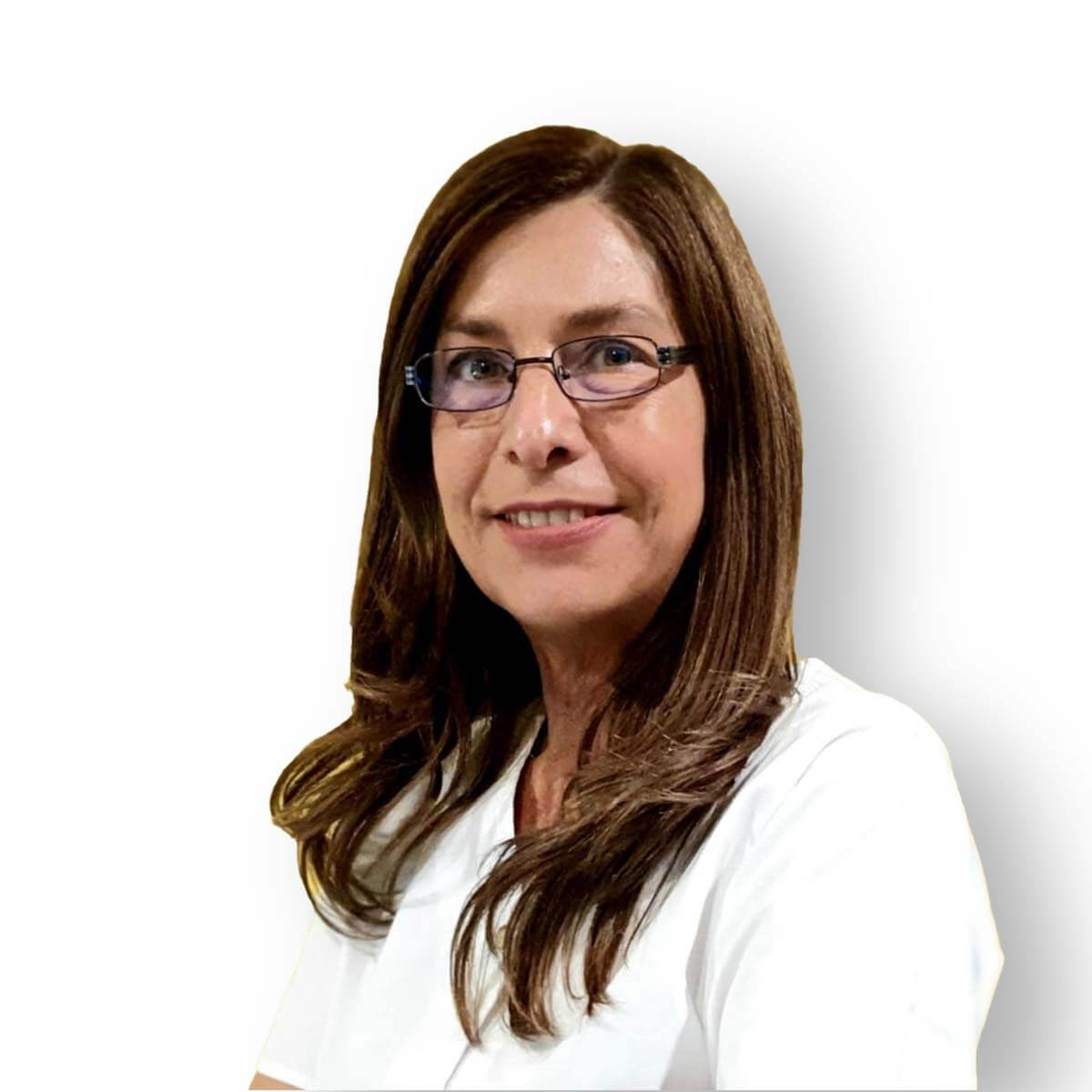
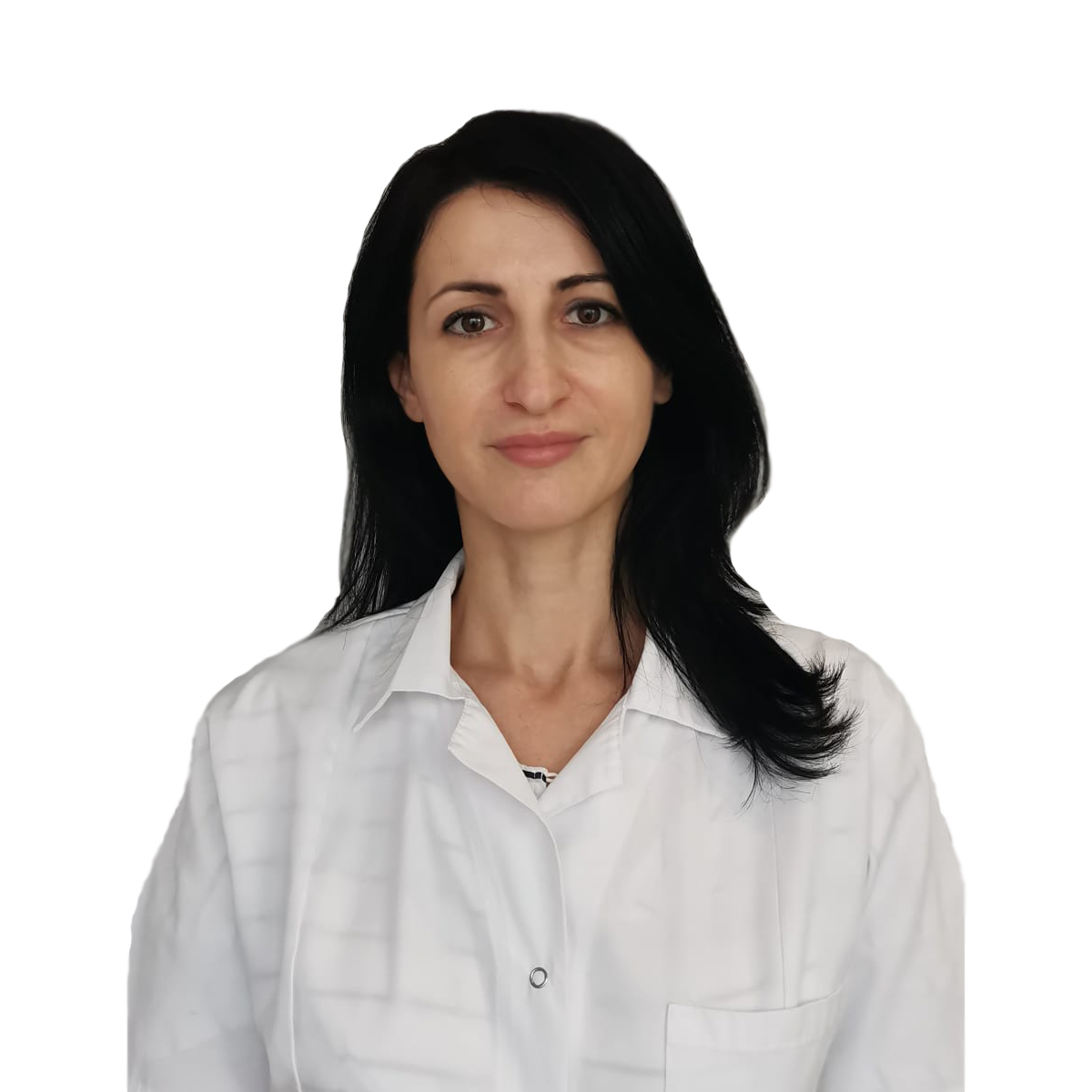
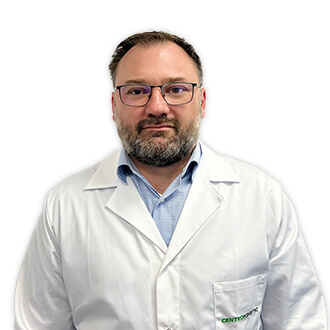
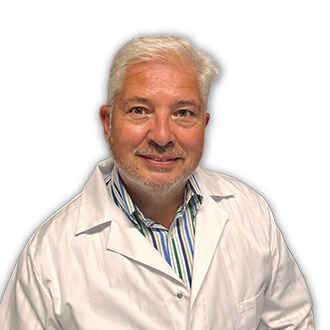
BUCHAREST TEAM
















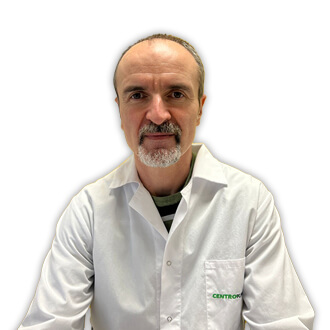
CLUJ NAPOCA TEAM







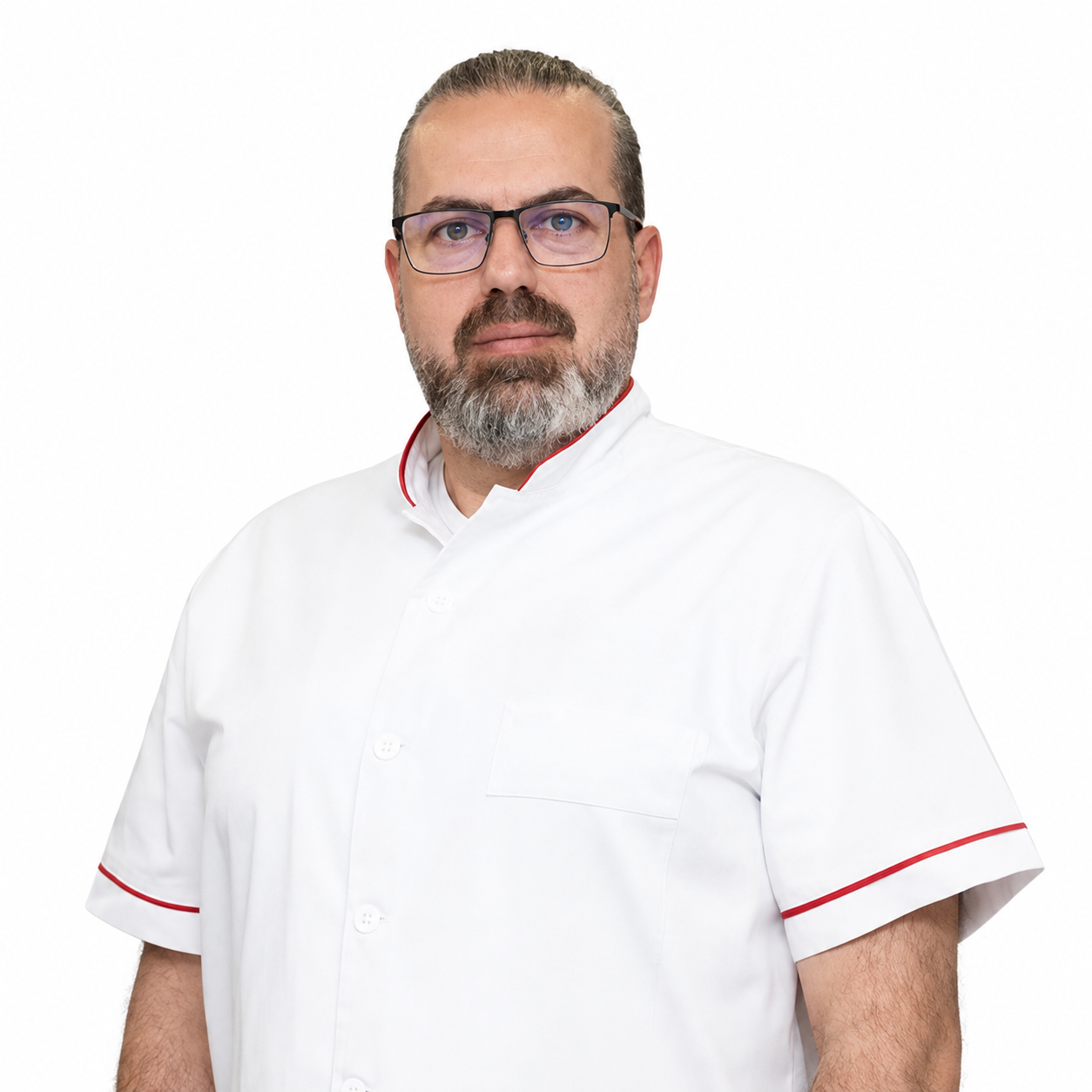
BRASOV TEAM






MAKE AN APPOINTMENT
FOR AN EXAMINATION
See here how you can make an appointment and the location of our clinics.
MAKE AN APPOINTMENT
Asiguratori privati





Parteneriate


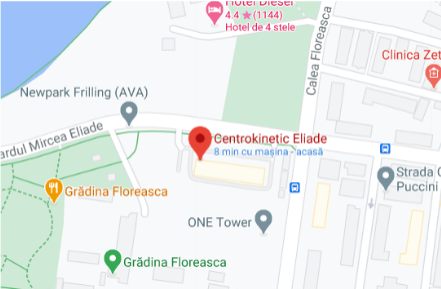
CENTROKINETIC FLOREASCA
Bucharest, 1st District,
Mircea Eliade Street, no. 18,
Eliade Tower, Entrance A, Floor 3
| Navigation | Explore 3D |
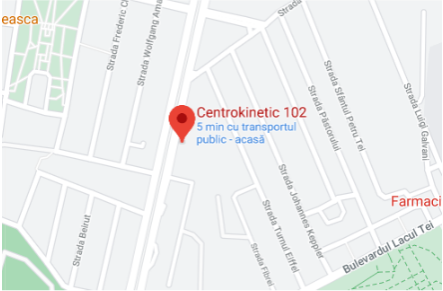
CENTROKINETIC Barbu Vacarescu
Bucharest, 2nd District,
Barbu Vacarescu Street, no. 102,
102 The Address, ground floor.
| Navigation | Explore 3D |
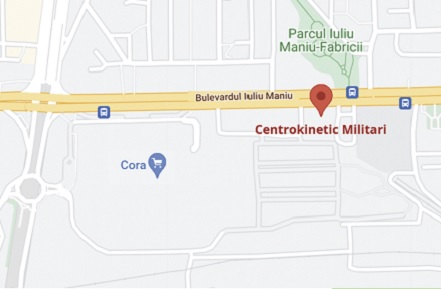
CENTROKINETIC MILITARI
Bucuresti, Sector 6,
Bld. Iuliu Maniu, nr. 15G,
Cladirea PBT, etaj 3.
| Navigation |
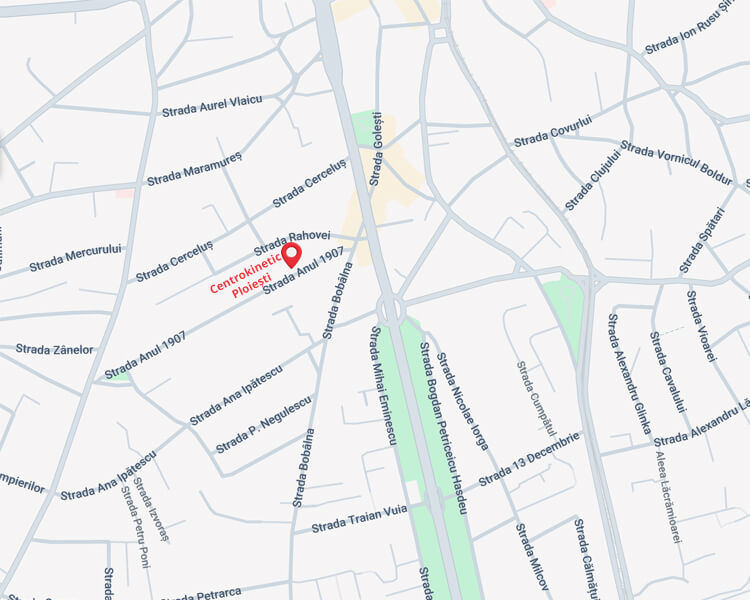
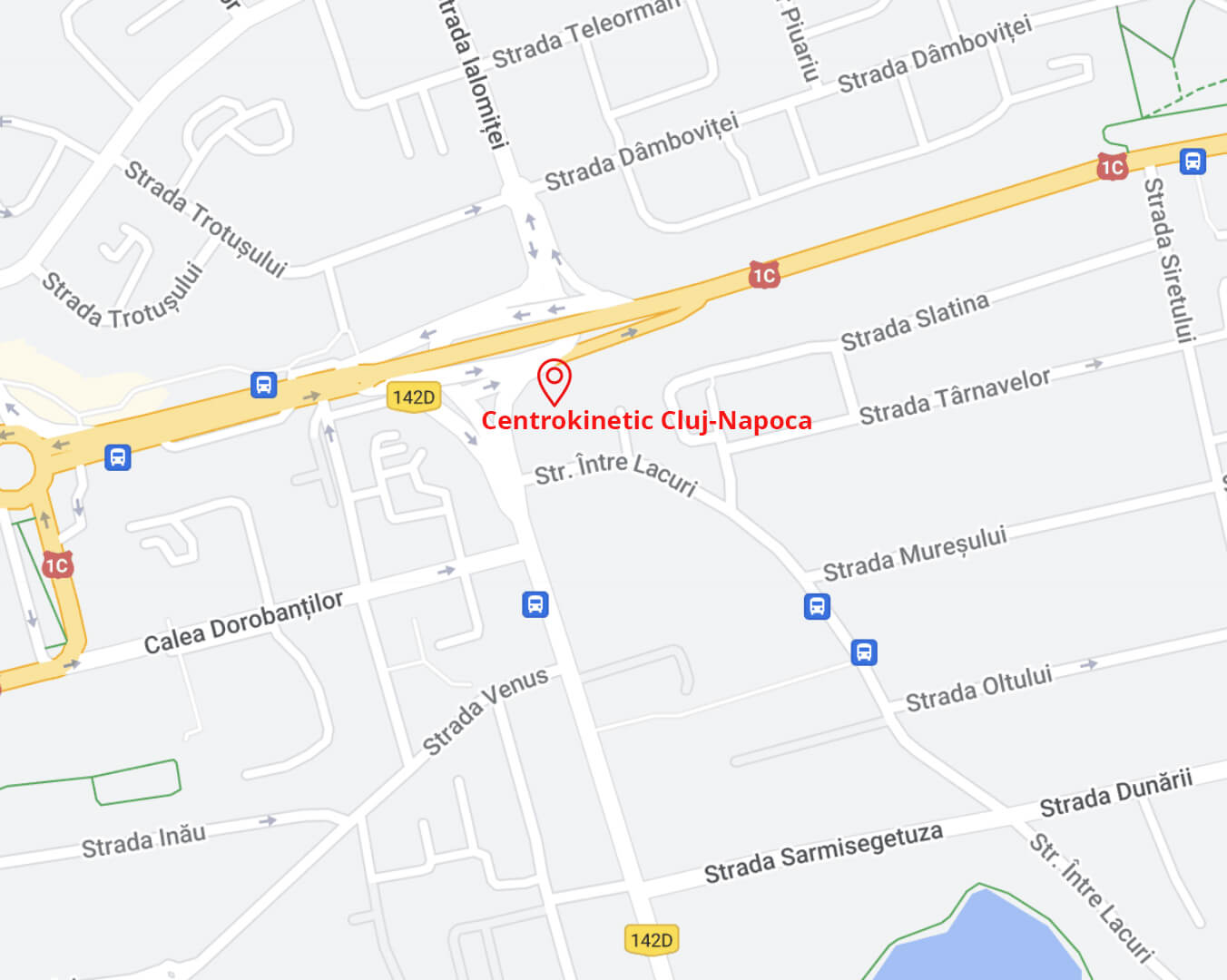
CENTROKINETIC CLUJ-NAPOCA
Cluj-Napoca,
Str. Intre Lacuri, nr.1
Intrarea este in spatele cladirii.
| Navigation |
SOCRATES CLINIC TIMISOARA
Timisoara, Calea Martirilor 1989,
nr. 1.
Telefon: 0371 785 374.
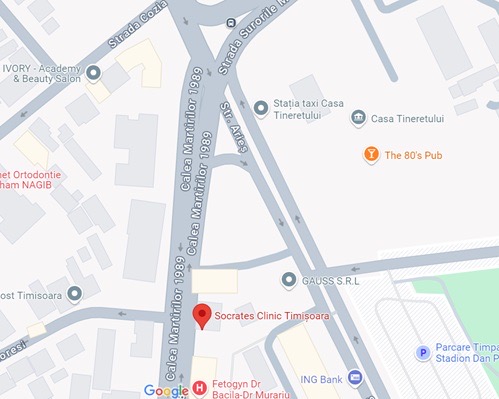
| Navigation |
CONTACT
Phone: 0319693
E-mail: programari@centrokinetic.ro
Operating hours:
Monday – Friday: 07:00 – 21:00
Saturday: 09:00 – 14:00
Sunday: closed.
MAKE AN APPOINTMENT