Do you have a recent injury, recurring pain, or are you recovering after surgery? You may have received a recommendation for electrostimulation or active physical therapy and want to know more. The choice is not always simple, and the right decision influences the speed and quality of your recovery.
Active adults, amateur or professional athletes, post-operative patients, and parents looking for solutions for their children share a common need: a clear, personalized plan based on a proper medical evaluation. Below, you will find useful information about each of these two methods, as well as their advantages and limitations.
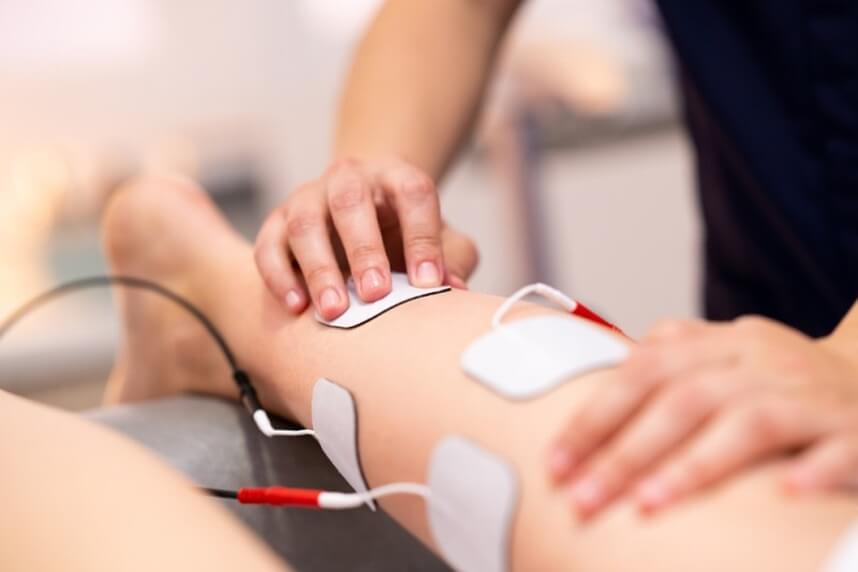
Muscle electrostimulation uses electrical impulses applied through electrodes placed on the skin. These impulses stimulate the motor nerves and produce involuntary muscle contractions. In practice, the muscle contracts without you activating it voluntarily.
The procedure helps maintain muscle tone during periods of immobilization and can support muscle reactivation after orthopedic surgery. Common types used in practice include:
What do you feel during the session? A tingling sensation and rhythmic muscle contractions. The intensity is gradually adjusted according to your tolerance.
Advantages:
Limitations:
Electrostimulation is not recommended if you have:
Mild skin irritation or temporary muscle discomfort may occur. The doctor establishes the correct indication after evaluation.
Active physical therapy involves exercises performed consciously, under the guidance of a physical therapist. You control the movement, learn to activate the muscles correctly, and stabilize the joints.
The program begins with a detailed assessment: joint mobility, muscle strength, balance, posture, and movement patterns. Based on these findings, the medical team builds a personalized plan.
According to studies, active exercises improve neuromuscular control and reduce the risk of recurrence in musculoskeletal conditions. For optimal results, the patient must participate consistently and follow the instructions received.
What can you achieve through active physical therapy?
Limitations:
| Comparison criterion | Electrostimulation | Physical therapy |
|---|---|---|
| Level of involvement | Passive therapy: the muscle contracts through an electrical impulse, without voluntary effort. | Active therapy: you participate directly and consciously in each movement/exercise. |
| Recovery stage | Ideal in the acute phase or immediately after surgery, when movement is limited. | Recommended in the subacute and chronic phases; introduced progressively as early as possible. |
| Main objective | Maintaining muscle mass, reducing pain, and initial activation of muscle fibers. | Regaining function, joint stability, and preventing recurrence. |
| Long-term results | Supports the recovery process, but cannot complete rehabilitation on its own. | Consolidates results and reduces the risk of new painful episodes. |
In practice, doctors often combine the two methods. Studies show that combining electrical stimulation with active exercises can improve muscle strength more effectively than using either method alone.
The doctor may recommend electrostimulation in situations such as:
In general, sessions are performed in individually established series. The response varies from patient to patient, and the team adjusts the parameters according to progress.

Active physical therapy becomes a priority in many situations.
For patients with recurrent lower back or neck pain, stabilization and controlled mobilization exercises reduce the frequency of painful episodes. According to current guidelines, dosed movement and specific exercises represent the first line of intervention in most cases of nonspecific lower back pain.
After an ankle sprain, for example, the simple disappearance of pain is not enough. You need balance and control exercises to prevent another injury. Physical therapy trains these mechanisms.
In pediatric orthopedics, age-appropriate exercises help correct postural deficiencies or support recovery after fractures. The program is adapted to the child’s developmental level.
If you work long hours at a desk and have repeated episodes of neck pain, early intervention through corrective exercises reduces the risk of chronic pain. A proper assessment identifies muscle imbalances and corrects them before complications occur.
Each diagnosis has its own particularities. A complete assessment offers clear benefits:
Early intervention increases the chances of effective recovery. In many musculoskeletal conditions, delaying treatment leads to additional compensations and imbalances. At Centrokinetic, the medical team builds personalized plans and constantly adapts the protocol according to your progress.
Ask your doctor a few clear questions:
Do not try to self-diagnose and do not start treatments without medical recommendation. Devices used at home may seem accessible, but incorrectly set parameters reduce effectiveness or may cause discomfort. Schedule a specialist consultation at Centrokinetic now!
In most cases, electrostimulation supports recovery, but it does not replace active exercises. For stable results and recurrence prevention, doctors recommend the gradual integration of active physical therapy.
The duration varies depending on the diagnosis, severity, and your involvement. A post-operative program may last 6–12 weeks, while chronic conditions may require longer periods. The doctor adjusts the plan according to progress.
The procedure should not cause pain. You may feel tingling and controlled muscle contractions. If significant discomfort occurs, immediately inform the specialist so the intensity can be adjusted.
See here how you can make an appointment and the location of our clinics.






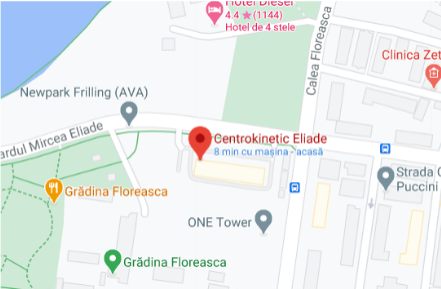
CENTROKINETIC FLOREASCA
Bucharest, 1st District,
Mircea Eliade Street, no. 18,
Eliade Tower, Entrance A, Floor 3
| Navigation | Explore 3D |
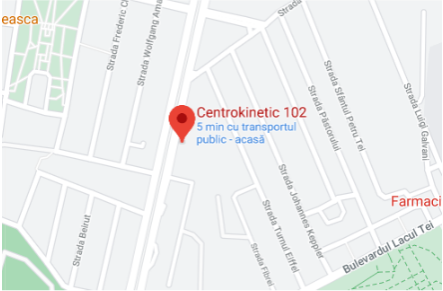
CENTROKINETIC Barbu Vacarescu
Bucharest, 2nd District,
Barbu Vacarescu Street, no. 102,
102 The Address, ground floor.
| Navigation | Explore 3D |
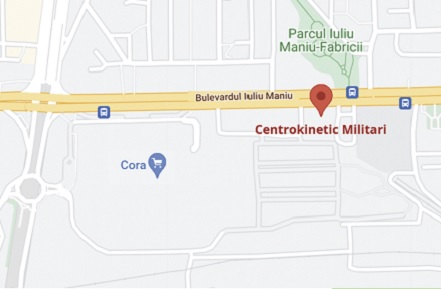
CENTROKINETIC MILITARI
Bucuresti, Sector 6,
Bld. Iuliu Maniu, nr. 15G,
Cladirea PBT, etaj 3.
| Navigation |
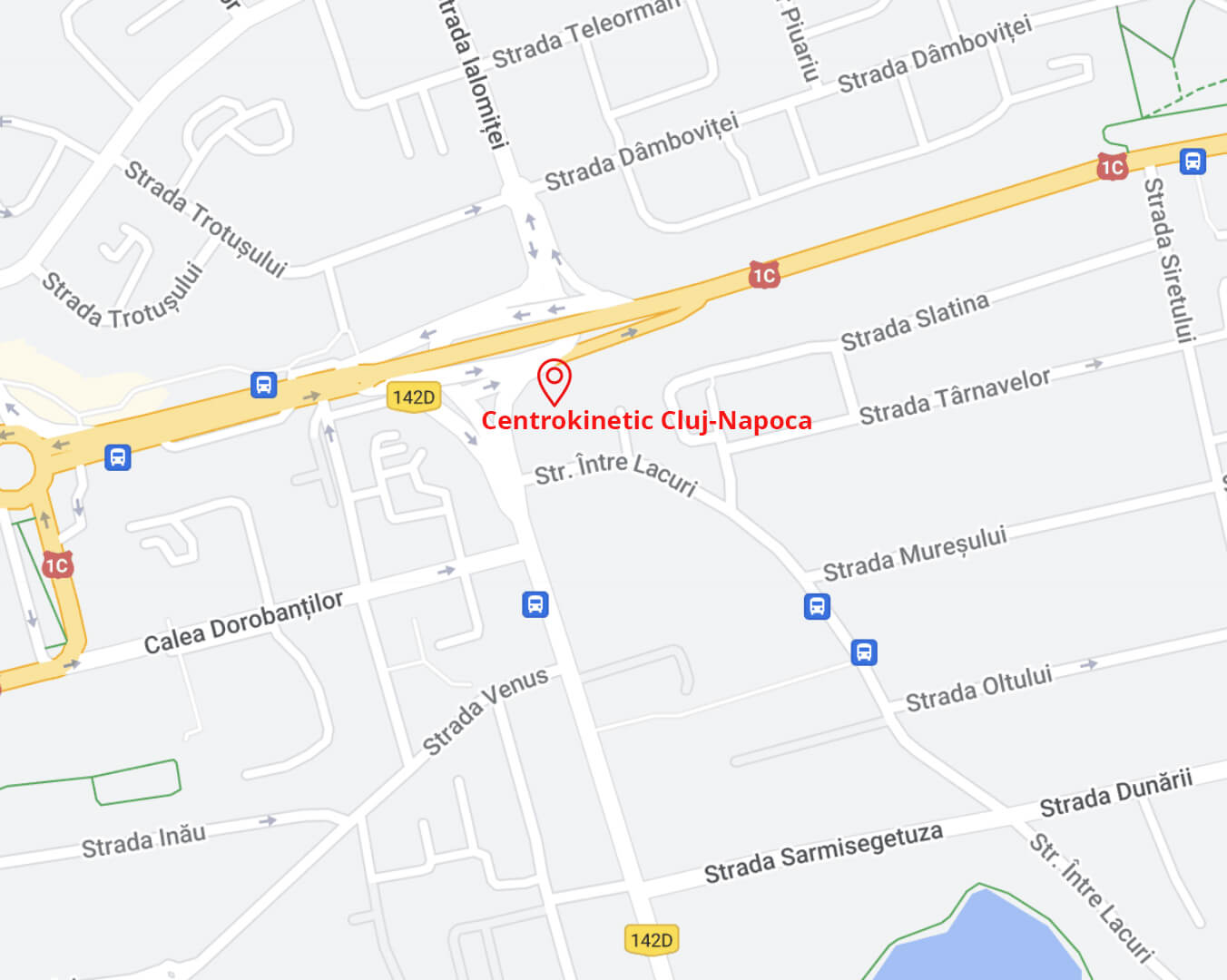
CENTROKINETIC CLUJ-NAPOCA
Cluj-Napoca,
Str. Intre Lacuri, nr.1
Intrarea este in spatele cladirii.
| Navigation |
SOCRATES CLINIC TIMISOARA
Timisoara, Calea Martirilor 1989,
nr. 1.
Telefon: 0371 785 374.
| Navigation |
Phone: 0319693
E-mail: programari@centrokinetic.ro
Operating hours:
Monday – Friday: 07:00 – 21:00
Saturday: 09:00 – 14:00
Sunday: closed.
MAKE AN APPOINTMENT