Recovery after an injury, surgery, or orthopedic condition does not depend only on the operation or the initial treatment. What you do every day matters: how you move, whether you follow the recommendations, how you sleep, and what you eat.
Many active patients, amateur athletes, or people returning to work after surgery believe the process ends once the intense pain disappears. In reality, tissue healing continues for several weeks or months. Full functional recovery requires time, monitoring, and gradual progression. Below, you will find the most common mistakes that can slow recovery and the practical solutions through which you can avoid them.
You may notice that you feel better after a few weeks of medical recovery and decide to resume training, lift weights, or spend hours at your desk without breaks. It is important to know that, in many situations, although the pain has decreased, the tissues have not fully consolidated. Returning to effort too early increases the risk of recurrence and post-operative complications.
Common examples:
For optimal results, increase your effort progressively and discuss with your doctor the ideal timeframe for returning to activities such as sports, driving, or physical work. A proper evaluation shows whether the joint can tolerate loading or if you still need protection.
On the other hand, some patients are afraid to move and remain in bed for days, even after the doctor recommends light mobilization. Prolonged immobilization leads to muscle atrophy (loss of muscle mass), joint stiffness, and an increased risk of deep vein thrombosis. Studies have shown that early mobilization reduces hospitalization time and accelerates functional recovery.
A concrete example: after ACL surgery, if you do not start guided exercises on time, the knee loses full extension. Recovery becomes longer and more difficult.
What can you do?
A personalized physical therapy program maintains your mobility and reduces complications associated with excessive rest.
Another important mistake is stopping anti-inflammatory medication, reducing the dose without discussing it with your doctor, or no longer attending follow-up appointments because you feel better. However, it is useful to know that non-compliance with treatment increases the risk of persistent inflammation or complications. There is a clear association between poor treatment adherence and unfavorable outcomes in orthopedic patients.
It is also important to understand the possible side effects of medication. Anti-inflammatory drugs, for example, can affect the stomach or kidneys with prolonged use. That is why you need monitoring, not self-adjustments. Write down the exact treatment schedule, ask what to do if you miss a dose, and attend your scheduled check-ups. Periodic evaluations allow the plan to be adjusted according to your progress.
The body needs resources to rebuild tissues. Proteins support muscle synthesis, vitamin C contributes to collagen formation, and zinc supports the healing process. Adequate protein and micronutrient intake is essential during the post-operative period.
An active adult in recovery generally needs a higher protein intake than usual. If you skip meals or mainly consume ultra-processed foods, recovery may slow down.
Practical examples:
If you have associated conditions such as diabetes or digestive disorders, discuss this with your doctor or a nutritionist. The approach must be adapted to your clinical situation.
This is one of the most common mistakes and has a direct impact on the final outcome. Physical therapy involves therapeutic exercises dosed and adapted to the stage of healing. Patients who consistently follow a structured program regain functionality faster, according to current studies.
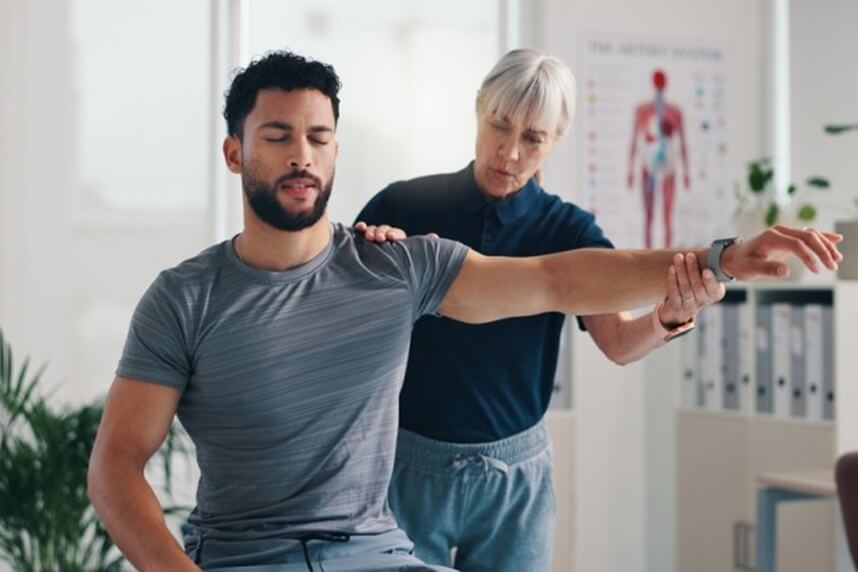
If you frequently miss sessions or perform exercises at home without following instructions, compensatory patterns may appear. For example, after shoulder surgery, you may excessively use the cervical area. As a result, the pain shifts and the process becomes longer. A proper physical therapy program includes:
For lower back pain, for example, a personalized plan can prevent recurrence. Do not stop the program as soon as the pain decreases. Continue until you achieve adequate stability and muscular control.

Pain provides information. The problem appears when you completely ignore it or avoid any movement at the slightest discomfort. Mild, diffuse muscle soreness after exercise indicates adaptation. On the other hand, sharp, localized pain that increases with loading requires reassessment.
In injuries such as sprains, proper effort dosing makes the difference between correct healing and chronic instability. Communicate pain intensity on a scale from 1 to 10 and notify the specialist if swelling, redness, or sudden movement limitation appears. Early intervention shortens recovery time and prevents complications.
Sleep supports tissue regeneration and hormonal balance, while sleep deprivation affects the inflammatory response and physical performance. If you sleep only 4–5 hours per night, smoke, and are constantly stressed, your body recovers more slowly. Smoking reduces tissue oxygenation, while alcohol may interfere with medication and healing processes.
In addition to exercises, you may benefit from modern physiotherapy procedures that stimulate local circulation and reduce inflammation. These have clear indications and contraindications, which is why the doctor will determine whether they are suitable for you.
Establish a sleep routine, reduce stress, and follow the specialist’s recommendations. Recovery means daily discipline.
At Centrokinetic, the medical team performs a complete evaluation, establishes a personalized plan, and monitors your progress step by step. Early intervention, clear objectives, and constant collaboration increase the chances of a safe return to your activities. Schedule a specialist consultation now!
The duration varies depending on the type of surgery, age, activity level, and adherence to recommendations. In many cases, functional recovery lasts between 6 weeks and 6 months. Periodic evaluations allow the plan to be adjusted for stable results.
Home exercises complement the program but do not replace it. Supervised sessions correct execution, adjust intensity, and reduce the risk of compensatory movements. Combine both approaches for efficient recovery.
Seek medical evaluation if the pain progressively increases, persistent swelling appears, fever occurs, numbness develops, or movement suddenly becomes limited. A rapid assessment allows early intervention and prevents complications.
[1] “Don’t Make These 6 Mistakes after Orthopedic Surgery.” Orlandohealth.com, 2023, www.orlandohealth.com/content-hub/dont-make-these-6-mistakes-after-orthopedic-surgery.
[2] “Getting a Total Joint Replacement? Avoid These 7 Common Post-Surgery Mistakes.” Beacon Orthopaedics & Sports Medicine, 13 Aug. 2021, www.beaconortho.com/blog/getting-a-total-joint-replacement-avoid-these-7-common-post-surgery-mistakes/.
[3] Khan, Mataf. “Common Mistakes to Avoid after Knee Replacement and Their Solutions.” Wyckoff, 19 June 2025, whmcny.org/blog/orthopedic/avoid-knee-replacement-mistakes/.
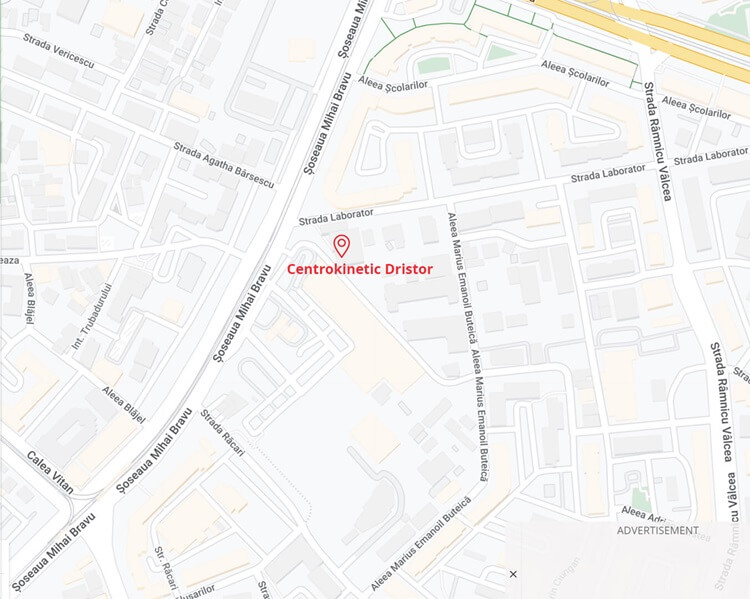
See here how you can make an appointment and the location of our clinics.







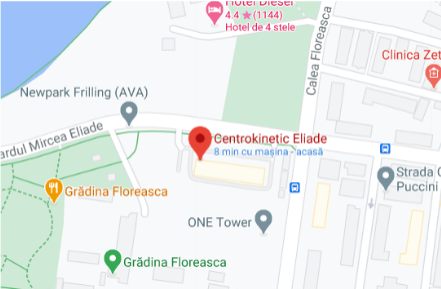
CENTROKINETIC FLOREASCA
Bucharest, 1st District,
Mircea Eliade Street, no. 18,
Eliade Tower, Entrance A, Floor 3
| Navigation | Explore 3D |
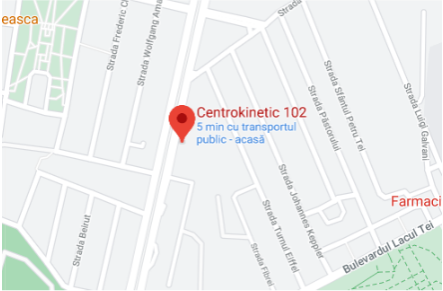
CENTROKINETIC Barbu Vacarescu
Bucharest, 2nd District,
Barbu Vacarescu Street, no. 102,
102 The Address, ground floor.
| Navigation | Explore 3D |
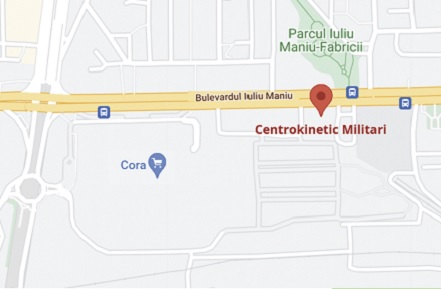
CENTROKINETIC MILITARI
Bucuresti, Sector 6,
Bld. Iuliu Maniu, nr. 15G,
Cladirea PBT, etaj 3.
| Navigation |
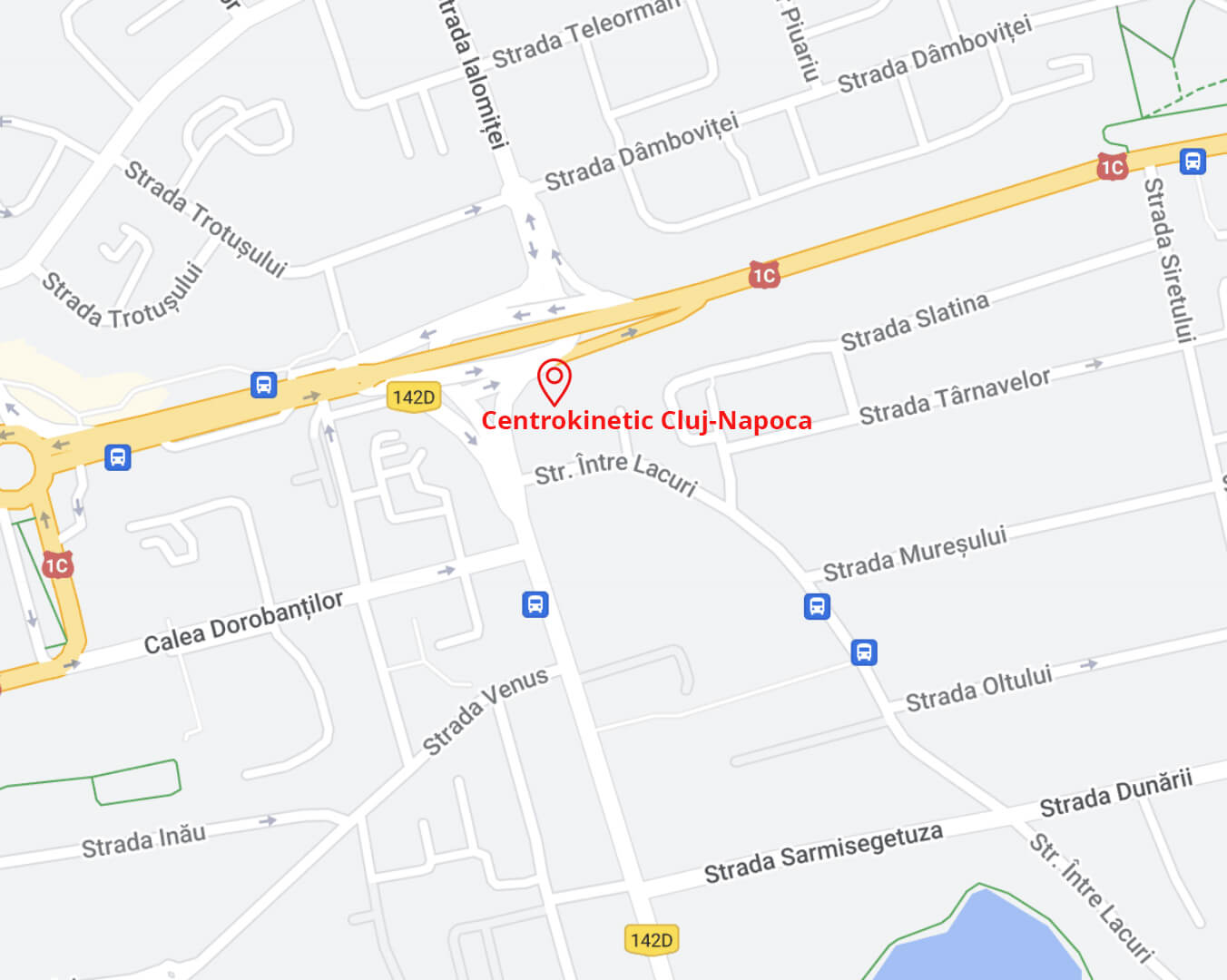
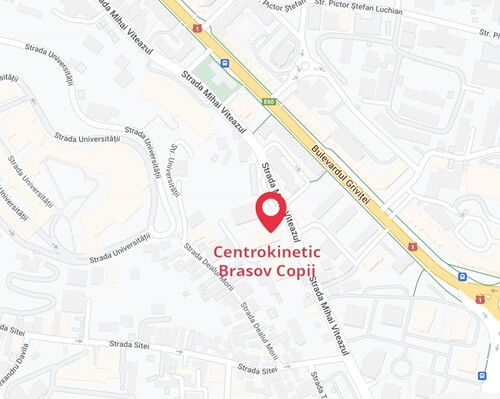
CENTROKINETIC CLUJ-NAPOCA
Cluj-Napoca,
Str. Intre Lacuri, nr.1
Intrarea este in spatele cladirii.
| Navigation |
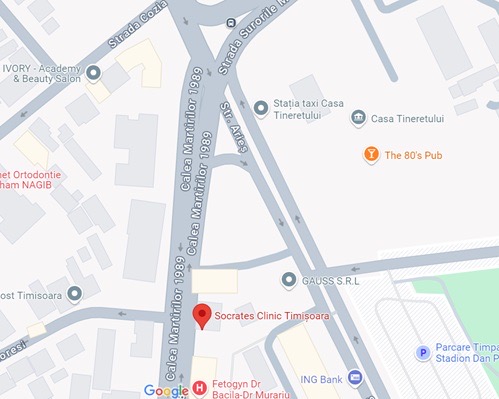
SOCRATES CLINIC TIMISOARA
Timisoara, Calea Martirilor 1989,
nr. 1.
Telefon: 0371 785 374.
| Navigation |
Phone: 0319693
E-mail: programari@centrokinetic.ro
Operating hours:
Monday – Friday: 07:00 – 21:00
Saturday: 09:00 – 14:00
Sunday: closed.
MAKE AN APPOINTMENT